
Field guide · legendary
California Condor
North America's giant soaring scavenger — a nine-foot wingspan pulled back from the brink of extinction.
Critically Endangered
Gymnogyps californianus
Overview
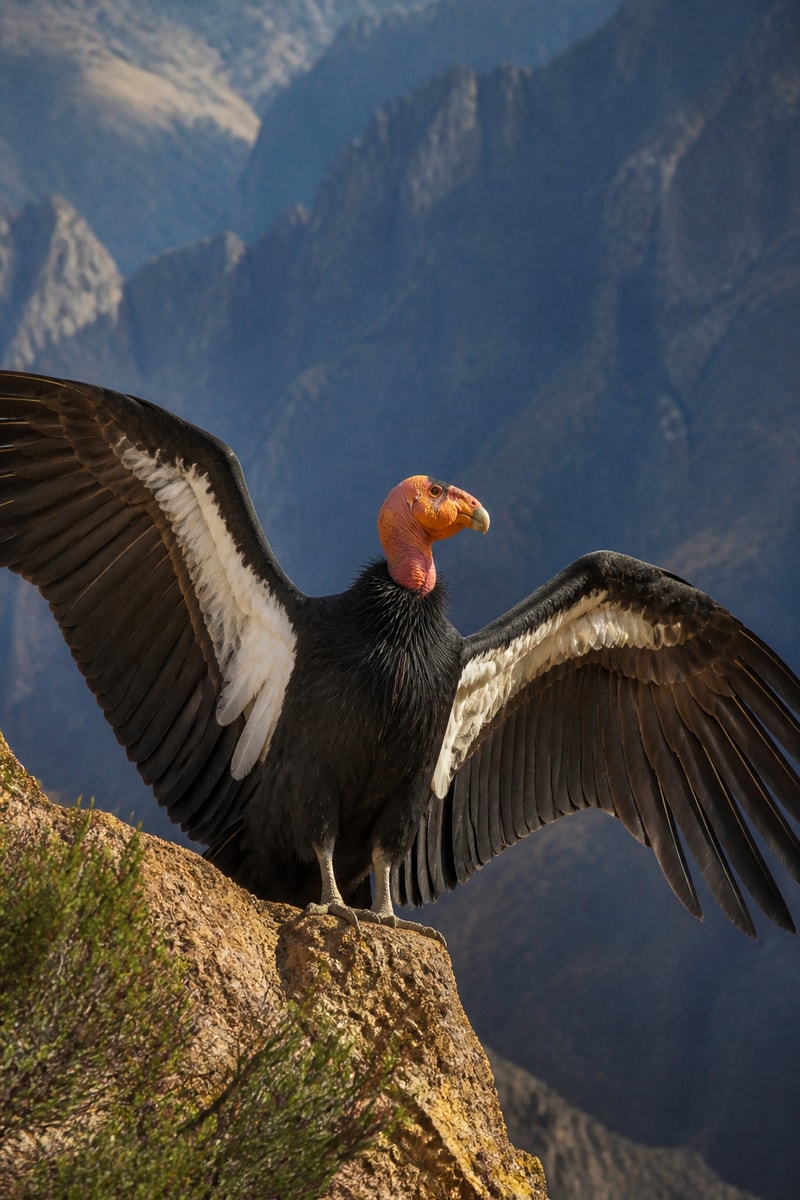
California condors are the largest flying land birds in North America, riding thermals on vast black wings with white underwing triangles. Driven nearly to extinction, captive breeding and reintroductions have brought them back to canyon skies.
A condor overhead is a legendary US discovery — conservation history written on the wind.
- Scientific nameGymnogyps californianus
- Length109–140 cm
- HeightWingspan 2.5–3 m
- Weight7–14 kg
- LifespanAround 40–60 years
- DietObligate scavengers…
- ConservationCritically Endangered
- RegionCanyons & Cliffs
Where to see them
Habitat
- Cliffs
- Canyons
- Open scrub
- Grassland
Open country with cliffs and big thermals in California, Arizona, Utah, and Baja — roosting on rock ledges and foraging over grasslands and scrub for carcasses.
Field notes
Field scale for the California Condor: length around 109-140 cm; height Wingspan 2.5-3 m; weight 7-14 kg. Typical lifespan: Around 40-60 years.
When you are scanning habitat, prioritise cliffs, canyons, open scrub, and grassland. Those settings are where a clean look and a usable photo are most likely.
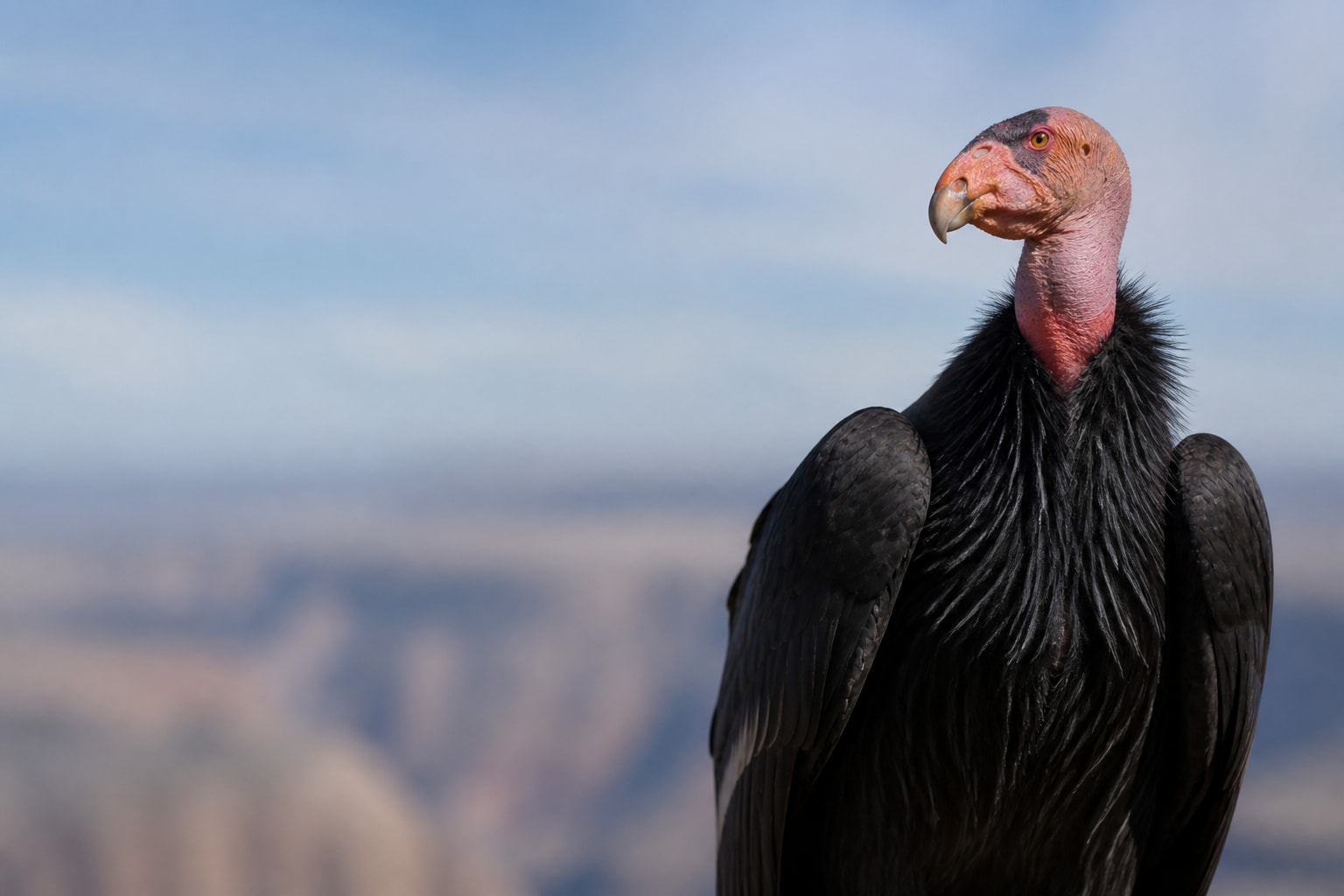
Quick ID anchor: Huge black vulture with a triangle of white on the underwing and a bare orange-pink head. Confirm with behaviour and habitat before you log the discovery.
Diet
Obligate scavengers feeding on large mammal carcasses.
Locate food by soaring and watching other scavengers.
Behaviour
Social at roosts and feeding sites; soar on thermals across huge ranges.
Nest in cliff caves or large tree cavities; slow reproductive rate.
How to identify
Huge black vulture with a triangle of white on the underwing and a bare orange-pink head.
Juveniles are duskier-headed; adults show brighter bare skin.
Interesting facts
- 01
Wingspans can approach 3 metres (about 9–10 feet).
- 02
They were once down to 22 birds worldwide before captive breeding.
- 03
Bare colourful heads stay cleaner when feeding on carcasses.
- 04
Pairs raise a single chick that may take a year to fledge.
- 05
They soar for hours with barely a wingbeat.
- 06
Lead ammunition in carcasses remains a major threat.
Conservation status
California condors remain Critically Endangered despite recovery. Lead poisoning, habitat pressure, and microtrash still threaten wild flocks. Ongoing management keeps the comeback alive.
Sources: IUCN Red List
Related discoveries
Keep exploring
Related discoveries
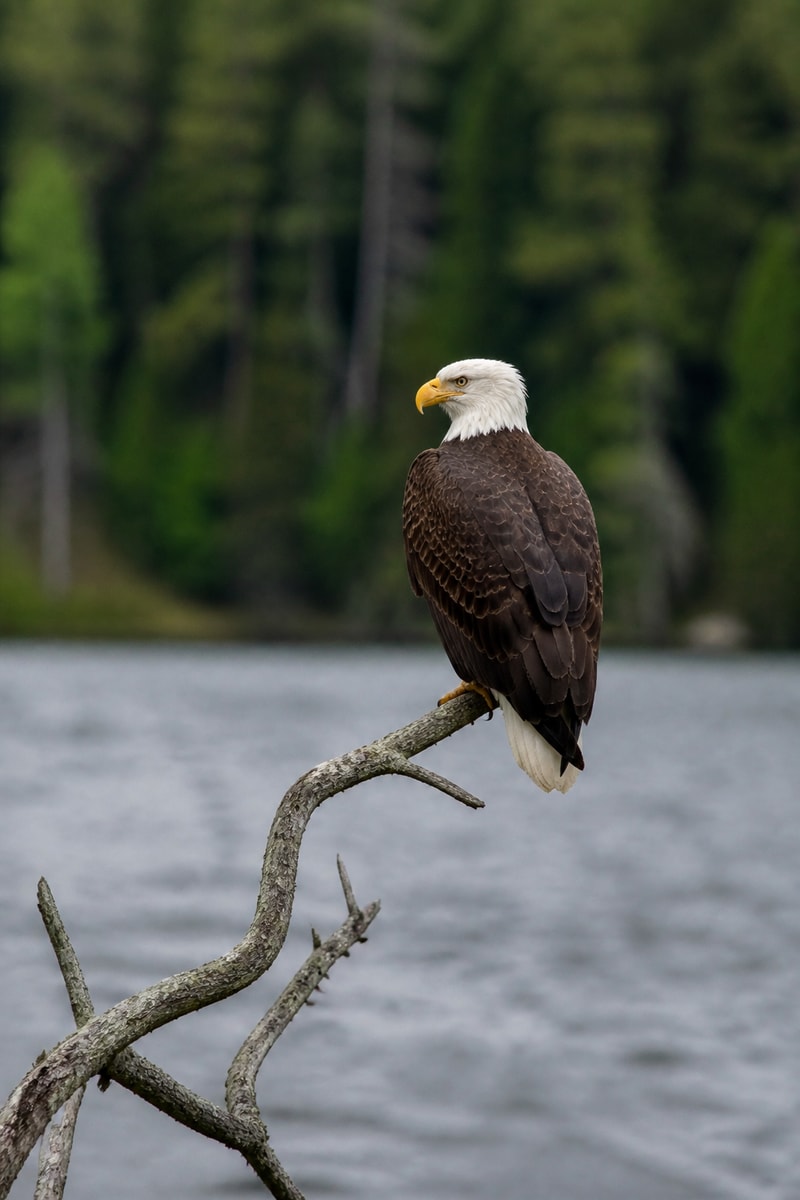
- Bald Eaglelegendary • Lakes & Coasts
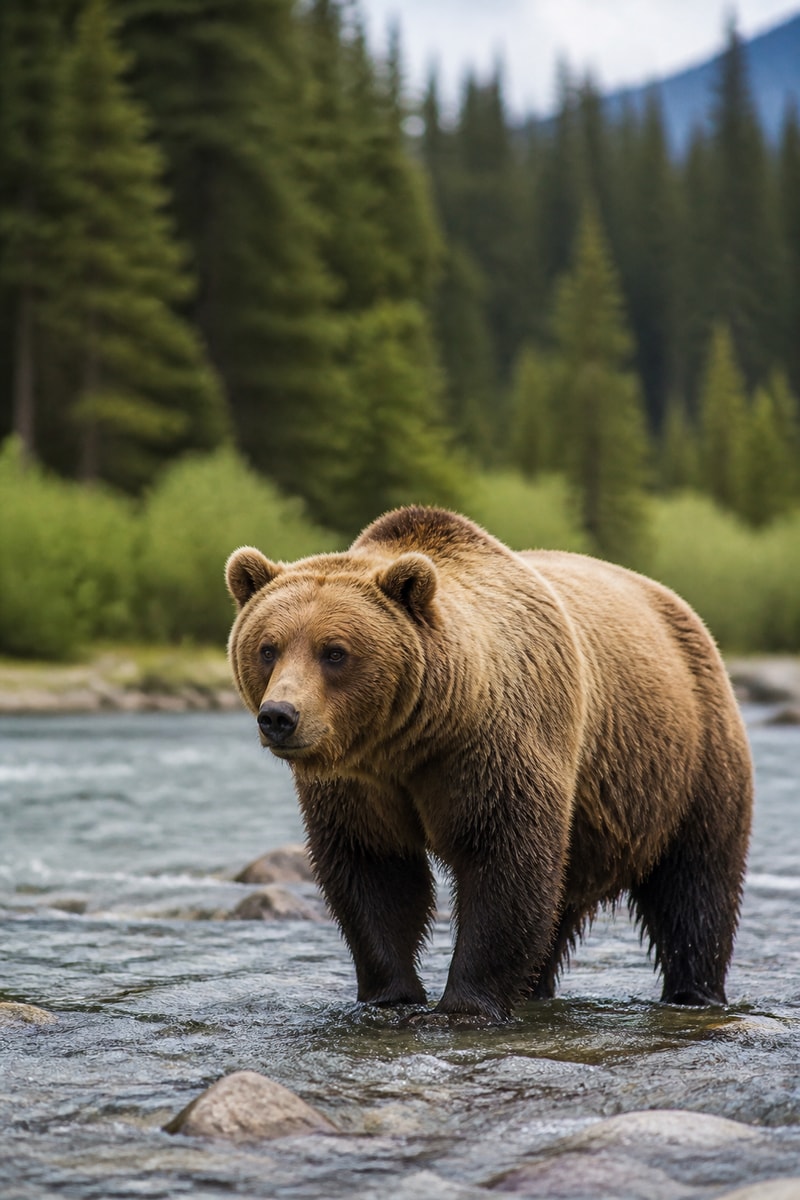
- Grizzly Bearlegendary • Mountains & Rivers
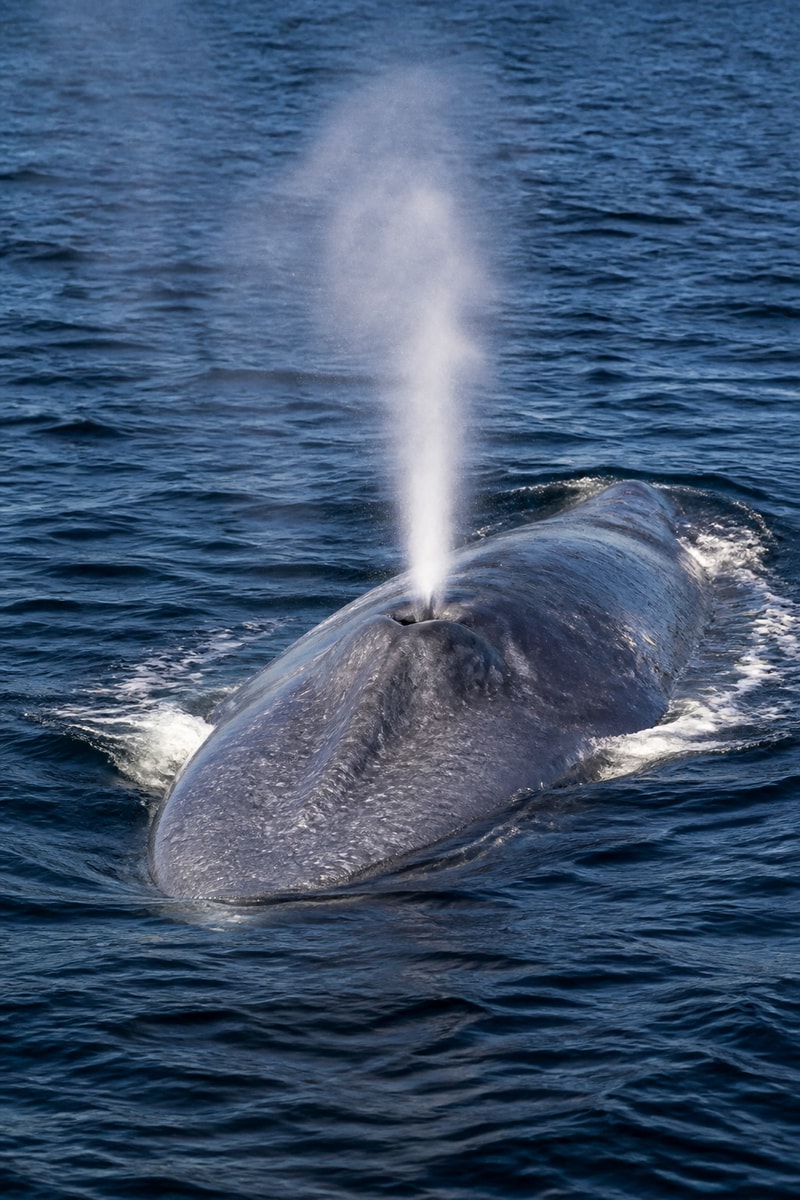
- Blue Whalelegendary • Open Ocean
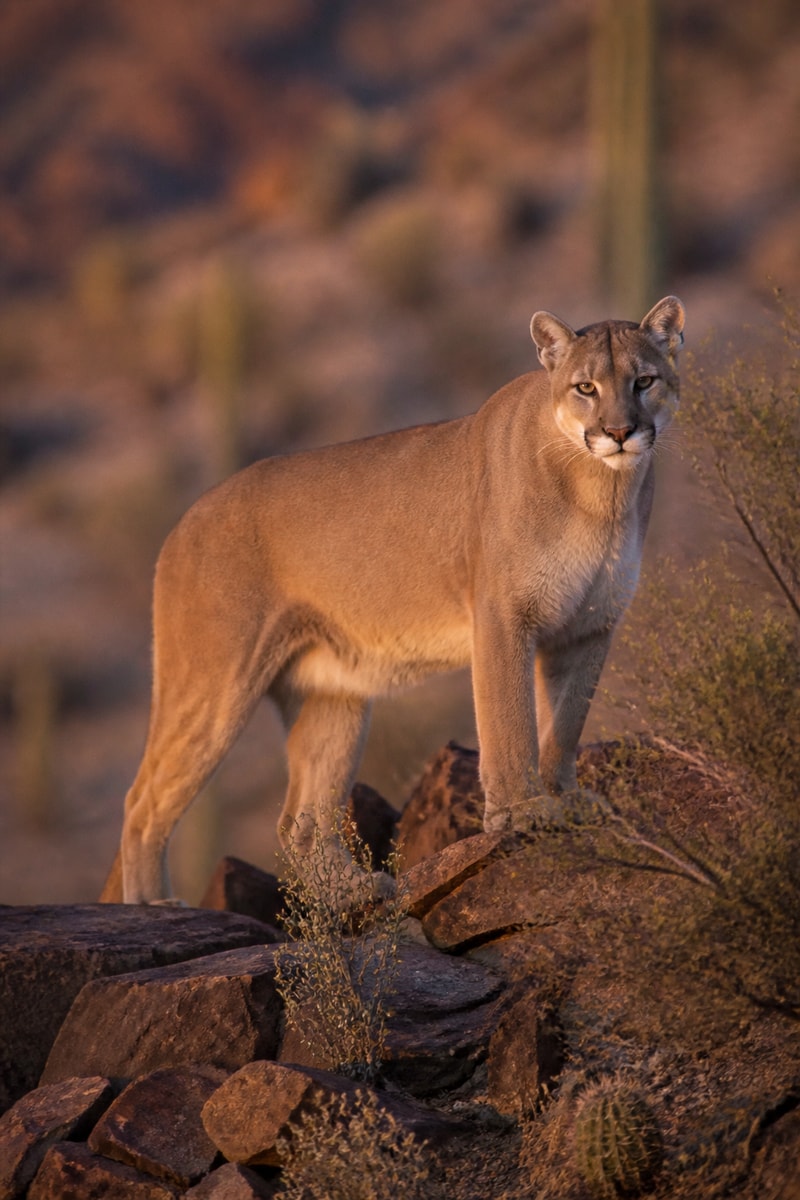
- Mountain Lionlegendary • Mountains & Desert
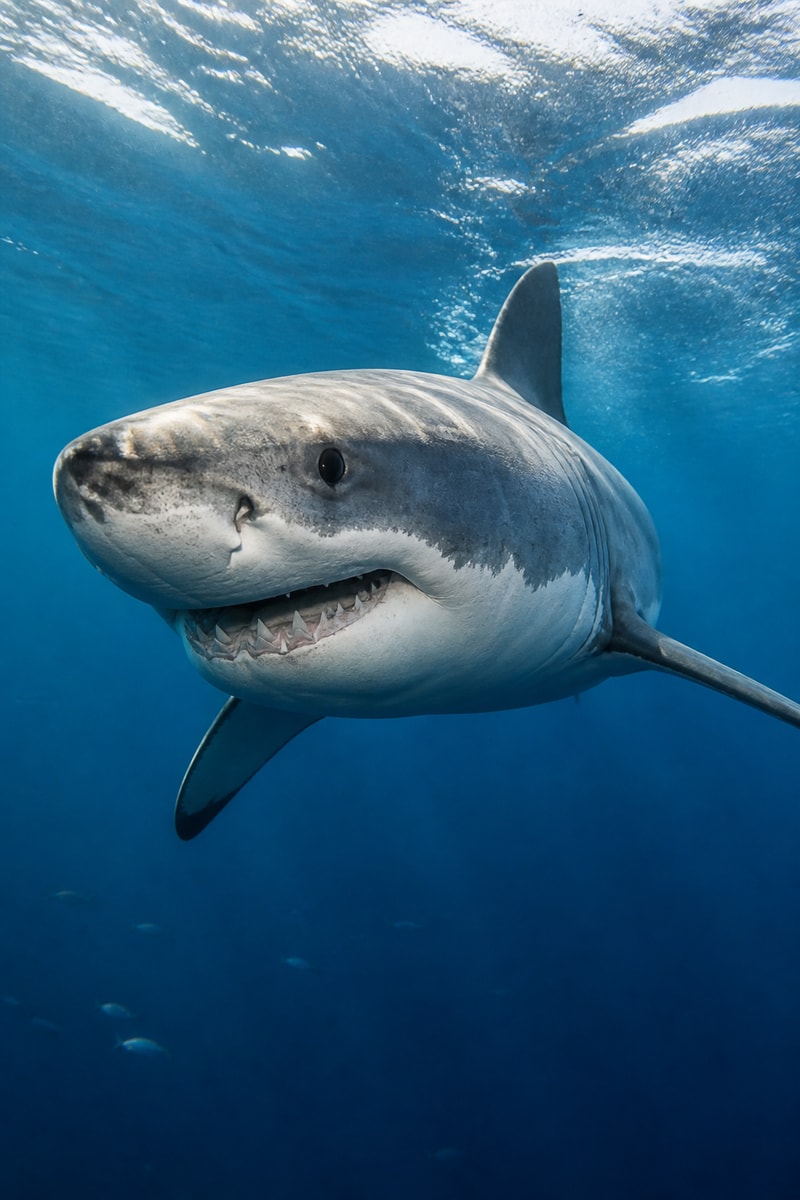
- Great White Sharklegendary • Coastal Ocean
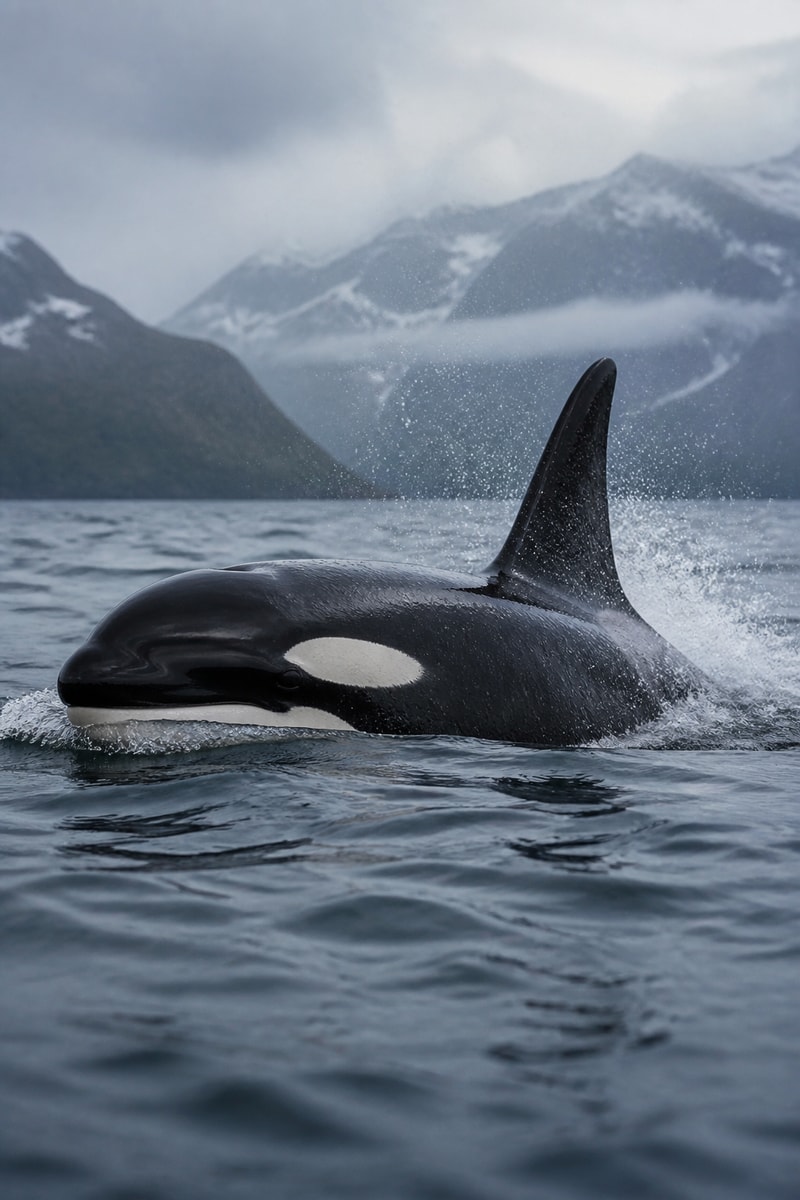
- Orcalegendary • Coastal Ocean
- Whooping Cranelegendary • North American Wetlands
- Great Horned Owlrare • Forest & Suburbs
Free on iOS
Catch the California Condor
Spot one in the wild, then scan it in Catch'Um to log your legendary discovery.