
Field guide · legendary
Whooping Crane
Tallest bird in North America — snow-white wings, crimson crown, and a hard-won recovery.
Endangered
Grus americana
Overview
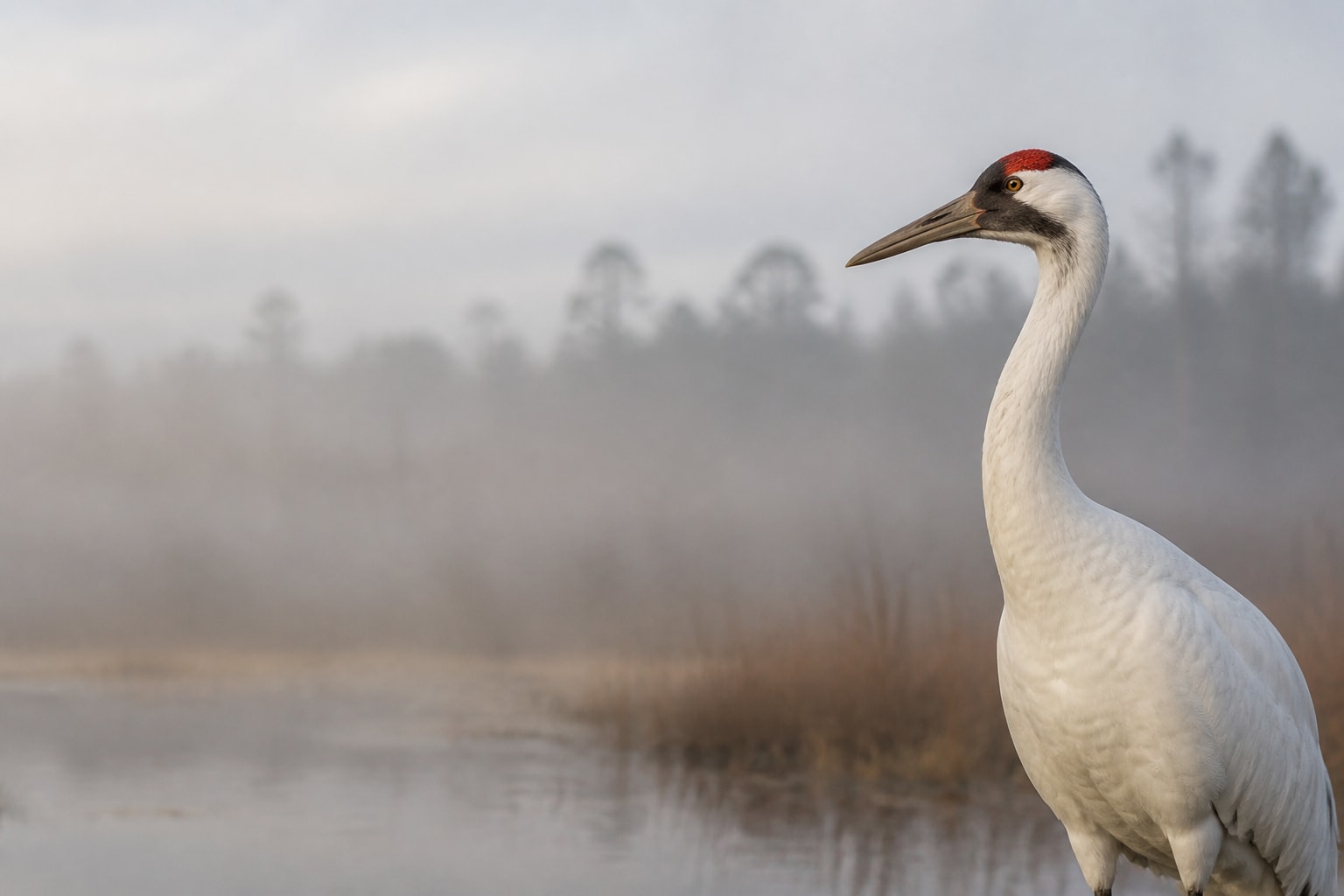
Whooping cranes are towering white cranes of North American wetlands, famous for a near-extinction brush and ongoing reintroduction. Adults flash black wingtips in flight and a red bare crown while trumpeting across marshes.
For United States and Canada collectors, the whooping crane is a legendary wetland prize — rarity, height, and one of conservation’s great comeback stories.
- Scientific nameGrus americana
- HeightAbout 1.5 m
- Weight5–7.5 kg
- LifespanAround 20–30 years in the wild
- DietCrabs
- ConservationEndangered
- RegionNorth American Wetlands
Where to see them
Habitat
- Prairie marsh
- Coastal lagoon
- Migration wetland
Shallow marshes, prairie wetlands, and coastal lagoons used for nesting, migration stopovers, and wintering along established North American flyways.
Field notes
Field scale for the Whooping Crane: height About 1.5 m; weight 5-7.5 kg. Typical lifespan: Around 20-30 years in the wild.
When you are scanning habitat, prioritise prairie marsh, coastal lagoon, and migration wetland. Those settings are where a clean look and a usable photo are most likely.
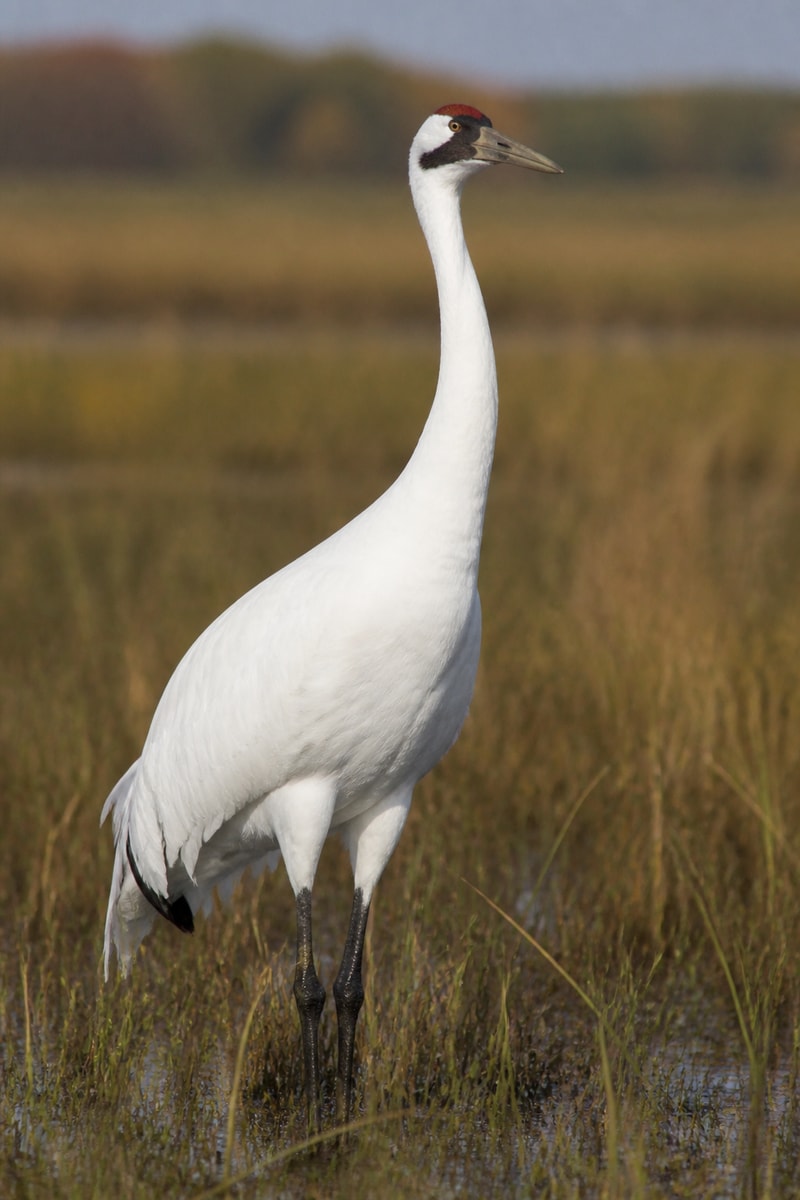
Quick ID anchor: Very tall white crane with black wingtips, long dark legs, and a red crown. Confirm with behaviour and habitat before you log the discovery.
Diet
Crabs, fish, insects, frogs, and plant material taken in shallow wetlands.
Probe and pick while wading slowly through marsh shallows.
Behaviour
Form lasting pairs; perform unison calls and dances in courtship.
Migrate in small groups along traditional corridors.
How to identify
Very tall white crane with black wingtips, long dark legs, and a red crown.
In flight, neck and legs stretch long — black primaries contrast sharply.
Interesting facts
- 01
Tallest bird in North America.
- 02
Adults are white with black primary feathers.
- 03
Bare red skin crowns the head.
- 04
Wild population once dropped to fewer than 30 birds.
- 05
Migrate between northern breeding marshes and southern winters.
- 06
Calls are loud, carrying whoops — hence the name.
Conservation status
Whooping cranes are Endangered. Decades of protection rebuilt numbers from a tiny remnant, but the species still needs secure wetlands along the full migration route.
Sources: IUCN Red List

Keep exploring
Where it lives
Related discoveries
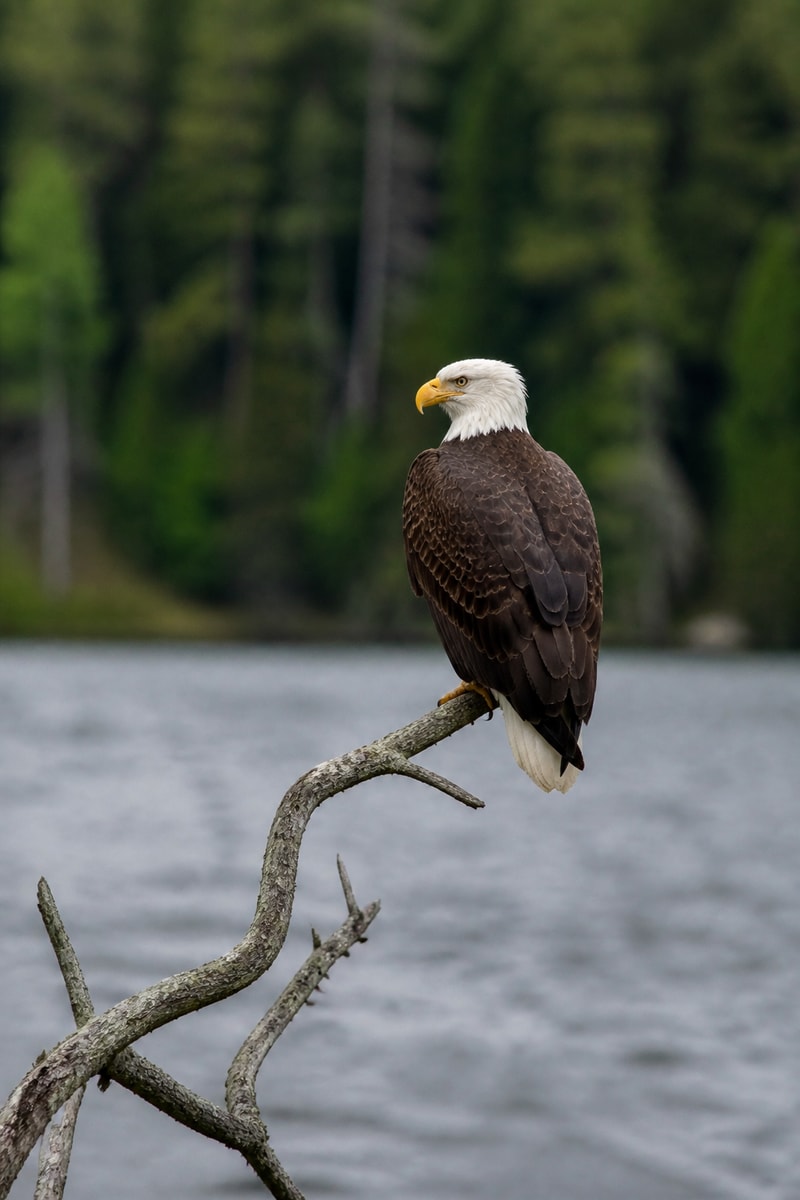
- Bald Eaglelegendary • Lakes & Coasts
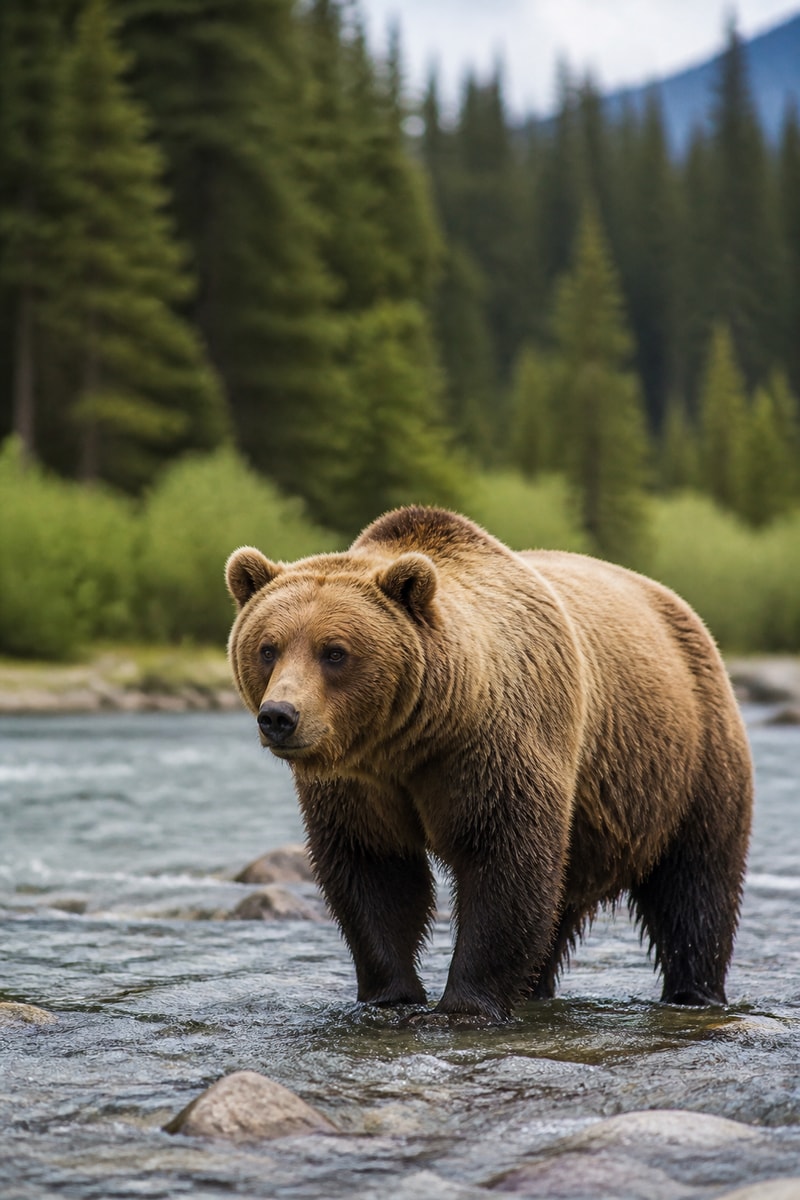
- Grizzly Bearlegendary • Mountains & Rivers
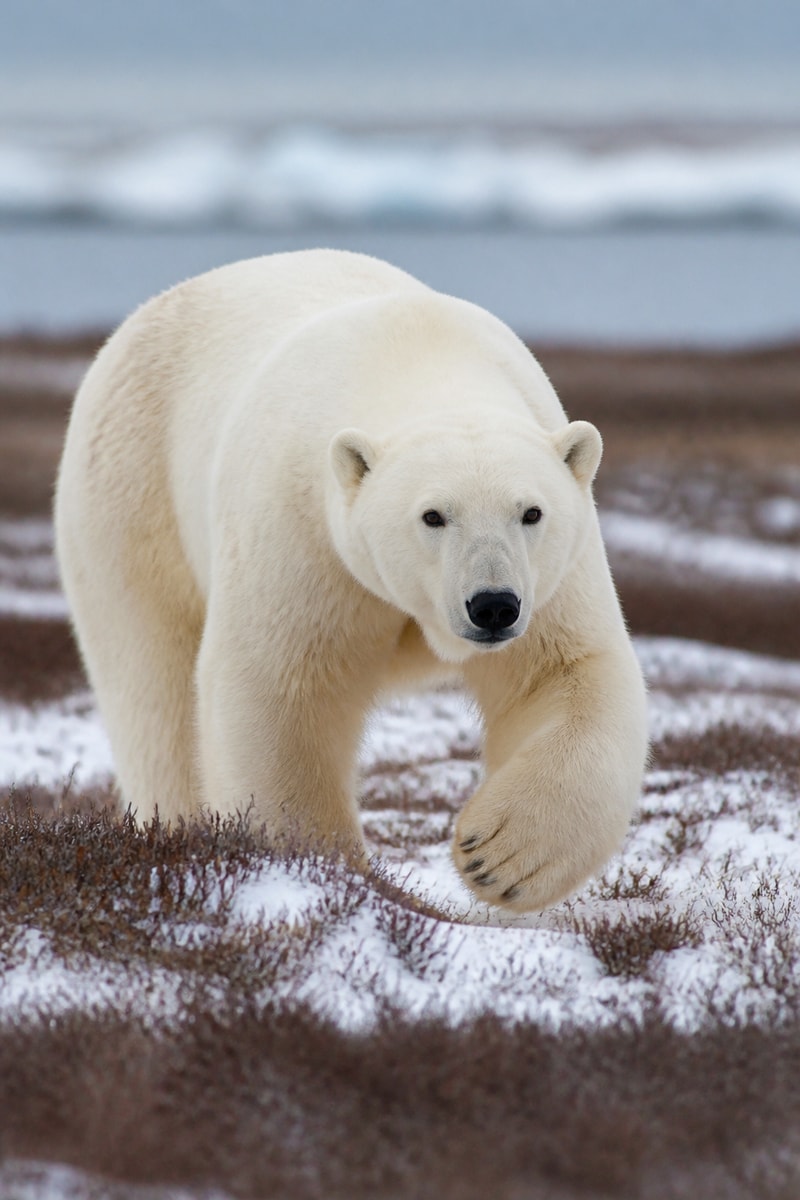
- Polar Bearlegendary • Arctic Ice
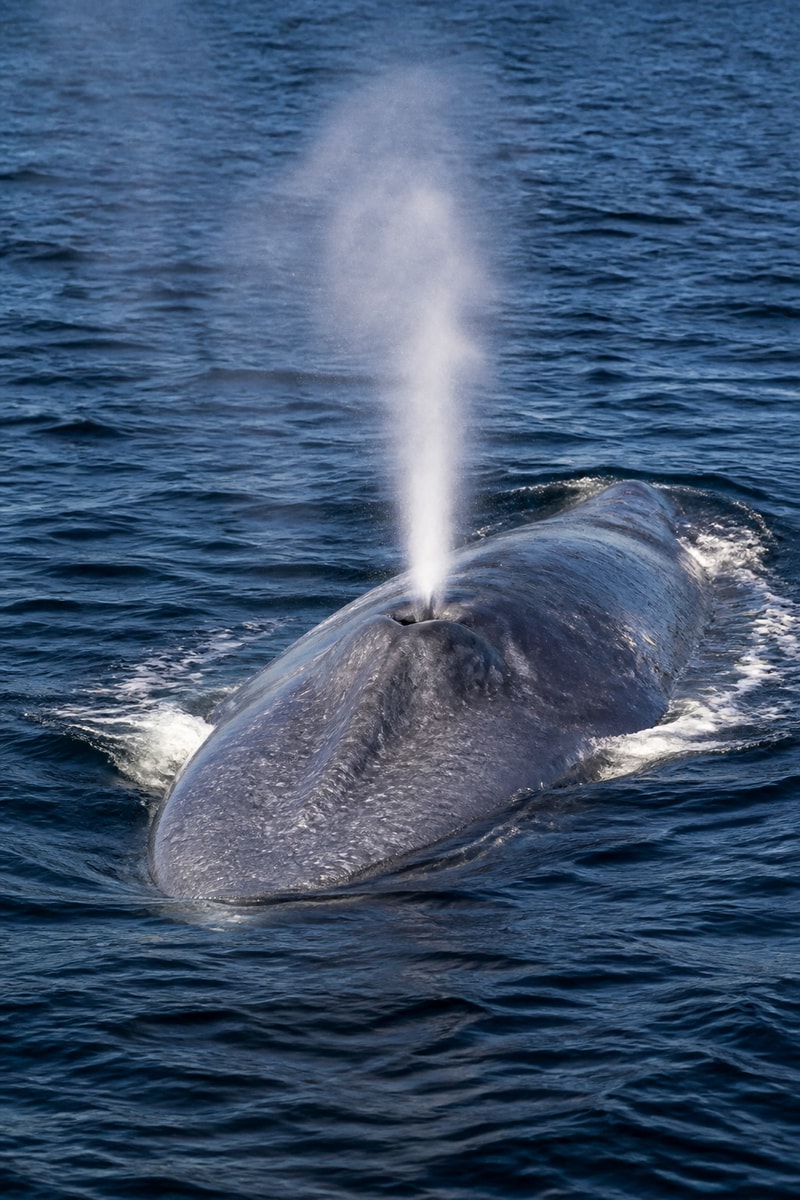
- Blue Whalelegendary • Open Ocean
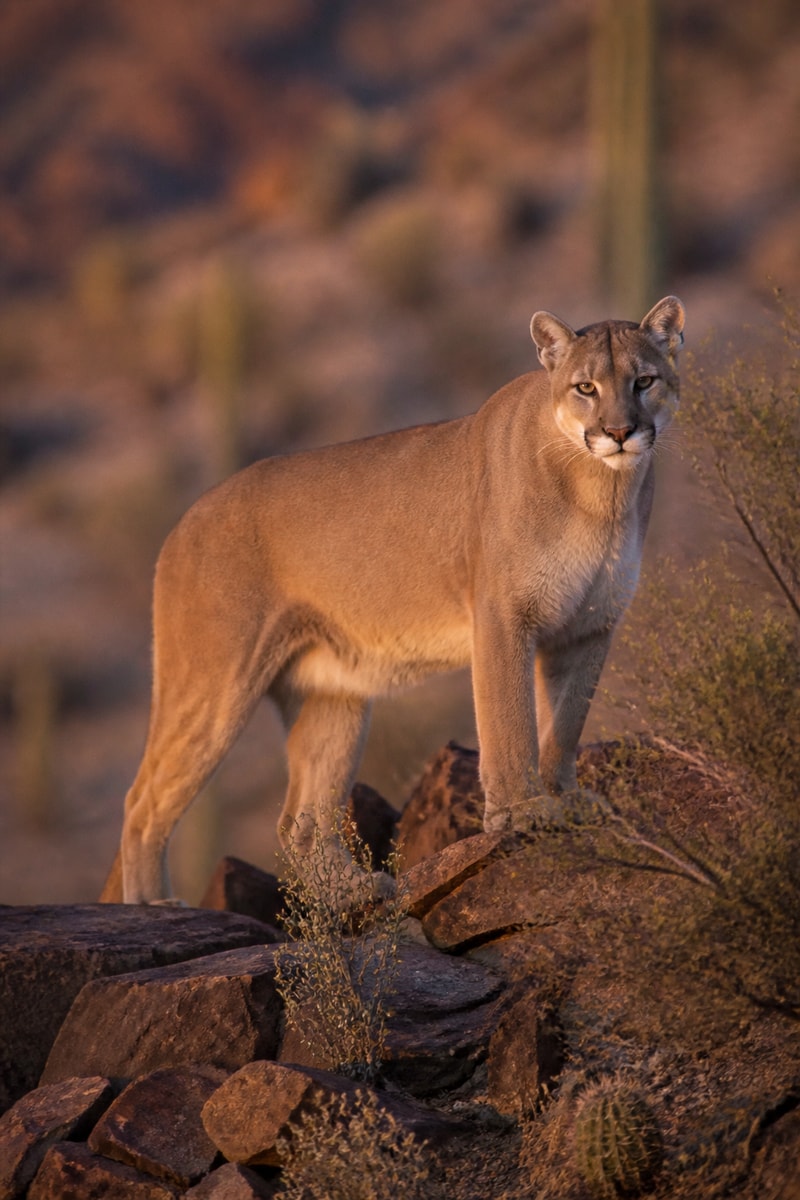
- Mountain Lionlegendary • Mountains & Desert
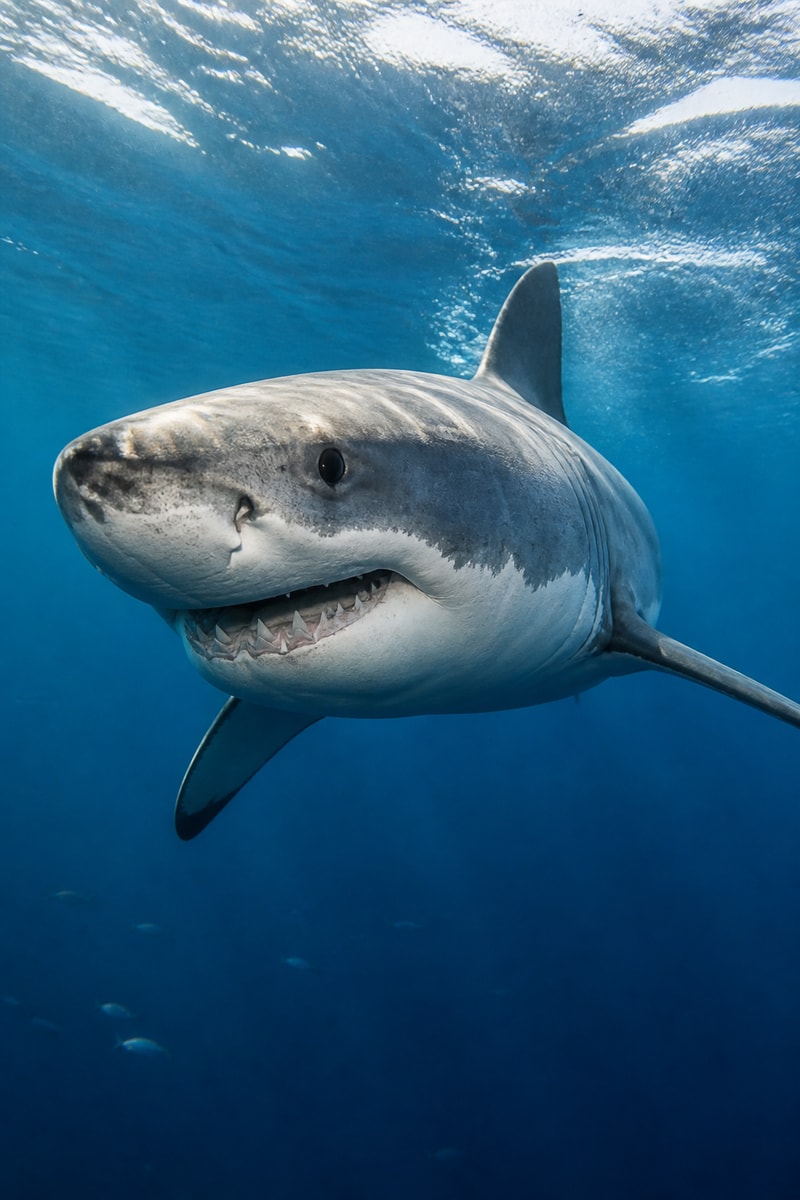
- Great White Sharklegendary • Coastal Ocean
- Orcalegendary • Coastal Ocean
- California Condorlegendary • Canyons & Cliffs
Free on iOS
Catch the Whooping Crane
Spot one in the wild, then scan it in Catch'Um to log your legendary discovery.