
Field guide · rare
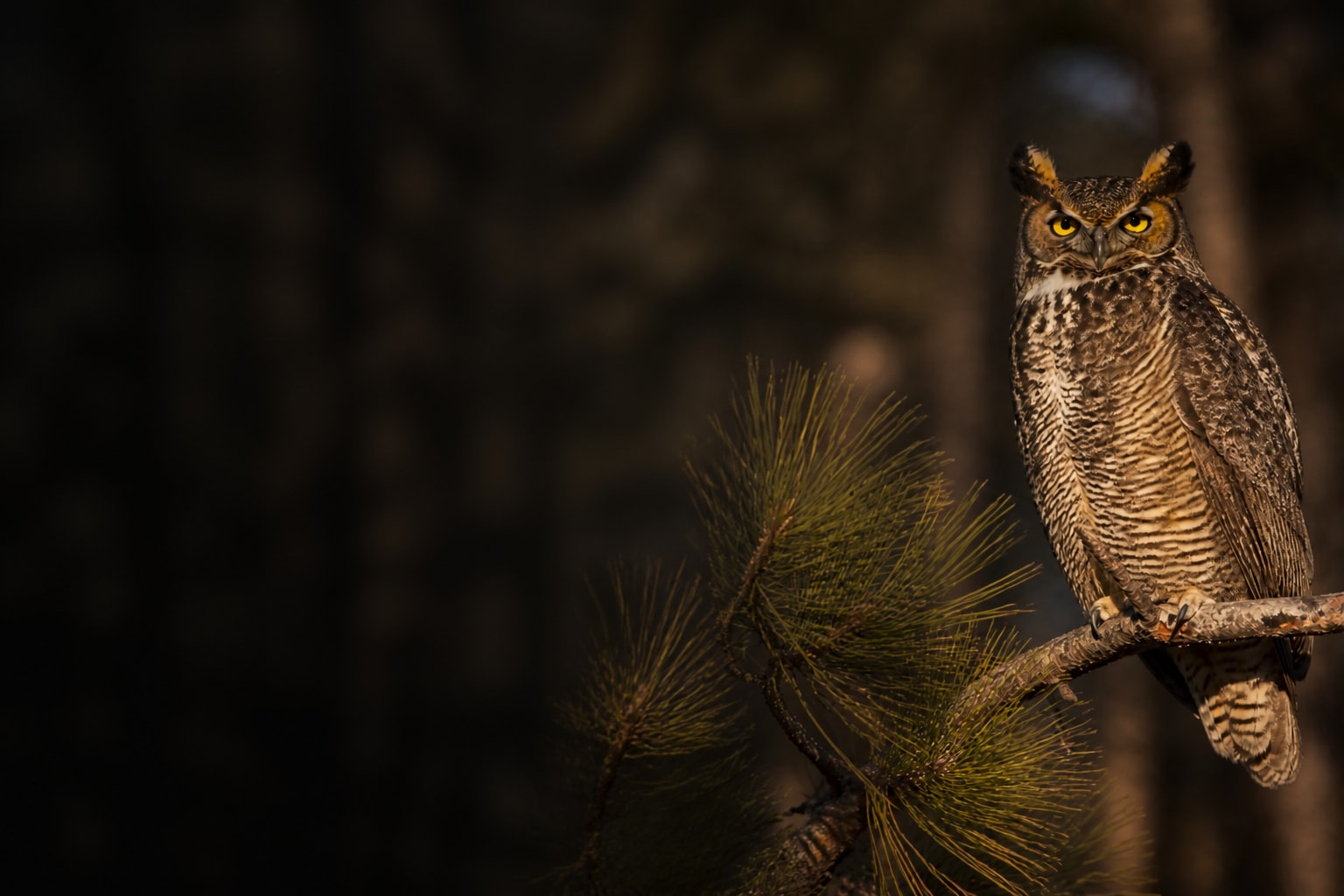
Great Horned Owl
America's winged tiger, ear tufts, amber eyes, and a grip that can crush prey at 200 kg per square cm.
Least Concern
Bubo virginianus
Overview
The great horned owl is the apex predator of American night, a heavy, broad-winged hunter with fierce ear tufts and deep hooting calls that carry across suburban woods and prairie edge. It eats almost anything: rabbits, skunks, other owls, even geese.
Great horned owls nest early, often in abandoned hawk or crow nests, and are surprisingly common in city parks with mature trees. Spot one at dusk, bulky on a branch against the fading sky, and you've logged a genuinely rare discovery.
- Scientific nameBubo virginianus
- Length46–63 cm
- HeightWingspan 1–1.5 m
- Weight1–2.5 kg
- Lifespan10–15 years in the wild typical; some reach 25+ years
- DietPowerful generalist…
- ConservationLeast Concern
- RegionForest & Suburbs
Habitat
- Woodland
- Deserts
- Suburbs
- Forest edge
Great horned owls range across the entire United States in forest, woodland, desert scrub, and suburban areas with large trees. They nest in tree cavities, stick nests, cliff ledges, and even building alcoves, wherever a sheltered platform supports their young.
Countries found
Field notes
Field scale for the Great Horned Owl: length around 46-63 cm; height Wingspan 1-1.5 m; weight 1-2.5 kg. Typical lifespan: 10-15 years in the wild typical; some reach 25+ years.
When you are scanning habitat, prioritise woodland, deserts, suburbs, and forest edge. Those settings are where a clean look and a usable photo are most likely.
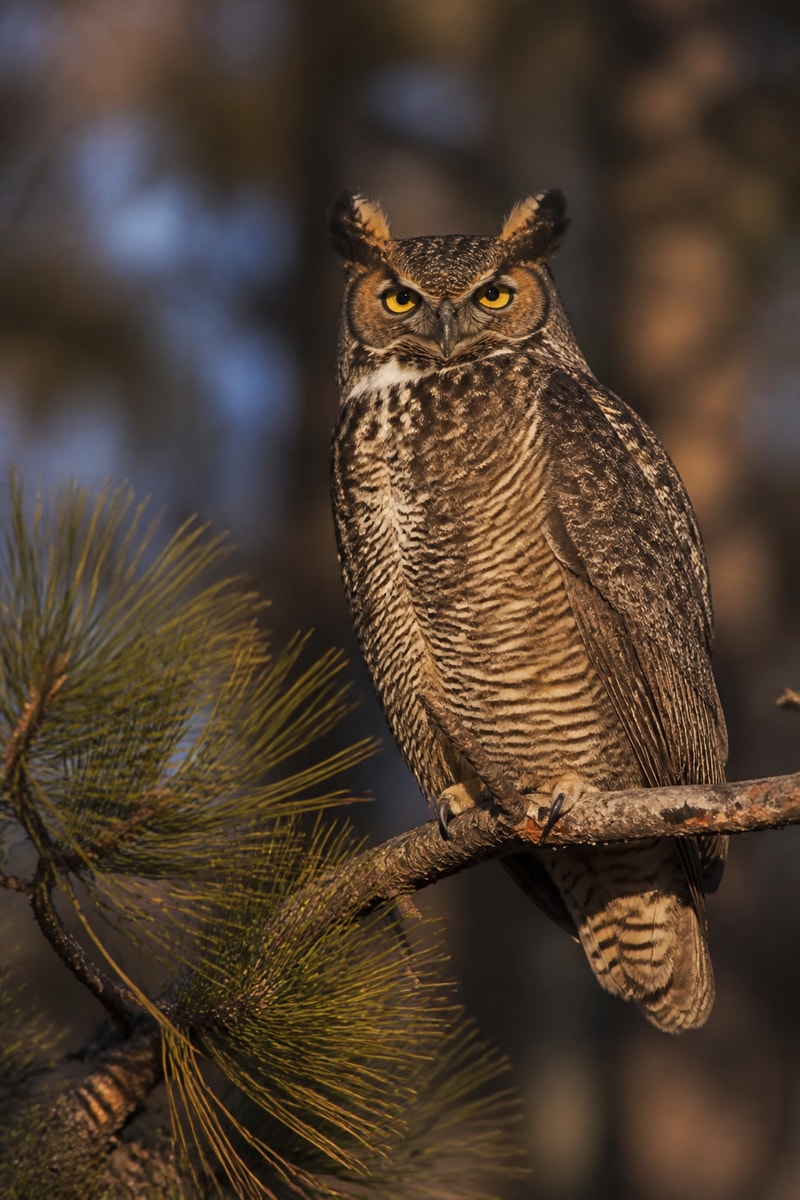
Quick ID anchor: Large owl with prominent ear tufts ('horns'), a white throat patch, and mottled brown-grey plumage. Yellow eyes and a bulky silhouette distinguish it from the longer-winged barred owl. Confirm with behaviour and habitat before you log the discovery.
Diet
Powerful generalist predator taking rabbits, hares, rodents, skunks, birds (including other raptors), and occasionally reptiles. Hunts mainly from perches at night.
Behaviour
Mostly nocturnal; deep hoots carry through woodland on winter nights. Nest early in stick nests of hawks or in tree cavities; fiercely territorial around nest sites.
How to identify
Large owl with prominent ear tufts ('horns'), a white throat patch, and mottled brown-grey plumage. Yellow eyes and a bulky silhouette distinguish it from the longer-winged barred owl.
Interesting facts
- 01
Great horned owls can crush prey with a grip strength of over 200 kg per square cm.
- 02
They are one of the earliest nesting birds in North America, eggs in snow are not uncommon.
- 03
Their 'horns' are feather tufts, not ears, the actual ears are asymmetric for pinpoint sound.
- 04
They have no sense of smell, which is why they regularly prey on skunks.
- 05
A great horned owl's hoot is the classic 'who's awake? me too' of American nights.
- 06
They can take prey two to three times their own weight, including young foxes and cats.
Conservation status
Great horned owls are Least Concern and widespread across North America. They adapt well to suburban habitat but face risks from rodenticide poisoning and vehicle collisions.
Sources: IUCN Red List
Related discoveries





Keep exploring
Related discoveries
- Bald Eaglelegendary • Lakes & Coasts
- Grizzly Bearlegendary • Mountains & Rivers
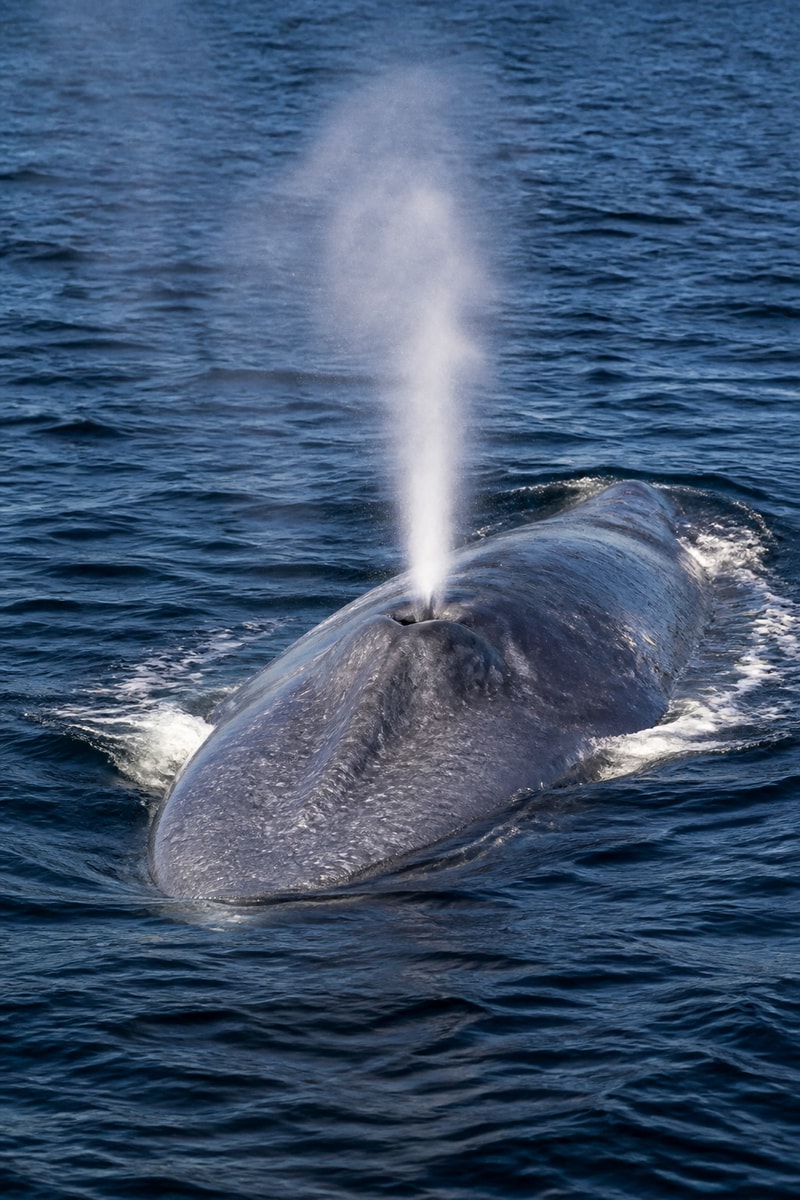
- Blue Whalelegendary • Open Ocean
- Mountain Lionlegendary • Mountains & Desert
- Great White Sharklegendary • Coastal Ocean
- Orcalegendary • Coastal Ocean
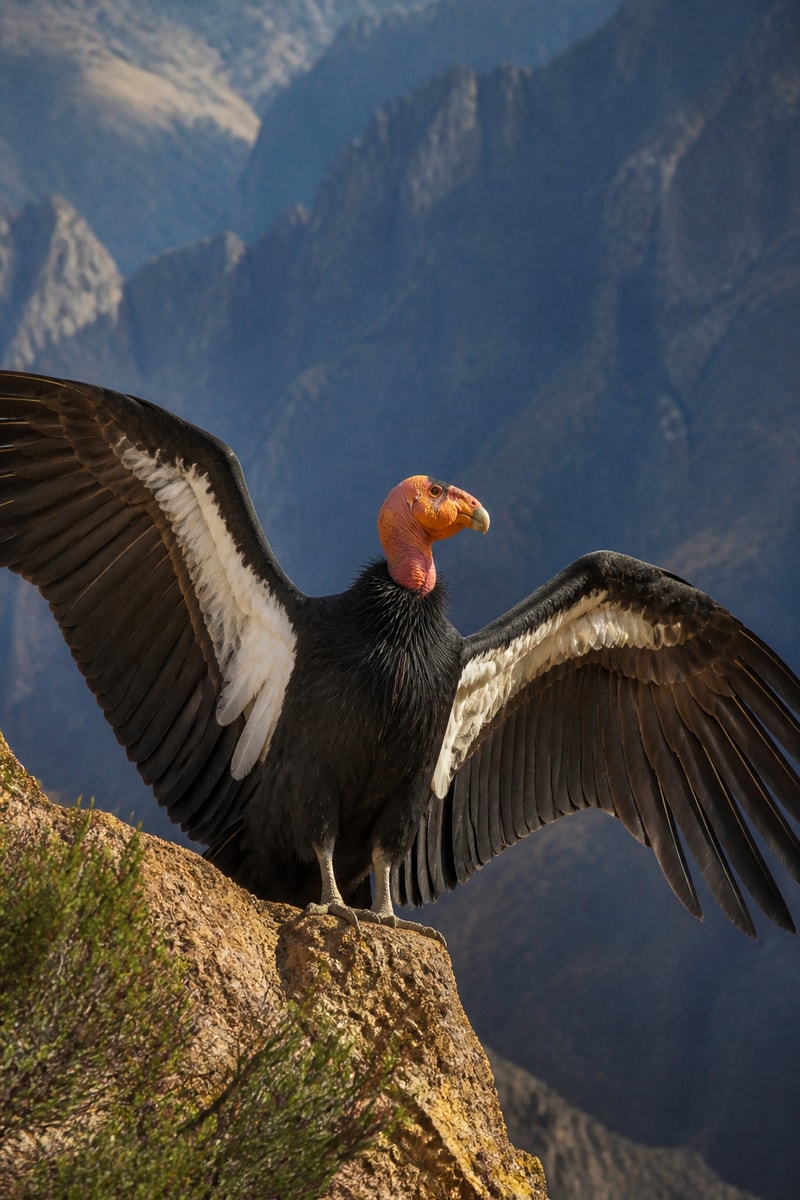
- California Condorlegendary • Canyons & Cliffs
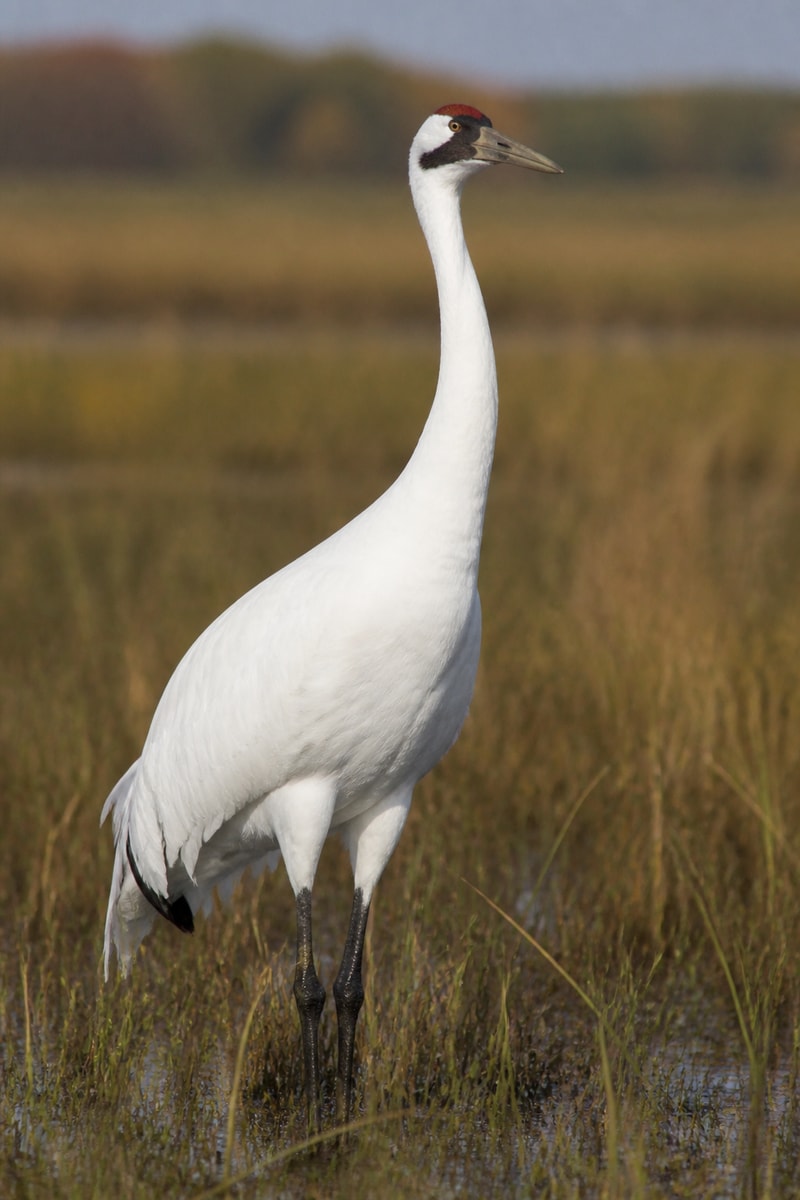
- Whooping Cranelegendary • North American Wetlands
Free on iOS
Catch the Great Horned Owl
Spot one in the wild, then scan it in Catch'Um to log your rare discovery.