
Field guide · legendary
Blue Whale
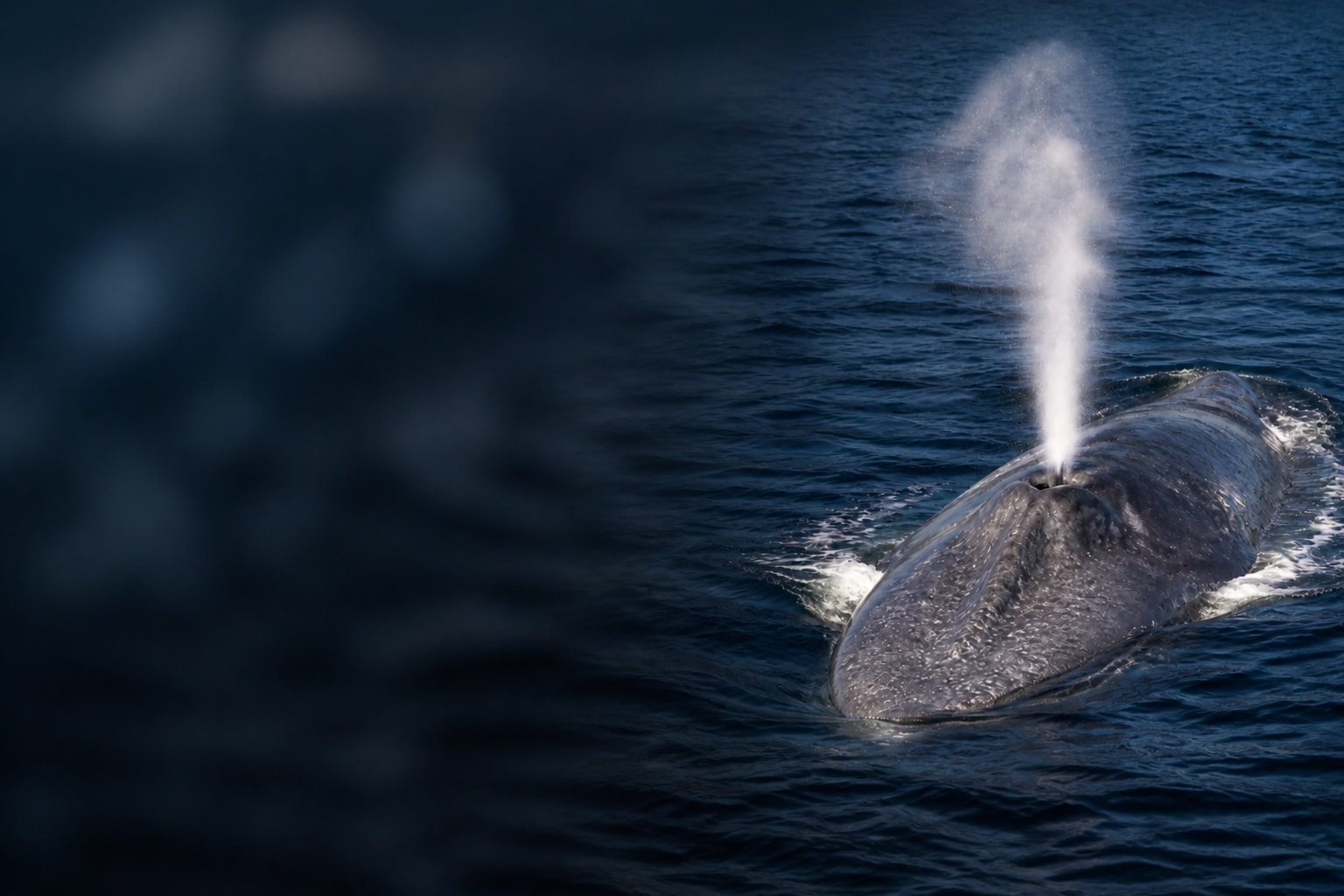
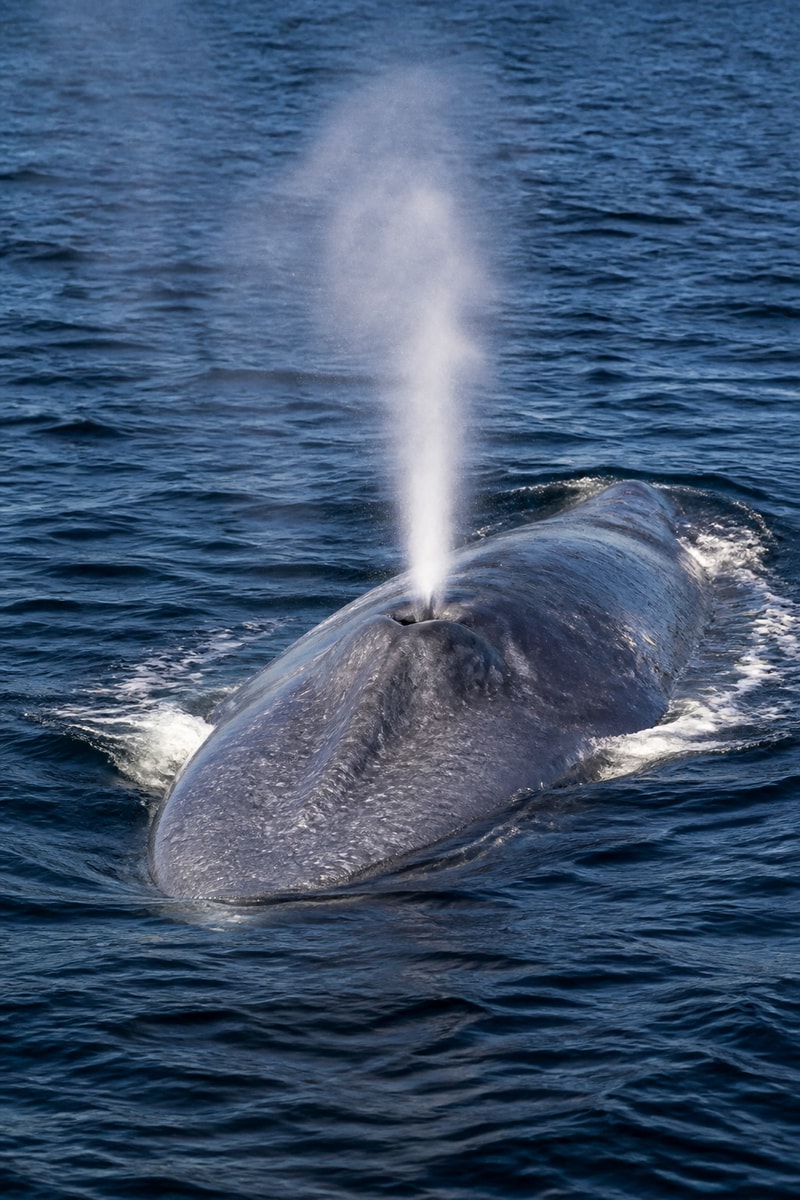
The largest animal ever, a blue-grey leviathan whose spout rises like a column and whose heart weighs as much as a car.
Endangered
Balaenoptera musculus
Overview
The blue whale is the biggest animal known to have lived on Earth, longer than any dinosaur, heavier than any elephant. Adults can reach 30 metres and weigh over 150 tonnes, feeding almost exclusively on tiny krill filtered through baleen plates.
Despite their size, blue whales are elusive. They spend much of their lives far offshore, surfacing briefly to breathe before diving for minutes at a time. A close encounter, the whoosh of a blow, the gleam of mottled blue skin, is among the rarest sights in wildlife.
- Scientific nameBalaenoptera musculus
- Length24–30 m
- Weight100–150+ tonnes
- Lifespan70–90 years in the wild
- DietFeeds almost exclusively…
- ConservationEndangered
- RegionOpen Ocean
Habitat
- Open ocean
- Upwelling zones
- Polar feeding grounds
Blue whales roam all the world's oceans, migrating between polar feeding grounds rich in krill and warmer breeding waters. They are seen off California, eastern Canada, Sri Lanka, and the Azores, though most of their lives are spent in deep water far from land.
Countries found
Field notes
Field scale for the Blue Whale: length around 24-30 m; weight 100-150+ tonnes. Typical lifespan: 70-90 years in the wild.
When you are scanning habitat, prioritise open ocean, upwelling zones, and polar feeding grounds. Those settings are where a clean look and a usable photo are most likely.
Quick ID anchor: Enormous mottled bluish-grey whale with a tiny dorsal fin set far back on the body and a tall, columnar blow. The sheer length, often over 25 m, separates it from other rorquals at sea. Confirm with behaviour and habitat before you log the discovery.
Where to see one
Canada
In Canada, start at Great Bear Rainforest (British Columbia). Temperate rainforest coast, with grizzlies fishing salmon, humpback whales offshore, and the rare white spirit bear.
More context on this destination lives on the Canada expedition page.
Diet
Feeds almost exclusively on krill (euphausiid crustaceans), engulfing huge volumes of water in lunges and filtering prey with baleen. Daily intake in rich feeding grounds can reach several tonnes of krill.
Behaviour
Usually alone or in loose pairs; undertakes long seasonal migrations between high-latitude feeding areas and lower-latitude breeding waters. Produces very loud, low-frequency vocalizations that travel far underwater.
How to identify
Enormous mottled bluish-grey whale with a tiny dorsal fin set far back on the body and a tall, columnar blow. The sheer length—often over 25 m—separates it from other rorquals at sea.
Interesting facts
- 01
Blue whales are the largest animals ever known, their heart alone can weigh 180 kg.
- 02
They can eat up to four tonnes of krill in a single day.
- 03
Their low-frequency calls are among the loudest sounds made by any animal.
Conservation status
Blue whales are Endangered after commercial whaling reduced populations by over 99%. They are recovering slowly but remain threatened by ship strikes, ocean noise, and climate impacts on krill.
Sources: IUCN Red List
Keep exploring
Where it lives
Related discoveries
- Bald Eaglelegendary • Lakes & Coasts
- Grizzly Bearlegendary • Mountains & Rivers
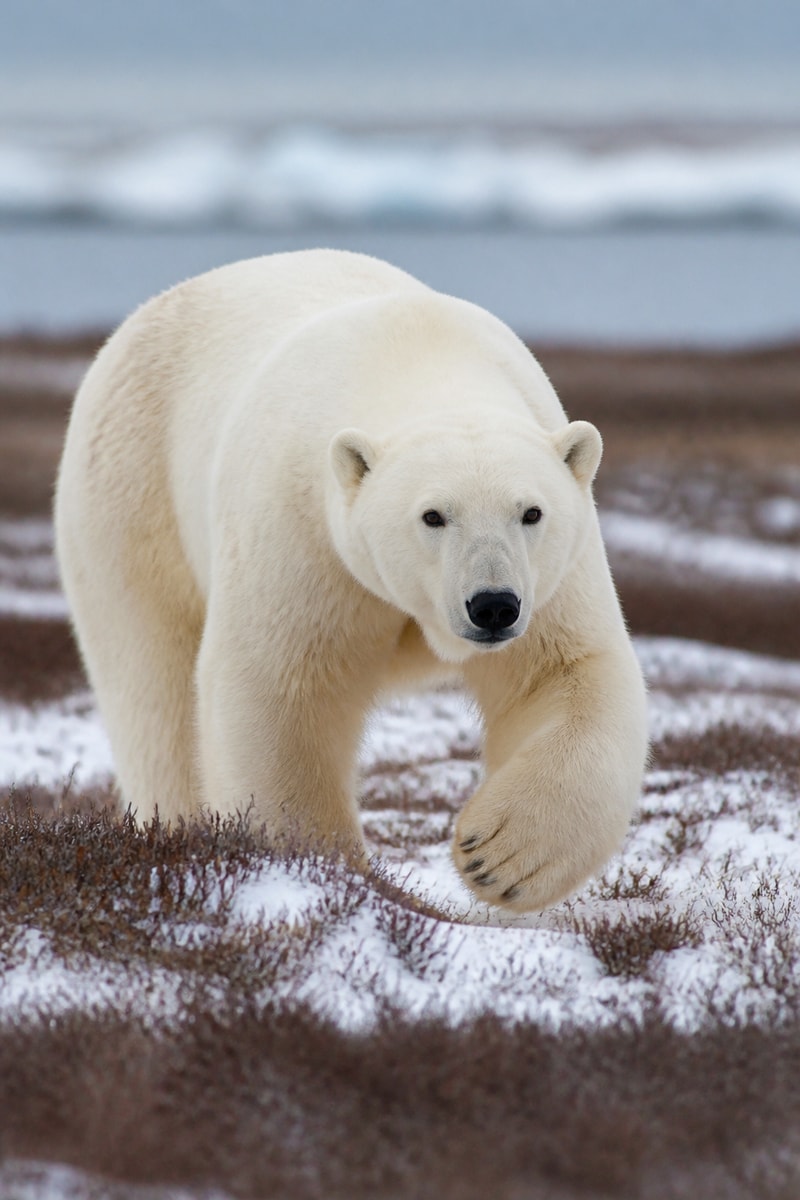
- Polar Bearlegendary • Arctic Ice
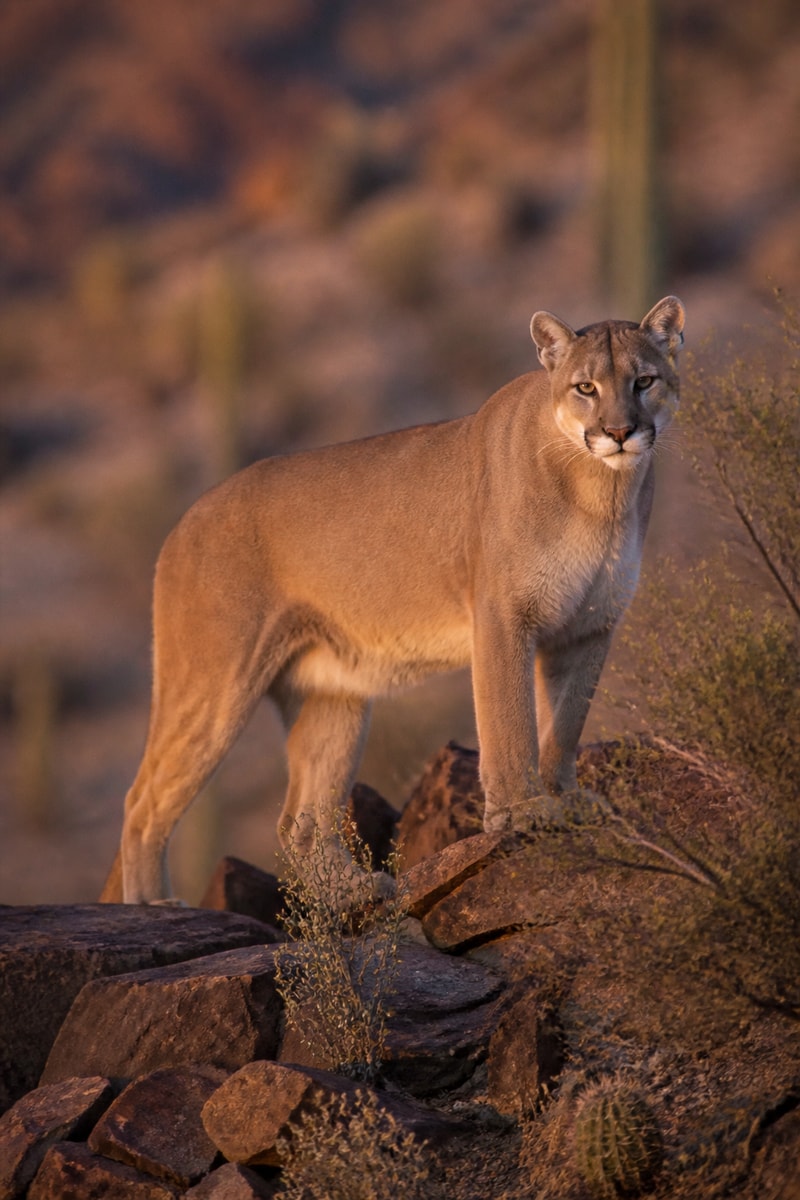
- Mountain Lionlegendary • Mountains & Desert
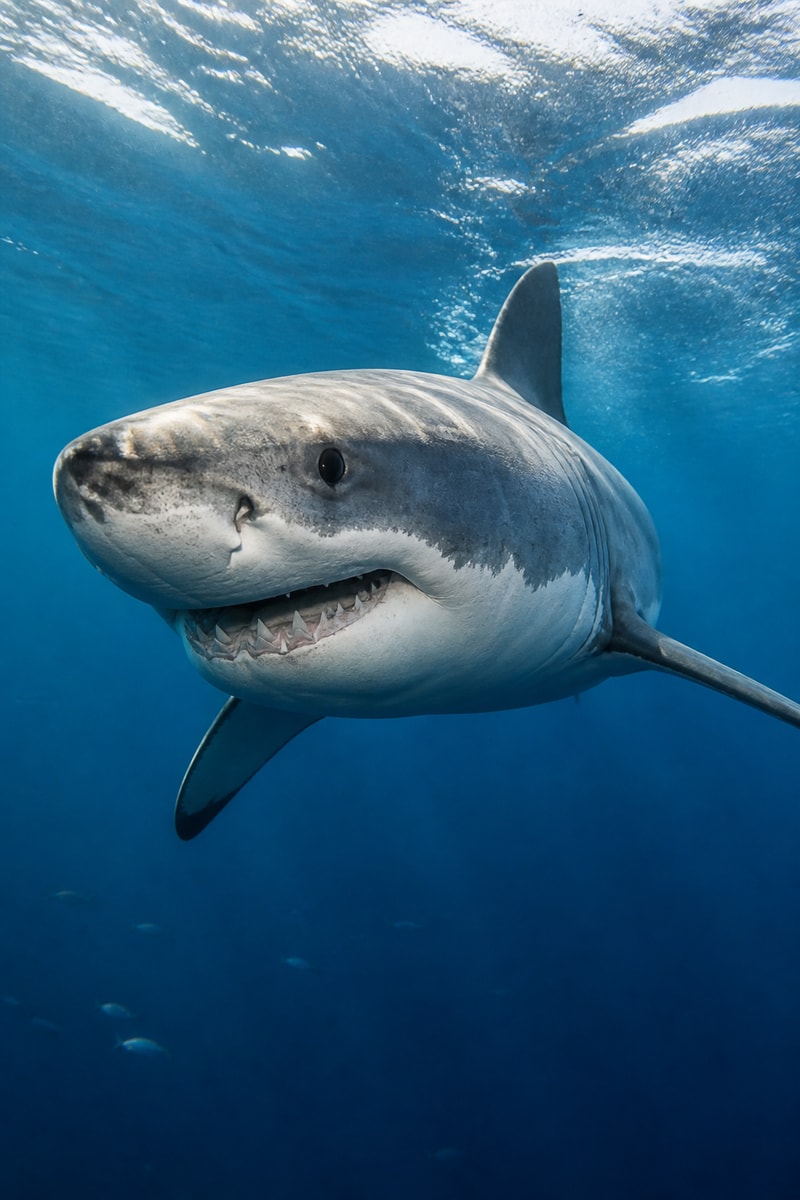
- Great White Sharklegendary • Coastal Ocean
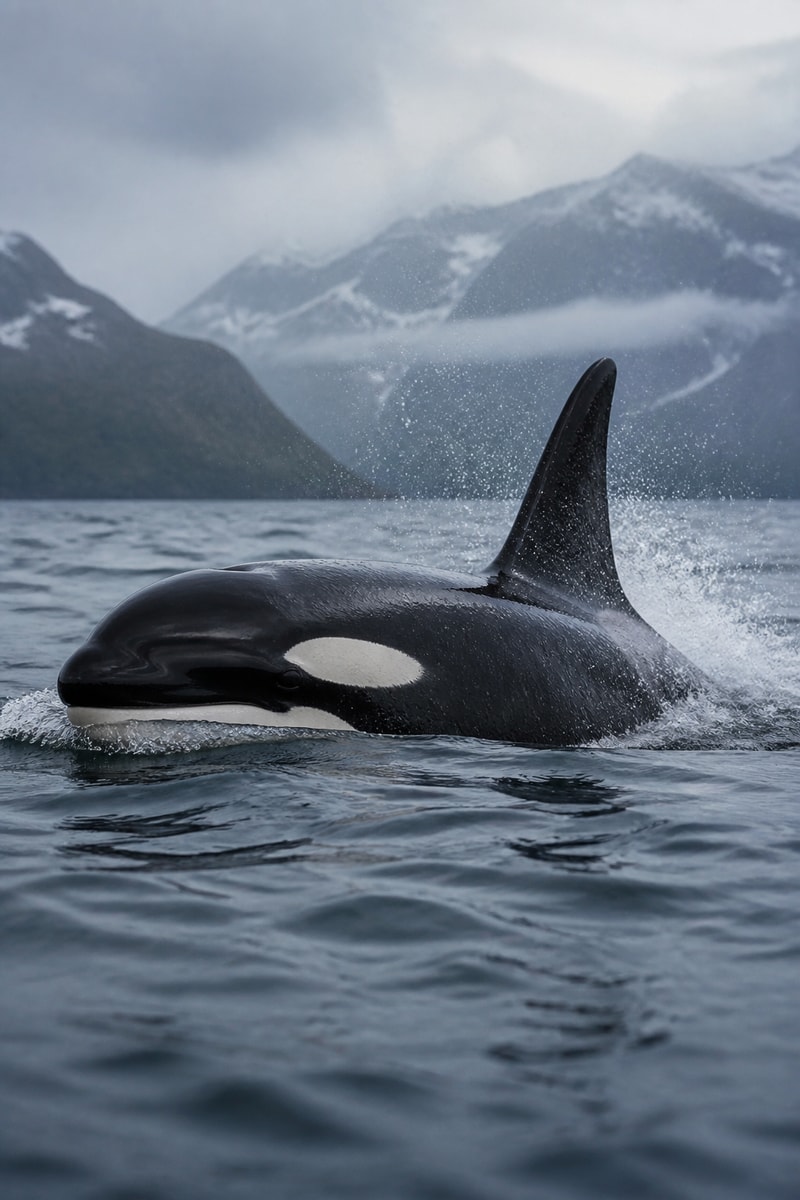
- Orcalegendary • Coastal Ocean
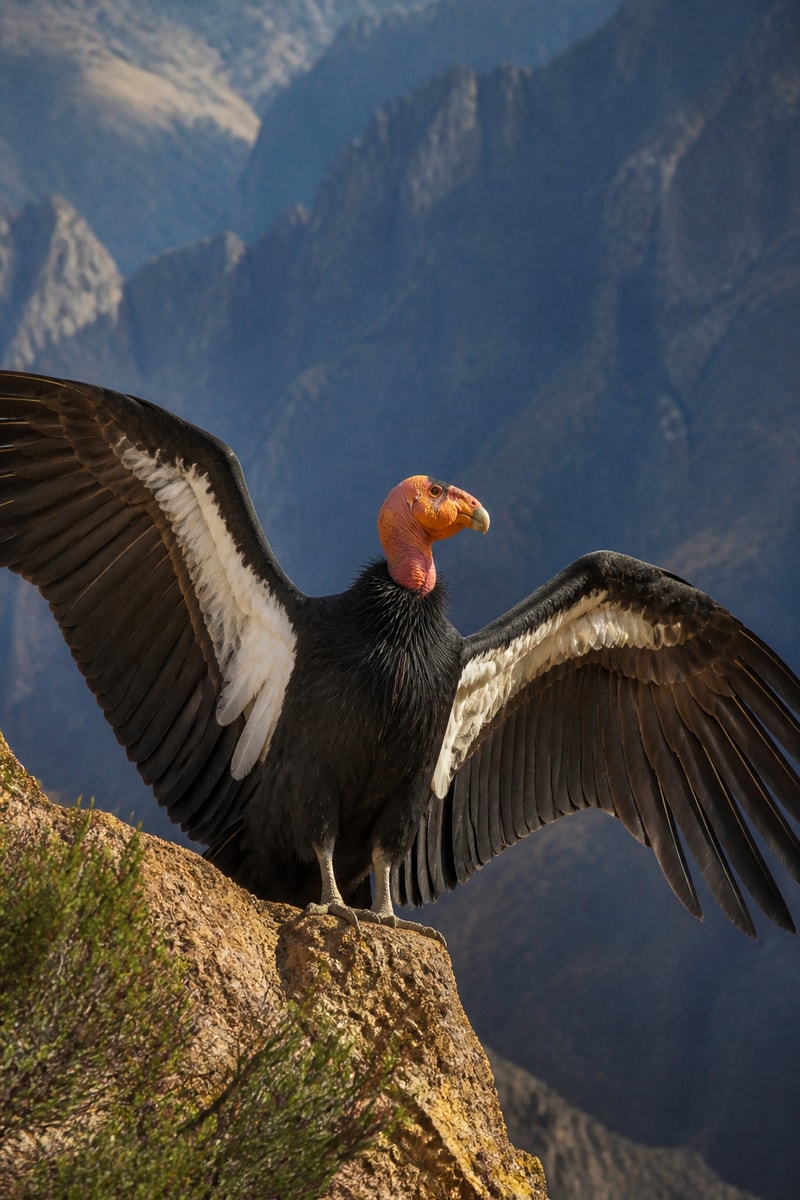
- California Condorlegendary • Canyons & Cliffs
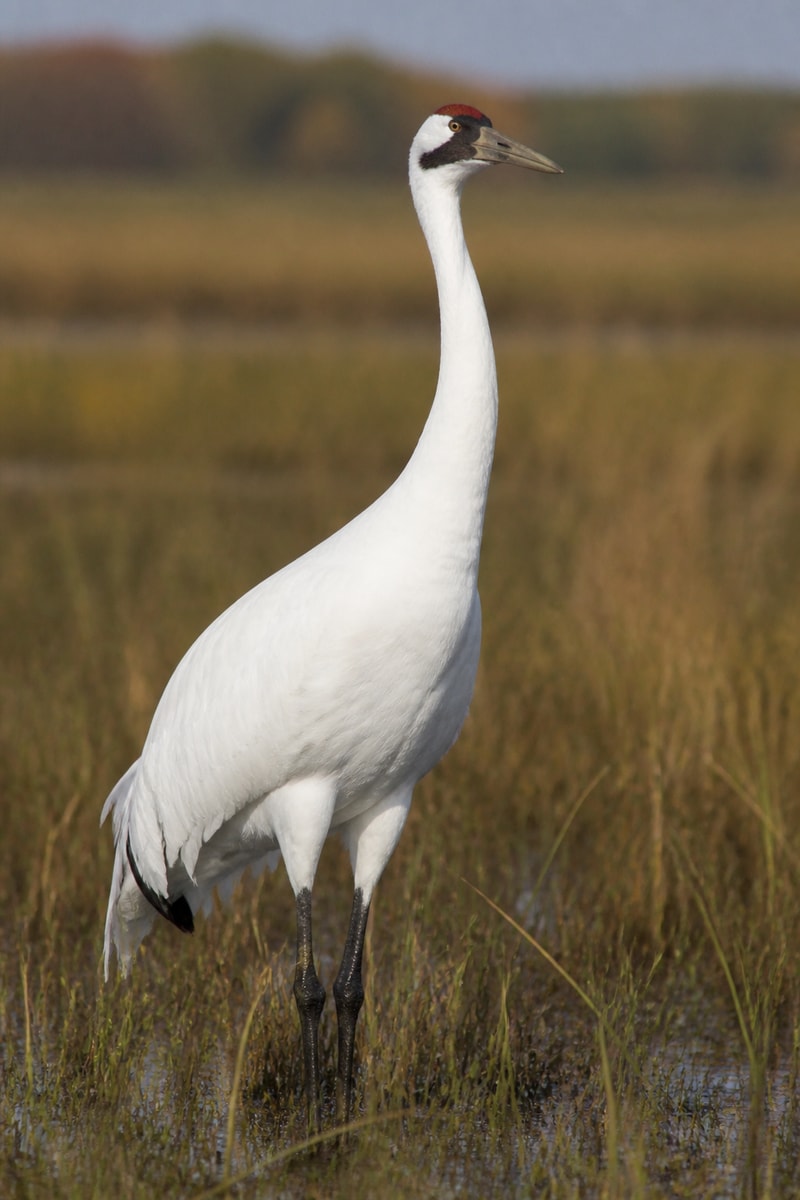
- Whooping Cranelegendary • North American Wetlands
Free on iOS
Catch the Blue Whale
Spot one in the wild, then scan it in Catch'Um to log your legendary discovery.