
Field guide · legendary
Mountain Lion
Ghost of the American wild, a solitary cat with more names than any other predator and a range spanning two continents.
Least Concern
Puma concolor
Overview
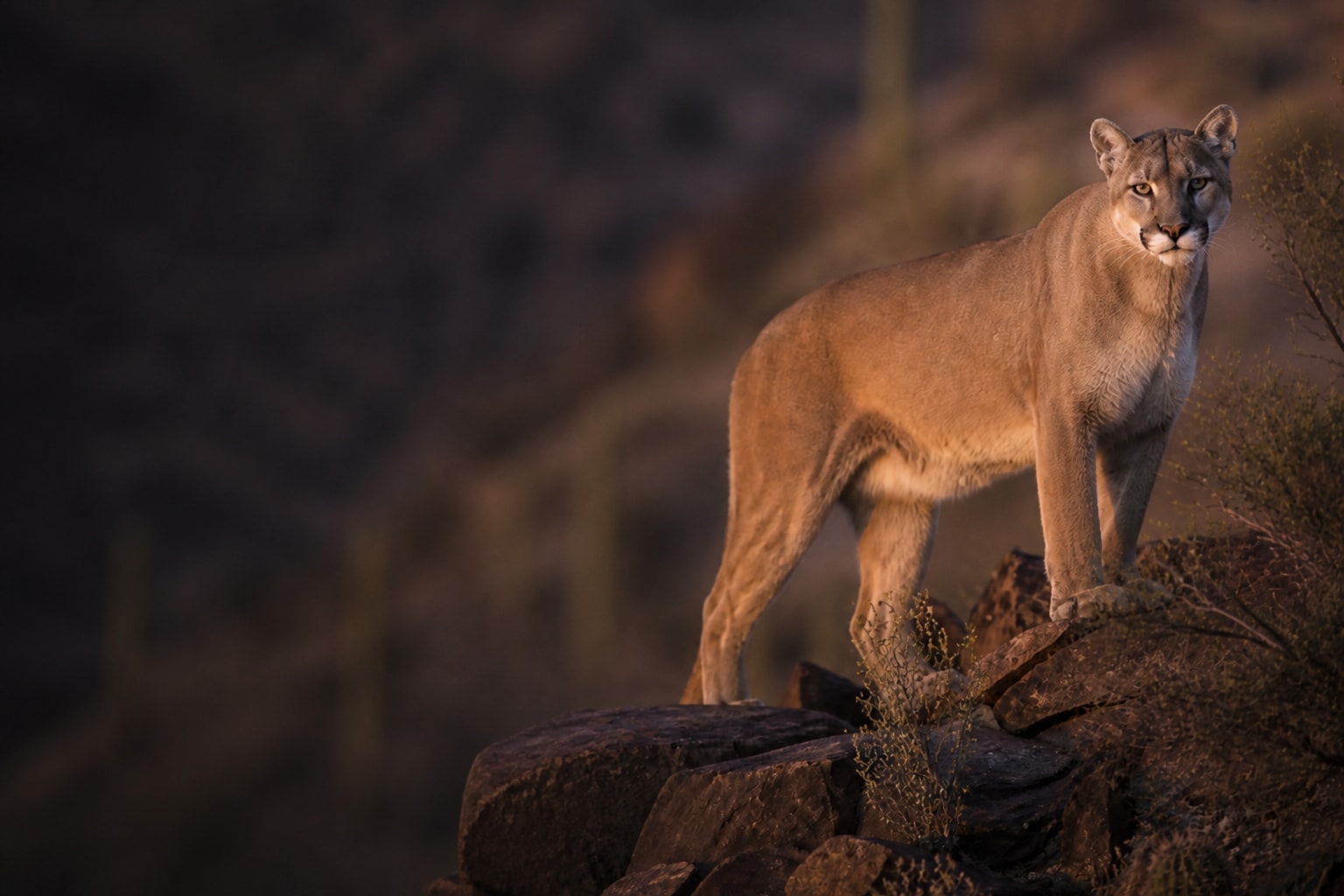
The mountain lion, also called cougar, puma, panther, or catamount, is the largest cat in the Americas and one of the most wide-ranging mammals on Earth. Solitary and elusive, it patrols territories spanning hundreds of square kilometres from the Canadian Yukon to the tip of Chile.
Unlike lions, mountain lions cannot roar. They scream, chirp, and purr, and hunt deer, elk, and smaller prey with a suffocating bite. A glimpse of a tawny form crossing a trail at dusk, or a track in snow, is often all most people ever see.
- Scientific namePuma concolor
- Length1.0–1.8 m body; tail 60–90 cm
- Height60–90 cm at shoulder
- Weight29–72 kg
- LifespanAround 8–13 years in the wild
- DietAmbush predator…
- ConservationLeast Concern
- RegionMountains & Desert
Habitat
- Mountain forest
- Desert scrub
- Chaparral
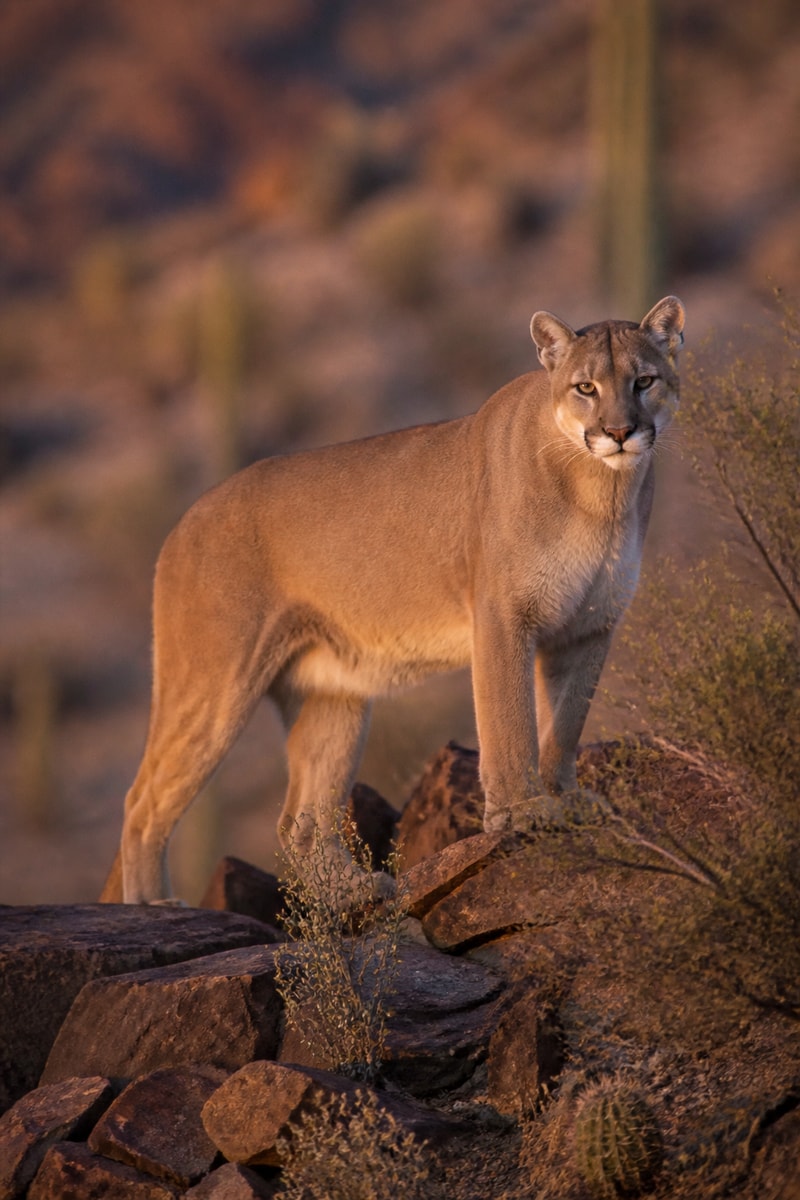
Mountain lions occupy almost every habitat in the Americas: Rocky Mountain forests, Arizona desert, Florida swamps, and California chaparral. They need deer or equivalent prey and cover for stalking, and are expanding eastward in some US states.
Countries found
Field notes
Field scale for the Mountain Lion: length around 1.0-1.8 m body; tail 60-90 cm; height 60-90 cm at shoulder; weight 29-72 kg. Typical lifespan: Around 8-13 years in the wild.
When you are scanning habitat, prioritise mountain forest, desert scrub, and chaparral. Those settings are where a clean look and a usable photo are most likely.
Quick ID anchor: Large plain tawny cat without spots as an adult, long black-tipped tail, and a small rounded head. No roar, closest living relative among big cats is the cheetah lineage, not the roaring pantherines. Confirm with behaviour and habitat before you log the discovery.
Diet
Ambush predator specializing in deer and other ungulates, also taking smaller mammals. Typically kills by a suffocating bite to the throat and caches large prey to return later.
Behaviour
Solitary and mostly nocturnal or crepuscular, with large overlapping territories. Silent stalker that rarely vocalizes except during breeding; leaves scrapes and scent marks along trails.
How to identify
Large plain tawny cat without spots as an adult, long black-tipped tail, and a small rounded head. No roar — closest living relative among big cats is the cheetah lineage, not the roaring pantherines.
Interesting facts
- 01
Mountain lions have the largest range of any wild mammal in the Americas.
- 02
They can leap 5.5 metres vertically from a standing start.
- 03
A mountain lion may consume one deer per week.
Conservation status
Mountain lions are Least Concern globally but face hunting pressure and habitat fragmentation in the US. California and Florida populations are protected; western states allow regulated hunting.
Sources: IUCN Red List
Related discoveries

Keep exploring
Related discoveries
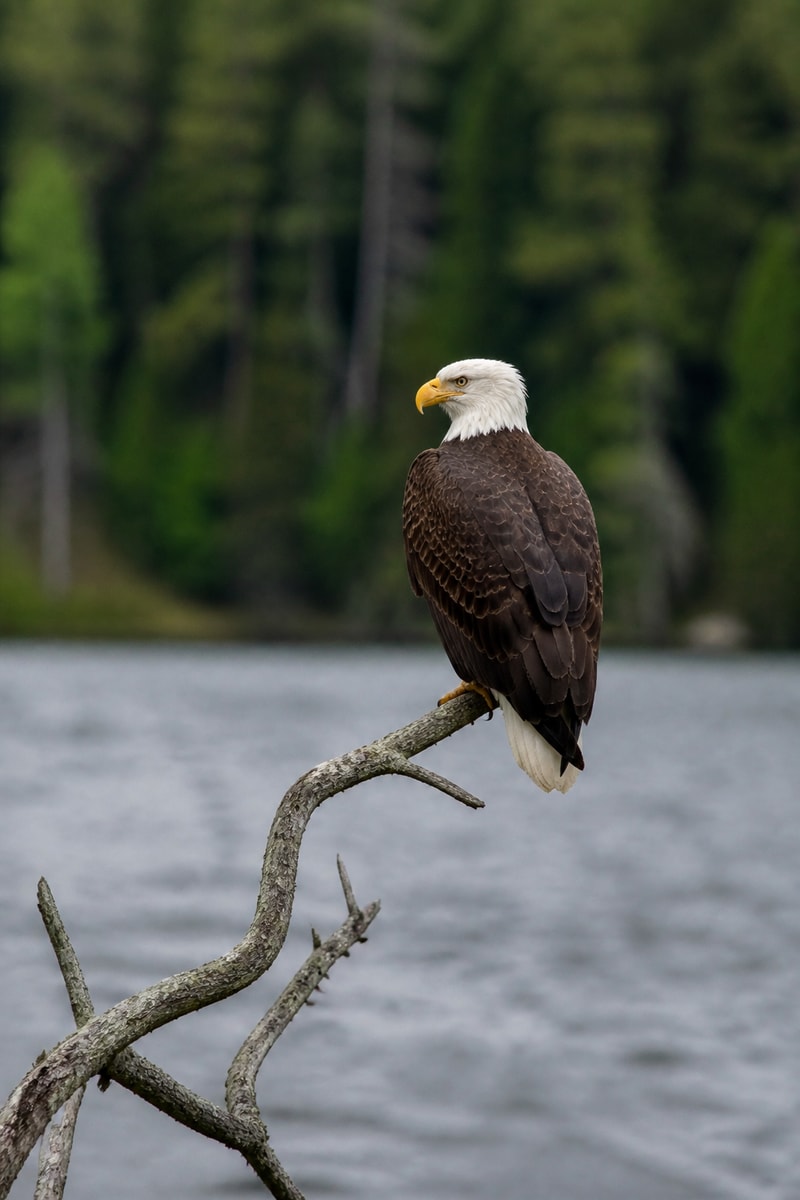
- Bald Eaglelegendary • Lakes & Coasts
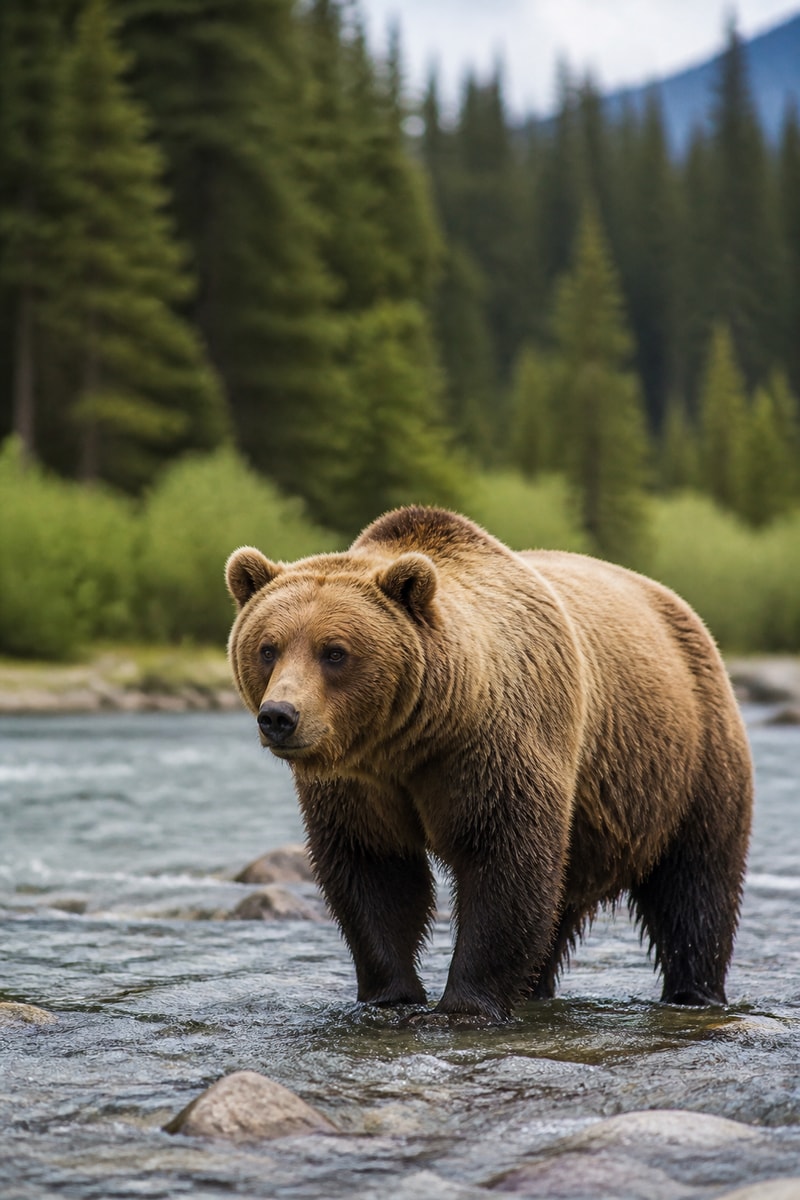
- Grizzly Bearlegendary • Mountains & Rivers
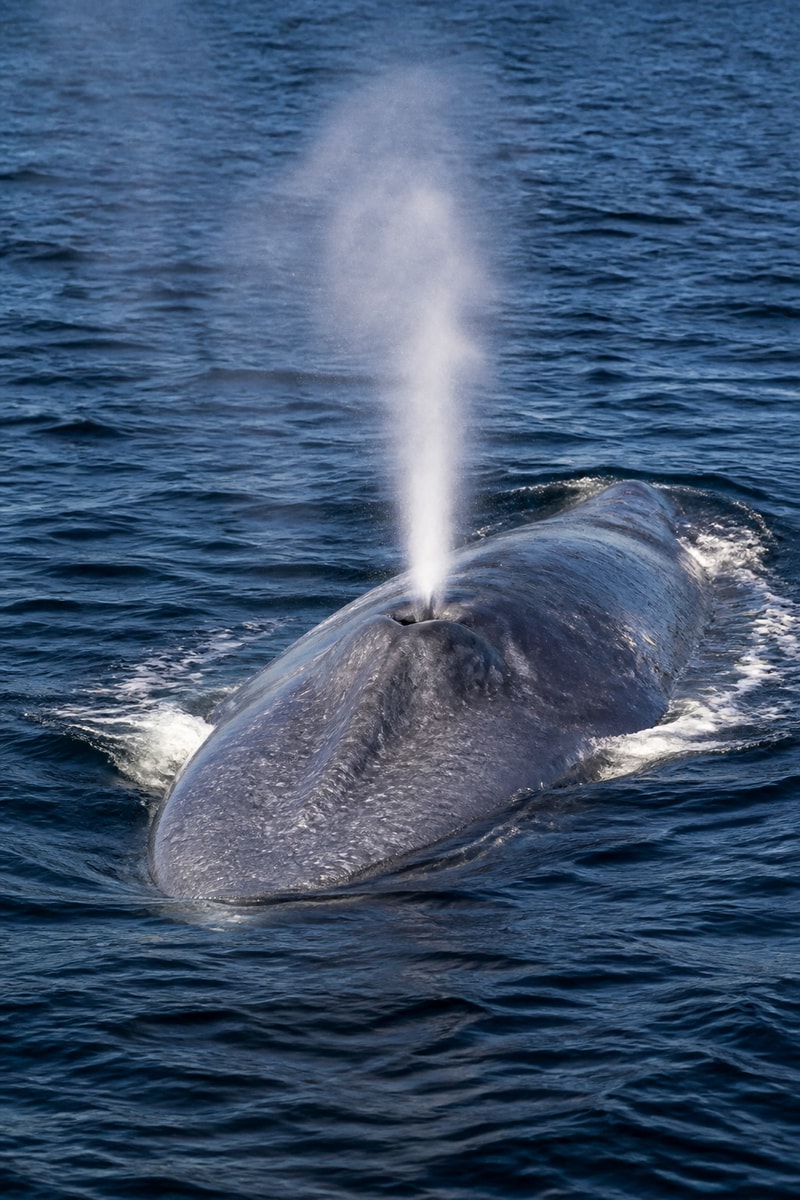
- Blue Whalelegendary • Open Ocean
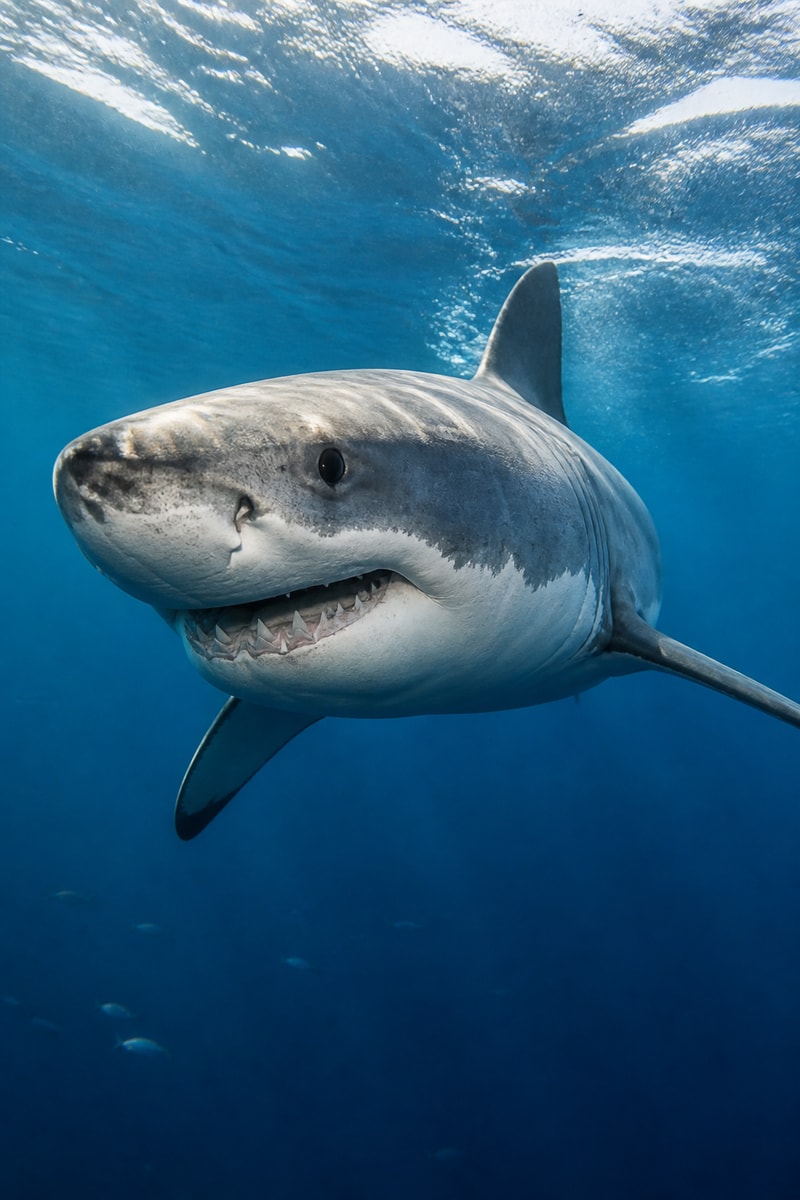
- Great White Sharklegendary • Coastal Ocean
- Orcalegendary • Coastal Ocean
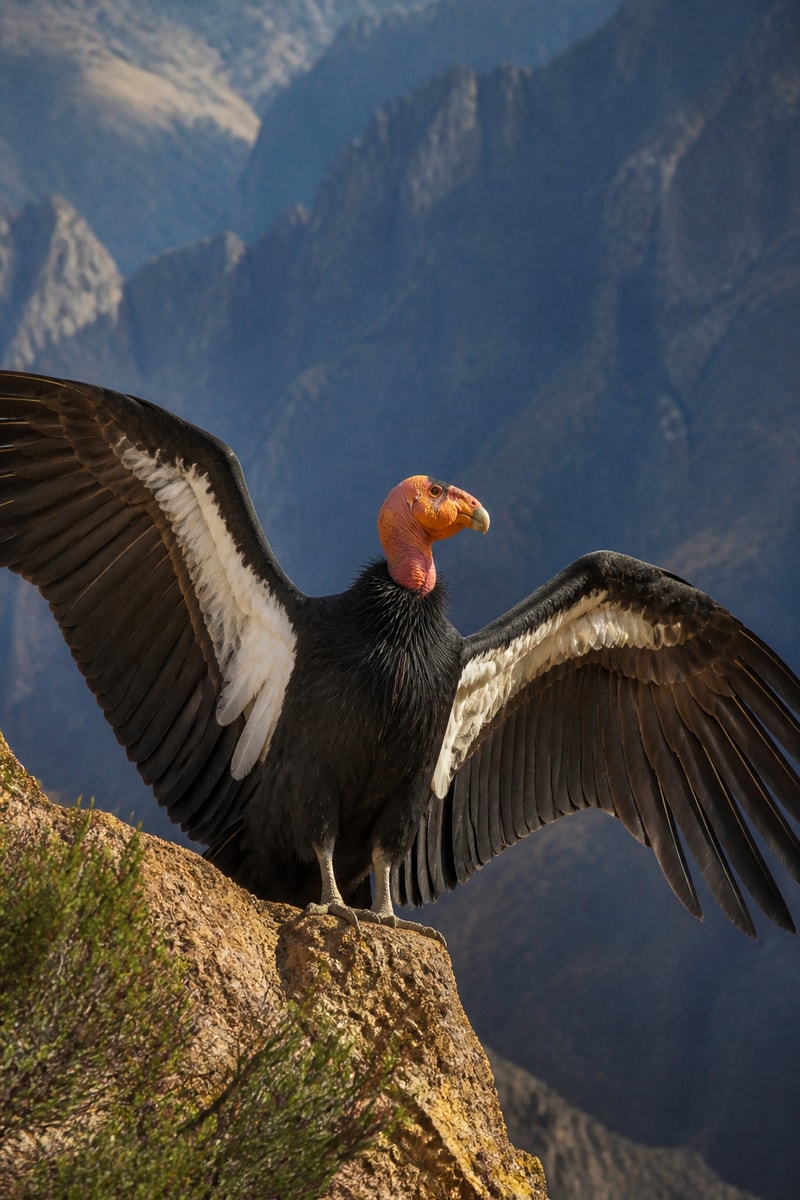
- California Condorlegendary • Canyons & Cliffs
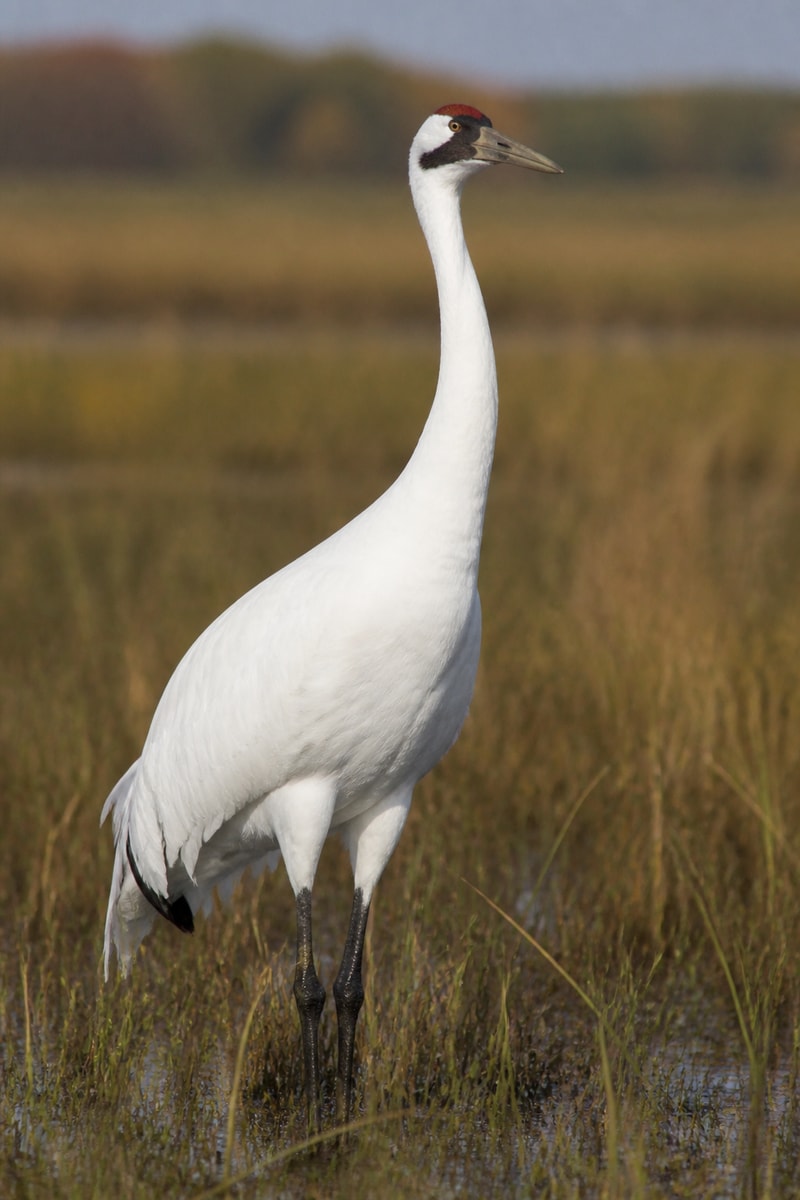
- Whooping Cranelegendary • North American Wetlands
- Great Horned Owlrare • Forest & Suburbs
Free on iOS
Catch the Mountain Lion
Spot one in the wild, then scan it in Catch'Um to log your legendary discovery.