
Field guide · rare
White-tailed Deer
The flag-tail in the forest, a spotted fawn born scentless, a buck with antlers that grow anew each year.
Least Concern
Odocoileus virginianus
Overview
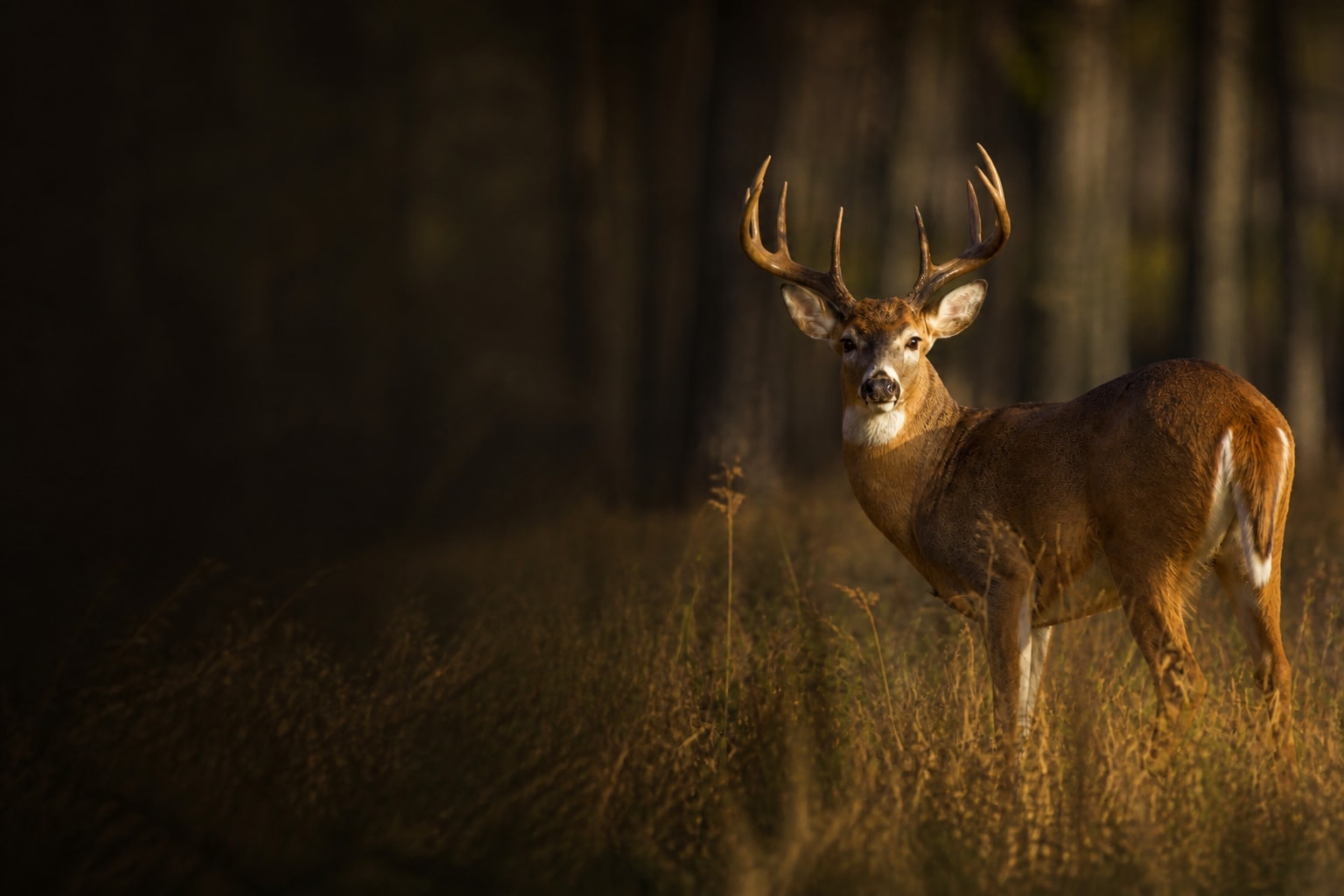
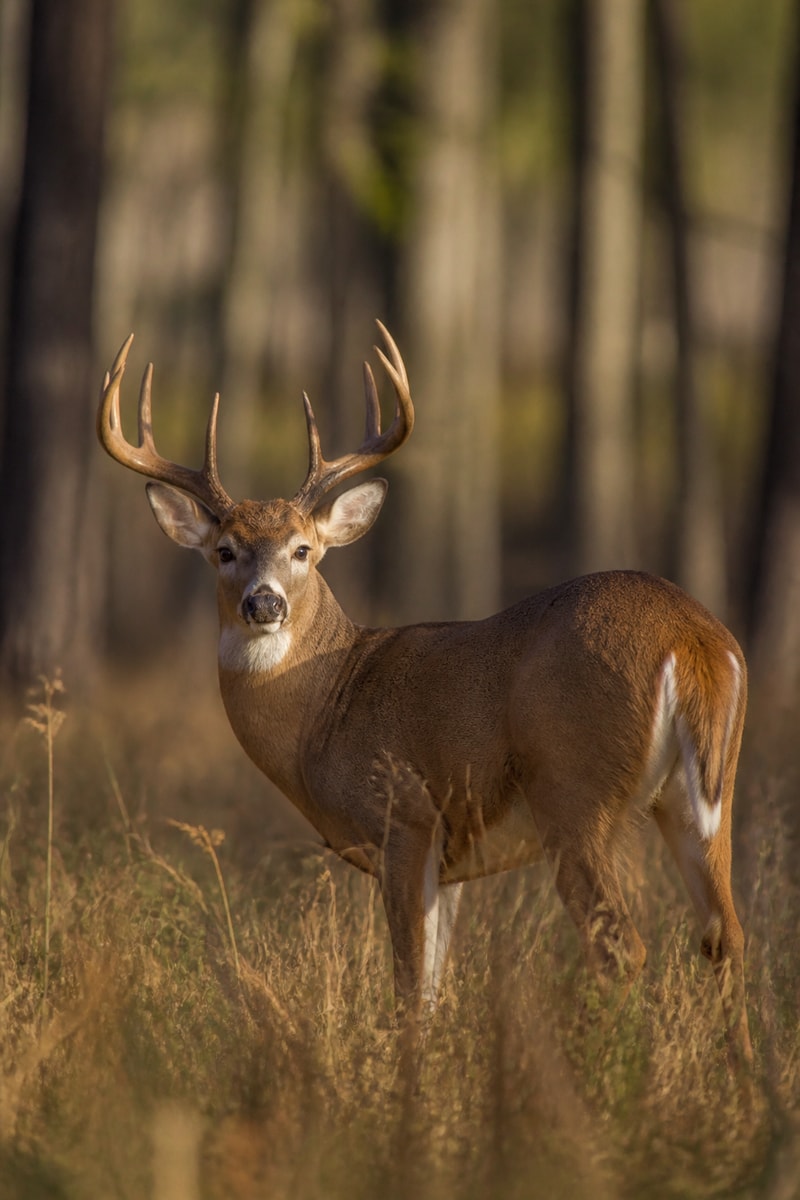
The white-tailed deer is America's most iconic ungulate, a graceful brown deer whose raised tail flashes white when alarmed, sending a signal every predator and hunter knows. From suburban woodland edges to deep forest, they're the mammal most likely to freeze in your headlights or bound away in that stiff-legged bounce.
Spotting a mature buck with a full rack in autumn, or a spotted fawn in spring, feels like a real discovery, common in range but shy enough to make every clear sighting count.
- Scientific nameOdocoileus virginianus
- Length1.5–2.1 m
- Height80–100 cm at the shoulder
- WeightFemales ~40–90 kg; males ~60–140 kg (varies by region)
- Lifespan6–14 years in the wild
- DietBrowsers and grazers…
- ConservationLeast Concern
- RegionForest & Meadows
Habitat
- Woodland edge
- Farmland
- Brush
- Suburbs
White-tailed deer live across the United States in forest, woodland edge, farmland, and increasingly suburban areas with cover and browse. They thrive where young regrowth, acorns, and agricultural crops provide food, and where hunting or vehicle traffic hasn't locally suppressed numbers.
Countries found
Field notes
Field scale for the White-tailed Deer: length around 1.5-2.1 m; height 80-100 cm at the shoulder; weight Females ~40-90 kg; males ~60-140 kg (varies by region). Typical lifespan: 6-14 years in the wild.
When you are scanning habitat, prioritise woodland edge, farmland, brush, and suburbs. Those settings are where a clean look and a usable photo are most likely.
Quick ID anchor: Medium deer with reddish summer coat turning grey-brown in winter, a white throat and belly, and a broad white underside to the tail. Only males grow antlers. Confirm with behaviour and habitat before you log the discovery.
Diet
Browsers and grazers taking leaves, twigs, shoots, forbs, acorns, and agricultural crops. Diet shifts seasonally with available browse and mast.
Behaviour
Mostly crepuscular, bedding in cover by day. When alarmed they raise the white underside of the tail as a flag and bound away; bucks shed and regrow antlers annually.
How to identify
Medium deer with reddish summer coat turning grey-brown in winter, a white throat and belly, and a broad white underside to the tail. Only males grow antlers.
Interesting facts
- 01
Fawns are born spotted and scentless so predators cannot find them.
- 02
Bucks grow a new set of antlers every year, shedding velvet in autumn.
- 03
That white tail flash is an alarm signal to other deer, raised when fleeing.
- 04
They are strong swimmers, deer regularly cross rivers and lakes.
- 05
An estimated 30 million white-tailed deer live in the United States.
- 06
Their four-part stomach allows them to digest tough plant material other animals cannot.
Conservation status
White-tailed deer are Least Concern and abundant across North America, in some areas overabundant, causing forest damage and vehicle collisions. Managed hunting keeps populations in check in many states.
Sources: IUCN Red List
Related discoveries


Keep exploring
Related discoveries
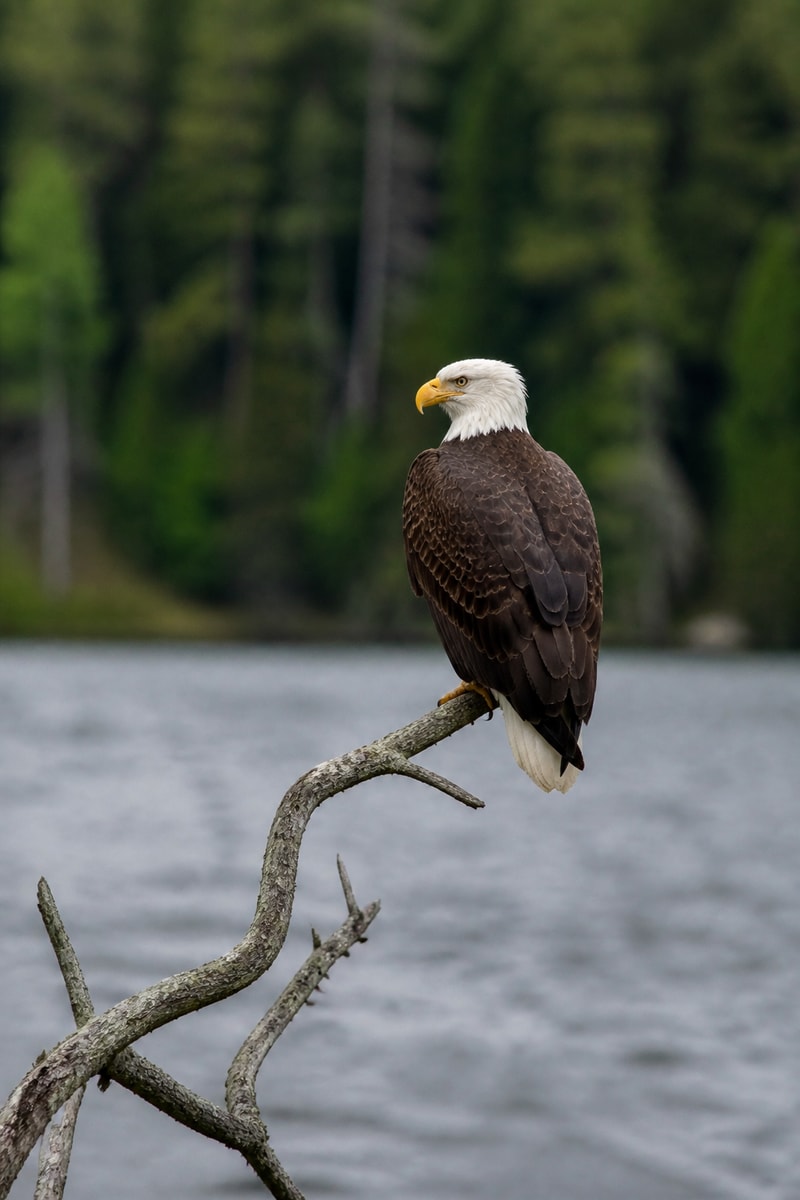
- Bald Eaglelegendary • Lakes & Coasts
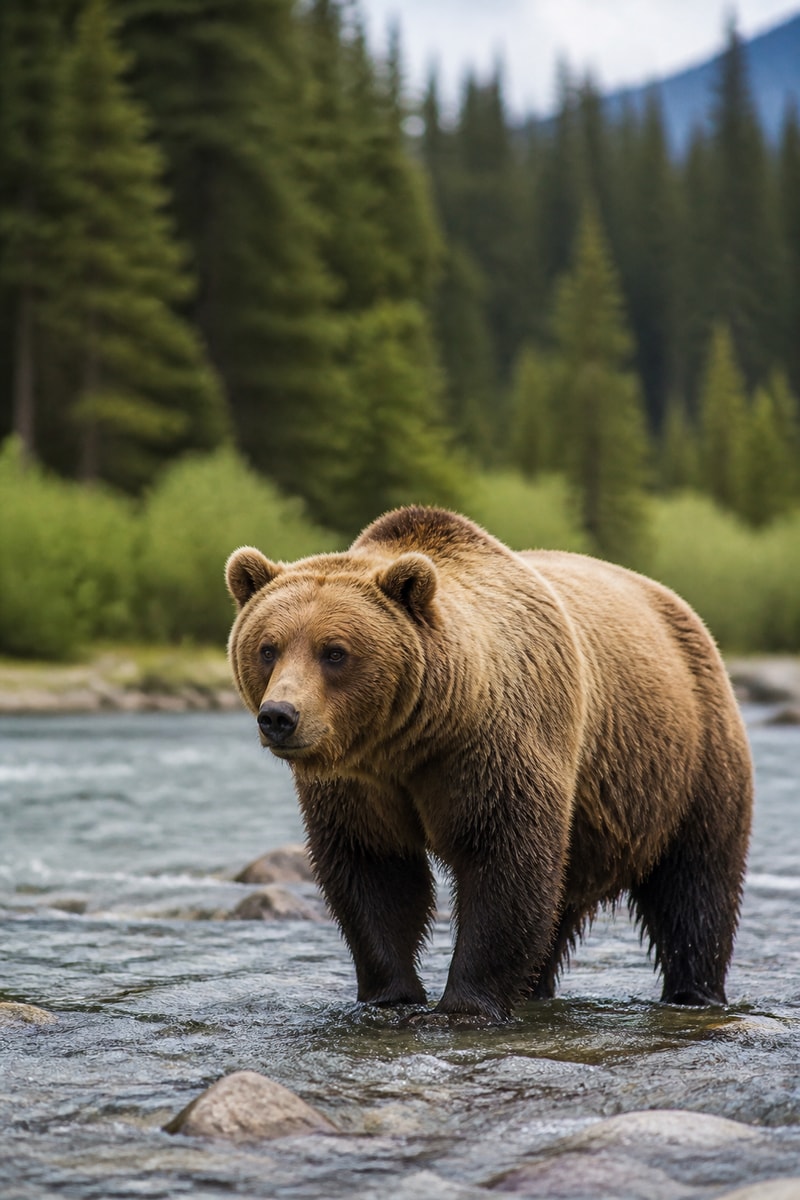
- Grizzly Bearlegendary • Mountains & Rivers
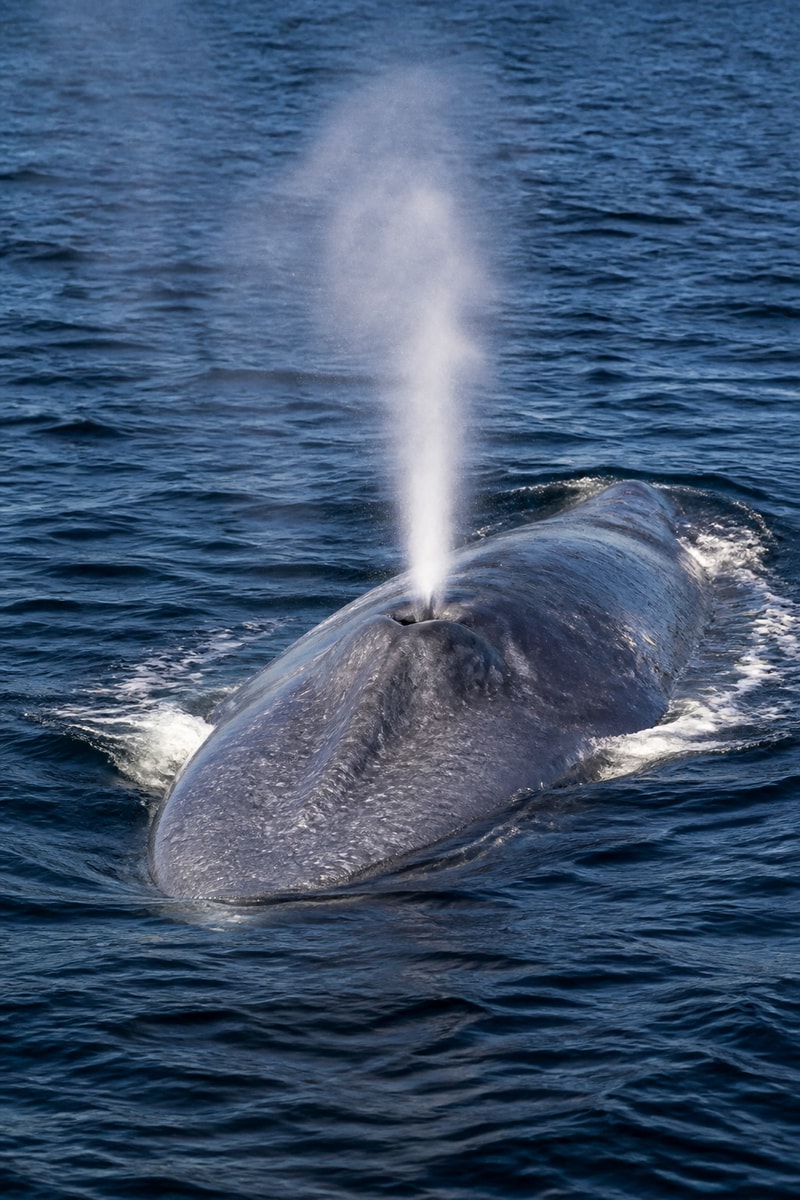
- Blue Whalelegendary • Open Ocean
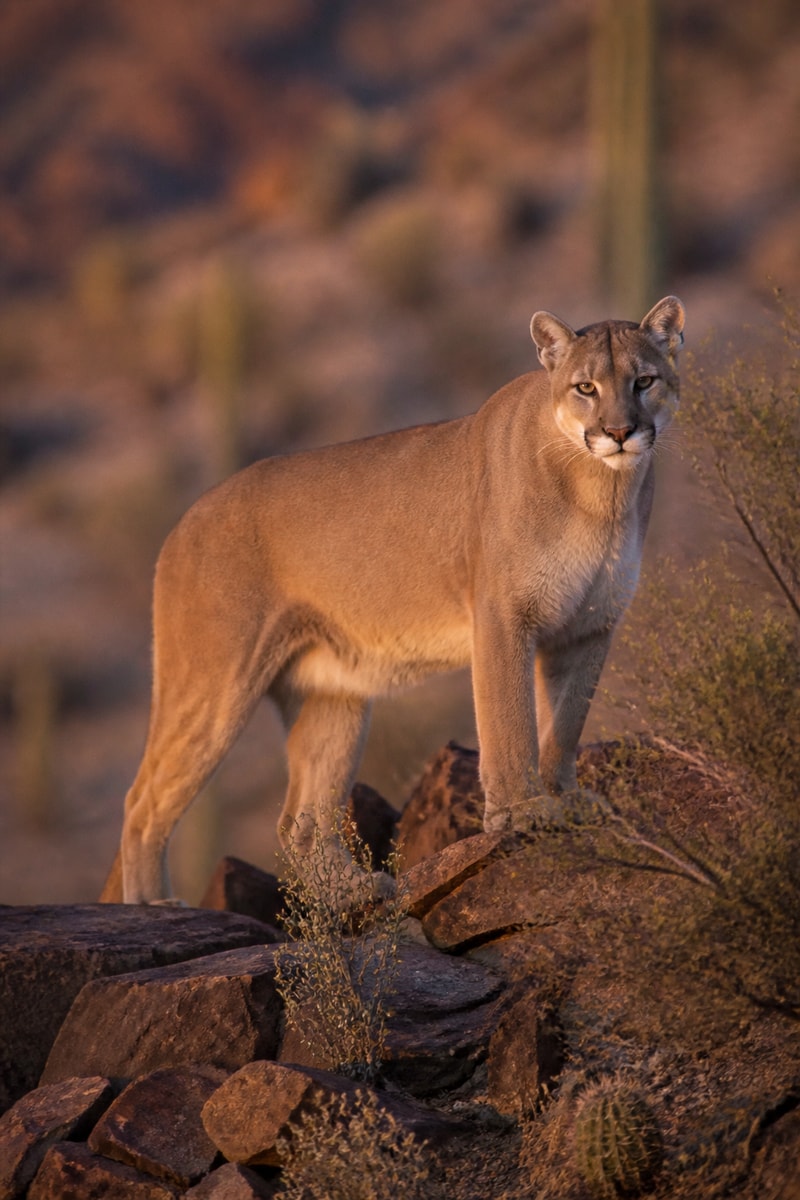
- Mountain Lionlegendary • Mountains & Desert
- Great White Sharklegendary • Coastal Ocean
- Orcalegendary • Coastal Ocean
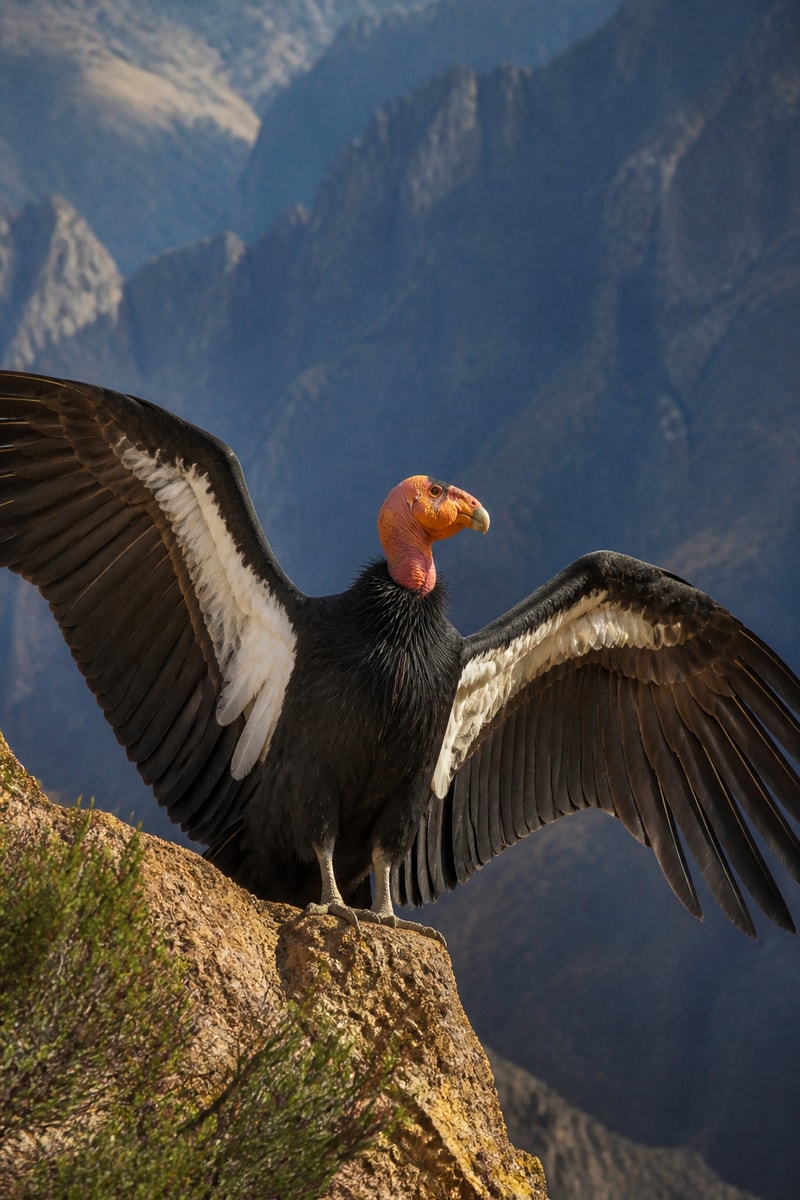
- California Condorlegendary • Canyons & Cliffs
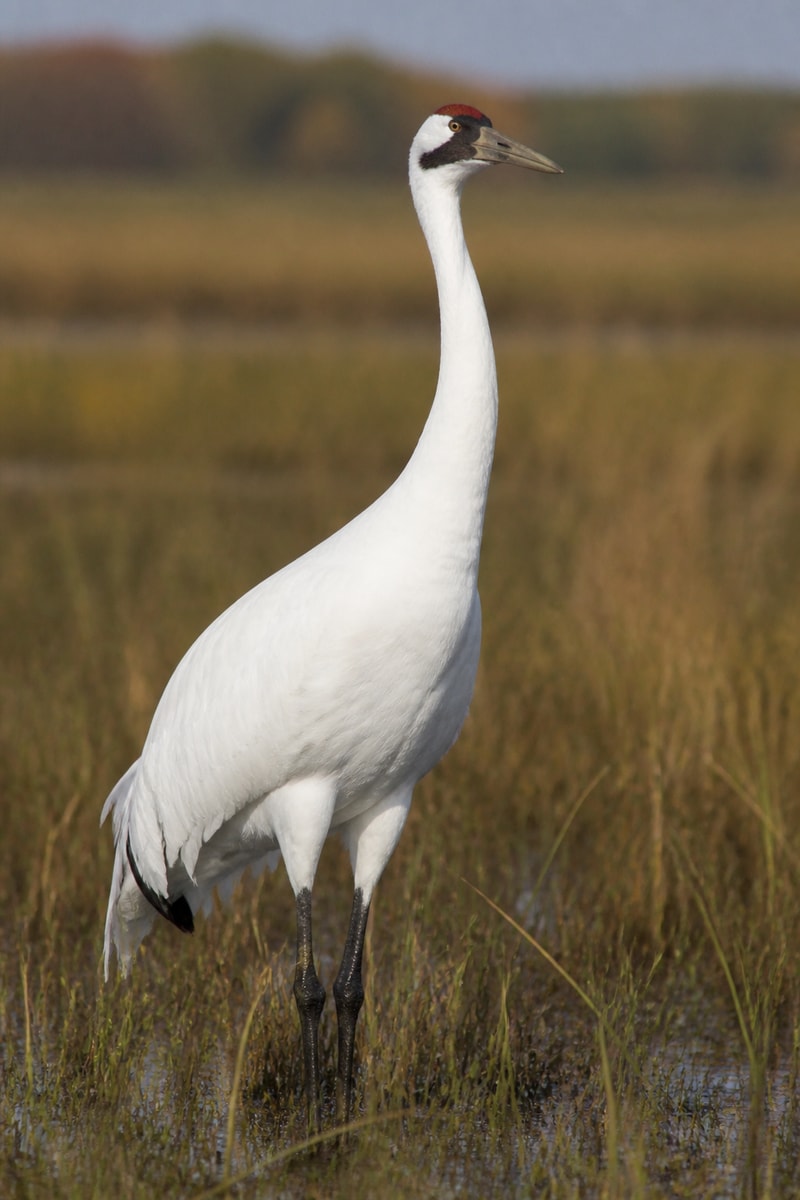
- Whooping Cranelegendary • North American Wetlands
Free on iOS
Catch the White-tailed Deer
Spot one in the wild, then scan it in Catch'Um to log your rare discovery.