

Field guide · legendary
Bald Eagle
America's living emblem, a white-headed fish hawk that can dive at over 160 km/h.
Least Concern
Haliaeetus leucocephalus
Overview
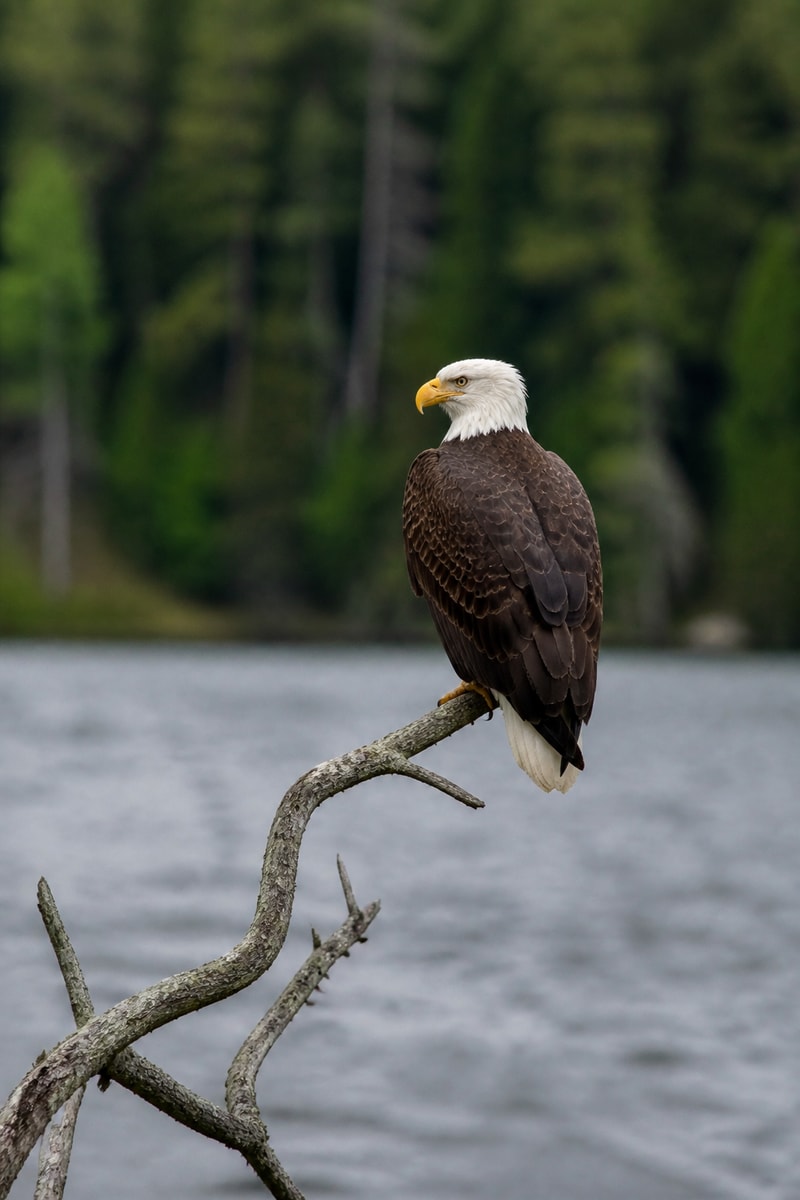
The bald eagle is the bird that stops traffic: a massive raptor with a wingspan up to 2.3 metres, a fierce yellow bill, and that unmistakable white head and tail against a dark brown body. Once pushed to the edge of extinction by DDT, it has rebounded across North America and become one of the most sought-after discoveries in the Catch'Um collection.
Eagles hunt fish by snatching them from the water's surface, but they will also steal from ospreys, scavenge carrion, and patrol coastlines and lakeshores with an authority that makes every sighting feel legendary. Spot one perched in a dead tree or circling high over a reservoir and you'll understand why it became a national symbol.
- Scientific nameHaliaeetus leucocephalus
- Length70–100 cm
- HeightWingspan 1.8–2.3 m
- Weight3–6.5 kg
- Lifespan20–30 years in the wild
- DietFish are the staple
- ConservationLeast Concern
- RegionLakes & Coasts
Habitat
- Lakeshores
- Rivers
- Coasts
- Wetlands
Bald eagles nest near large bodies of water across the United States and Canada, lakes, rivers, estuaries, and coastlines where fish are abundant. They favour tall trees or cliffs for nesting and roosting, and are increasingly seen on reservoirs and along major rivers far from the coast.
Countries found
Field notes
Field scale for the Bald Eagle: length around 70-100 cm; height Wingspan 1.8-2.3 m; weight 3-6.5 kg. Typical lifespan: 20-30 years in the wild.
When you are scanning habitat, prioritise lakeshores, rivers, coasts, and wetlands. Those settings are where a clean look and a usable photo are most likely.
Quick ID anchor: Adults are dark brown with a pure white head and tail and a heavy yellow bill. Immatures are mottled brown for several years before gaining the white head, often confused with golden eagles at a distance. Confirm with behaviour and habitat before you log the discovery.
Diet
Fish are the staple—snatched from the surface or stolen from other birds. Also takes waterfowl, mammals, and substantial carrion, especially in winter.
Behaviour
Apex raptor that soars on broad wings and nests in huge stick platforms near water. Pairs are usually monogamous and reuse nests for years; juveniles wander widely before settling.
How to identify
Adults are dark brown with a pure white head and tail and a heavy yellow bill. Immatures are mottled brown for several years before gaining the white head—often confused with golden eagles at a distance.
Interesting facts
- 01
Bald eagles can dive at speeds over 160 km/h when hunting fish.
- 02
Their nests can weigh over a tonne, some of the largest tree nests built by any bird.
- 03
Juvenile eagles don't develop the white head and tail until they are four or five years old.
- 04
DDT poisoning caused eggshell thinning and near-collapse of populations before the 1970s ban.
- 05
An eagle's grip strength can exceed 400 pounds per square inch, enough to crush bone.
- 06
They mate for life, returning to the same nesting territory year after year.
Conservation status
Bald eagles recovered from Endangered status after DDT was banned and protections took hold, a rare conservation success story. They are now Least Concern, though habitat loss and lead poisoning from scavenged carcasses remain local threats.
Sources: IUCN Red List
Related discoveries

Keep exploring
Related discoveries
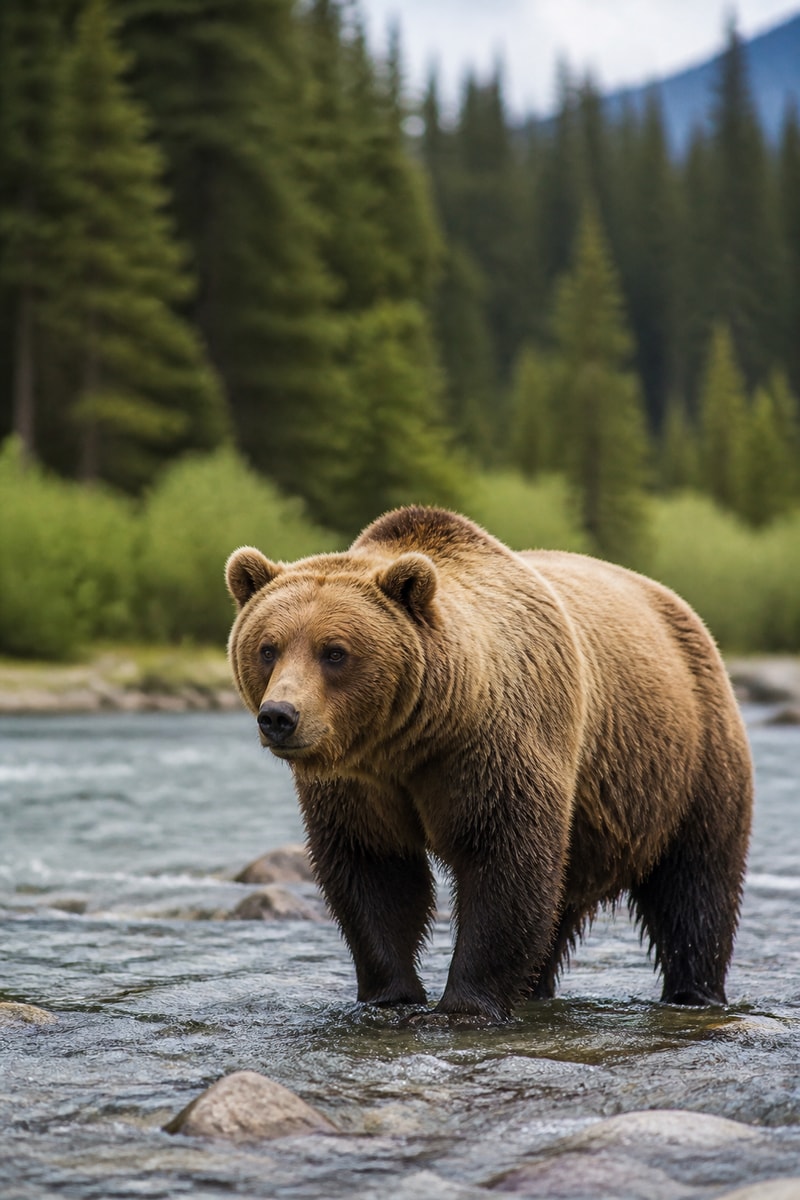
- Grizzly Bearlegendary • Mountains & Rivers
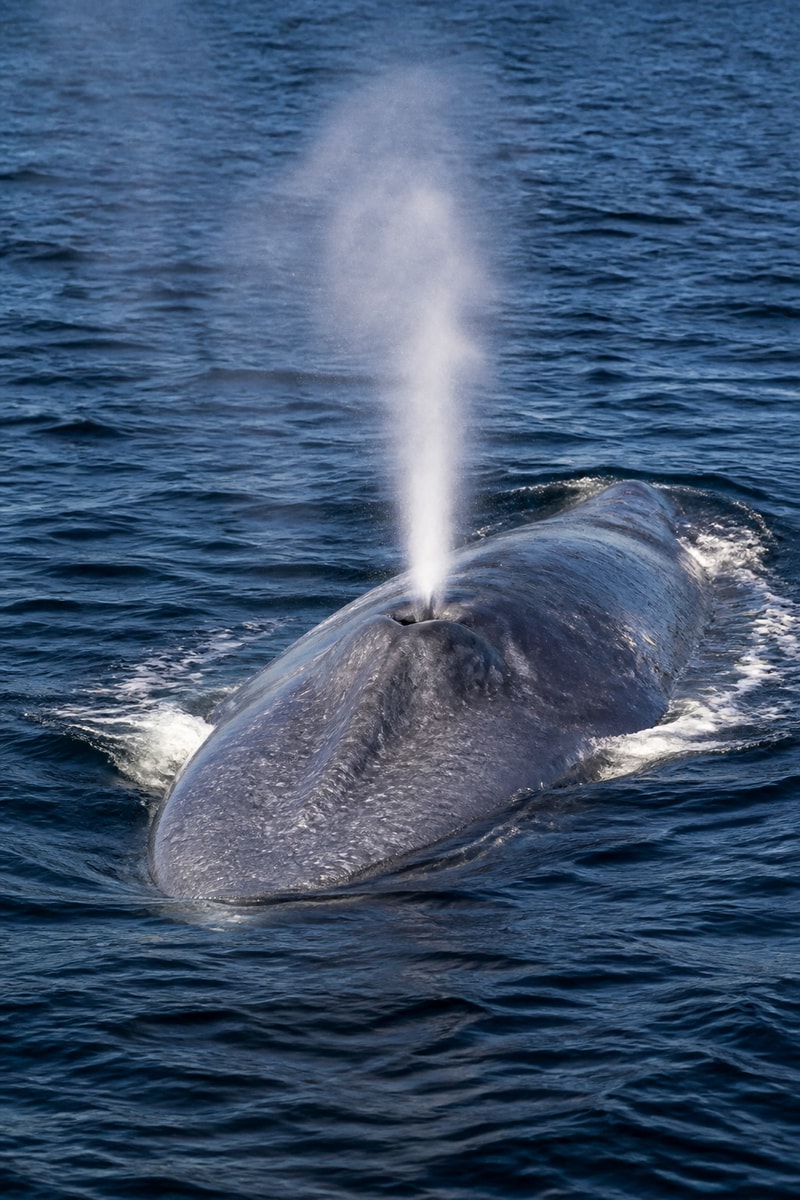
- Blue Whalelegendary • Open Ocean
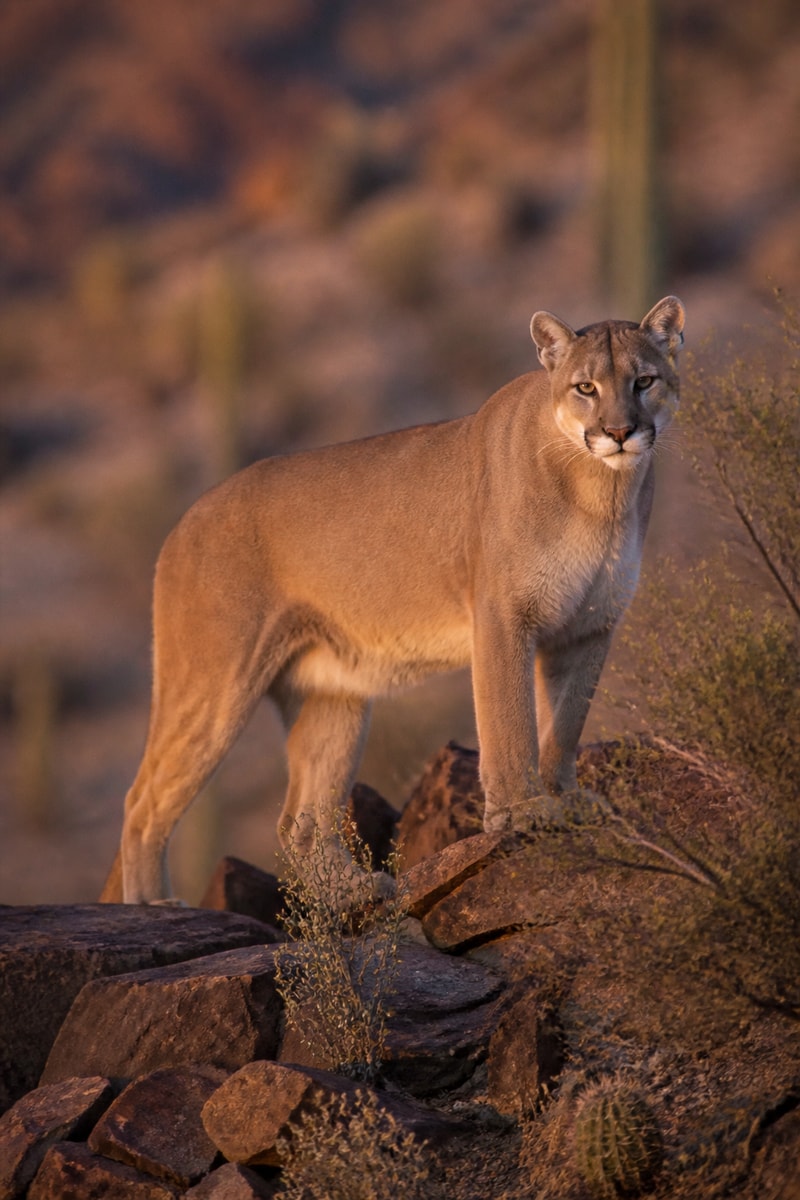
- Mountain Lionlegendary • Mountains & Desert
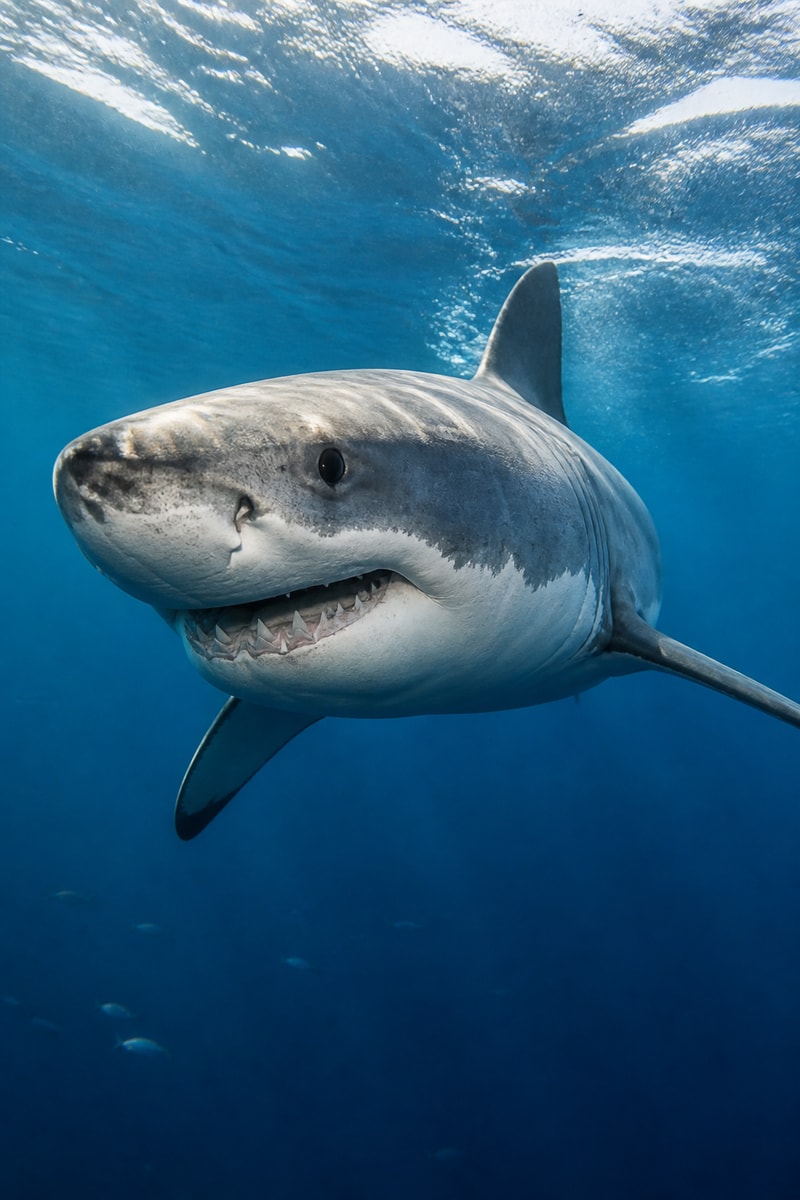
- Great White Sharklegendary • Coastal Ocean
- Orcalegendary • Coastal Ocean
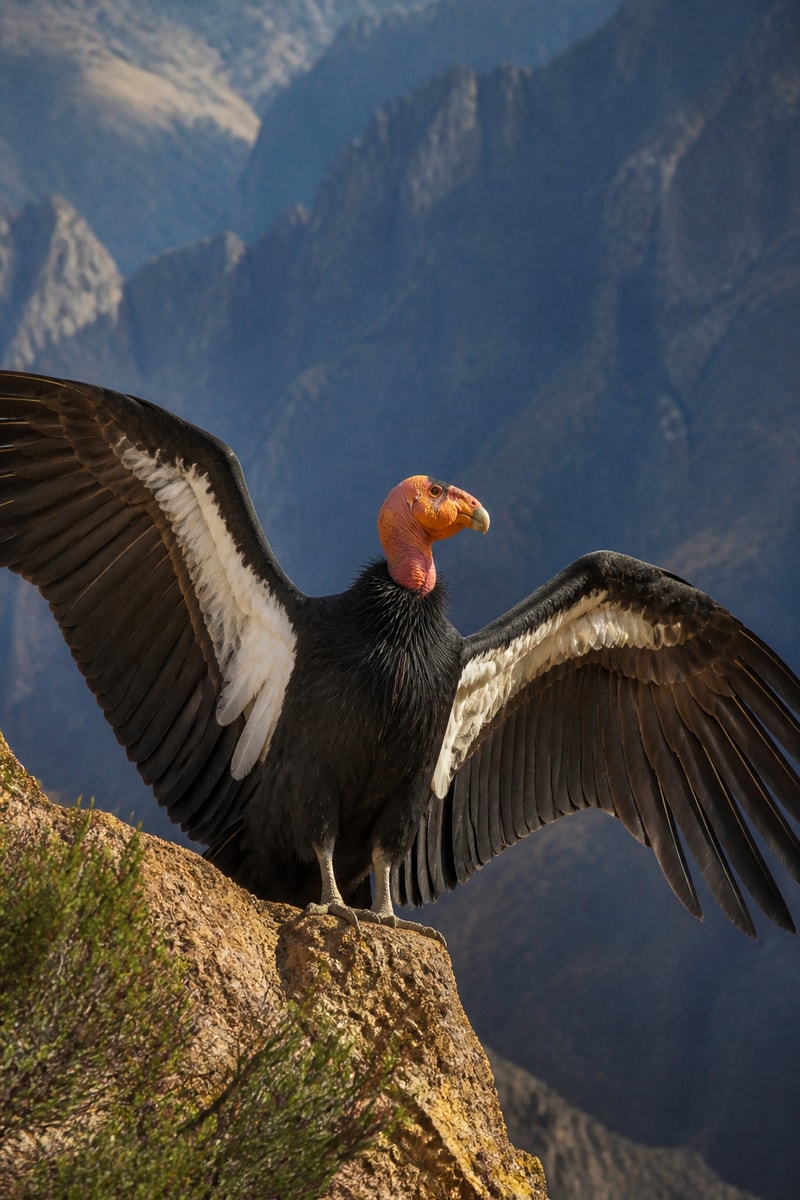
- California Condorlegendary • Canyons & Cliffs
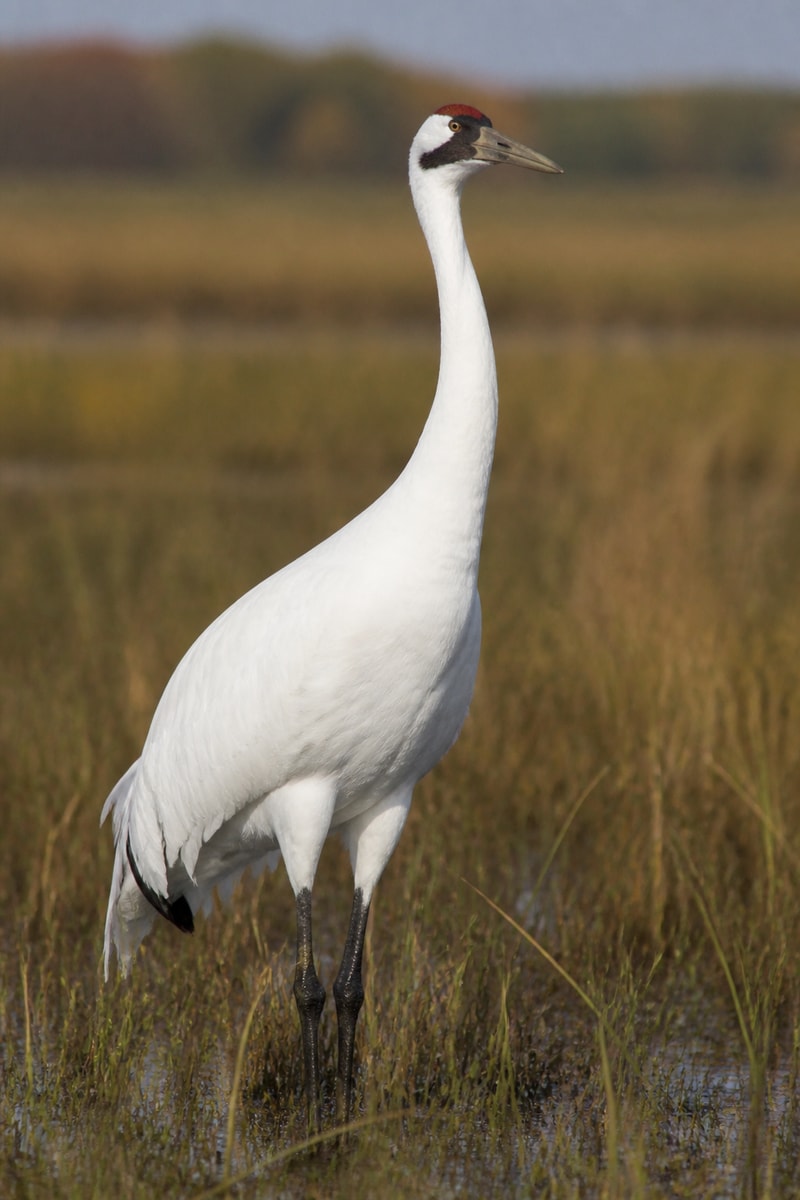
- Whooping Cranelegendary • North American Wetlands
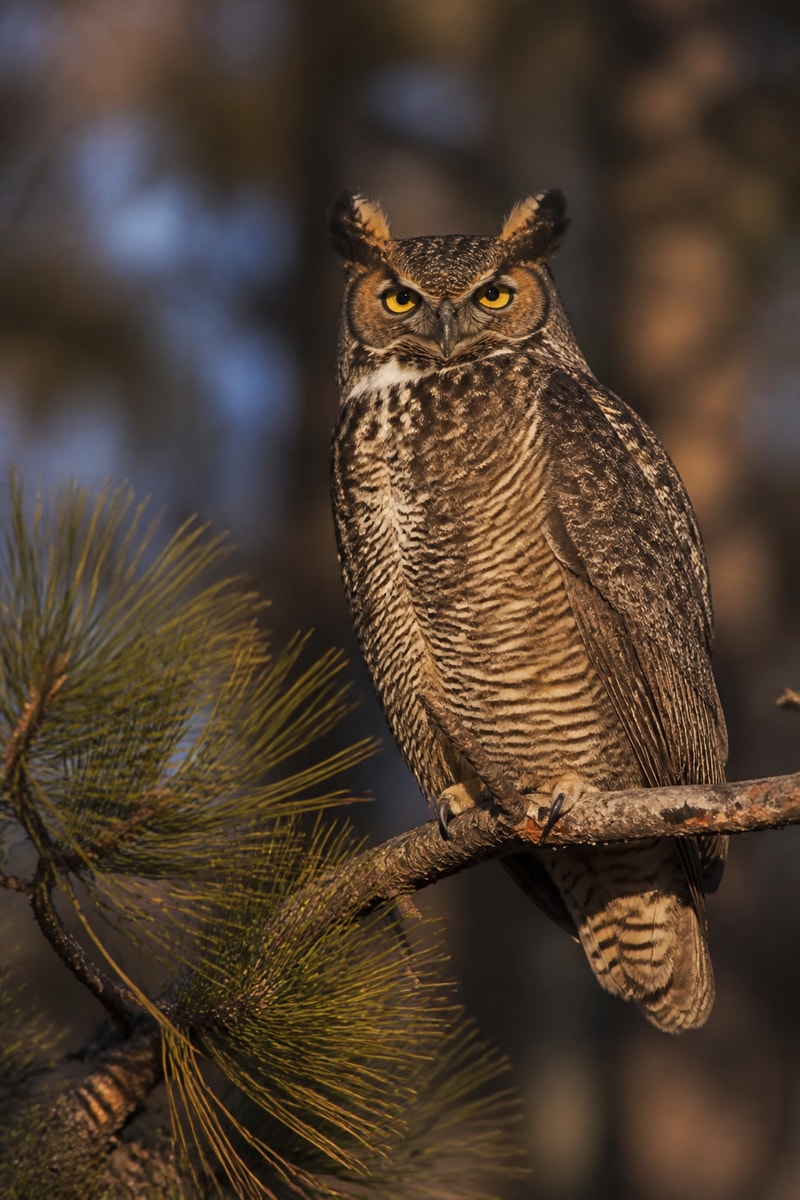
- Great Horned Owlrare • Forest & Suburbs
Free on iOS
Catch the Bald Eagle
Spot one in the wild, then scan it in Catch'Um to log your legendary discovery.