
Field guide · legendary
Grizzly Bear
The hump-backed giant of the American West, a powerful omnivore whose presence defines wild mountain country from Alaska to the Rockies.
Least Concern
Ursus arctos horribilis
Overview
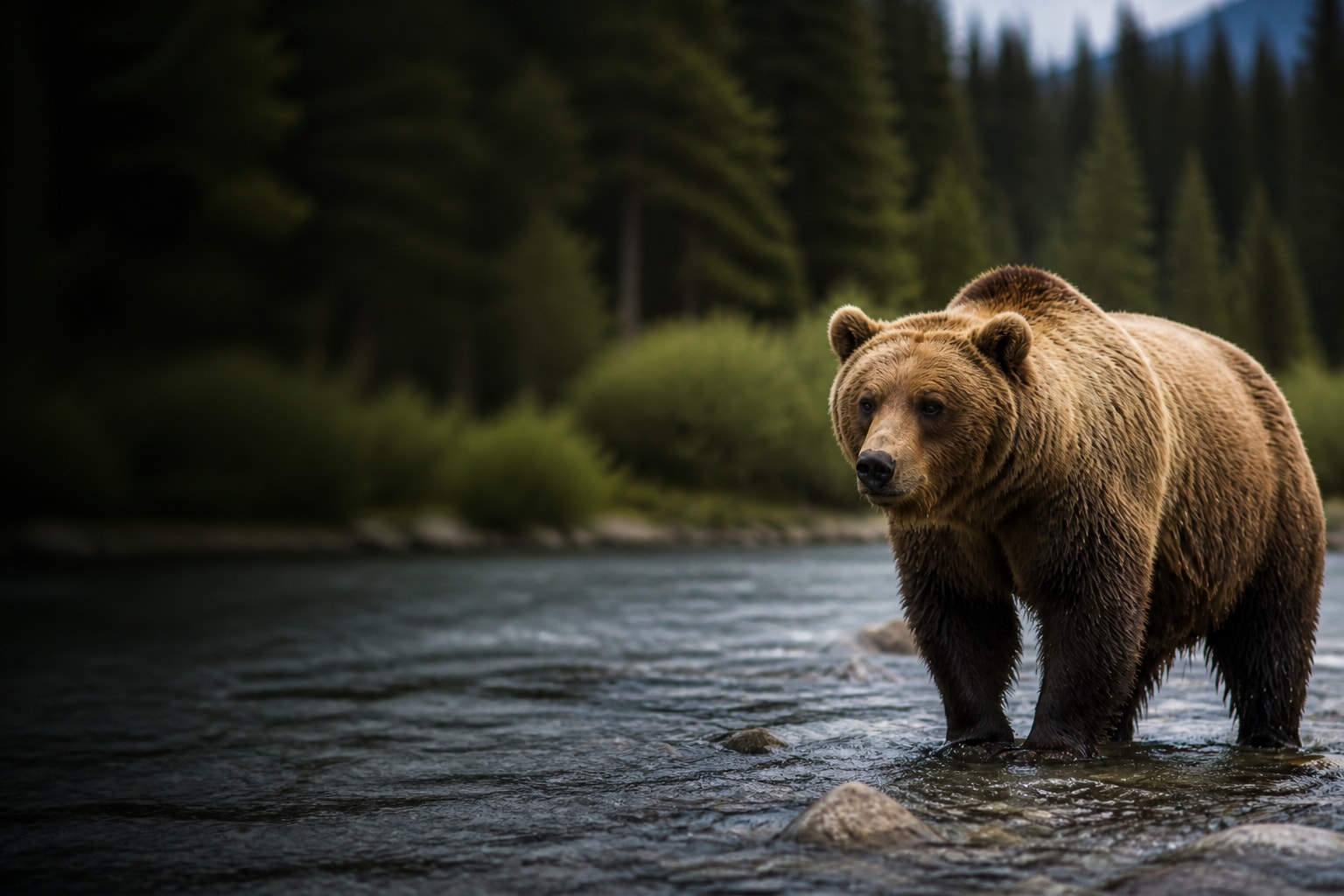
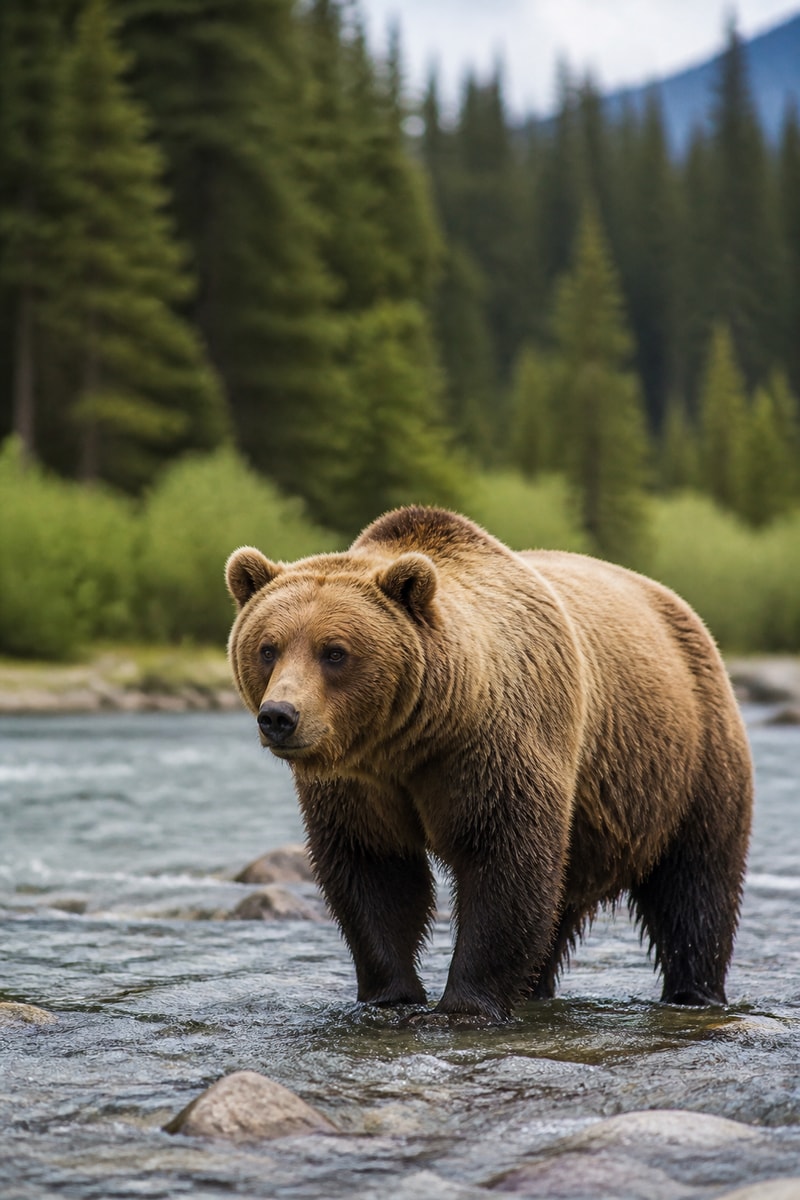
The grizzly bear is a subspecies of brown bear distinguished by the prominent muscle hump over its shoulders, a dish-shaped face, and long pale-tipped guard hairs that give it a grizzled appearance. Adults can weigh over 400 kilograms and run faster than a horse over short distances.
Grizzlies are omnivores with a seasonal menu: grazing on sedges and berries, digging for roots and ground squirrels, fishing salmon in coastal and river systems, and scavenging carcasses. Mothers raise cubs for two to three years, teaching them where and when to find each food source.
- Scientific nameUrsus arctos horribilis
- Length1.8–2.5 m
- Height90–120 cm at shoulder
- WeightMales typically 180–360+ kg; females smaller
- Lifespan20–25 years in the wild
- DietOmnivore
- ConservationLeast Concern
- RegionMountains & Rivers
Habitat
- Alpine meadow
- Montane forest
- River valleys
- Tundra edge
Grizzlies occupy remote montane forests, alpine meadows, river valleys, and, in Alaska and British Columbia, coastal estuaries during salmon runs. They need large undeveloped territories with diverse seasonal food and secure denning sites for winter.
Countries found
Field notes
Field scale for the Grizzly Bear: length around 1.8-2.5 m; height 90-120 cm at shoulder; weight Males typically 180-360+ kg; females smaller. Typical lifespan: 20-25 years in the wild.
When you are scanning habitat, prioritise alpine meadow, montane forest, river valleys, and tundra edge. Those settings are where a clean look and a usable photo are most likely.
Quick ID anchor: Muscular shoulder hump, dish-shaped face, and long front claws; coat ranges from dark brown to blond, often with pale 'grizzled' guard hairs. Larger and more hump-backed than a black bear. Confirm with behaviour and habitat before you log the discovery.
Diet
True omnivore: roots, berries, grasses, insects, fish (notably salmon where available), and ungulates or carrion. Diet shifts strongly with season and local food pulses.
Behaviour
Mostly solitary except for females with cubs; ranges widely and dens through winter in colder parts of the range. Powerful diggers and opportunistic scavengers with a keen sense of smell.
How to identify
Muscular shoulder hump, dish-shaped face, and long front claws; coat ranges from dark brown to blond, often with pale 'grizzled' guard hairs. Larger and more hump-backed than a black bear.
Interesting facts
- 01
Grizzly bears' shoulder hump is pure muscle for digging and sprinting up to 55 km/h.
- 02
Coastal grizzlies can gain over a kilogram of weight per day during salmon season.
- 03
They enter deep winter dens and can lose 30% of their body weight before emerging in spring.
Conservation status
Brown bears globally are Least Concern, but grizzlies in the lower 48 states remain federally protected in most areas after historic range loss. Populations are recovering in parts of Montana, Wyoming, and Washington.
Sources: IUCN Red List
Related discoveries
Keep exploring
Related discoveries
- Bald Eaglelegendary • Lakes & Coasts
- Blue Whalelegendary • Open Ocean
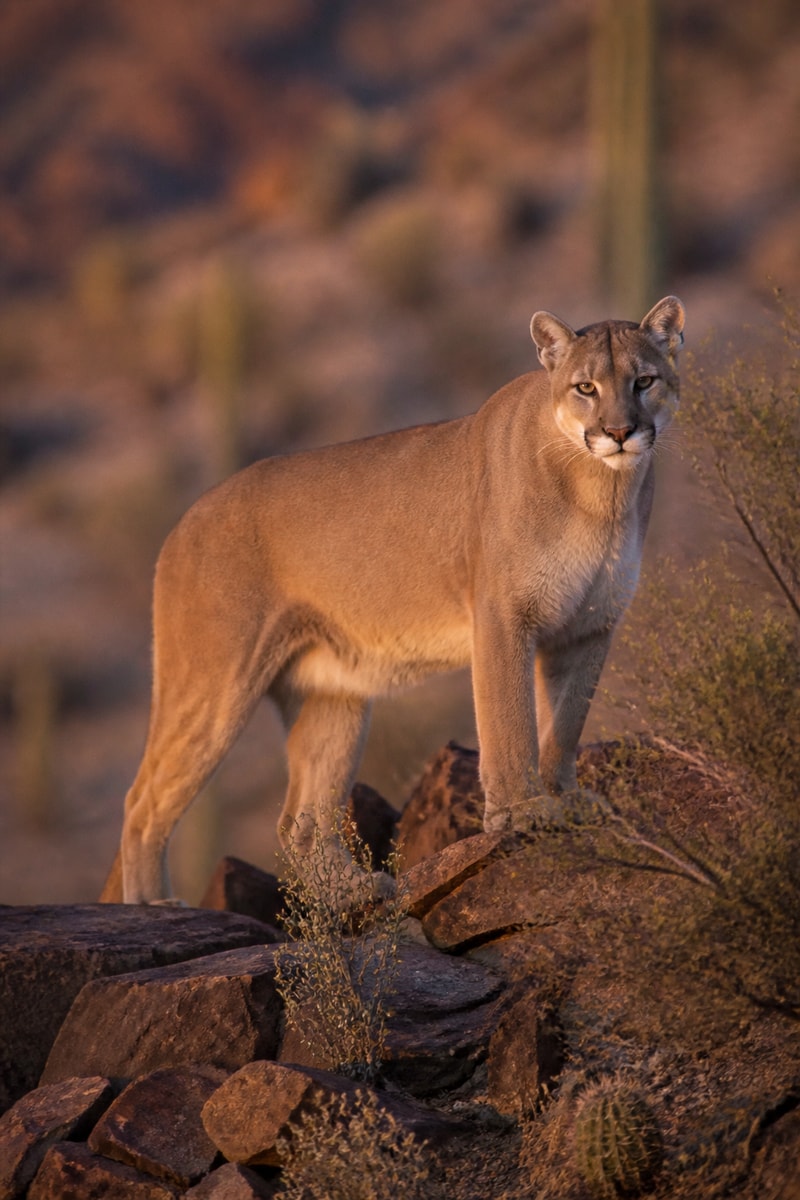
- Mountain Lionlegendary • Mountains & Desert
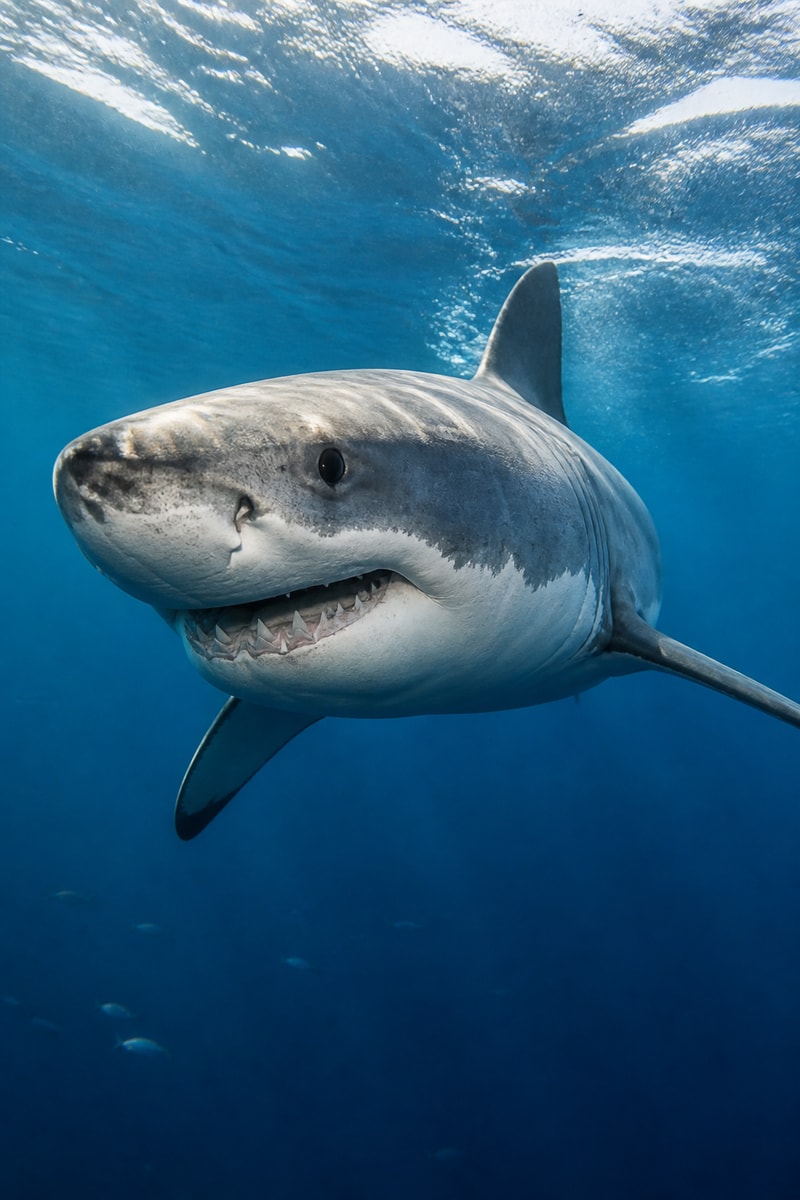
- Great White Sharklegendary • Coastal Ocean
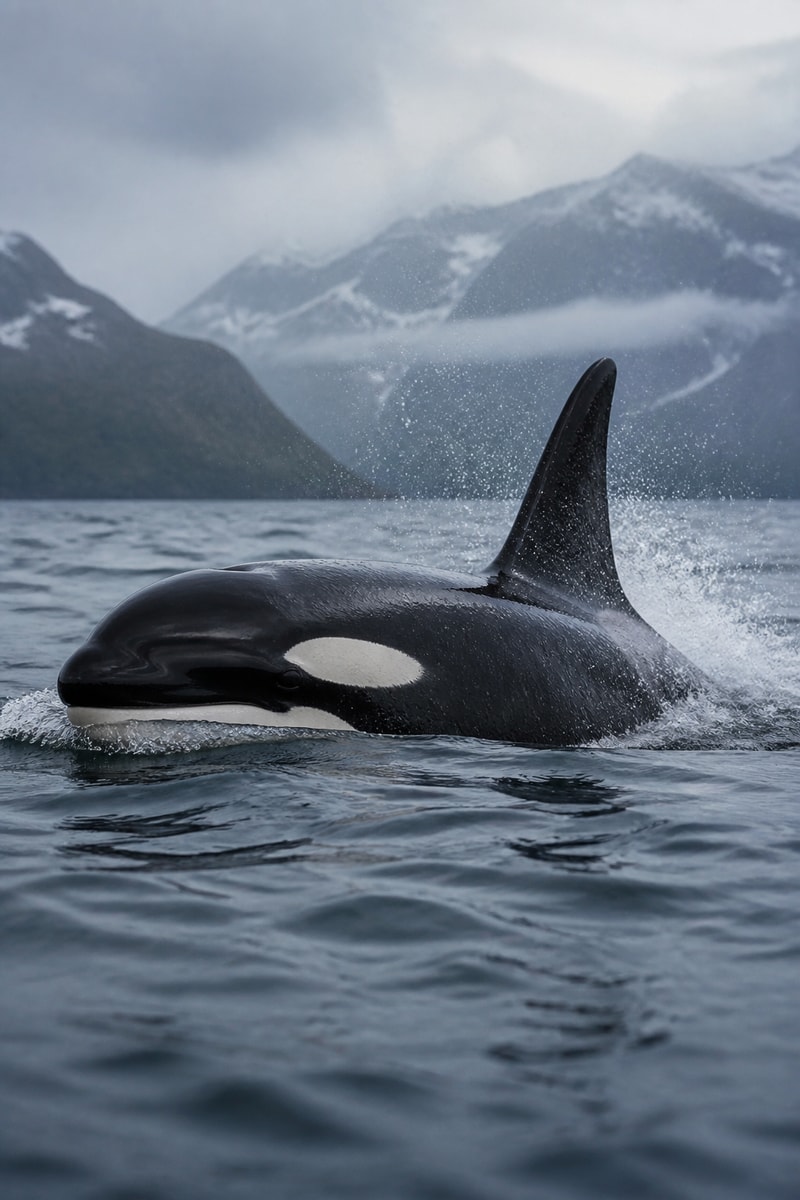
- Orcalegendary • Coastal Ocean
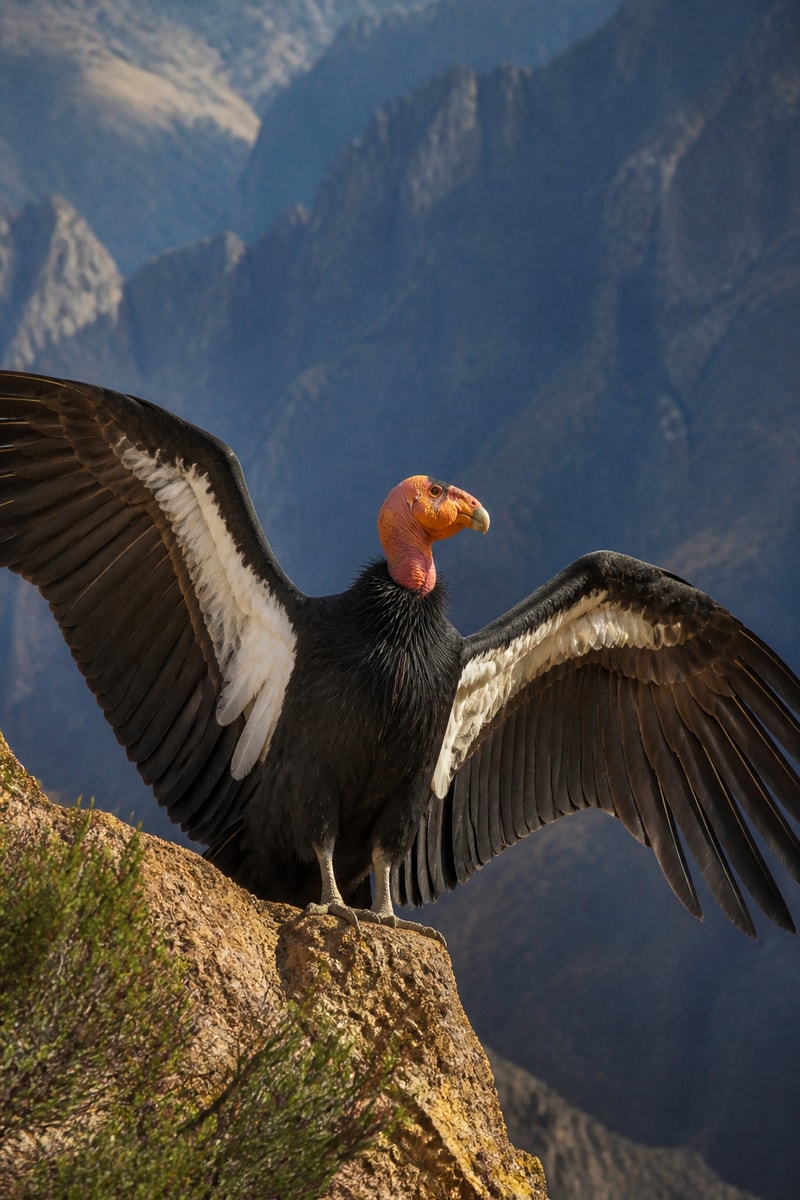
- California Condorlegendary • Canyons & Cliffs
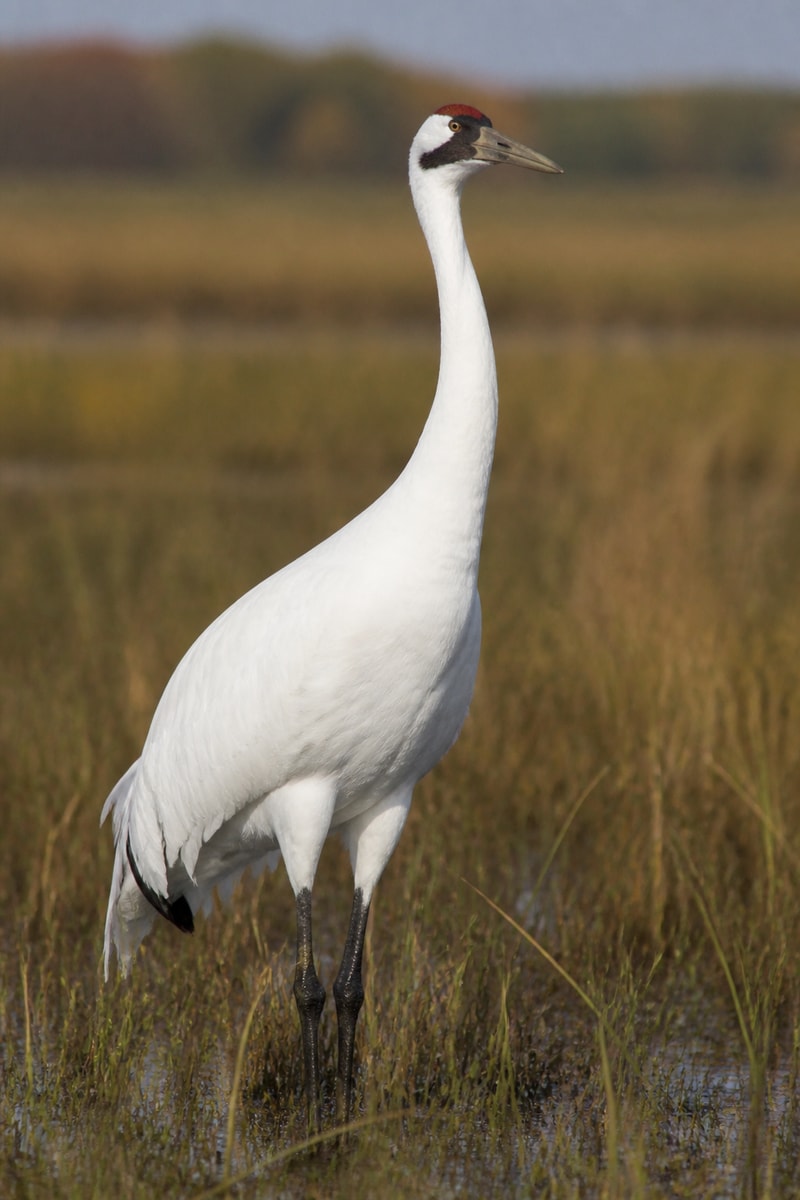
- Whooping Cranelegendary • North American Wetlands
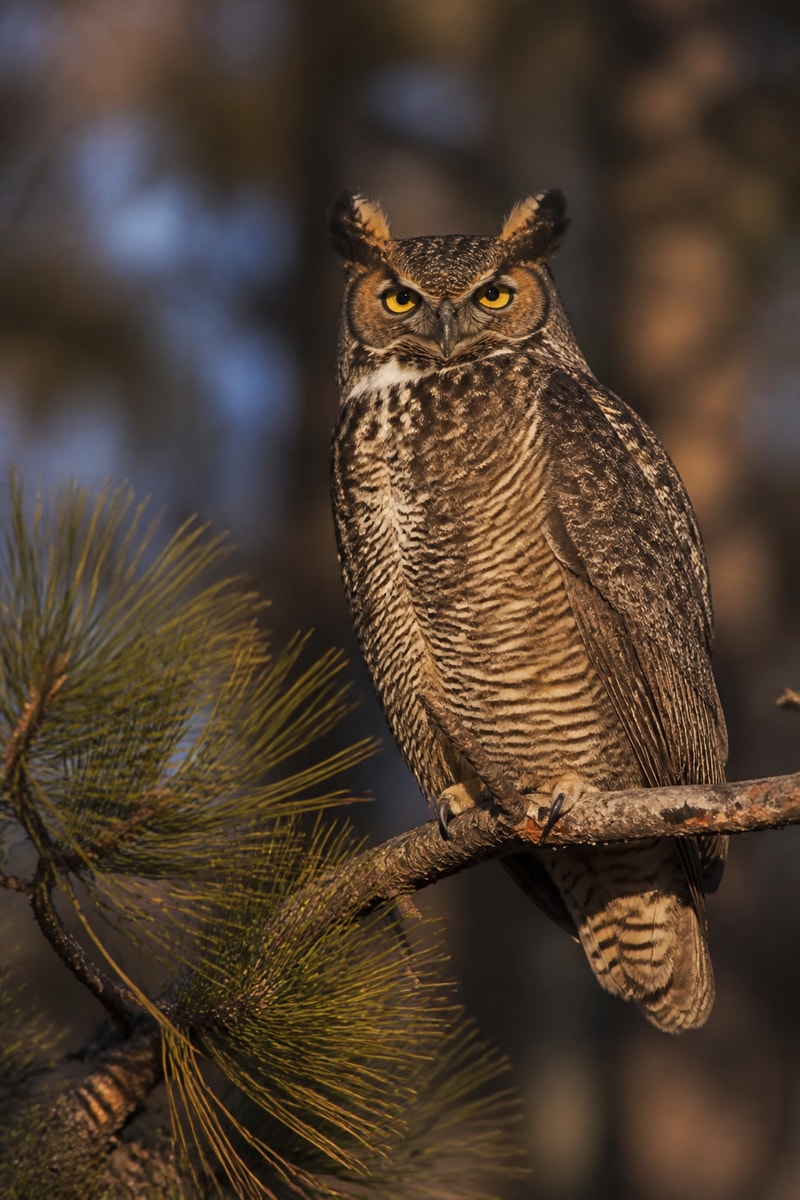
- Great Horned Owlrare • Forest & Suburbs
Free on iOS
Catch the Grizzly Bear
Spot one in the wild, then scan it in Catch'Um to log your legendary discovery.