
Field guide · legendary
Orca
The ocean's apex hunter — black-and-white, highly social, and one of the most recognisable animals on Earth.
Near Threatened
Orcinus orca
Overview
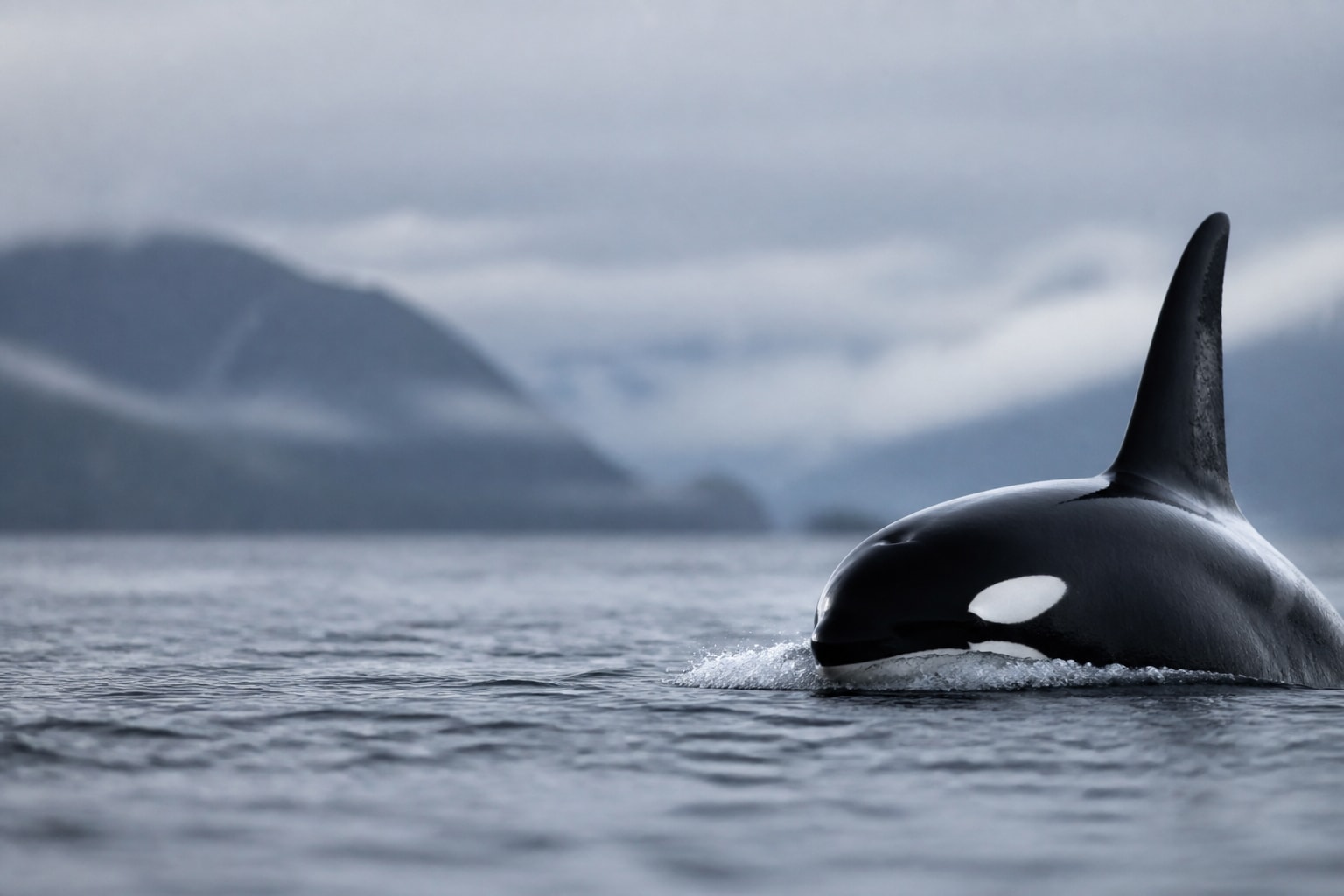
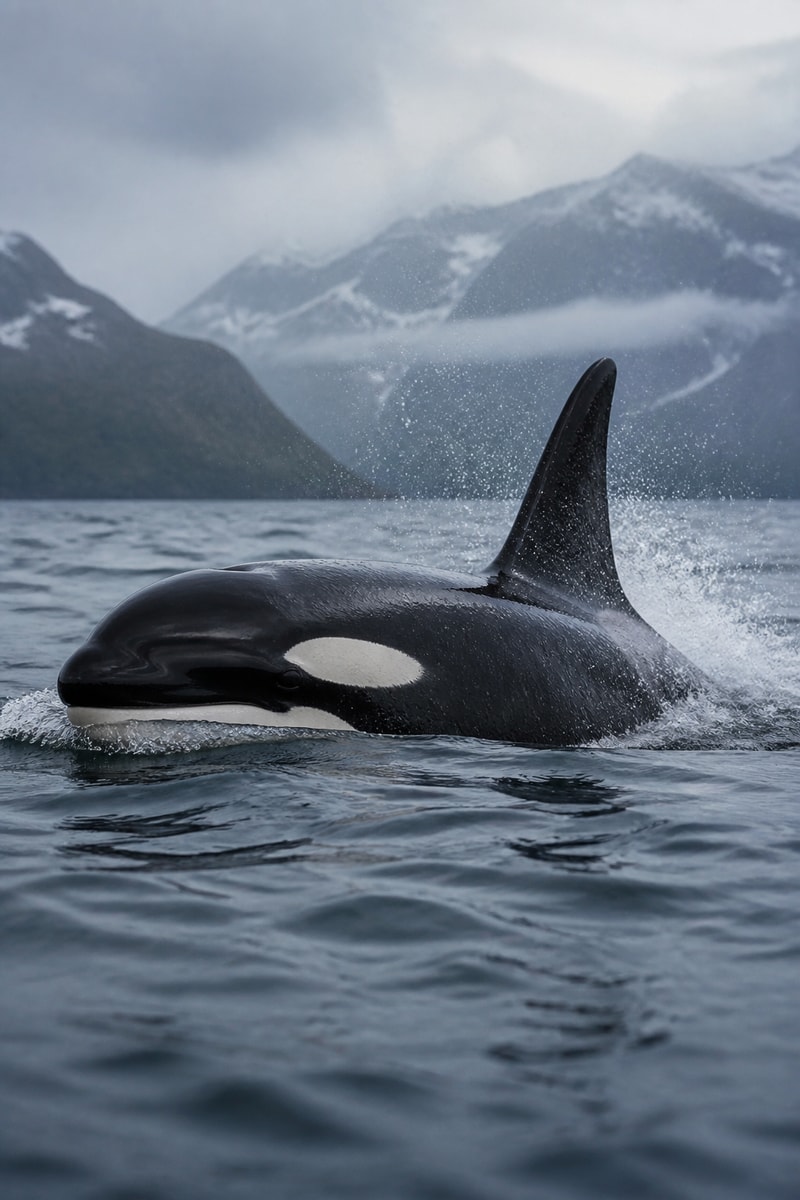
Orcas, often called killer whales, are the largest members of the dolphin family and the ocean's top predators. Distinctive black-and-white patterning, towering dorsal fins, and tightly bonded family pods make them unmistakable — and endlessly fascinating to collectors.
Different orca populations specialise on fish, seals, or even other whales, passing hunting techniques down through generations. A breach, spyhop, or close pass of a tall dorsal fin is the kind of legendary marine discovery Catch'Um players remember forever.
- Scientific nameOrcinus orca
- Length6–8 m typical; large males to ~9 m
- Weight3–6 tonnes typical; large males heavier
- LifespanAround 50–80 years for females; males often shorter
- DietApex marine predators…
- ConservationNear Threatened
- RegionCoastal Ocean
Where to see them
Habitat
- Coastal ocean
- Continental shelf
- Polar seas
Orcas range through every ocean, from polar pack ice to tropical seas, but are most often encountered in productive coastal waters rich in fish or marine mammals. Cold, prey-rich coasts of the North Pacific, North Atlantic, and Southern Ocean are classic strongholds.
Field notes
Field scale for the Orca: length around 6-8 m typical; large males to ~9 m; weight 3-6 tonnes typical; large males heavier. Typical lifespan: Around 50-80 years for females; males often shorter.
When you are scanning habitat, prioritise coastal ocean, continental shelf, and polar seas. Those settings are where a clean look and a usable photo are most likely.
Quick ID anchor: Bold black-and-white pattern with a white eye patch and grey saddle behind the dorsal fin. Confirm with behaviour and habitat before you log the discovery.
Diet
Apex marine predators with prey specialisations by population — Chinook salmon, seals and sea lions, or even large whales in some cultures.
Hunting strategies are learned and shared within pods, from cooperative wave-washing to beach stranding for seals.
Behaviour
Highly social and usually found in matrilineal pods that stay together for life.
Spyhop to scan above the surface, communicate with clicks and pulsed calls, and coordinate hunts with remarkable precision.
How to identify
Bold black-and-white pattern with a white eye patch and grey saddle behind the dorsal fin.
Tall triangular dorsal fin in adult males; shorter, more curved fins in females and juveniles.
Interesting facts
- 01
Orcas are the largest dolphins and the ocean's apex predators.
- 02
Adult male dorsal fins can rise over 1.8 metres — taller than any other cetacean.
- 03
Pods share dialects of calls unique to their family lineages.
- 04
Some populations specialise on salmon; others hunt seals by washing them off ice floes.
- 05
They are found in every ocean, from the Arctic to Antarctica.
- 06
Calves stay with their mothers for years inside matriarchal family groups.
Conservation status
The species as a whole faces uneven threats: some fish-eating populations are endangered by prey decline and pollution, while others remain healthier. Protecting salmon runs, reducing vessel disturbance, and limiting contaminants are critical for the most vulnerable pods.
Sources: IUCN Red List

Keep exploring
Where it lives
Related discoveries
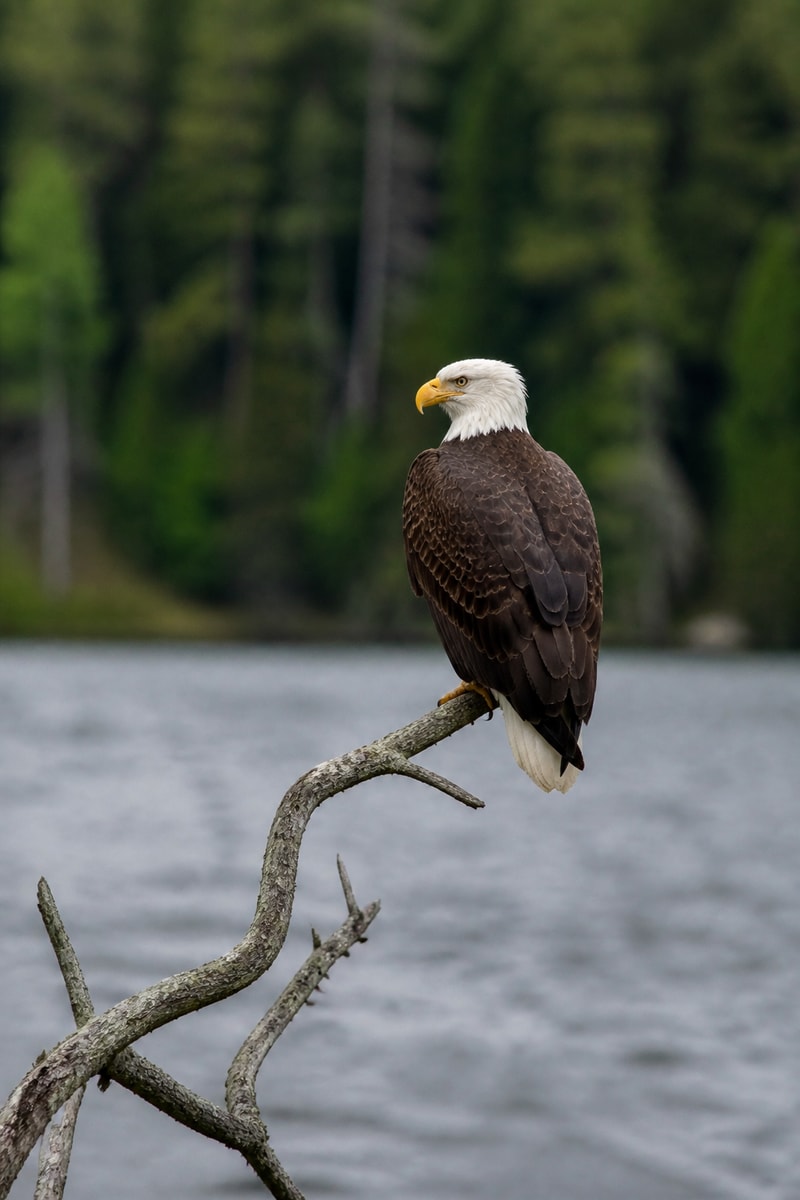
- Bald Eaglelegendary • Lakes & Coasts
- Grizzly Bearlegendary • Mountains & Rivers
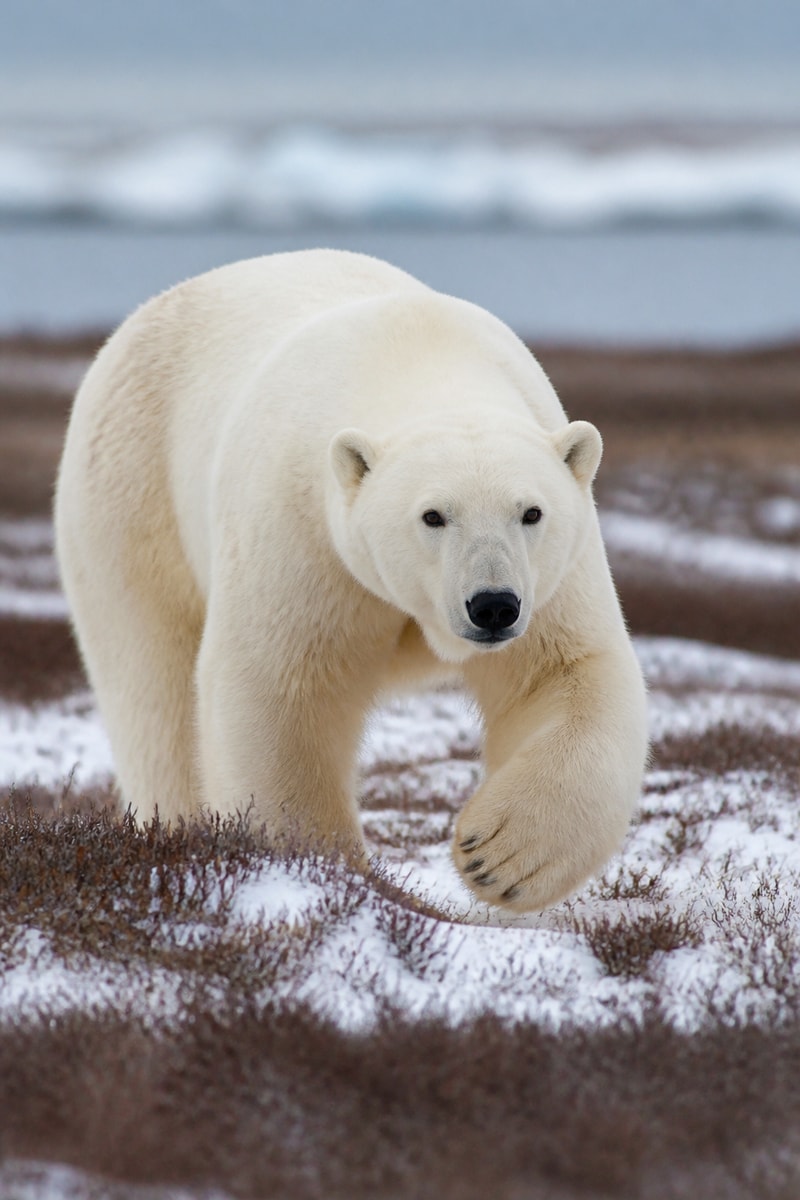
- Polar Bearlegendary • Arctic Ice
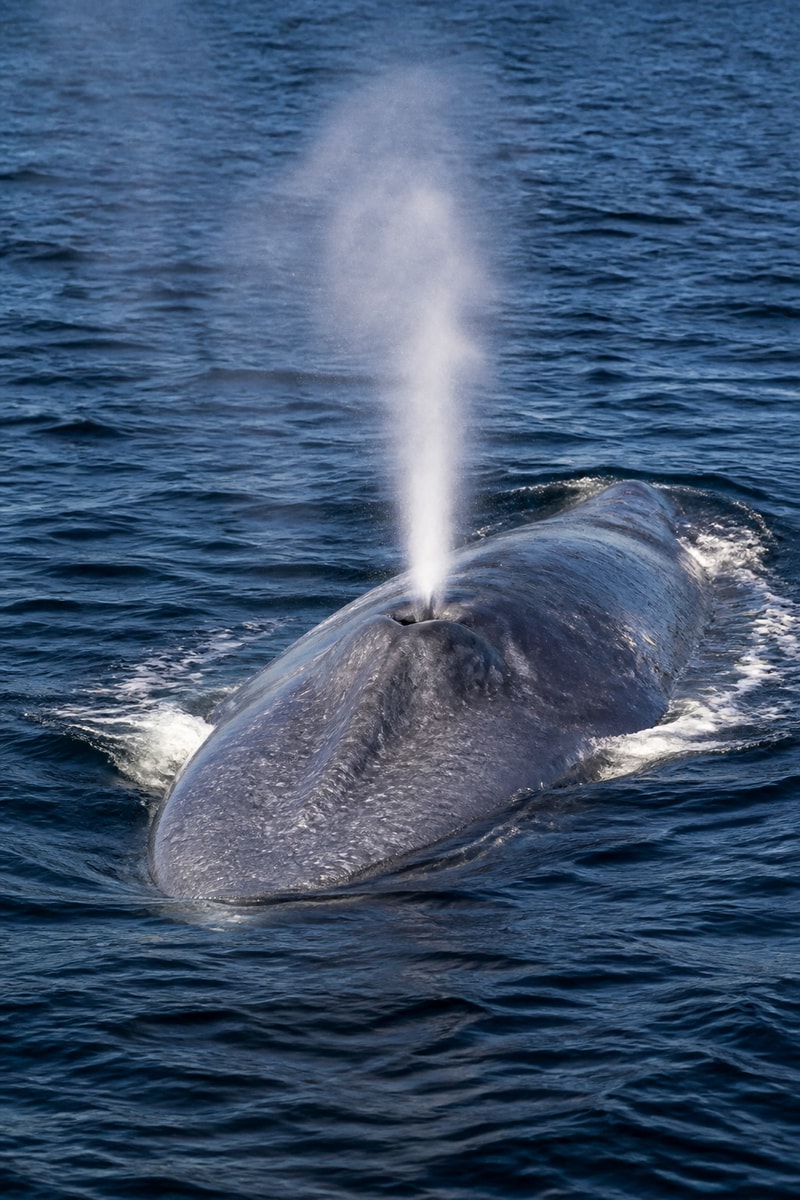
- Blue Whalelegendary • Open Ocean
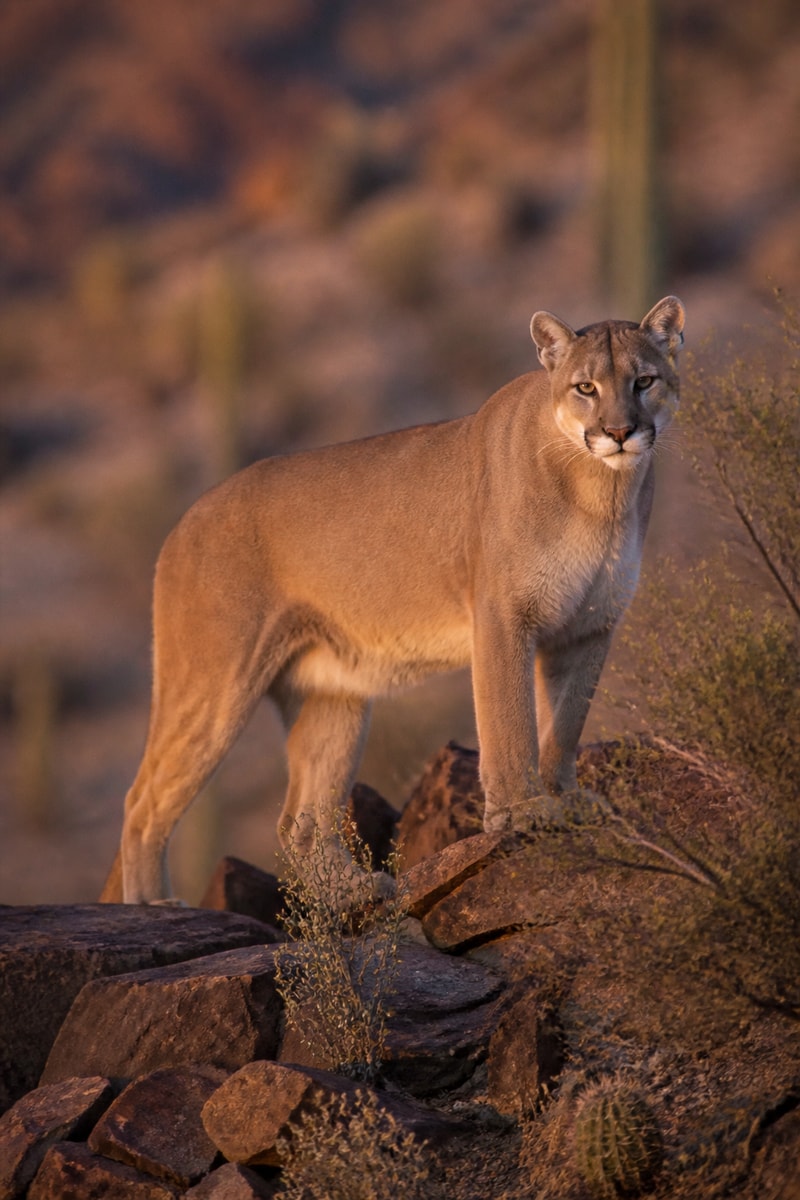
- Mountain Lionlegendary • Mountains & Desert
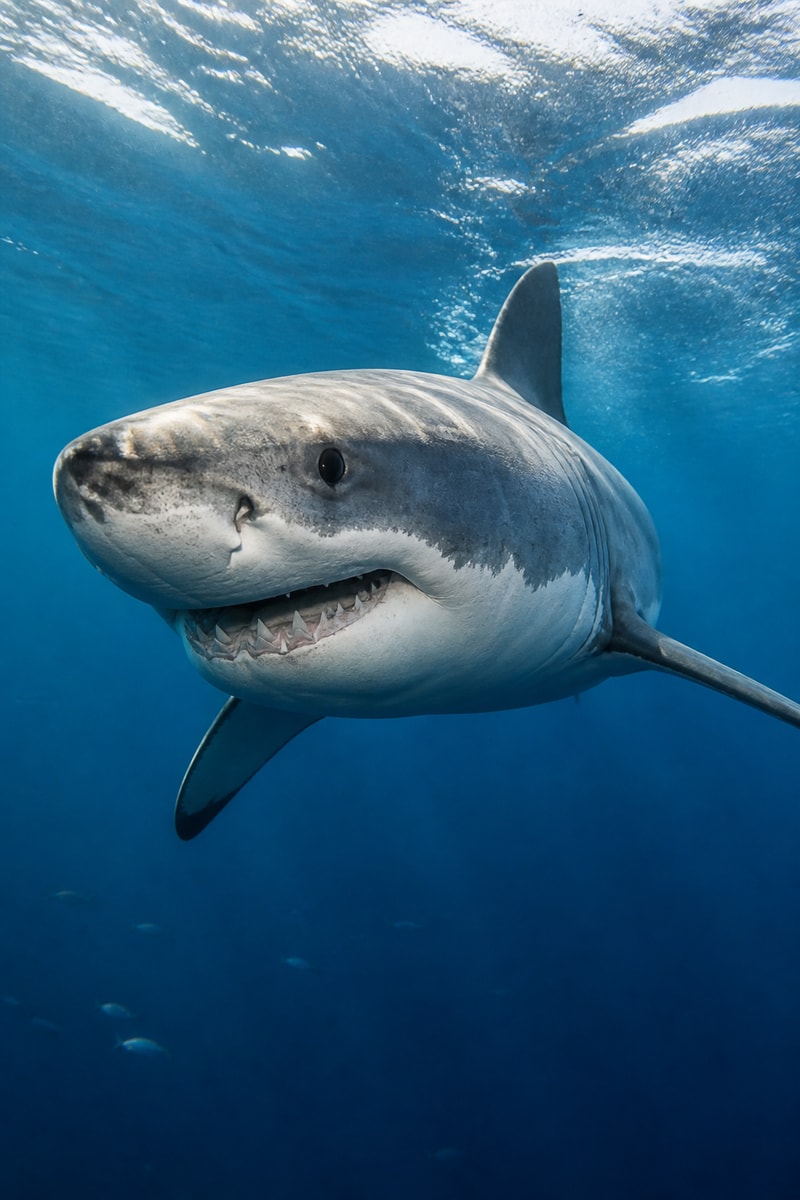
- Great White Sharklegendary • Coastal Ocean
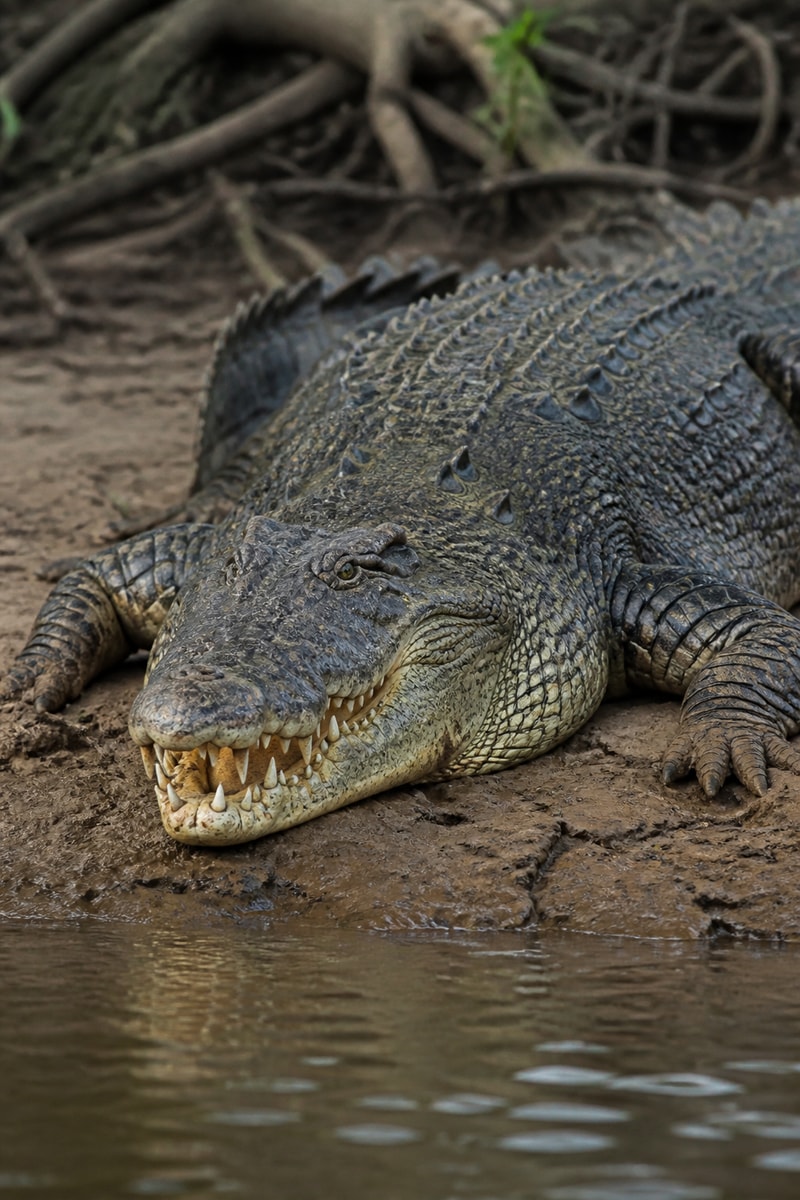
- Saltwater Crocodilelegendary • Estuaries & Coast
- Southern Cassowarylegendary • Rainforest
Free on iOS
Catch the Orca
Spot one in the wild, then scan it in Catch'Um to log your legendary discovery.