
Field guide · legendary
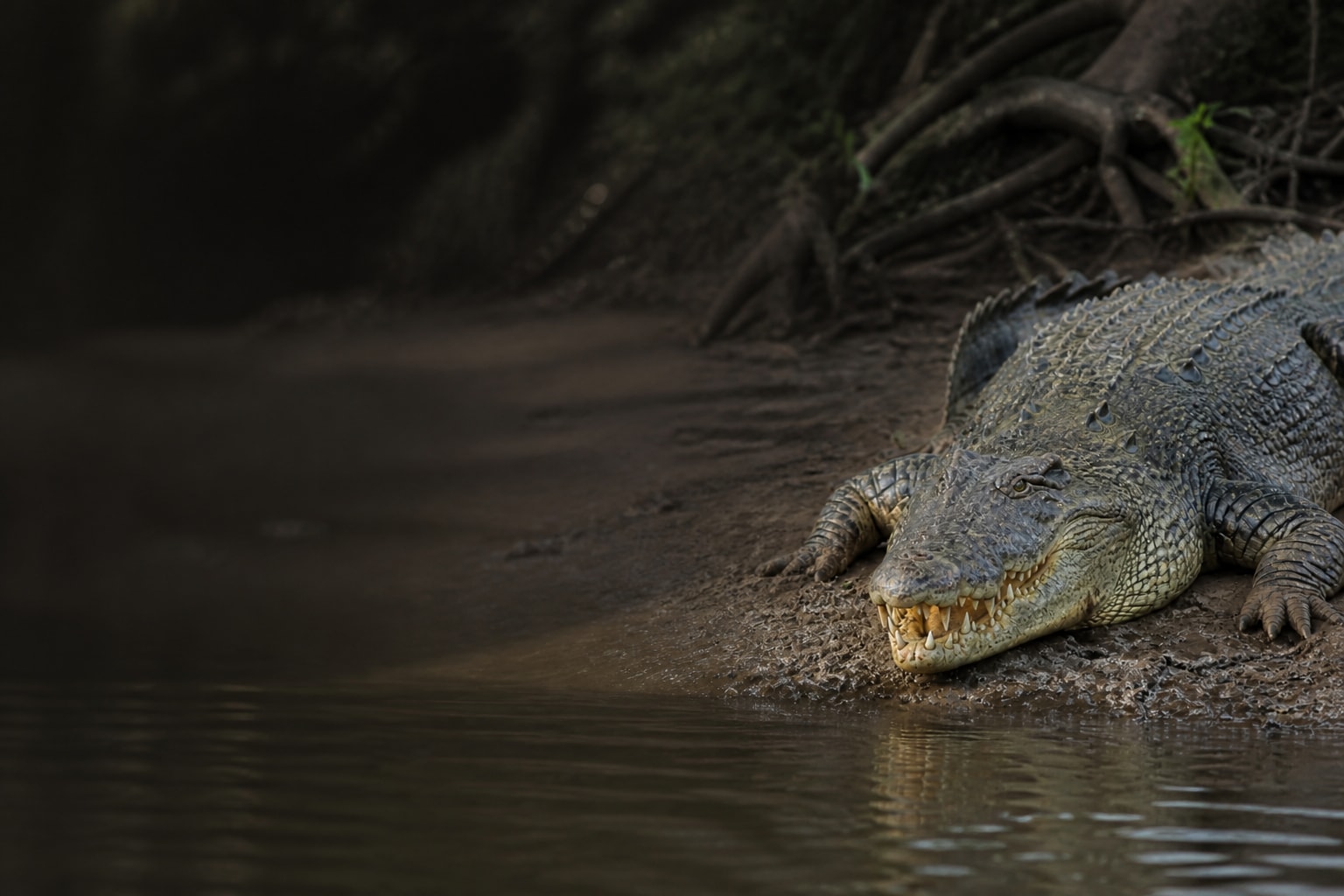
Saltwater Crocodile
The saltie, Earth's largest living reptile, patrolling northern Australian rivers with prehistoric patience.
Least Concern
Crocodylus porosus
Overview
The saltwater crocodile is the apex predator of northern Australia, a reptile that has changed little since the dinosaurs, capable of exceeding six metres and weighing over a tonne. 'Salties' tolerate full marine conditions and have been recorded swimming hundreds of kilometres at sea.
They hunt by ambush, exploding from water to seize prey at the bank with the strongest bite ever measured in a living animal. Warning signs at every Top End waterhole are there for good reason, salties are patient, intelligent, and territorial.
- Scientific nameCrocodylus porosus
- Length4–6 m typically; rare individuals over 6 m
- Weight400–1,000+ kg
- LifespanAround 50–70 years in the wild
- DietAmbush predator taking fish
- ConservationLeast Concern
- RegionEstuaries & Coast
Habitat
- Estuaries
- Mangroves
- Coastal rivers
- Floodplains
Estuaries, rivers, billabongs, and coastal waters across northern Australia, Southeast Asia, and India hold saltwater crocodiles. They need warm water and territory, and are most dense in the Northern Territory and Kimberley.
Countries found
Field notes
Field scale for the Saltwater Crocodile: length around 4-6 m typically; rare individuals over 6 m; weight 400-1,000+ kg. Typical lifespan: Around 50-70 years in the wild.
When you are scanning habitat, prioritise estuaries, mangroves, coastal rivers, and floodplains. Those settings are where a clean look and a usable photo are most likely.
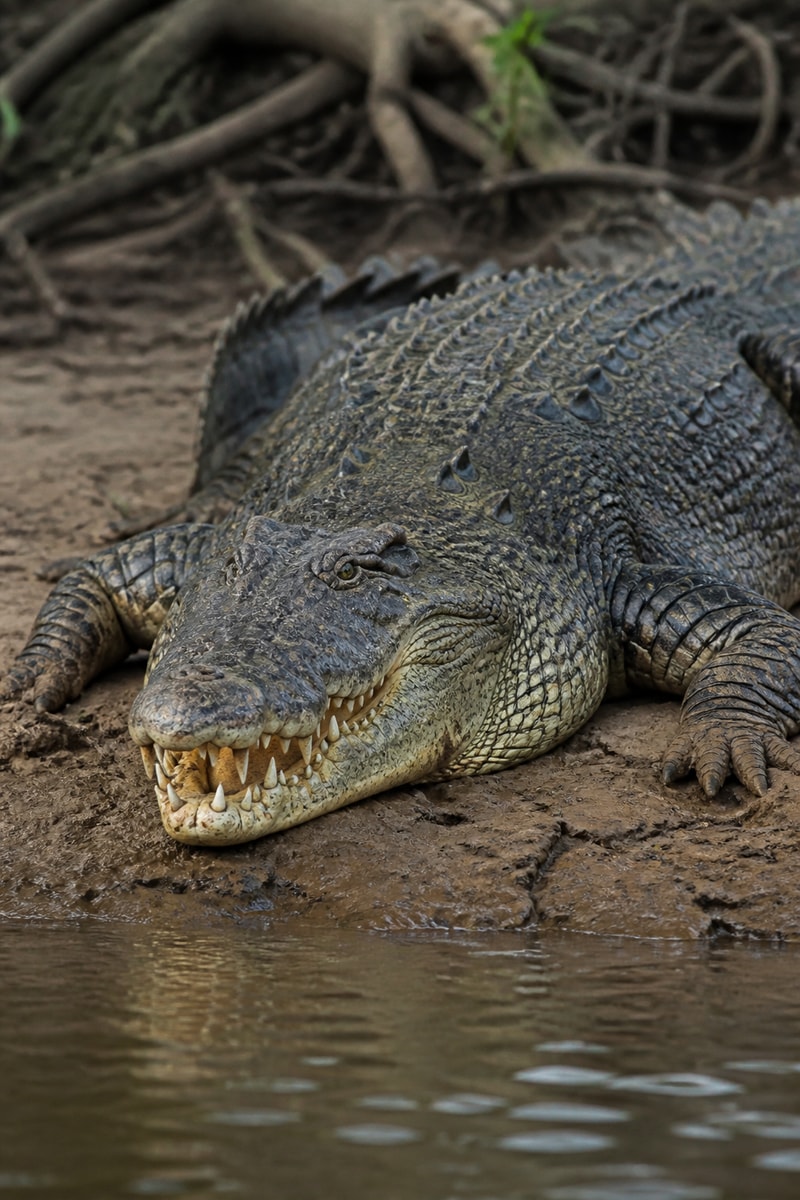
Quick ID anchor: Huge crocodilian with a broad snout, heavy armour, and a lighter irregular banding on juveniles. Confirm with behaviour and habitat before you log the discovery.
Diet
Ambush predator taking fish, birds, turtles, and mammals that come to the water's edge; large adults can take livestock or people.
Juveniles eat insects, crustaceans, and small fish before graduating to larger prey.
Behaviour
Patient sit-and-wait hunters that explode from the water; adults are strongly territorial in breeding season.
Tolerates full seawater and can travel long distances along coasts and between river systems.
How to identify
Huge crocodilian with a broad snout, heavy armour, and a lighter irregular banding on juveniles.
Larger and more coastal than freshwater crocodiles; adults often exceed 4 m.
Interesting facts
- 01
Saltwater crocodiles are the largest living reptiles, males can exceed 6 metres.
- 02
They can swim hundreds of kilometres at sea and have been found far offshore.
- 03
Their bite force is the strongest ever recorded in a living animal.
Conservation status
Saltwater crocodiles are Least Concern after recovering from near extinction in Australia. Protected since the 1970s, populations have rebounded strongly across the Top End.
Sources: IUCN Red List
Keep exploring
Related discoveries
- Great White Sharklegendary • Coastal Ocean
- Orcalegendary • Coastal Ocean
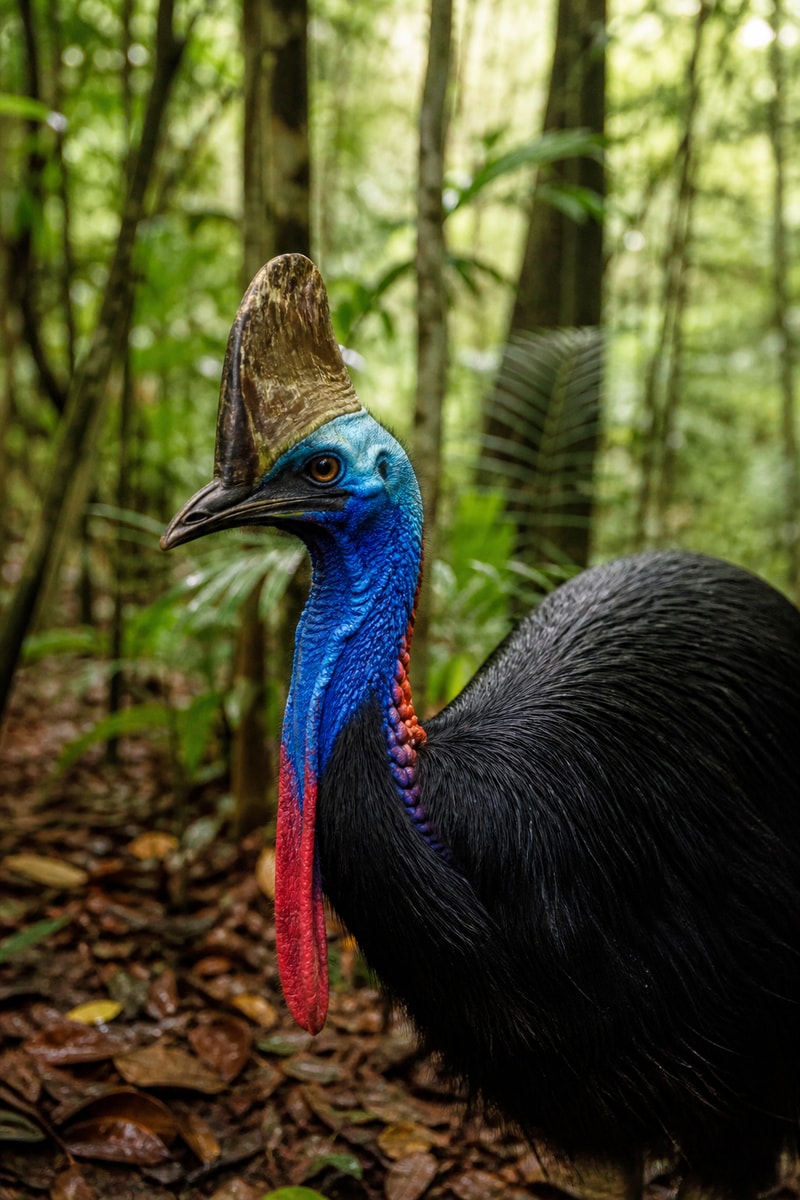
- Southern Cassowarylegendary • Rainforest
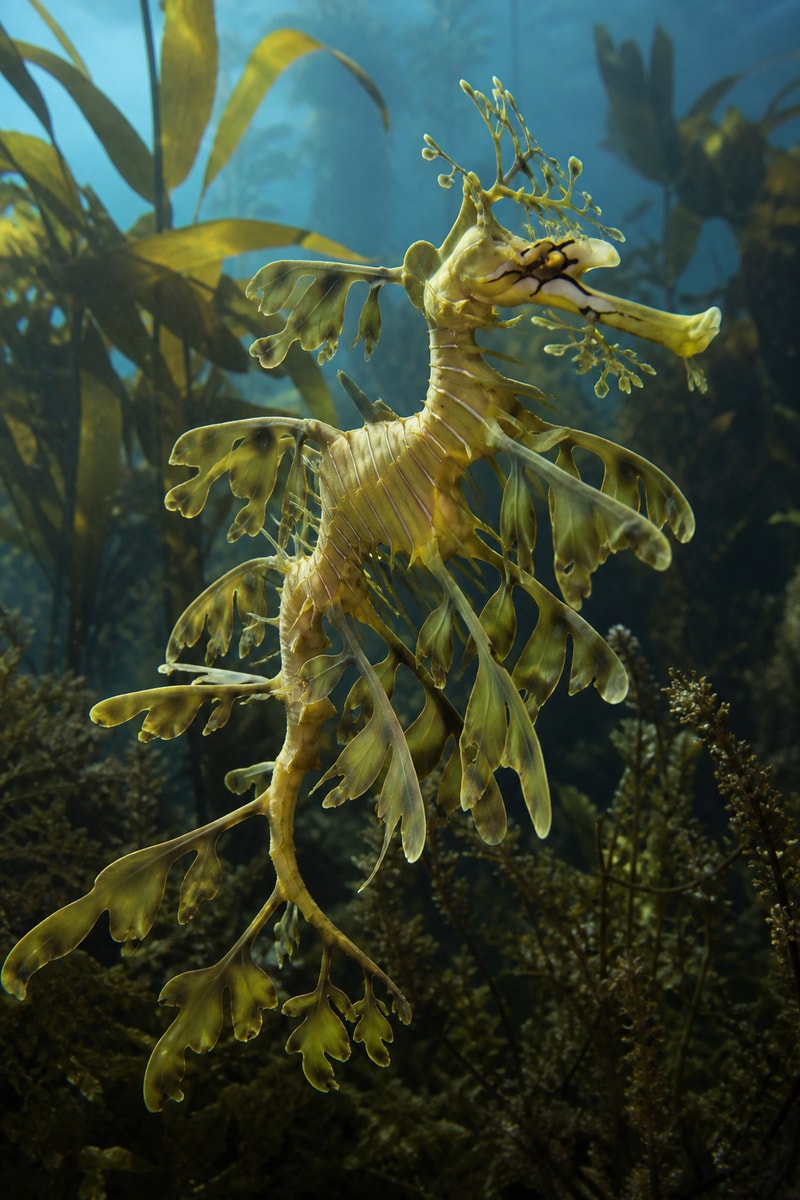
- Leafy Sea Dragonlegendary • Kelp & Seagrass
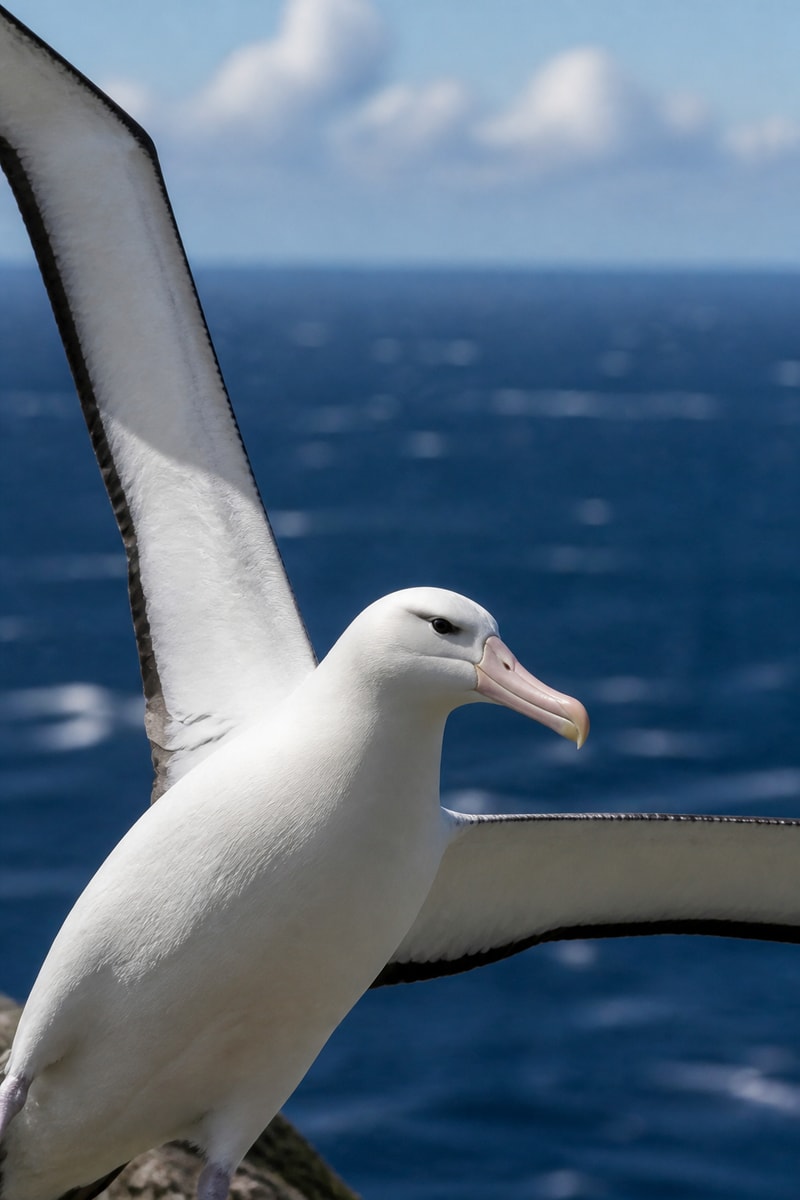
- Wandering Albatrosslegendary • Southern Ocean Skies
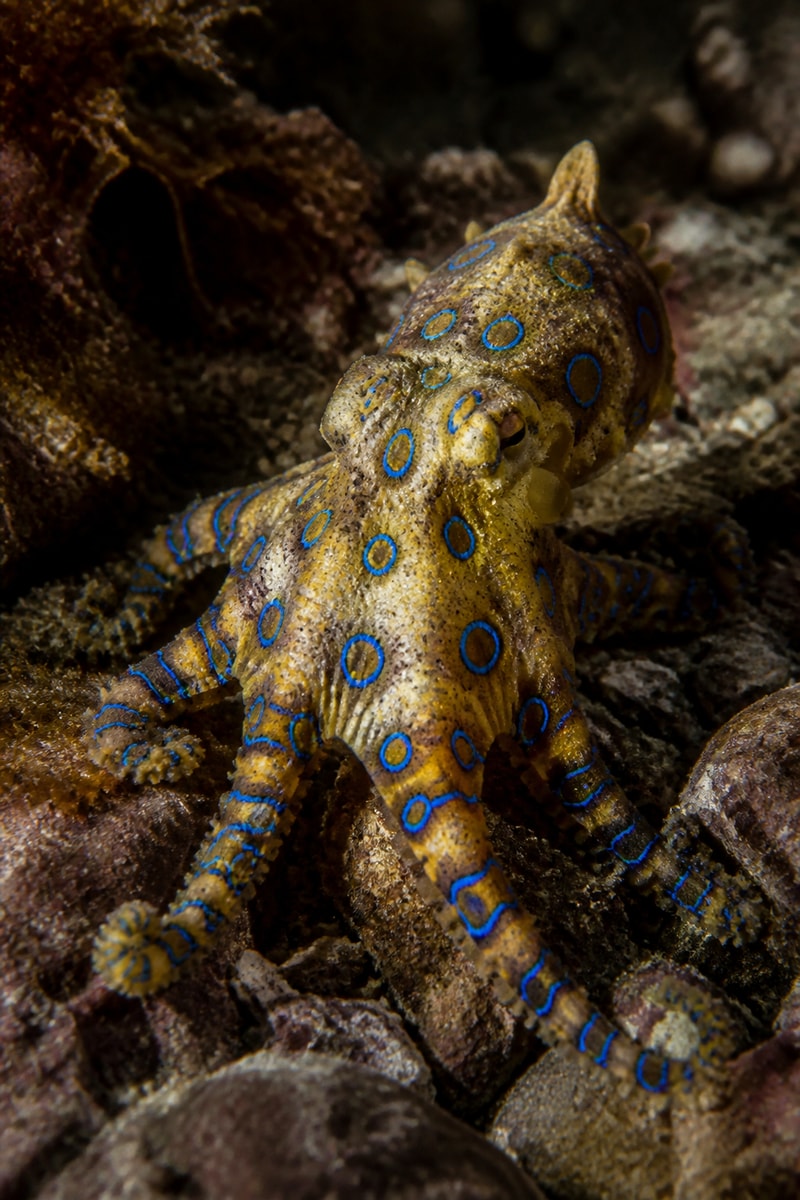
- Southern Blue-ringed Octopuslegendary • Southern Australian Reefs
- Koalarare • Eucalyptus Forest
- Platypusrare • Rivers & Streams
Free on iOS
Catch the Saltwater Crocodile
Spot one in the wild, then scan it in Catch'Um to log your legendary discovery.