
Field guide · rare
Tasmanian Devil
Tasmania's feisty scavenger, a stocky marsupial with a bone-crushing jaw and a blood-curdling screech.
Endangered
Sarcophilus harrisii
Overview
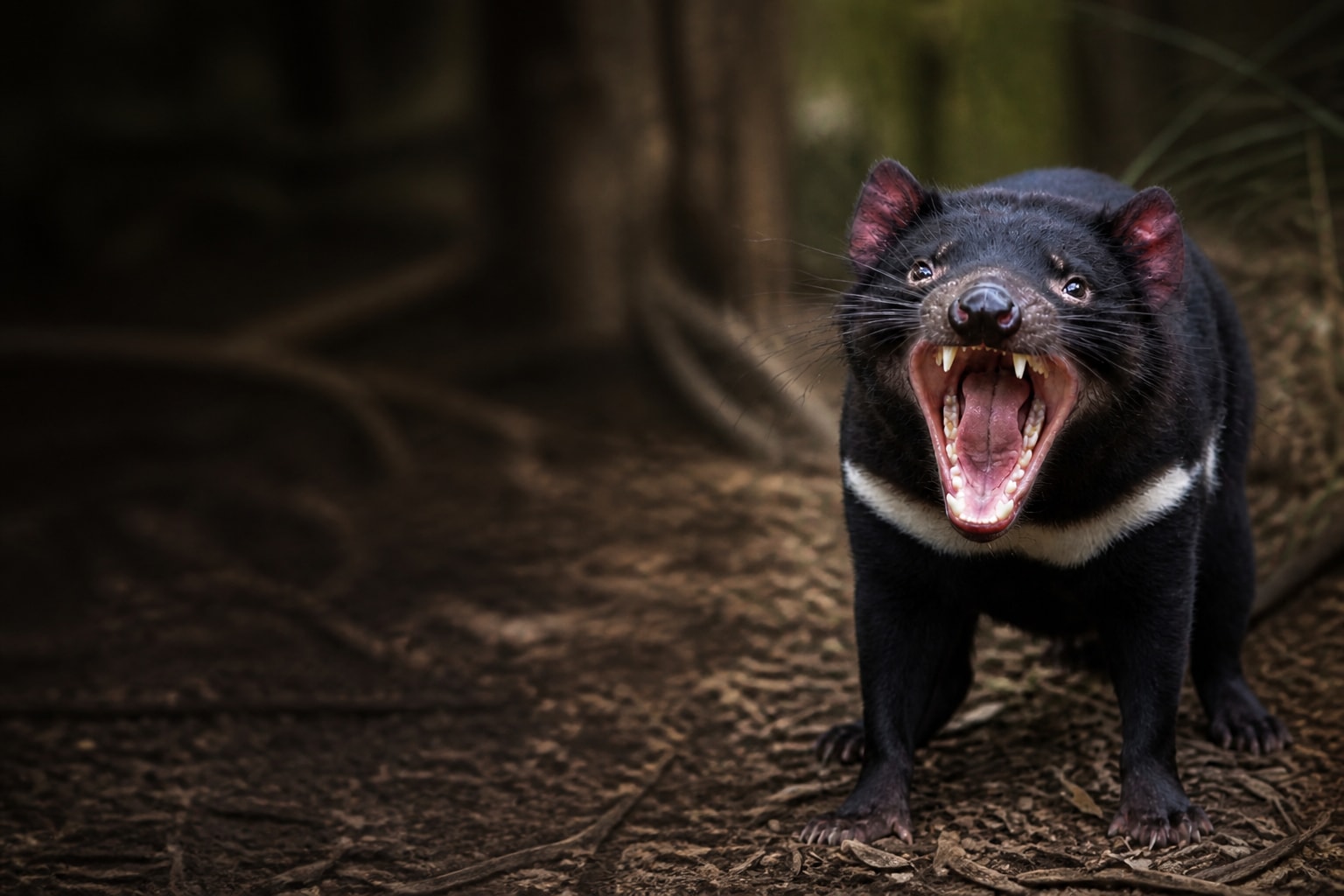
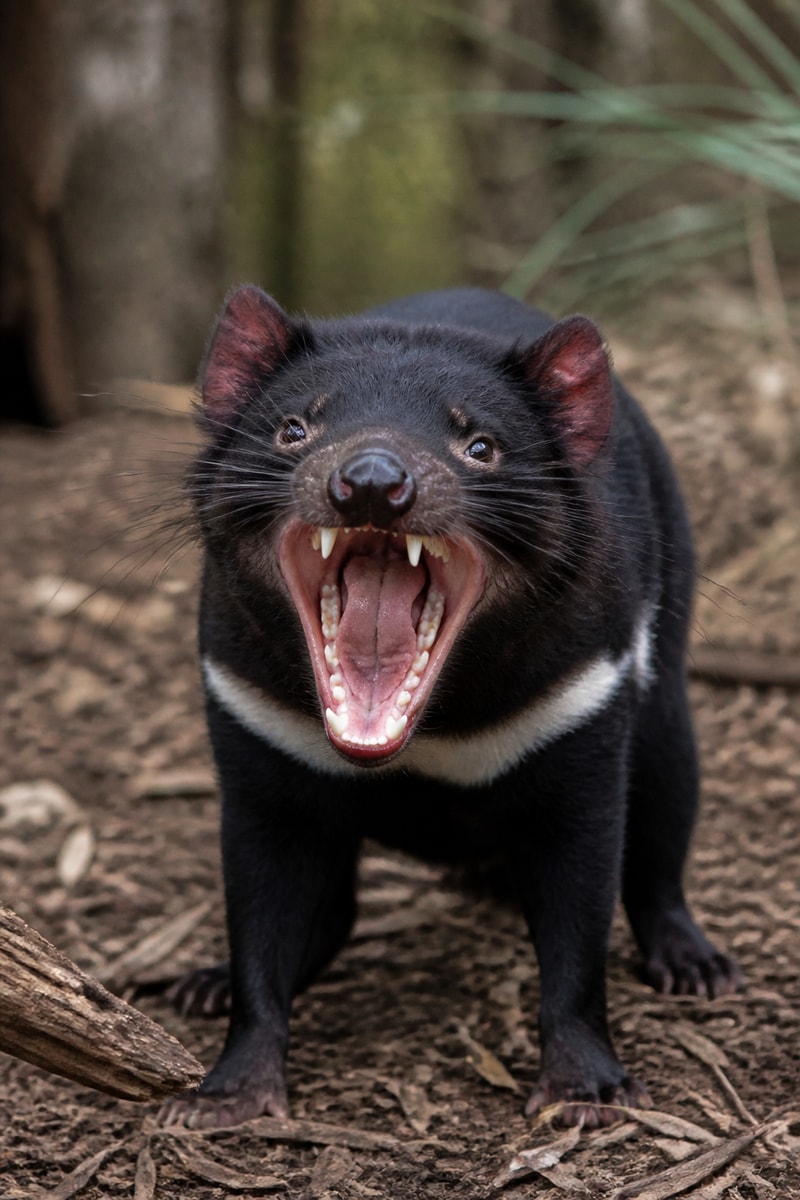
The Tasmanian devil is the world's largest carnivorous marsupial, a black, white-bibbed scavenger with a head disproportionately large for its body, packed with teeth that can crush bone. Its eerie screeches and growls earned it the name 'devil' from early European settlers.
Devils are solitary but gather in raucous communal feeds on carcasses, tearing apart roadkill and dead wallabies with astonishing efficiency. They once ranged mainland Australia but now survive only in Tasmania, where a contagious facial tumour disease devastated populations.
- Scientific nameSarcophilus harrisii
- Length50–80 cm body; tail 23–30 cm
- Weight6–12 kg
- LifespanAround 5–6 years in the wild
- DietScavenges and hunts:…
- ConservationEndangered
- RegionForest & Scrub
Habitat
- Dry sclerophyll forest
- Coastal scrub
- Agricultural mosaic
Coastal scrub, eucalyptus forest, and farmland across Tasmania hold Tasmanian devils. They den in burrows, hollow logs, and caves, emerging at dusk to scavenge and hunt small prey.
Countries found
Field notes
Field scale for the Tasmanian Devil: length around 50-80 cm body; tail 23-30 cm; weight 6-12 kg. Typical lifespan: Around 5-6 years in the wild.
When you are scanning habitat, prioritise dry sclerophyll forest, coastal scrub, and agricultural mosaic. Those settings are where a clean look and a usable photo are most likely.
Quick ID anchor: Stocky black marsupial with a white chest blaze, oversized head, and pinkish snout. Confirm with behaviour and habitat before you log the discovery.
Diet
Scavenges and hunts: carcasses, wallabies, possums, birds, and insects; powerful jaws crush bone.
Communal noisy feeds occur at large carcasses despite otherwise solitary habits.
Behaviour
Mostly nocturnal; dens in hollows, burrows, or dense scrub by day.
Now confined to Tasmania after mainland extinction; facial tumour disease has heavily reduced some populations.
How to identify
Stocky black marsupial with a white chest blaze, oversized head, and pinkish snout.
Loud screeches and growls at carcasses are unmistakable at night.
Interesting facts
- 01
Tasmanian devils have the strongest bite force relative to body size of any mammal.
- 02
A contagious facial tumour disease has killed thousands since the 1990s.
- 03
They store fat in their tails, a plump tail means a healthy devil.
Conservation status
Tasmanian devils are Endangered, devastated by Devil Facial Tumour Disease. Captive breeding, tumour-free islands, and a vaccine programme are fighting to save the species.
Sources: IUCN Red List
Keep exploring
Related discoveries
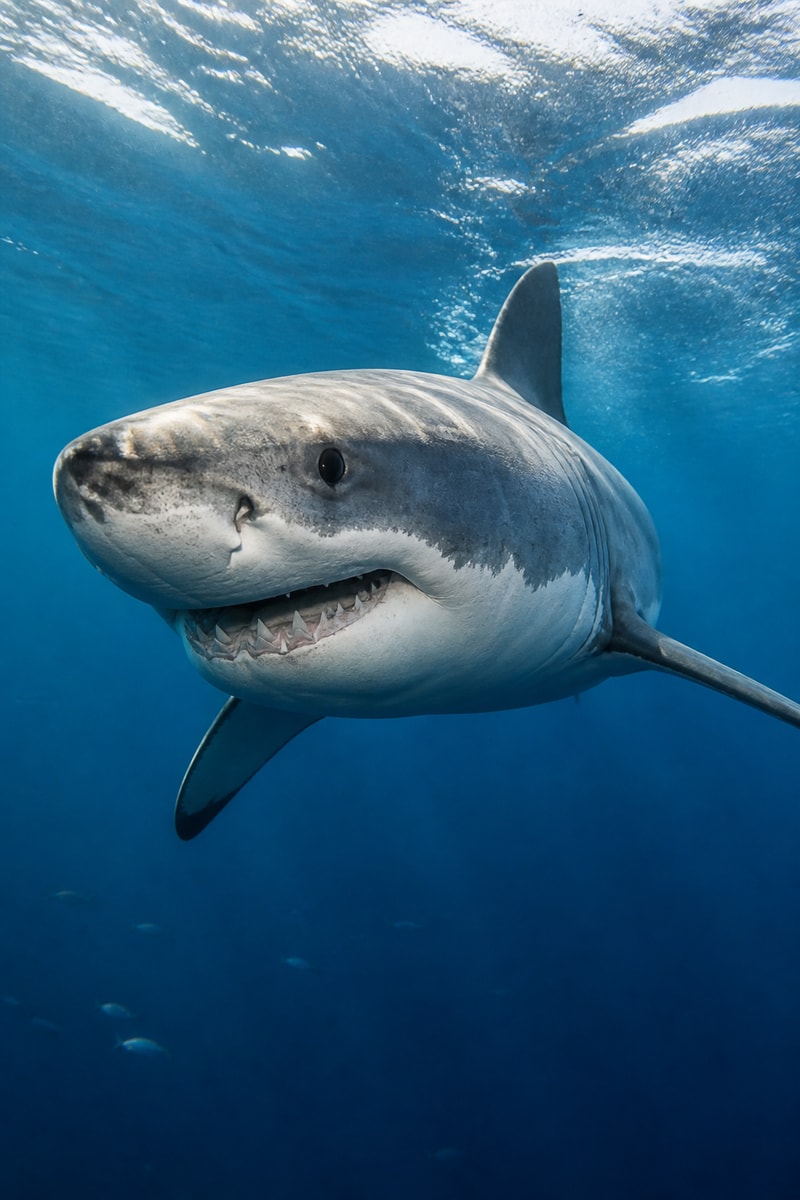
- Great White Sharklegendary • Coastal Ocean
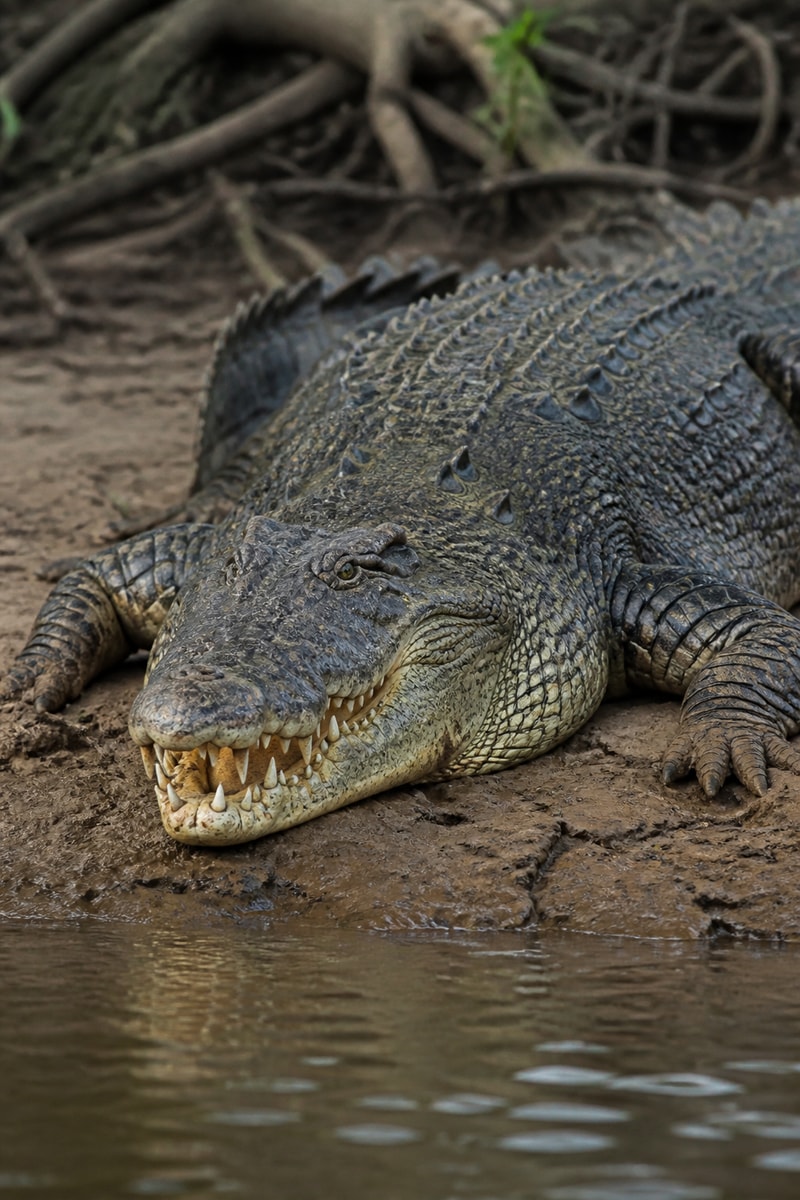
- Saltwater Crocodilelegendary • Estuaries & Coast
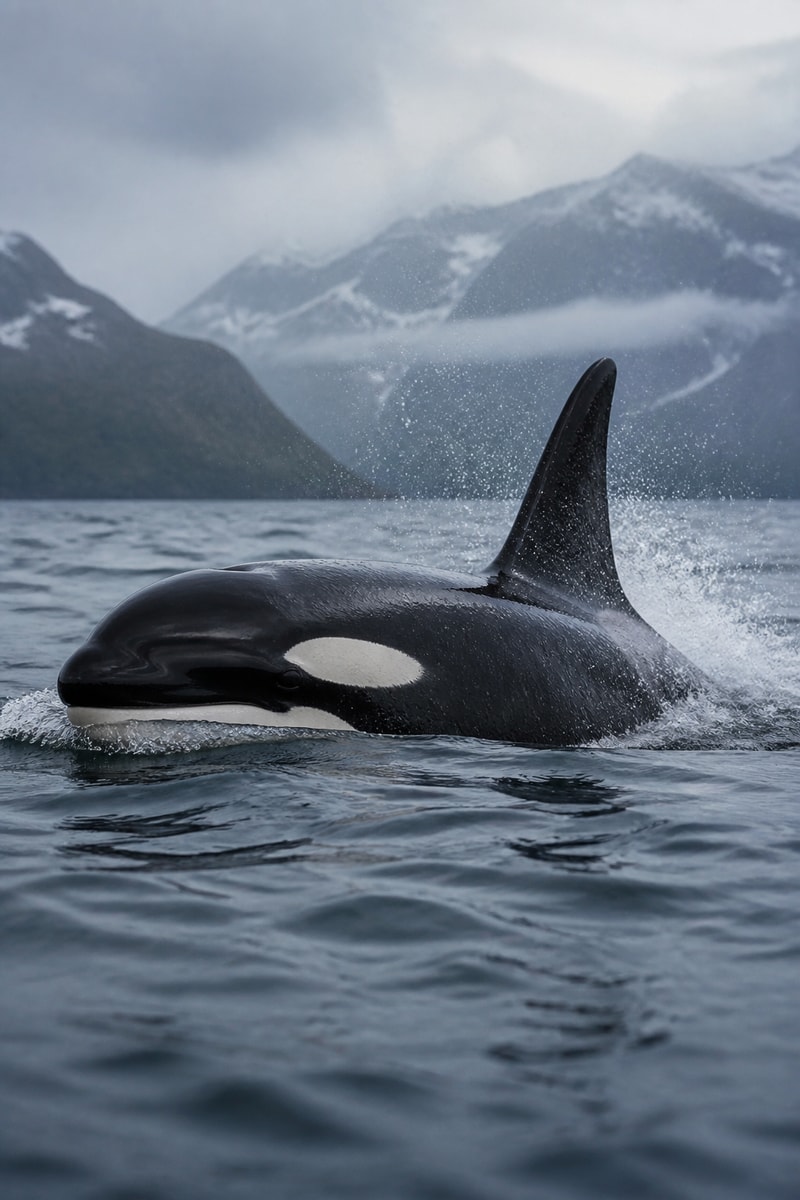
- Orcalegendary • Coastal Ocean
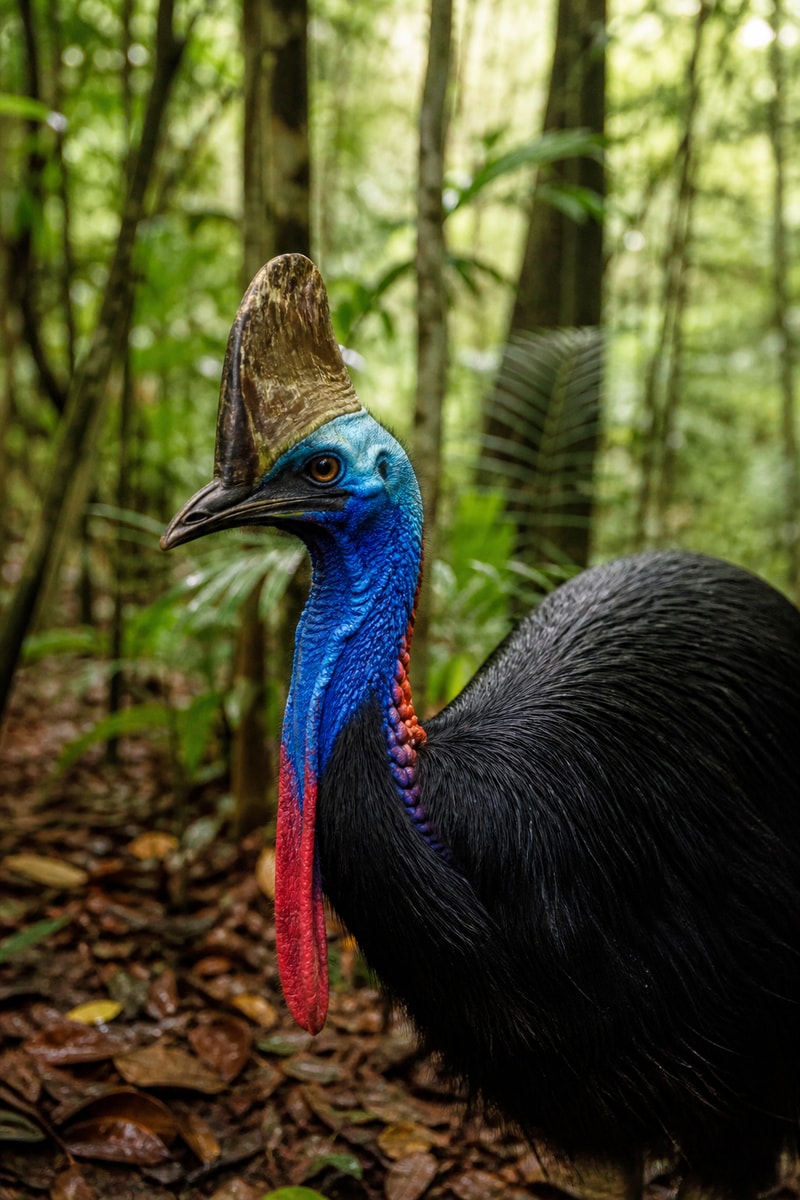
- Southern Cassowarylegendary • Rainforest
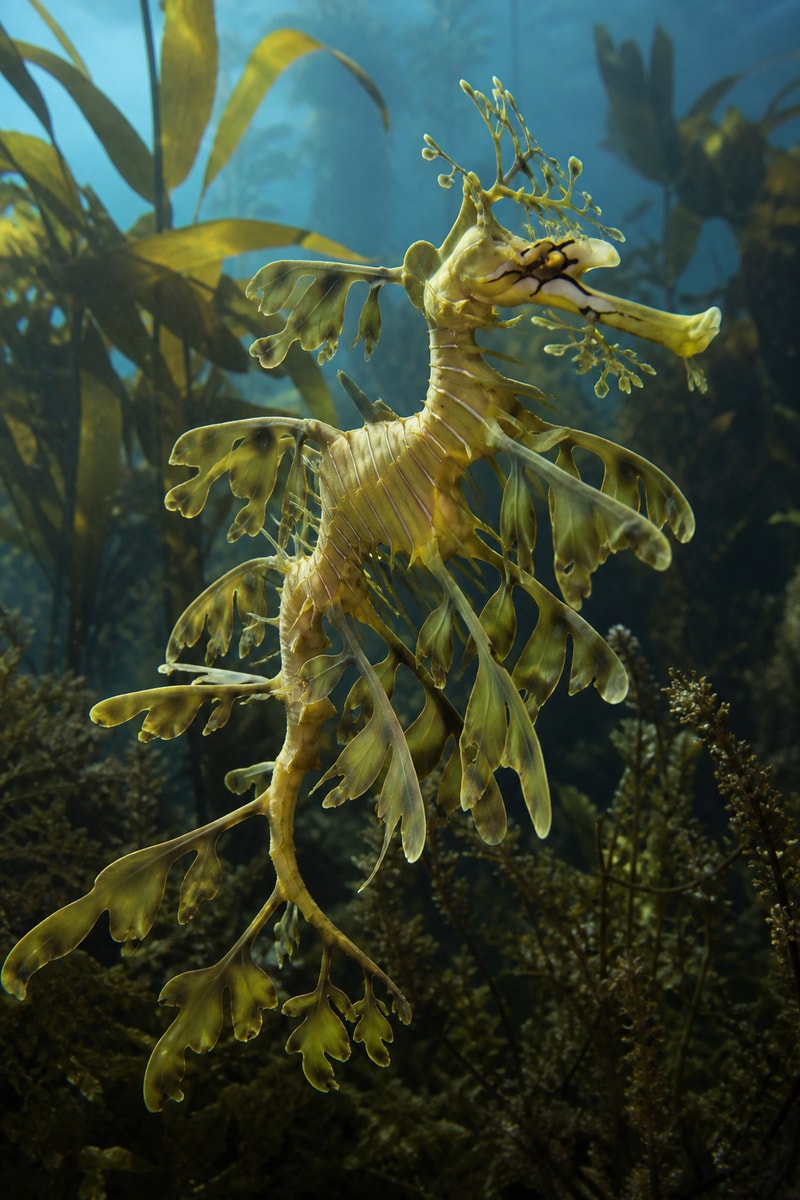
- Leafy Sea Dragonlegendary • Kelp & Seagrass
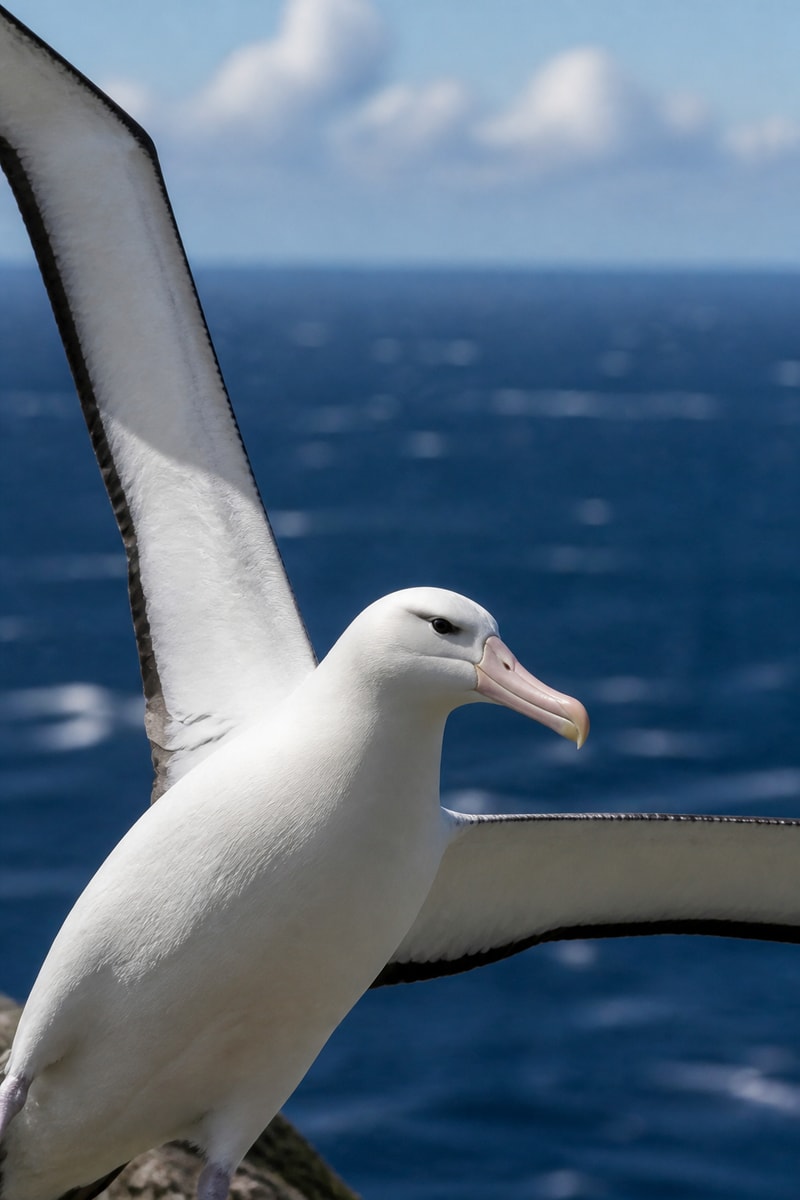
- Wandering Albatrosslegendary • Southern Ocean Skies
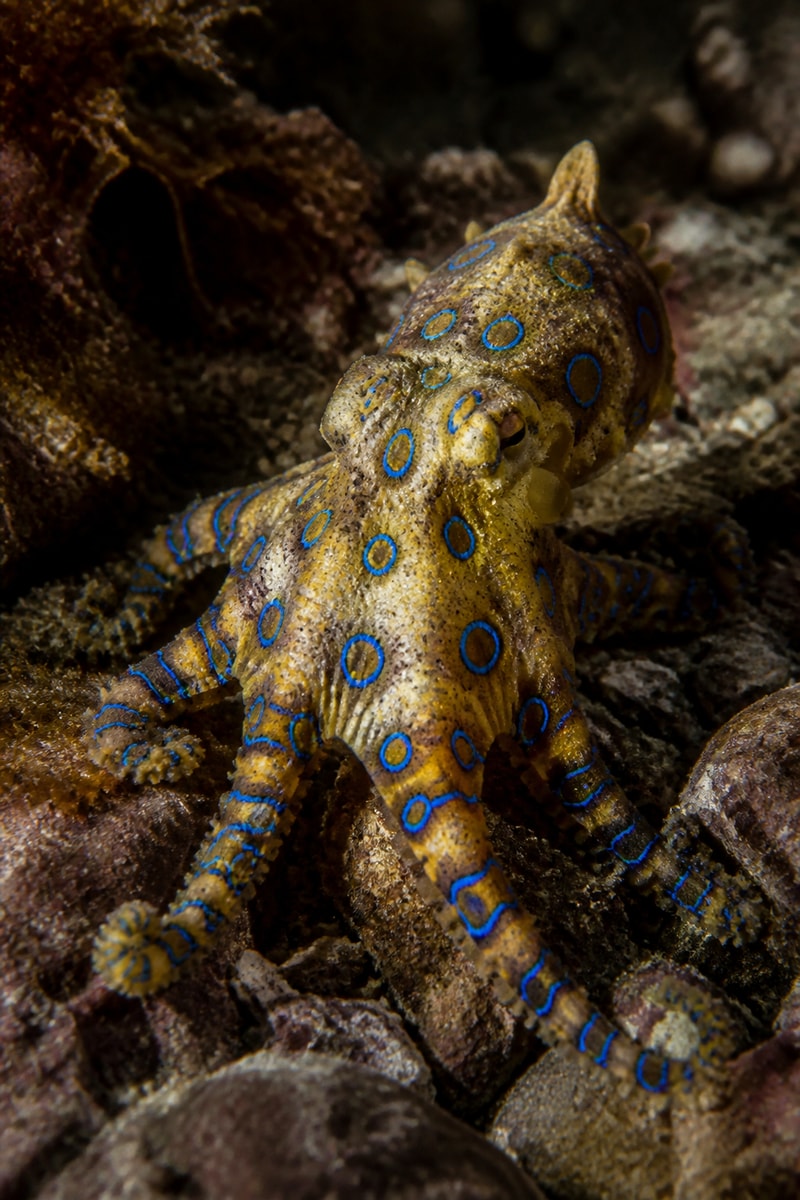
- Southern Blue-ringed Octopuslegendary • Southern Australian Reefs
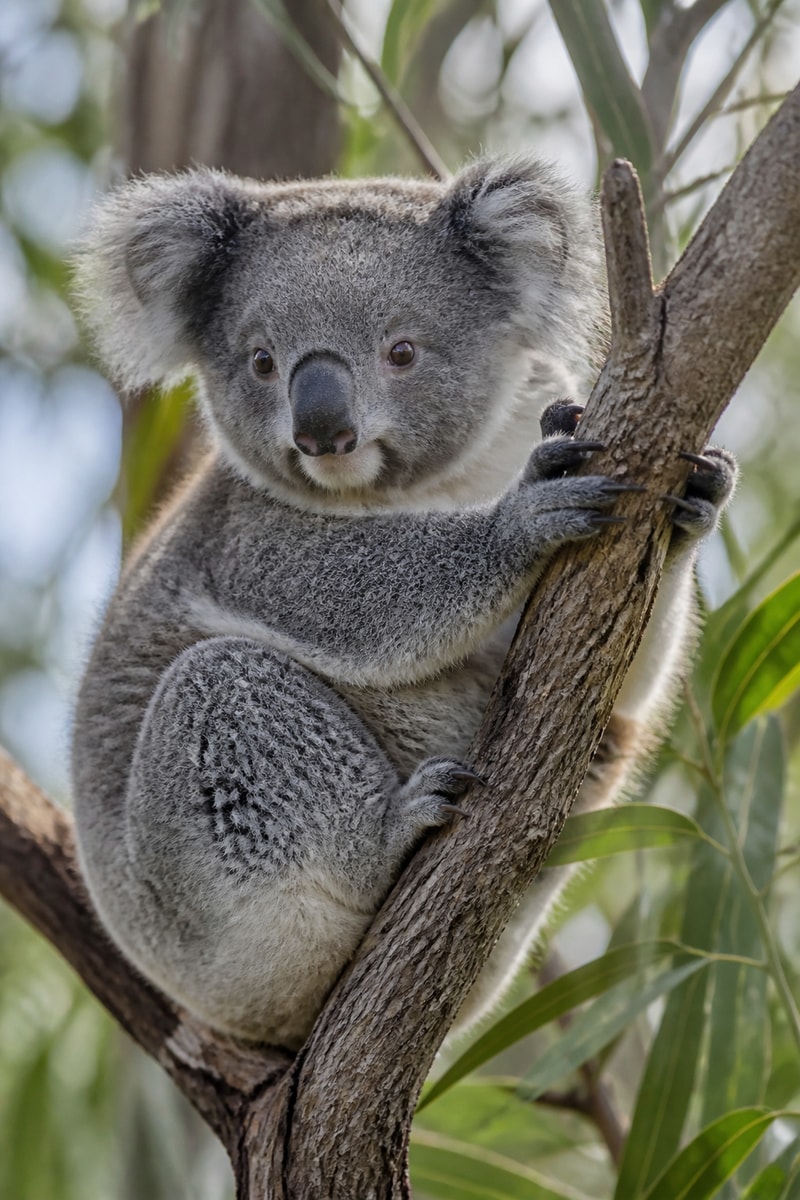
- Koalarare • Eucalyptus Forest
Free on iOS
Catch the Tasmanian Devil
Spot one in the wild, then scan it in Catch'Um to log your rare discovery.