
Field guide · legendary
Southern Blue-ringed Octopus
Tiny, beautiful, and lethally venomous — never pick up those glowing blue rings.
Least Concern
Hapalochlaena maculosa
Overview
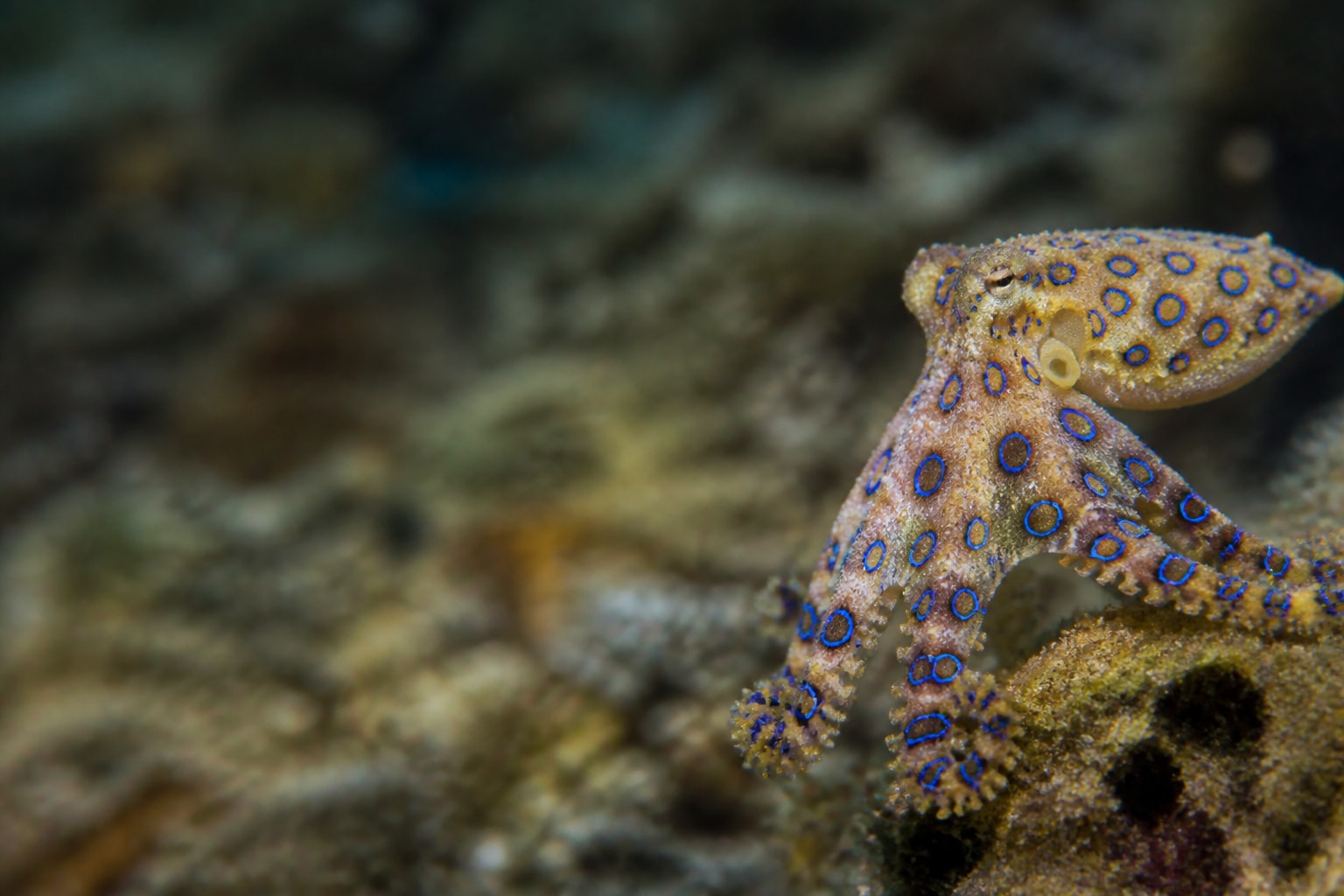
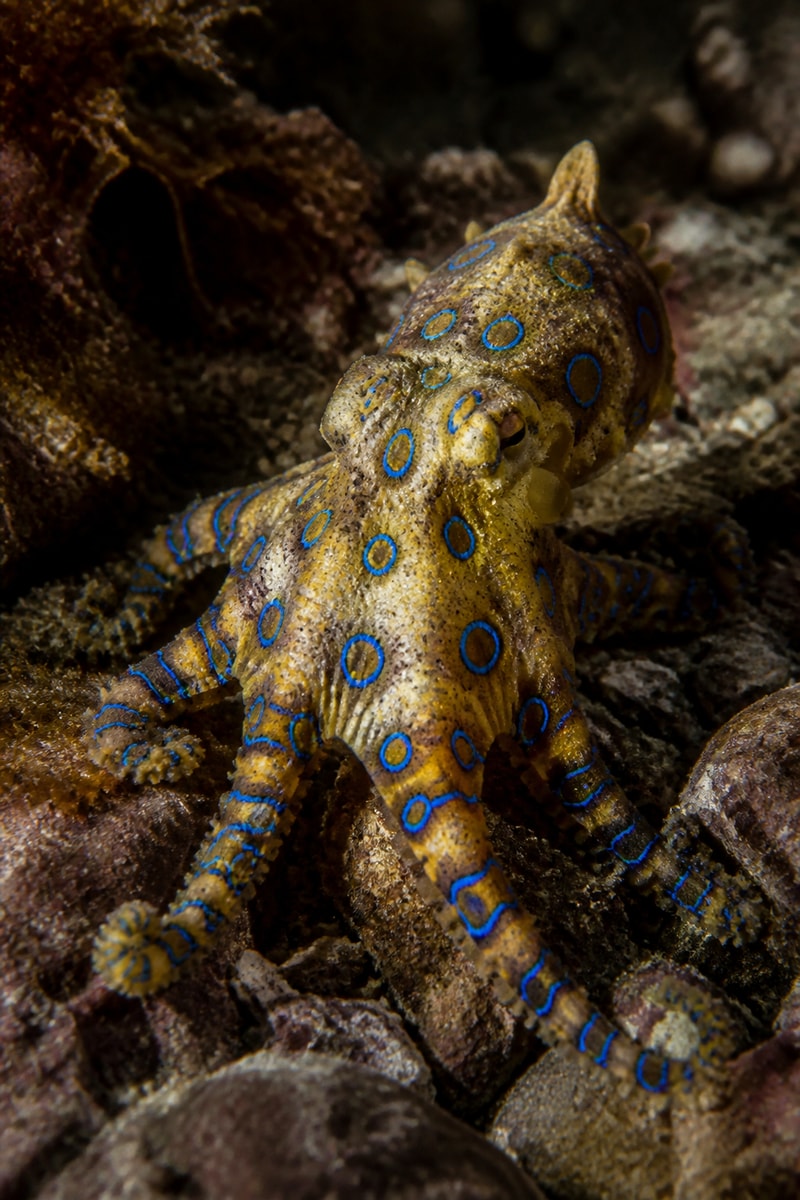
Southern blue-ringed octopuses are small cephalopods of southern Australian rock pools and reefs. At rest they look drab, but when alarmed vivid electric-blue rings flash across the body — a warning backed by tetrodotoxin venom potent enough to kill an adult human.
For Australia collectors, this octopus is a legendary coastal card — tiny size, dazzling rings, and a strict look-don’t-touch rule on every rock-pool walk.
- Scientific nameHapalochlaena maculosa
- Length12–20 cm arm span; body ~5 cm
- WeightAbout 10–80 g
- LifespanAround 1–2 years in the wild
- DietSmall crabs and other…
- ConservationLeast Concern
- RegionSouthern Australian Reefs
Where to see them
Habitat
- Rocky tide pool
- Shallow reef
- Seagrass edge
- Intertidal crevice
Rocky reefs, tide pools, and shallow seagrass of southern Australia, hiding under rocks and shells by day and hunting small crustaceans at night.
Field notes
Field scale for the Southern Blue-ringed Octopus: length around 12-20 cm arm span; body ~5 cm; weight About 10-80 g. Typical lifespan: Around 1-2 years in the wild.
When you are scanning habitat, prioritise rocky tide pool, shallow reef, seagrass edge, and intertidal crevice. Those settings are where a clean look and a usable photo are most likely.
Quick ID anchor: Small octopus with yellowish-brown body that lights up with iridescent blue rings when alarmed. Confirm with behaviour and habitat before you log the discovery.
Diet
Small crabs and other crustaceans immobilised with venomous saliva.
Hunt among rocks and shells, often at night or on rising tides.
Behaviour
Solitary and cryptic; squeeze into tiny crevices under rocks.
Flash blue rings as a warning display when disturbed.
How to identify
Small octopus with yellowish-brown body that lights up with iridescent blue rings when alarmed.
Much smaller than reef octopuses; rings are the key warning mark.
Interesting facts
- 01
Venom includes tetrodotoxin — potentially fatal to humans.
- 02
Electric-blue rings flash only when the octopus is threatened.
- 03
Body is usually only a few centimetres across at rest.
- 04
Bite may be painless at first; paralysis can follow quickly.
- 05
Prey on crabs and small crustaceans with venomous saliva.
- 06
Never handle — admire from a safe distance in rock pools.
Conservation status
Southern blue-ringed octopuses are Least Concern. They remain locally common in suitable rocky shallows; the main human risk is accidental handling, not rarity.
Sources: IUCN Red List
Common questions
- Are blue-ringed octopuses venomous?
- Yes. Their venom includes tetrodotoxin and can be life-threatening. Never handle one — admire from a distance in rock pools and reefs.
- Where do blue-ringed octopuses live?
- They live in shallow Pacific and Indian Ocean waters, including Australian coasts, hiding in rock pools, reefs, and rubble.
- Why do blue rings appear?
- Bright blue rings flash as a warning when the octopus feels threatened. At rest, the animal is often well camouflaged.

Keep exploring
Related discoveries
- Great White Sharklegendary • Coastal Ocean
- Saltwater Crocodilelegendary • Estuaries & Coast
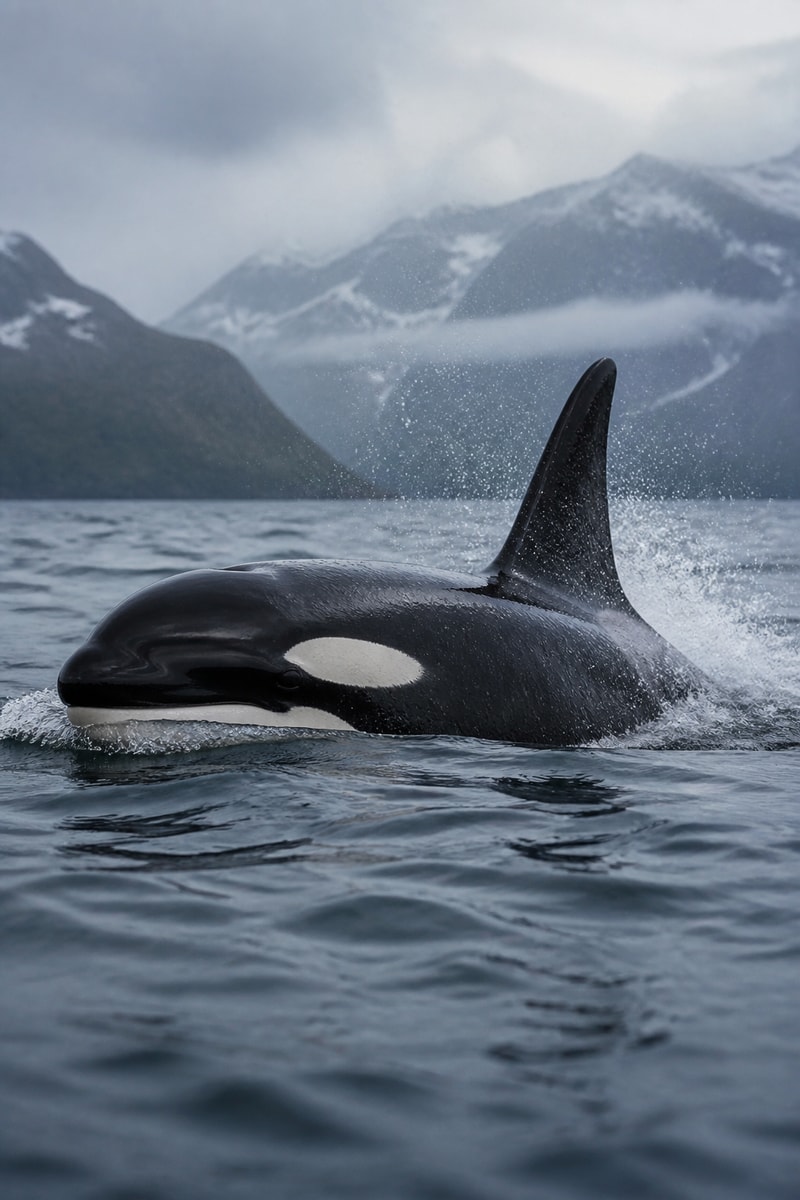
- Orcalegendary • Coastal Ocean
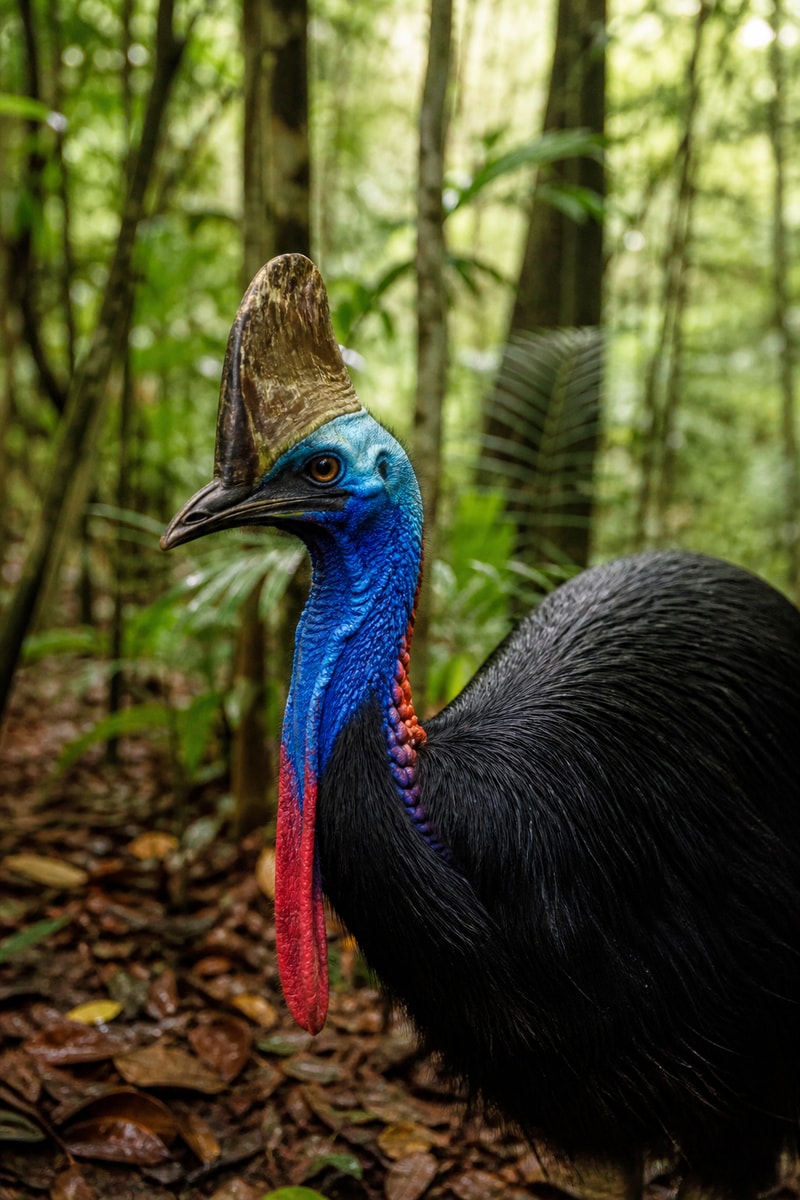
- Southern Cassowarylegendary • Rainforest
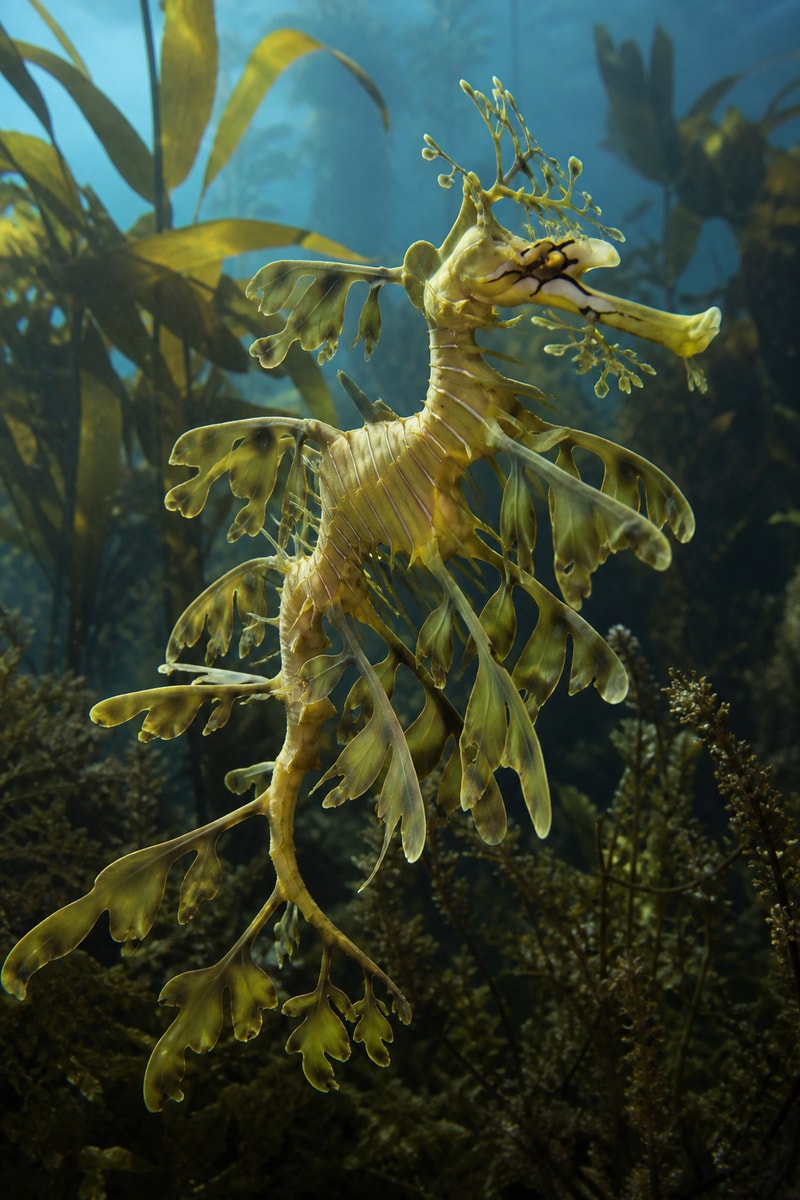
- Leafy Sea Dragonlegendary • Kelp & Seagrass
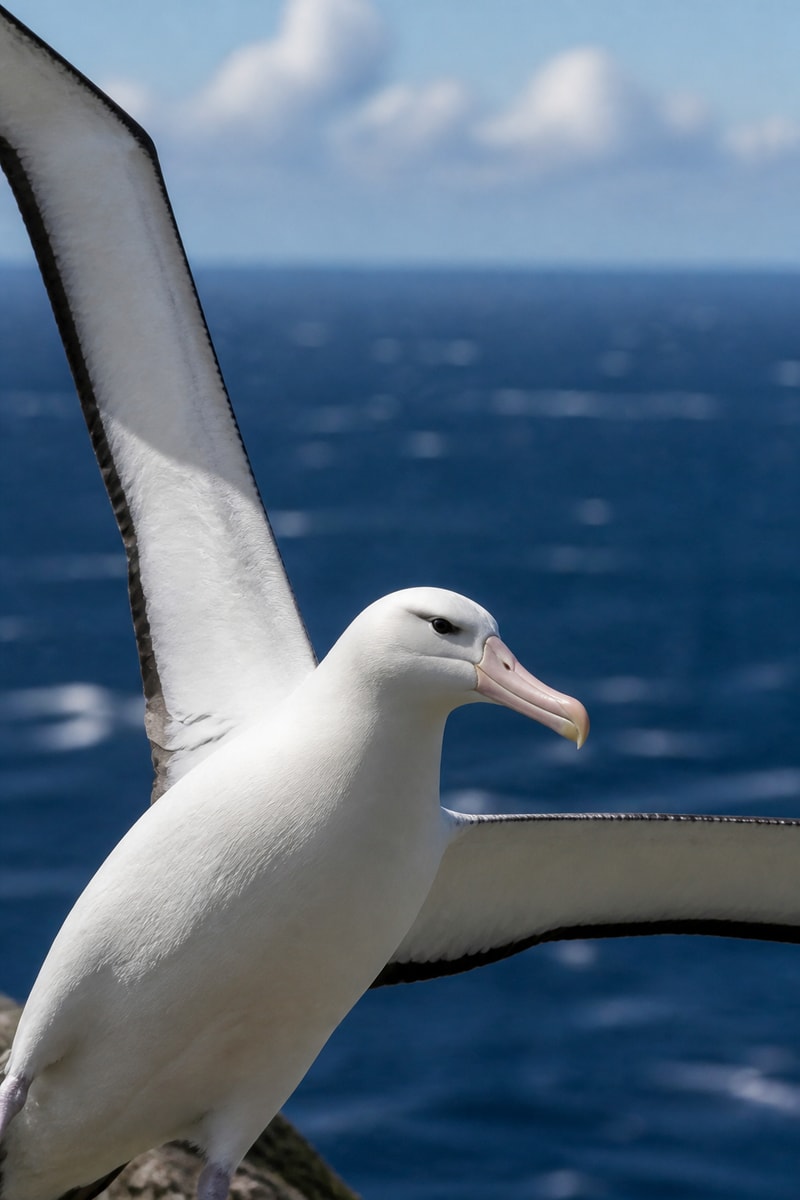
- Wandering Albatrosslegendary • Southern Ocean Skies
- Koalarare • Eucalyptus Forest
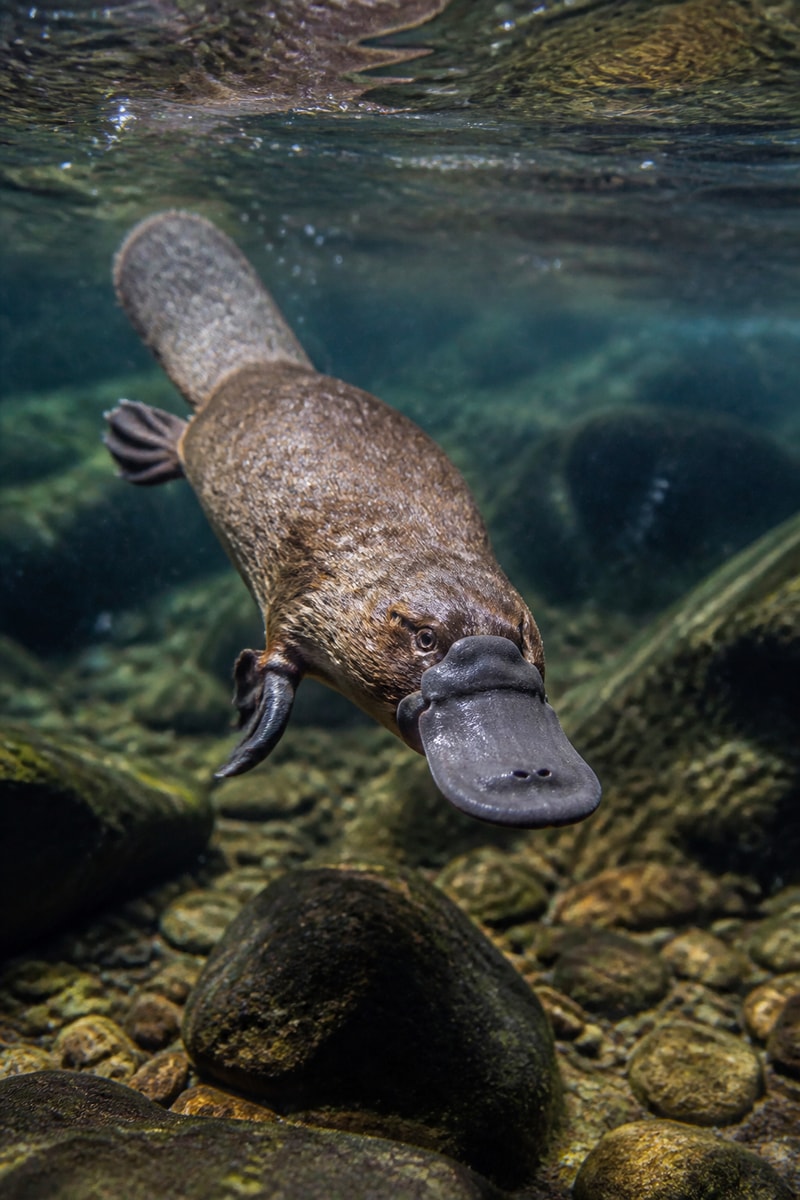
- Platypusrare • Rivers & Streams
Free on iOS
Catch the Southern Blue-ringed Octopus
Spot one in the wild, then scan it in Catch'Um to log your legendary discovery.