
Field guide · legendary
Southern Cassowary
A living dinosaur of the rainforest — towering, helmeted, and one of Australia's most formidable birds.
Least Concern
Casuarius casuarius
Overview
The southern cassowary is a giant flightless bird of tropical Queensland and New Guinea, famous for its colourful neck, horn-like casque, and dagger-like inner toe. It looks prehistoric — and behaves with the wary independence of a creature that owns the forest floor.
Shy yet powerful, cassowaries are keystone seed dispersers for rainforest trees. A wild encounter on a Daintree track is a legendary Australian discovery.
- Scientific nameCasuarius casuarius
- Height1.5–1.8 m
- Weight40–60 kg typical; females larger
- LifespanAround 40–50 years in the wild
- DietPrimarily fallen fruit
- ConservationLeast Concern
- RegionRainforest
Where to see them
Habitat
- Tropical rainforest
- Monsoon forest
- Swamp forest
Southern cassowaries inhabit tropical rainforest, monsoon forest, and adjacent melaleuca swamps in far north Queensland and parts of New Guinea. They need dense cover, fruiting trees, and corridors between habitat fragments.
Field notes
Field scale for the Southern Cassowary: height 1.5-1.8 m; weight 40-60 kg typical; females larger. Typical lifespan: Around 40-50 years in the wild.
When you are scanning habitat, prioritise tropical rainforest, monsoon forest, and swamp forest. Those settings are where a clean look and a usable photo are most likely.
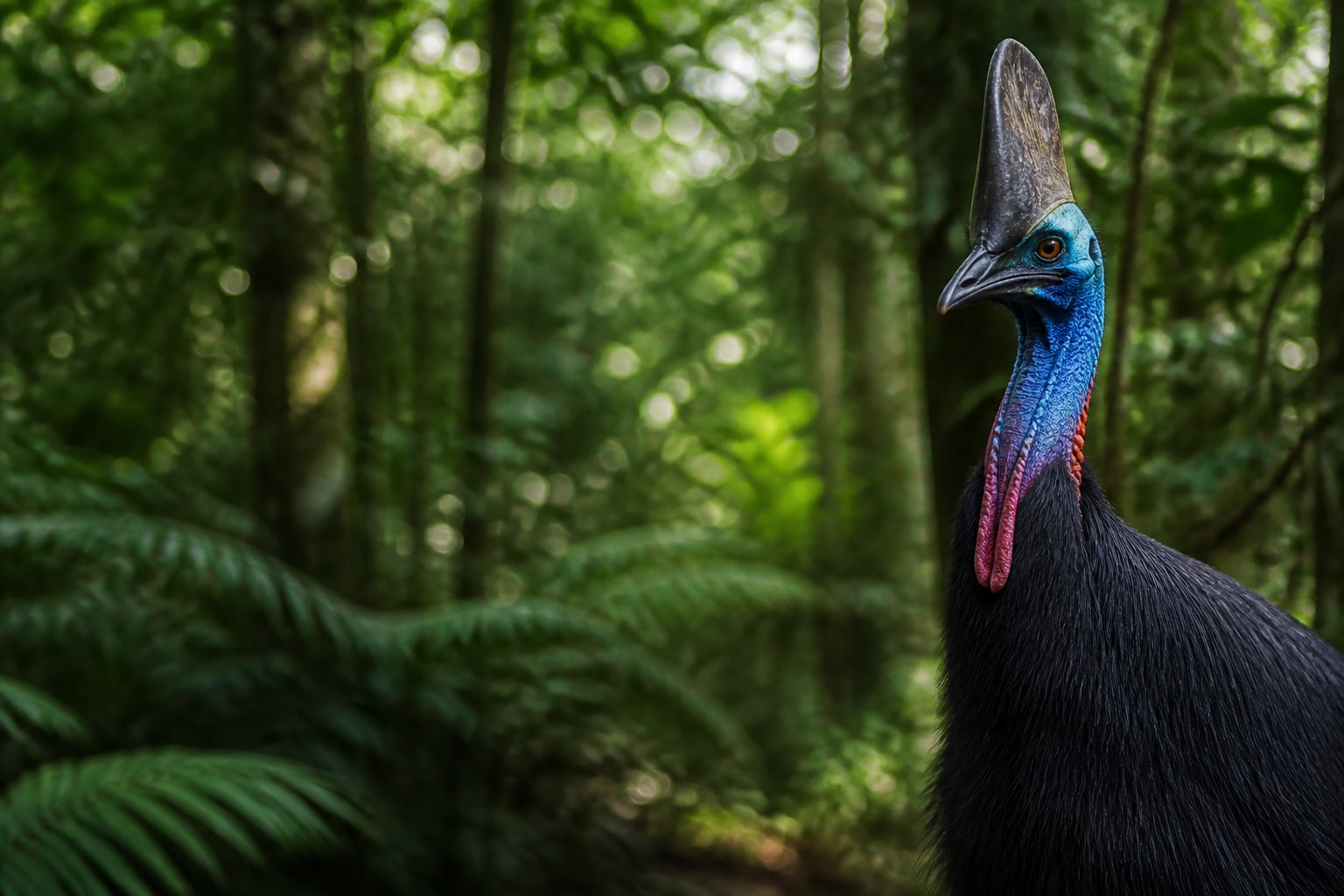
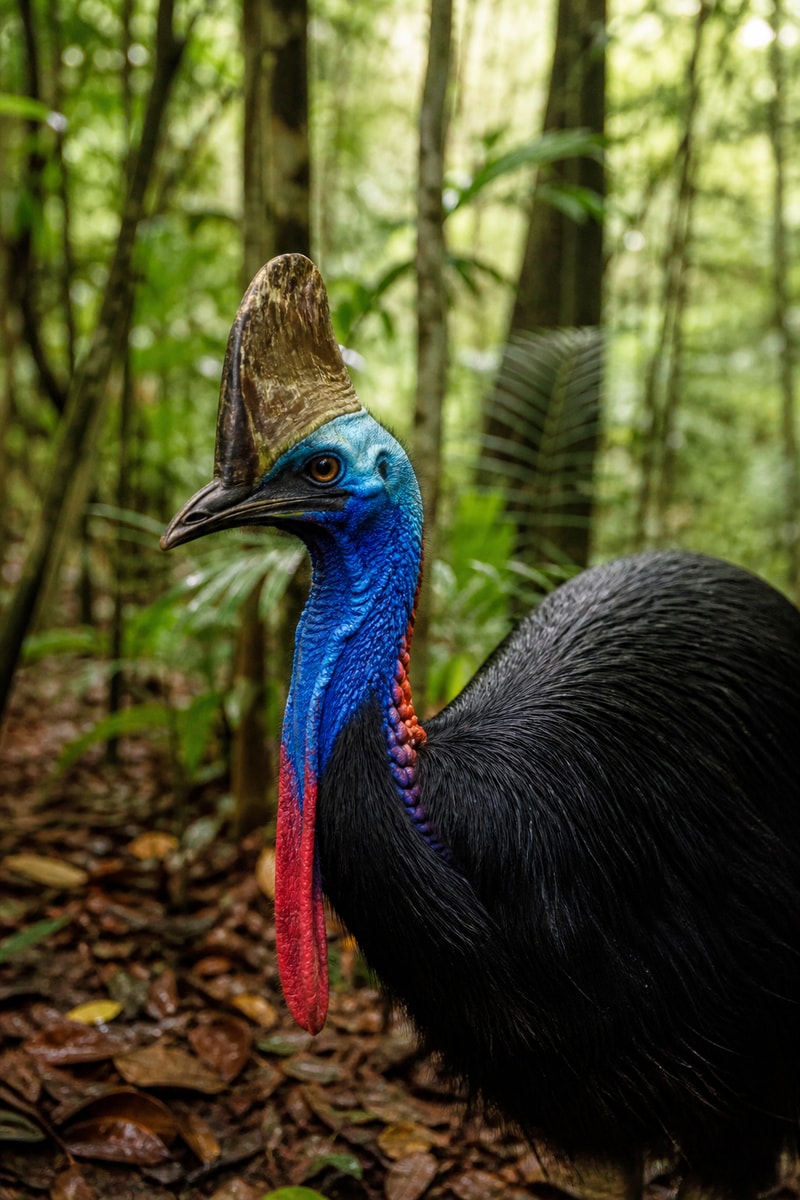
Quick ID anchor: Huge flightless bird with glossy black plumage, bright blue and red neck skin, and a tall brown casque. Confirm with behaviour and habitat before you log the discovery.
Where to see one
Australia
In Australia, start at Daintree Rainforest (Queensland). Ancient tropical forest at the edge of the Great Barrier Reef, with cassowaries, tree kangaroos, and forest birds.
More context on this destination lives on the Australia expedition page.
Diet
Primarily fallen fruit, plus fungi, flowers, invertebrates, and small vertebrates when available.
Keystone dispersers for large-seeded rainforest trees.
Behaviour
Usually solitary and shy; males guard chicks for months after hatching.
Boom and hiss when alarmed; may charge if cornered near young.
How to identify
Huge flightless bird with glossy black plumage, bright blue and red neck skin, and a tall brown casque.
Powerful grey legs with a long, sharp inner claw.
Interesting facts
- 01
Cassowaries can stand up to about 1.8 metres tall.
- 02
The casque on the head may help with display, heat regulation, or pushing through undergrowth.
- 03
Their inner toe claw can be over 12 cm long.
- 04
Males incubate the eggs and raise the striped chicks alone.
- 05
They swallow whole fruits and disperse seeds far across the forest.
- 06
Despite their size, they can run quickly through dense rainforest.
Conservation status
Globally Least Concern, but the Australian population is threatened by vehicle strikes, dog attacks, and rainforest fragmentation. Road mitigation and habitat corridors in Queensland are critical locally.
Sources: IUCN Red List
Keep exploring
Related discoveries
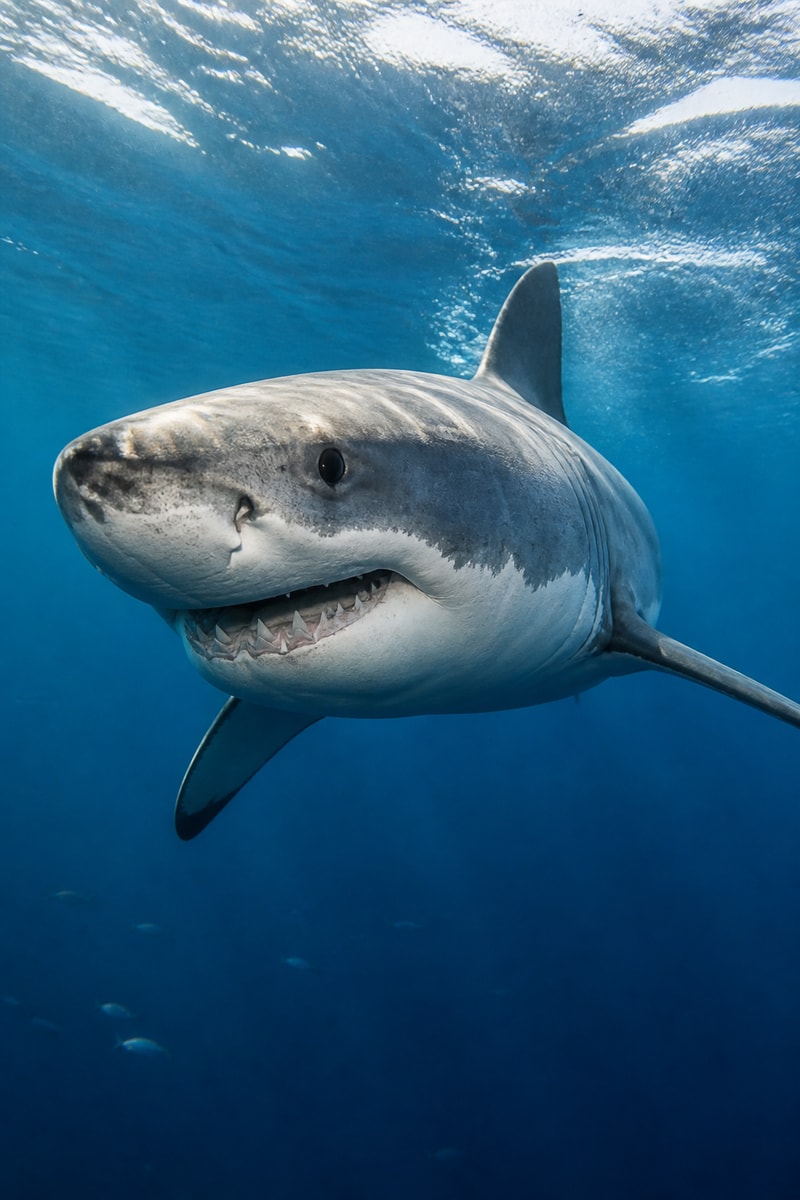
- Great White Sharklegendary • Coastal Ocean
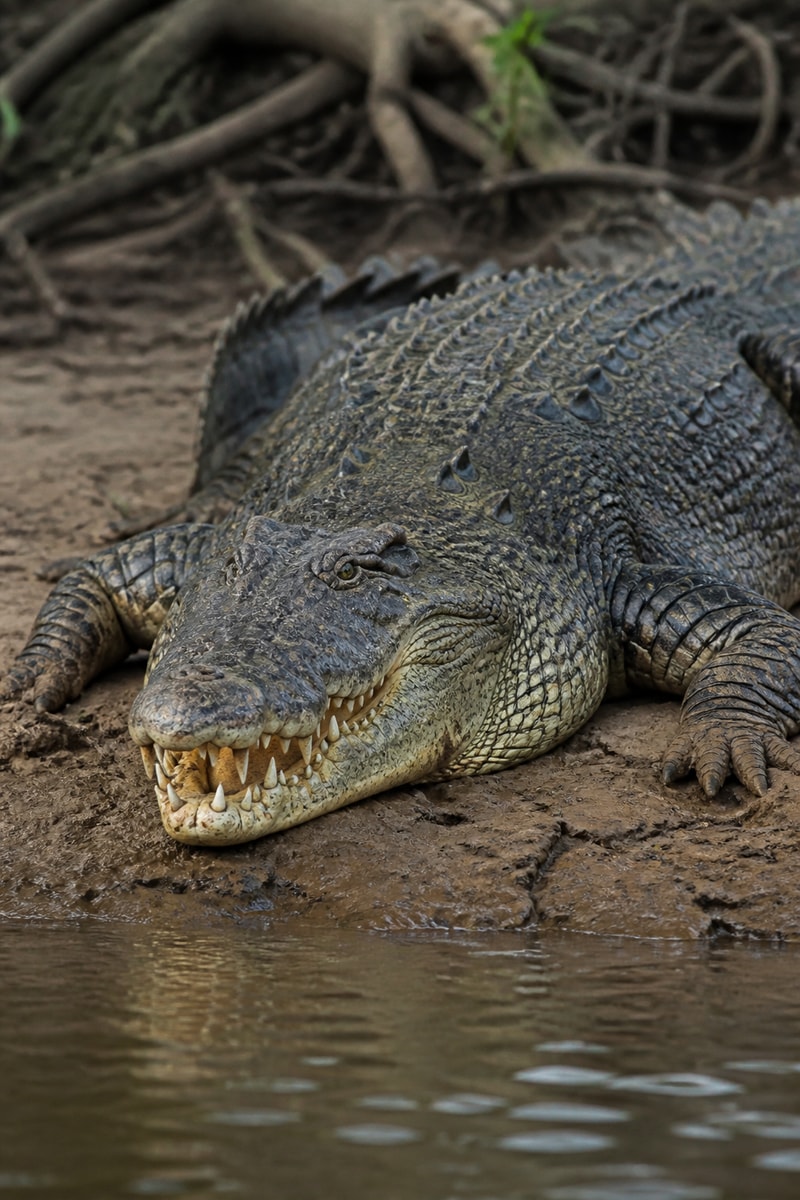
- Saltwater Crocodilelegendary • Estuaries & Coast
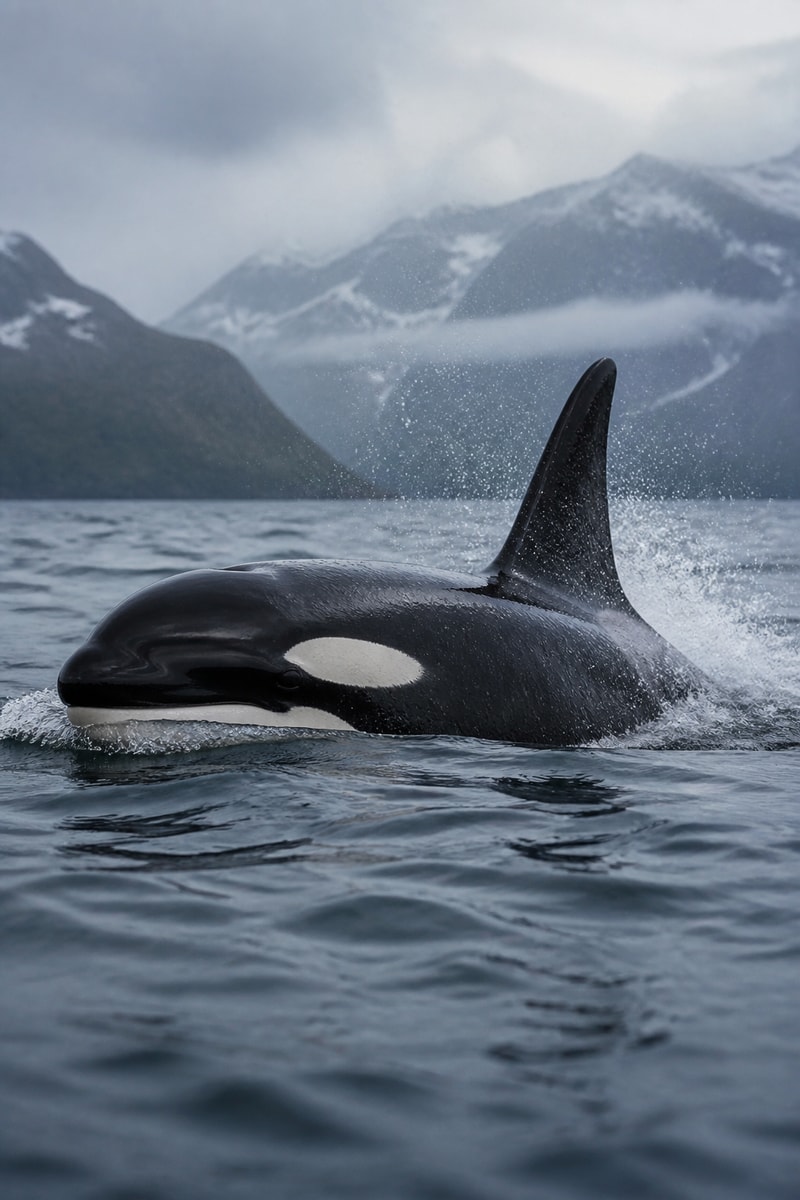
- Orcalegendary • Coastal Ocean
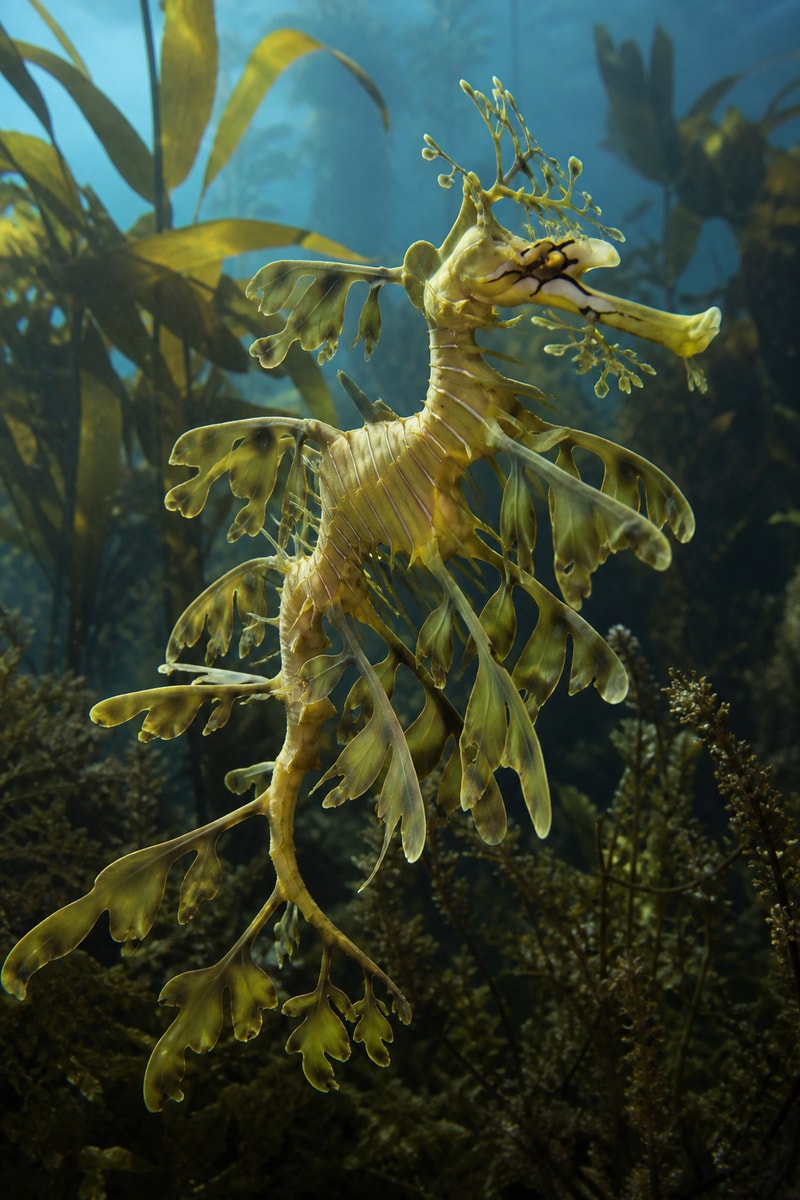
- Leafy Sea Dragonlegendary • Kelp & Seagrass
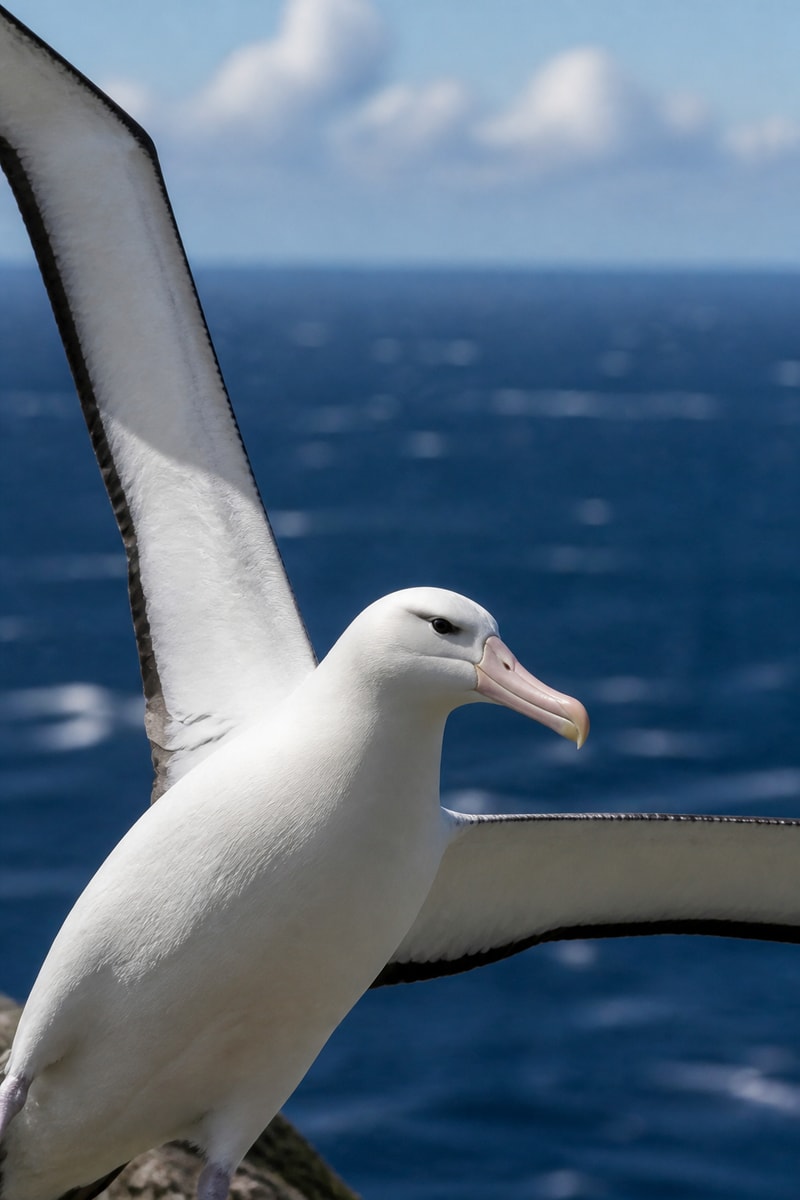
- Wandering Albatrosslegendary • Southern Ocean Skies
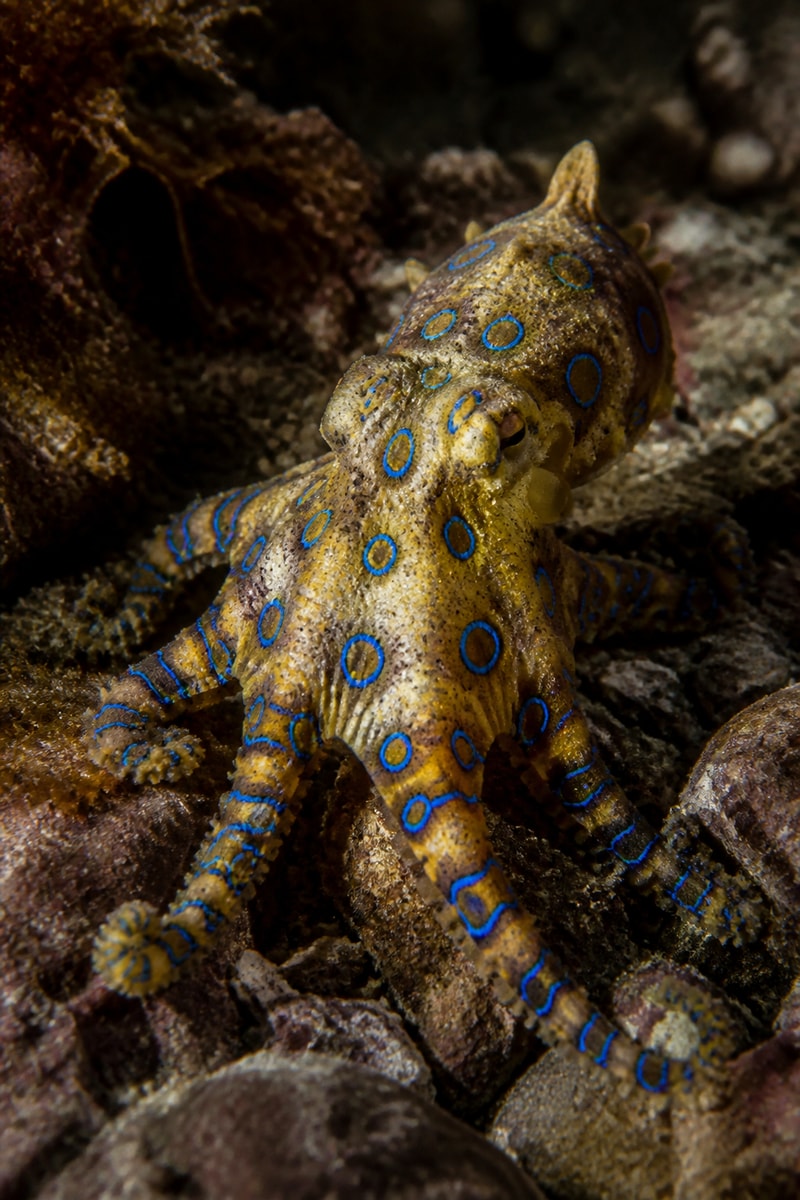
- Southern Blue-ringed Octopuslegendary • Southern Australian Reefs
- Koalarare • Eucalyptus Forest
- Platypusrare • Rivers & Streams
Free on iOS
Catch the Southern Cassowary
Spot one in the wild, then scan it in Catch'Um to log your legendary discovery.