
Field guide · legendary
Wandering Albatross
The ocean’s greatest wingspan — years at sea, dynamic soaring, and remote island nests.
Vulnerable
Diomedea exulans
Overview
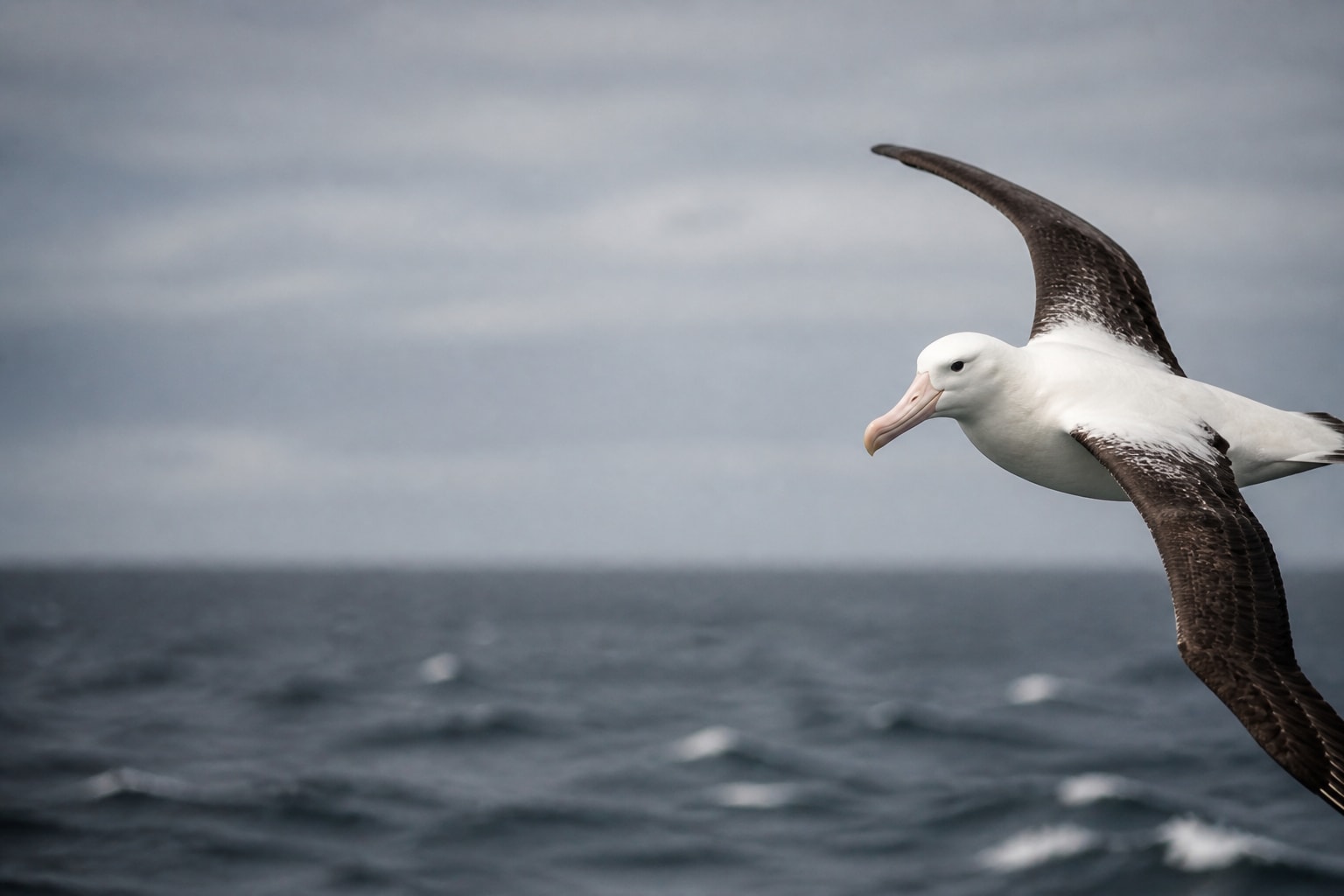
Wandering albatrosses ride Southern Ocean winds on the largest wingspan of any living bird, gliding for hours without a flap. They return to remote islands to breed, then roam vast tracts of open ocean between nesting seasons.
For Antarctica and Australia collectors, this albatross is a legendary Southern Ocean prize — epic range, white adult plumage, and skies that feel endless.
- Scientific nameDiomedea exulans
- Length1.1–1.4 m body
- Weight6–12 kg
- LifespanAround 30–50 years in the wild
- DietSquid
- ConservationVulnerable
- RegionSouthern Ocean Skies
Where to see them
Habitat
- Pelagic Southern Ocean
- Subantarctic breeding island
- Windy coastal slope
Open Southern Ocean and subantarctic breeding islands with windy slopes; forage across cold pelagic waters far from land between breeding cycles.
Field notes
Field scale for the Wandering Albatross: length around 1.1-1.4 m body; weight 6-12 kg. Typical lifespan: Around 30-50 years in the wild.
When you are scanning habitat, prioritise pelagic southern ocean, subantarctic breeding island, and windy coastal slope. Those settings are where a clean look and a usable photo are most likely.
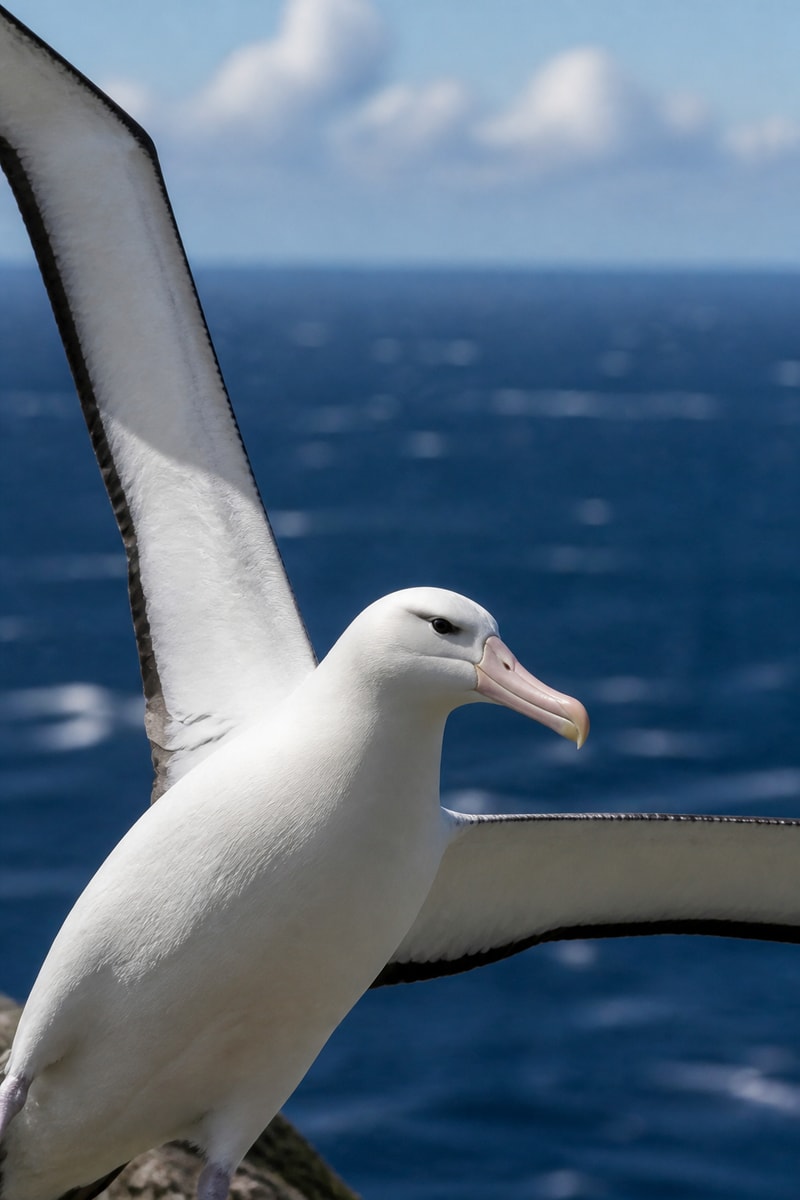
Quick ID anchor: Huge white adult with black trailing wing edges and a pale pink bill; juveniles browner. Confirm with behaviour and habitat before you log the discovery.
Diet
Squid, fish, and carrion taken from the surface; often follow ships for discards.
Locate patchy prey across vast ocean distances using sight and smell.
Behaviour
Spend most of life on the wing; return to natal islands for long breeding seasons.
Monogamous pairs share incubation and chick-rearing over many months.
How to identify
Huge white adult with black trailing wing edges and a pale pink bill; juveniles browner.
Massive wingspan and stiff-winged gliding distinguish them from smaller albatrosses.
Interesting facts
- 01
Wingspan can exceed 3.5 m — largest of any bird.
- 02
Dynamic soaring lets them travel huge distances efficiently.
- 03
Breeding pairs may nest only every other year.
- 04
Chicks take many months to fledge on remote islands.
- 05
Diet centres on squid, fish, and fishery discards.
- 06
Long-lived birds can survive for decades at sea.
Conservation status
Wandering albatrosses are Vulnerable. Longline fisheries and other at-sea threats kill adults that breed slowly on few islands. Bycatch mitigation and island protection remain essential.
Sources: IUCN Red List
Keep exploring
Where it lives
Related discoveries
- Great White Sharklegendary • Coastal Ocean
- Emperor Penguinlegendary • Antarctic Ice
- Saltwater Crocodilelegendary • Estuaries & Coast
- Orcalegendary • Coastal Ocean
- Southern Cassowarylegendary • Rainforest
- Leafy Sea Dragonlegendary • Kelp & Seagrass
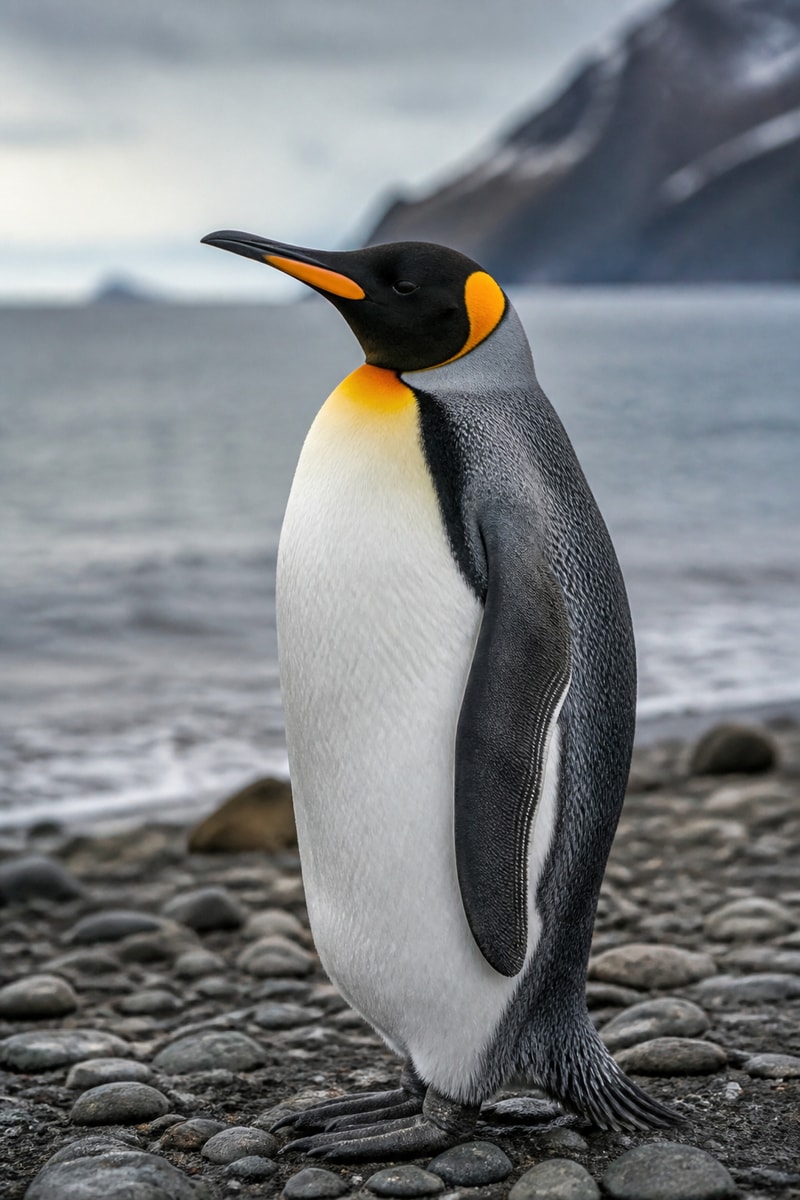
- King Penguinlegendary • Subantarctic Islands
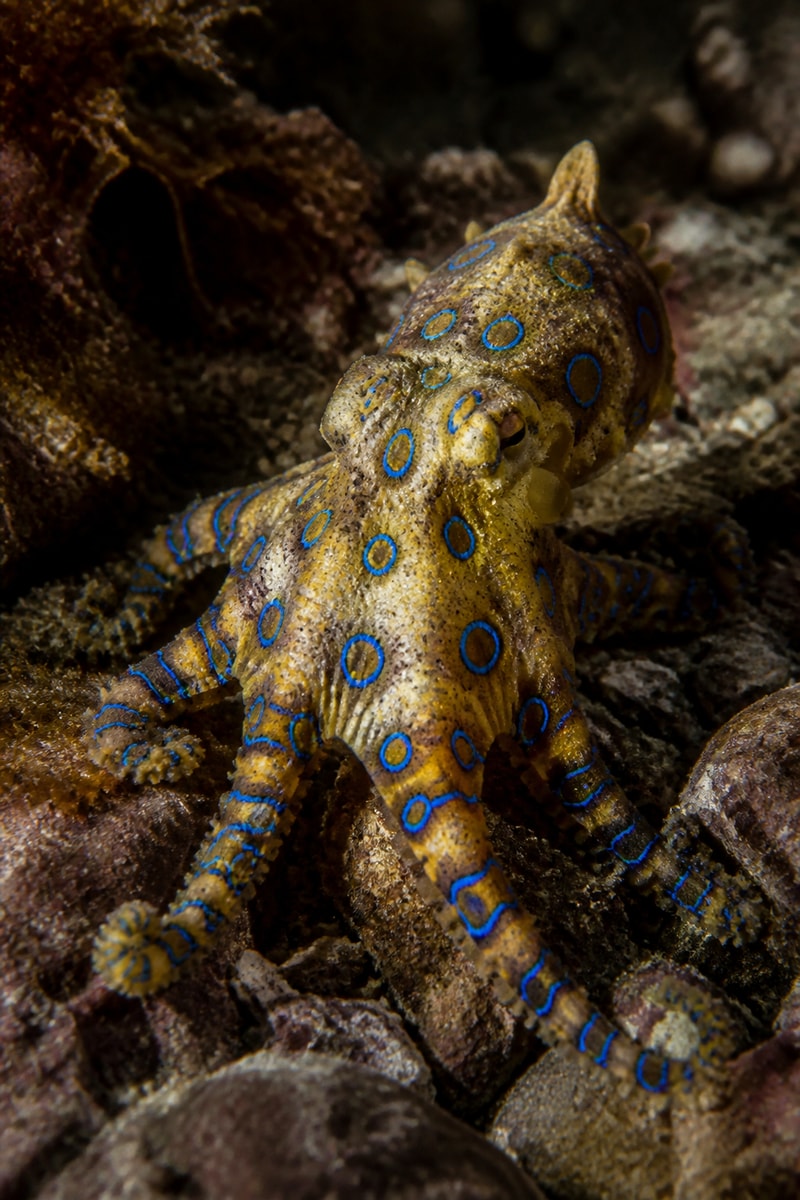
- Southern Blue-ringed Octopuslegendary • Southern Australian Reefs
Free on iOS
Catch the Wandering Albatross
Spot one in the wild, then scan it in Catch'Um to log your legendary discovery.