
Expedition 🇦🇶
Antarctica
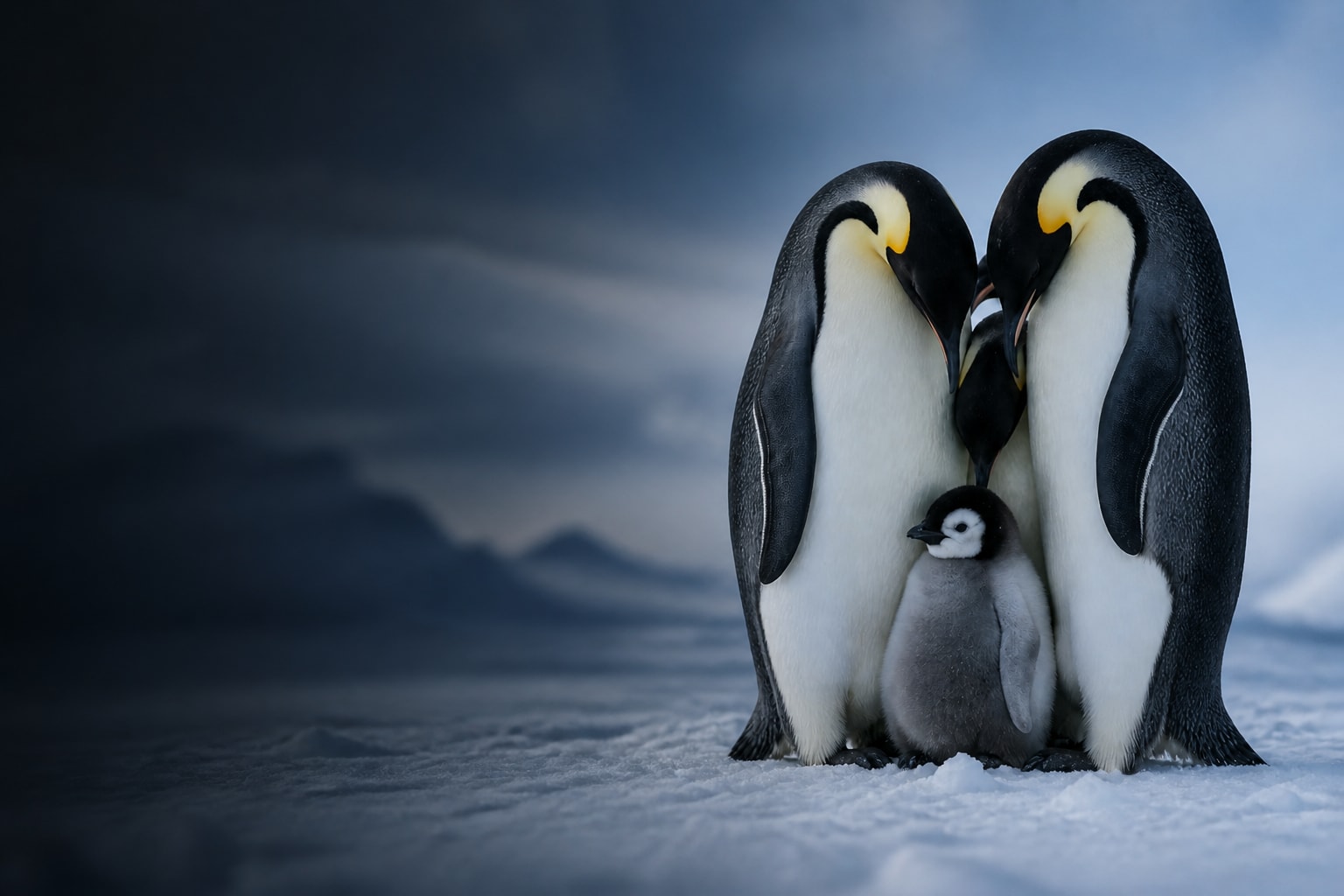
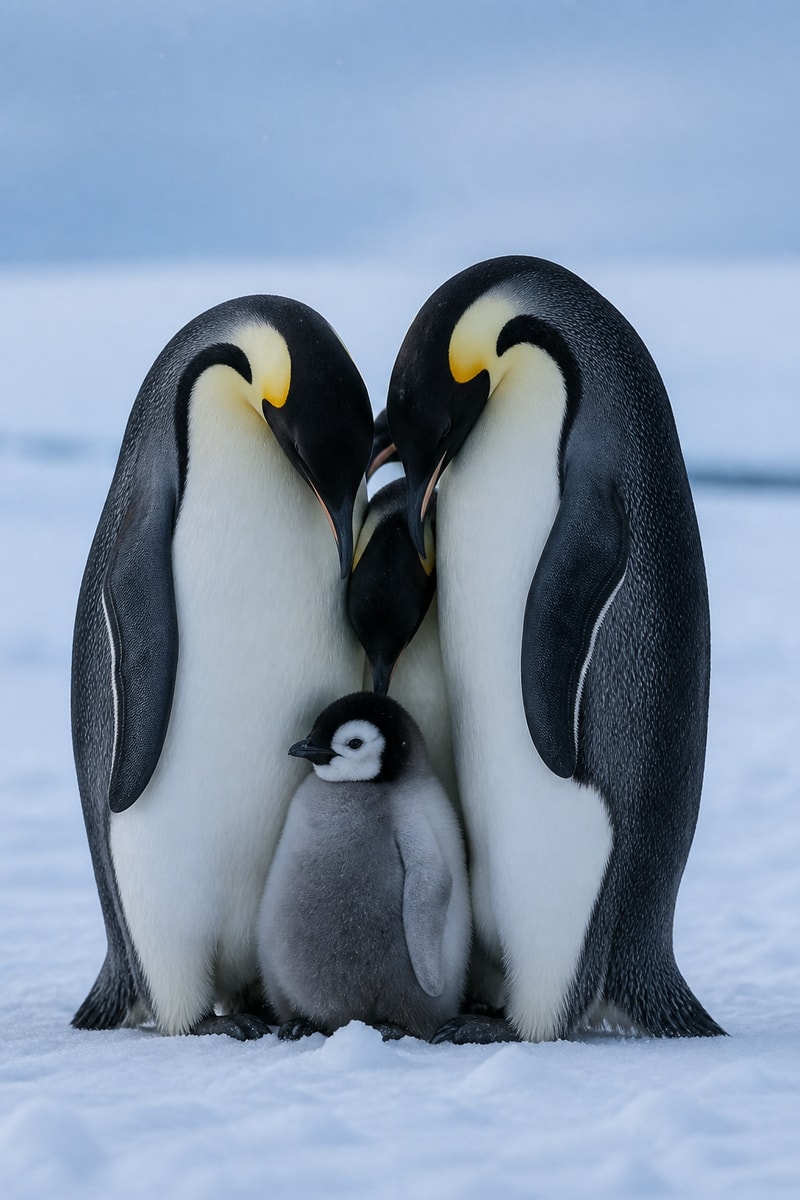
Emperor penguins on the ice, whales in the polar sea, and the last great wilderness at the bottom of the world.
6 species to spot
Wildlife overview
Antarctica is the coldest, driest, and windiest continent, a white desert where life clings to the coast and the edge of the ice. Emperor penguins breed through the polar winter, seals haul out on floes, and whales feed in rich Southern Ocean waters during the brief summer.
For Catch'Um collectors, Antarctica is the ultimate expedition: legendary, remote, and home to wildlife that endures conditions no other species can match.
Popular discoveries
- 01
Emperor Penguin: Survivor of the polar night, the tallest penguin, breeding through Antarctica's cruellest winter on the ice.
- 02
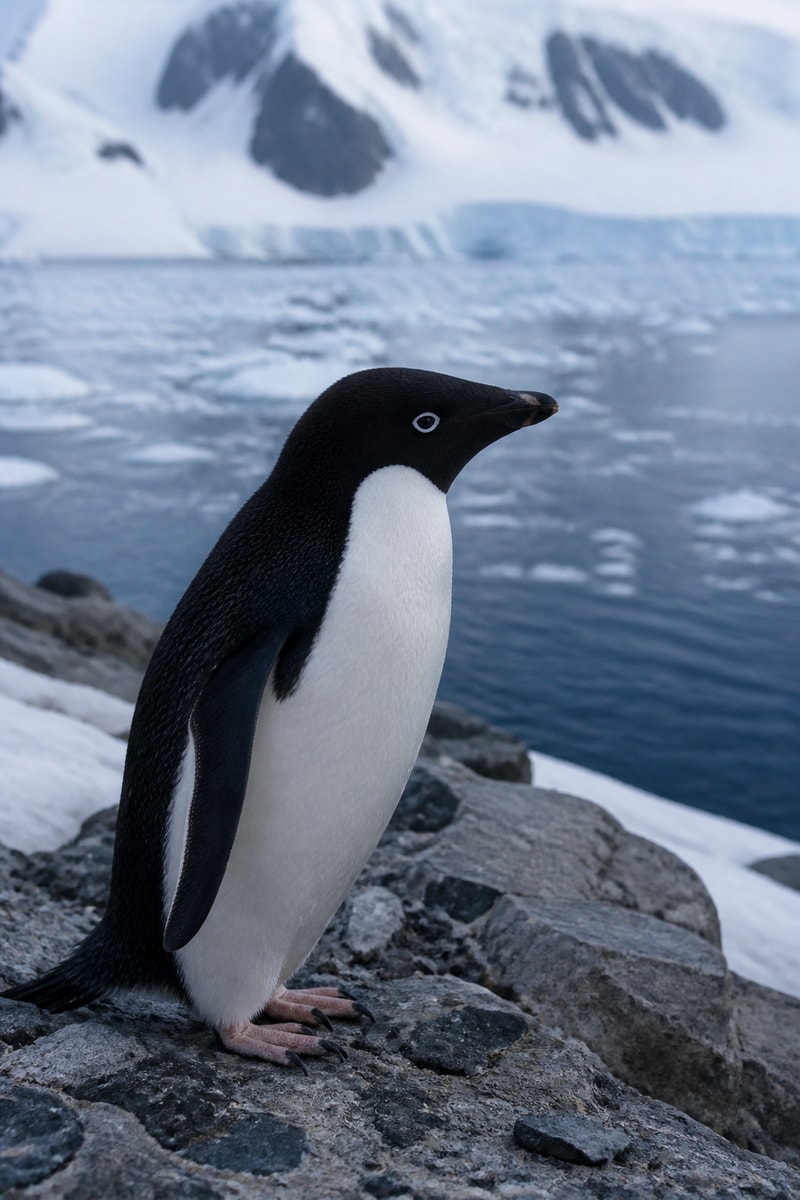
Adélie Penguin: The classic tuxedo penguin of Antarctica — white eye-ring, rocky nests, and fearless curiosity.
- 03
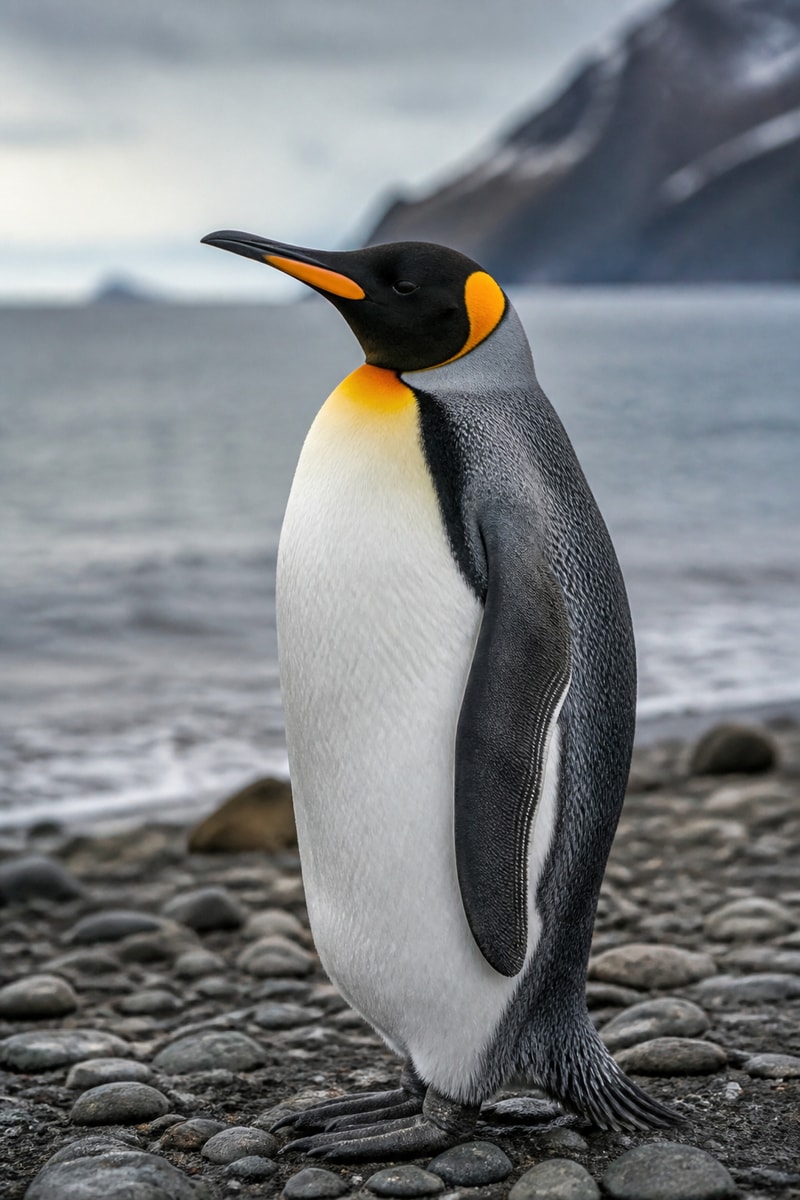
King Penguin: Gold-collared colonies of the Subantarctic — second only to emperors in size and spectacle.
- 04
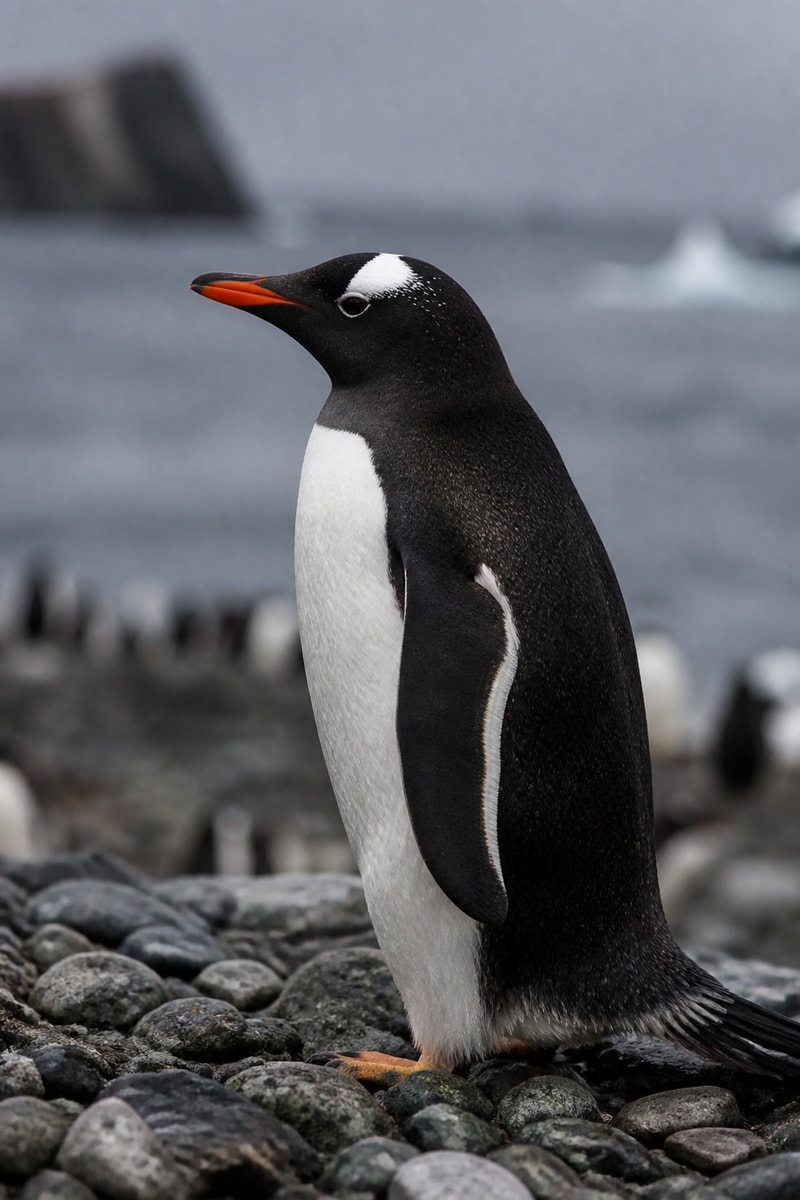
Gentoo Penguin: Bright bill, white eye-patch, and rocket swims — the fastest penguin in Antarctic waters.
- 05
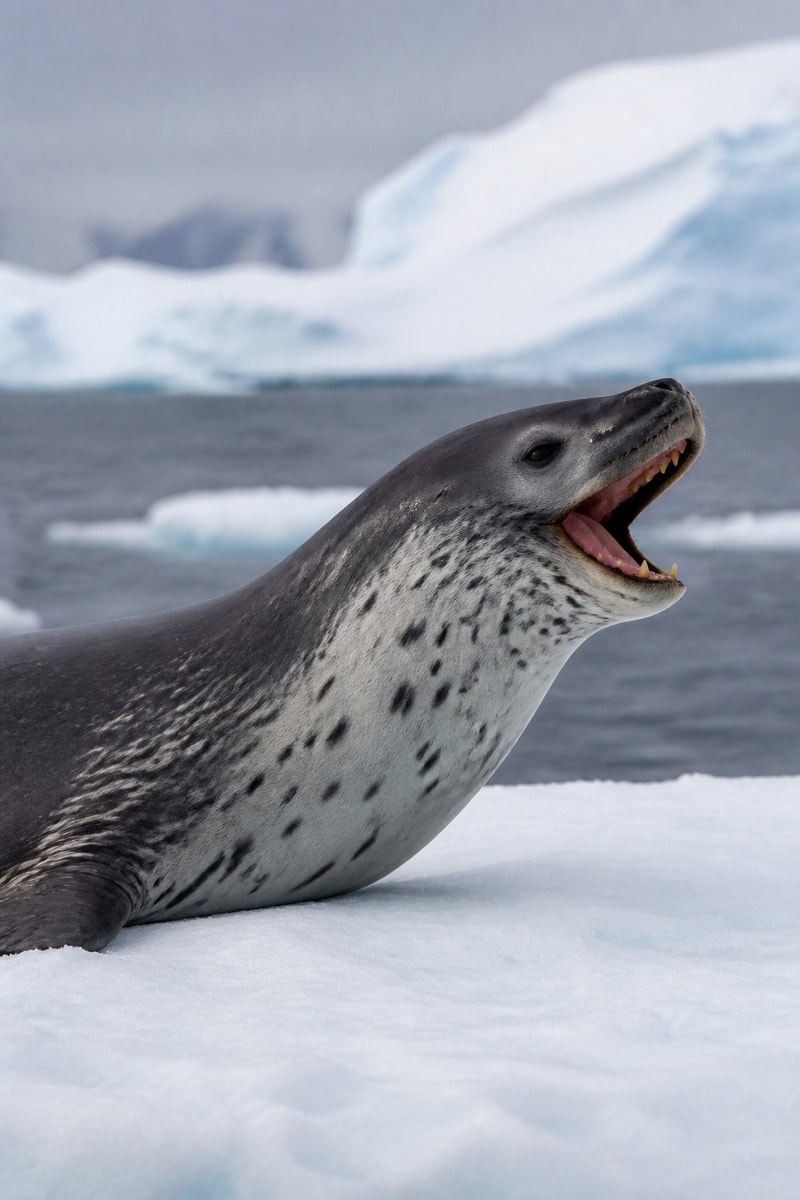
Leopard Seal: Spotted apex predator of the ice edge — long jaws, powerful lunges, and penguin-hunting skill.
- 06
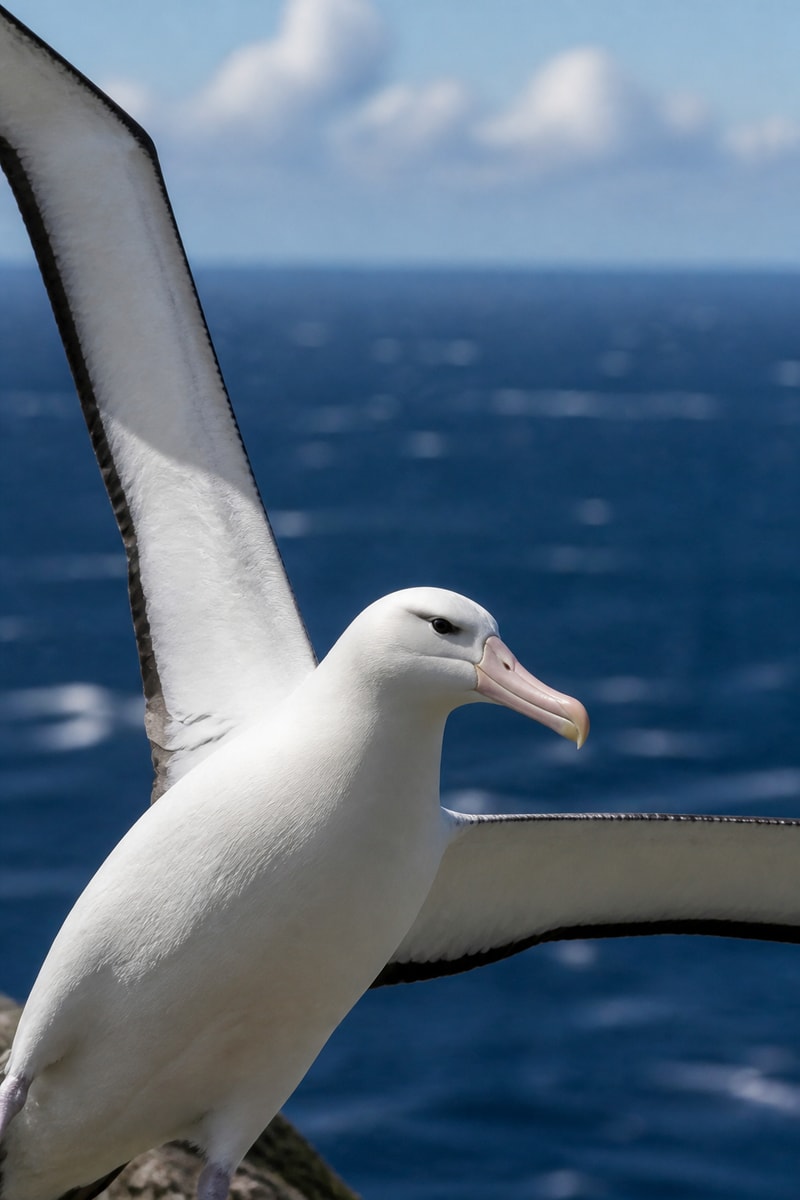
Wandering Albatross: The ocean’s greatest wingspan — years at sea, dynamic soaring, and remote island nests.
Where to see them
Best places to spot wildlife
Snow Hill Island
Antarctic Peninsula
An emperor penguin colony accessible by icebreaker and helicopter, one of the rarest wildlife encounters on Earth.
Ross Sea
East Antarctica
The largest marine protected area on Earth, with emperor penguins, Adélie penguins, and orcas in pristine polar waters.
South Georgia Island
Sub-Antarctic
Not quite the continent, but the gateway expedition, with king penguins in their hundreds of thousands on shingle beaches.
Weddell Sea
East Antarctica
Emperor penguin colonies on sea ice, accessed only by the hardiest expedition vessels.
Keep exploring
Species guides
Free on iOS
Explore Antarctica with Catch'Um
Find wildlife in the field, then scan it to log your discovery.