
Field guide · legendary
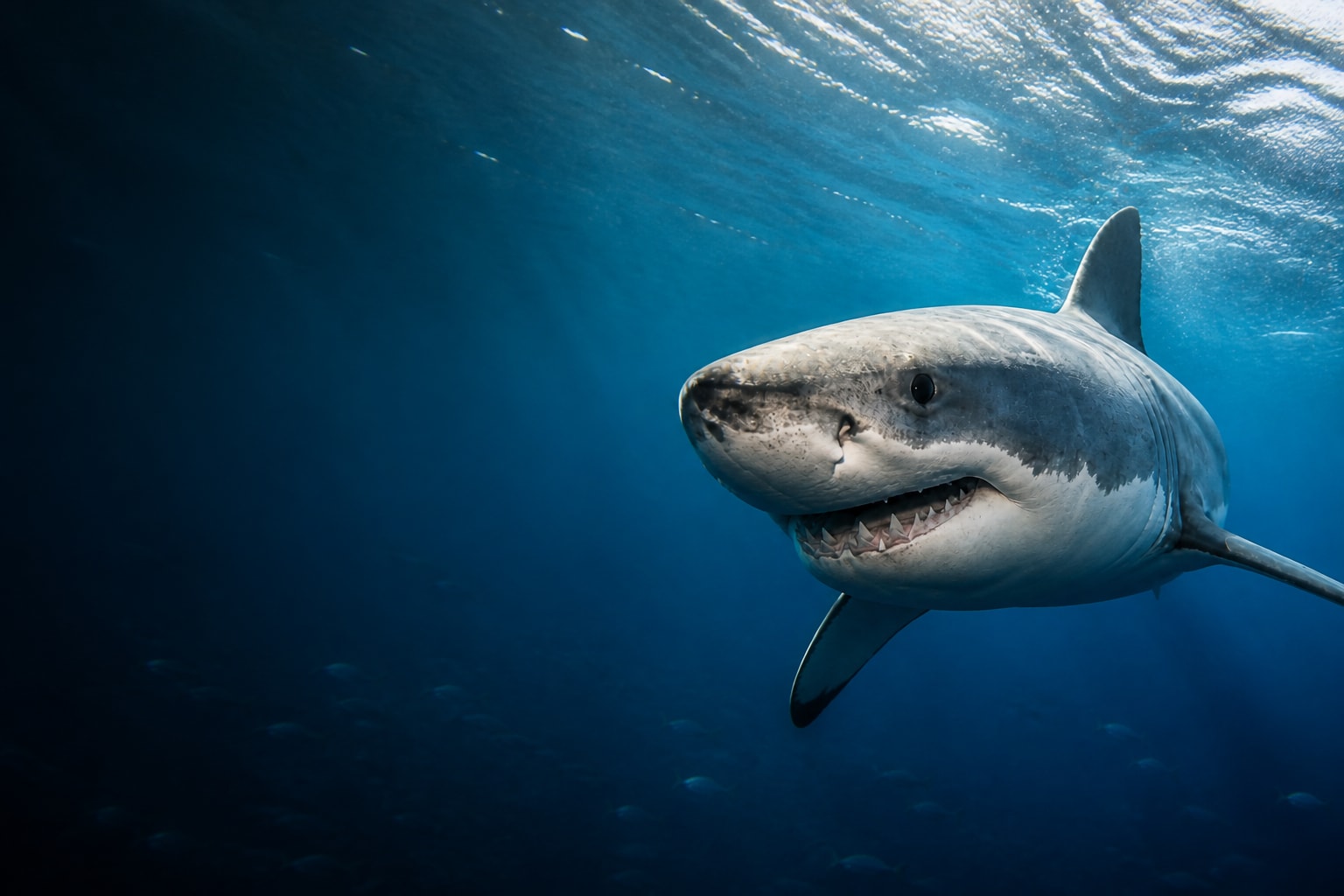
Great White Shark
The ocean's apex predator, a torpedo of muscle and teeth whose reputation overshadows its vital role at the top of the marine food chain.
Vulnerable
Carcharodon carcharias
Overview
The great white shark is the largest predatory fish on Earth, reaching over six metres and patrolling temperate coastlines worldwide. Counter to myth, they do not hunt humans deliberately. They investigate with exploratory bites and feed mainly on seals, sea lions, and large fish.
Great whites can detect a drop of blood in 100 litres of water and sense electromagnetic fields from prey with specialized organs. Cage diving off South Africa, California, and Australia offers controlled encounters with one of nature's most formidable predators.
- Scientific nameCarcharodon carcharias
- Length4–6 m (rarely larger)
- Weight500–1,100+ kg
- LifespanAround 30–70 years
- DietApex predator of seals
- ConservationVulnerable
- RegionCoastal Ocean
Habitat
- Temperate coast
- Continental shelf
Cool to temperate coastal waters worldwide hold great whites, aggregation sites include South Africa's Gansbaai, California's Farallon Islands, and Australia's Neptune Islands. They migrate long distances and prefer areas with abundant seal populations.
Field notes
Field scale for the Great White Shark: length around 4-6 m (rarely larger); weight 500-1,100+ kg. Typical lifespan: Around 30-70 years.
When you are scanning habitat, prioritise temperate coast and continental shelf. Those settings are where a clean look and a usable photo are most likely.
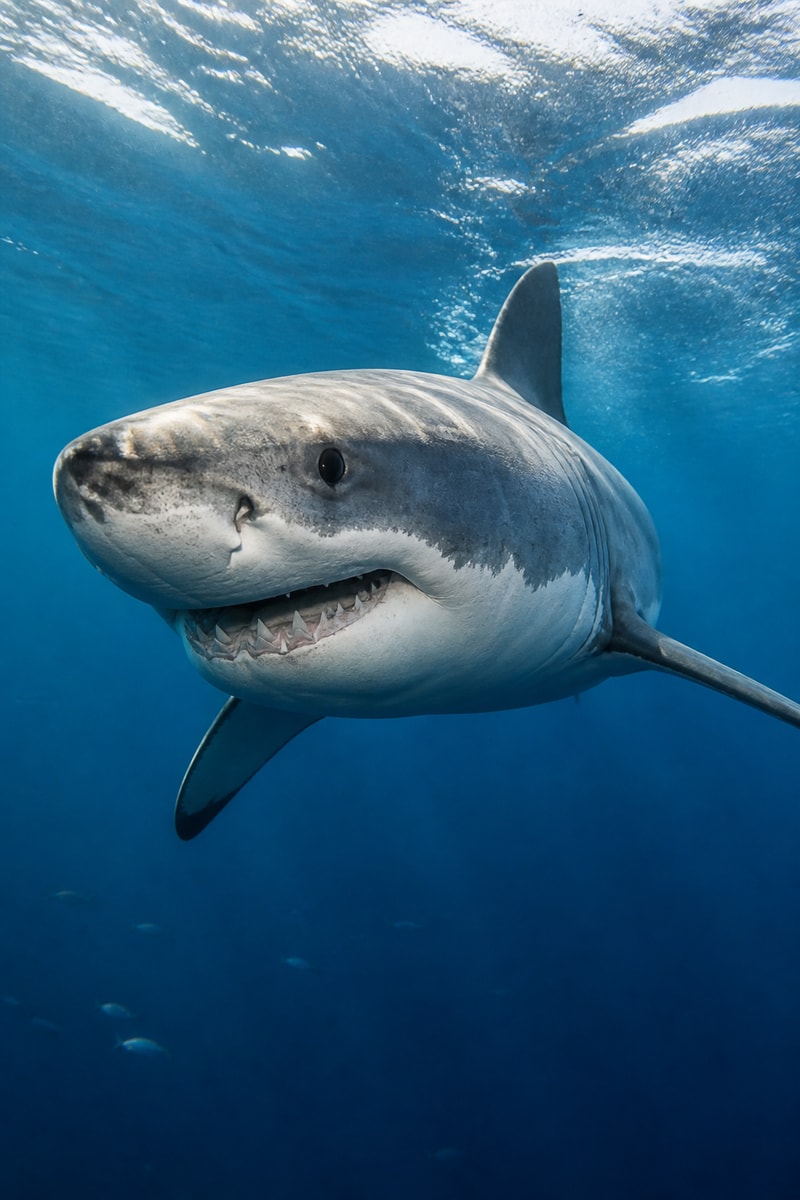
Quick ID anchor: Large stout shark with a conical snout, black eye, and crescent tail. Countershaded, dark grey above, white below, with large triangular serrated teeth in both jaws. Confirm with behaviour and habitat before you log the discovery.
Diet
Apex predator of seals, sea lions, and large fish, also scavenging whale carcasses. Juveniles take more fish before shifting toward marine mammals.
Behaviour
Solitary cruiser of temperate coasts, sometimes aggregating near seal colonies. Detects prey with smell and electroreception; may breach when attacking from below.
How to identify
Large stout shark with a conical snout, black eye, and crescent tail. Countershaded — dark grey above, white below — with large triangular serrated teeth in both jaws.
Interesting facts
- 01
Great whites can detect a drop of blood in 100 litres of water.
- 02
They can breach completely out of the water when attacking seals from below.
- 03
Great white populations are recovering in several regions after decades of decline.
Conservation status
Great white sharks are Vulnerable globally, threatened by fishing, bycatch, and finning. Protected status in South Africa, Australia, and California has helped some populations stabilise.
Sources: IUCN Red List
Keep exploring
Where it lives
Related discoveries
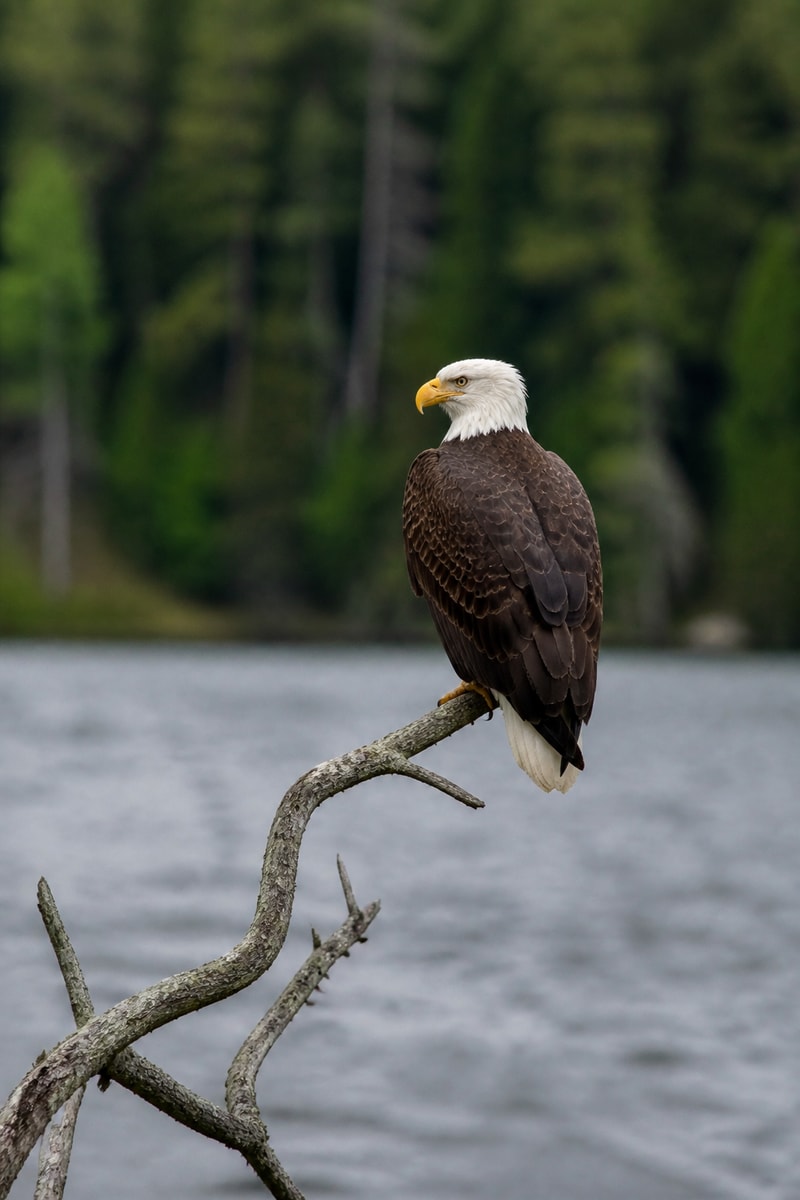
- Bald Eaglelegendary • Lakes & Coasts
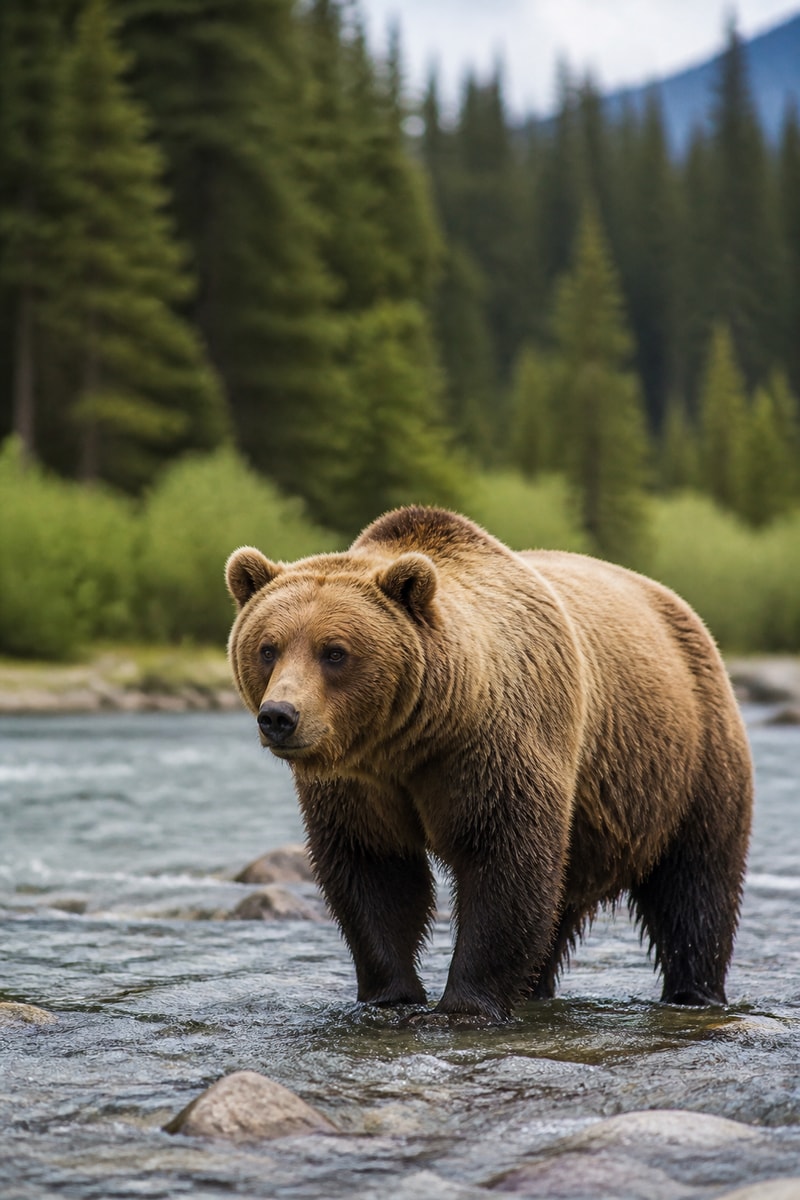
- Grizzly Bearlegendary • Mountains & Rivers
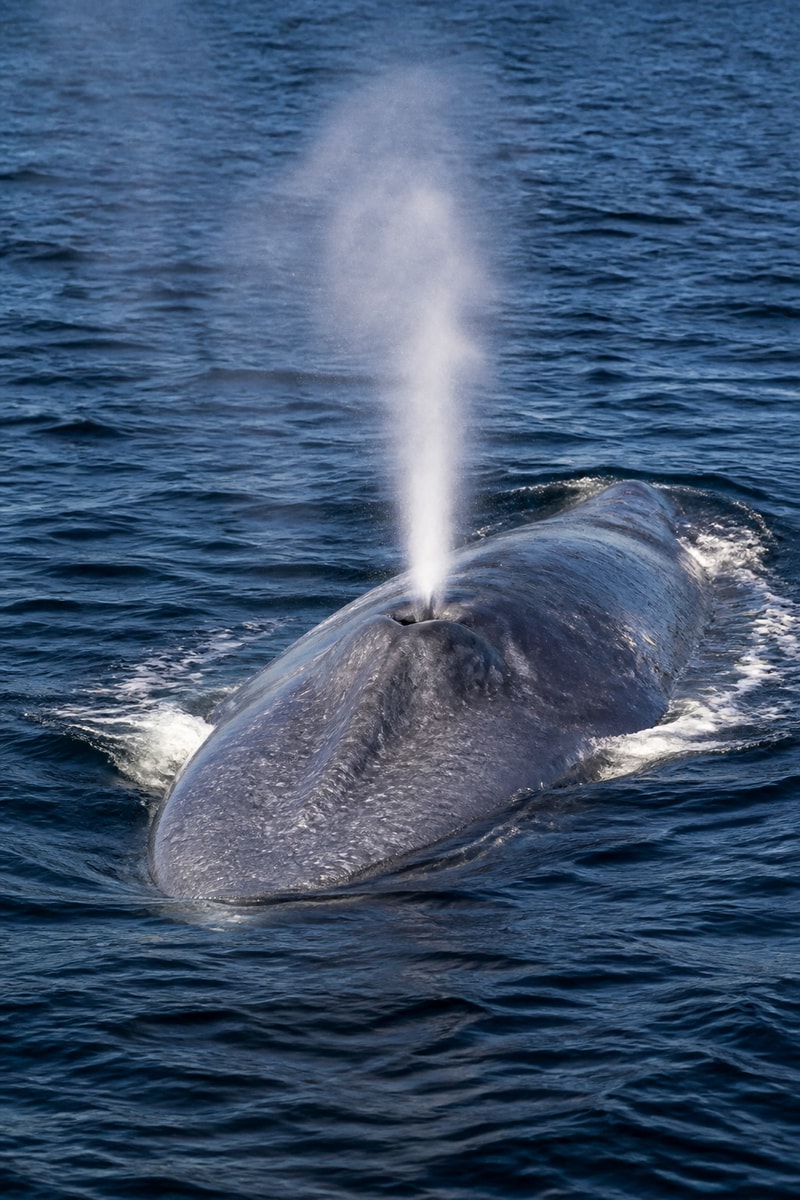
- Blue Whalelegendary • Open Ocean
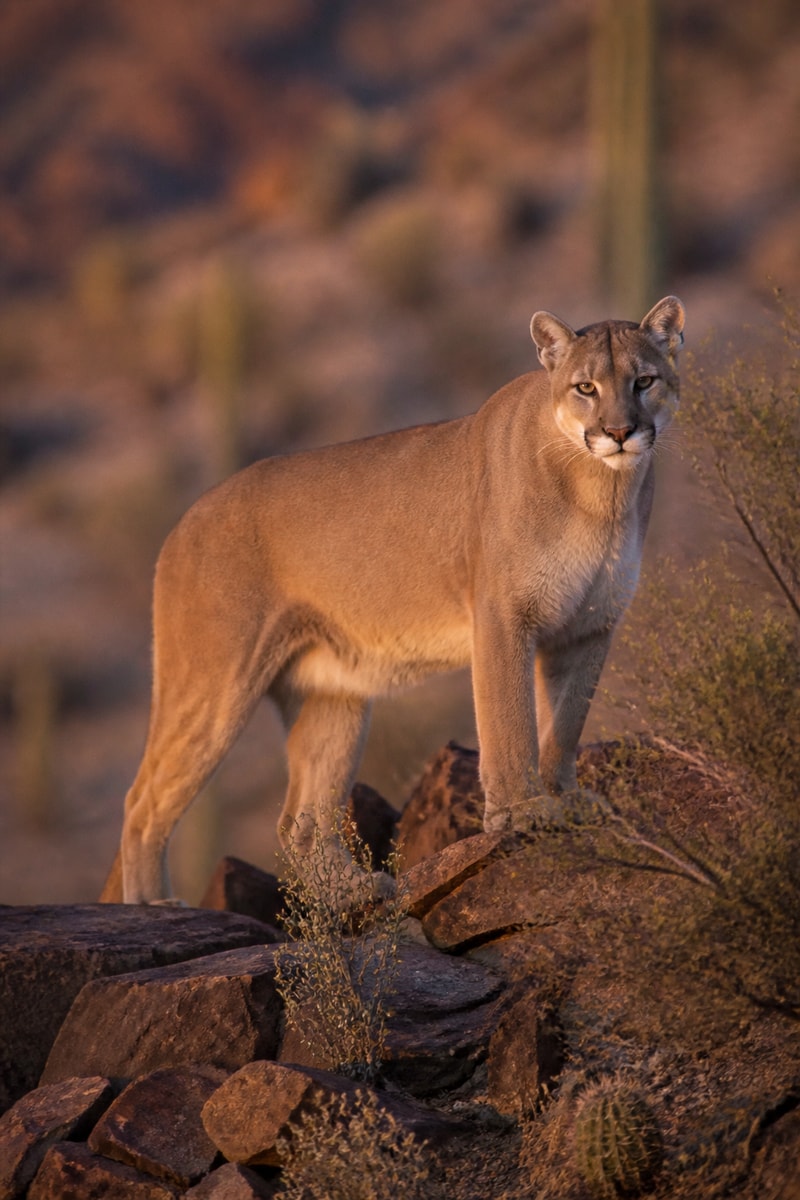
- Mountain Lionlegendary • Mountains & Desert
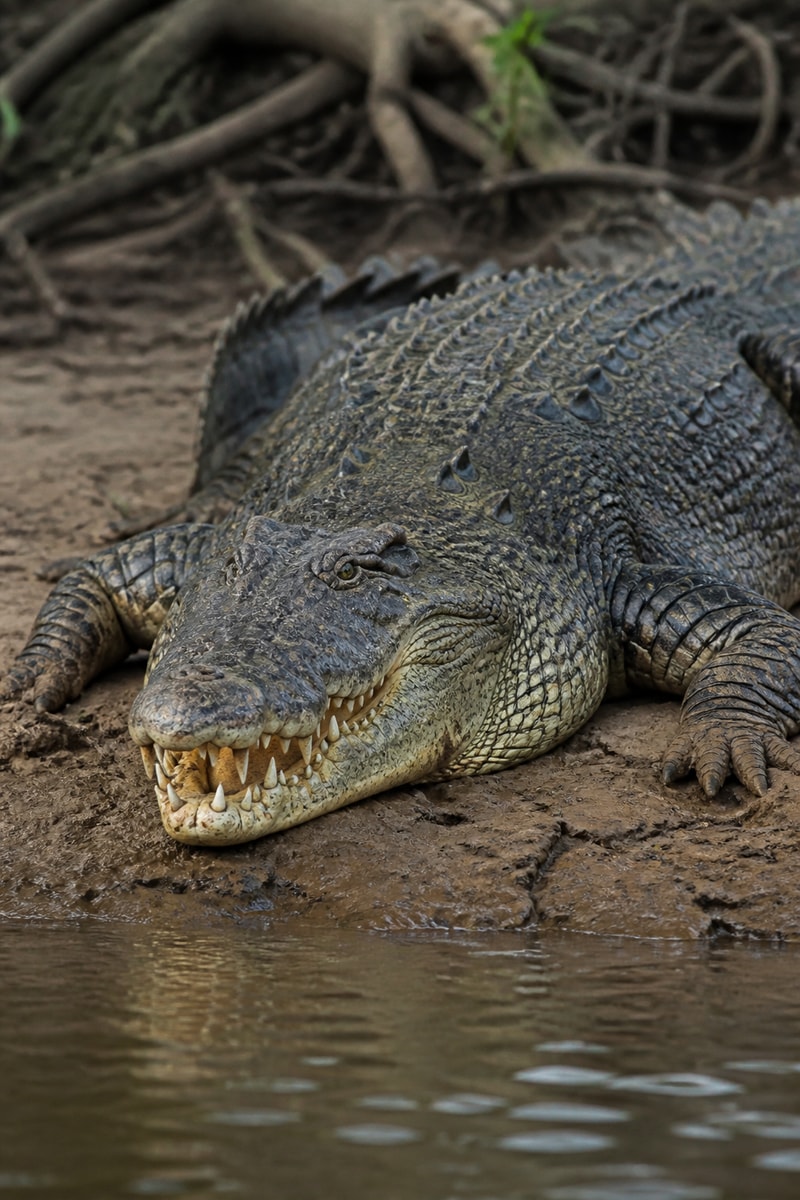
- Saltwater Crocodilelegendary • Estuaries & Coast
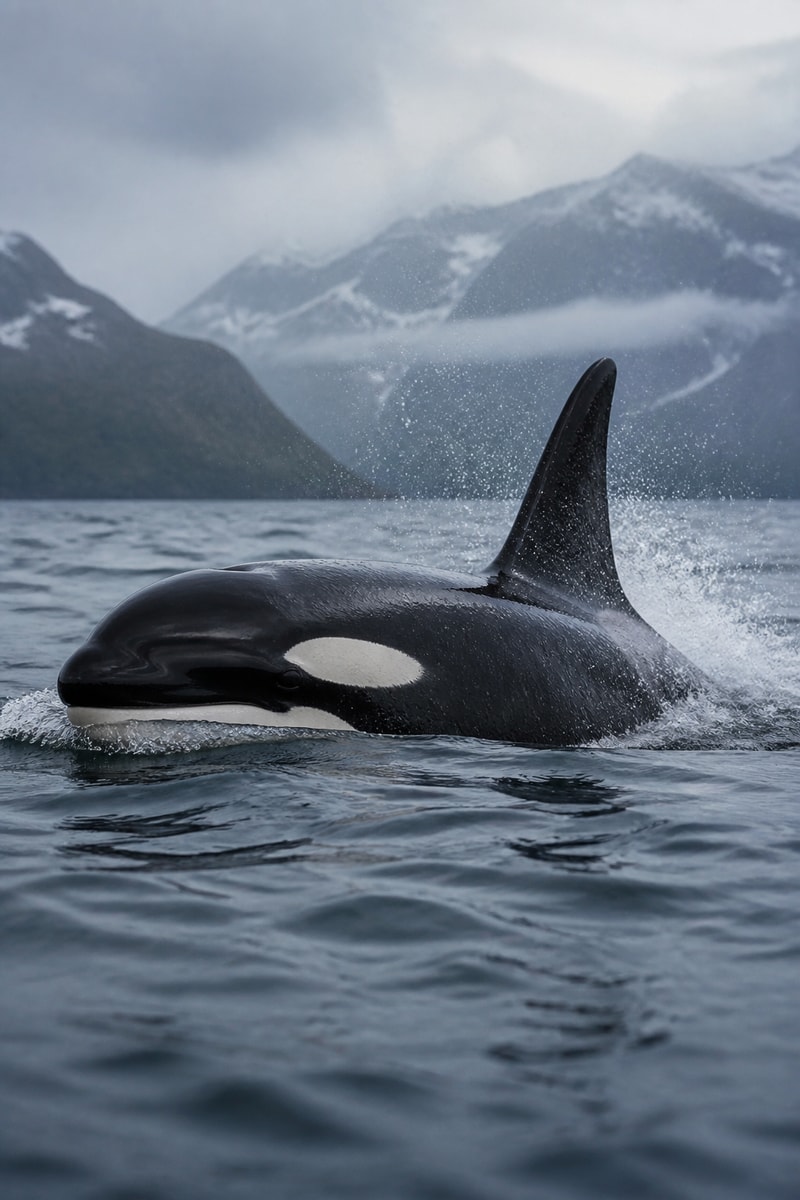
- Orcalegendary • Coastal Ocean
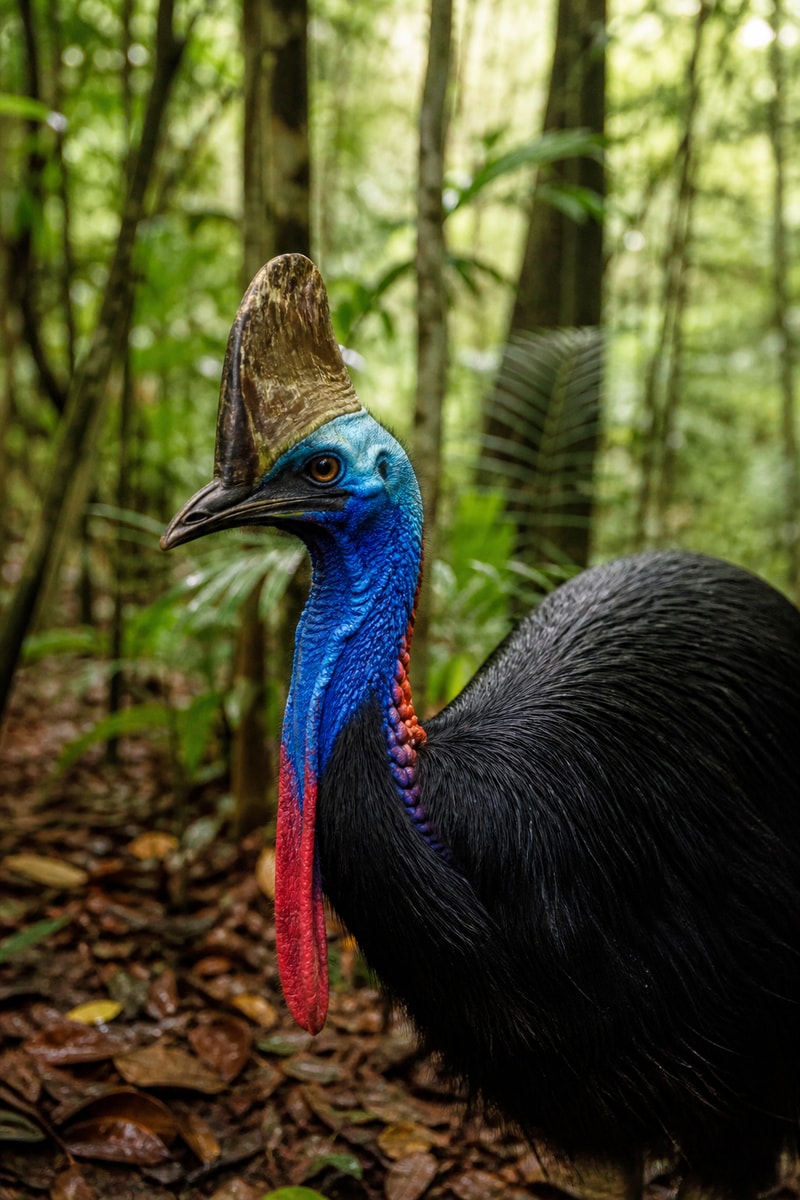
- Southern Cassowarylegendary • Rainforest
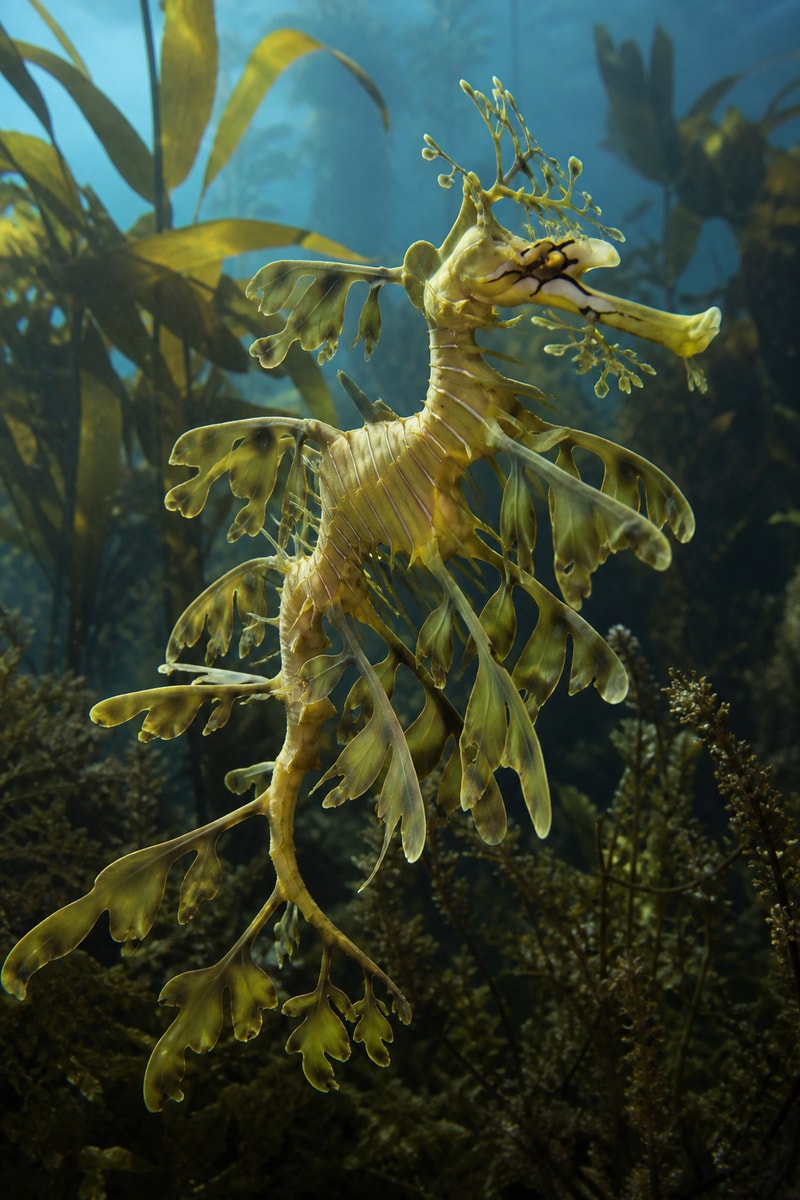
- Leafy Sea Dragonlegendary • Kelp & Seagrass
Free on iOS
Catch the Great White Shark
Spot one in the wild, then scan it in Catch'Um to log your legendary discovery.