
Field guide · rare
Koala
Australia's sleepy tree hugger, a marsupial that lives on toxic eucalyptus leaves and rarely comes down to the ground.
Endangered
Phascolarctos cinereus
Overview
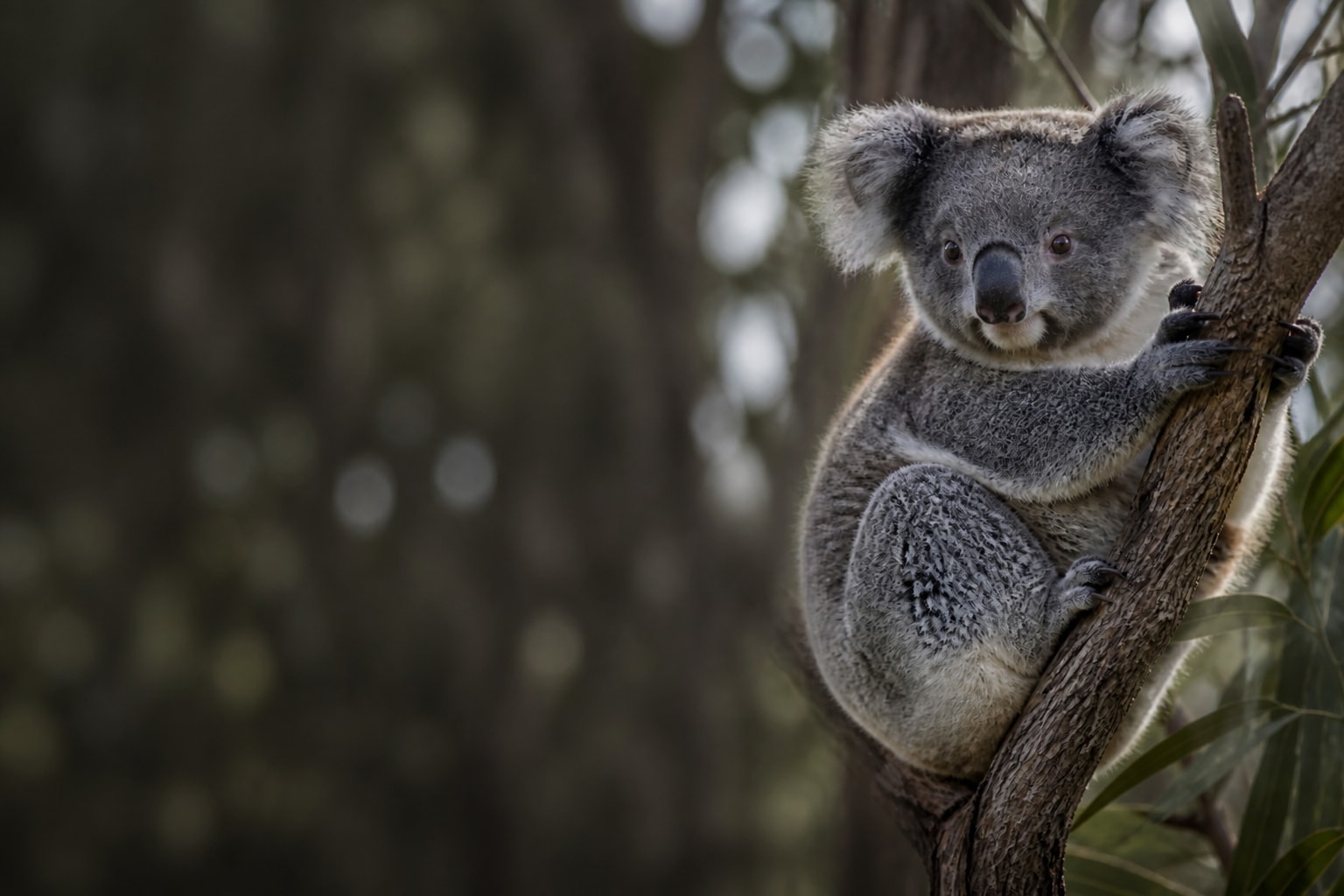
The koala is not a bear but a marsupial specialist of eucalyptus forest, sleeping up to 20 hours a day to conserve energy on a diet that is low in nutrition and high in toxins. Its fluffy ears, spoon-shaped nose, and gripping claws make it one of the world's most recognisable animals.
Koalas are mostly solitary, with males bellowing during breeding season from forked branches high in the canopy. Joeys are born tiny and crawl into the mother's pouch, emerging months later to cling to her back.
- Scientific namePhascolarctos cinereus
- Length60–85 cm
- Weight4–15 kg
- LifespanAround 10–15 years in the wild
- DietAlmost exclusively…
- ConservationEndangered
- RegionEucalyptus Forest
Habitat
- Eucalyptus forest
- Woodland
Eucalyptus woodland and forest along Australia's eastern and southern coasts hold koalas. They depend on specific tree species and are threatened by habitat clearing, bushfires, and chlamydia disease in many populations.
Countries found
Field notes
Field scale for the Koala: length around 60-85 cm; weight 4-15 kg. Typical lifespan: Around 10-15 years in the wild.
When you are scanning habitat, prioritise eucalyptus forest and woodland. Those settings are where a clean look and a usable photo are most likely.
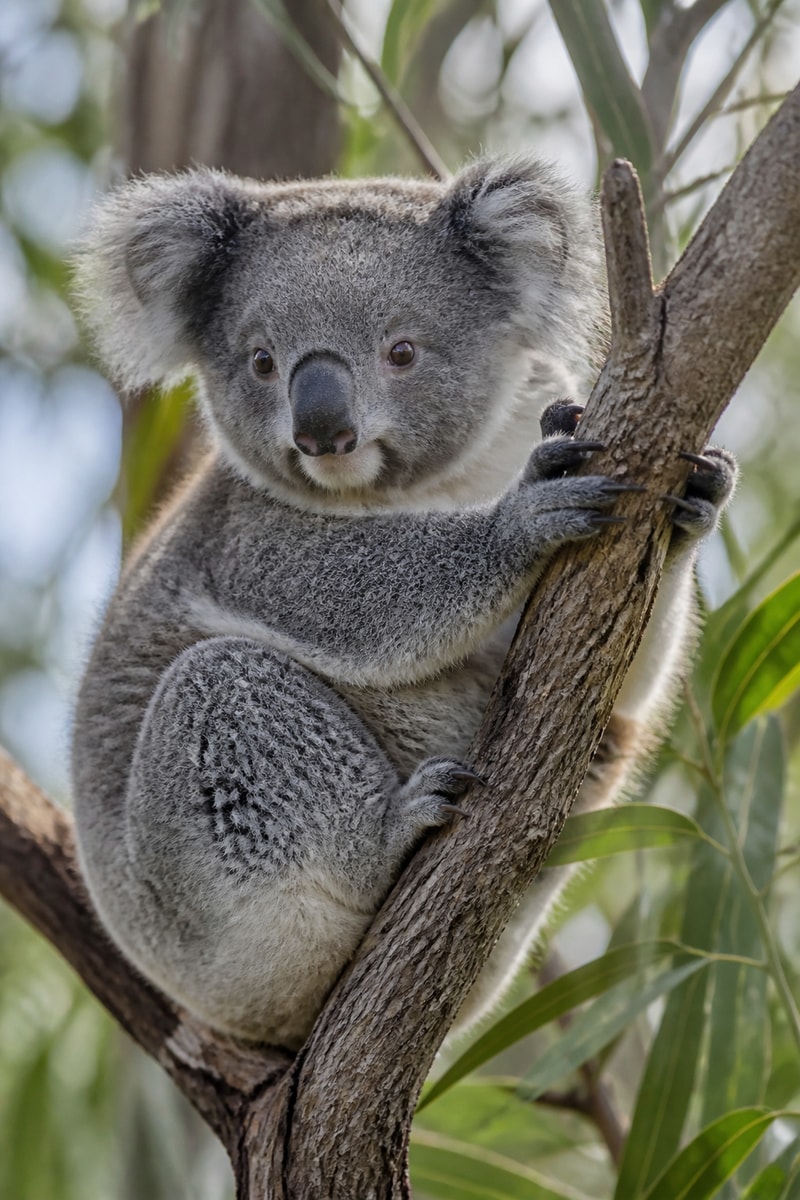
Quick ID anchor: Stocky grey marsupial with fluffy ears, a large spoon-shaped black nose, and no visible tail. Powerful claws and a firm grip keep it high in eucalyptus crowns. Confirm with behaviour and habitat before you log the discovery.
Where to see one
Australia
In Australia, strong options include Great Ocean Road and Kangaroo Island. Coastal eucalyptus forest and Kennett River's wild koalas, one of the most reliable places to spot them in the wild.
Open the Australia spotting guide for every park note tied to the koala.
Diet
Almost exclusively eucalyptus leaves, selecting a few preferred species. Low-energy toxic foliage means they digest slowly and sleep much of the day.
Behaviour
Mostly solitary and arboreal, resting in forked branches for up to 18–20 hours daily. Males bellow in breeding season; joeys ride the mother's back after leaving the pouch.
How to identify
Stocky grey marsupial with fluffy ears, a large spoon-shaped black nose, and no visible tail. Powerful claws and a firm grip keep it high in eucalyptus crowns.
Interesting facts
- 01
Koalas sleep up to 20 hours a day, eucalyptus leaves are low in energy.
- 02
Joeys eat a special form of mother's faeces to gain gut bacteria for digesting eucalyptus.
- 03
Each koala prefers certain eucalyptus species. They are picky eaters.
Conservation status
Koalas are Endangered in eastern Australia after bushfires, habitat loss, and disease devastated populations. Conservation groups are planting corridors and treating sick animals in wildlife hospitals.
Sources: IUCN Red List
Related discoveries
Keep exploring
Where it lives
Related discoveries
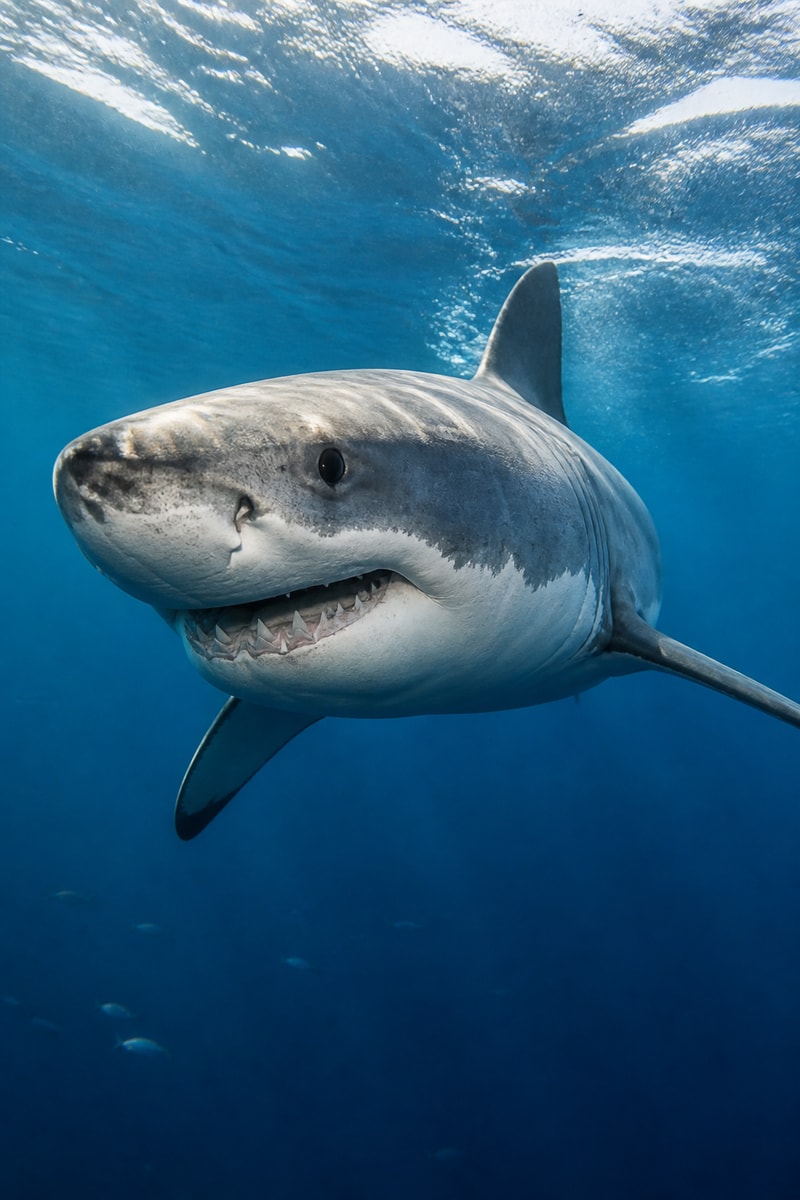
- Great White Sharklegendary • Coastal Ocean
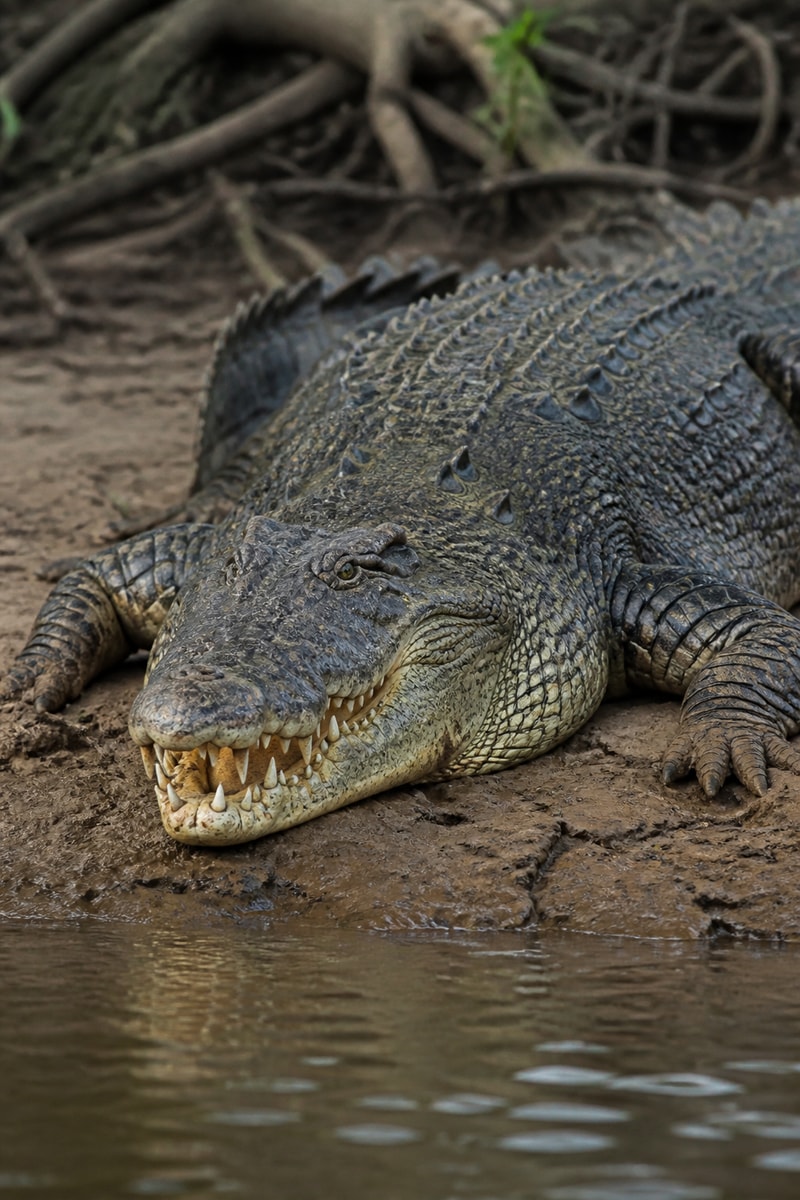
- Saltwater Crocodilelegendary • Estuaries & Coast
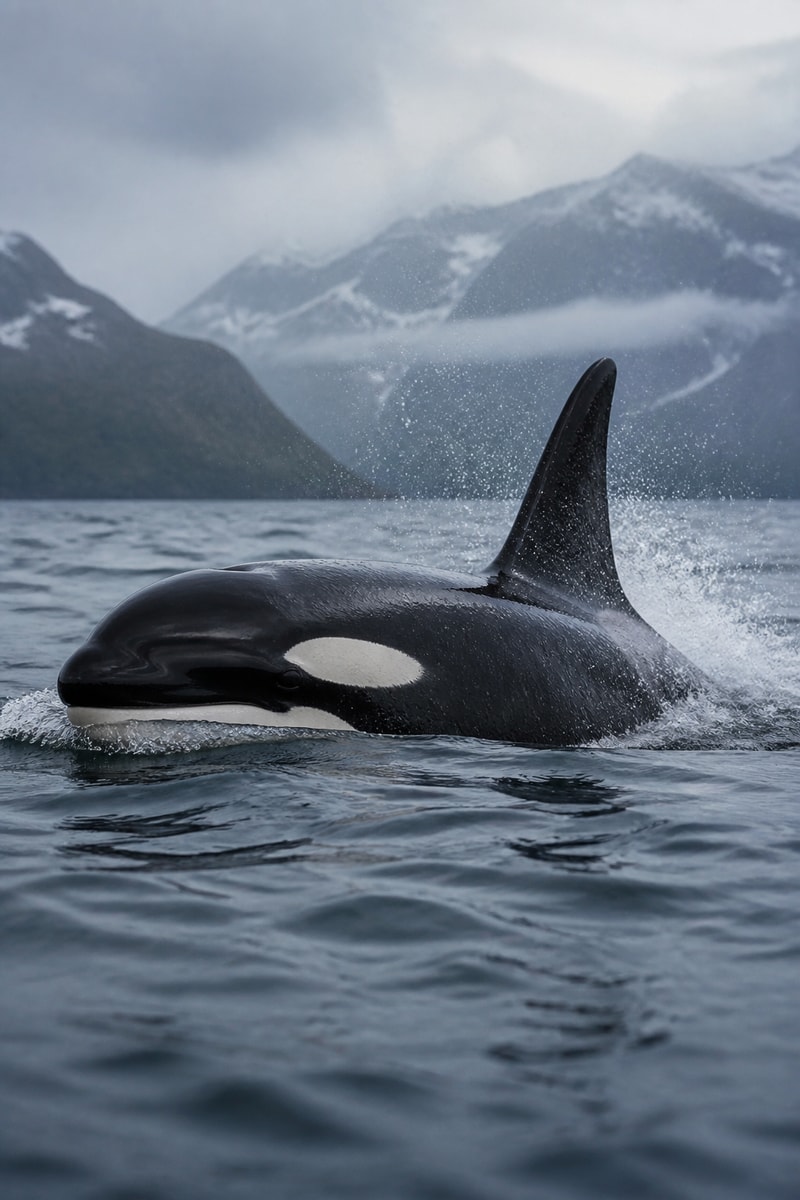
- Orcalegendary • Coastal Ocean
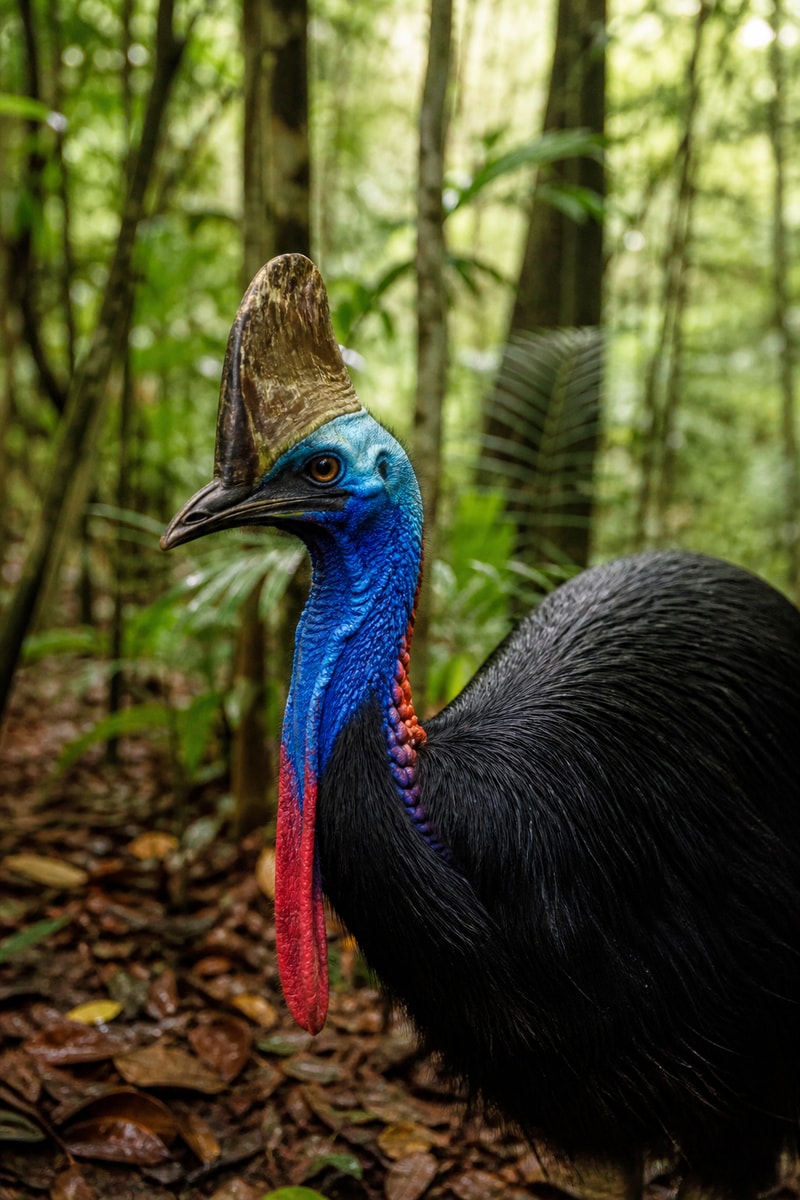
- Southern Cassowarylegendary • Rainforest
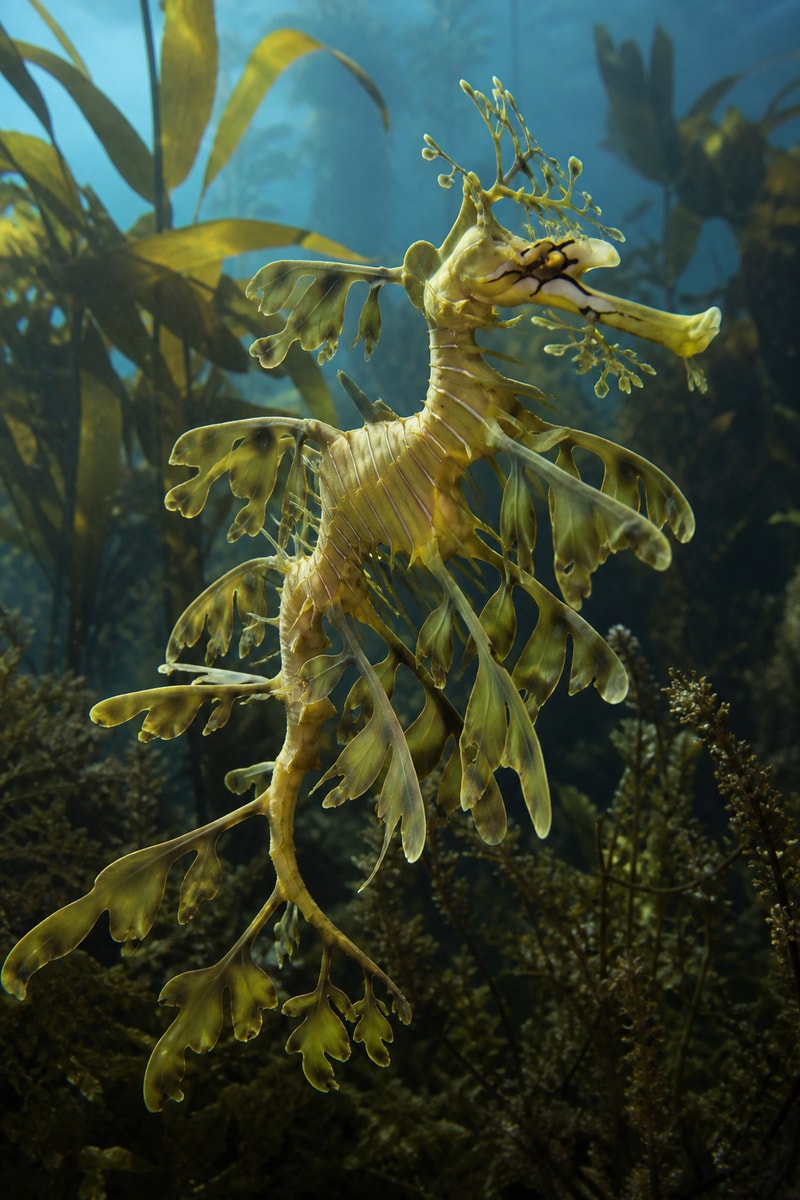
- Leafy Sea Dragonlegendary • Kelp & Seagrass
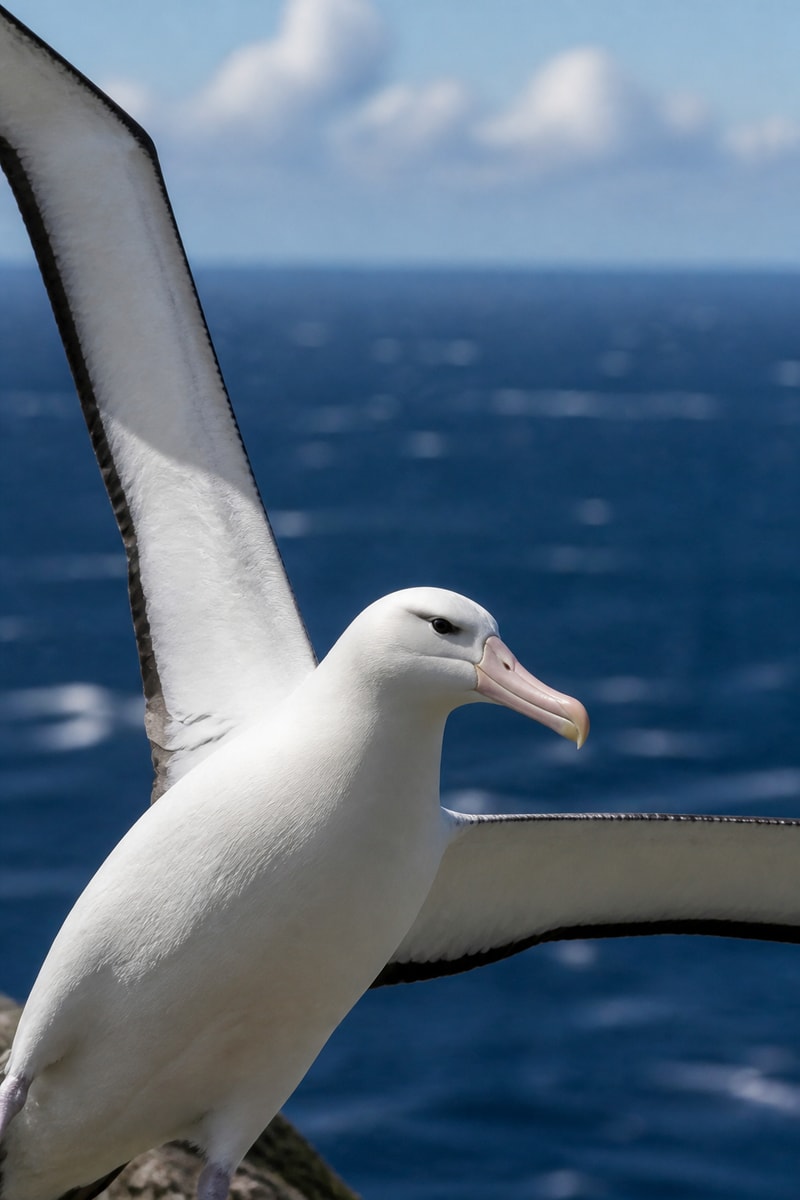
- Wandering Albatrosslegendary • Southern Ocean Skies
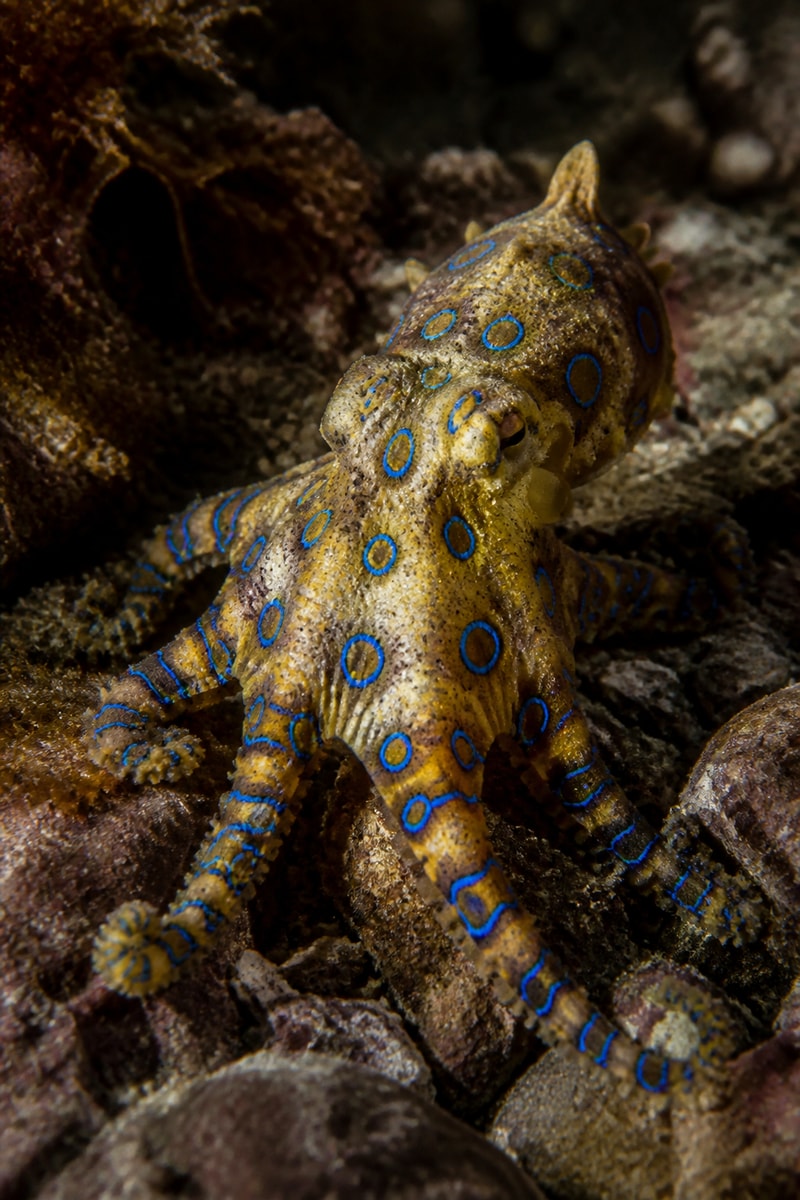
- Southern Blue-ringed Octopuslegendary • Southern Australian Reefs
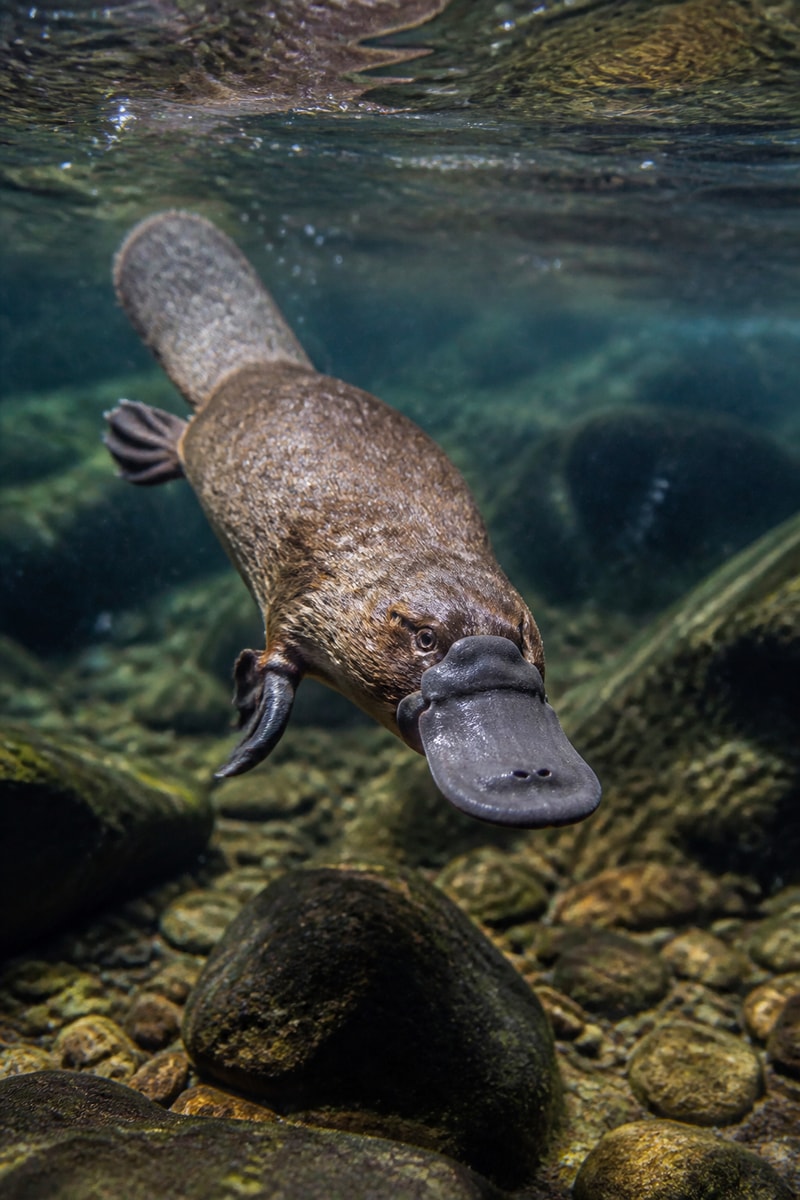
- Platypusrare • Rivers & Streams
Free on iOS
Catch the Koala
Spot one in the wild, then scan it in Catch'Um to log your rare discovery.