
Field guide · rare
Wolf
The voice of the wild north, a social hunter whose howl carries for kilometres and whose pack is a family, not a dictatorship.
Least Concern
Canis lupus
Overview
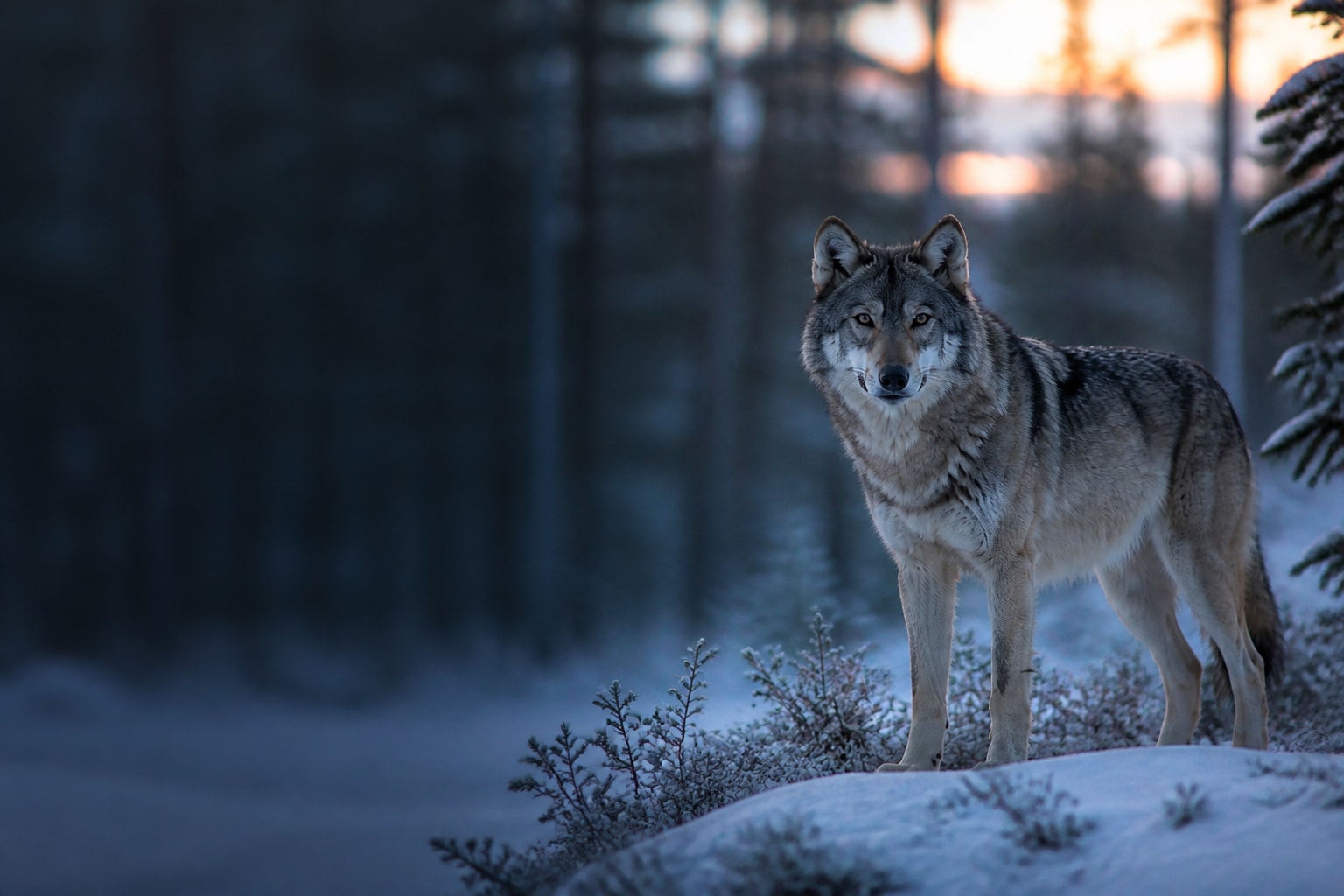
The grey wolf is one of the world's most storied predators: intelligent, cooperative, and capable of bringing down prey many times its size. Packs are typically family groups, a breeding pair and their offspring, working together to hunt deer, elk, and moose across forest and tundra.
Contrary to old myths, wolf packs are not ruled by violent alpha dominance. The 'alphas' are simply the parents, and most conflict is resolved without fights. Their howls coordinate hunts, define territory, and strengthen social bonds across miles of wilderness.
- Scientific nameCanis lupus
- Length1.0–1.6 m body; tail 30–50 cm
- Height60–90 cm at shoulder
- Weight20–80 kg
- LifespanAround 6–8 years in the wild; up to ~15 in captivity
- DietCooperative hunters of…
- ConservationLeast Concern
- RegionForest & Tundra
Habitat
- Boreal forest
- Tundra
- Mountain wilderness
Wolves once ranged across the Northern Hemisphere and have rebounded in parts of North America and Europe. They occupy boreal forest, tundra, and mountain wilderness in Canada, Alaska, and the northern US, needing large territories with adequate prey.
Countries found
Field notes
Field scale for the Wolf: length around 1.0-1.6 m body; tail 30-50 cm; height 60-90 cm at shoulder; weight 20-80 kg. Typical lifespan: Around 6-8 years in the wild; up to ~15 in captivity.
When you are scanning habitat, prioritise boreal forest, tundra, and mountain wilderness. Those settings are where a clean look and a usable photo are most likely.
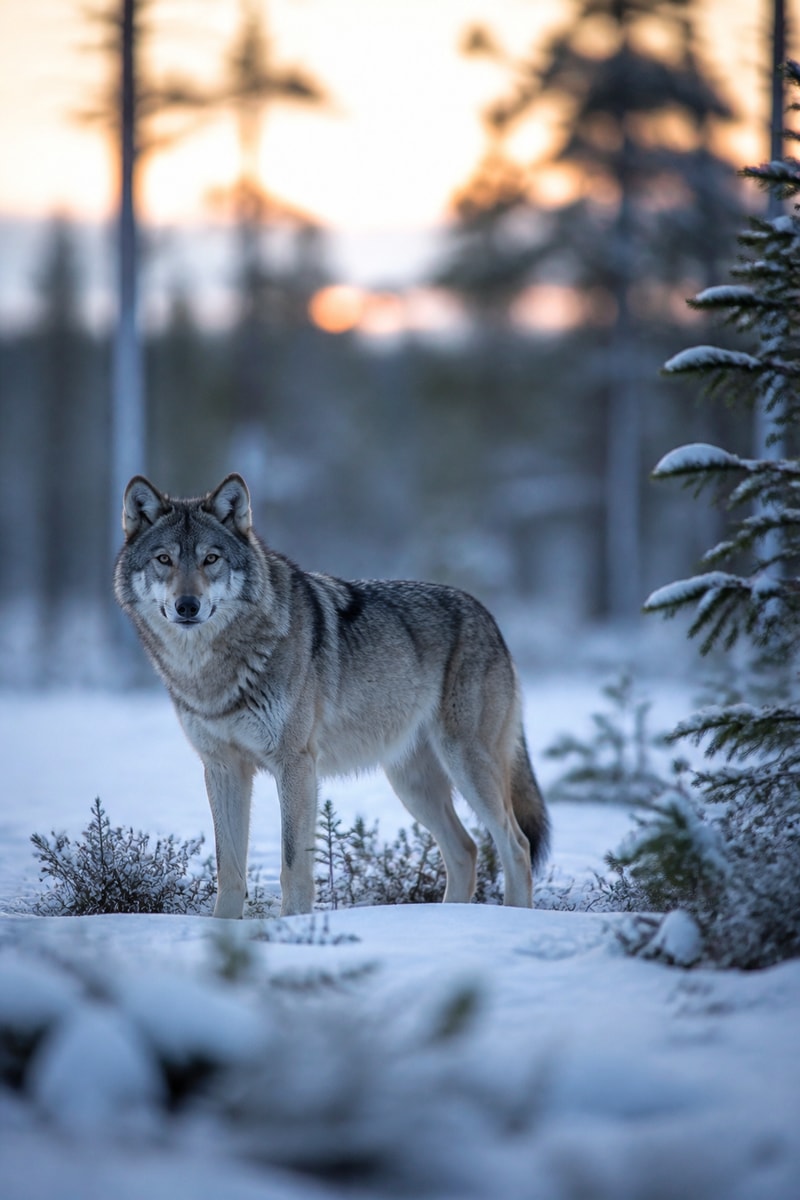
Quick ID anchor: Large wild canid with a bushy tail, often held down, and a broad muzzle. Coat is typically grey mixed with black, white, or brown; ears are relatively short and rounded compared with coyotes. Confirm with behaviour and habitat before you log the discovery.
Where to see one
Canada
In Canada, strong options include Banff & Jasper National Parks and Algonquin Provincial Park. Rocky Mountain wilderness, with elk, bighorn sheep, grizzly bears, and turquoise lakes beneath glacier peaks.
Open the Canada spotting guide for every park note tied to the wolf.
Diet
Cooperative hunters of ungulates such as deer, elk, moose, and caribou, also taking smaller mammals and scavenging. Pack kills are shared, with pups fed first when food is scarce.
Behaviour
Live in family packs led by a breeding pair. Howl to assemble, advertise territory, and bond; territories can span tens to hundreds of square kilometres.
How to identify
Large wild canid with a bushy tail, often held down, and a broad muzzle. Coat is typically grey mixed with black, white, or brown; ears are relatively short and rounded compared with coyotes.
Interesting facts
- 01
Wolf packs are family groups led by a breeding pair, not alpha dominance fights.
- 02
A wolf's howl can be heard up to 10 kilometres away in open terrain.
- 03
Wolves were reintroduced to Yellowstone in 1995, transforming the ecosystem.
Conservation status
Grey wolves are Least Concern globally but remain politically contentious in the US, where hunting and delisting debates continue. Canadian and Alaskan populations are strong.
Sources: IUCN Red List
Keep exploring
Where it lives
Related discoveries
- Bald Eaglelegendary • Lakes & Coasts
- Grizzly Bearlegendary • Mountains & Rivers
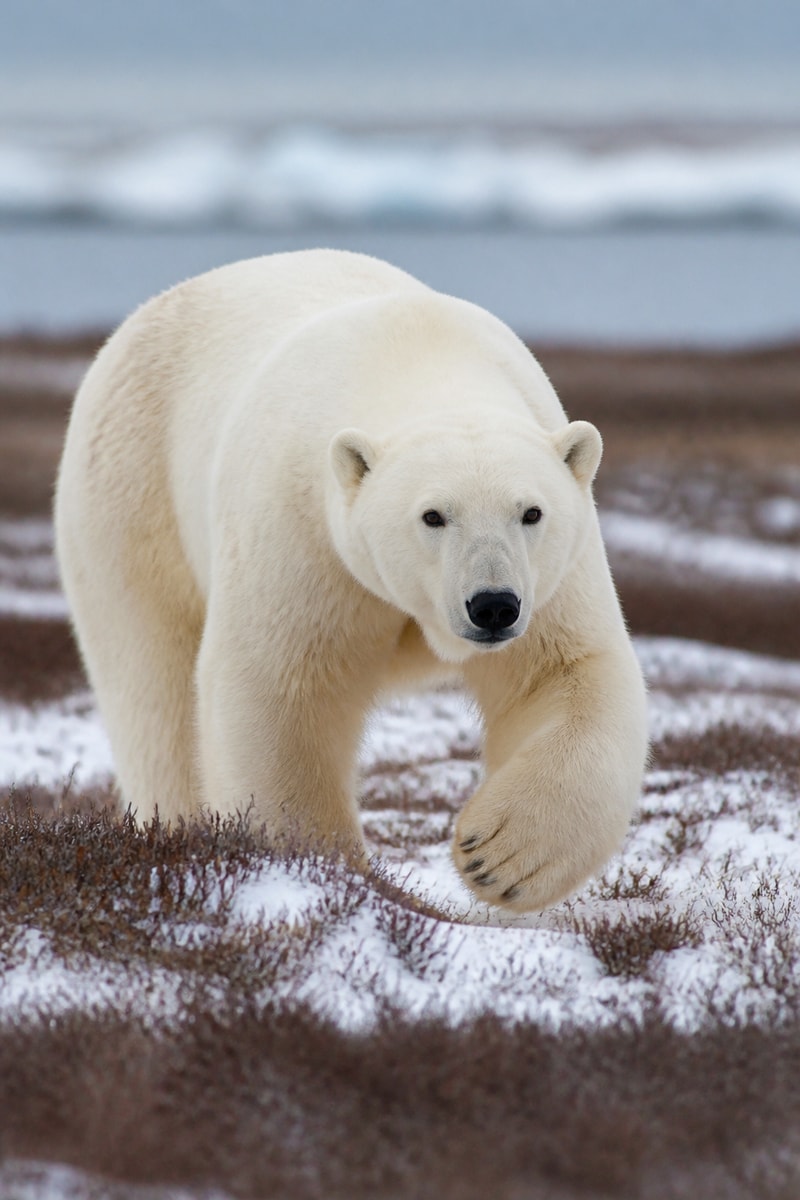
- Polar Bearlegendary • Arctic Ice
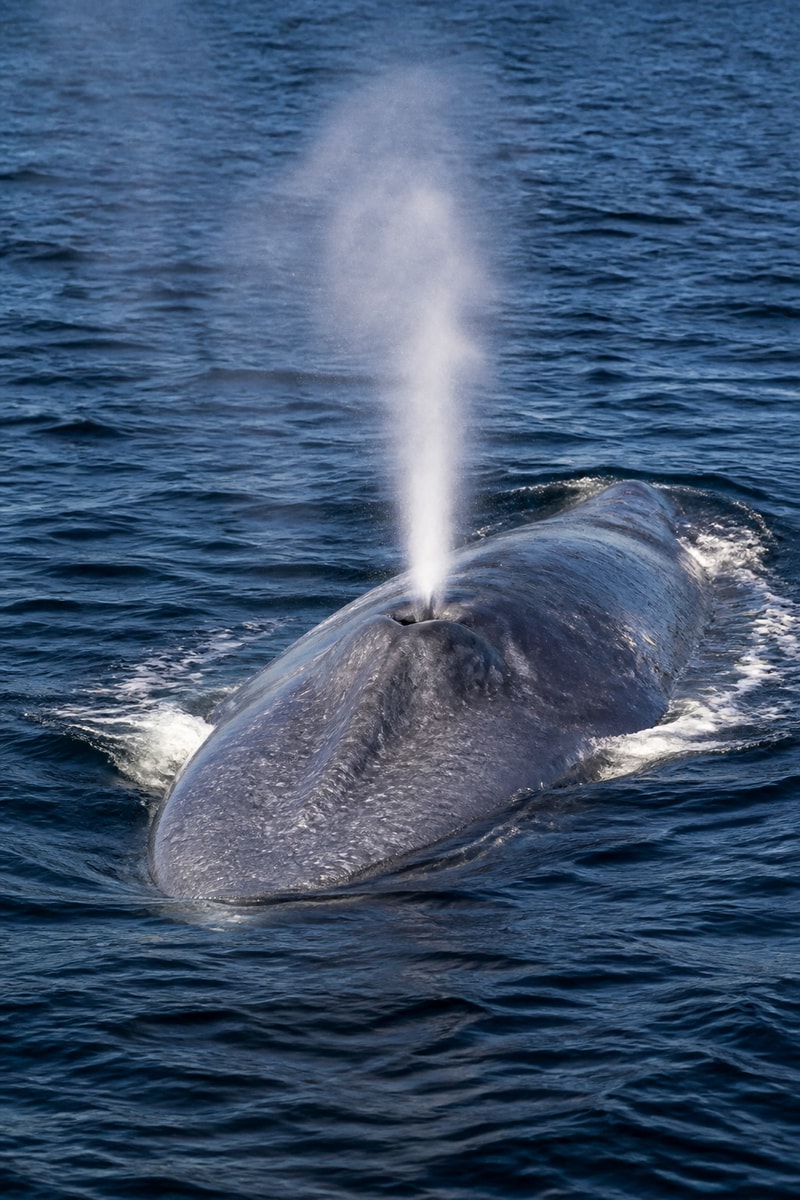
- Blue Whalelegendary • Open Ocean
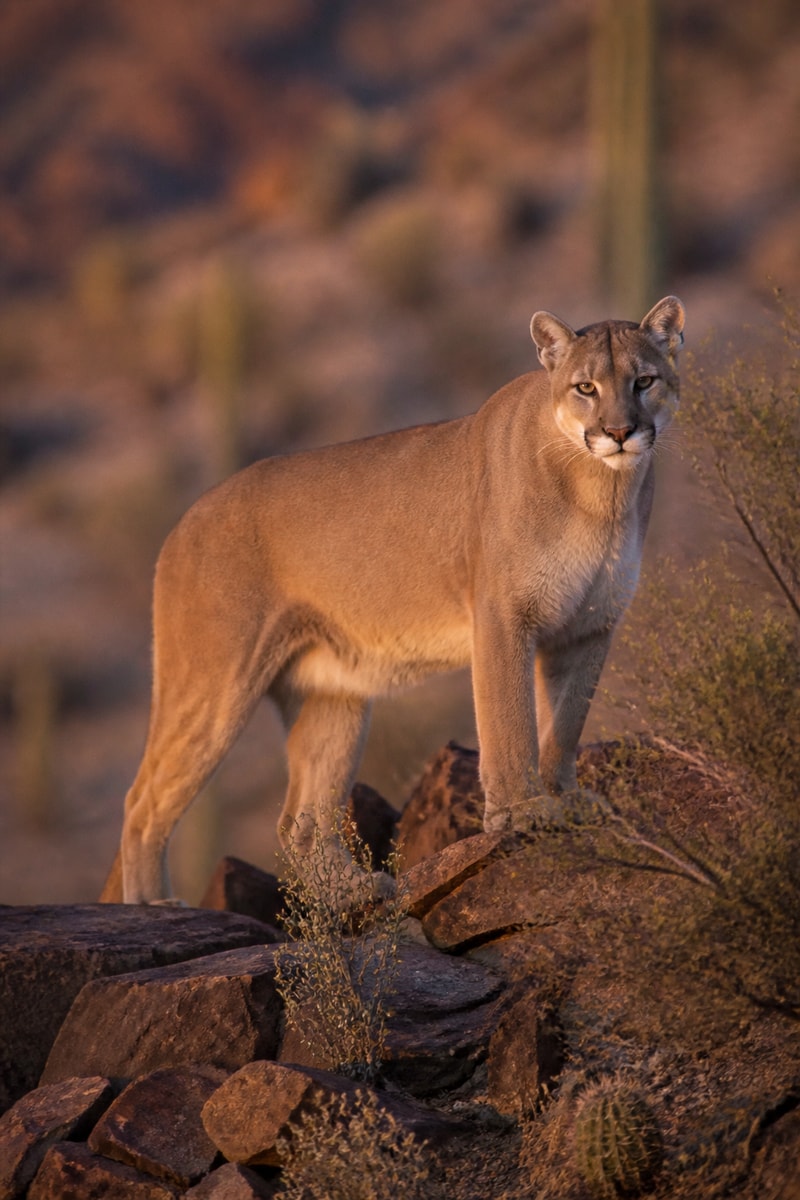
- Mountain Lionlegendary • Mountains & Desert
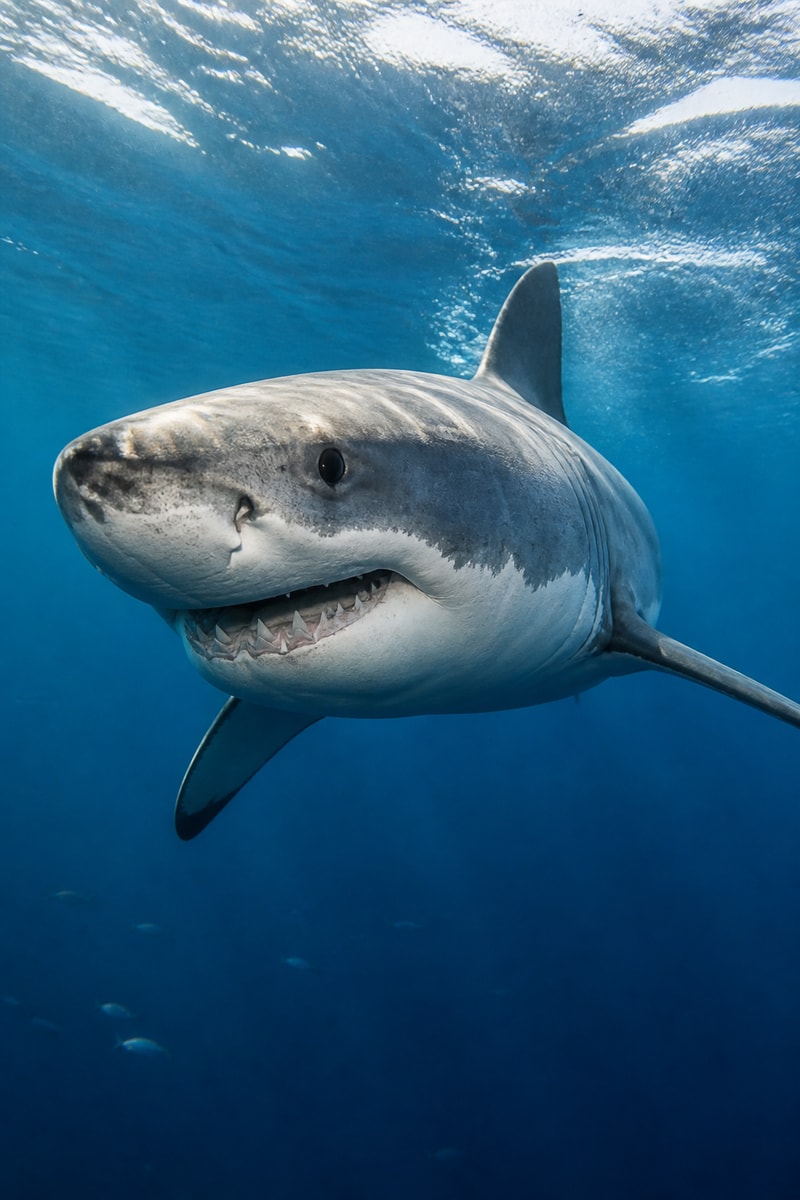
- Great White Sharklegendary • Coastal Ocean
- Orcalegendary • Coastal Ocean
- California Condorlegendary • Canyons & Cliffs
Free on iOS
Catch the Wolf
Spot one in the wild, then scan it in Catch'Um to log your rare discovery.