
Field guide · rare
Wild Turkey
America's largest game bird, a bronze-feathered forest giant that roosts in trees and explodes into flight when startled.
Least Concern
Meleagris gallopavo
Overview
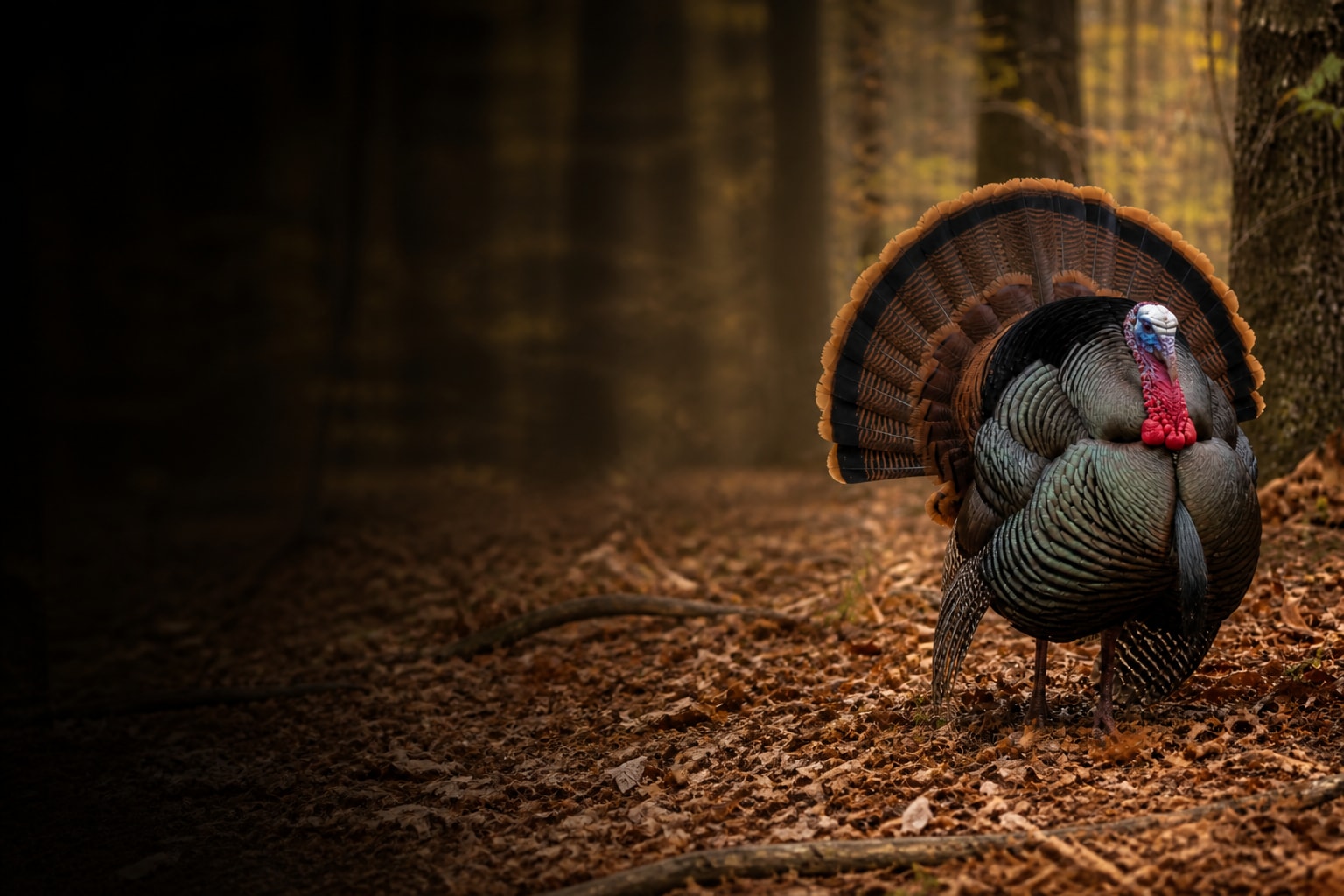
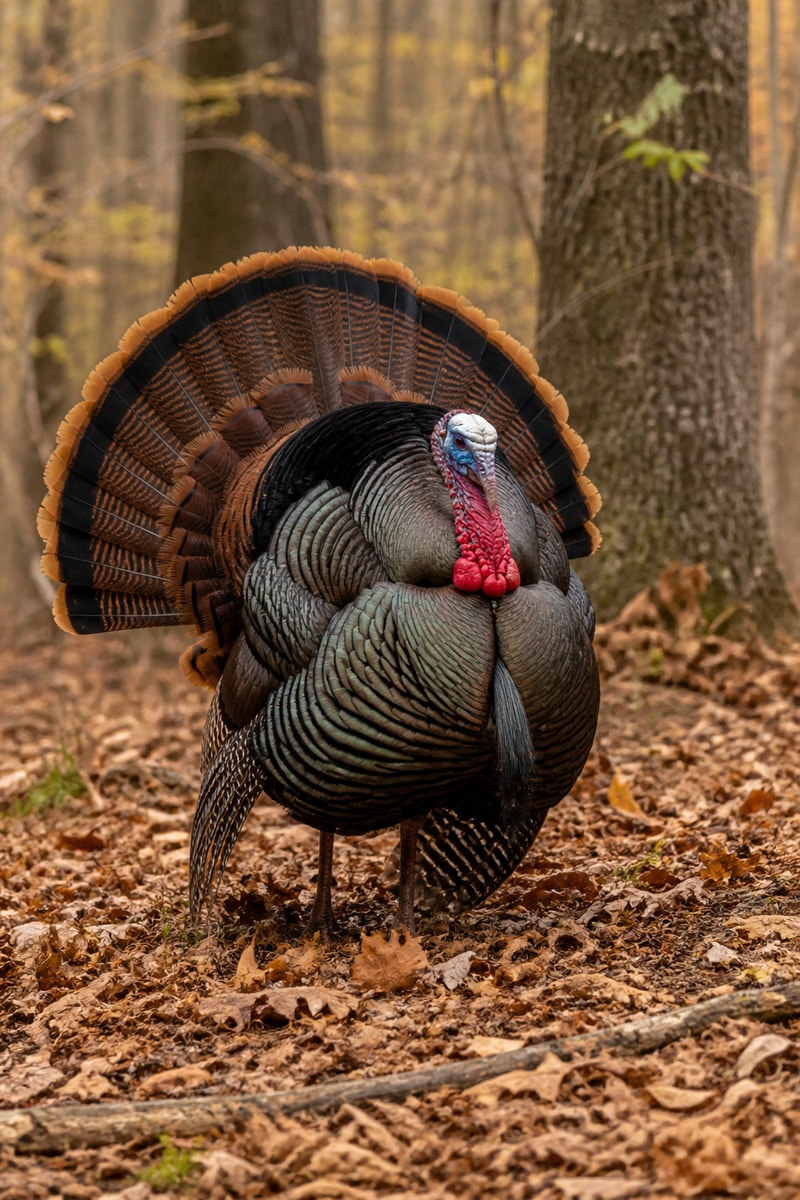
The wild turkey is a native North American bird far removed from its domesticated cousins at the Thanksgiving table. Males display fan-shaped tails, wattled heads that flush red and blue, and a deep gobble that carries through hardwood forest at dawn.
Despite their bulk, wild turkeys roost high in trees each night and can burst into flight at speeds approaching 90 km/h over short distances. Flocks scratch through leaf litter for acorns, seeds, and insects, moving quietly until a sharp alarm puts every bird airborne at once.
- Scientific nameMeleagris gallopavo
- Length76–125 cm
- WeightFemales ~3–5 kg; males ~5–11 kg
- Lifespan3–5 years in the wild
- DietAcorns
- ConservationLeast Concern
- RegionForest & Farmland
Habitat
- Open woodland
- Forest edge
- Farmland
- Oak savanna
Mixed hardwood forest beside open fields and farmland suits wild turkeys best. They need trees for roosting and clearings for feeding and display. Populations have rebounded across the eastern and central US after decades of reintroduction.
Countries found
Field notes
Field scale for the Wild Turkey: length around 76-125 cm; weight Females ~3-5 kg; males ~5-11 kg. Typical lifespan: 3-5 years in the wild.
When you are scanning habitat, prioritise open woodland, forest edge, farmland, and oak savanna. Those settings are where a clean look and a usable photo are most likely.
Quick ID anchor: Large dark gamebird with iridescent bronze-brown plumage and a bare bluish-red head. Males are bigger, often with a chest beard and spurs; the fanned tail display is unmistakable. Confirm with behaviour and habitat before you log the discovery.
Diet
Acorns, nuts, seeds, berries, and green shoots, plus insects and other invertebrates—especially important for growing poults. Scratches leaf litter noisily while foraging.
Behaviour
Daytime ground flocks that fly up into trees to roost at night. In spring, males gobble and strut with fanned tails to attract hens.
How to identify
Large dark gamebird with iridescent bronze-brown plumage and a bare bluish-red head. Males are bigger, often with a chest beard and spurs; the fanned tail display is unmistakable.
Interesting facts
- 01
Wild turkeys can fly at 90 km/h for short bursts, despite their size.
- 02
Benjamin Franklin famously admired the turkey over the bald eagle as a national symbol.
- 03
Each male's gobble is unique enough that hens can recognise individual callers.
Conservation status
Wild turkeys are Least Concern after one of conservation's great success stories, reintroduction programmes restored them to nearly their entire historic US range.
Sources: IUCN Red List
Related discoveries
Keep exploring
Related discoveries
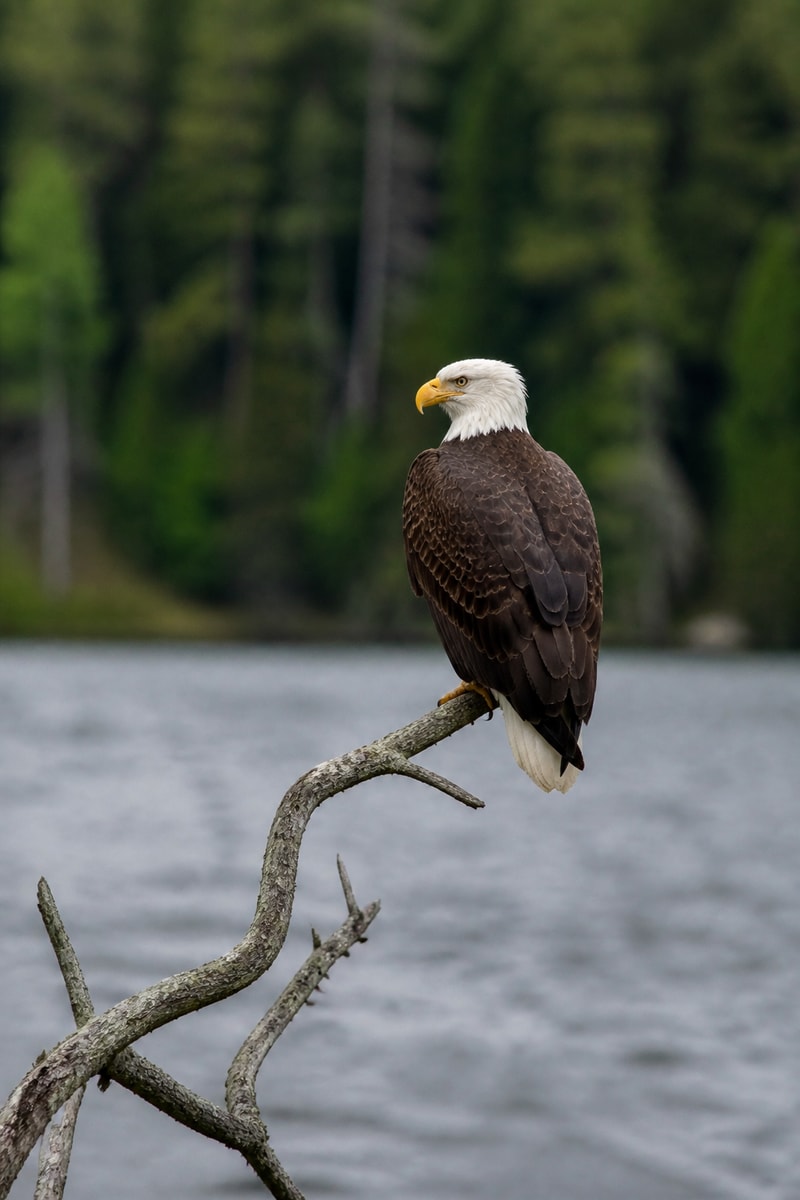
- Bald Eaglelegendary • Lakes & Coasts
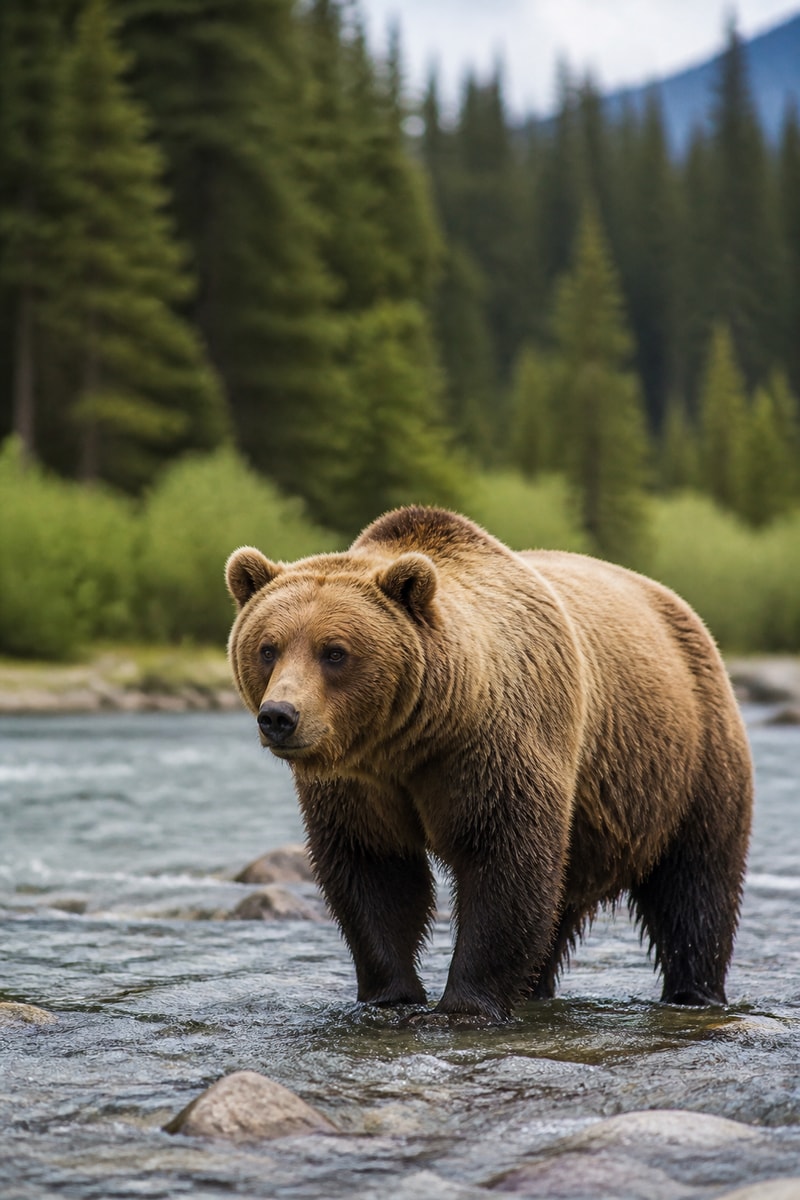
- Grizzly Bearlegendary • Mountains & Rivers
- Blue Whalelegendary • Open Ocean
- Mountain Lionlegendary • Mountains & Desert
- Great White Sharklegendary • Coastal Ocean
- Orcalegendary • Coastal Ocean
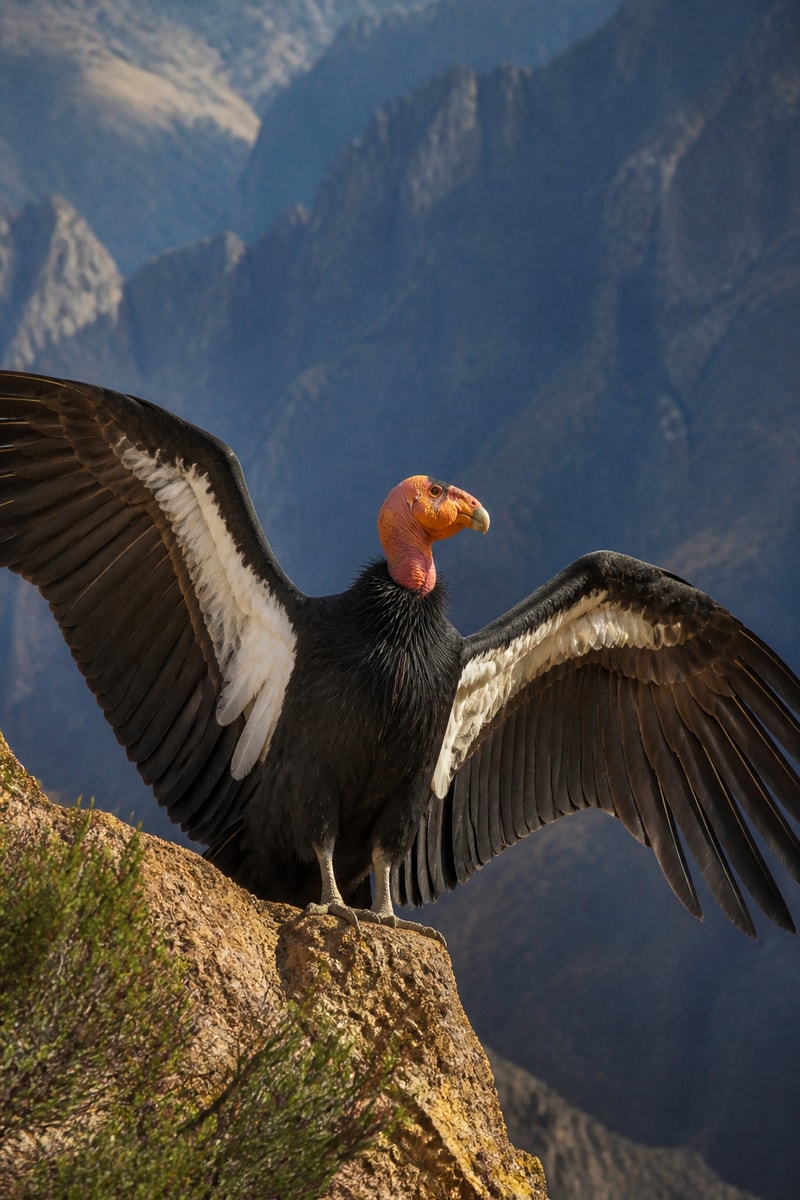
- California Condorlegendary • Canyons & Cliffs
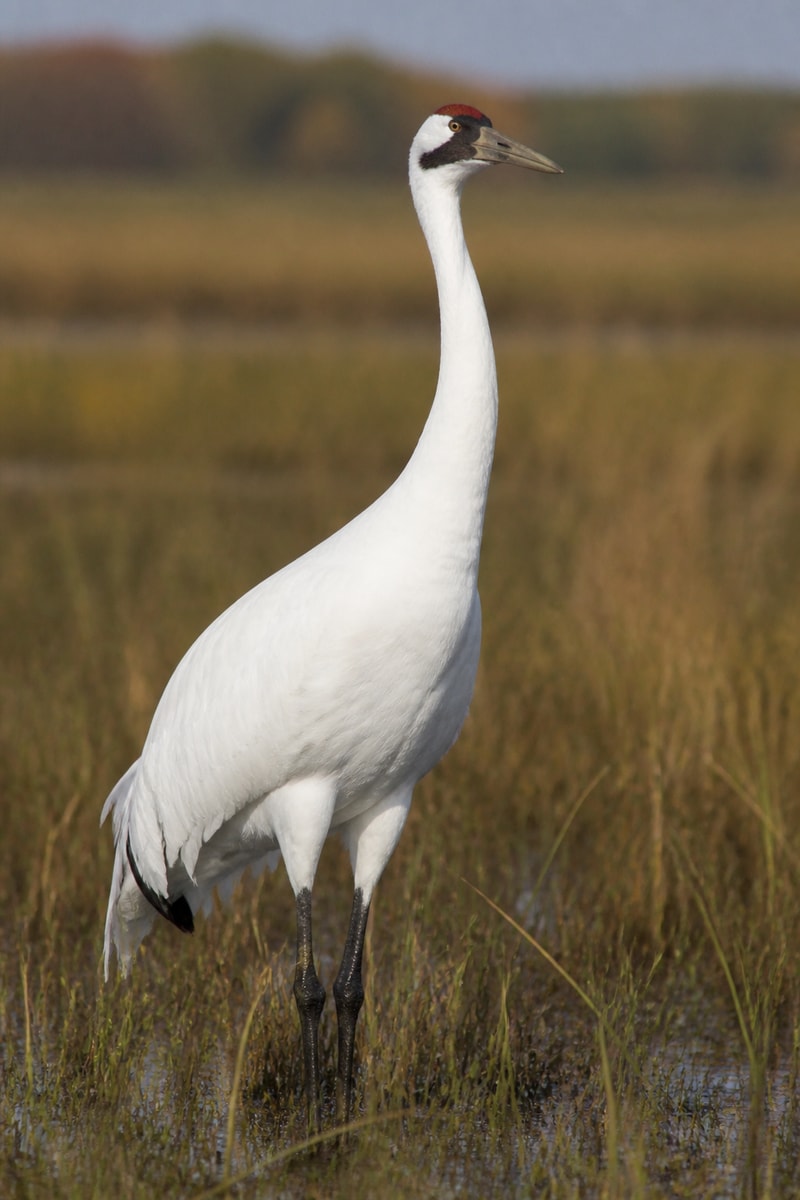
- Whooping Cranelegendary • North American Wetlands
Free on iOS
Catch the Wild Turkey
Spot one in the wild, then scan it in Catch'Um to log your rare discovery.