
Field guide · rare
Western Diamondback Rattlesnake
Diamond back, black-and-white tail rings — the Southwest’s most famous rattlesnake.
Least Concern
Crotalus atrox
Overview
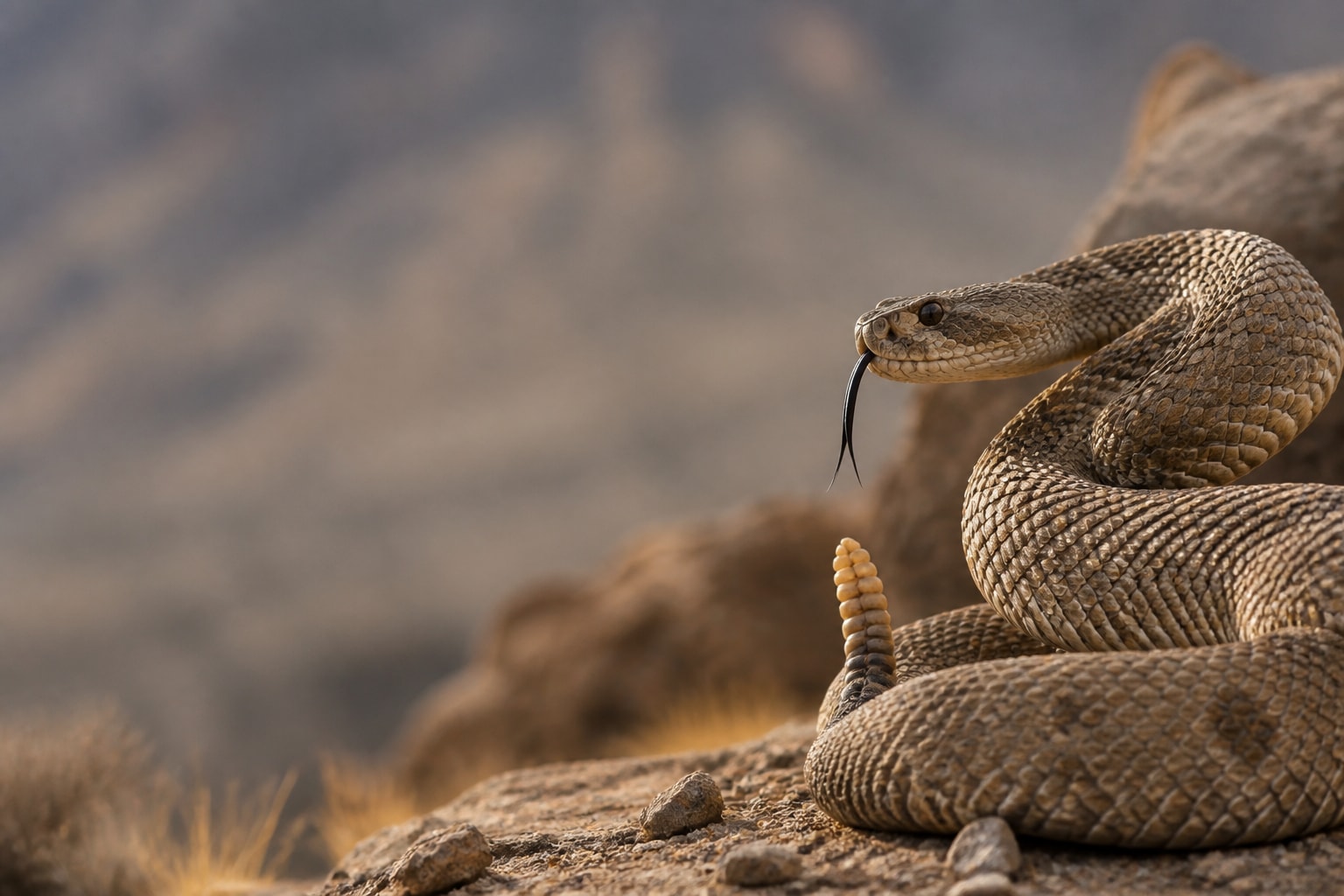
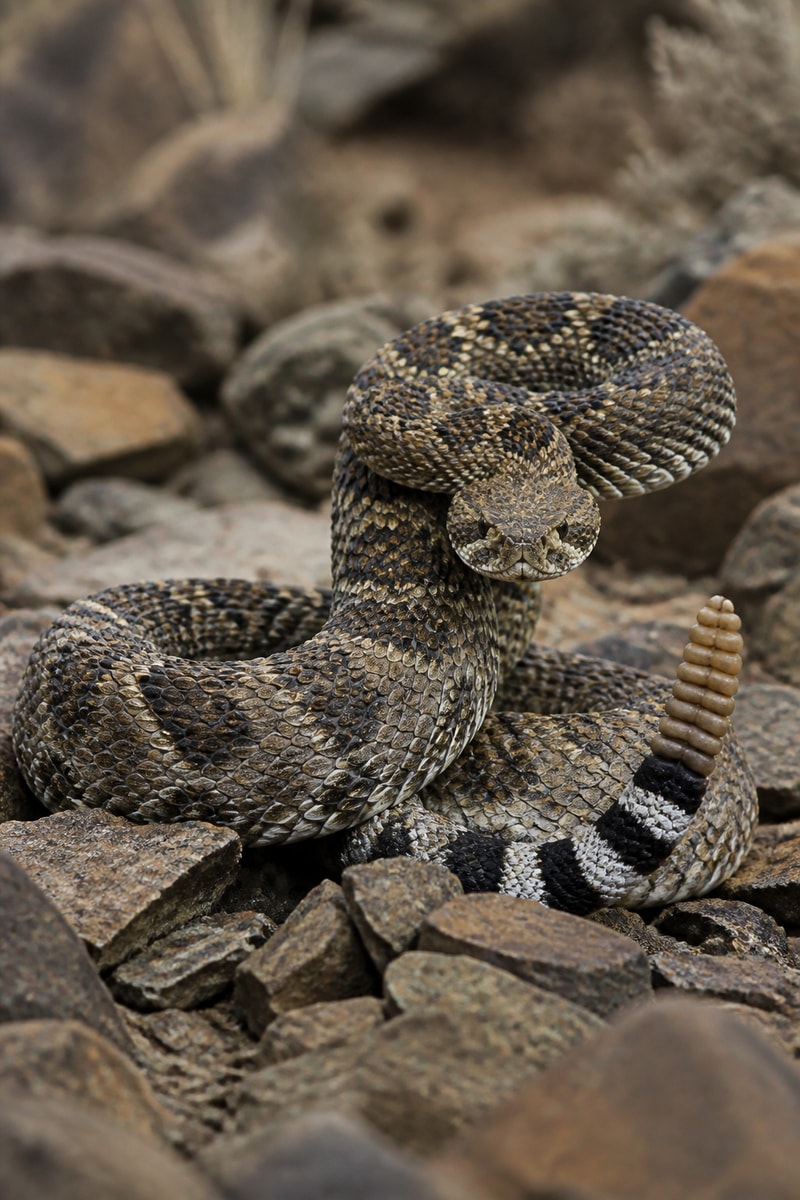
Western diamondback rattlesnakes are large pit vipers of deserts and scrub, wearing dark diamonds along the back and bold black-and-white tail bands before the rattle. Heat-sensing pits and a warning buzz define encounters across the Southwest.
For United States and Mexico collectors, this rattlesnake is a rare desert power card — iconic pattern, serious venom, and classic arid-land presence.
- Scientific nameCrotalus atrox
- LengthTypically 0.9–1.5 m; large individuals longer
- WeightOften 1–3 kg
- LifespanAround 15–20 years in the wild
- DietPrimarily rodents and…
- ConservationLeast Concern
- RegionNorth American Desert
Habitat
- Desert scrub
- Rocky canyon
- Arid grassland
Deserts, rocky canyons, grassland, and scrub of the southwestern United States and northern Mexico, sheltering in burrows and rock crevices.
Field notes
Field scale for the Western Diamondback Rattlesnake: length around Typically 0.9-1.5 m; large individuals longer; weight Often 1-3 kg. Typical lifespan: Around 15-20 years in the wild.
When you are scanning habitat, prioritise desert scrub, rocky canyon, and arid grassland. Those settings are where a clean look and a usable photo are most likely.
Quick ID anchor: Large rattlesnake with brown diamonds on a dusty background and black-white tail bands. Confirm with behaviour and habitat before you log the discovery.
Diet
Primarily rodents and rabbits, plus birds and lizards when available.
Ambush hunters that strike and track envenomed prey.
Behaviour
Mostly nocturnal or crepuscular in hot seasons; bask when cooler.
Coil and rattle when threatened; prefer escape over confrontation.
How to identify
Large rattlesnake with brown diamonds on a dusty background and black-white tail bands.
Broad triangular head and rattle distinguish it from non-venomous lookalikes.
Interesting facts
- 01
Tail shows bold black and white rings before the rattle.
- 02
Dorsal diamonds are edged in lighter scales.
- 03
Heat-sensing pits detect warm prey in darkness.
- 04
Venom immobilises rodents and other small mammals.
- 05
Give live birth rather than laying eggs.
- 06
Rattle segments add with each shed skin.
Conservation status
Western diamondbacks are Least Concern. They remain widespread, though persecution and habitat conversion reduce local numbers near expanding towns.
Sources: IUCN Red List



Keep exploring
Where it lives
Related discoveries
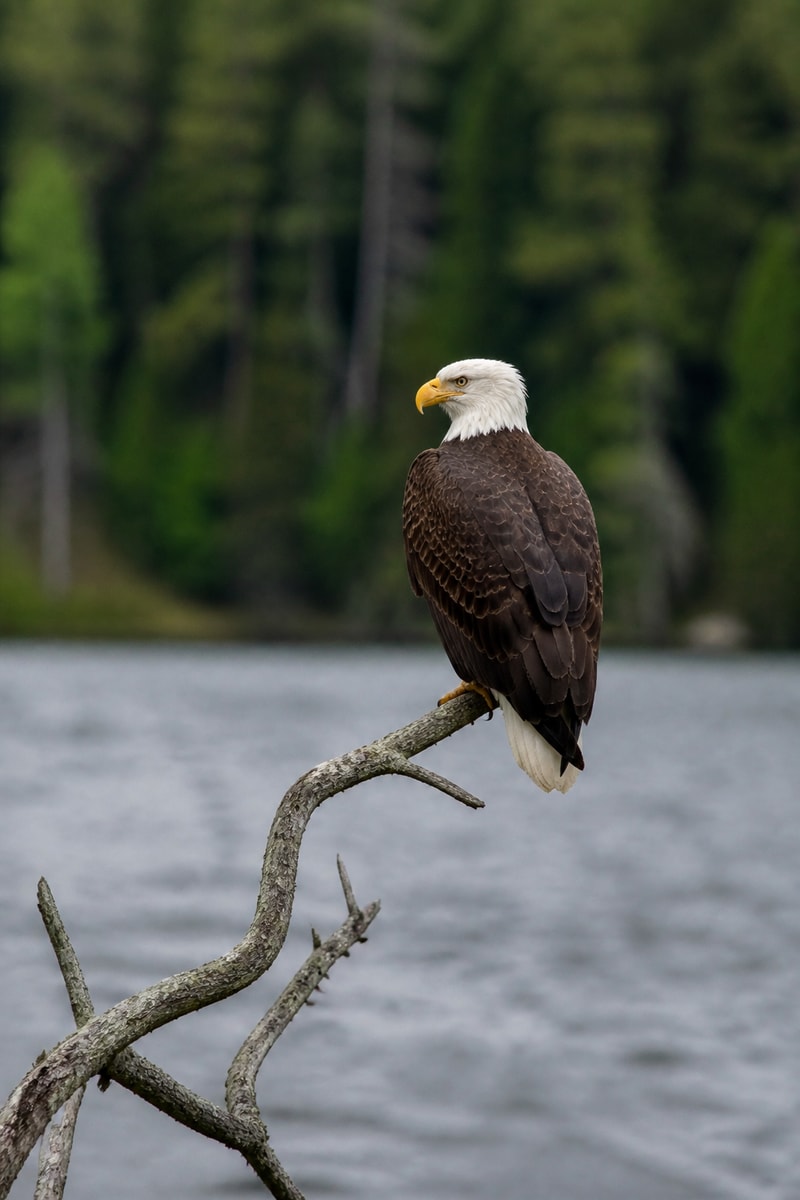
- Bald Eaglelegendary • Lakes & Coasts
- Grizzly Bearlegendary • Mountains & Rivers
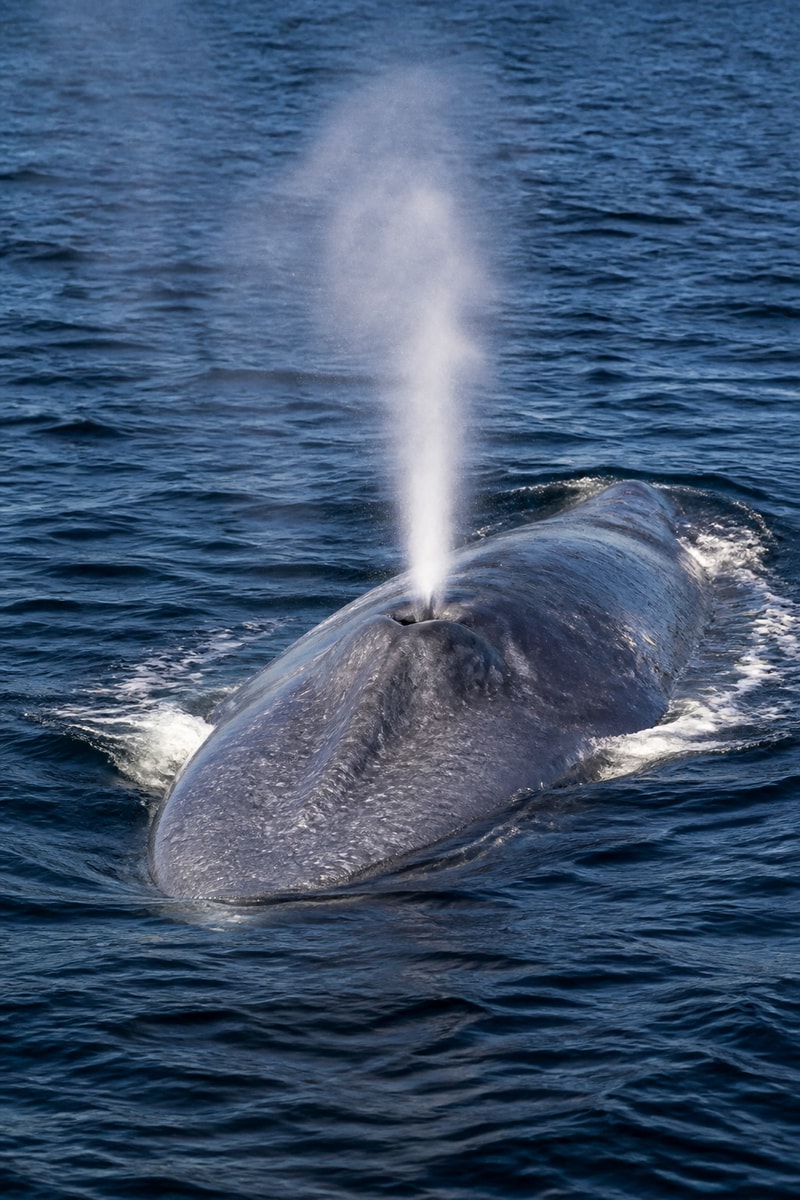
- Blue Whalelegendary • Open Ocean
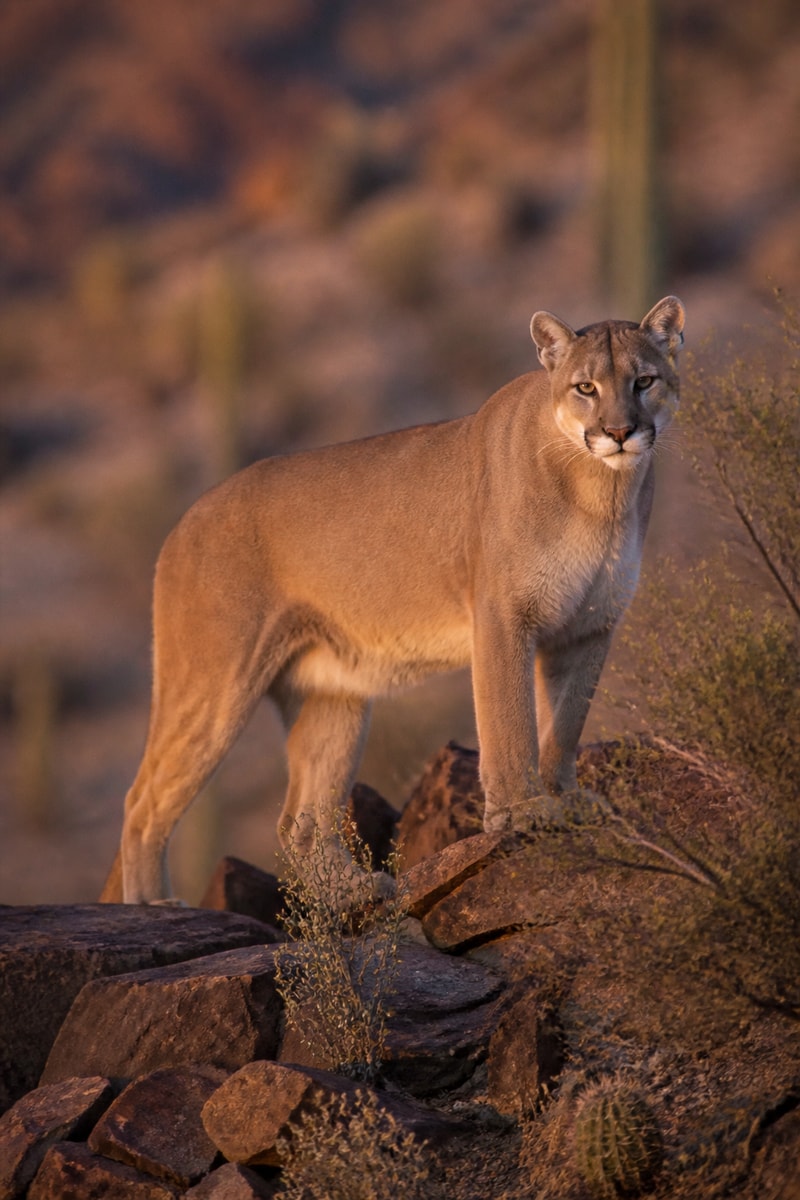
- Mountain Lionlegendary • Mountains & Desert
- Great White Sharklegendary • Coastal Ocean
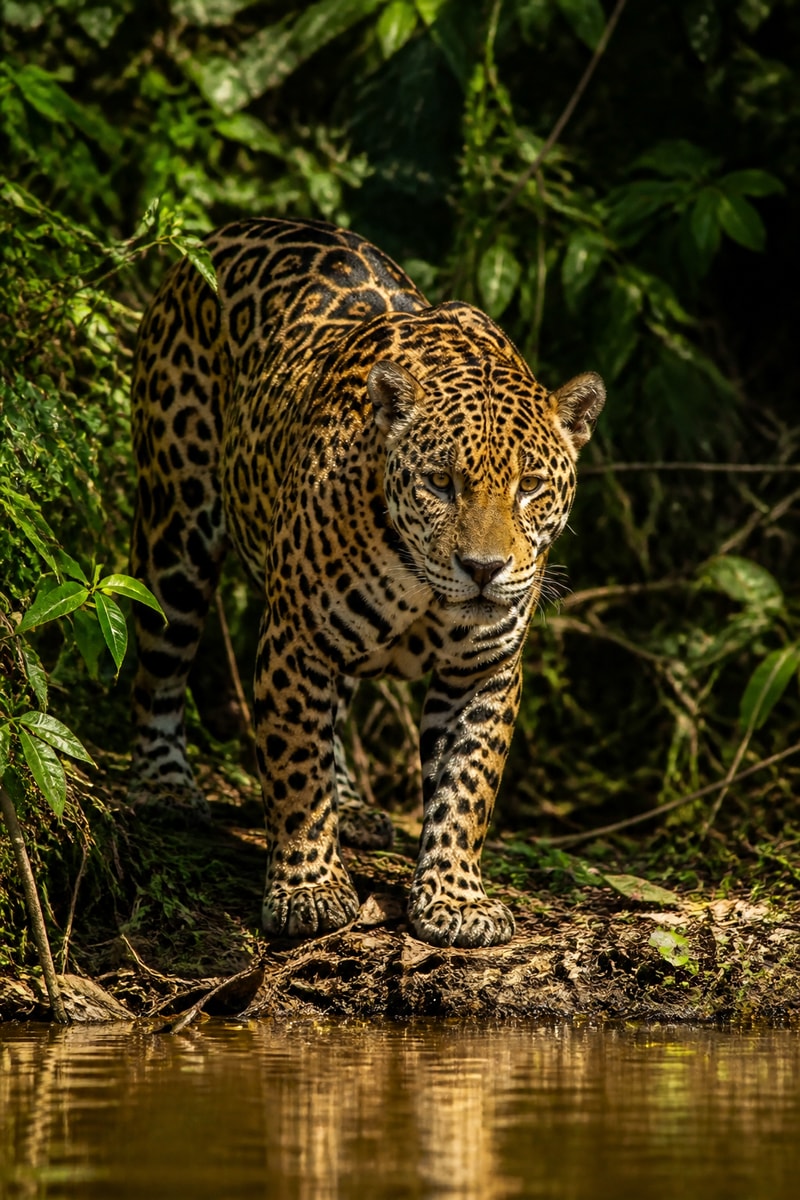
- Jaguarlegendary • Rainforest & Wetland
- Orcalegendary • Coastal Ocean
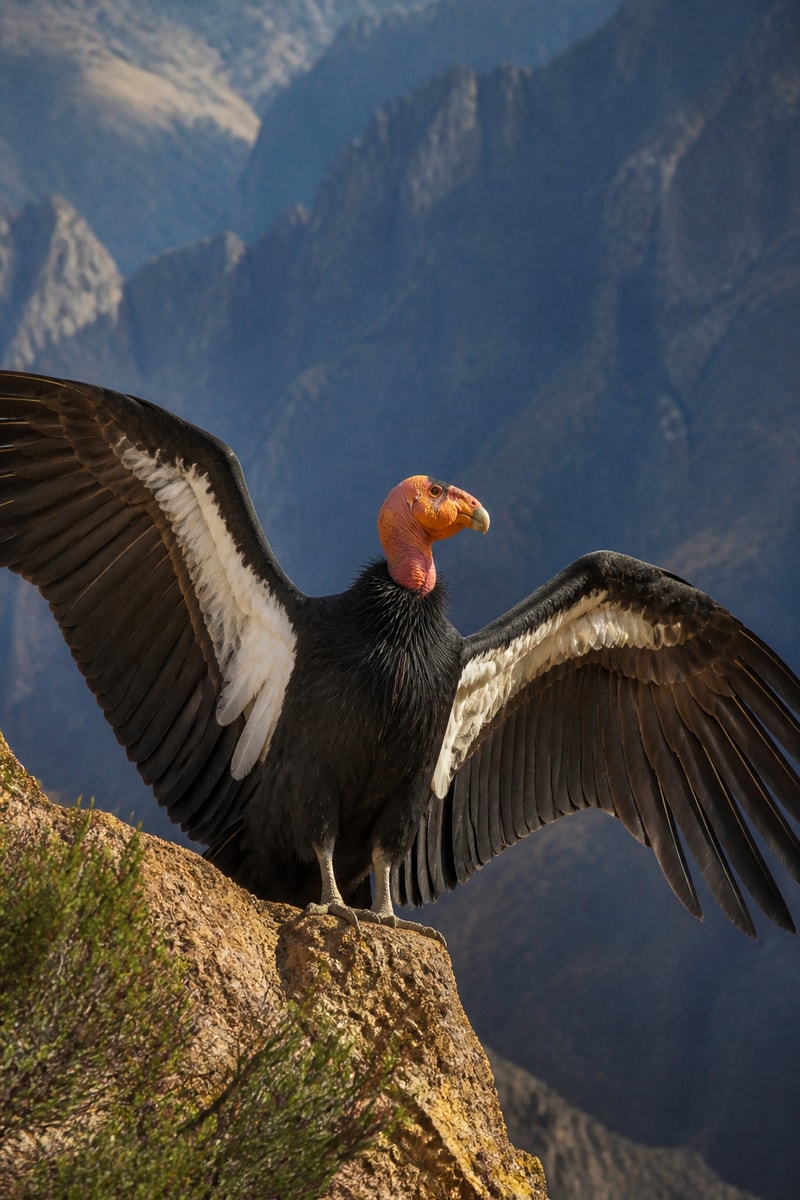
- California Condorlegendary • Canyons & Cliffs
Free on iOS
Catch the Western Diamondback Rattlesnake
Spot one in the wild, then scan it in Catch'Um to log your rare discovery.