
Field guide · rare
Walrus
Tusks, whiskers, and Arctic bulk — the unmistakable giant of northern ice floes.
Vulnerable
Odobenus rosmarus
Overview
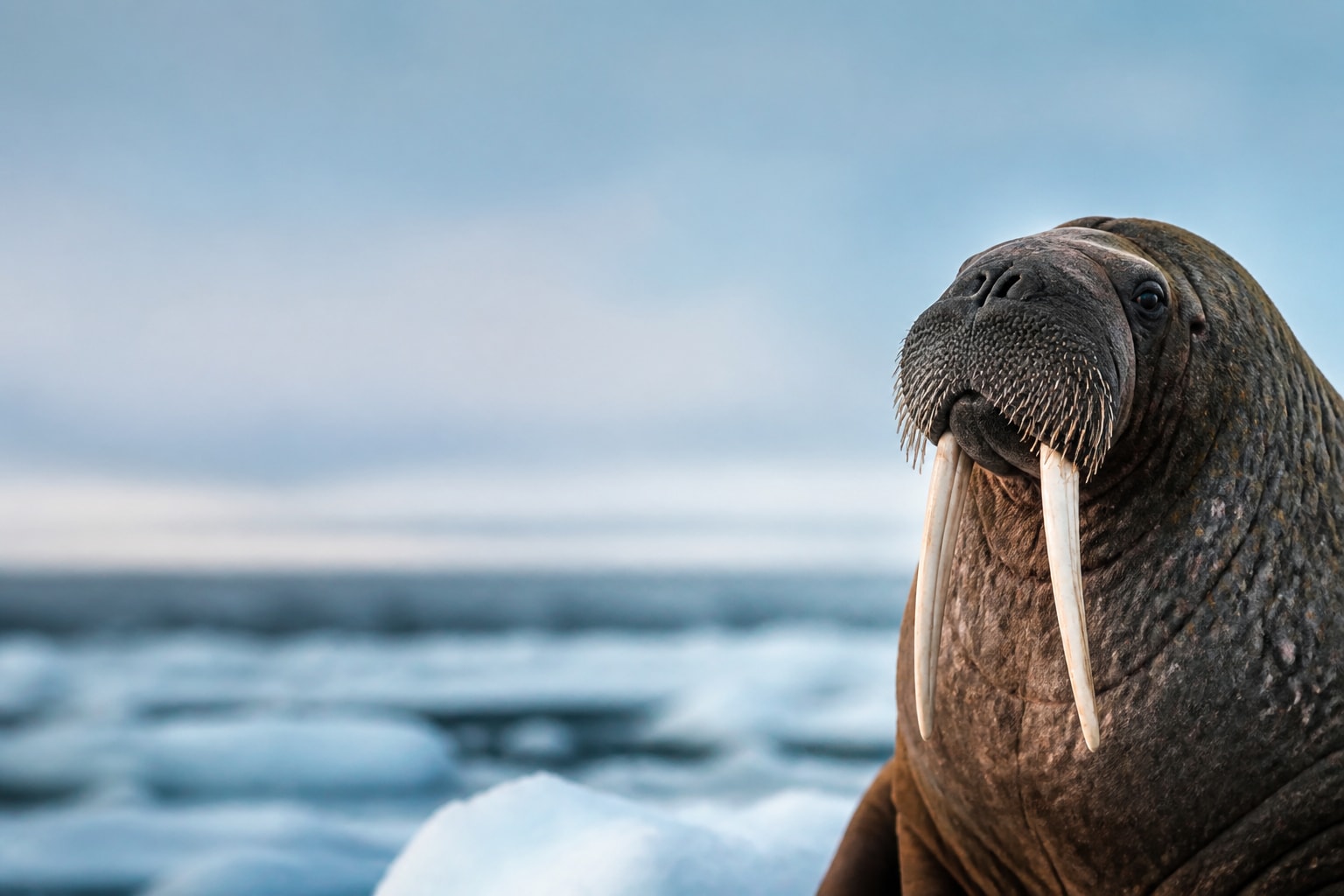
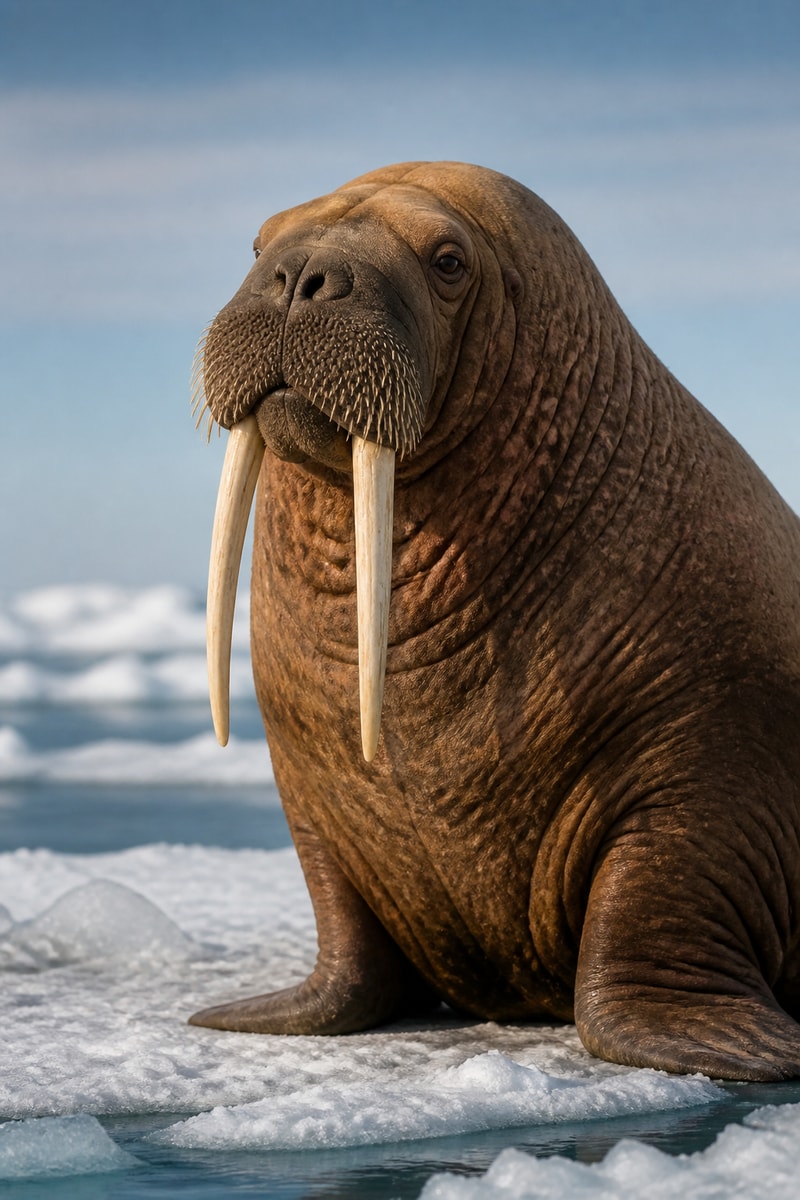
Walruses are massive Arctic pinnipeds famous for their long ivory tusks, bristly whiskers, and sociable haul-outs on ice and rocky shores. Both males and females grow tusks, used for hauling onto ice and in dominance displays.
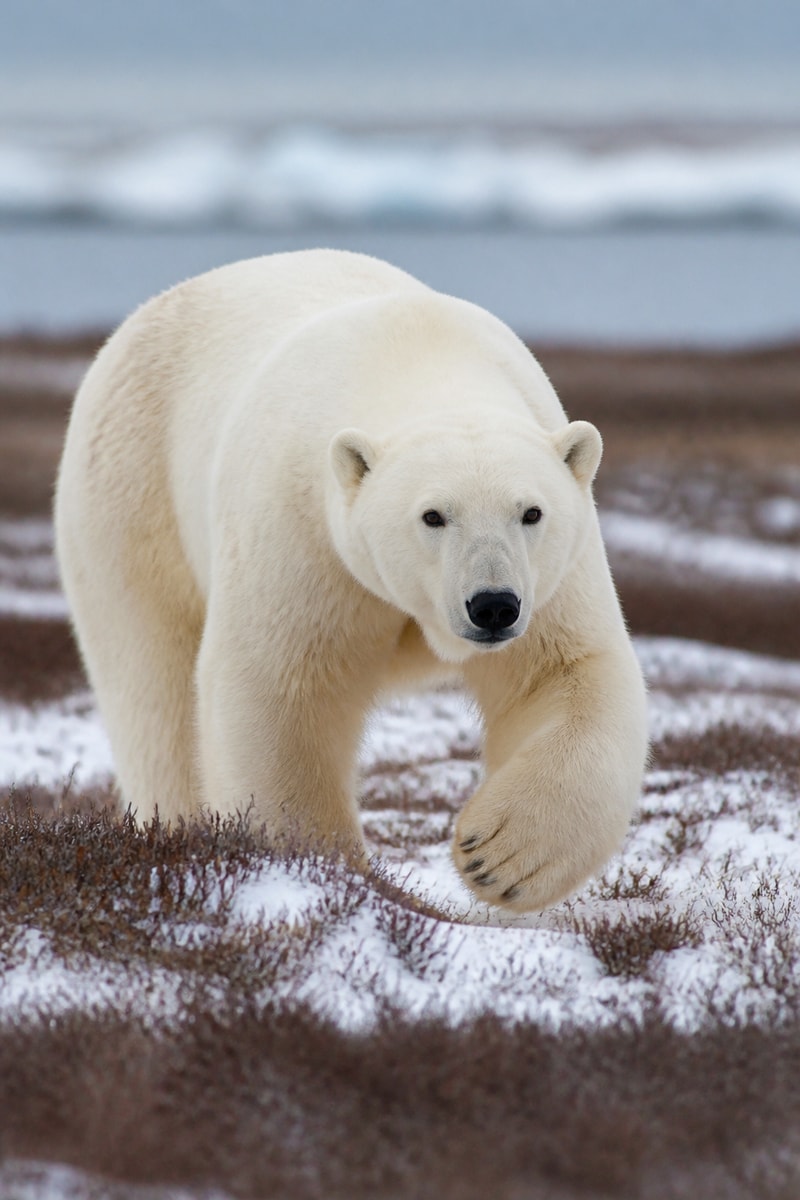
For Canada collectors building an Arctic set alongside polar bear, narwhal, and arctic fox, the walrus is an essential, visually unforgettable card.
- Scientific nameOdobenus rosmarus
- Length2.5–3.5 m
- Weight800–1,700 kg
- LifespanAround 30–40 years in the wild
- DietSpecialist…
- ConservationVulnerable
- RegionArctic Ice
Where to see them
Habitat
- Arctic sea ice
- Shallow shelf seas
- Coastal haul-outs
Walruses live in shallow Arctic and subarctic seas where they can dive to the seafloor for clams and other benthic prey, hauling out on sea ice or coastal beaches. Pacific and Atlantic populations use different stretches of the High North.
Field notes
Field scale for the Walrus: length around 2.5-3.5 m; weight 800-1,700 kg. Typical lifespan: Around 30-40 years in the wild.
When you are scanning habitat, prioritise arctic sea ice, shallow shelf seas, and coastal haul-outs. Those settings are where a clean look and a usable photo are most likely.
Quick ID anchor: Huge cinnamon-brown pinniped with prominent tusks and a moustache of stiff whiskers. Confirm with behaviour and habitat before you log the discovery.
Where to see one
Canada
In Canada, start at Churchill, Manitoba (Hudson Bay Coast). The polar bear capital of the world, where bears gather on the tundra each autumn waiting for Hudson Bay to freeze.
More context on this destination lives on the Canada expedition page.
Diet
Specialist bottom-feeders taking clams, snails, worms, and other benthic invertebrates.
Use whiskers to find prey and suction to extract soft bodies from shells.
Behaviour
Highly gregarious; haul out in dense groups on ice or shore.
Males display tusks and make bell-like underwater sounds in the breeding season.
How to identify
Huge cinnamon-brown pinniped with prominent tusks and a moustache of stiff whiskers.
Rear flippers turn forward for walking on land — unlike true seals.
Interesting facts
- 01
Both male and female walruses grow tusks — elongated canine teeth.
- 02
Tusks help them haul their bulk onto ice floes.
- 03
Sensitive whiskers (vibrissae) detect shellfish on the seafloor.
- 04
They can weigh over 1,000 kg.
- 05
Walruses are highly social and gather in large haul-outs.
- 06
Their scientific name relates to 'tooth-walking sea horse'.
Conservation status
Walruses are Vulnerable in many assessments as sea-ice loss reduces resting platforms over feeding grounds. Climate change, disturbance, and historical overhunting shape today's fragmented populations.
Sources: IUCN Red List
Keep exploring
Where it lives
Free on iOS
Catch the Walrus
Spot one in the wild, then scan it in Catch'Um to log your rare discovery.