
Field guide · rare
Moose
The gangly giant of the north woods, a towering herbivore whose antlers can span nearly two metres across.
Least Concern
Alces alces
Overview
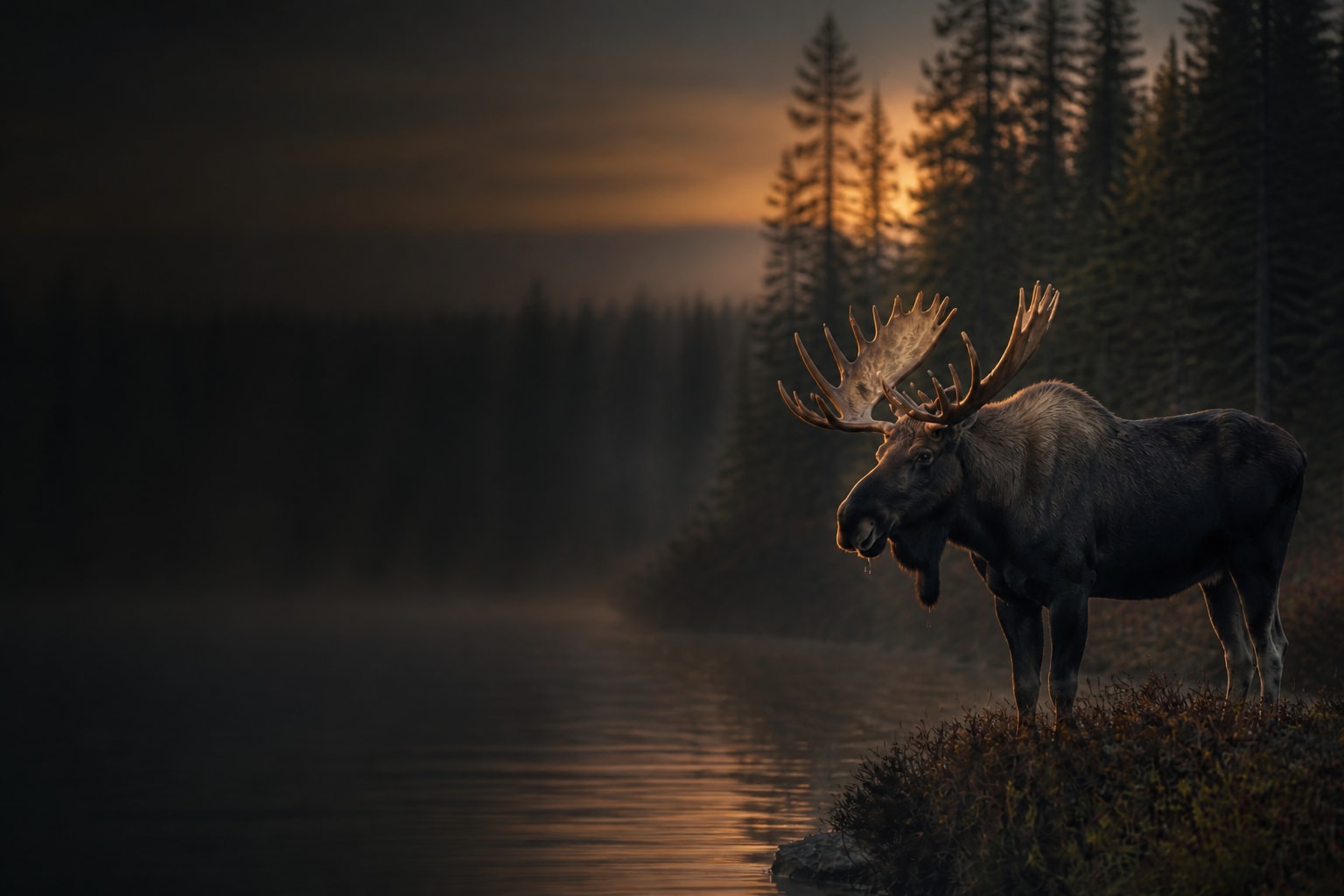
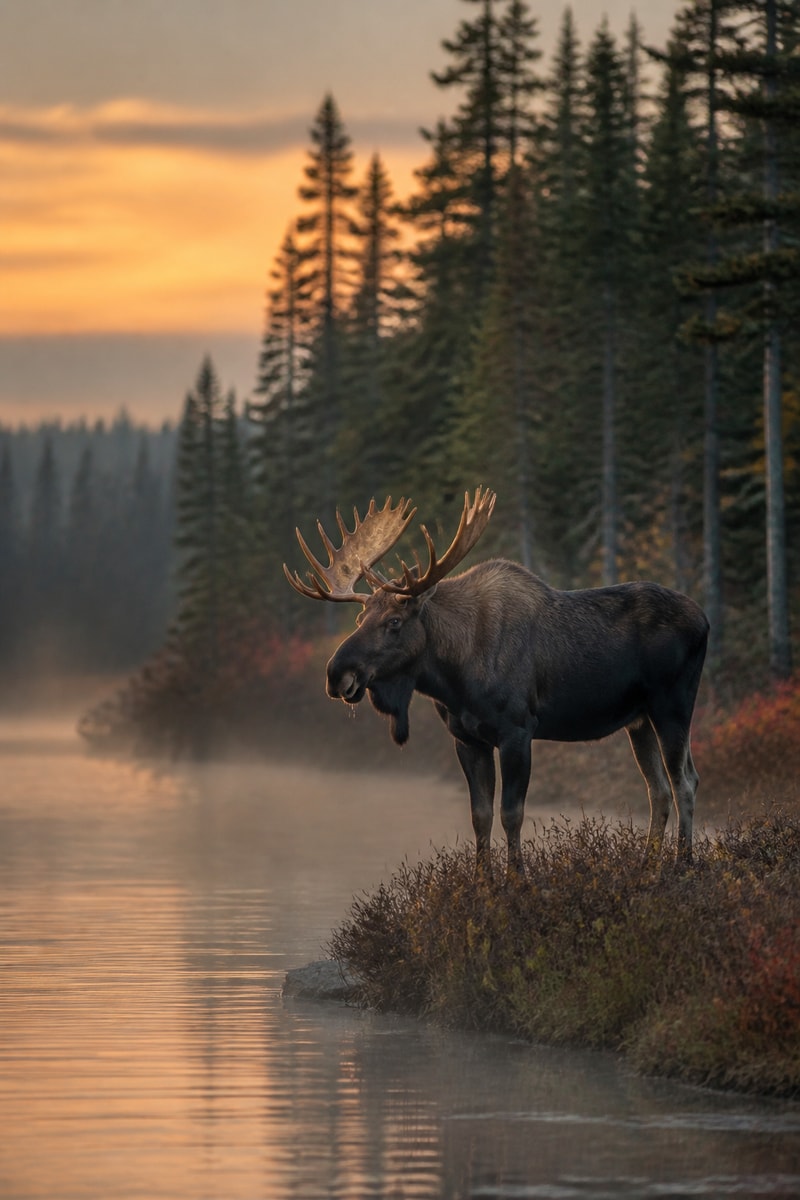
The moose is the largest member of the deer family, standing over two metres at the shoulder and weighing up to 700 kilograms. Bulls grow enormous palmate antlers each spring, shedding them after the autumn rut when their deep grunts echo across boreal lakes and wetlands.
Moose are superb swimmers, often submerging to feed on aquatic plants, and surprisingly quick on land despite their ungainly appearance. A bull moose stepping from morning mist at a lake edge is one of North America's great wildlife moments.
- Scientific nameAlces alces
- Length2.4–3.1 m
- Height1.4–2.1 m at shoulder
- Weight200–700 kg
- Lifespan15–25 years in the wild
- DietBrowser of willow
- ConservationLeast Concern
- RegionNorthern Lakes
Habitat
- Boreal forest
- Wetlands
- Taiga
- Lake shores
Boreal forest, lakes, and wetlands across Alaska, northern US states, and Canada suit moose. They need aquatic vegetation in summer and willow and birch browse in winter, favouring country with young forest regrowth after fire or logging.
Countries found
Field notes
Field scale for the Moose: length around 2.4-3.1 m; height 1.4-2.1 m at shoulder; weight 200-700 kg. Typical lifespan: 15-25 years in the wild.
When you are scanning habitat, prioritise boreal forest, wetlands, taiga, and lake shores. Those settings are where a clean look and a usable photo are most likely.
Quick ID anchor: World’s largest deer: long legs, overhanging fleshy snout, a dangling dewlap (bell), and dark brown coat. Only bulls grow the broad palmate antlers. Confirm with behaviour and habitat before you log the discovery.
Where to see one
Canada
In Canada, strong options include Banff & Jasper National Parks and Algonquin Provincial Park. Rocky Mountain wilderness, with elk, bighorn sheep, grizzly bears, and turquoise lakes beneath glacier peaks.
Open the Canada spotting guide for every park note tied to the moose.
Diet
Browser of willow, birch, aspen, and other woody plants; in summer also feeds heavily on aquatic vegetation in lakes and marshes. Needs large daily intakes of browse.
Behaviour
Largely solitary outside the autumn rut, when bulls spar with antlers for mates. Moves between wetlands and forest cover; calves stay with the cow through their first year.
How to identify
World’s largest deer: long legs, overhanging fleshy snout, a dangling dewlap (bell), and dark brown coat. Only bulls grow the broad palmate antlers.
Interesting facts
- 01
Moose antlers can span 1.8 metres and weigh over 30 kg.
- 02
They can dive and stay submerged for up to a minute to reach aquatic plants.
- 03
Calves can outrun a human within days of being born.
Conservation status
Moose are Least Concern globally but declining in parts of the southern US due to warming, parasites, and habitat change. Northern Canadian and Alaskan populations remain strong.
Sources: IUCN Red List
Keep exploring
Where it lives
Related discoveries
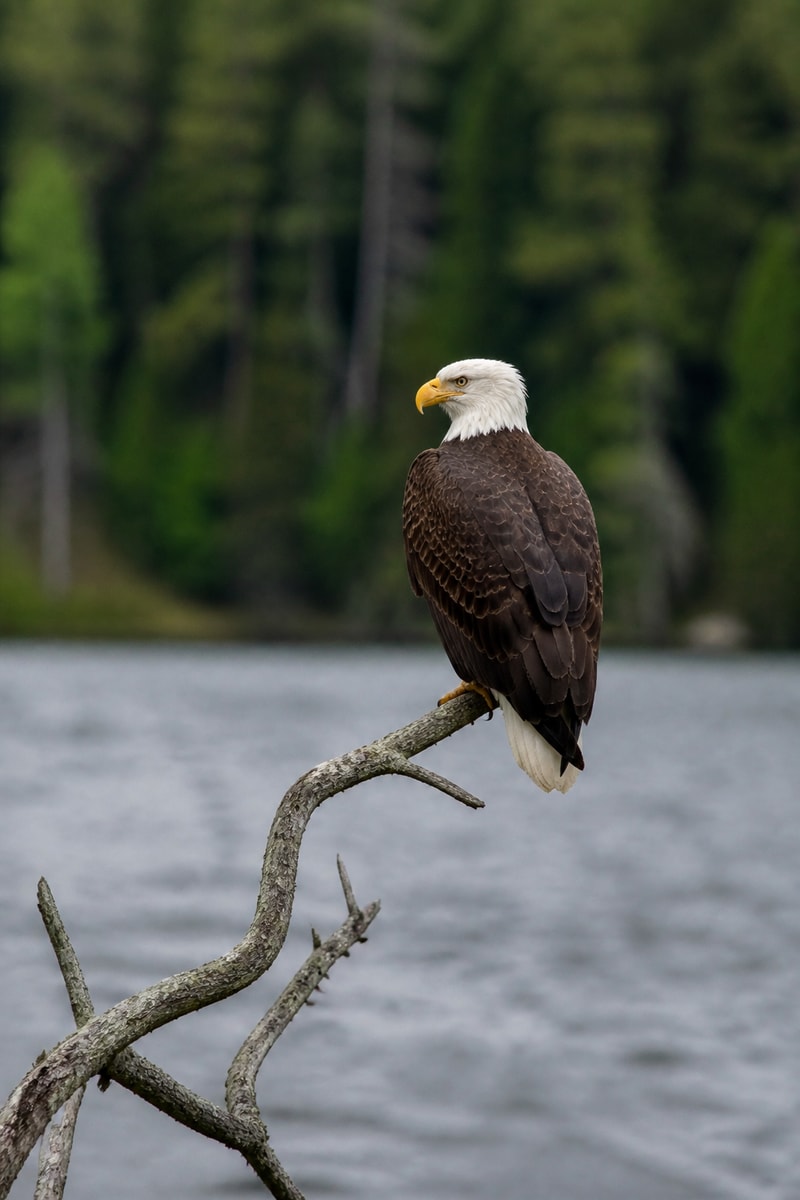
- Bald Eaglelegendary • Lakes & Coasts
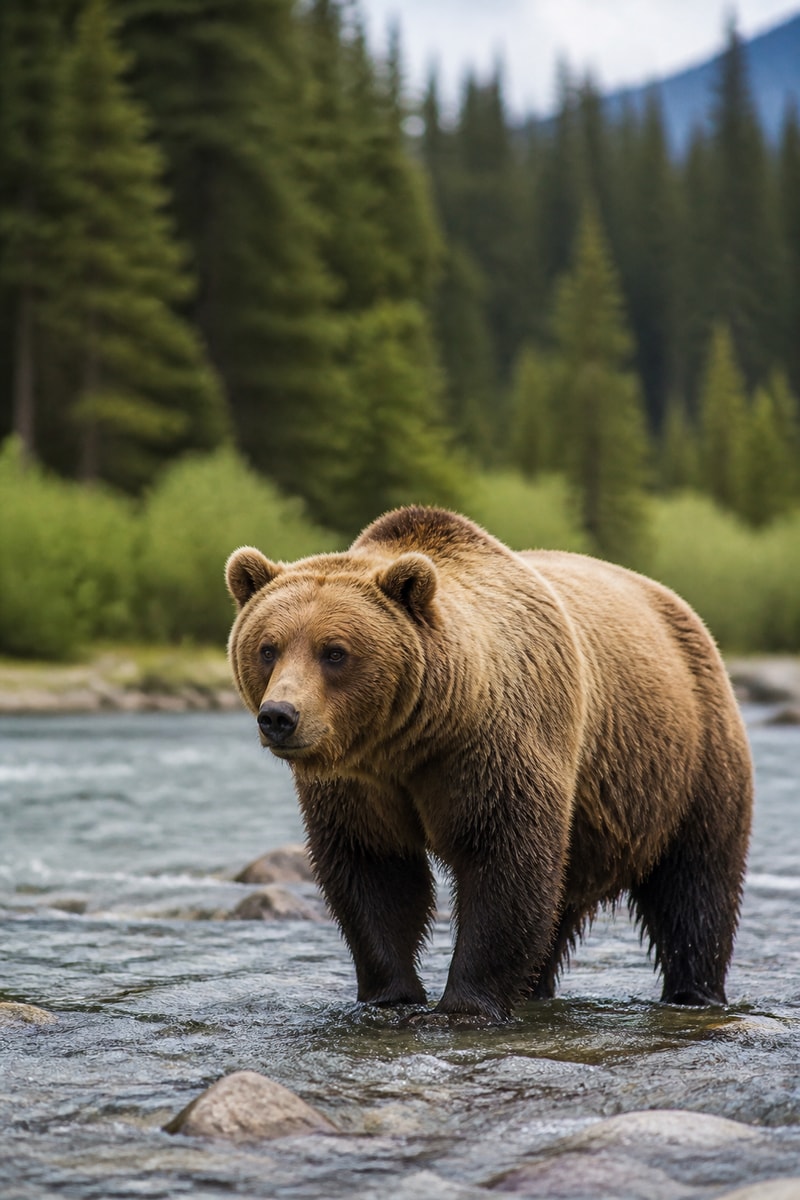
- Grizzly Bearlegendary • Mountains & Rivers
- Polar Bearlegendary • Arctic Ice
- Blue Whalelegendary • Open Ocean
- Mountain Lionlegendary • Mountains & Desert
- Great White Sharklegendary • Coastal Ocean
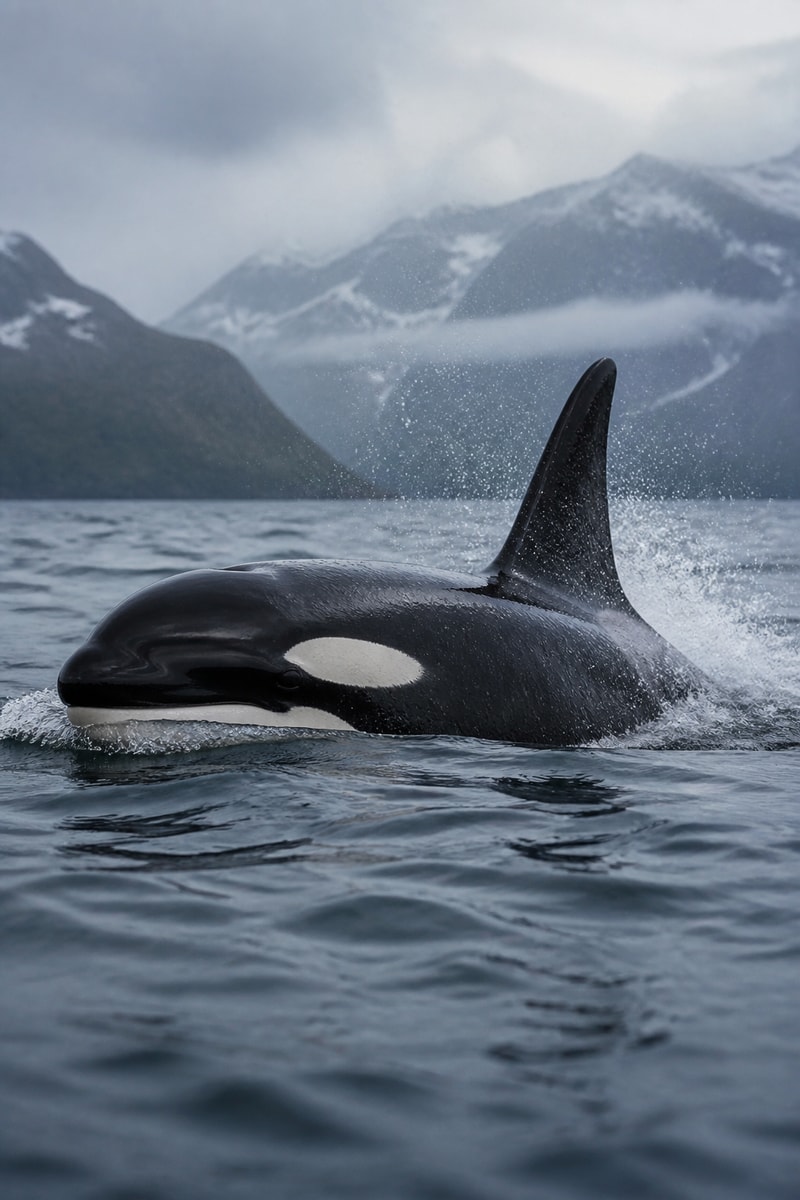
- Orcalegendary • Coastal Ocean
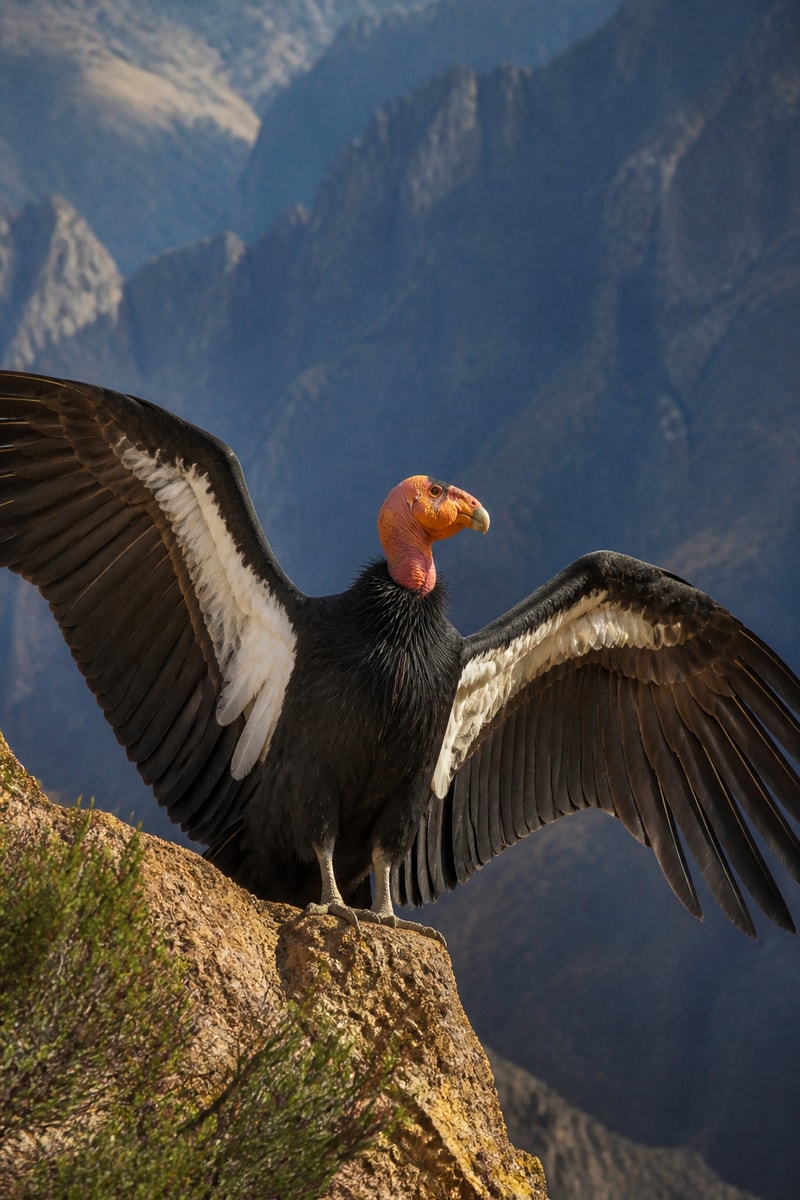
- California Condorlegendary • Canyons & Cliffs
Free on iOS
Catch the Moose
Spot one in the wild, then scan it in Catch'Um to log your rare discovery.