
Field guide · common
Turkey Vulture
Nature's cleanup crew, a red-headed scavenger that soars on tilted wings and finds carrion by smell alone.
Least Concern
Cathartes aura
Overview
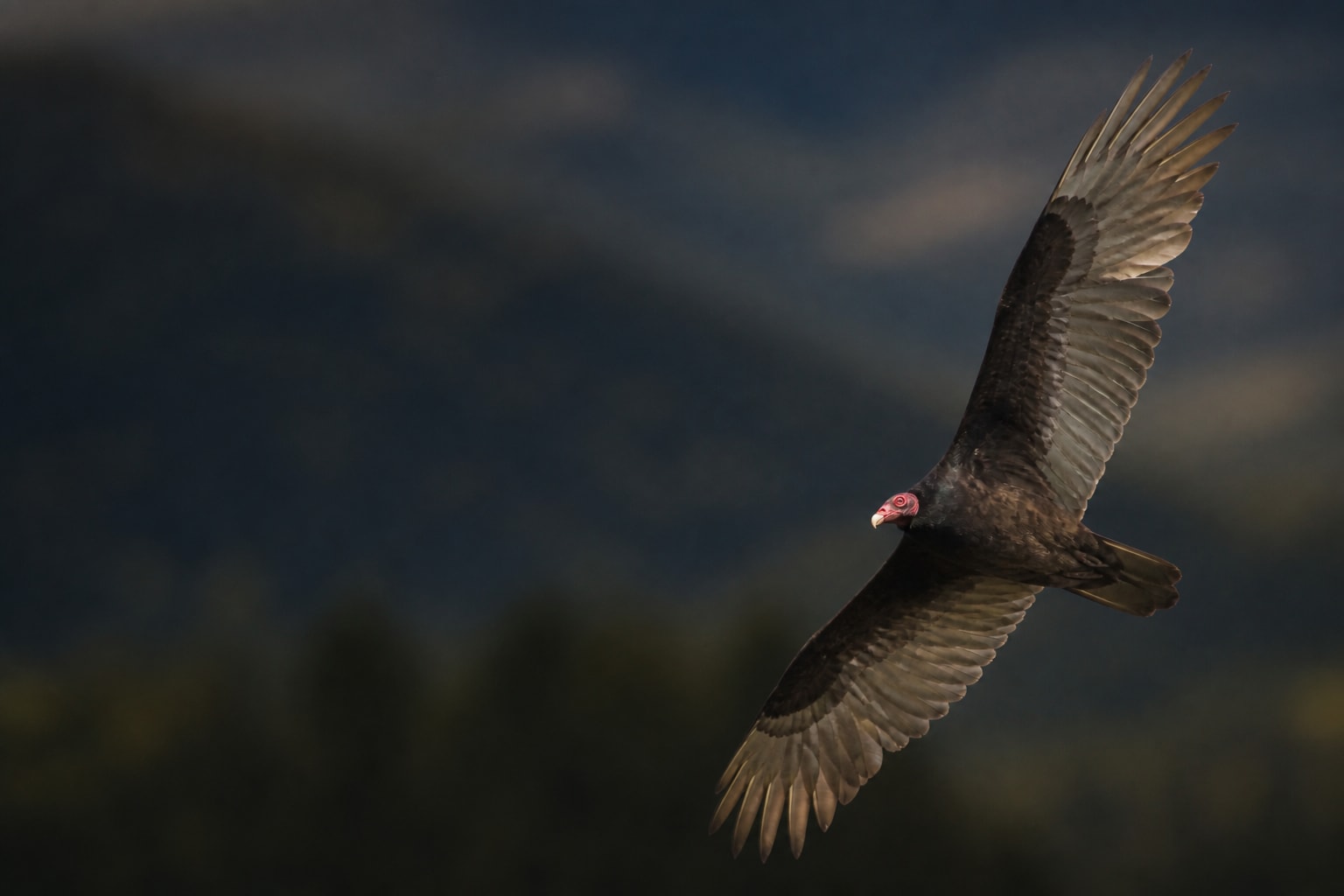
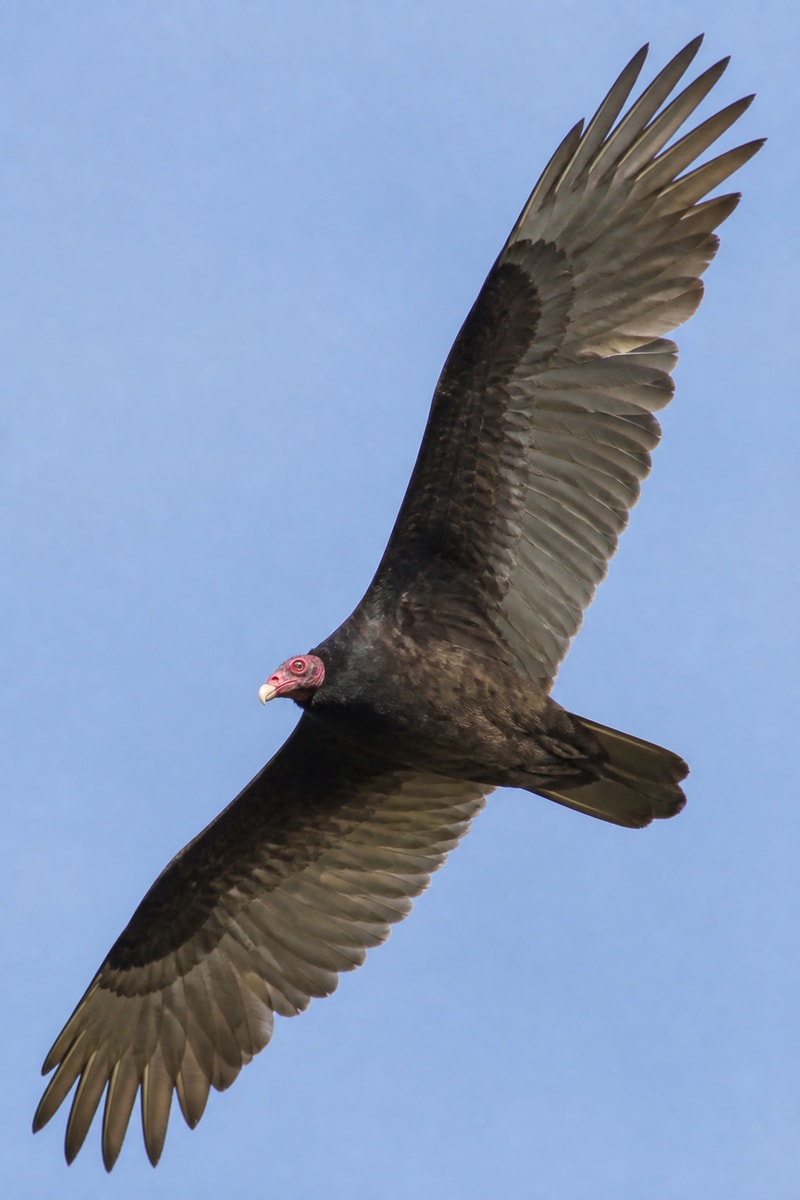
The turkey vulture is the most common large soaring bird over much of North America. Its bare red head, dark body, and two-toned underwing, silvery flight feathers against black coverts, make it identifiable even at great height. In flight it holds wings in a shallow V and wobbles slightly, unlike the steadier glide of hawks.
Turkey vultures locate dead animals by smell, an unusual ability among birds. They gather at roadkill, fish kills, and pasture carcasses, performing an essential ecological service that limits disease spread.
- Scientific nameCathartes aura
- Length64–81 cm
- Weight0.8–2.3 kg
- Lifespan16–20 years in the wild
- DietSpecialist scavenger…
- ConservationLeast Concern
- RegionRoadsides & Open Country
Habitat
- Open country
- Forest edge
- Roadsides
- Farmland
Open country, farmland, highways, and forest edges across the US support turkey vultures. They roost communally in dead trees and cliffs overnight, then ride thermals by day scanning the ground below.
Countries found
Field notes
Field scale for the Turkey Vulture: length around 64-81 cm; weight 0.8-2.3 kg. Typical lifespan: 16-20 years in the wild.
When you are scanning habitat, prioritise open country, forest edge, roadsides, and farmland. Those settings are where a clean look and a usable photo are most likely.
Quick ID anchor: Large dark soaring bird with a small bare red head (adults) and two-toned underwings, flight feathers silvery against darker coverts. In flight the long wings and dihedral profile separate it from eagles. Confirm with behaviour and habitat before you log the discovery.
Diet
Specialist scavenger that feeds almost entirely on carrion. Locates carcasses largely by smell—unusual among birds—as well as by watching other scavengers.
Behaviour
Soars for hours on thermals with wings held in a shallow V (dihedral), often tipping unsteadily. Roosts communally and rarely flaps except when rising or landing.
How to identify
Large dark soaring bird with a small bare red head (adults) and two-toned underwings—flight feathers silvery against darker coverts. In flight the long wings and dihedral profile separate it from eagles.
Interesting facts
- 01
Turkey vultures find carrion by smell, rare among birds.
- 02
They defend themselves by regurgitating foul-smelling stomach contents at predators.
- 03
Their bare head stays cleaner when feeding inside carcasses.
Conservation status
Turkey vultures are Least Concern with expanding populations. They are vulnerable to lead poisoning from scavenged shot game and to vehicle strikes when feeding on roadkill.
Sources: IUCN Red List
Related discoveries
Keep exploring
Related discoveries
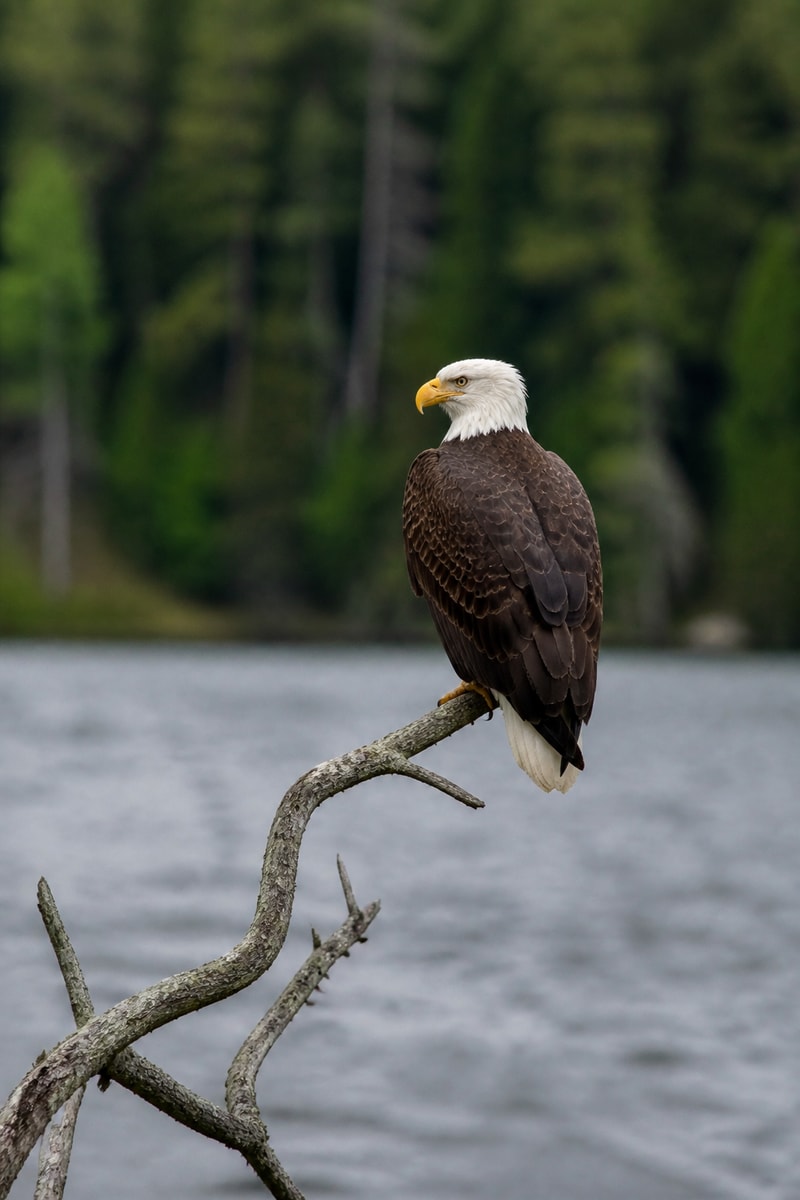
- Bald Eaglelegendary • Lakes & Coasts
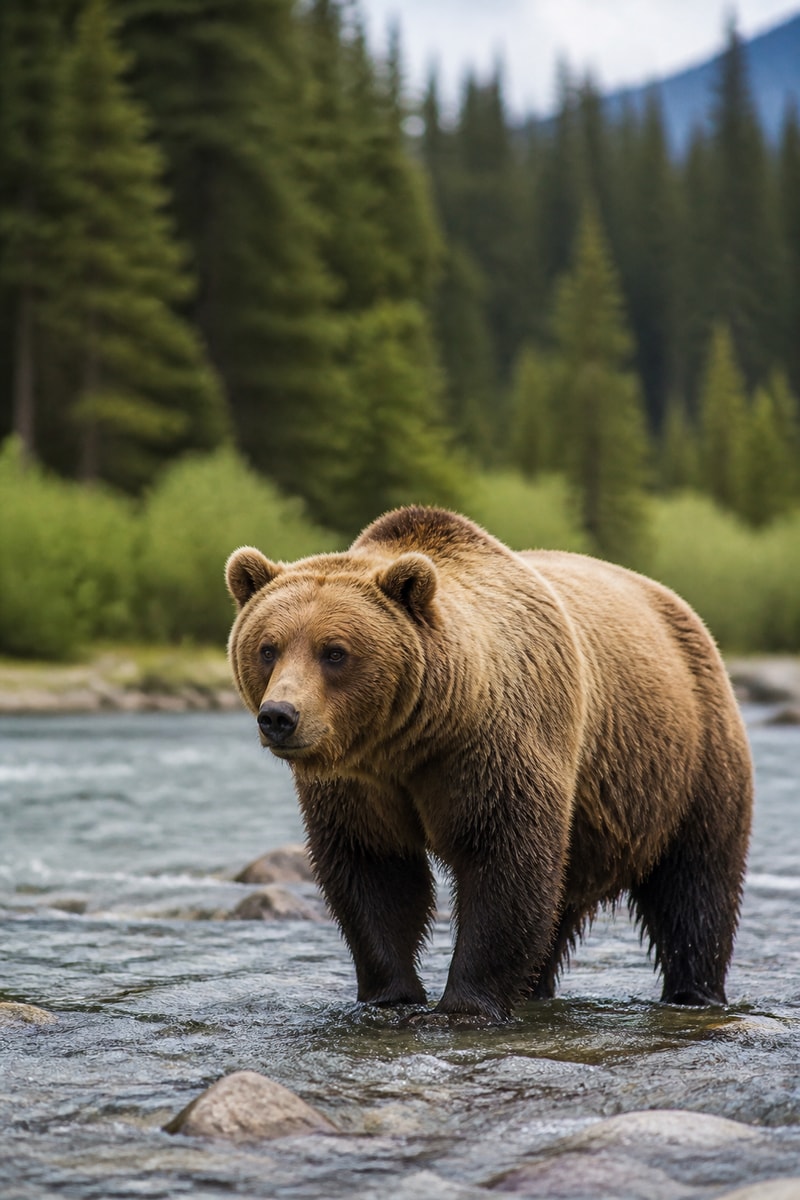
- Grizzly Bearlegendary • Mountains & Rivers
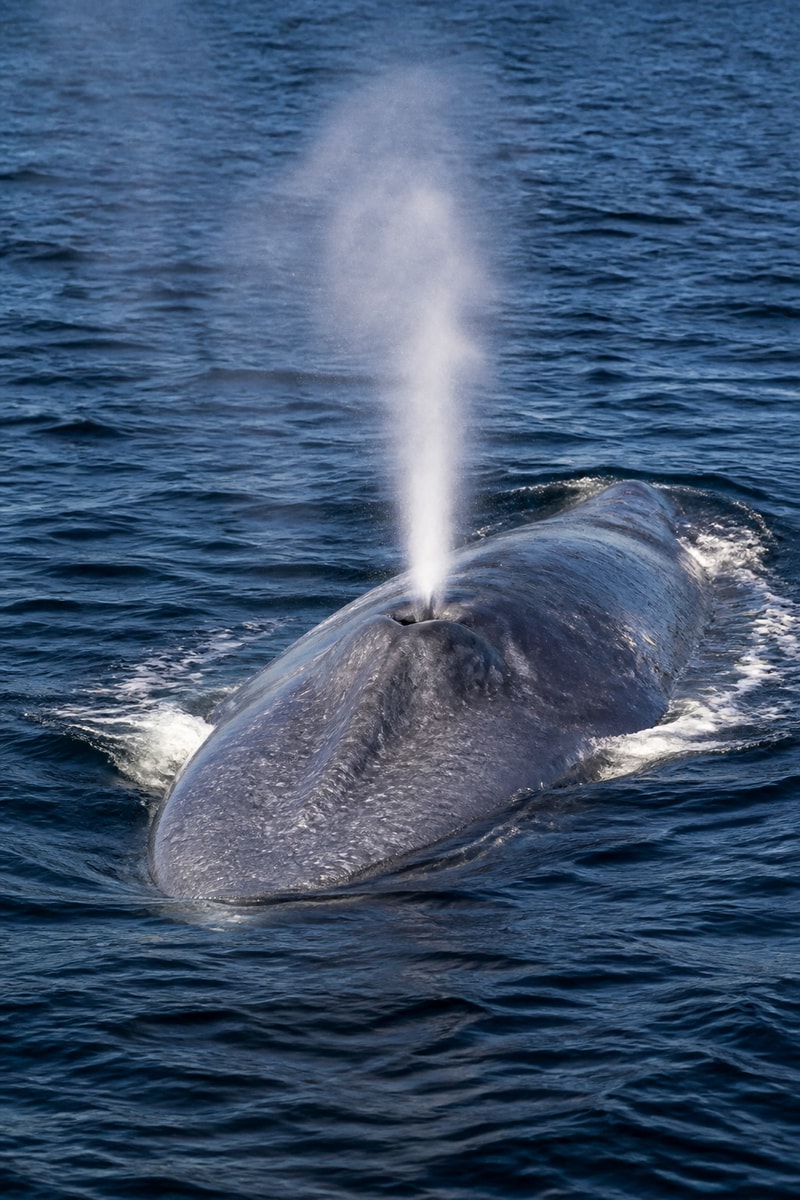
- Blue Whalelegendary • Open Ocean
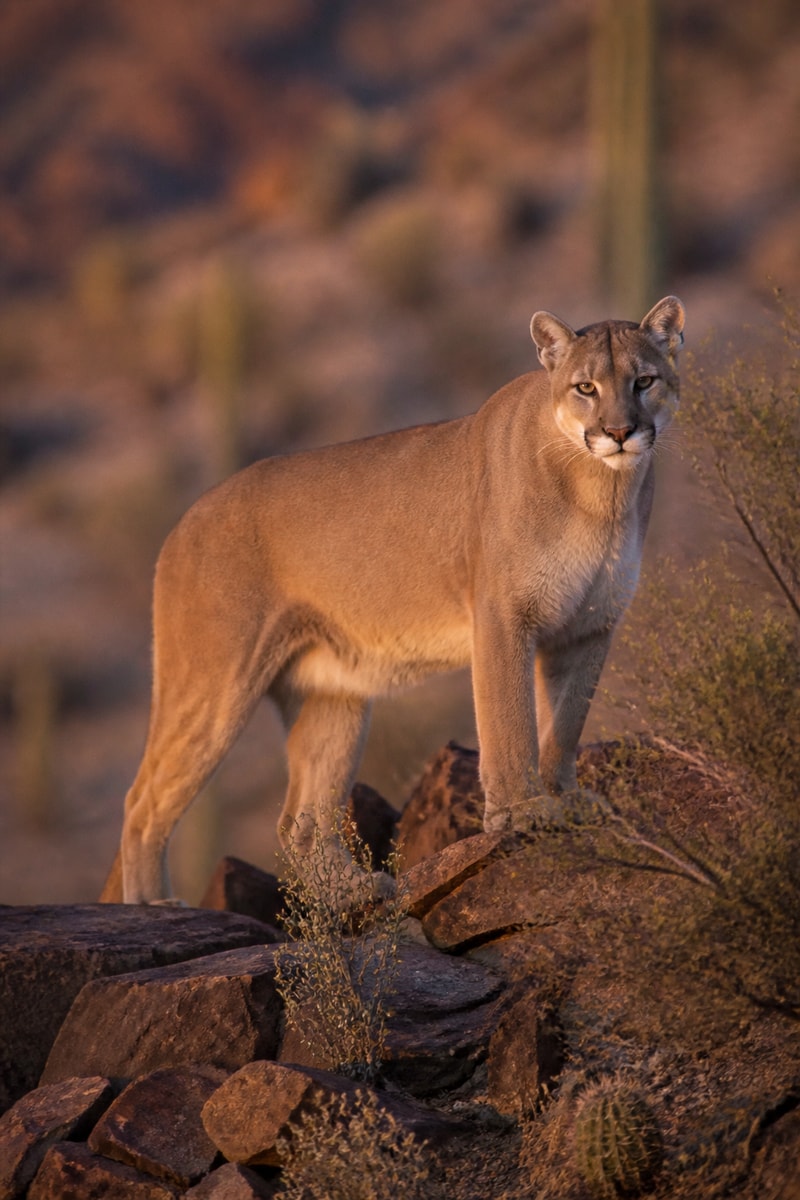
- Mountain Lionlegendary • Mountains & Desert
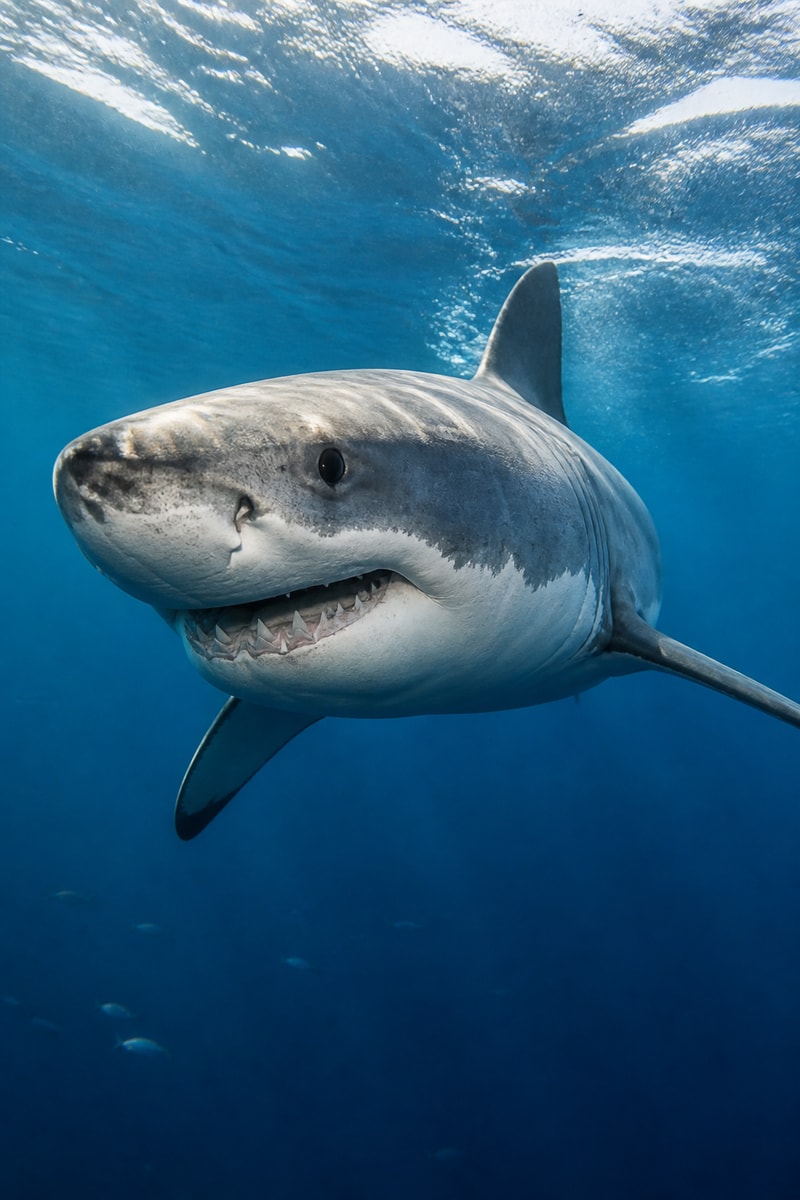
- Great White Sharklegendary • Coastal Ocean
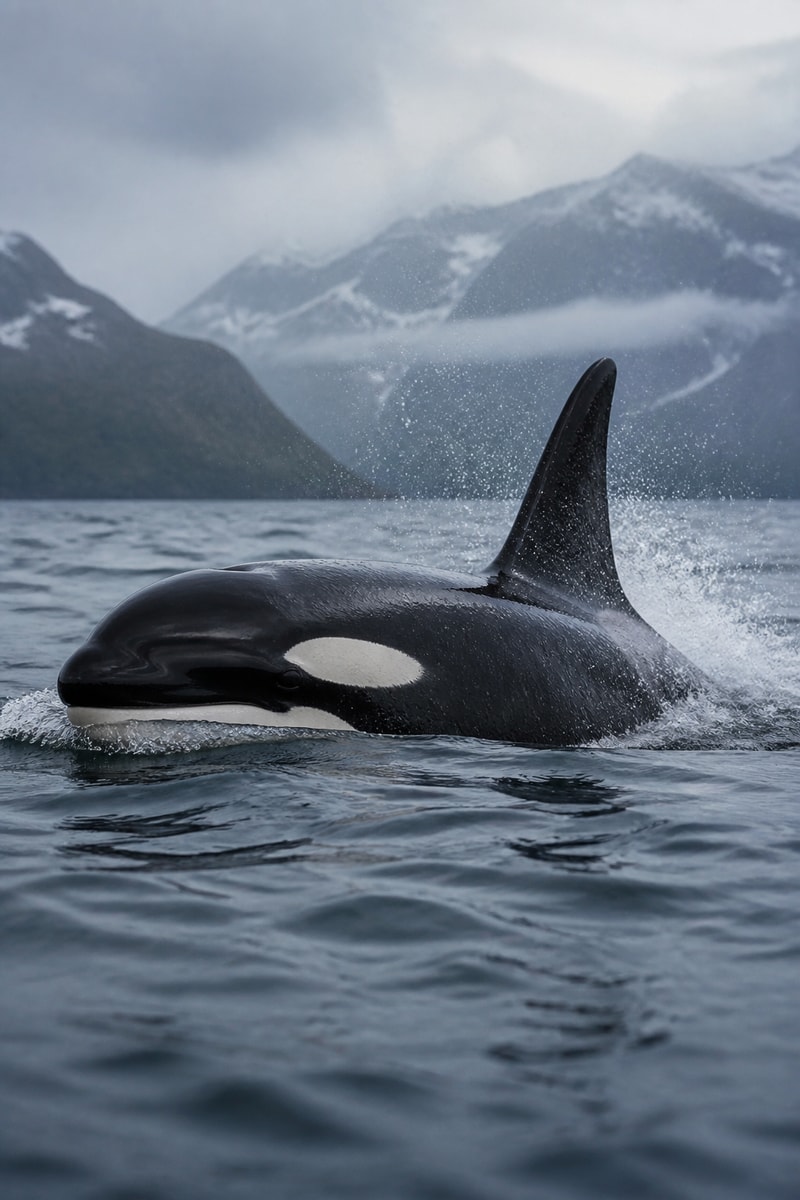
- Orcalegendary • Coastal Ocean
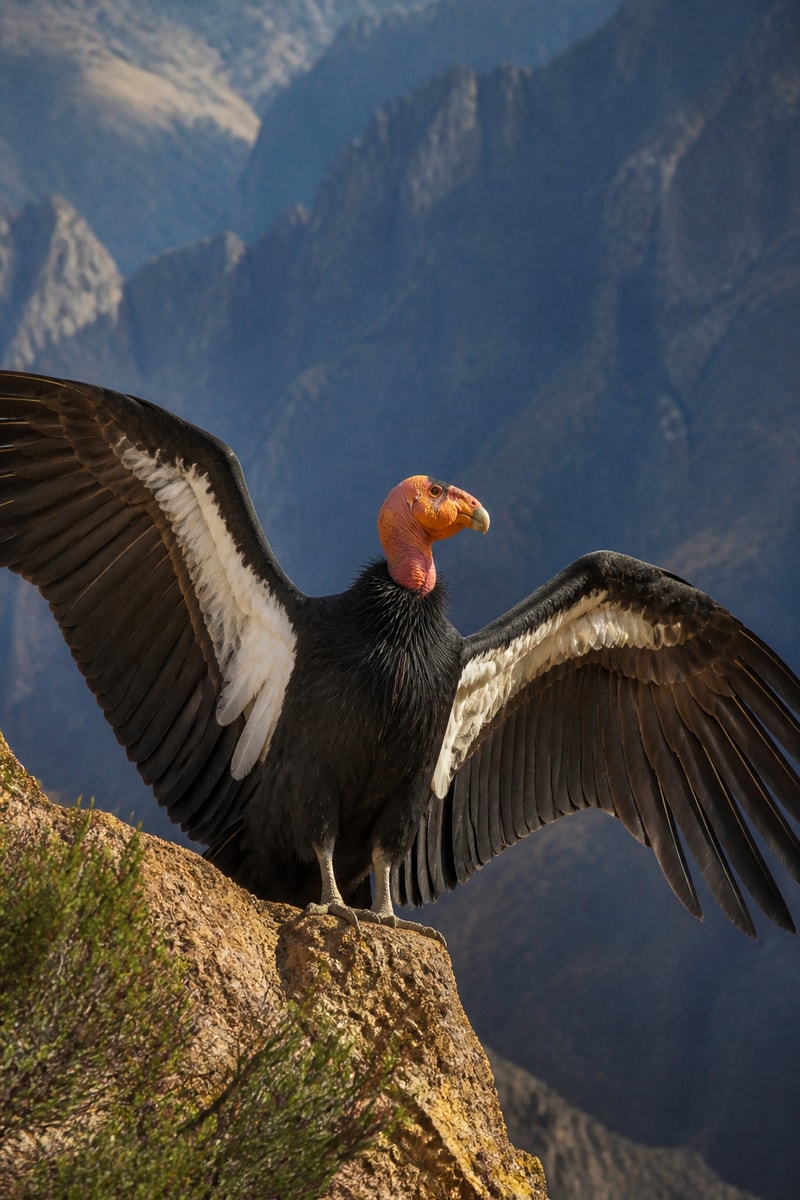
- California Condorlegendary • Canyons & Cliffs
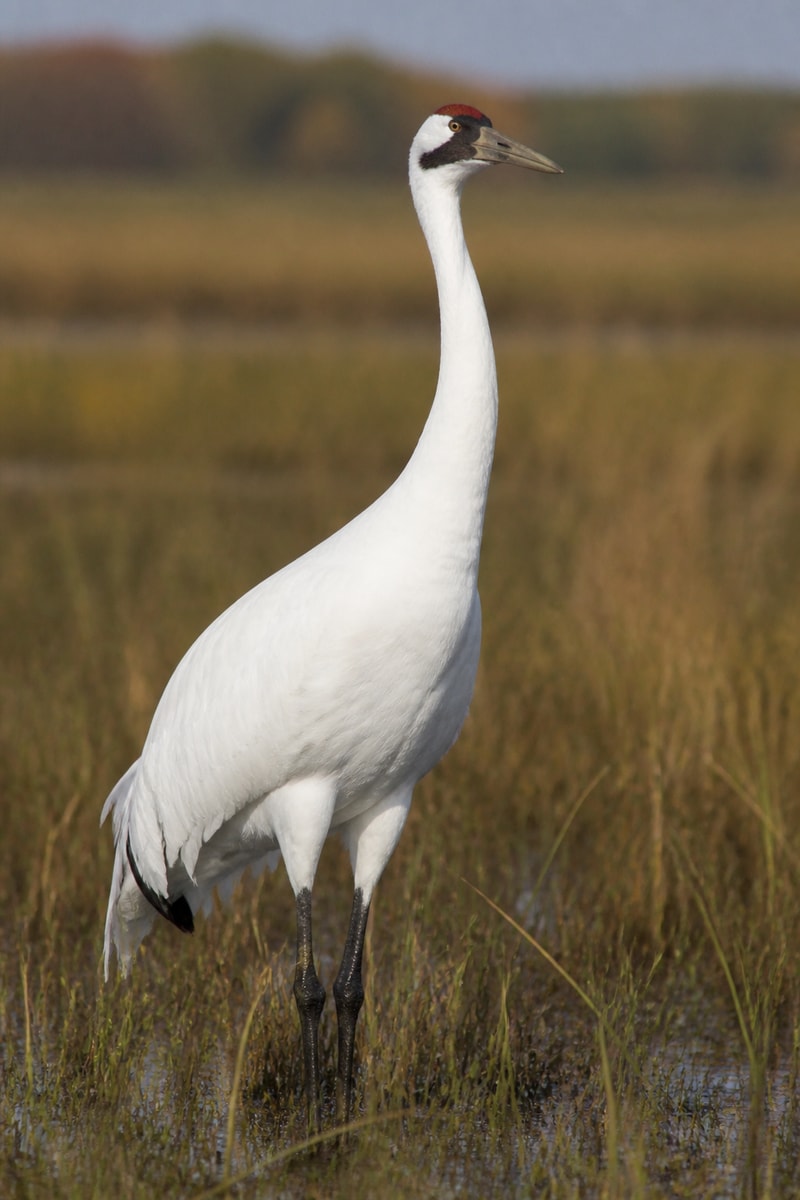
- Whooping Cranelegendary • North American Wetlands
Free on iOS
Catch the Turkey Vulture
Spot one in the wild, then scan it in Catch'Um to log your common discovery.