
Field guide · common
Striped Skunk
Bold white stripes and famously foul spray — America’s classic dusk scavenger.
Least Concern
Mephitis mephitis
Overview
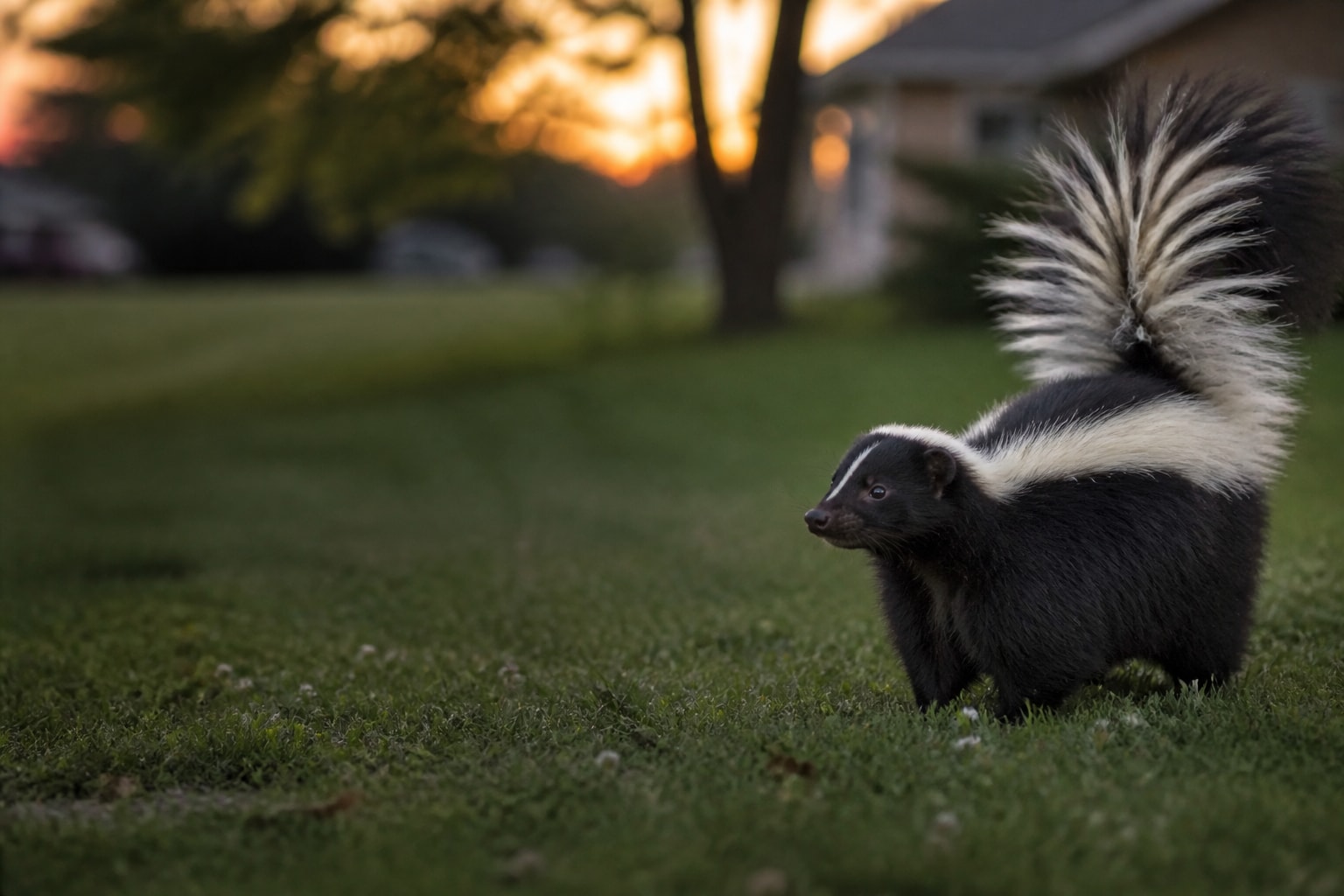
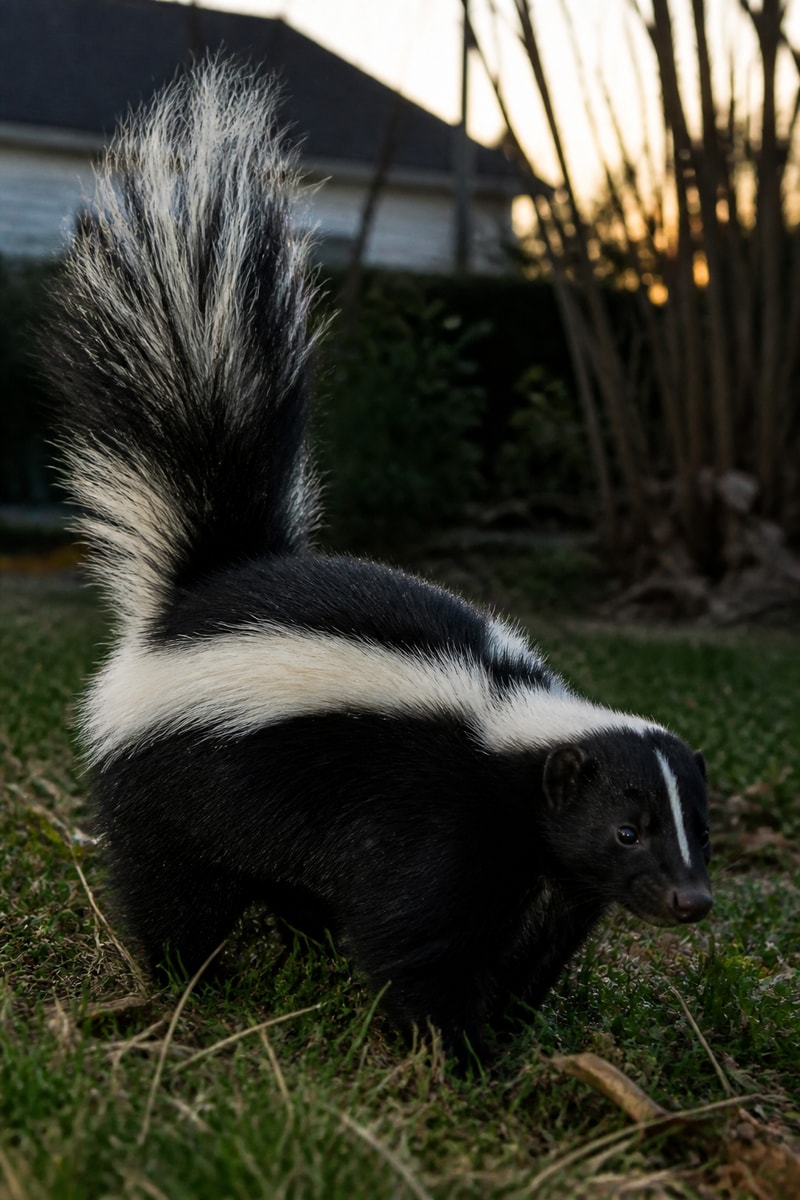
Striped skunks are medium-sized nocturnal mammals famous for their black coats with white dorsal stripes and a potent defensive spray. They waddle through farmland, suburbs, and woodland edges hunting insects, small vertebrates, and scraps.
For US collectors, the striped skunk is a common night mammal — unmistakable stripes, warning stamp, and a backyard legend from coast to coast.
- Scientific nameMephitis mephitis
- Length50–80 cm including tail
- Weight1.2–5.5 kg
- LifespanAround 2–4 years in the wild
- DietInsects
- ConservationLeast Concern
- RegionNorth American Nights
Where to see them
Habitat
- Suburban edge
- Farmland
- Woodland fringe
- Grassland
Mixed woodland, farmland, grasslands, and suburban edges across much of the United States and southern Canada, denning in burrows, brush piles, or under buildings.
Field notes
Field scale for the Striped Skunk: length around 50-80 cm including tail; weight 1.2-5.5 kg. Typical lifespan: Around 2-4 years in the wild.
When you are scanning habitat, prioritise suburban edge, farmland, woodland fringe, and grassland. Those settings are where a clean look and a usable photo are most likely.
Quick ID anchor: Cat-sized black mammal with a white forehead blaze and twin white back stripes. Confirm with behaviour and habitat before you log the discovery.
Diet
Insects, grubs, small mammals, bird eggs, fruit, and opportunistic human scraps.
Root through lawns and leaf litter for beetle larvae and worms.
Behaviour
Solitary nocturnal foragers with overlapping home ranges.
Give clear warning displays before deploying spray as a last resort.
How to identify
Cat-sized black mammal with a white forehead blaze and twin white back stripes.
Bushy tail often tipped white; plantigrade waddling gait.
Interesting facts
- 01
White stripes on black fur warn predators of chemical defence.
- 02
Anal glands spray a sulphur-rich musk up to several metres.
- 03
Stamp feet and raise the tail before spraying.
- 04
Omnivores eating insects, rodents, eggs, fruit, and garbage.
- 05
Mostly nocturnal; dens by day in burrows or under sheds.
- 06
One of North America’s most familiar medium mammals.
Conservation status
Striped skunks are Least Concern and remain widespread across North America. Road mortality and local trapping are the main human-related losses.
Sources: IUCN Red List
Related discoveries



Keep exploring
Related discoveries
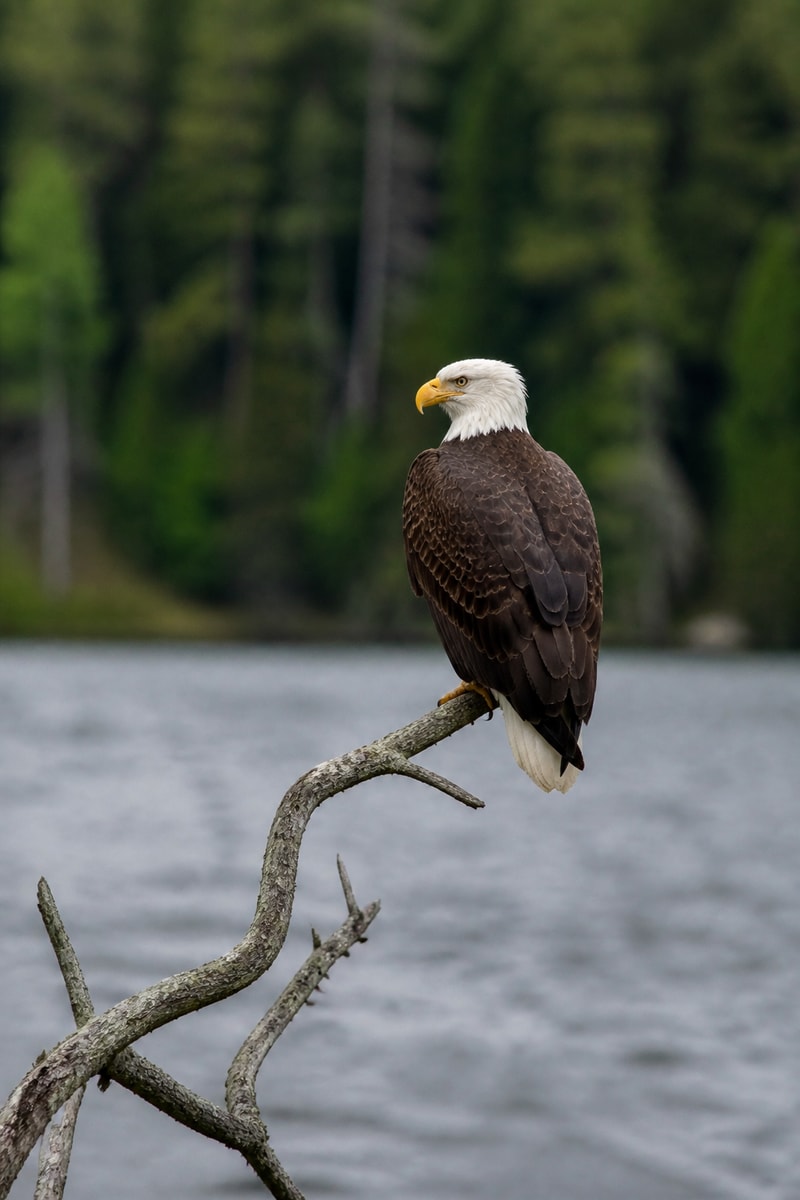
- Bald Eaglelegendary • Lakes & Coasts
- Grizzly Bearlegendary • Mountains & Rivers
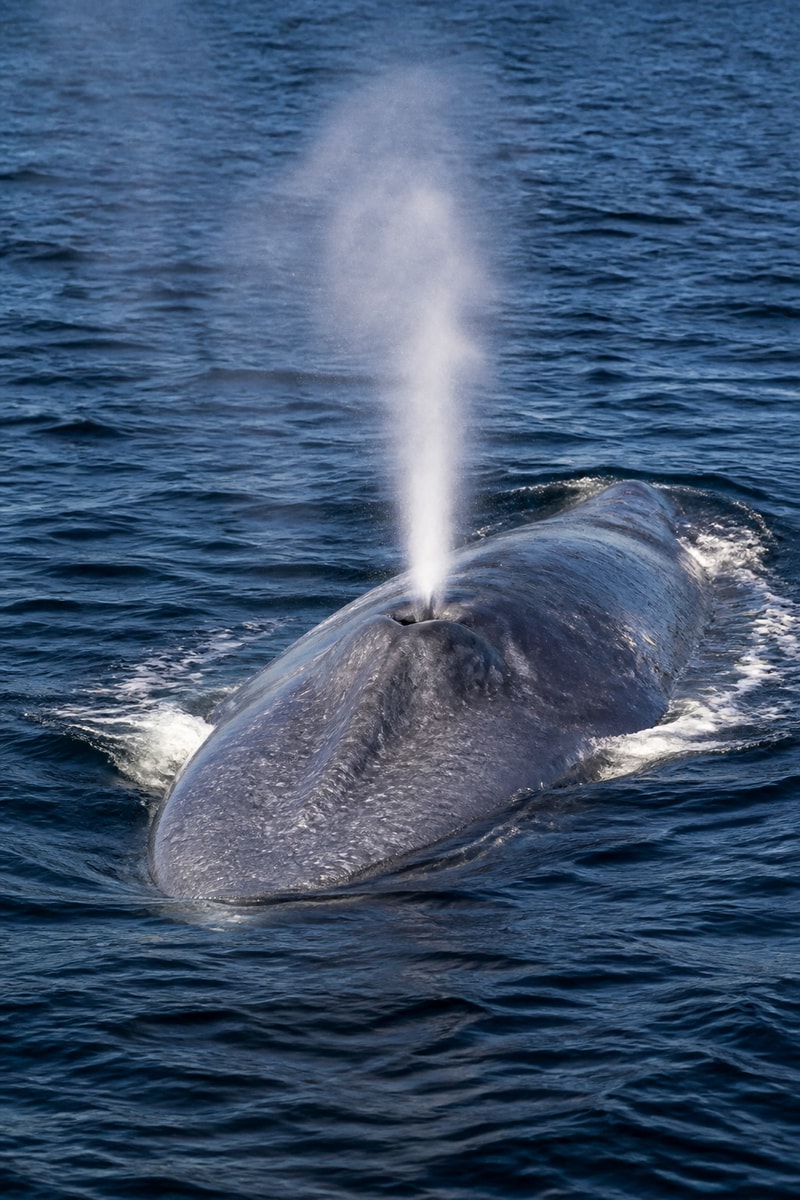
- Blue Whalelegendary • Open Ocean
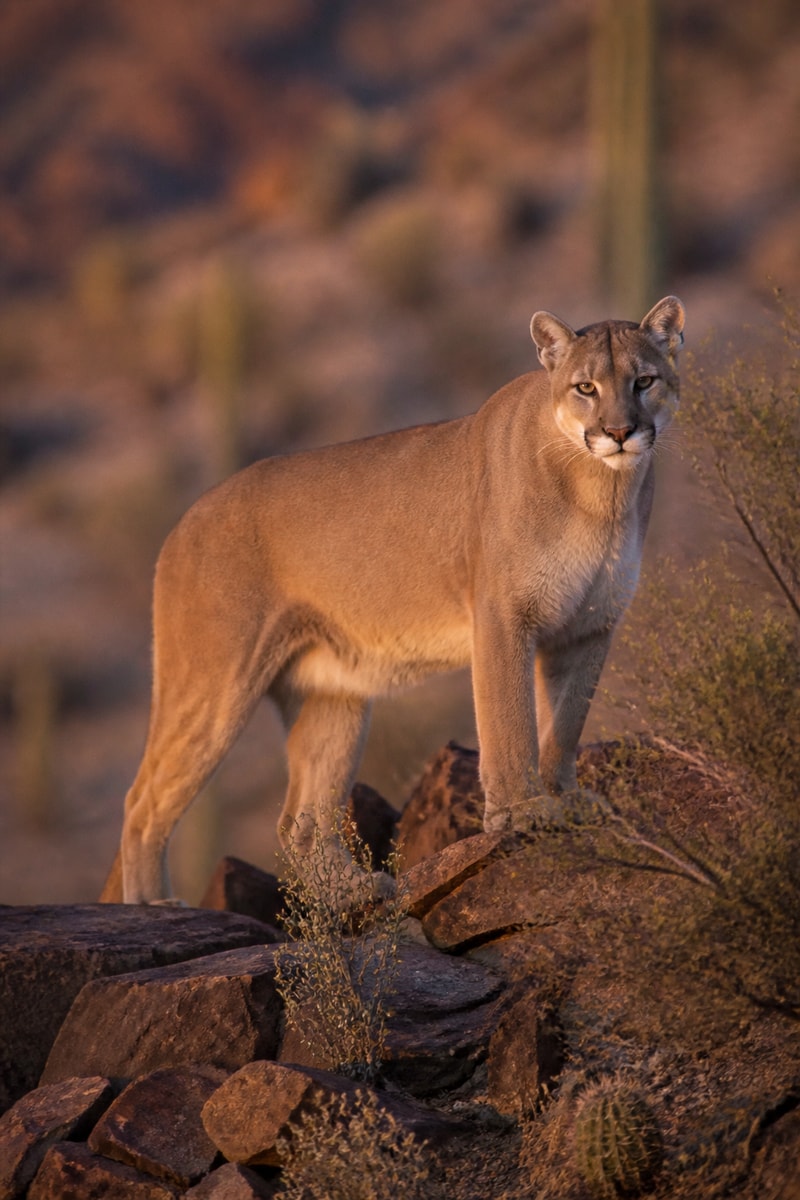
- Mountain Lionlegendary • Mountains & Desert
- Great White Sharklegendary • Coastal Ocean
- Orcalegendary • Coastal Ocean
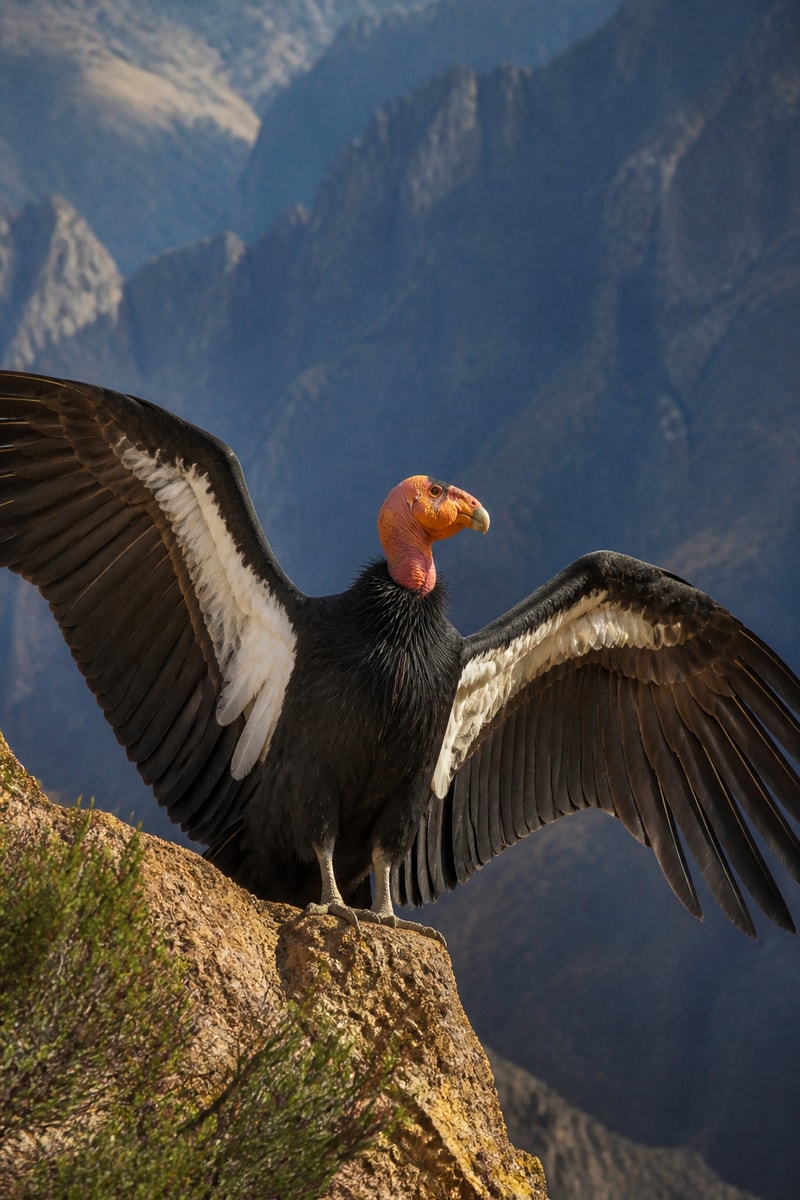
- California Condorlegendary • Canyons & Cliffs
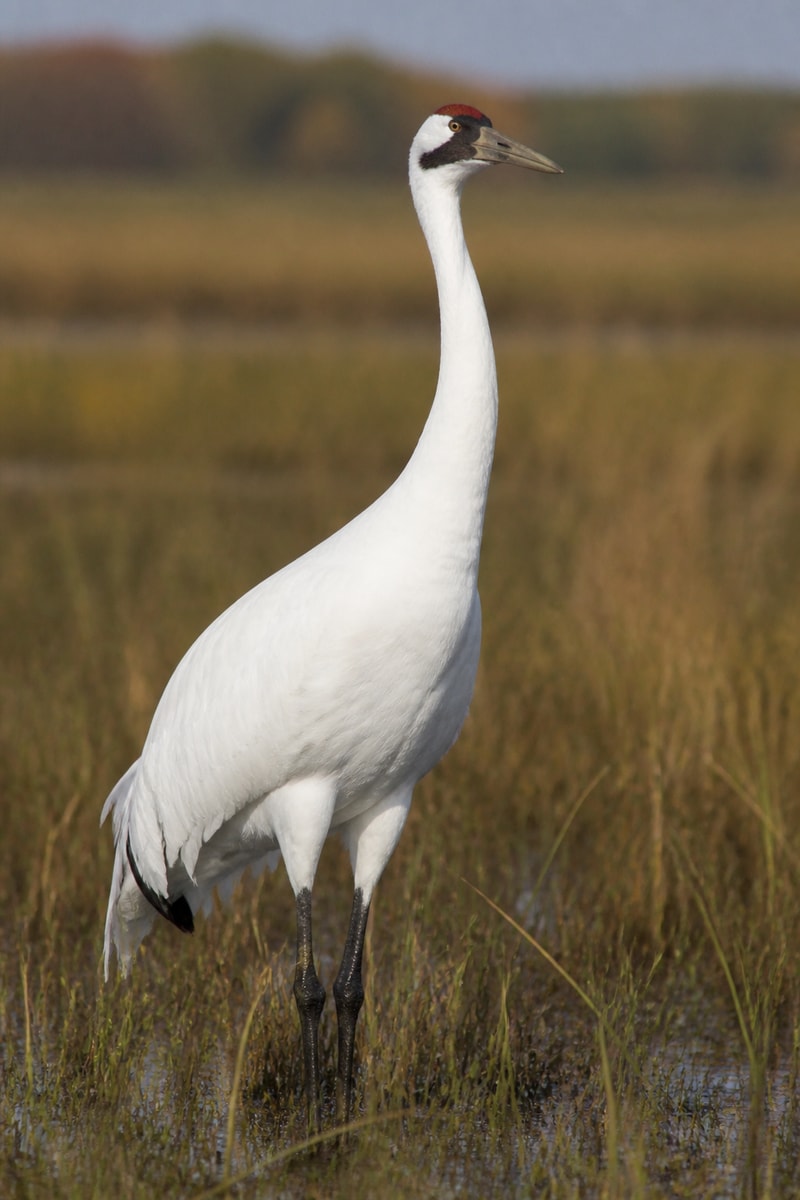
- Whooping Cranelegendary • North American Wetlands
Free on iOS
Catch the Striped Skunk
Spot one in the wild, then scan it in Catch'Um to log your common discovery.