
Field guide · rare
Sloth Bear
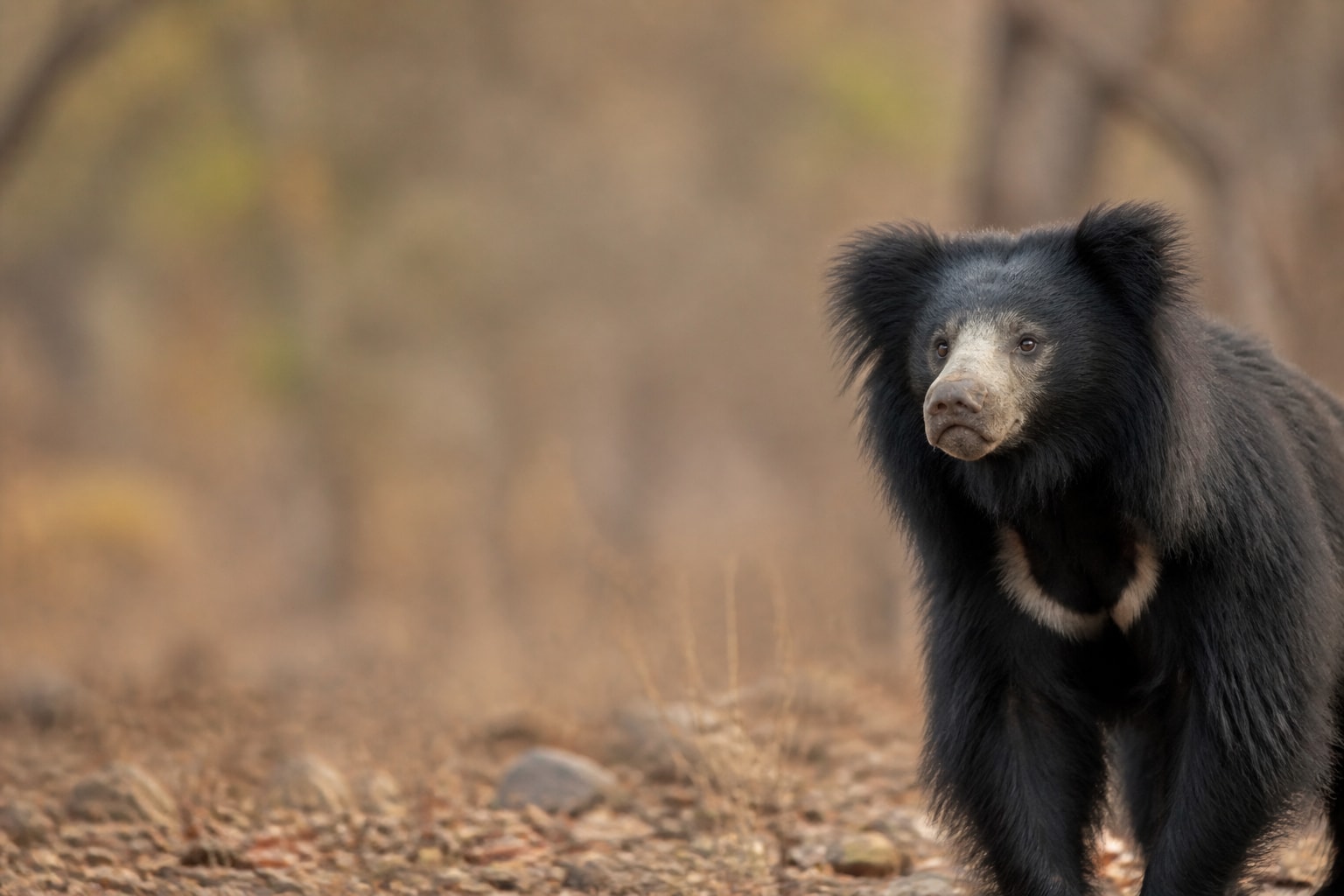
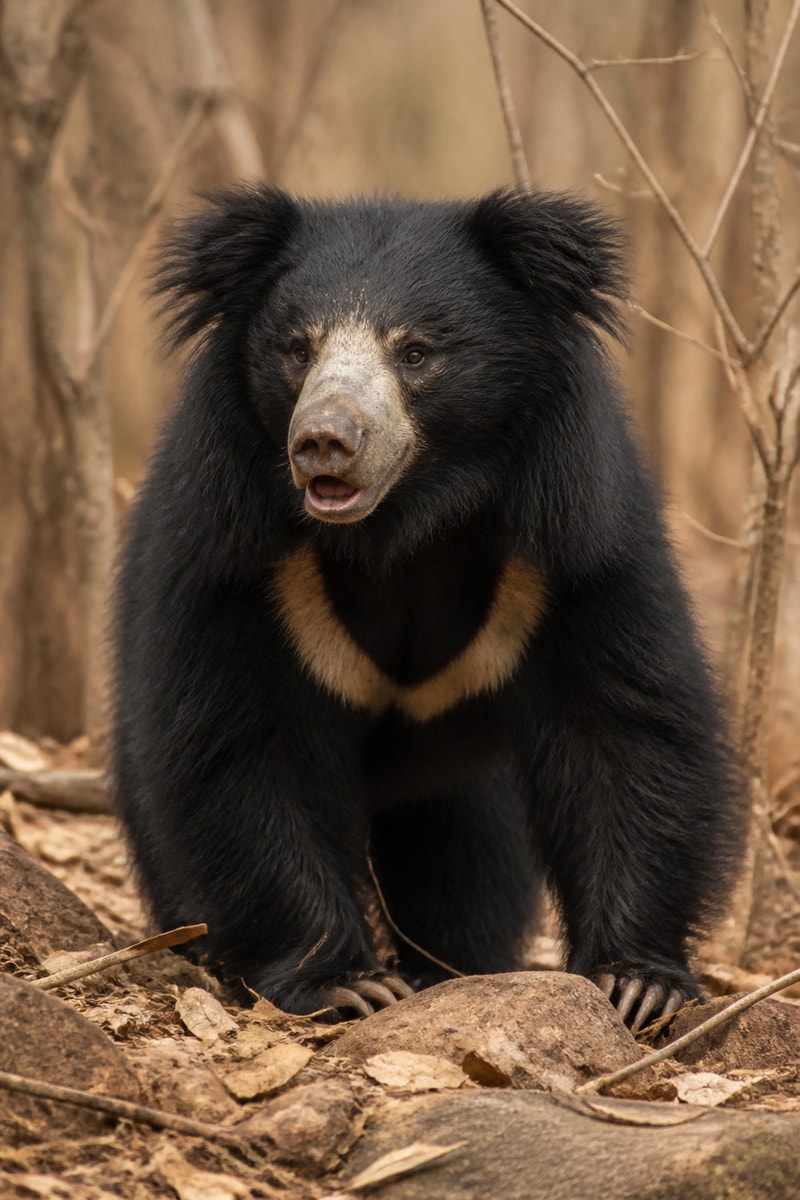
Shaggy termite vacuum of the subcontinent — long snout, white chest chevron, and chaotic charm.
Vulnerable
Melursus ursinus
Overview
Sloth bears are shaggy South Asian bears specialised for sucking insects through a gap in the front teeth. They roam dry forests and scrub, often nocturnal, and carry cubs on their backs — a rare bear behaviour.
For India collectors, the sloth bear is a rare forest character — messy mane, insect specialist, and unmistakable chest blaze.
- Scientific nameMelursus ursinus
- Length1.4–1.9 m
- Weight55–140 kg
- LifespanAround 15–20 years in the wild
- DietTermites and ants form a…
- ConservationVulnerable
- RegionIndian Forest
Where to see them
Habitat
- Deciduous forest
- Scrub woodland
- Rocky outcrop
Dry and moist deciduous forest, scrub, and rocky outcrops across the Indian subcontinent, often near termite mounds and fruiting trees.
Field notes
Field scale for the Sloth Bear: length around 1.4-1.9 m; weight 55-140 kg. Typical lifespan: Around 15-20 years in the wild.
When you are scanning habitat, prioritise deciduous forest, scrub woodland, and rocky outcrop. Those settings are where a clean look and a usable photo are most likely.
Quick ID anchor: Shaggy black-brown bear with a pale muzzle and white chest chevron. Confirm with behaviour and habitat before you log the discovery.
Where to see one
India
In India, strong options include Ranthambore National Park and Kanha National Park. Dry deciduous forest and ruined fortresses where tigers patrol ancient trails, one of India's most reliable tiger-spotting reserves.
Open the India spotting guide for every park note tied to the sloth bear.
Diet
Termites and ants form a major part of the diet, plus seasonal fruits, honey, and flowers.
Tear open mounds and suck insects with noisy vacuum-like feeding.
Behaviour
Often nocturnal or crepuscular; may climb for fruit and honey.
Mothers carry cubs on their backs while foraging.
How to identify
Shaggy black-brown bear with a pale muzzle and white chest chevron.
Long lower lip and unkempt mane distinguish it from Asian black bears.
Interesting facts
- 01
Missing upper incisors create a suction channel for insects.
- 02
Long mobile snout and closable nostrils suit mound raiding.
- 03
Cubs commonly ride on the mother’s back.
- 04
White V- or Y-shaped chest patch is a field mark.
- 05
Also eat fruit, honey, and flowers when in season.
- 06
Can be dangerously defensive near dens or cubs.
Conservation status
Sloth bears are Vulnerable. Habitat fragmentation and conflict with people reduce secure range. Connected forests and reduced persecution support remaining populations.
Sources: IUCN Red List

Keep exploring
Where it lives
Related discoveries
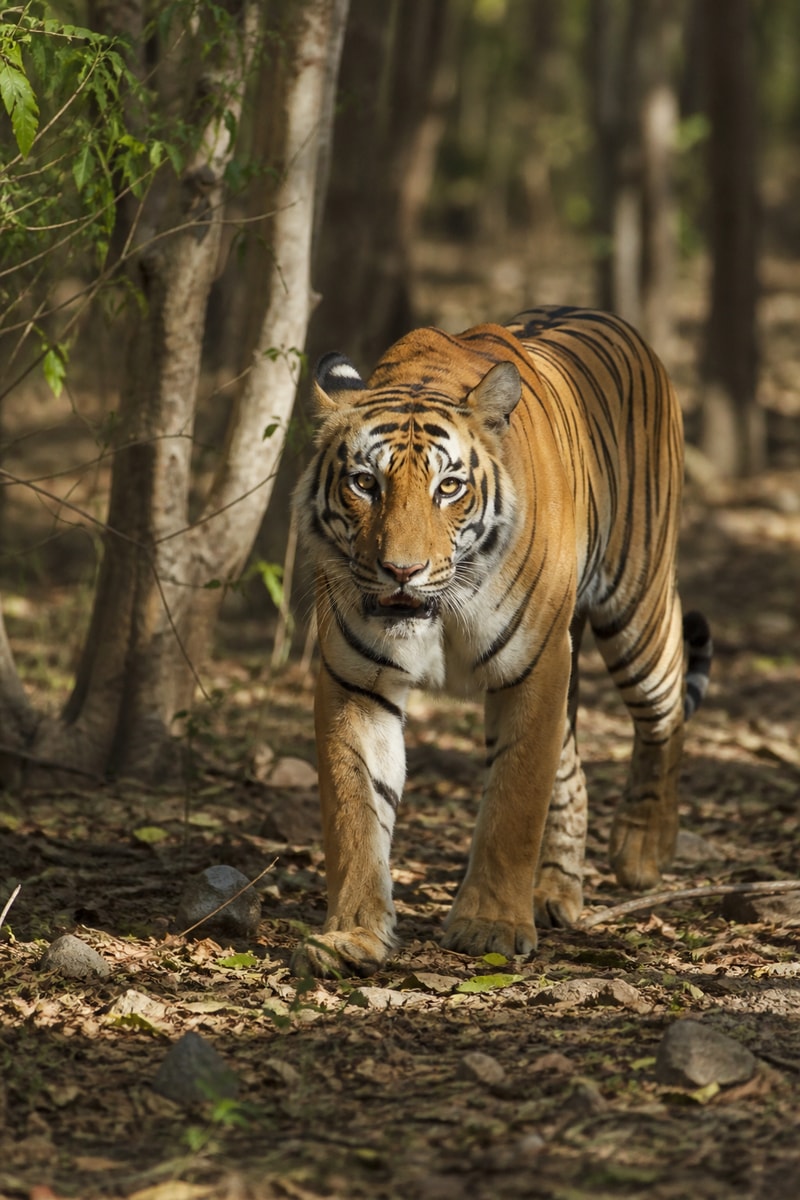
- Tigerlegendary • Jungle & Grassland
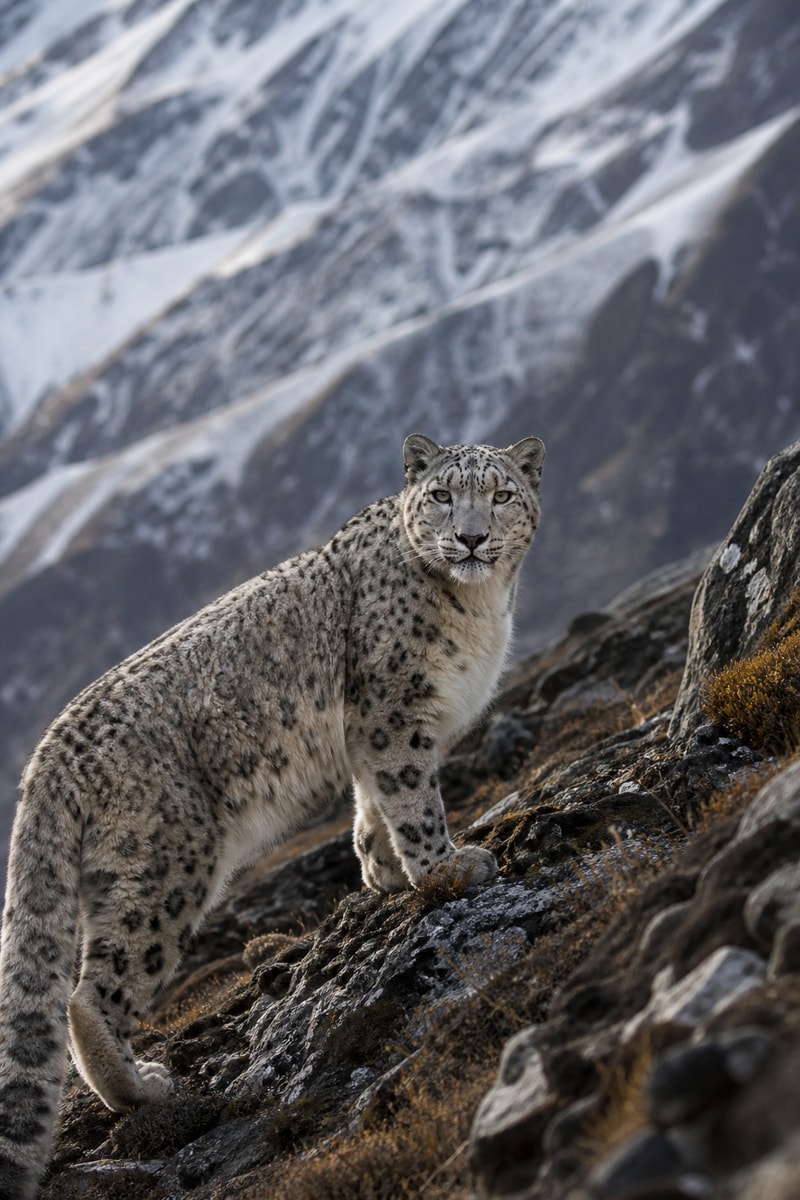
- Snow Leopardlegendary • High Mountains
- Ghariallegendary • Riverine Sandbanks
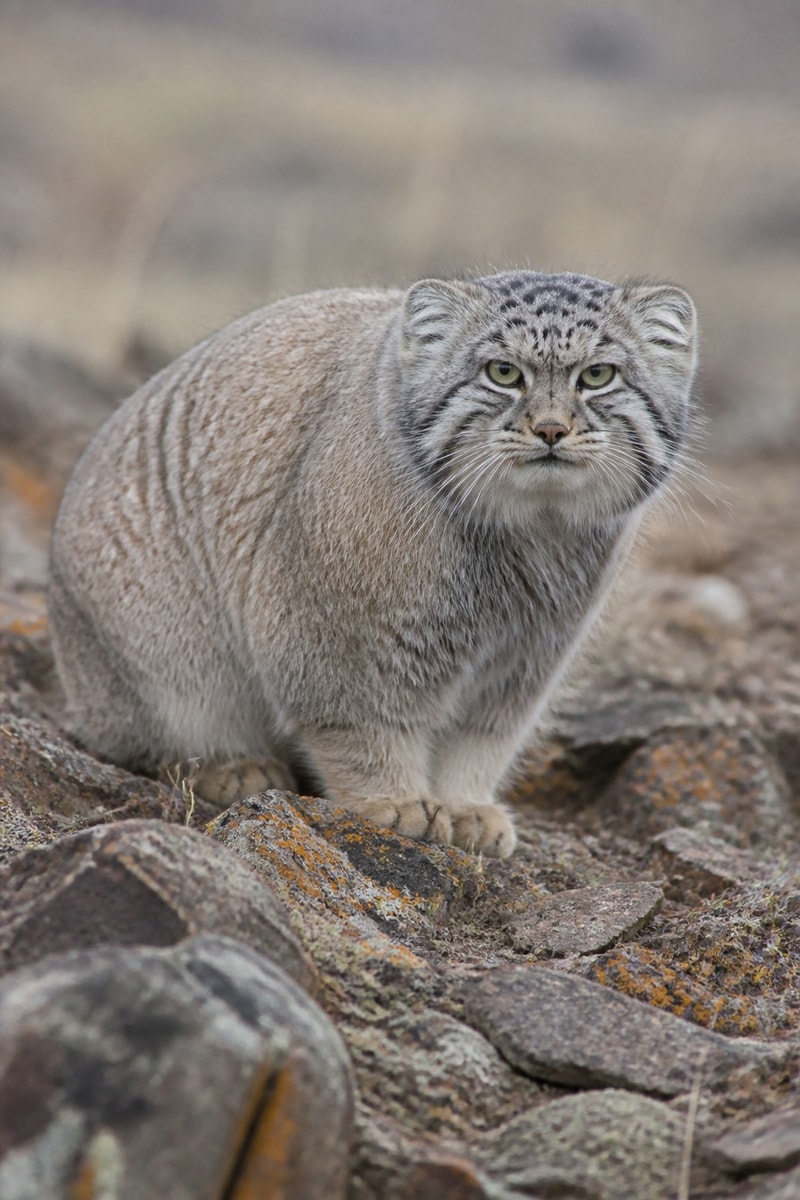
- Pallas's Catlegendary • Central Asian Steppe
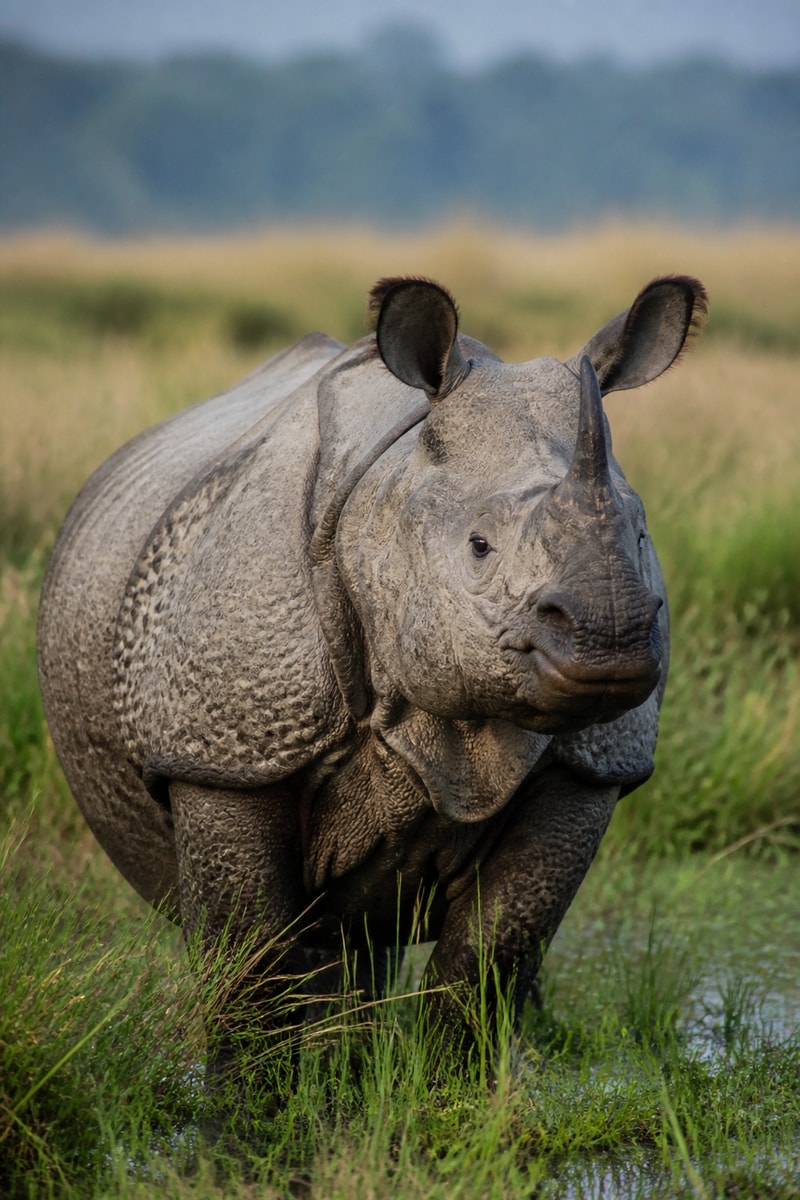
- Indian Rhinoceroslegendary • South Asian Floodplain
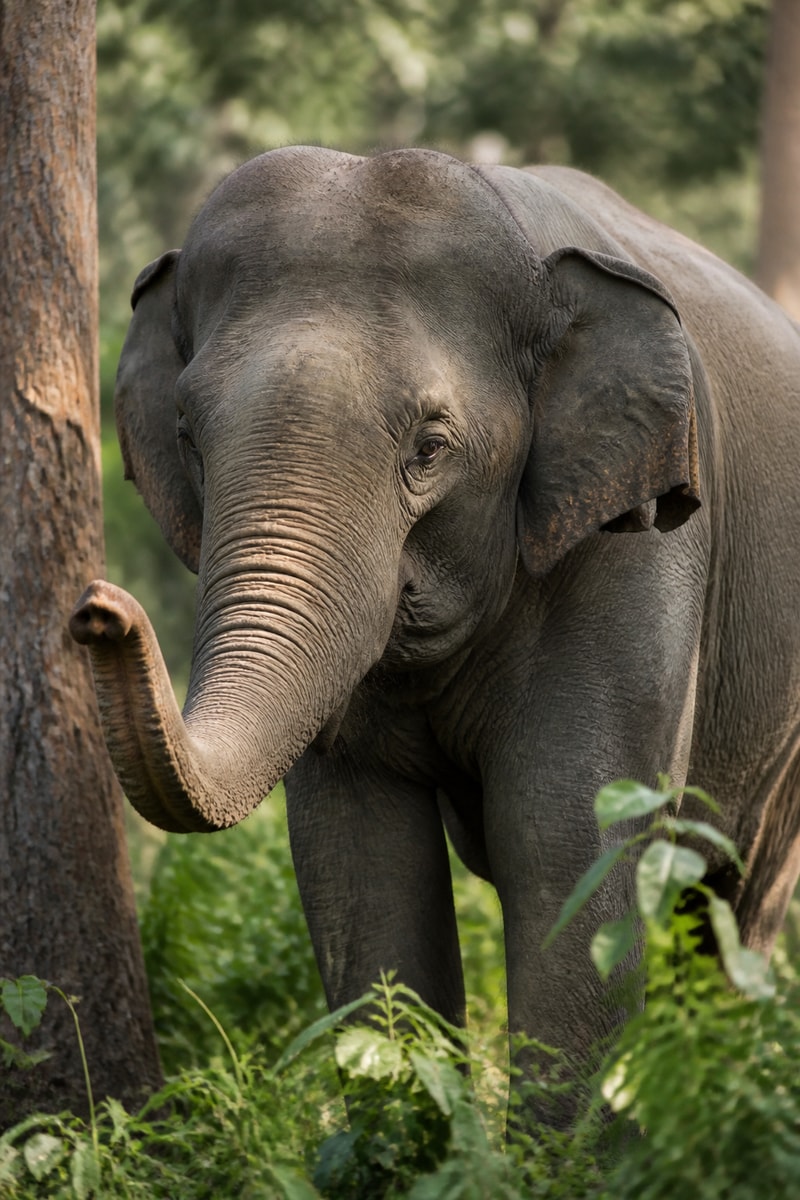
- Asian Elephantrare • Forest & Grassland
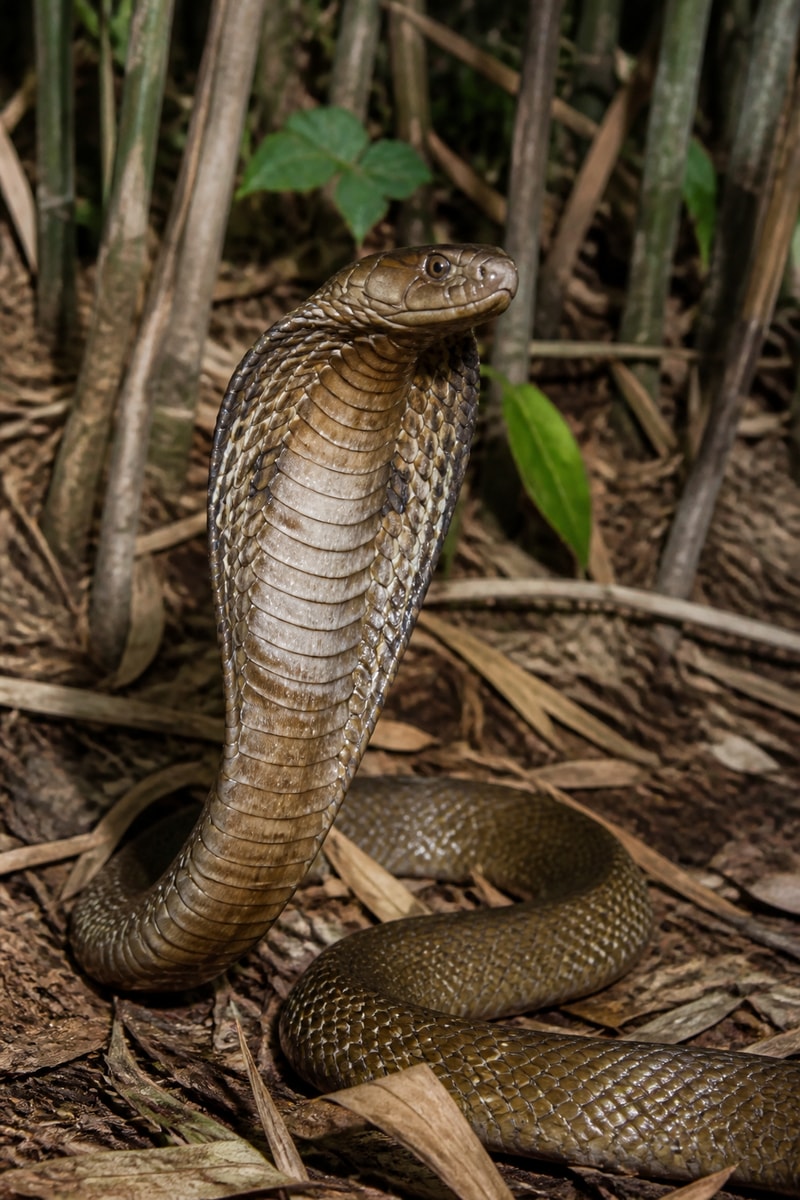
- King Cobrarare • Forest
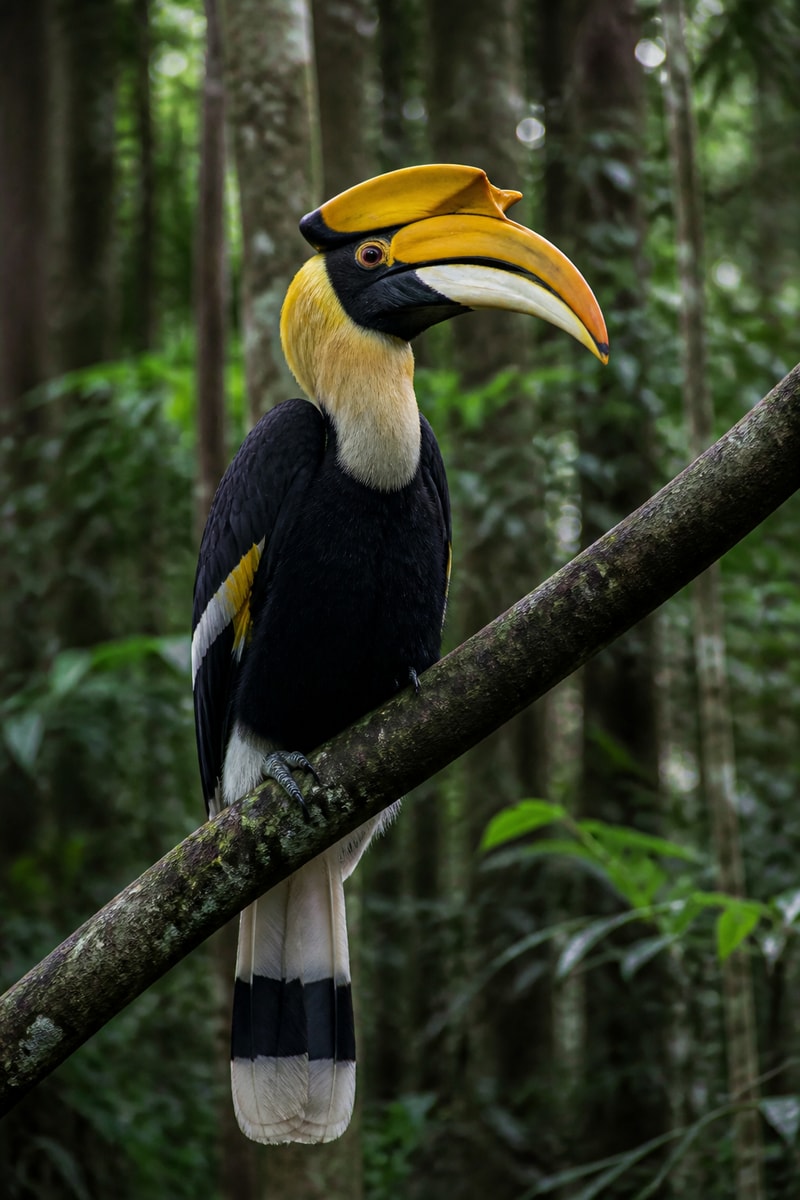
- Great Hornbillrare • Forest Canopy
Free on iOS
Catch the Sloth Bear
Spot one in the wild, then scan it in Catch'Um to log your rare discovery.