

Field guide · rare
Great Hornbill
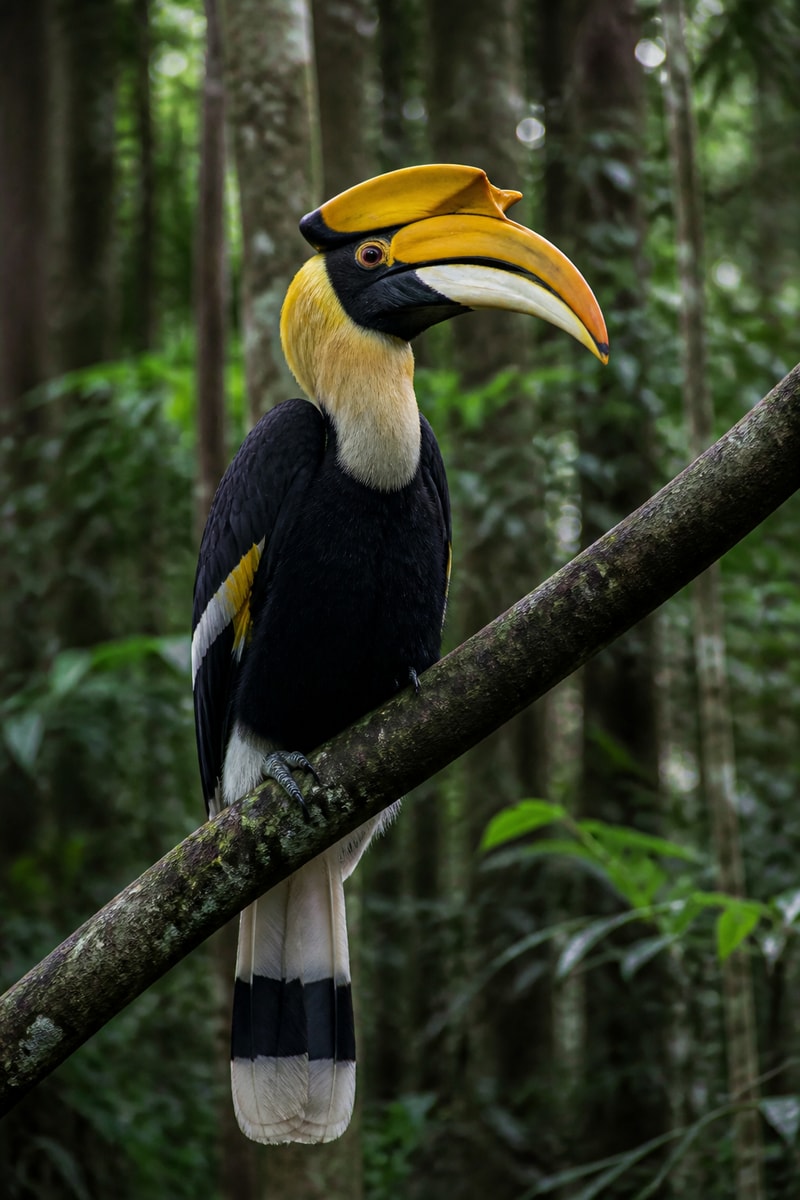
A casque like carved ivory — Asia's great hornbill, booming through tall rainforest.
Vulnerable
Buceros bicornis
Overview
Great hornbills are huge canopy birds with black-and-yellow wings, a massive yellow bill, and a hollow casque that amplifies their presence. They nest in tree cavities where the female seals herself in with mud while raising chicks.
A spectacular Asia bird for India and Indonesia pages beyond peafowl and Bali starling.
- Scientific nameBuceros bicornis
- Length95–120 cm
- HeightWingspan ~1.5 m
- Weight2–4 kg
- LifespanAround 35–50 years estimated
- DietFruit
- ConservationVulnerable
- RegionForest Canopy
Where to see them
Habitat
- Evergreen forest
- Moist deciduous forest
Tall evergreen and moist deciduous forests of India and Southeast Asia with large nesting trees and fruiting figs.
Field notes
Field scale for the Great Hornbill: length around 95-120 cm; height Wingspan ~1.5 m; weight 2-4 kg. Typical lifespan: Around 35-50 years estimated.
When you are scanning habitat, prioritise evergreen forest and moist deciduous forest. Those settings are where a clean look and a usable photo are most likely.
Quick ID anchor: Huge black-and-white/yellow hornbill with a large yellow bill and double-pointed casque. Confirm with behaviour and habitat before you log the discovery.
Diet
Fruit — especially figs — plus small animals, eggs, and nestlings opportunistically.
Travel widely to track fruiting canopy trees.
Behaviour
Usually in pairs or small groups; loud calls and whooshing wingbeats.
Unique sealed-cavity nesting with male provisioning.
How to identify
Huge black-and-white/yellow hornbill with a large yellow bill and double-pointed casque.
Black band across the tail; bare skin colours vary around the eye.
Interesting facts
- 01
The casque is mostly hollow and unique to each bird's wear pattern.
- 02
Females seal themselves into nest cavities during breeding.
- 03
Males deliver food through a narrow nest slit.
- 04
Figs are a critical part of the diet.
- 05
Wingbeats whoosh loudly in forest silence.
- 06
Among the largest Asian hornbills.
Conservation status
Great hornbills are Vulnerable. Logging of nest trees and hunting pressure reduce populations. Protecting old-growth forest cavities is essential.
Sources: IUCN Red List





Keep exploring
Where it lives
Related discoveries
- Tigerlegendary • Jungle & Grassland
- Snow Leopardlegendary • High Mountains
- Komodo Dragonlegendary • Komodo Islands
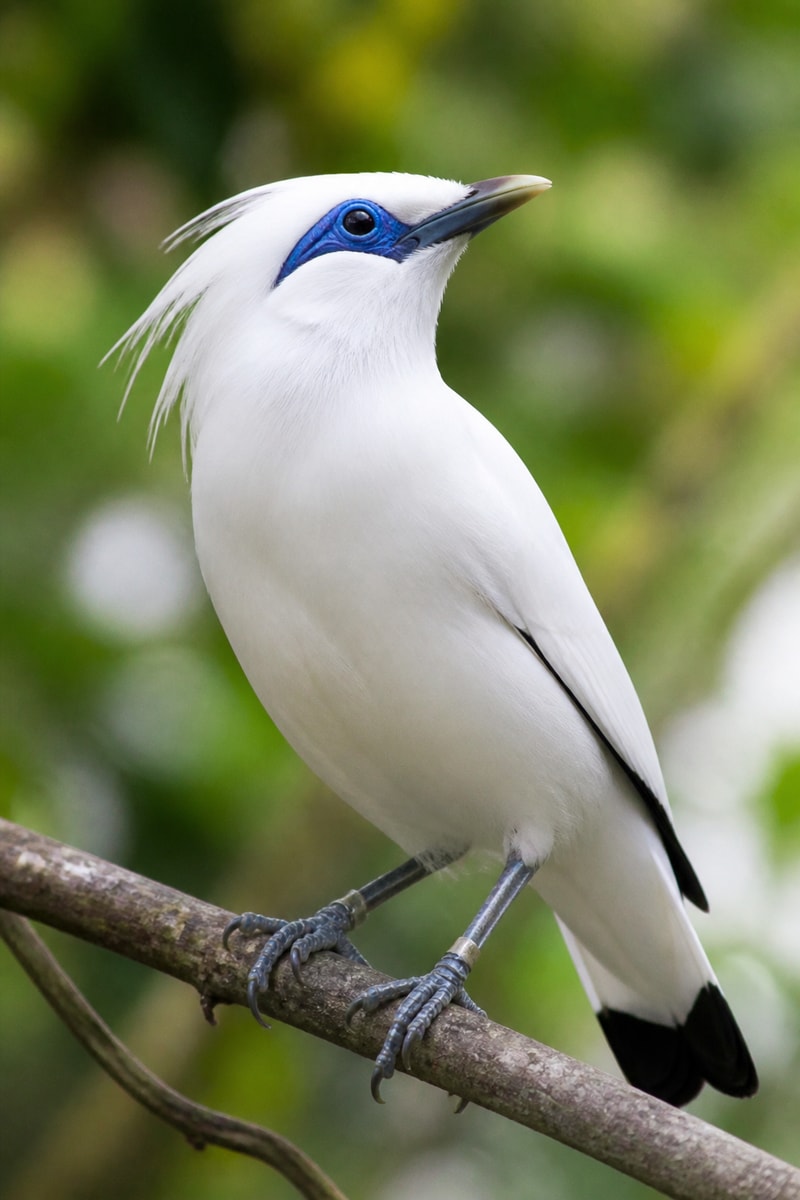
- Bali Starlinglegendary • Bali
- Clouded Leopardlegendary • Forest Canopy
- Ghariallegendary • Riverine Sandbanks
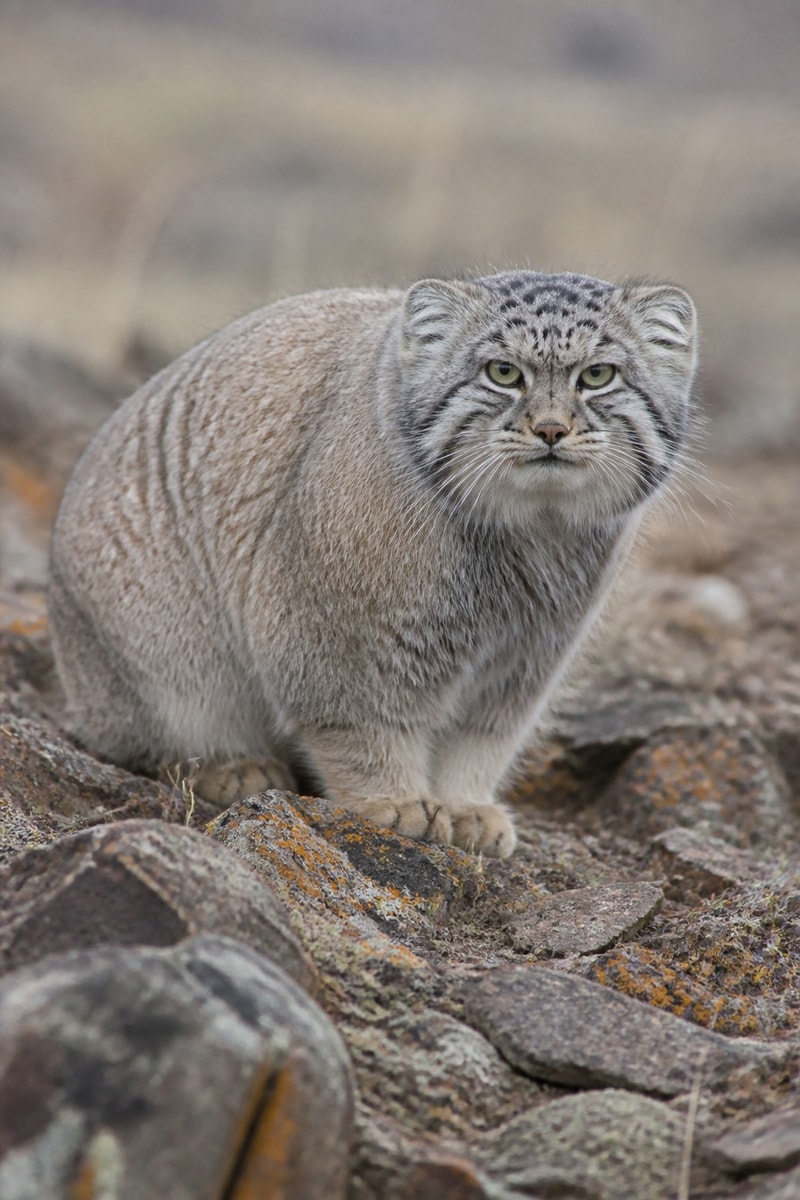
- Pallas's Catlegendary • Central Asian Steppe
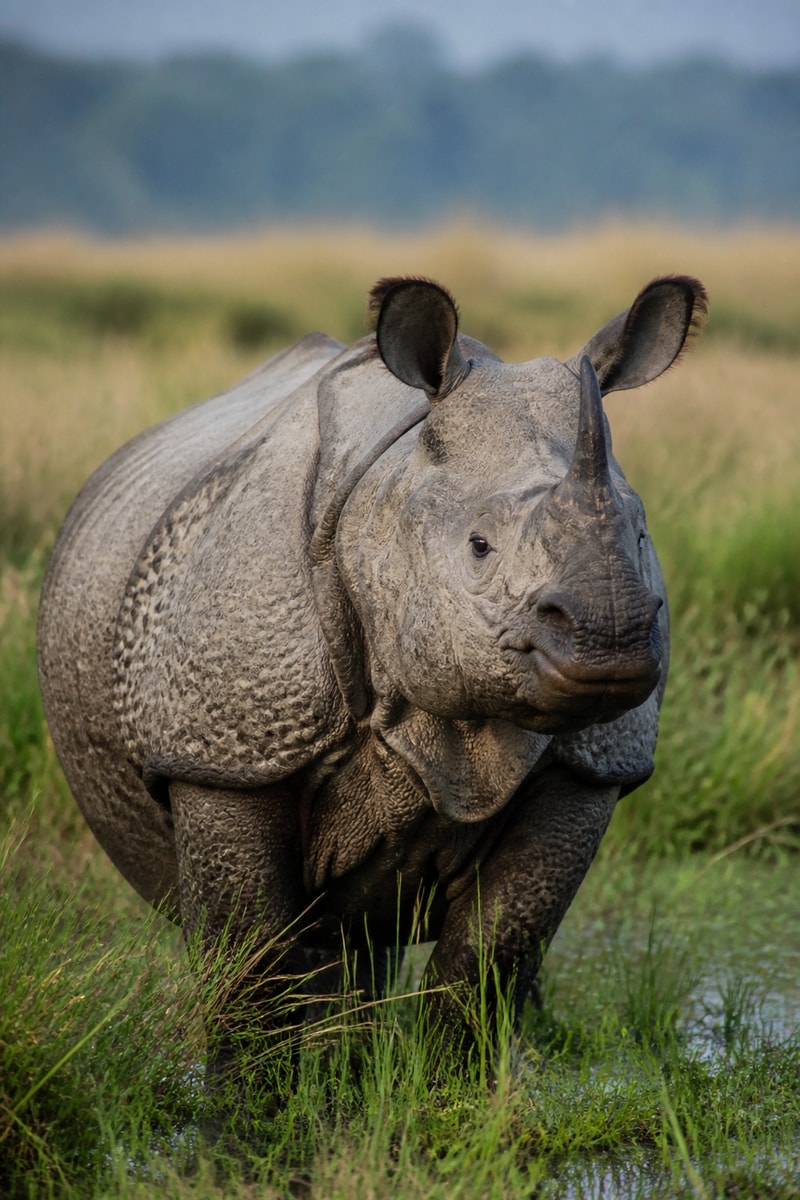
- Indian Rhinoceroslegendary • South Asian Floodplain
Free on iOS
Catch the Great Hornbill
Spot one in the wild, then scan it in Catch'Um to log your rare discovery.