
Field guide · legendary
Komodo Dragon
The world's largest lizard, a three-metre apex predator that rules a handful of Indonesian islands.
Endangered
Varanus komodoensis
Overview
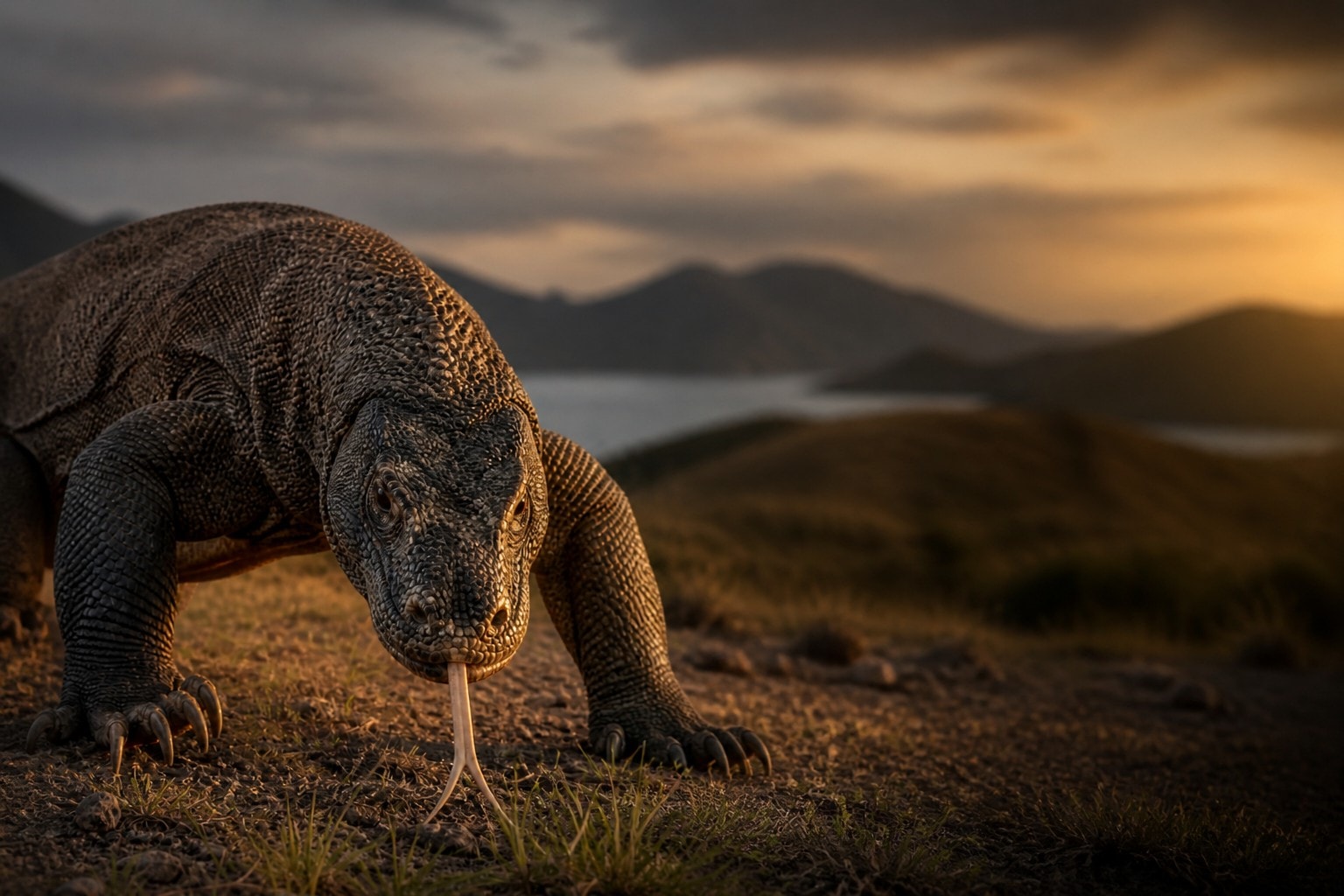
The Komodo dragon is the heaviest lizard on Earth, growing up to three metres long and weighing as much as an adult human. It survives on just a few islands in eastern Indonesia, where it sits unchallenged at the top of the food chain, an animal that feels less like modern wildlife and more like a surviving piece of deep time.
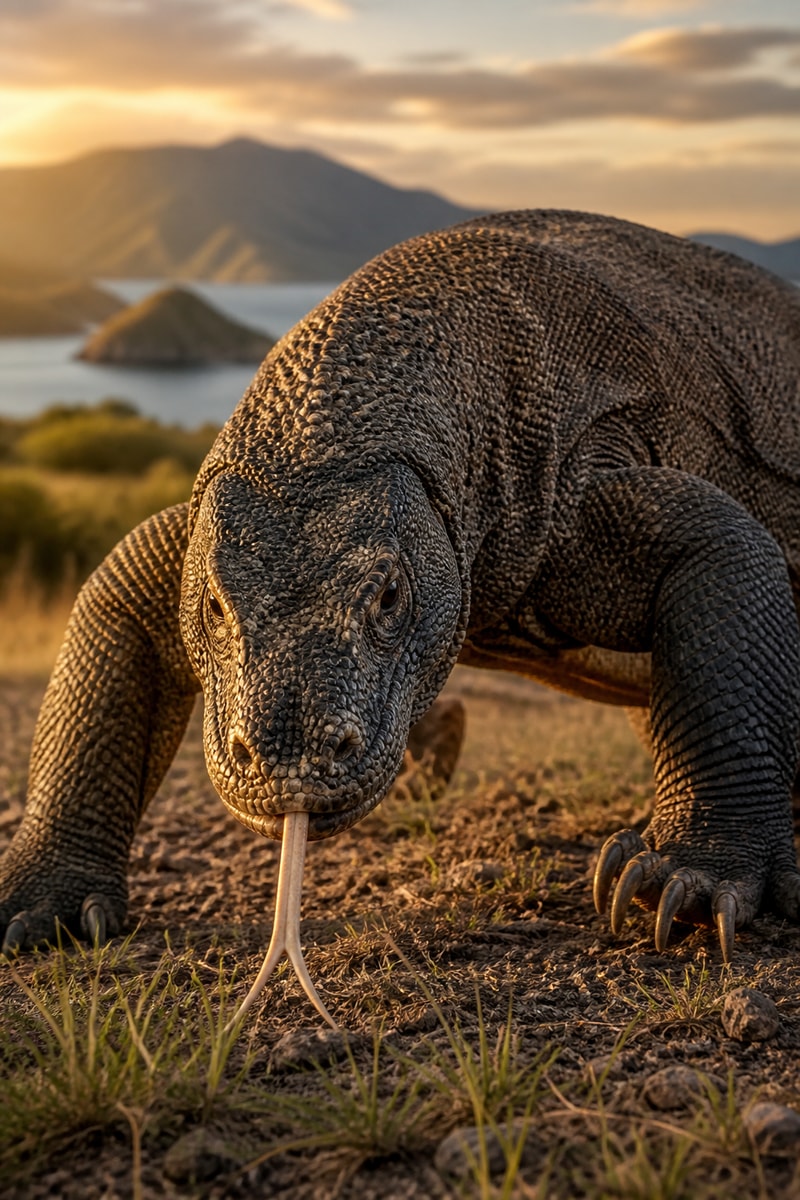
Dragons hunt by ambush, combining serrated teeth with venom glands that prevent a wounded animal's blood from clotting. They can smell carrion from several kilometres away using their long forked tongues, and are surprisingly fast over short distances.
- Scientific nameVaranus komodoensis
- Length2–3 m
- Weight70–90 kg typically; large males over 100 kg
- LifespanAround 30 years in the wild
- DietApex predator and…
- ConservationEndangered
- RegionKomodo Islands
Where to see them
Habitat
- Dry savanna
- Monsoon forest
- Coastal scrub
Komodo dragons live on the dry, rugged islands of Komodo, Rinca, Flores, and Gili Motang, patrolling tropical savanna, open woodland, and beaches. Most of their range falls inside Komodo National Park, a UNESCO World Heritage Site.
Field notes
Field scale for the Komodo Dragon: length around 2-3 m; weight 70-90 kg typically; large males over 100 kg. Typical lifespan: Around 30 years in the wild.
When you are scanning habitat, prioritise dry savanna, monsoon forest, and coastal scrub. Those settings are where a clean look and a usable photo are most likely.
Quick ID anchor: Huge grey-brown monitor with a long muscular tail, powerful limbs, and a deep snout. Confirm with behaviour and habitat before you log the discovery.
Where to see one
Indonesia
In Indonesia, start at Komodo National Park (East Nusa Tenggara). The only place on Earth to see wild Komodo dragons, patrolling savanna hillsides between pink-sand beaches and manta-filled reefs.
More context on this destination lives on the Indonesia expedition page.
Diet
Apex predator and scavenger eating deer, pigs, water buffalo, birds, and carrion on its island range.
Juveniles take insects, geckos, and small mammals; adults use ambush and a venomous bite.
Behaviour
Diurnal monitor lizard that patrols trails and waits in cover for prey; keen sense of smell via forked tongue.
Solitary adults; hatchlings climb trees to avoid cannibalism by larger dragons.
How to identify
Huge grey-brown monitor with a long muscular tail, powerful limbs, and a deep snout.
World's largest lizard; only on a few islands in eastern Indonesia — not Borneo or Sumatra.
Interesting facts
- 01
A Komodo dragon can eat up to 80% of its own body weight in a single meal.
- 02
Females can reproduce without males through parthenogenesis.
- 03
Their venom lowers blood pressure and prevents clotting in prey.
- 04
Dragons have survived on Indonesian islands for roughly a million years.
- 05
They can sprint at 20 km/h and swim between islands.
Conservation status
Rising sea levels and shrinking habitat threaten the dragon's already tiny range. The entire wild population, around 3,500 individuals, is confined to a few islands, most protected within Komodo National Park.
Sources: IUCN Red List
Keep exploring
Related discoveries
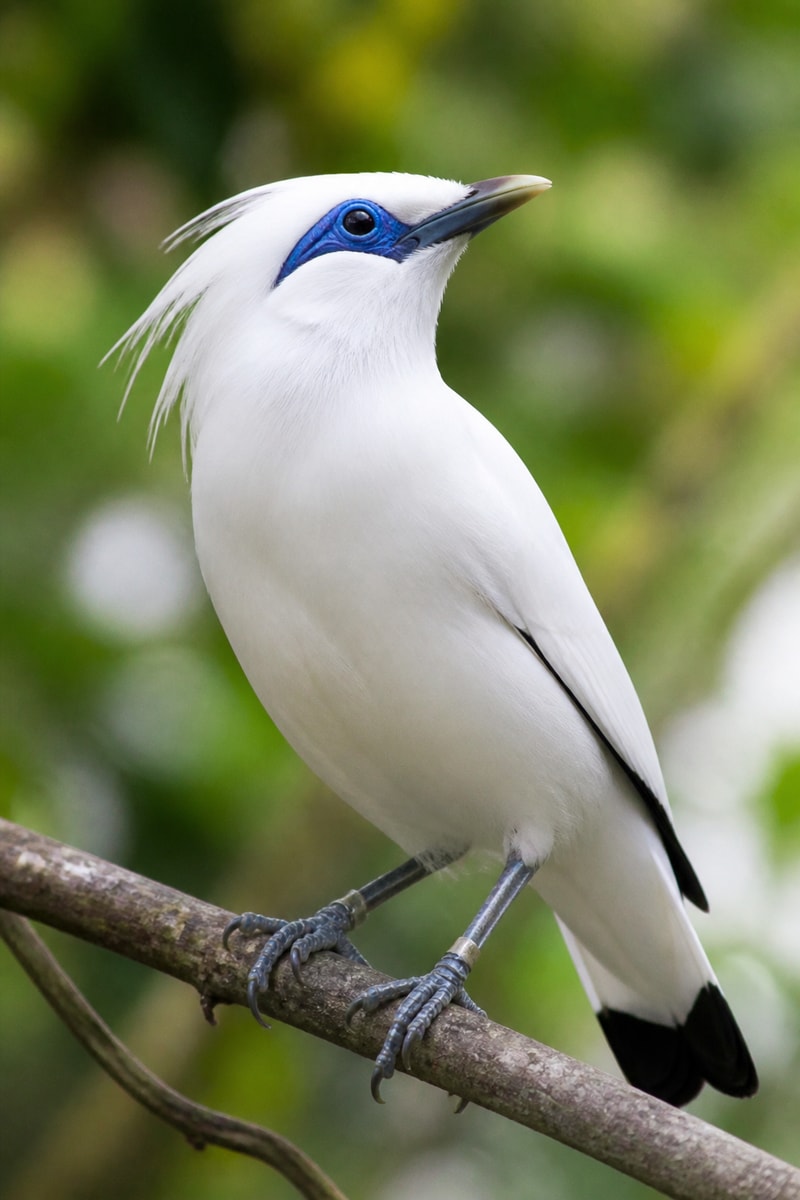
- Bali Starlinglegendary • Bali
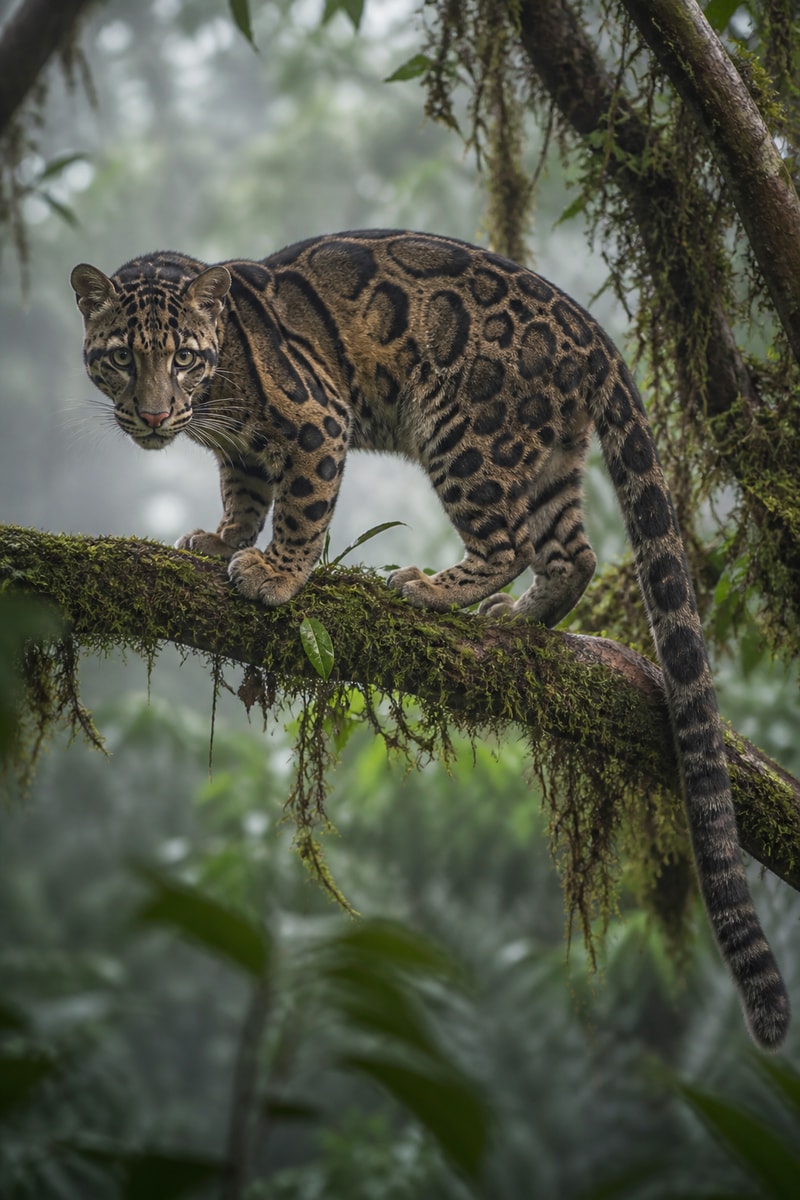
- Clouded Leopardlegendary • Forest Canopy
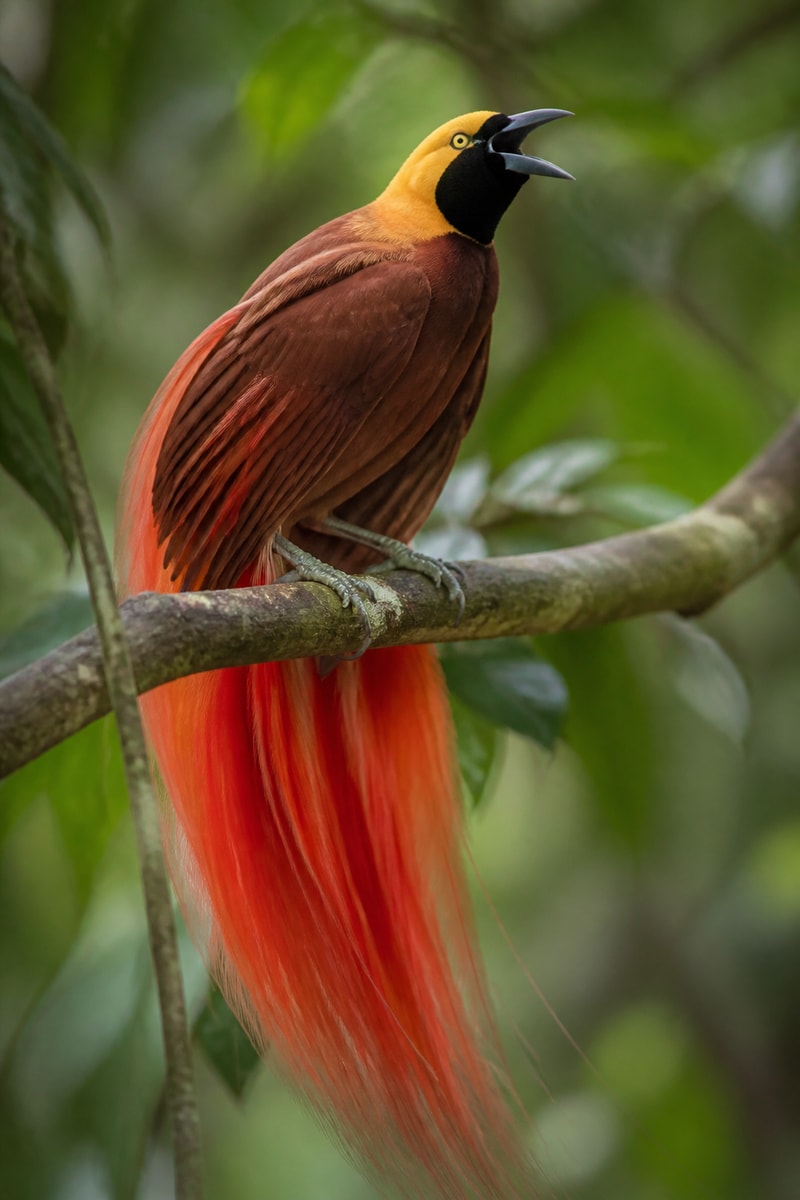
- Raggiana Bird-of-Paradiselegendary • New Guinea Rainforest
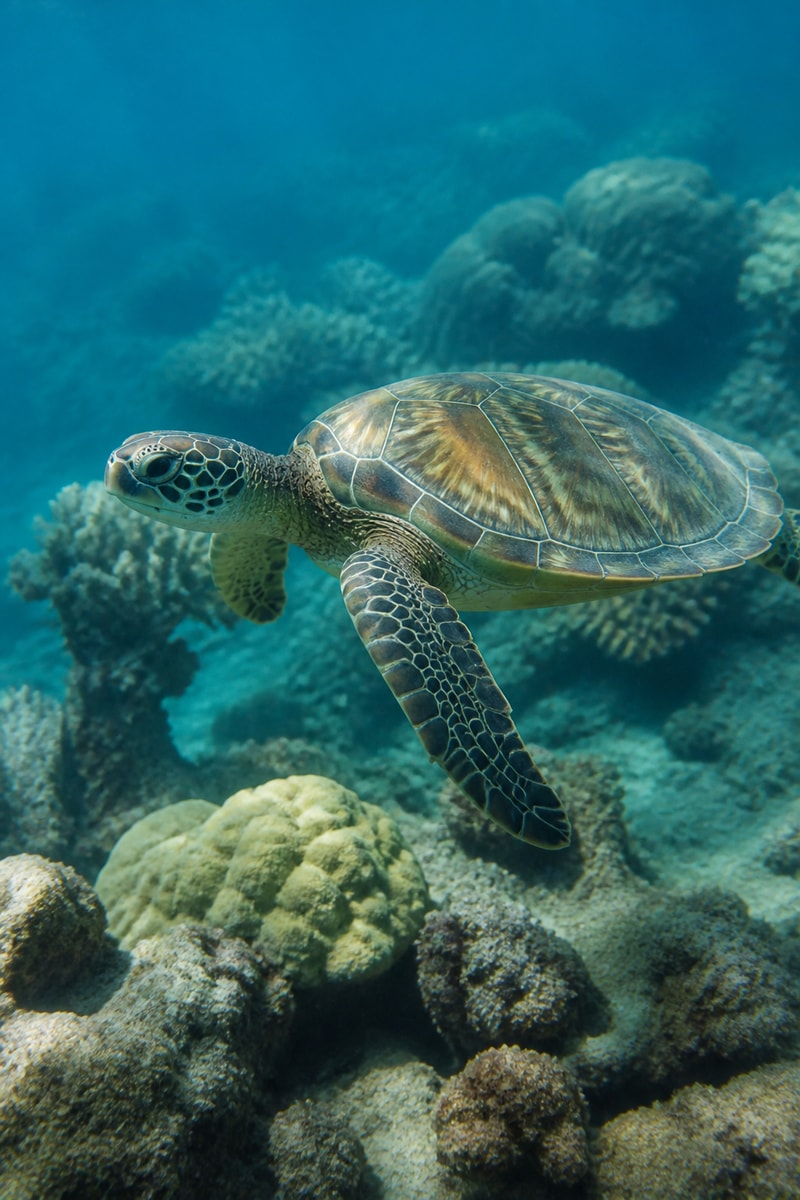
- Sea Turtlerare • Coastal Ocean
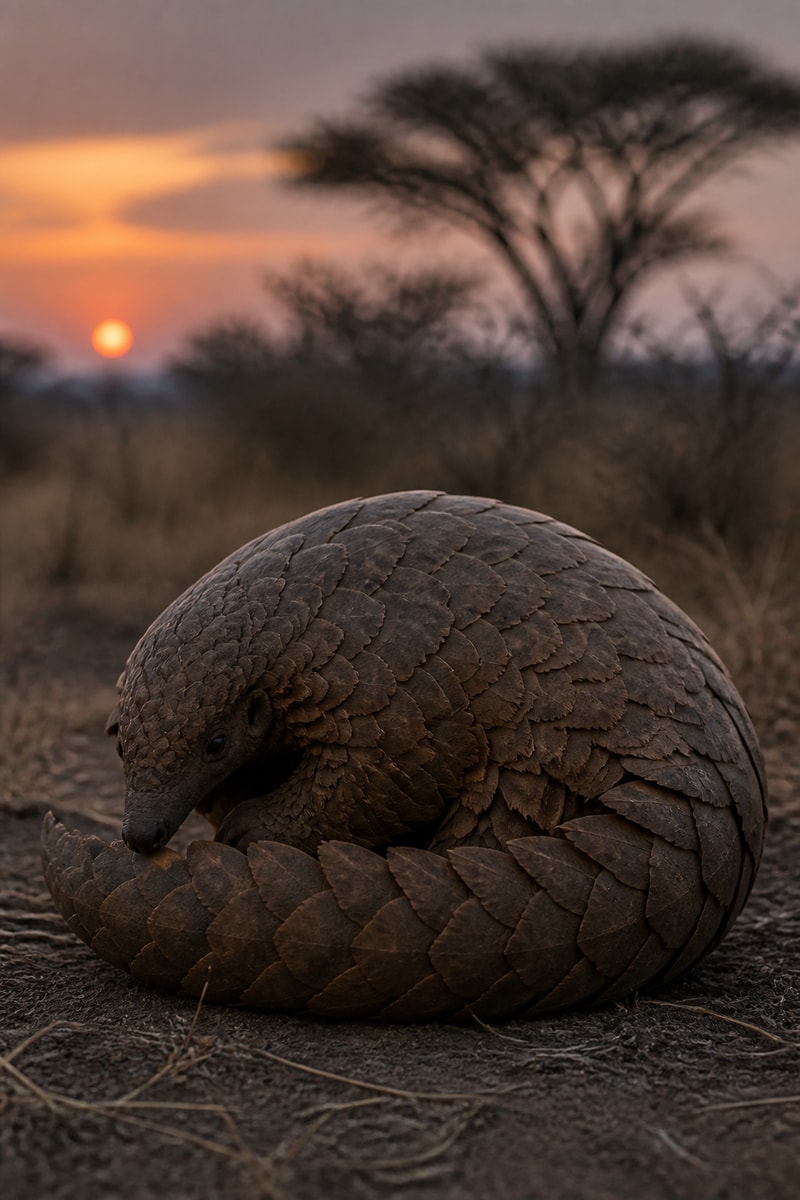
- Pangolinrare • Forest & Grassland
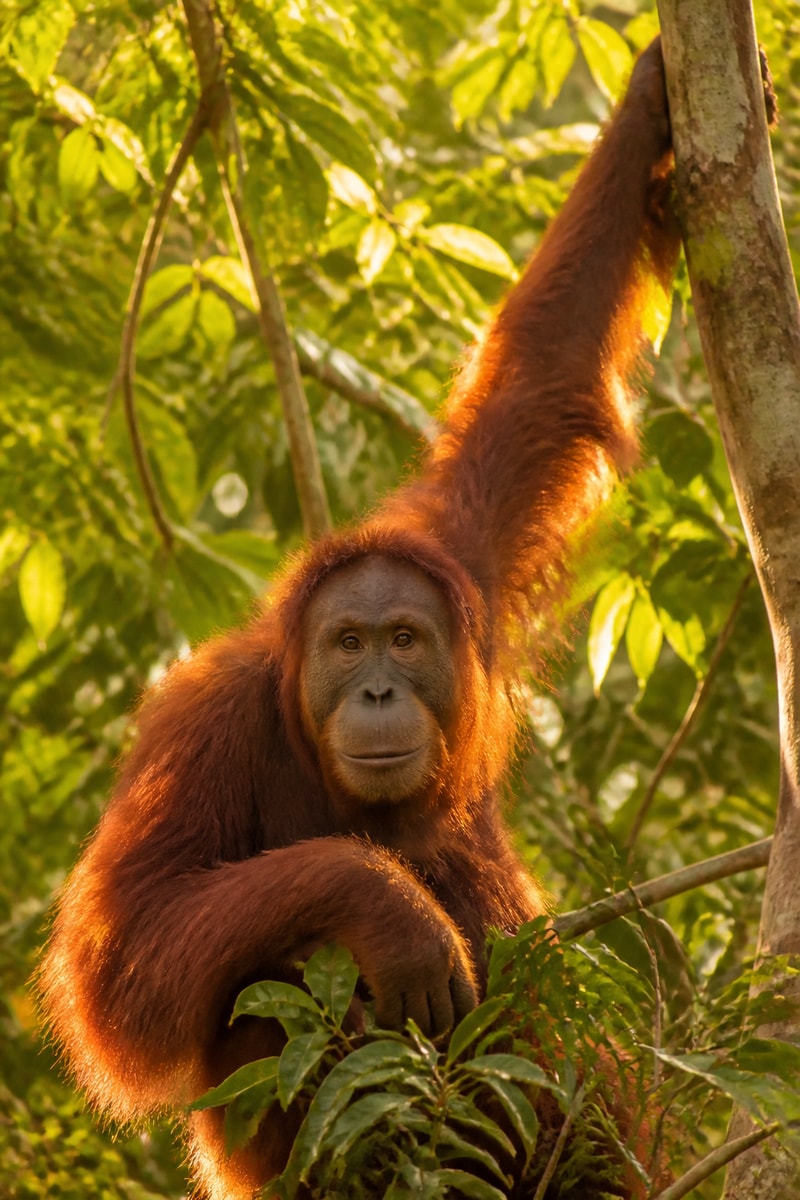
- Orangutanrare • Indonesia
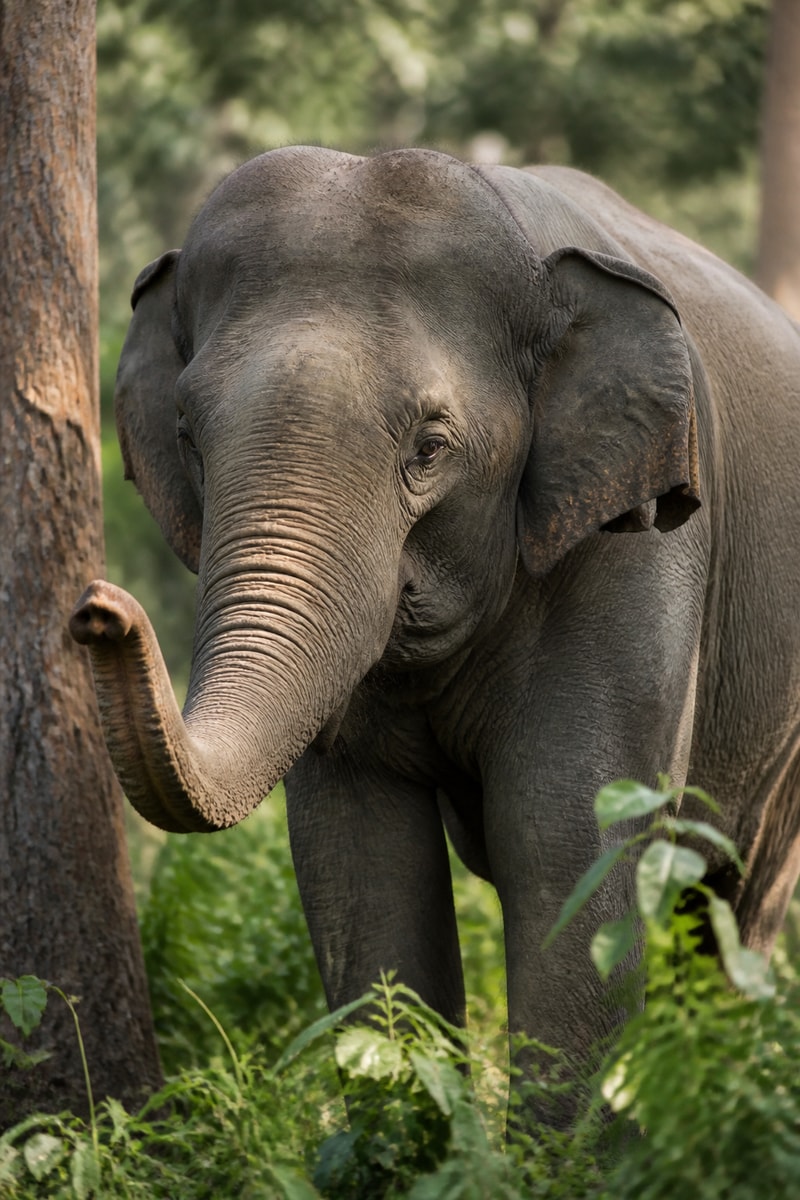
- Asian Elephantrare • Forest & Grassland
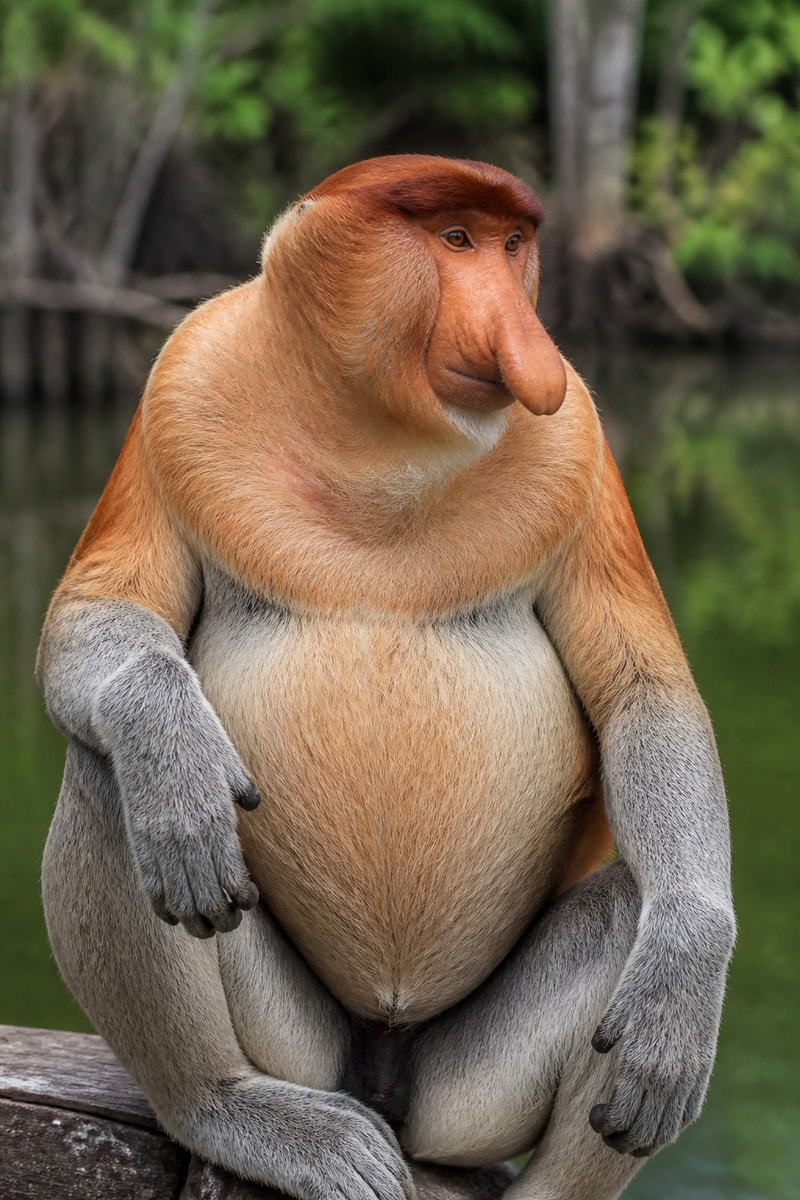
- Proboscis Monkeyrare • Mangrove & River Forest
Free on iOS
Catch the Komodo Dragon
Spot one in the wild, then scan it in Catch'Um to log your legendary discovery.