
Field guide · rare
Asian Elephant
Smaller-eared cousin of the African elephant — temple icon, forest engineer, and one of Asia's most beloved giants.
Endangered
Elephas maximus
Overview
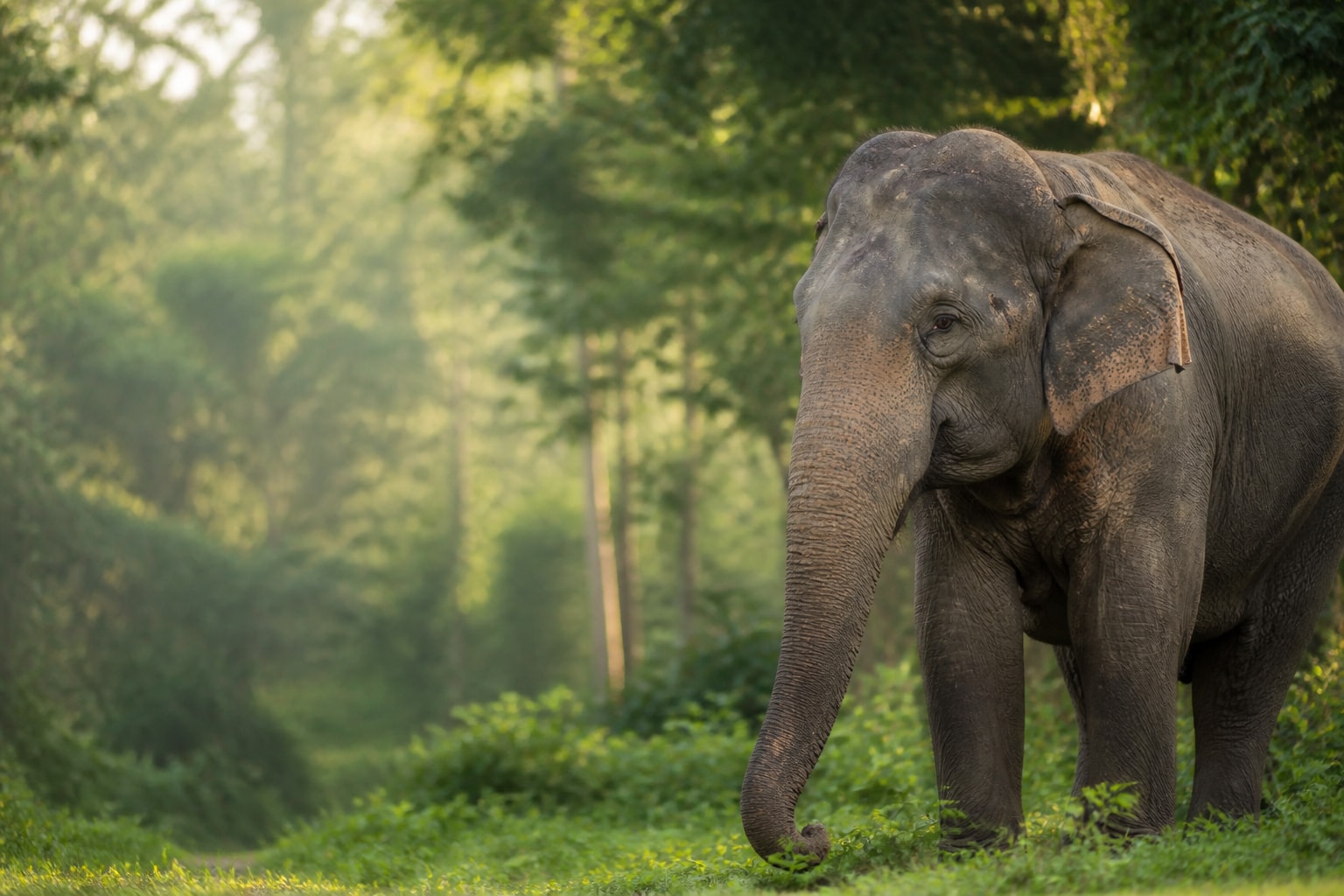
Asian elephants are the largest land animals in Asia, shaped by dense forest as much as open grassland. Compared with African elephants they have smaller ears, a more domed head, and only some males grow tusks.
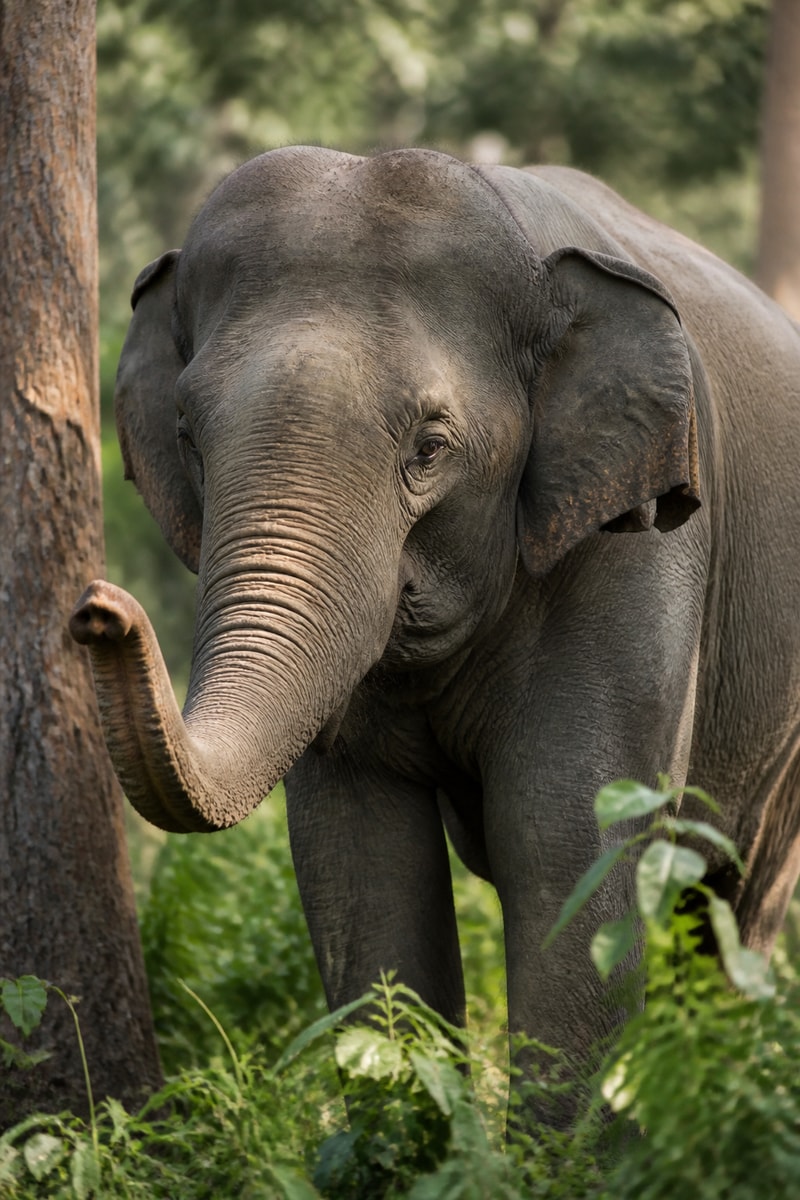
They are deeply woven into the cultures of India and Southeast Asia, yet wild herds still move quietly through teak forest and river valleys. Spotting a wild Asian elephant — trunk raised, ears fanning — is a rare, unforgettable Catch'Um discovery.
- Scientific nameElephas maximus
- Height2–3 m at the shoulder
- Weight2–5 tonnes
- LifespanAround 60–70 years in the wild
- DietBrowse and graze on grasses
- ConservationEndangered
- RegionForest & Grassland
Where to see them
Habitat
- Tropical forest
- Grassland
- Scrub
- River valleys
Asian elephants use tropical forest, grassland, and scrub from India through mainland Southeast Asia to Borneo and Sumatra. They need large ranges with water, shade, and corridors between seasonal feeding grounds.
Field notes
Field scale for the Asian Elephant: height 2-3 m at the shoulder; weight 2-5 tonnes. Typical lifespan: Around 60-70 years in the wild.
When you are scanning habitat, prioritise tropical forest, grassland, scrub, and river valleys. Those settings are where a clean look and a usable photo are most likely.
Quick ID anchor: Grey wrinkled skin, arched twin-domed head, and ears smaller than an African elephant's. Confirm with behaviour and habitat before you log the discovery.
Diet
Browse and graze on grasses, bamboo, leaves, bark, fruit, and crops when herds enter farmland.
Spend much of the day and night feeding to fuel their huge bodies.
Behaviour
Matriarchal herds of related females and calves; adult males often solitary or in loose bachelor groups.
Communicate with rumbles, trumpets, and low-frequency calls that travel far through forest.
How to identify
Grey wrinkled skin, arched twin-domed head, and ears smaller than an African elephant's.
Single 'finger' at the trunk tip; tusks present mainly in some males.
Interesting facts
- 01
Asian elephants have smaller ears and a twin-domed forehead compared with African elephants.
- 02
Only some males grow tusks; many females are tuskless.
- 03
Their trunks have a single finger-like tip (African elephants have two).
- 04
A herd is usually led by an older matriarch who remembers water and migration routes.
- 05
They can eat 150 kg of vegetation in a day.
- 06
Calves are raised cooperatively by females in the family group.
Conservation status
Asian elephants are Endangered. Habitat fragmentation, conflict with farmers, and ivory poaching continue to shrink wild herds. Protected corridors and community conflict-reduction programmes are essential to keep populations connected.
Sources: IUCN Red List
Keep exploring
Where it lives
Related discoveries
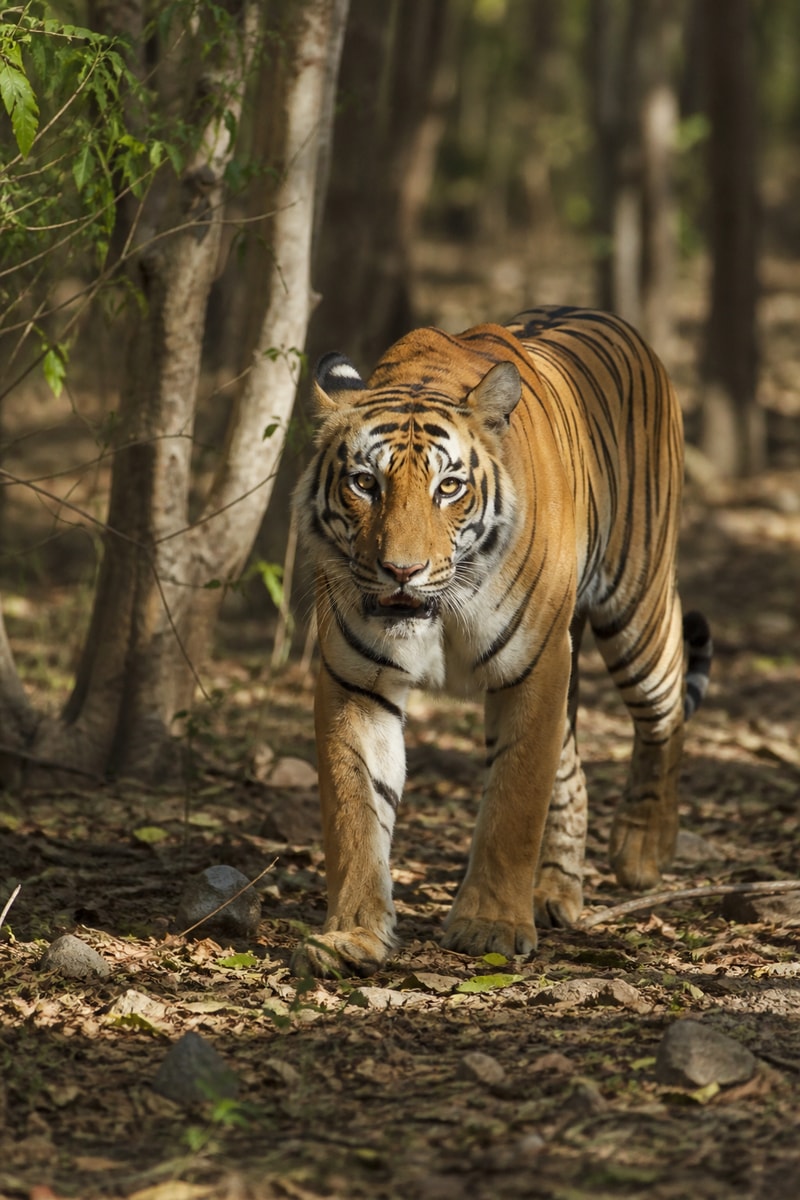
- Tigerlegendary • Jungle & Grassland
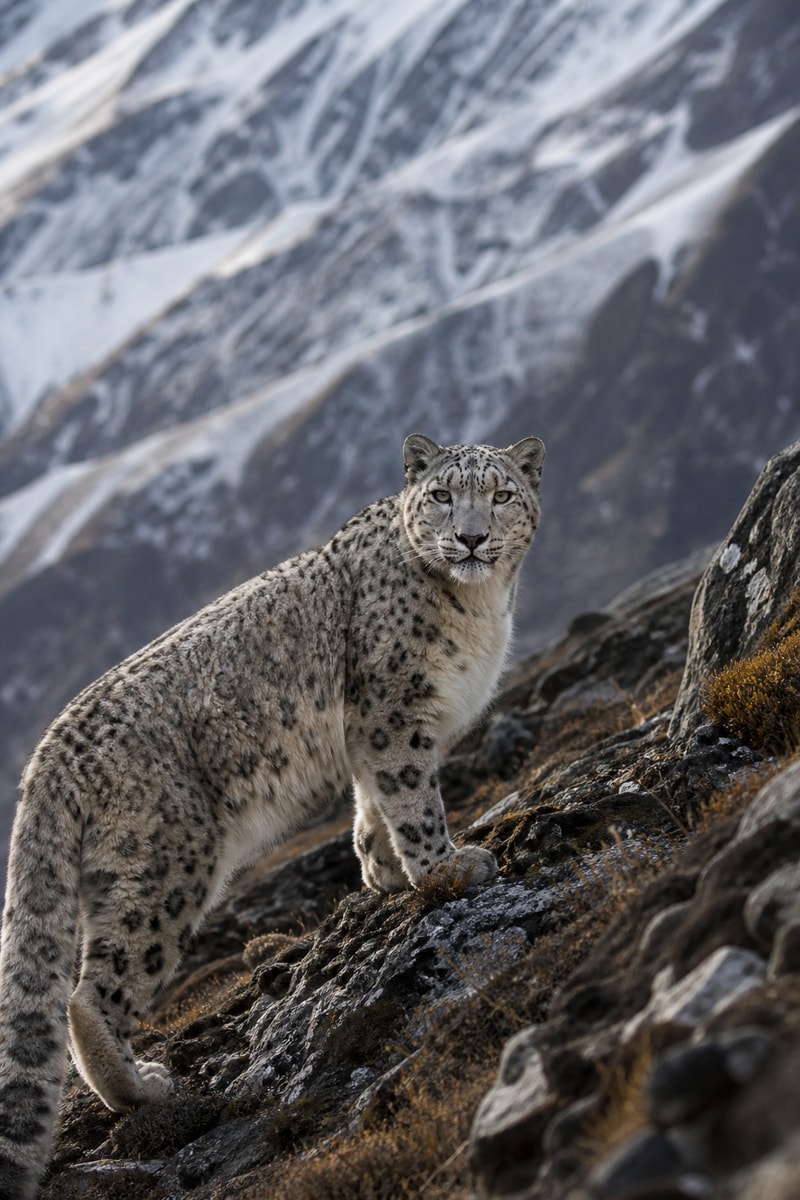
- Snow Leopardlegendary • High Mountains
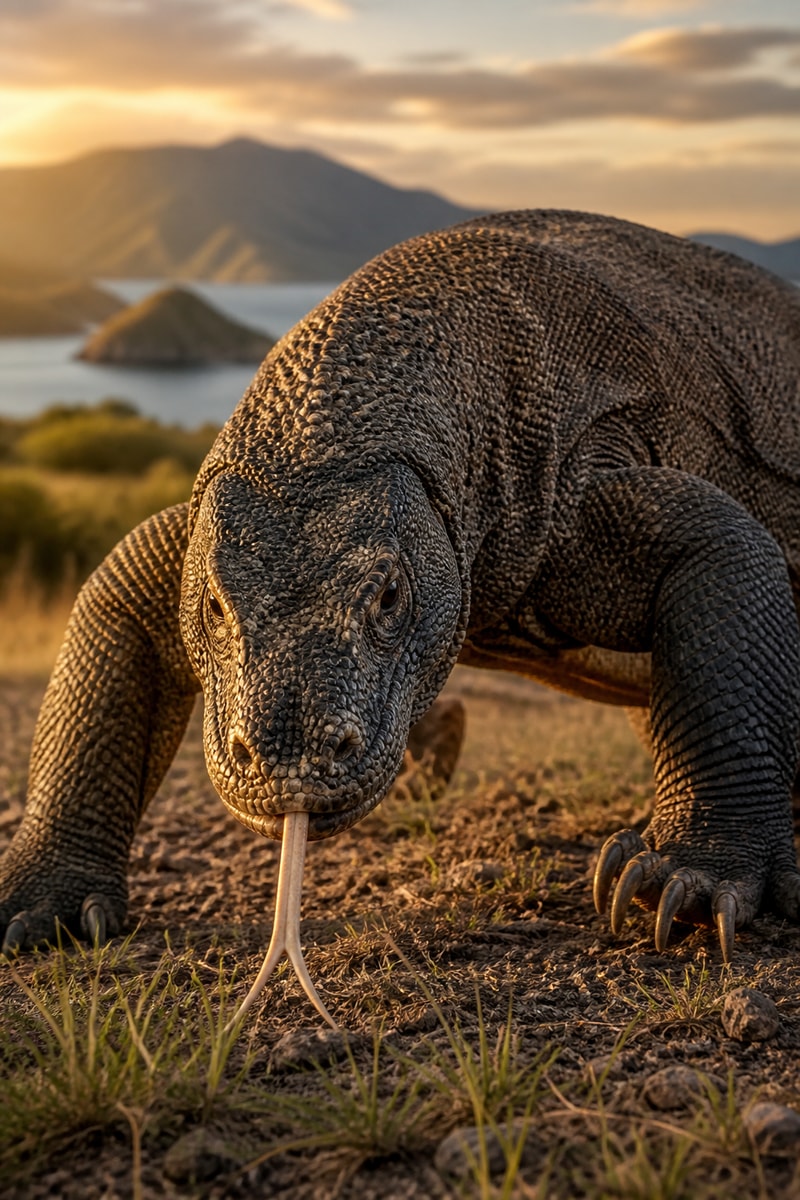
- Komodo Dragonlegendary • Komodo Islands
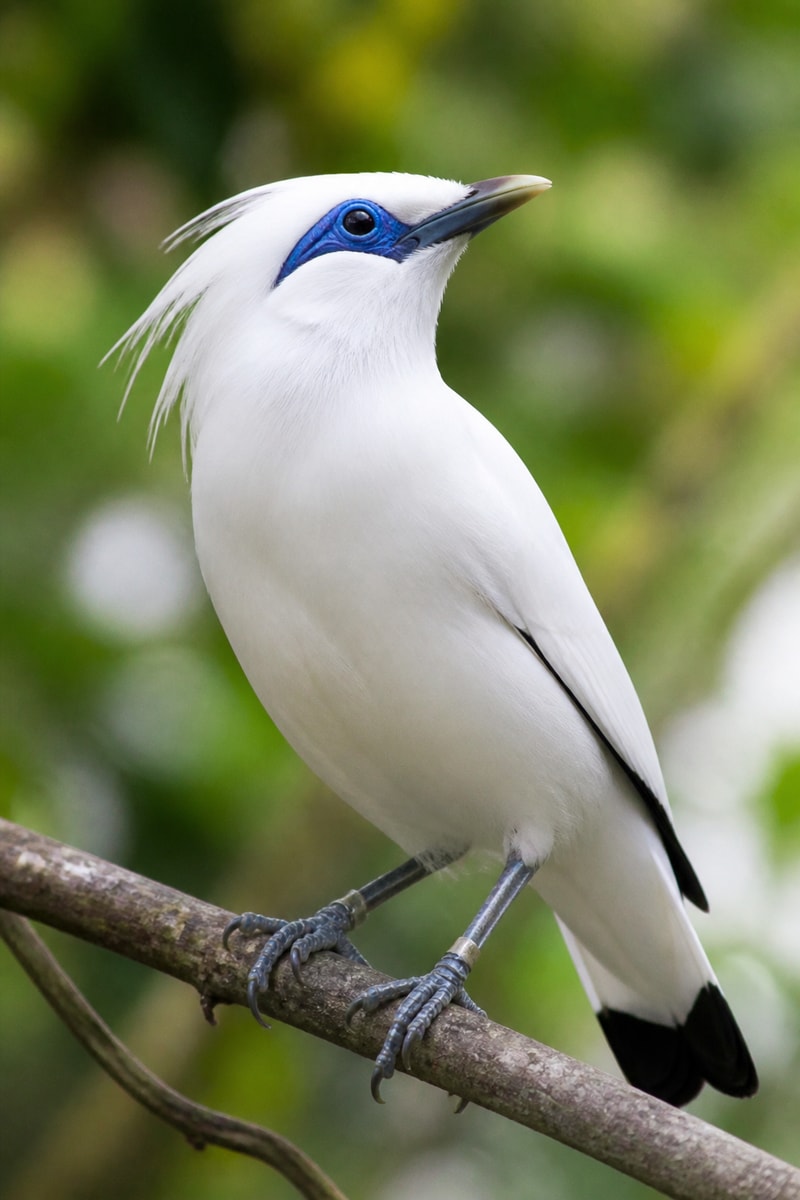
- Bali Starlinglegendary • Bali
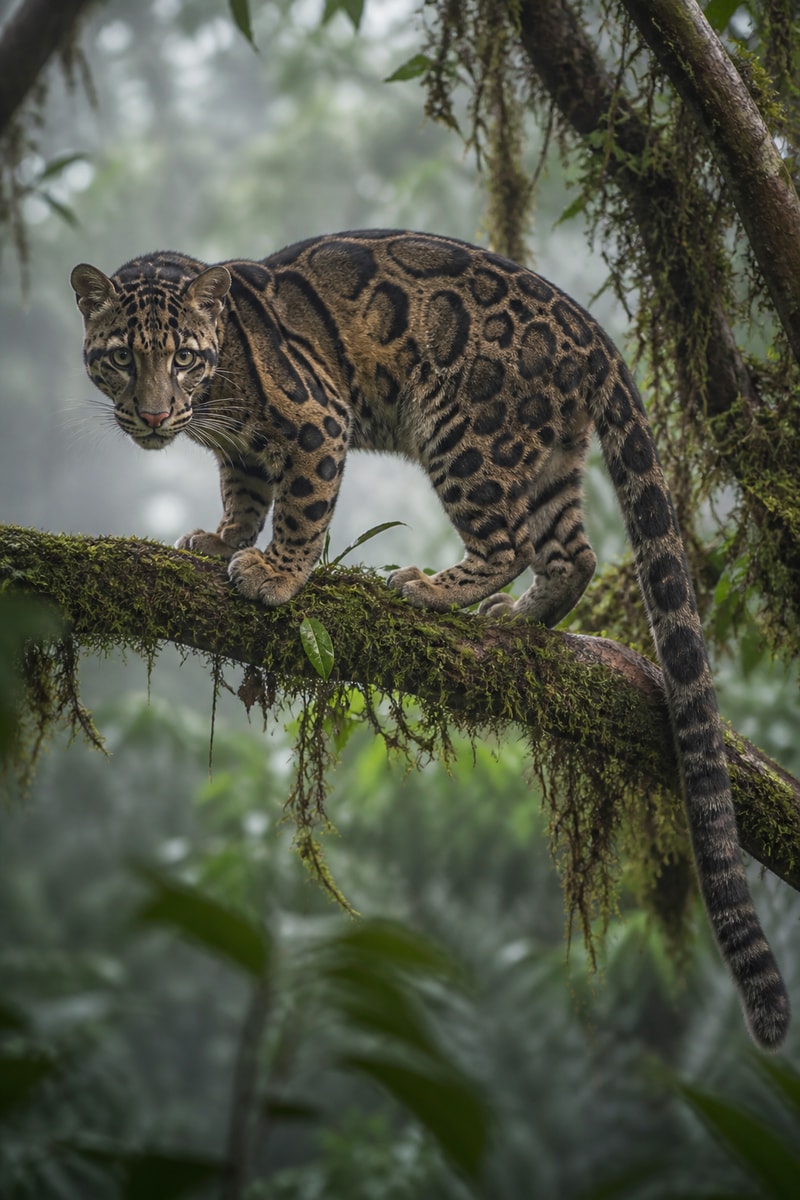
- Clouded Leopardlegendary • Forest Canopy
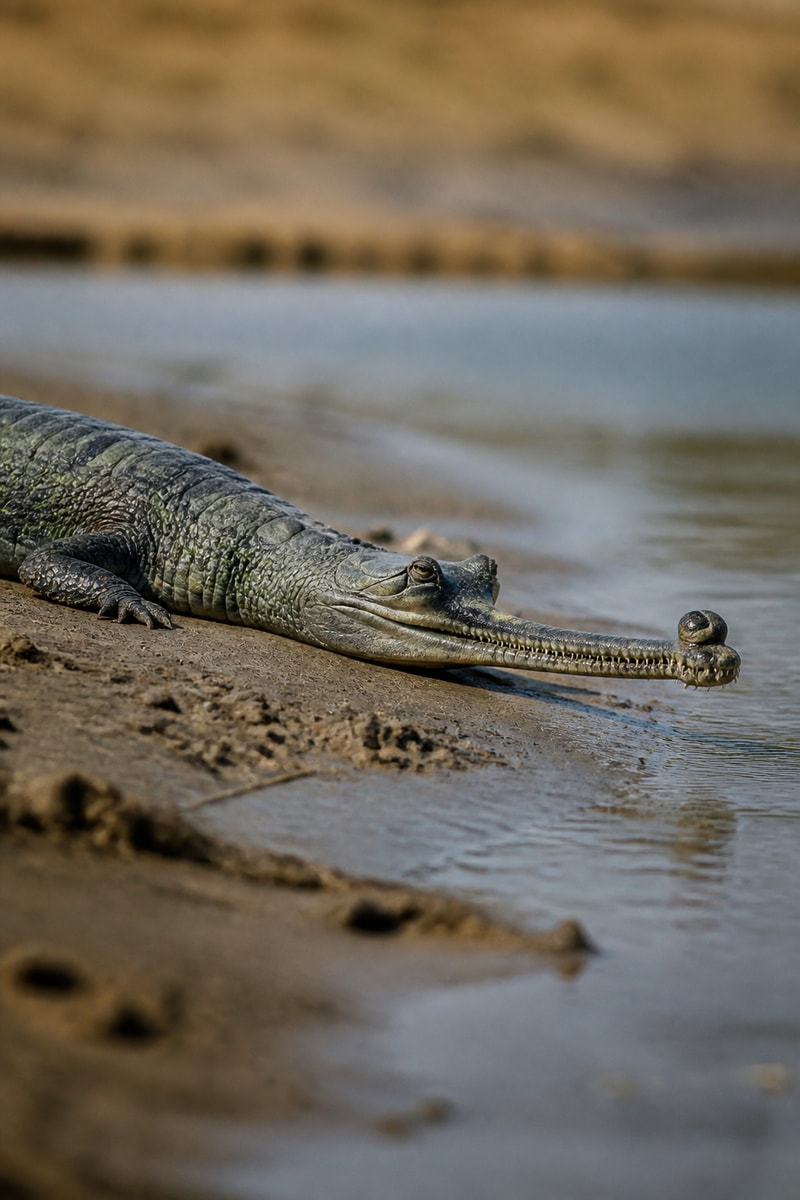
- Ghariallegendary • Riverine Sandbanks
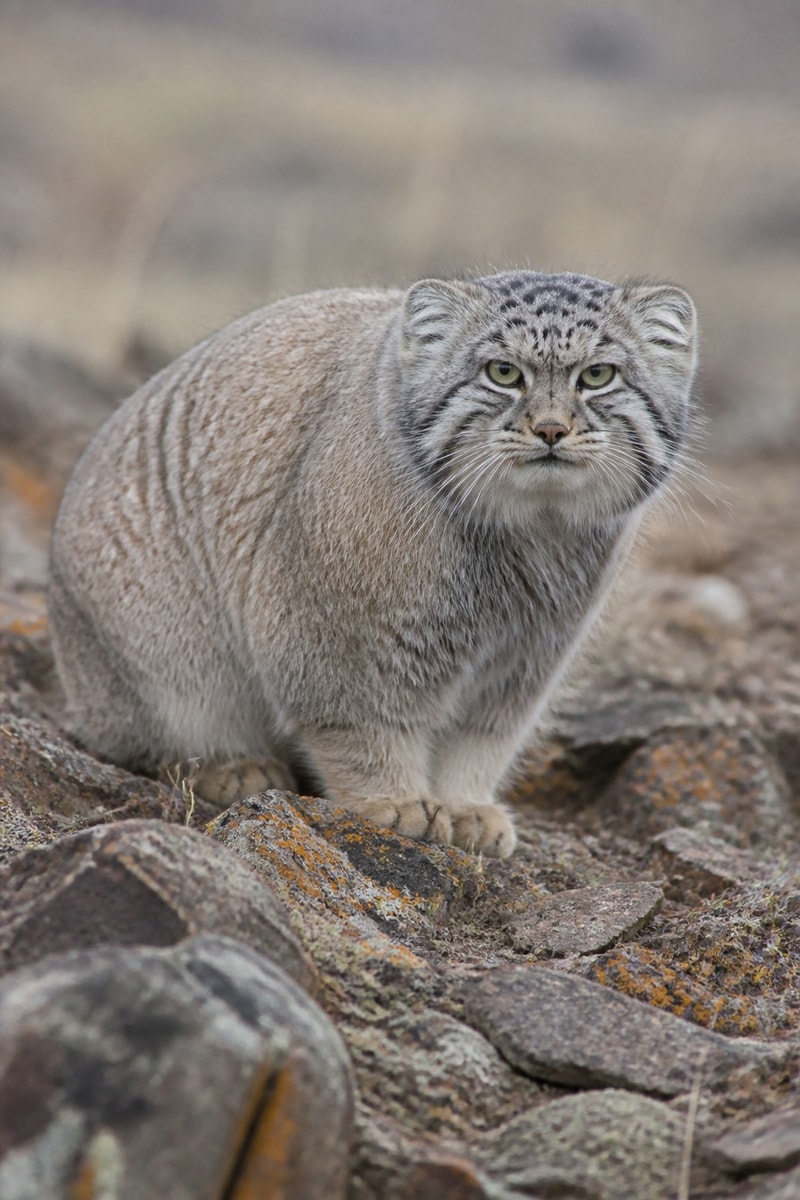
- Pallas's Catlegendary • Central Asian Steppe
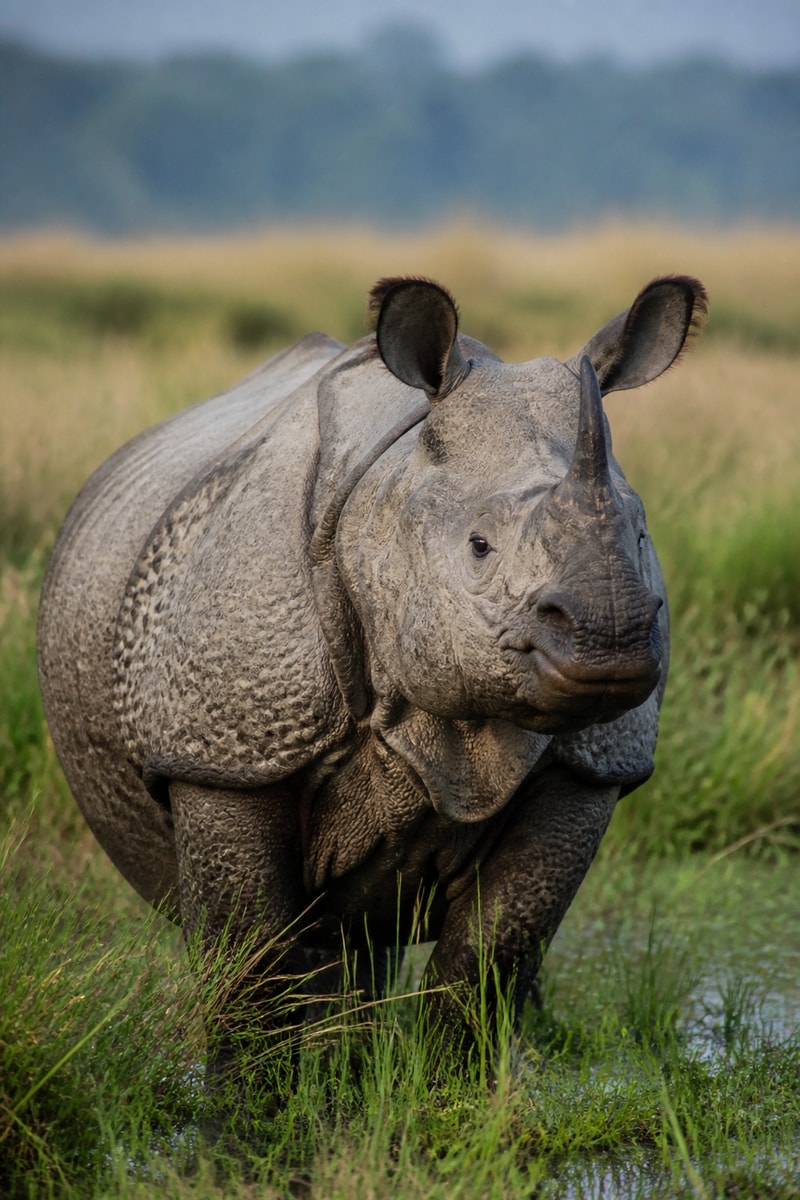
- Indian Rhinoceroslegendary • South Asian Floodplain
Free on iOS
Catch the Asian Elephant
Spot one in the wild, then scan it in Catch'Um to log your rare discovery.