
Field guide · legendary
Pallas's Cat
The manul — flat face, dense fur, and a legendary stare from Asia's cold grasslands.
Least Concern
Otocolobus manul
Overview
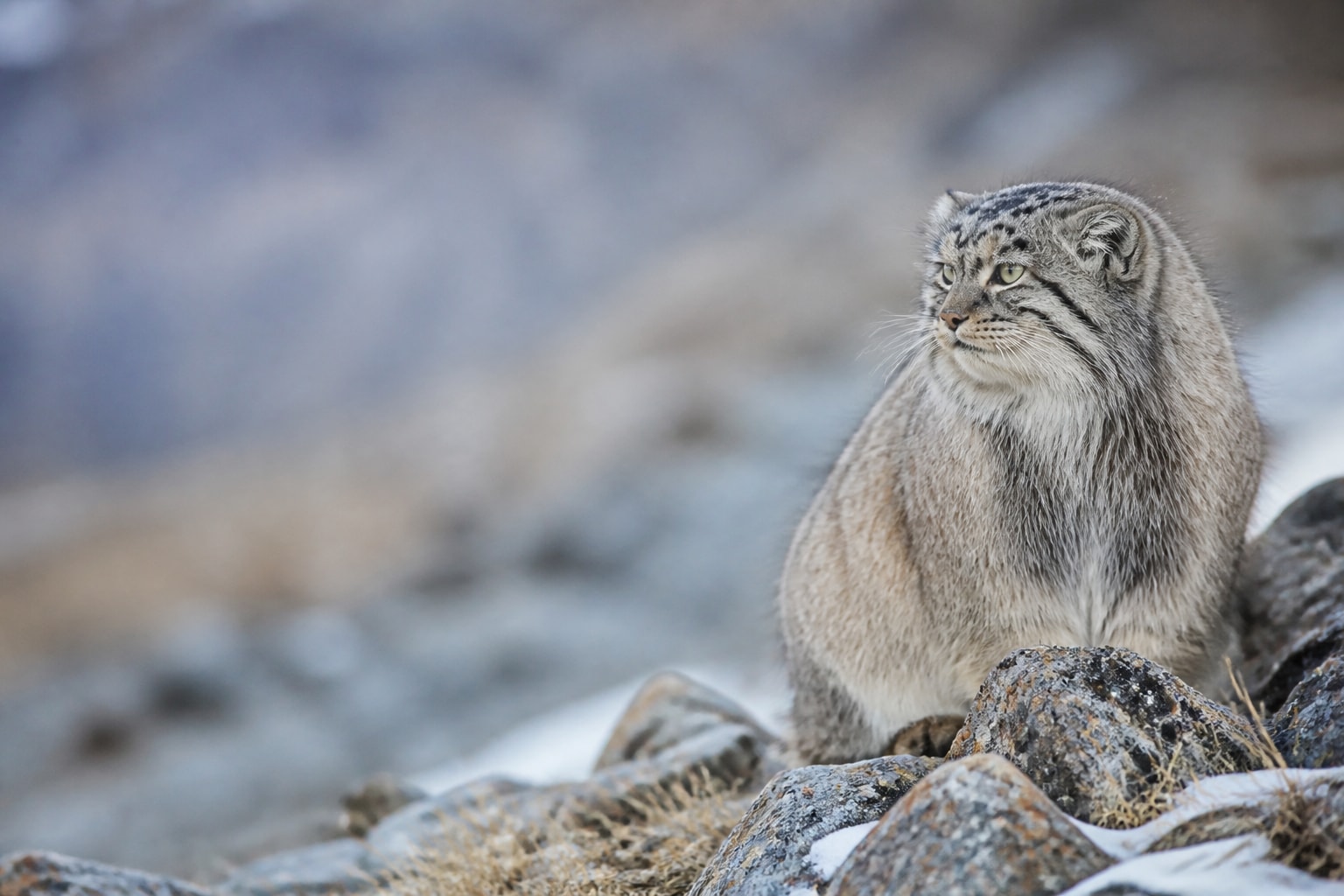
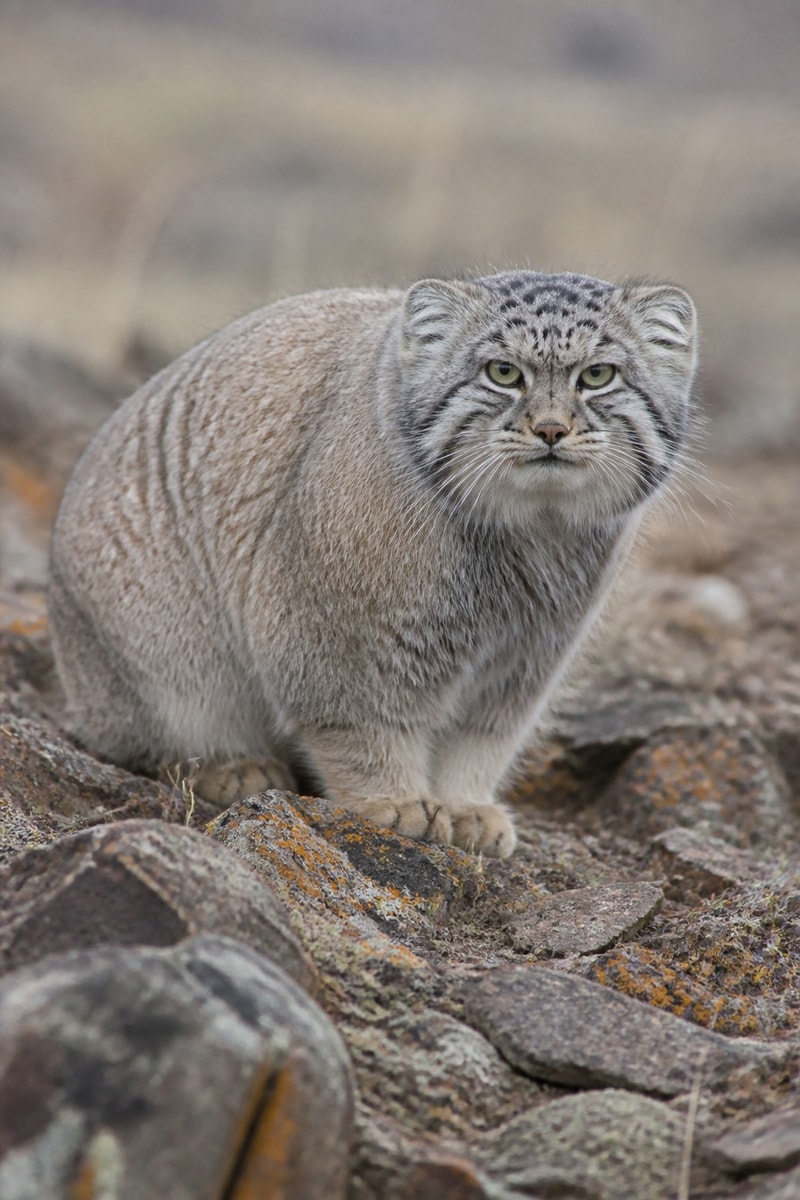
Pallas's cats (manuls) are small wild cats of the Central Asian steppes, famous for an expressive flat face and extraordinarily dense fur. They hunt pikas and rodents among rocks and grasslands in harsh continental climates.
For China and India collectors, a manul on a cold plateau is a legendary highland card — stocky, secretive, and unforgettable.
- Scientific nameOtocolobus manul
- Length46–65 cm body; tail ~21–31 cm
- Weight2.5–4.5 kg
- LifespanAround 8–10 years in the wild
- DietPrimarily pikas
- ConservationLeast Concern
- RegionCentral Asian Steppe
Where to see them
Habitat
- Montane steppe
- Rocky grassland
- Cold desert
Cold grasslands, montane steppe, and rocky deserts of Central Asia from the Caspian region to Mongolia, China, and the Himalayan fringe, needing burrows or rock crevices for dens.
Field notes
Field scale for the Pallas's Cat: length around 46-65 cm body; tail ~21-31 cm; weight 2.5-4.5 kg. Typical lifespan: Around 8-10 years in the wild.
When you are scanning habitat, prioritise montane steppe, rocky grassland, and cold desert. Those settings are where a clean look and a usable photo are most likely.
Quick ID anchor: Stocky grey-to-rufous coat with faint stripes, ringed bushy tail, and a flattened expressive face. Confirm with behaviour and habitat before you log the discovery.
Diet
Primarily pikas, gerbils, voles, and other small mammals; occasionally birds and insects.
Stalk and pounce among rocks and grass using cover and patience.
Behaviour
Solitary and crepuscular to diurnal depending on season and prey.
Rely on camouflage; freeze or slip into burrows when threatened.
How to identify
Stocky grey-to-rufous coat with faint stripes, ringed bushy tail, and a flattened expressive face.
Low-set rounded ears and dense fur that can make the body look oversized.
Interesting facts
- 01
Also known as the manul.
- 02
Fur is among the densest of any wild cat.
- 03
Pupils are round rather than vertical slits.
- 04
Flat face and low-set ears suit peeking over rocks.
- 05
Main prey includes pikas and other small mammals.
- 06
Often rest in marmot burrows or rock cavities.
Conservation status
Pallas's cats are Least Concern globally after reassessment, but remain naturally sparse and sensitive to rodent control, mining, and herding pressure. Intact steppe in China, Mongolia, and India supports key populations.
Sources: IUCN Red List
Keep exploring
Where it lives
Related discoveries
- Tigerlegendary • Jungle & Grassland
- Snow Leopardlegendary • High Mountains
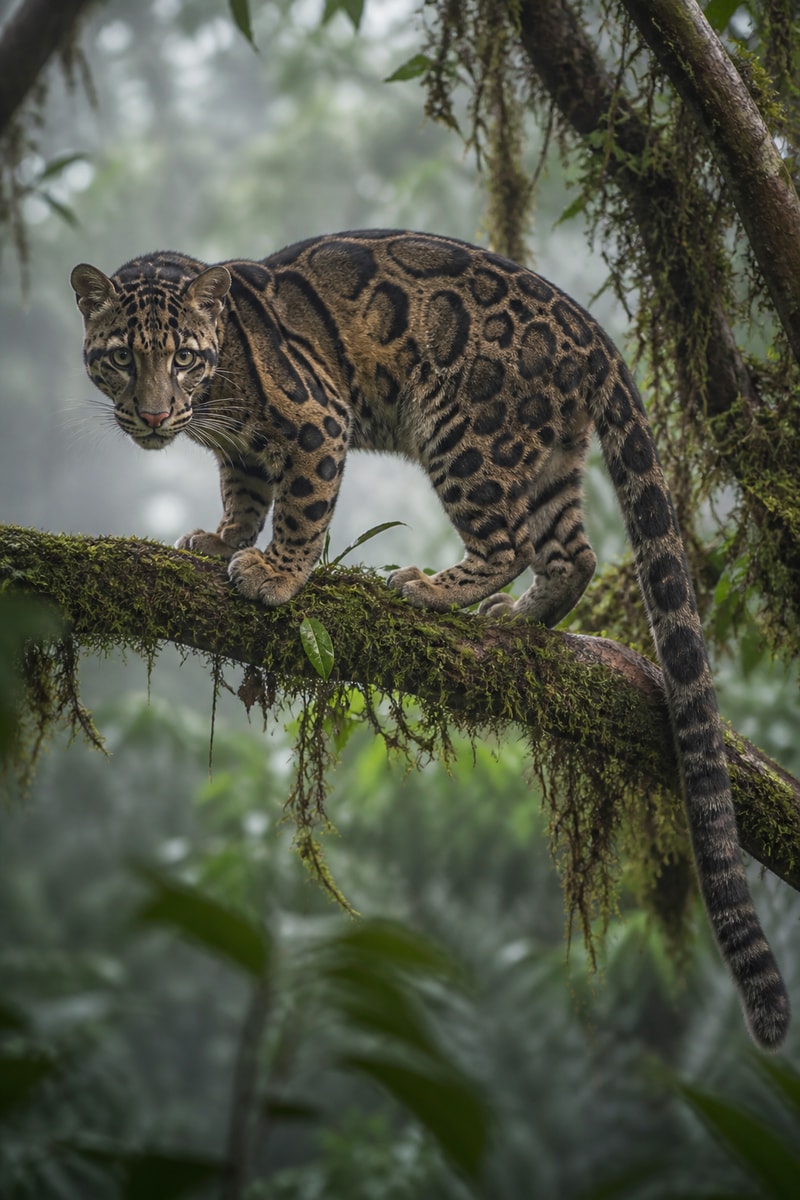
- Clouded Leopardlegendary • Forest Canopy
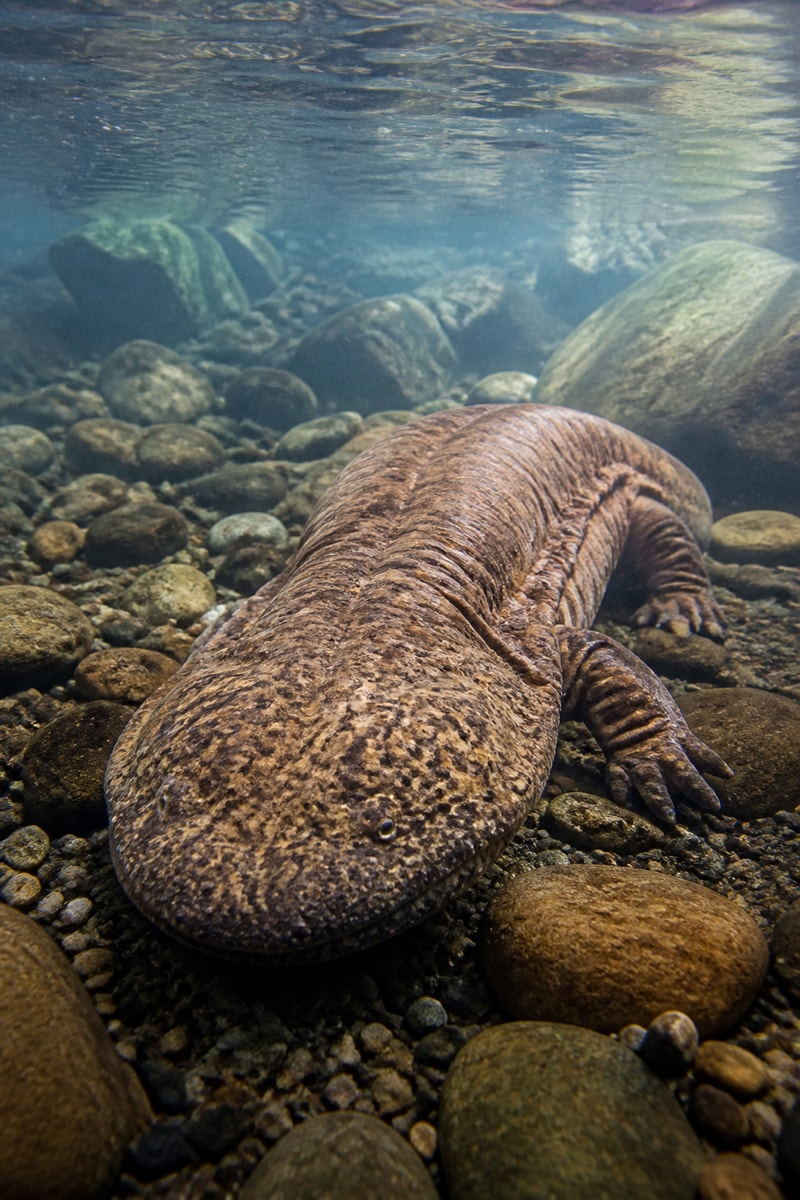
- Chinese Giant Salamanderlegendary • Mountain Streams
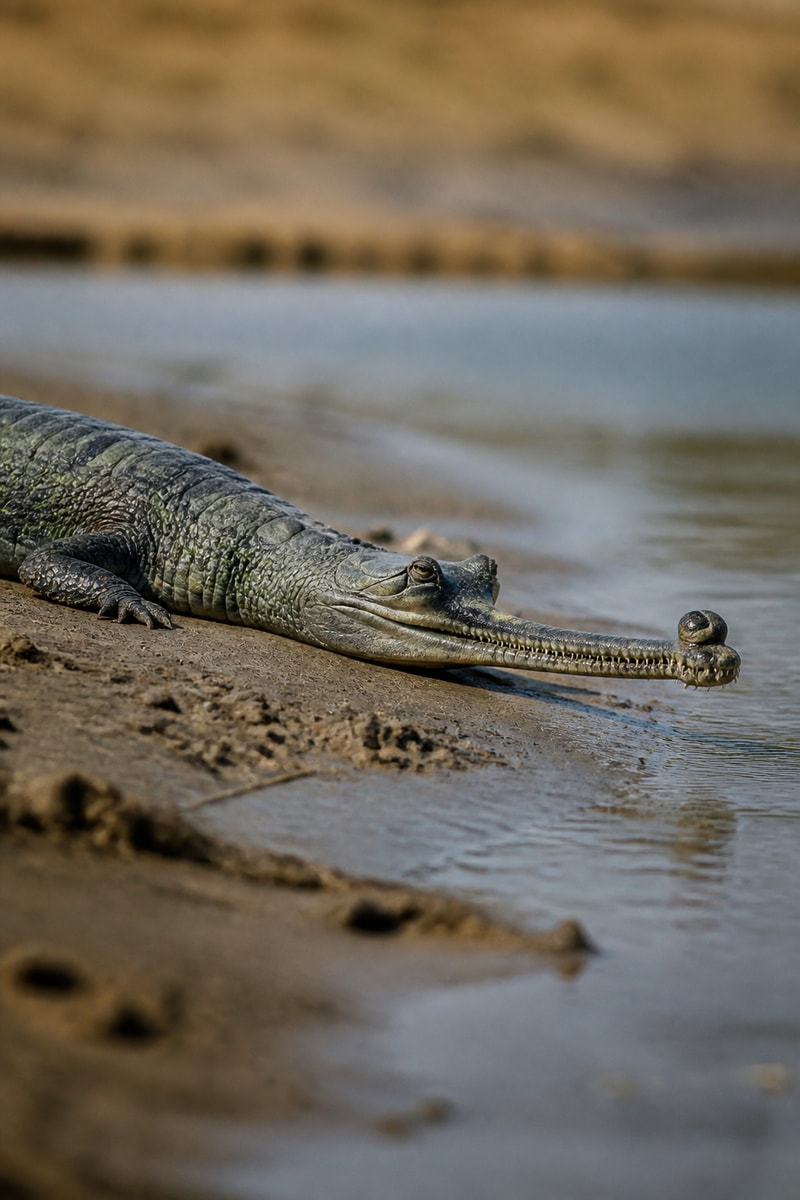
- Ghariallegendary • Riverine Sandbanks
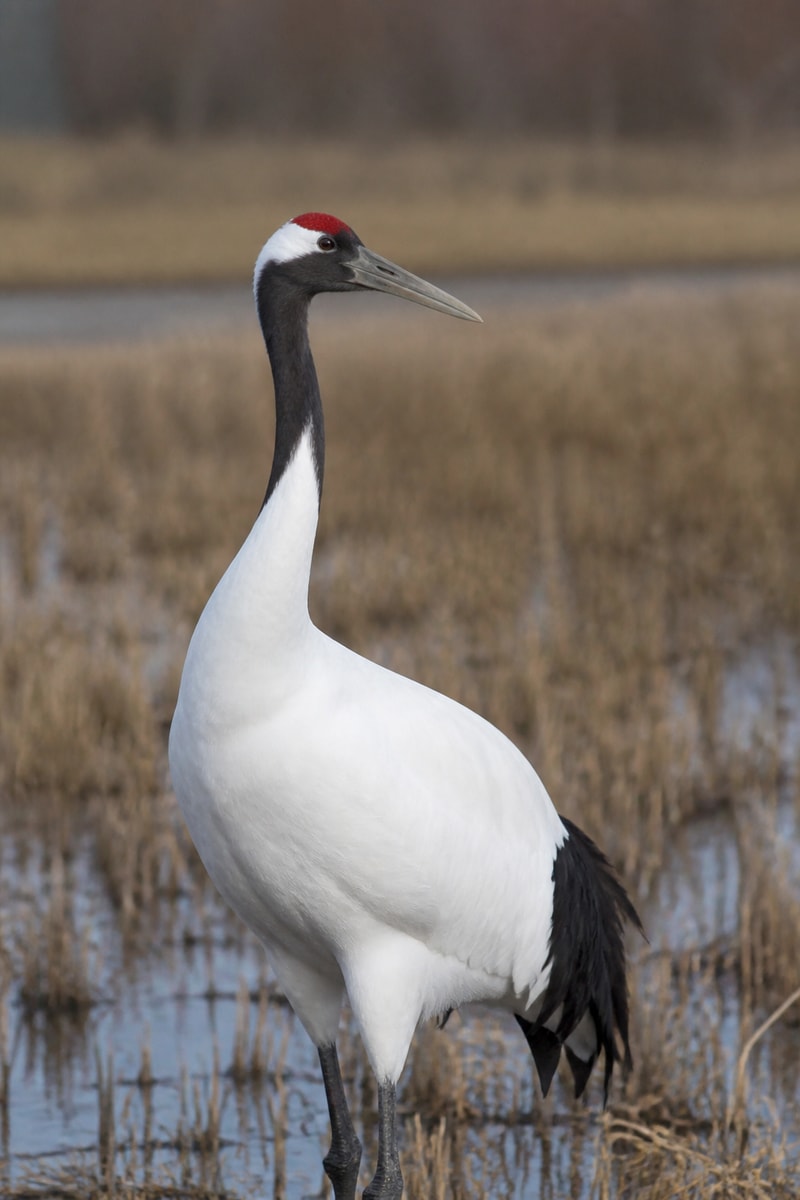
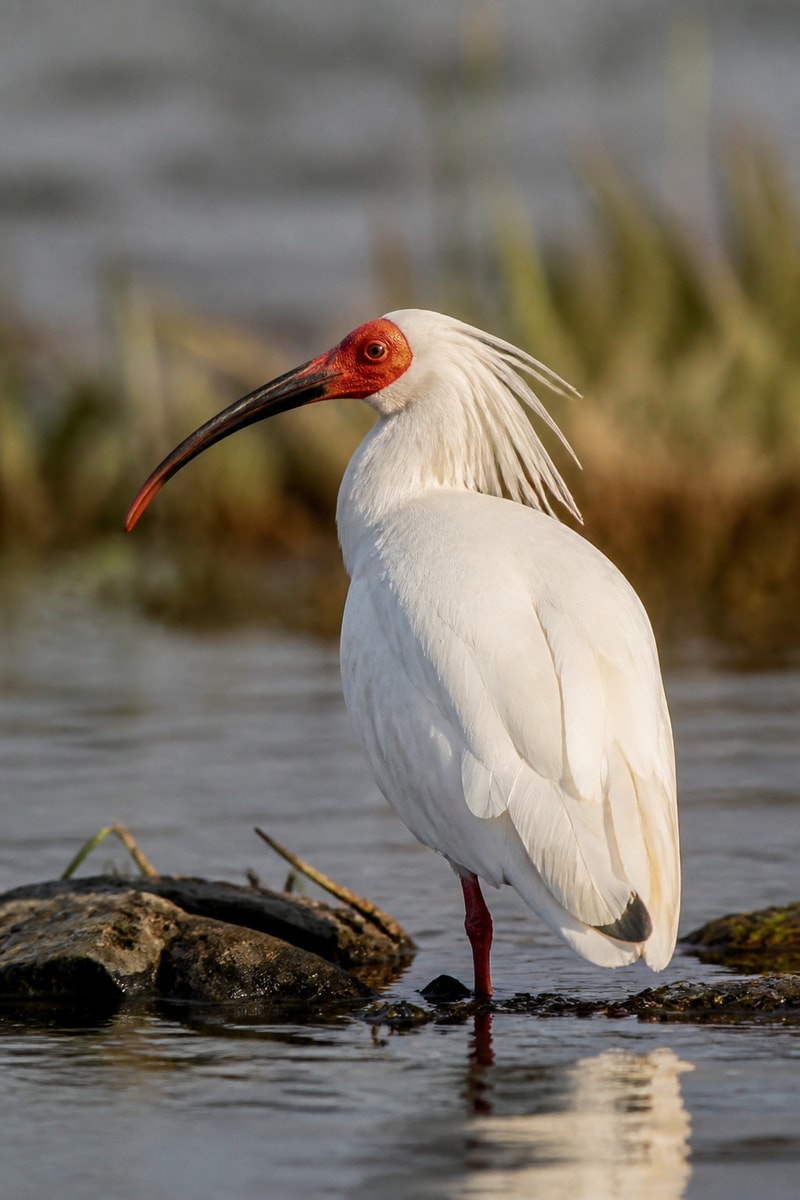
- Red-crowned Cranelegendary • Wetland Marshes
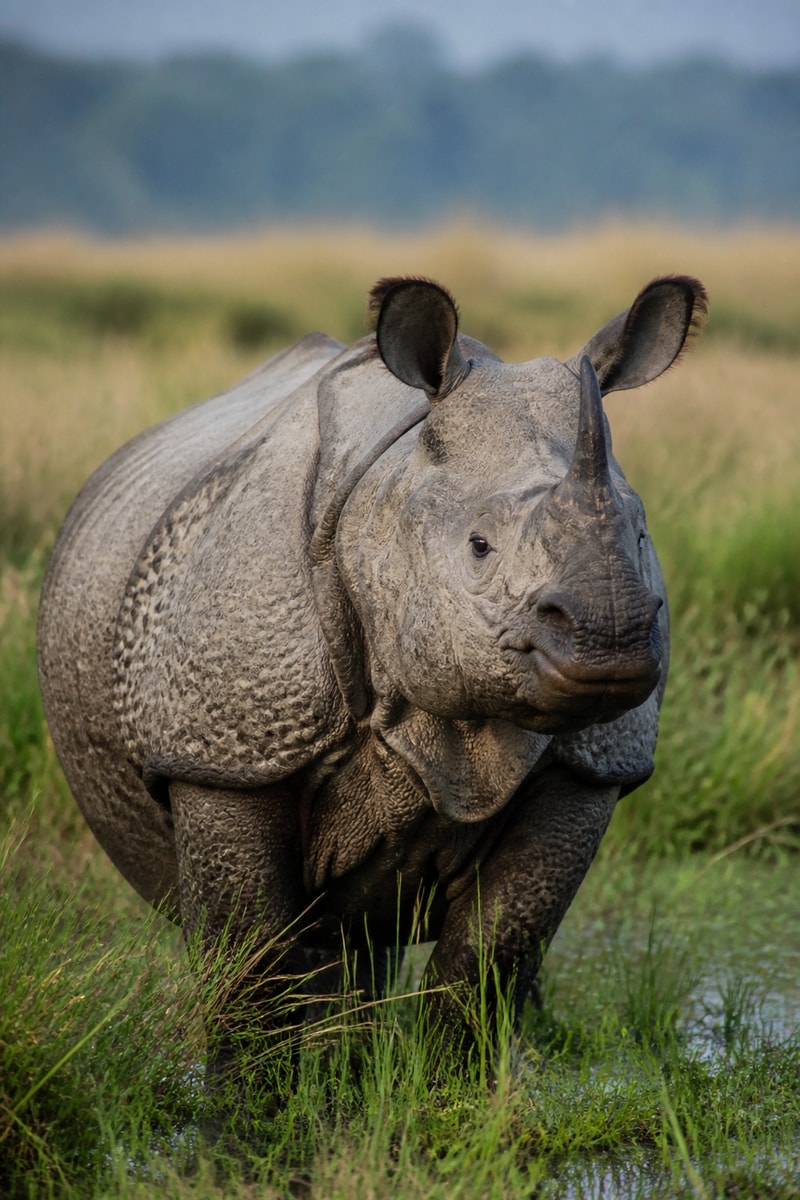
- Indian Rhinoceroslegendary • South Asian Floodplain
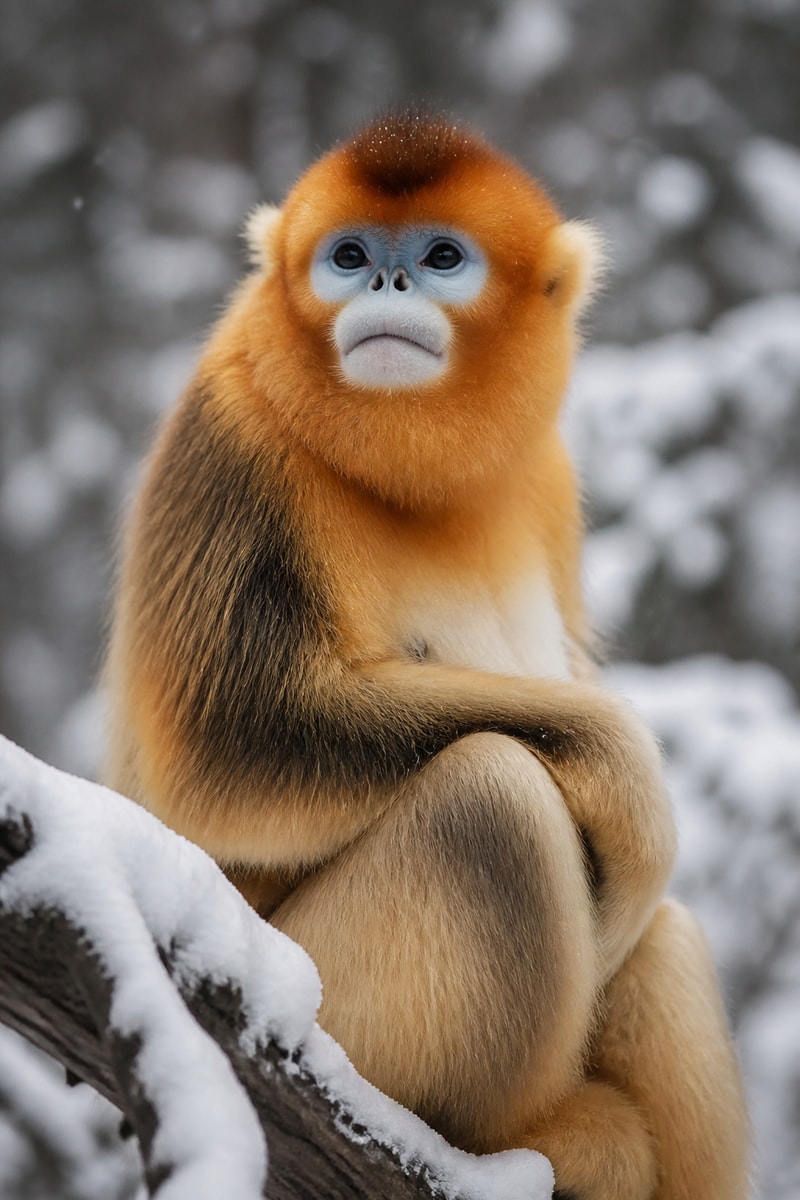
- Golden Snub-nosed Monkeylegendary • Chinese Mountain Forest
Free on iOS
Catch the Pallas's Cat
Spot one in the wild, then scan it in Catch'Um to log your legendary discovery.