
Field guide · legendary
Crested Ibis
Scarlet face, white-to-pink plumage — a rebounding East Asian wetland phoenix.
Endangered
Nipponia nippon
Overview
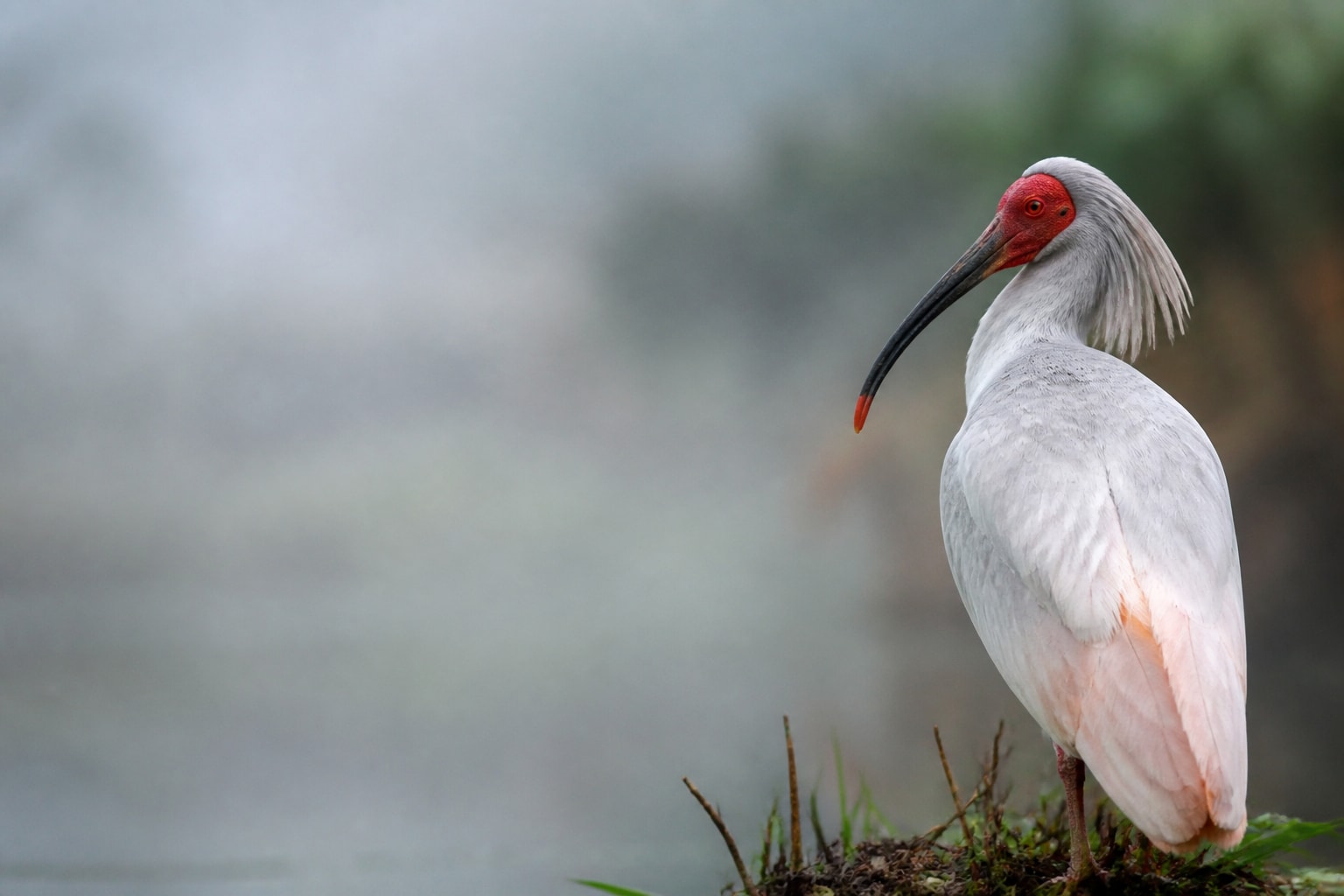
Crested ibises are elegant wading birds once nearly lost, surviving through intensive protection in China and reintroduction efforts in East Asia. Breeding plumage can flush pinkish, and a shaggy crest crowns a red bare face.
For China collectors, the crested ibis is a legendary comeback card — rarity, wetland beauty, and hard-won recovery.
- Scientific nameNipponia nippon
- Length55–80 cm
- WeightAbout 1.5–2 kg
- LifespanAround 15–20 years in the wild
- DietFish
- ConservationEndangered
- RegionEast Asian Wetlands
Where to see them
Habitat
- Rice paddy
- Shallow wetland
- Wooded nesting valley
Shallow wetlands, rice paddies, rivers, and nearby woodland nesting trees in temperate East Asia, especially protected valleys in central China.
Field notes
Field scale for the Crested Ibis: length around 55-80 cm; weight About 1.5-2 kg. Typical lifespan: Around 15-20 years in the wild.
When you are scanning habitat, prioritise rice paddy, shallow wetland, and wooded nesting valley. Those settings are where a clean look and a usable photo are most likely.
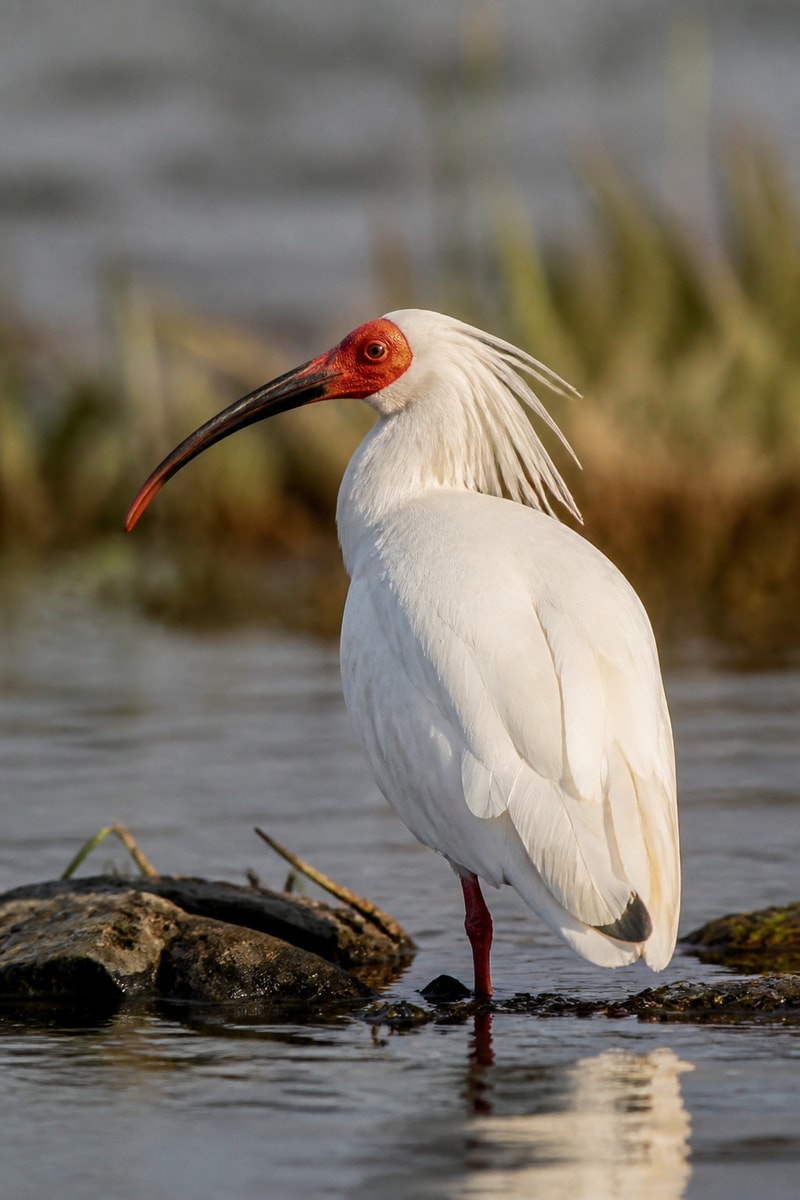
Quick ID anchor: White to pinkish ibis with a shaggy nuchal crest and bright red facial skin. Confirm with behaviour and habitat before you log the discovery.
Diet
Fish, frogs, crustaceans, insects, and other small wetland animals.
Probe soft mud and shallow water with the curved bill.
Behaviour
Nest colonially or in loose groups in tall trees.
Forage in paddies and marshes; fly with neck extended.
How to identify
White to pinkish ibis with a shaggy nuchal crest and bright red facial skin.
Long curved bill and red legs; in flight the neck stretches forward.
Interesting facts
- 01
Also called the Japanese crested ibis or toki.
- 02
Bare red face and a long down-curved bill.
- 03
Breeding birds may show peach-pink wing tones.
- 04
Nest in tall trees near foraging wetlands.
- 05
Wild recovery centred on China’s Yangxian region.
- 06
Diet is fish, frogs, insects, and other wetland prey.
Conservation status
Crested ibises are Endangered. Decades of protection and reintroduction have rebuilt numbers from a tiny remnant, but the species still needs safe wetlands and nesting woods.
Sources: IUCN Red List



Keep exploring
Where it lives
Related discoveries
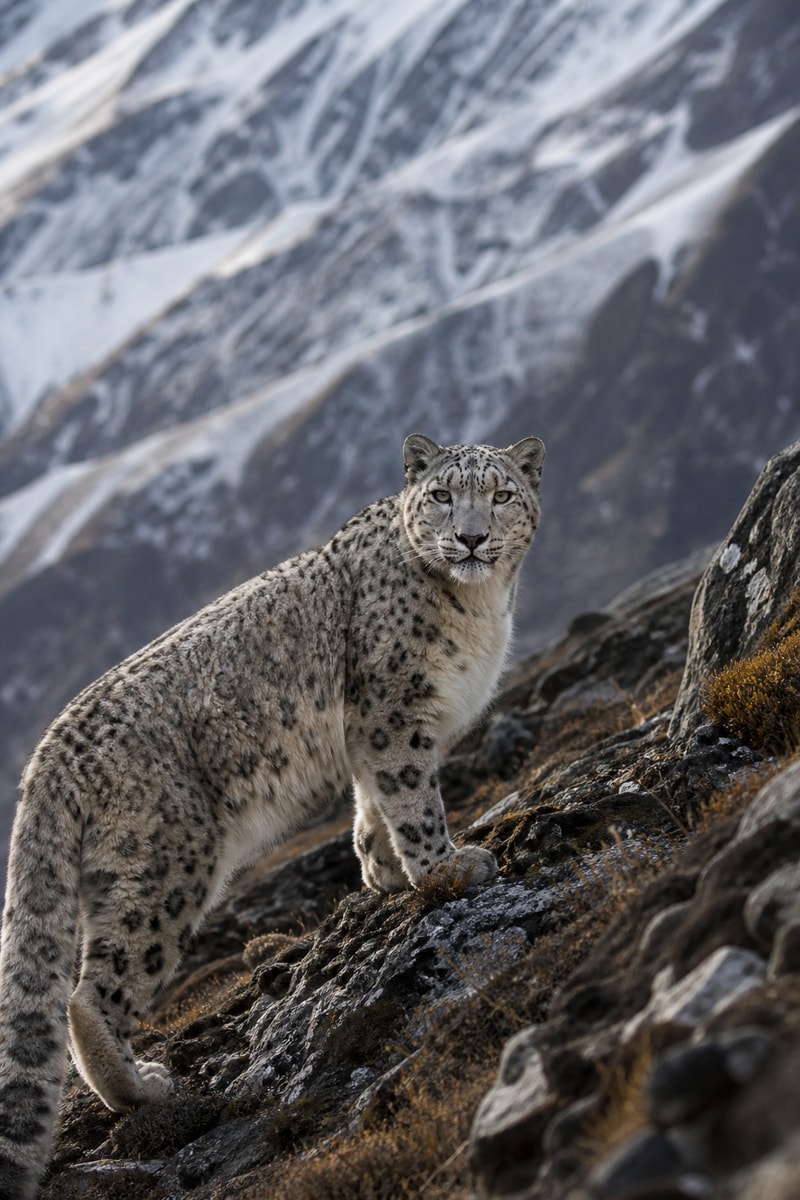
- Snow Leopardlegendary • High Mountains
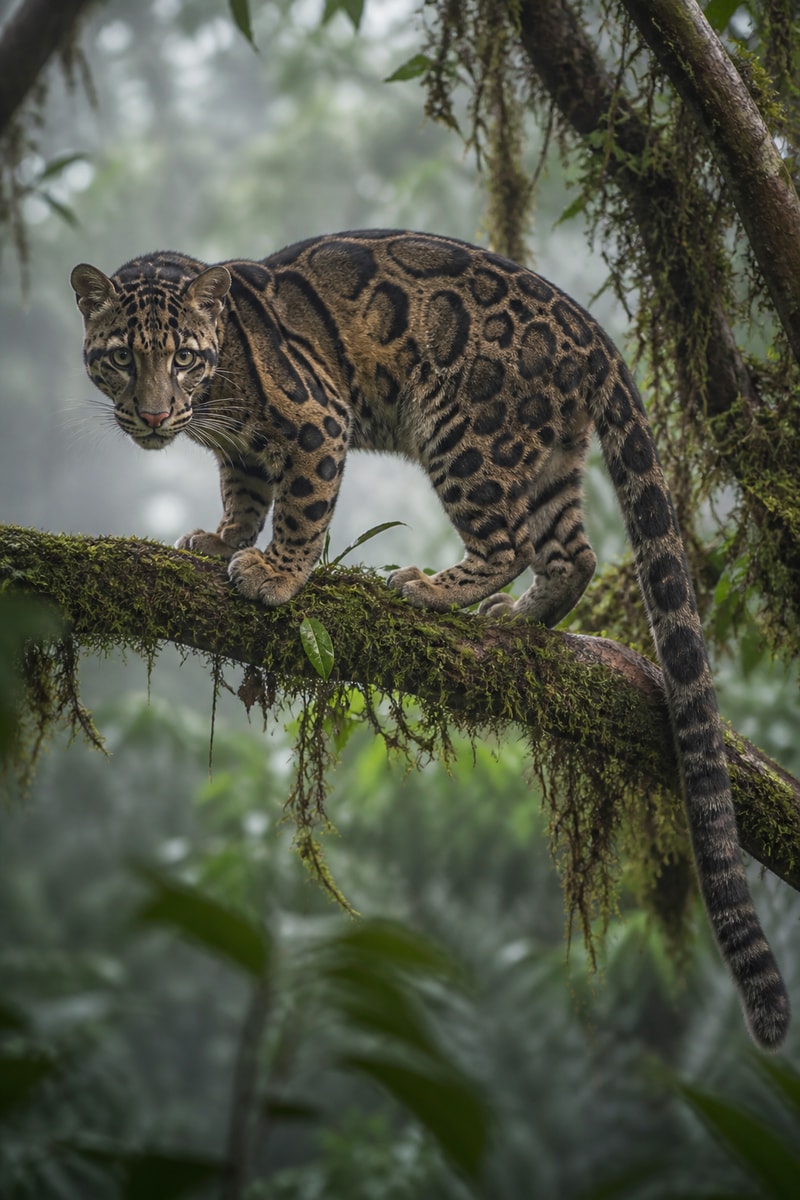
- Clouded Leopardlegendary • Forest Canopy
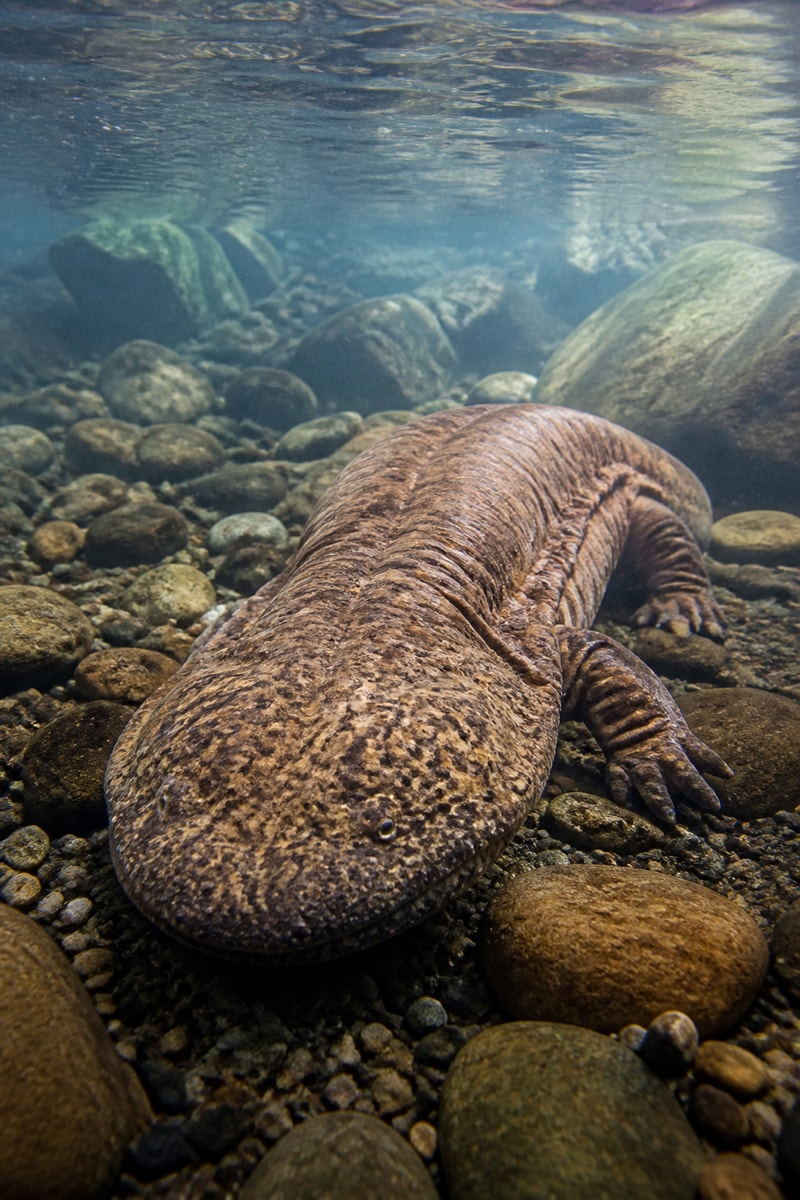
- Chinese Giant Salamanderlegendary • Mountain Streams
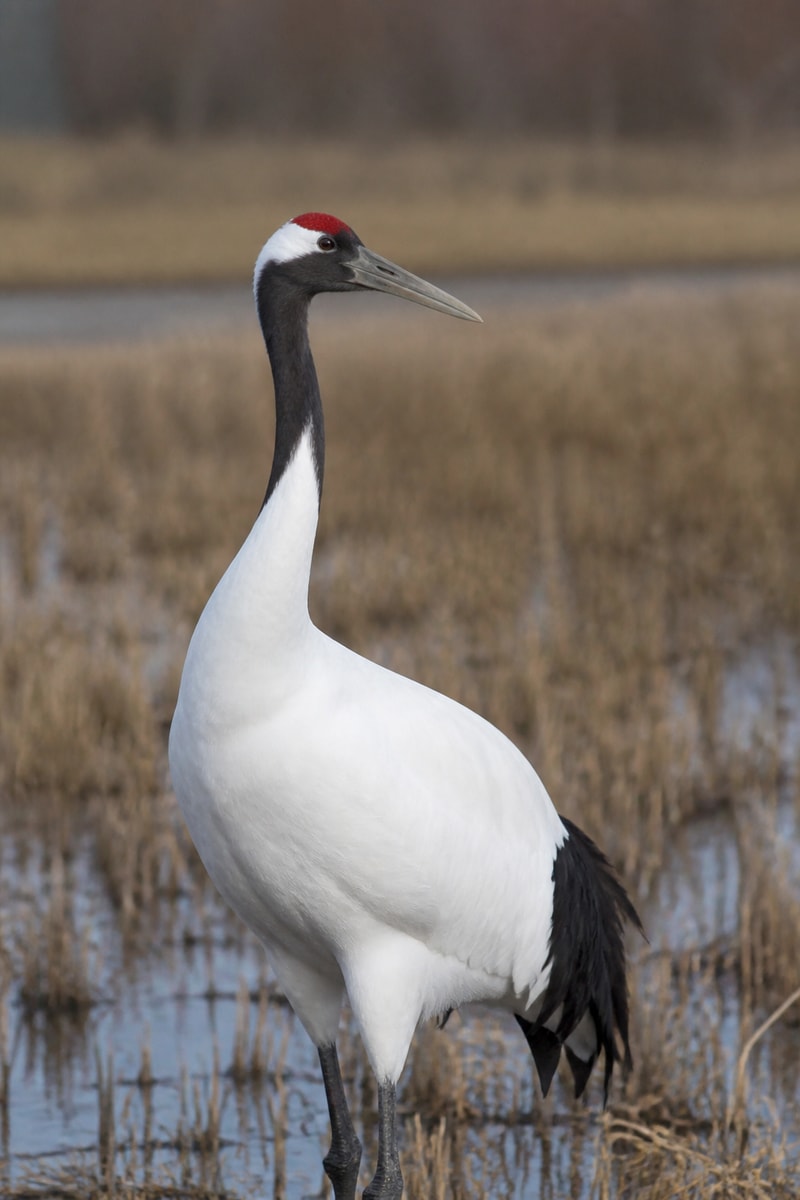
- Red-crowned Cranelegendary • Wetland Marshes
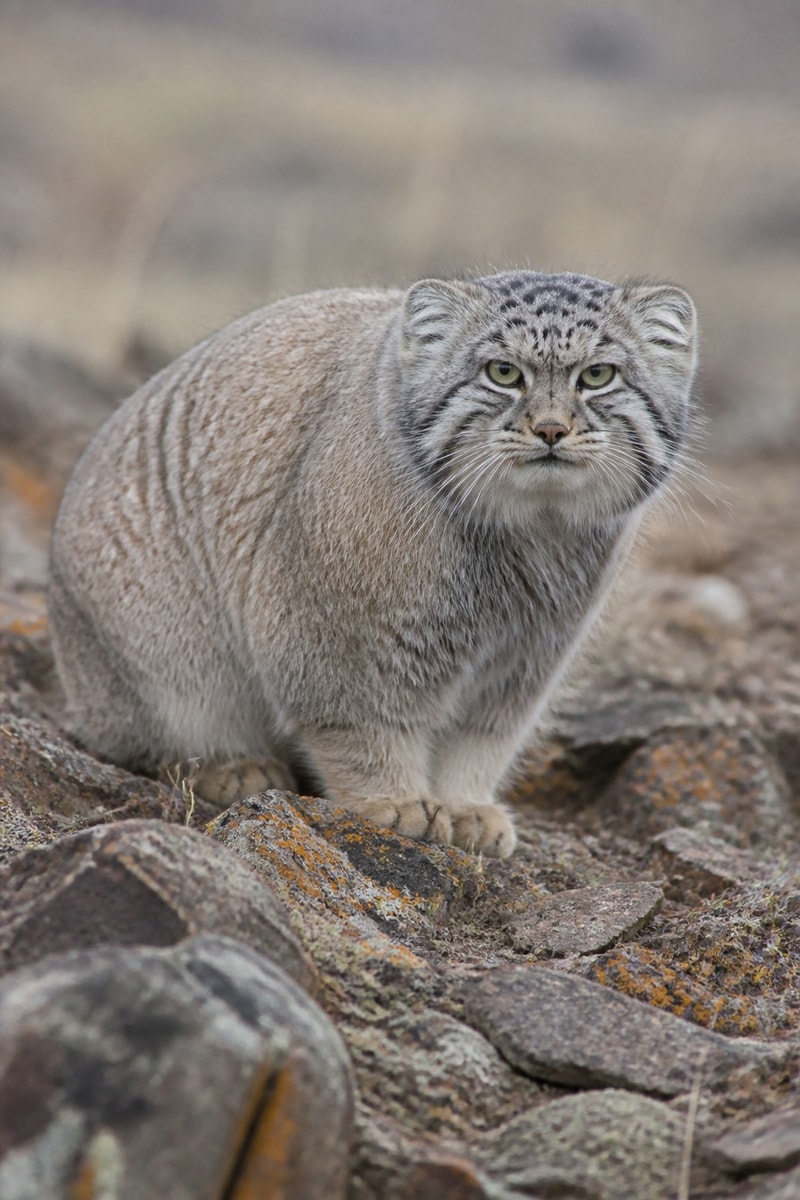
- Pallas's Catlegendary • Central Asian Steppe
- Golden Snub-nosed Monkeylegendary • Chinese Mountain Forest
- Giant Pandarare • Bamboo Forest
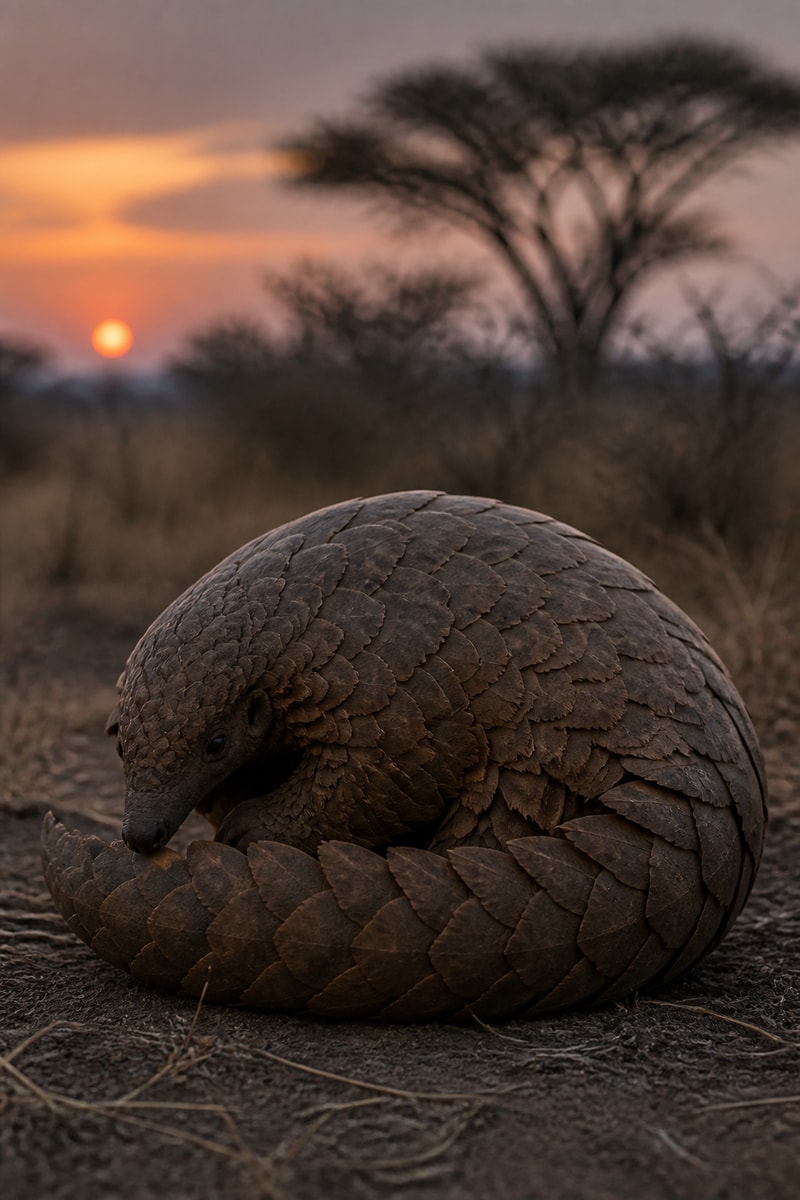
- Pangolinrare • Forest & Grassland
Free on iOS
Catch the Crested Ibis
Spot one in the wild, then scan it in Catch'Um to log your legendary discovery.