
Field guide · rare
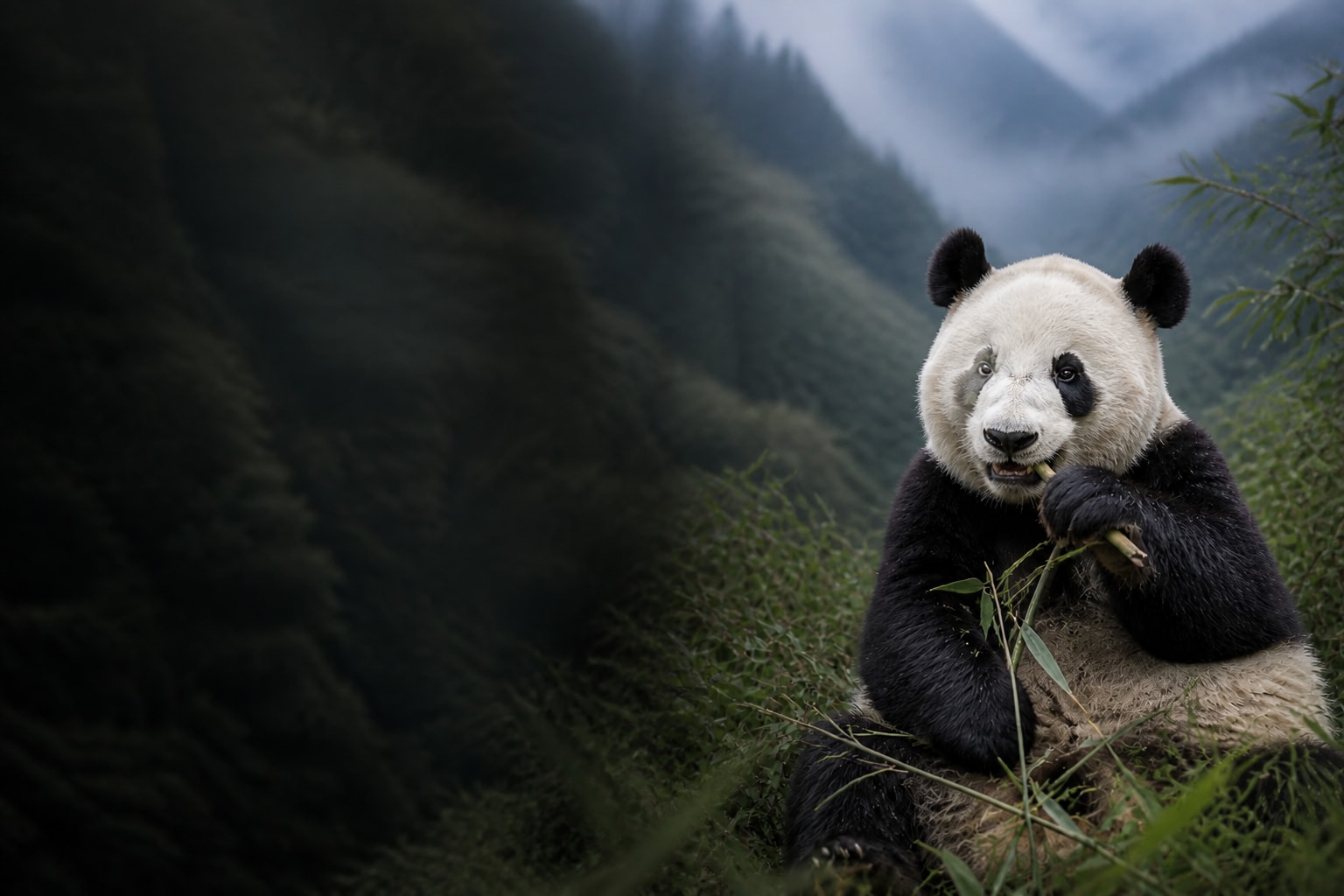
Giant Panda
China's bamboo gourmet, a black-and-white bear that spends its life eating, and whose survival became a global conservation symbol.
Vulnerable
Ailuropoda melanoleuca
Overview
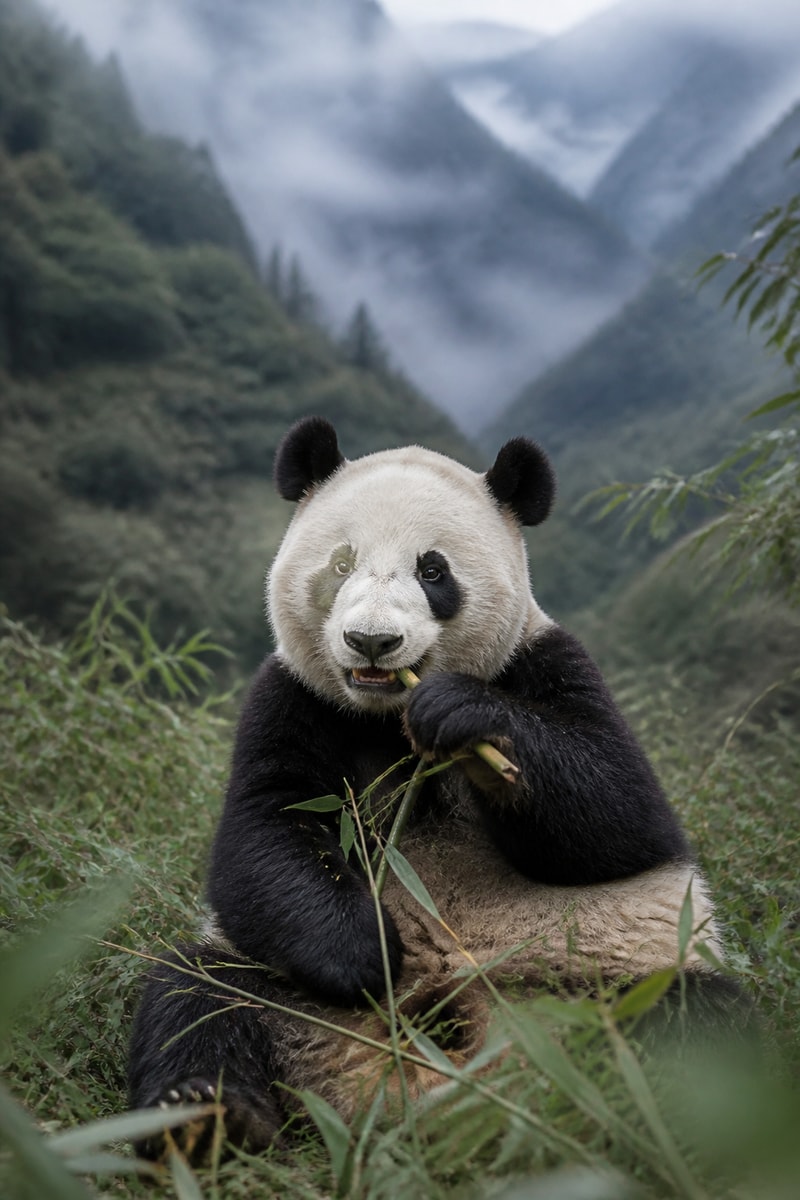
The giant panda is one of the world's most beloved animals and a triumph of conservation branding. Despite belonging to the bear family, it eats almost nothing but bamboo, up to 18 kilograms a day, and has an enlarged wrist bone that acts like a thumb for gripping stalks.
Pandas are solitary, with females raising a single cub every two to three years. Wild populations are confined to fragmented mountain forests in Sichuan, Shaanxi, and Gansu, where bamboo flowering can trigger starvation events.
- Scientific nameAiluropoda melanoleuca
- Length1.2–1.8 m
- Weight70–125 kg
- LifespanAround 15–20 years in the wild; longer in captivity
- DietAlmost entirely bamboo…
- ConservationVulnerable
- RegionBamboo Forest
Habitat
- Montane bamboo forest
- Temperate forest
Montane bamboo forest in central China at elevations between 1,200 and 3,500 metres holds wild giant pandas. They need dense bamboo understory and old-growth forest, and are now largely confined to reserves connected by corridors.
Countries found
Field notes
Field scale for the Giant Panda: length around 1.2-1.8 m; weight 70-125 kg. Typical lifespan: Around 15-20 years in the wild; longer in captivity.
When you are scanning habitat, prioritise montane bamboo forest and temperate forest. Those settings are where a clean look and a usable photo are most likely.
Quick ID anchor: Unmistakable black-and-white bear: black ears, eye patches, limbs, and shoulder band on a white body. Broad head and a 'false thumb' wrist bone for gripping bamboo. Confirm with behaviour and habitat before you log the discovery.
Where to see one
China
In China, strong options include Chengdu Panda Base, Wolong National Nature Reserve, and Foping National Nature Reserve. The world's best-known panda research and breeding centre, with bamboo groves full of black-and-white bears.
Open the China spotting guide for every park note tied to the giant panda.
Diet
Almost entirely bamboo leaves, stems, and shoots — typically 12–38 kg per day. Rarely takes other plants or carrion despite being a bear.
Behaviour
Mostly solitary outside mother–cub pairs; mark trees with scent and sometimes handstand rubs. Move slowly through montane forest, resting between long feeding bouts.
How to identify
Unmistakable black-and-white bear: black ears, eye patches, limbs, and shoulder band on a white body. Broad head and a 'false thumb' wrist bone for gripping bamboo.
Interesting facts
- 01
Pandas eat up to 18 kg of bamboo daily. They have an extra 'thumb' bone to grip stalks.
- 02
Cubs are born tiny, about 1/900th the mother's weight.
- 03
Wild pandas mark territory by doing handstands and rubbing scent on trees.
Conservation status
Giant pandas are Vulnerable after decades of habitat protection and captive breeding, a rare conservation success. Roughly 1,800 remain in the wild, mostly in China's panda reserves.
Sources: IUCN Red List
Keep exploring
Where it lives
Related discoveries
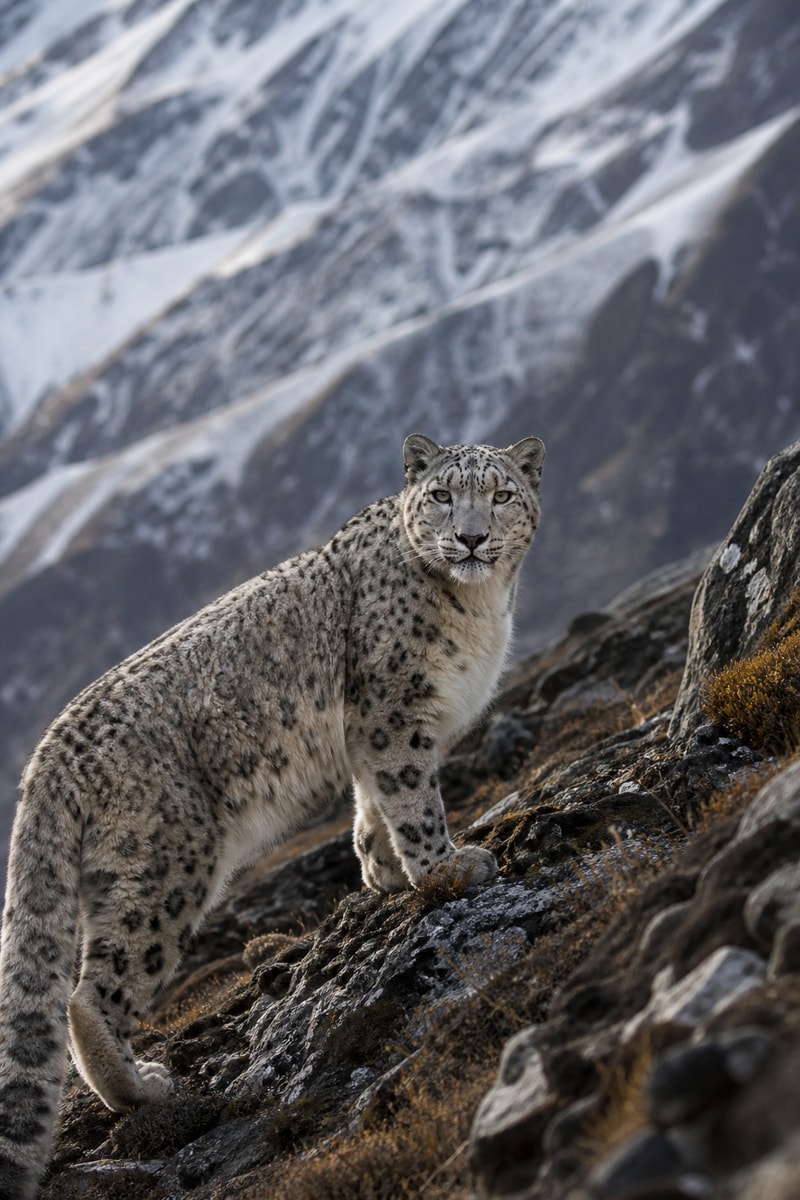
- Snow Leopardlegendary • High Mountains
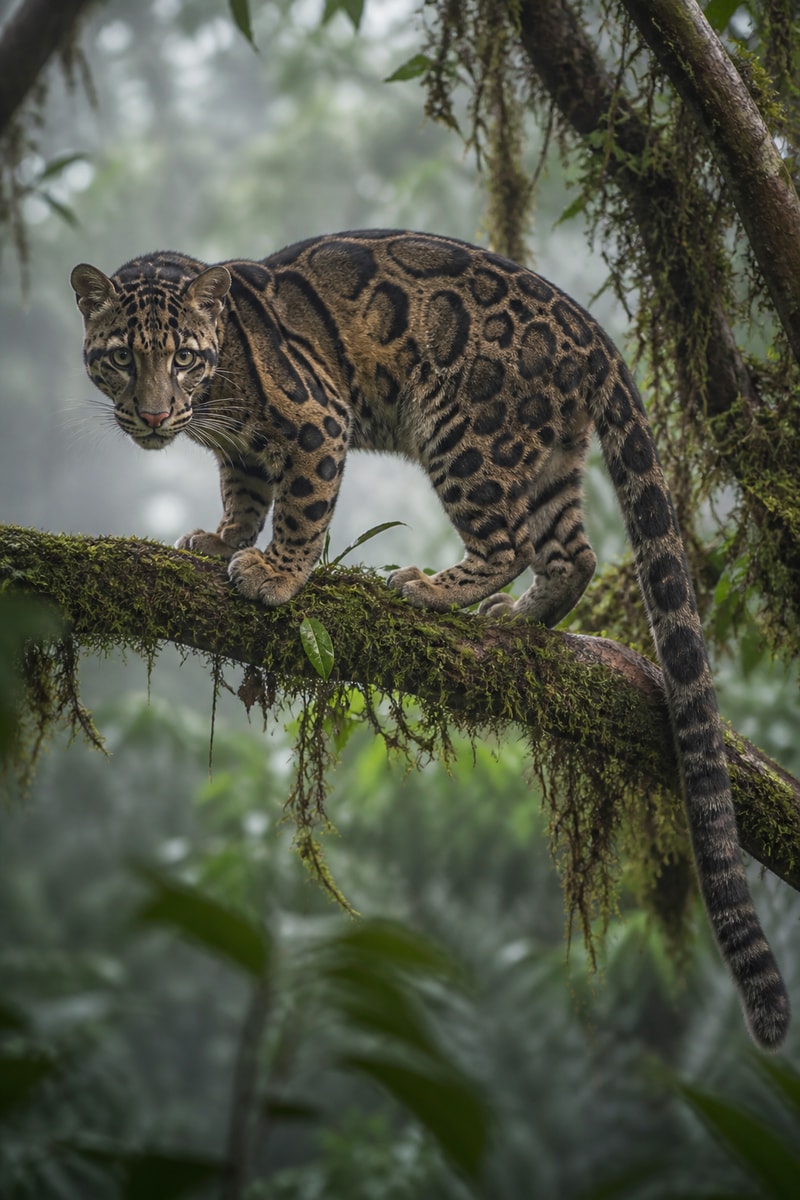
- Clouded Leopardlegendary • Forest Canopy
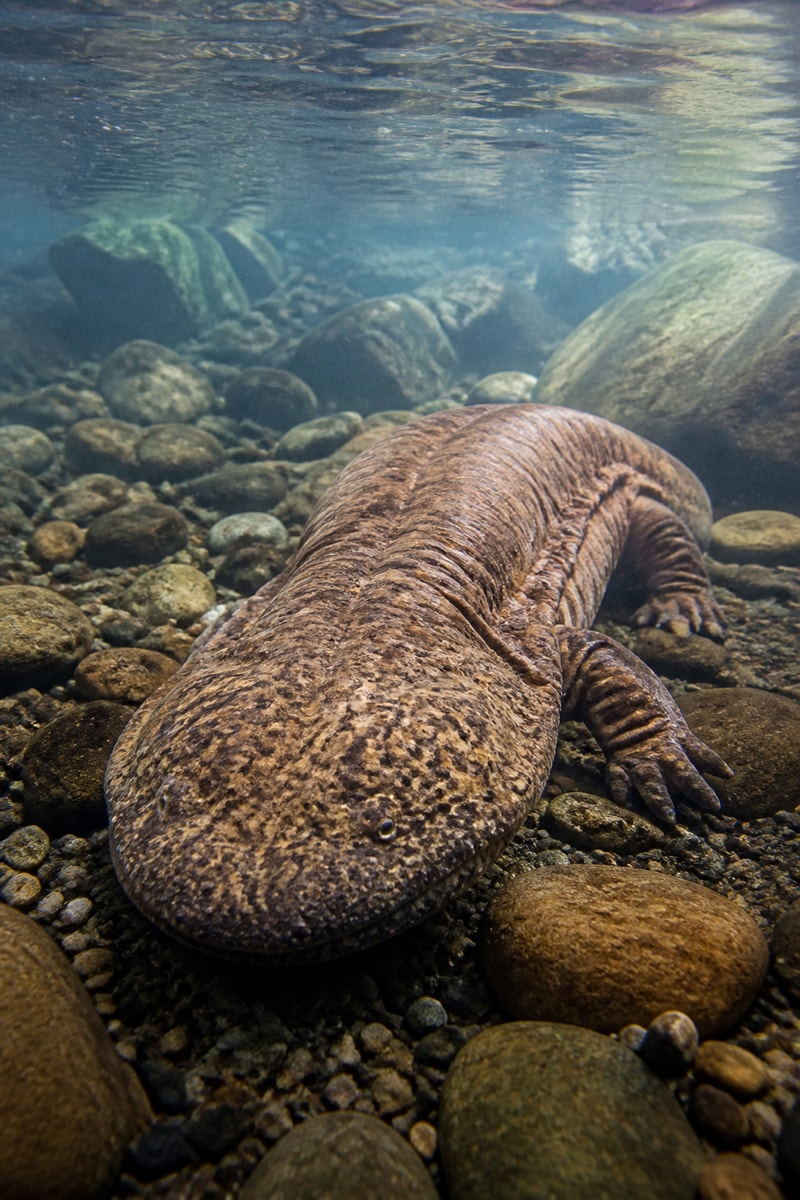
- Chinese Giant Salamanderlegendary • Mountain Streams
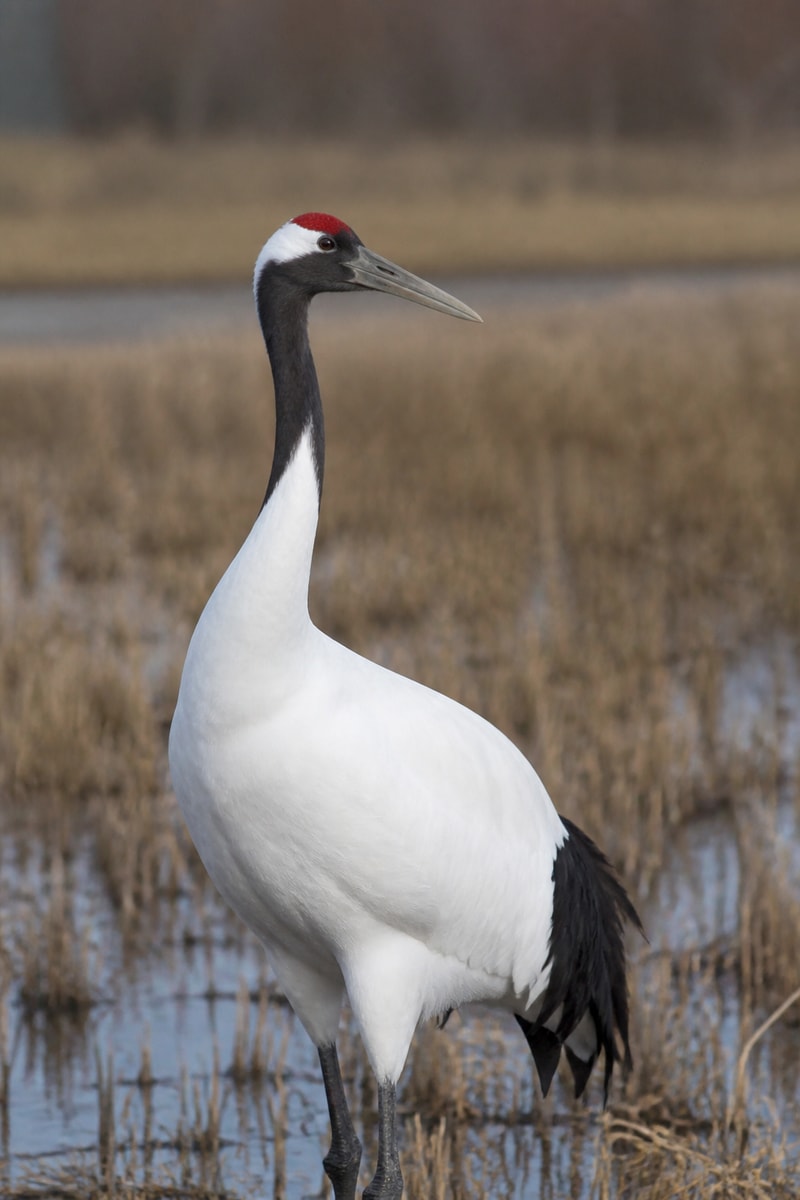
- Red-crowned Cranelegendary • Wetland Marshes
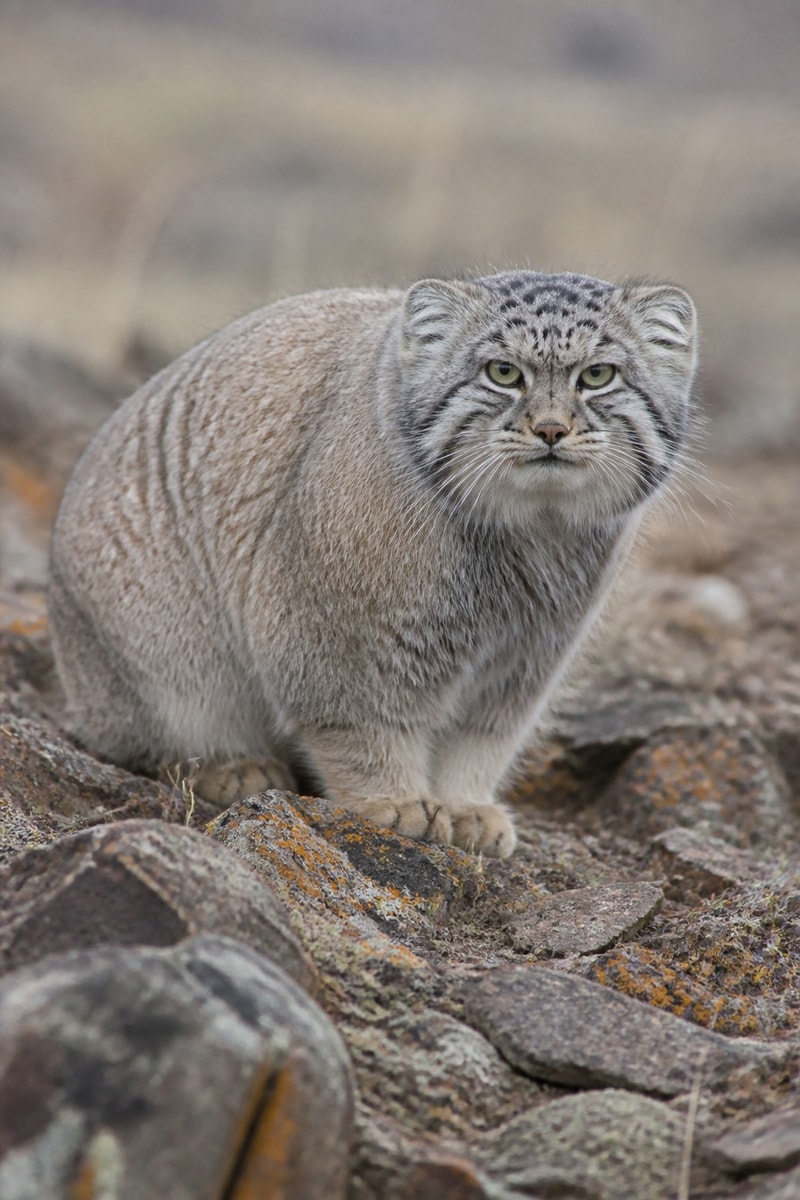
- Pallas's Catlegendary • Central Asian Steppe
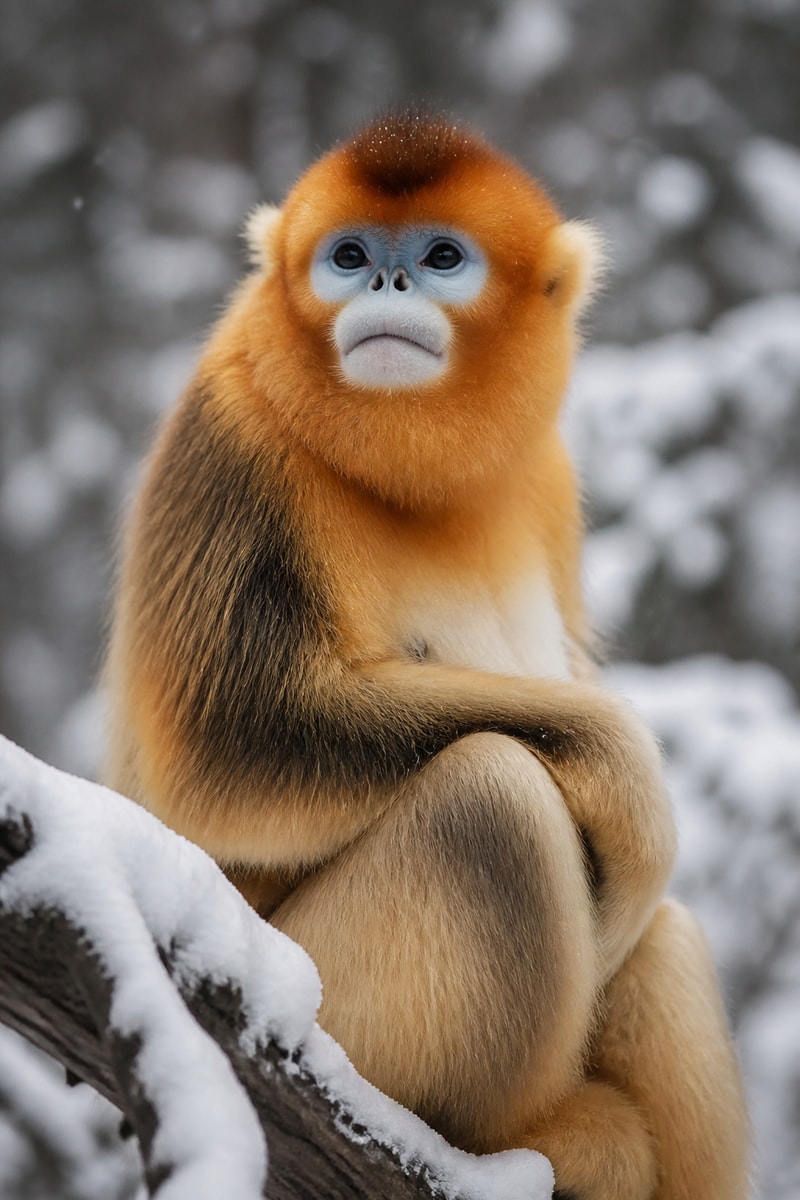
- Golden Snub-nosed Monkeylegendary • Chinese Mountain Forest
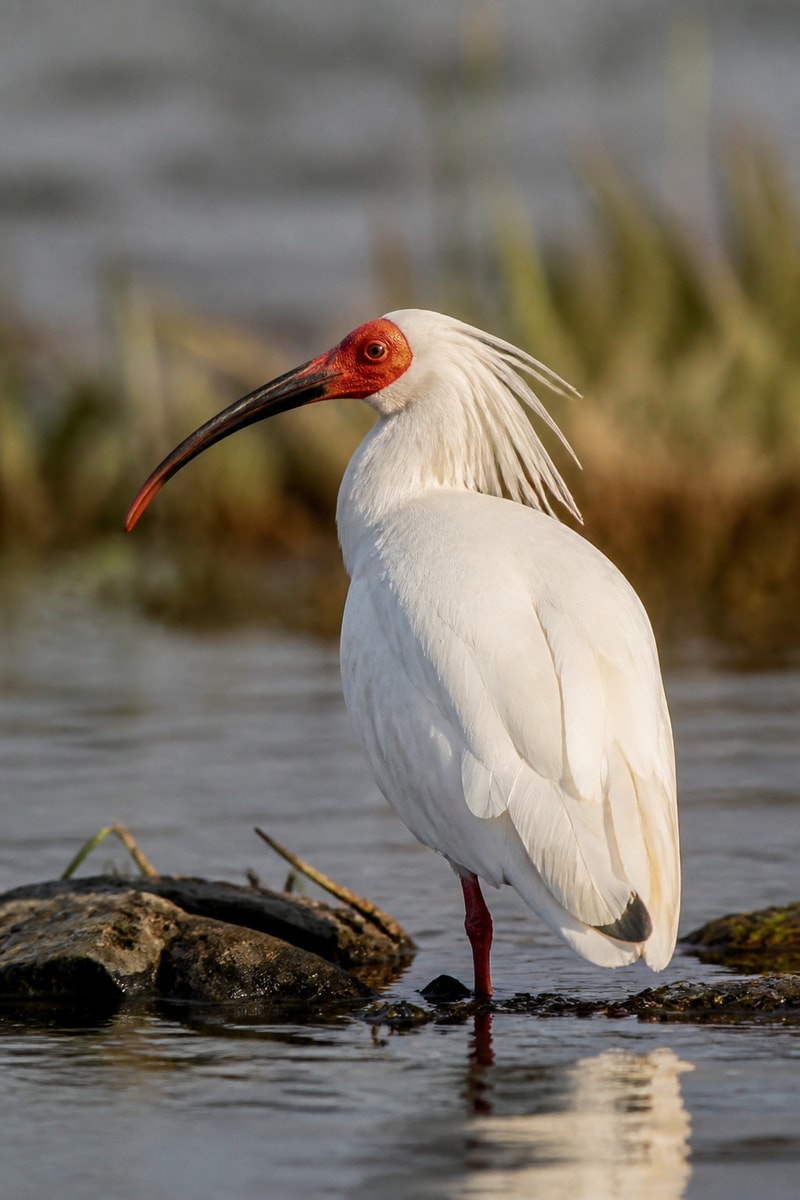
- Crested Ibislegendary • East Asian Wetlands
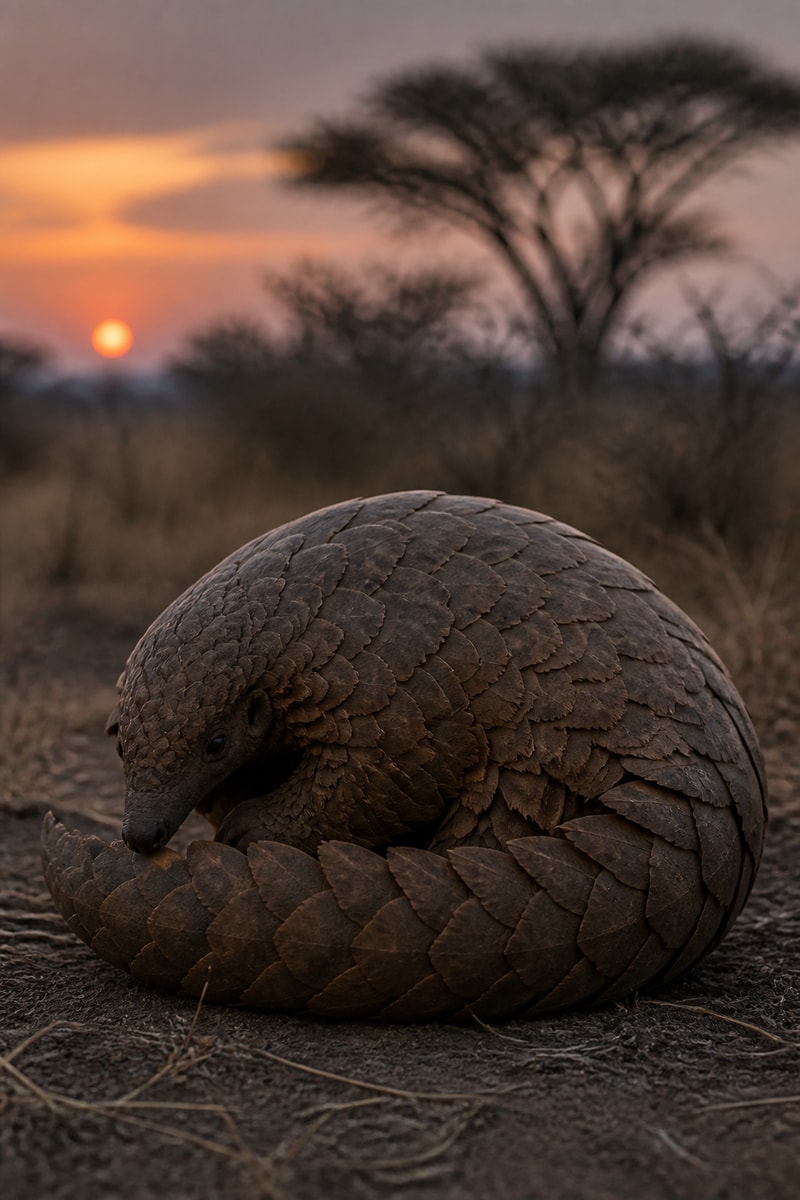
- Pangolinrare • Forest & Grassland
Free on iOS
Catch the Giant Panda
Spot one in the wild, then scan it in Catch'Um to log your rare discovery.