
Field guide · legendary
Red-crowned Crane
East Asia's dancing crane — scarlet crown, snow-white plumage, and sacred wetland grace.
Vulnerable
Grus japonensis
Overview
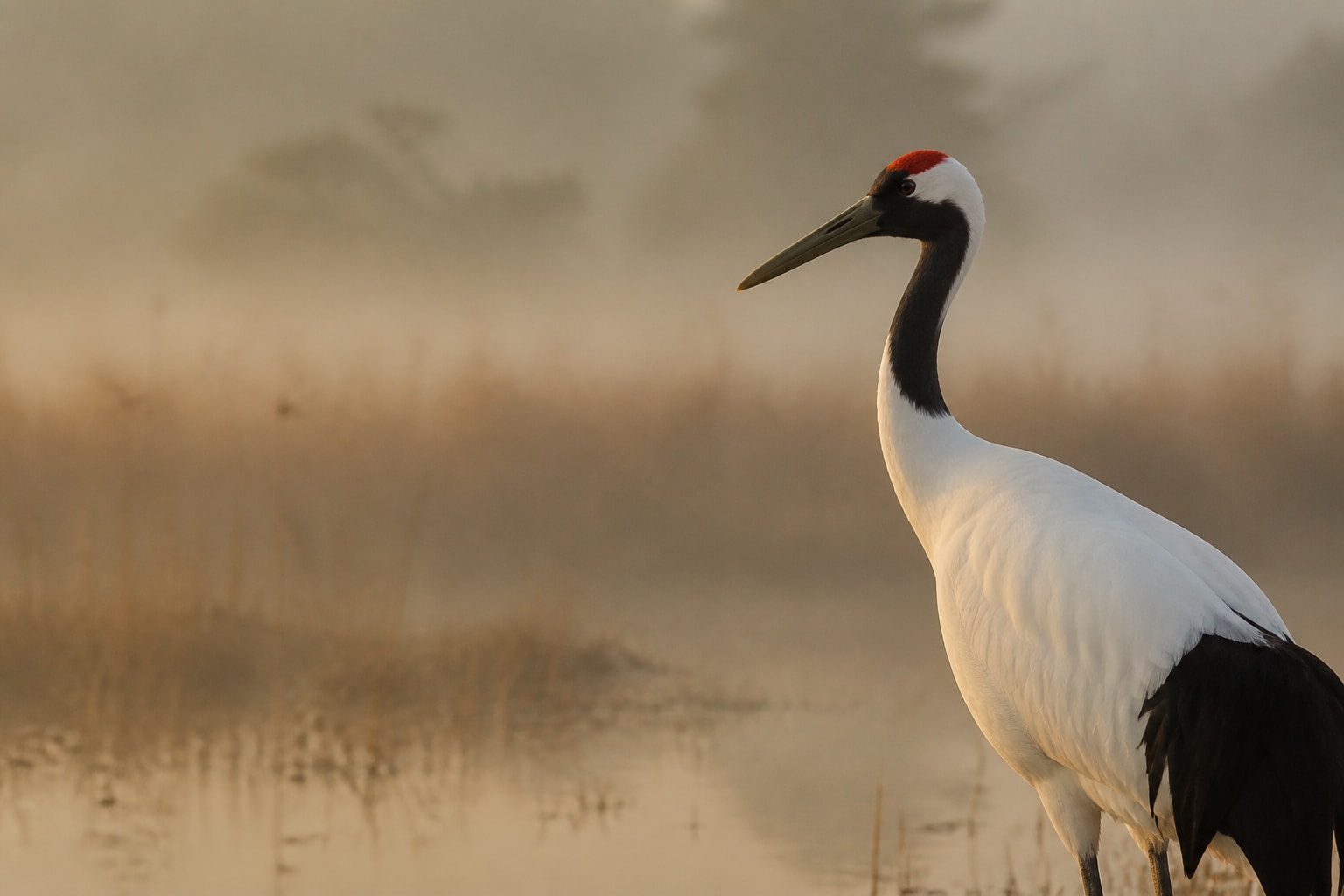
Red-crowned cranes are among the world's largest and most celebrated cranes. Snow-white adults flash black necks and a bare red crown while performing elaborate dancing displays on wetlands.
For China collectors, a crane pair on winter marsh is a legendary East Asian card — cultural icon and conservation priority.
- Scientific nameGrus japonensis
- LengthWingspan around 220–250 cm
- Height150–158 cm tall
- Weight7–12 kg
- LifespanAround 30 years or more in the wild
- DietOmnivore
- ConservationVulnerable
- RegionWetland Marshes
Where to see them
Habitat
- Freshwater marsh
- River floodplain
- Coastal wetland
Wetlands, marshes, and river floodplains of East Asia for breeding, with wintering flocks on coastal and inland marshes in China, Korea, and Japan.
Field notes
Field scale for the Red-crowned Crane: length around Wingspan around 220-250 cm; height 150-158 cm tall; weight 7-12 kg. Typical lifespan: Around 30 years or more in the wild.
When you are scanning habitat, prioritise freshwater marsh, river floodplain, and coastal wetland. Those settings are where a clean look and a usable photo are most likely.
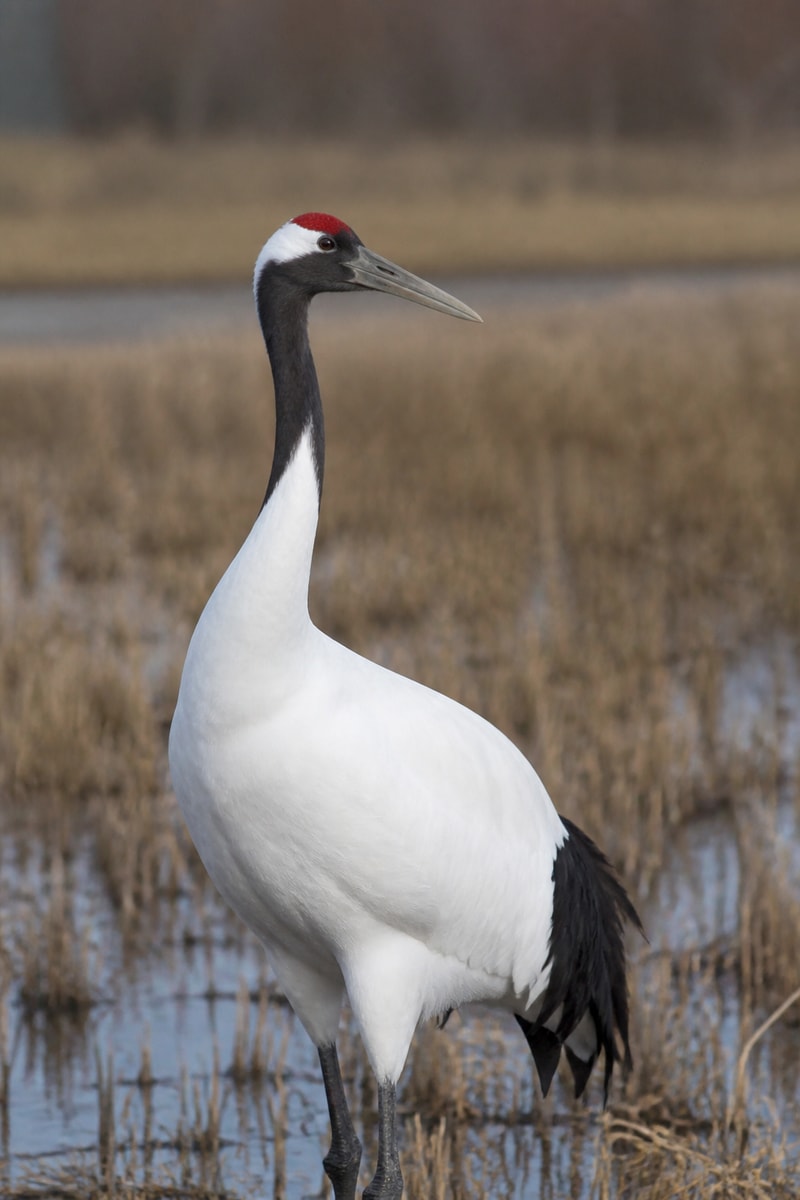
Quick ID anchor: Tall white crane with black secondary wing feathers, black neck, and scarlet crown patch. Confirm with behaviour and habitat before you log the discovery.
Diet
Omnivorous wetland diet of plants, seeds, insects, fish, amphibians, and small vertebrates.
Probe mud and shallow water; also take grain in agricultural edges.
Behaviour
Form strong pair bonds; dance with bows, leaps, and tossed vegetation.
Breed in secluded marshes; gather in flocks on winter grounds.
How to identify
Tall white crane with black secondary wing feathers, black neck, and scarlet crown patch.
Long pointed bill and black legs; juveniles are mottled brownish.
Interesting facts
- 01
Adults are mostly white with black necks and a red bare crown.
- 02
Famous for synchronised dancing and unison calls between pairs.
- 03
One of the heaviest flying birds in East Asia.
- 04
Mate for long-term pair bonds and defend nesting territories.
- 05
Diet mixes aquatic plants, grains, insects, fish, and amphibians.
- 06
A powerful cultural symbol in China, Korea, and Japan.
Conservation status
Red-crowned cranes are Vulnerable. Wetland drainage, pollution, and disturbance shrink breeding and wintering habitat. Protected marshes in China, Russia, Korea, and Japan are essential.
Sources: IUCN Red List



Keep exploring
Related discoveries
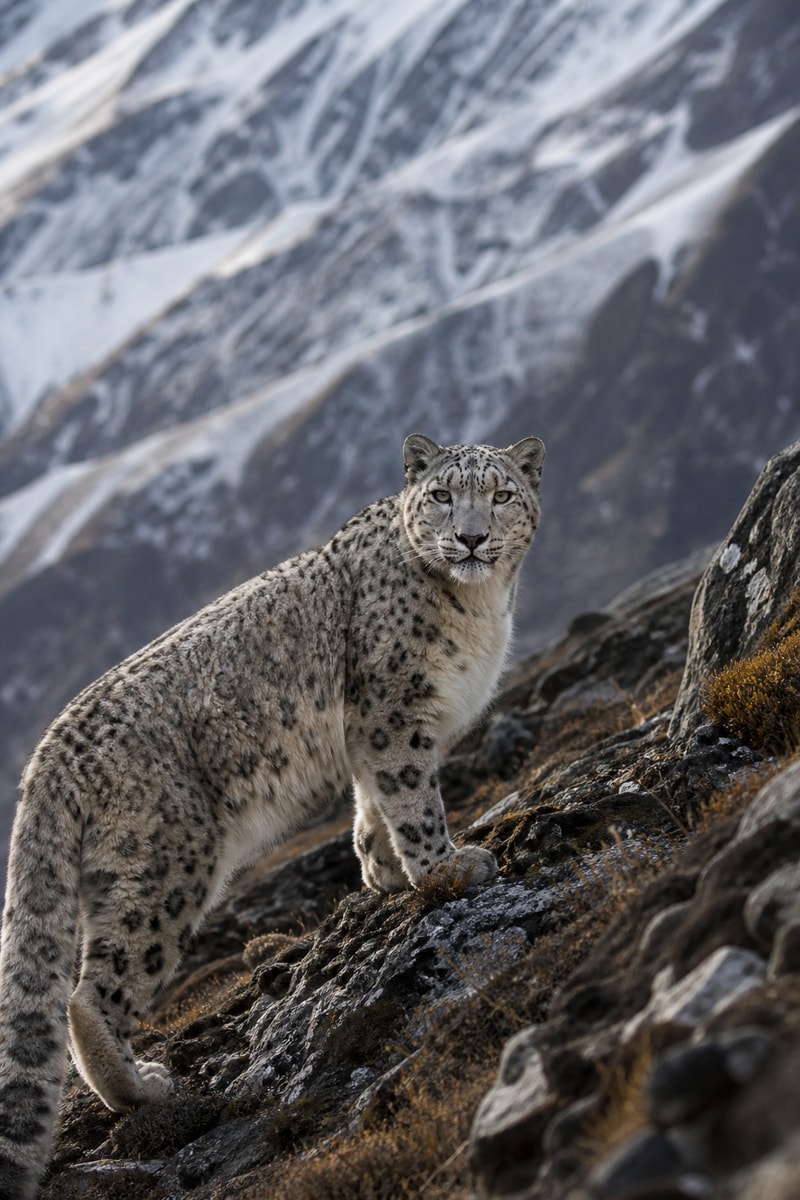
- Snow Leopardlegendary • High Mountains
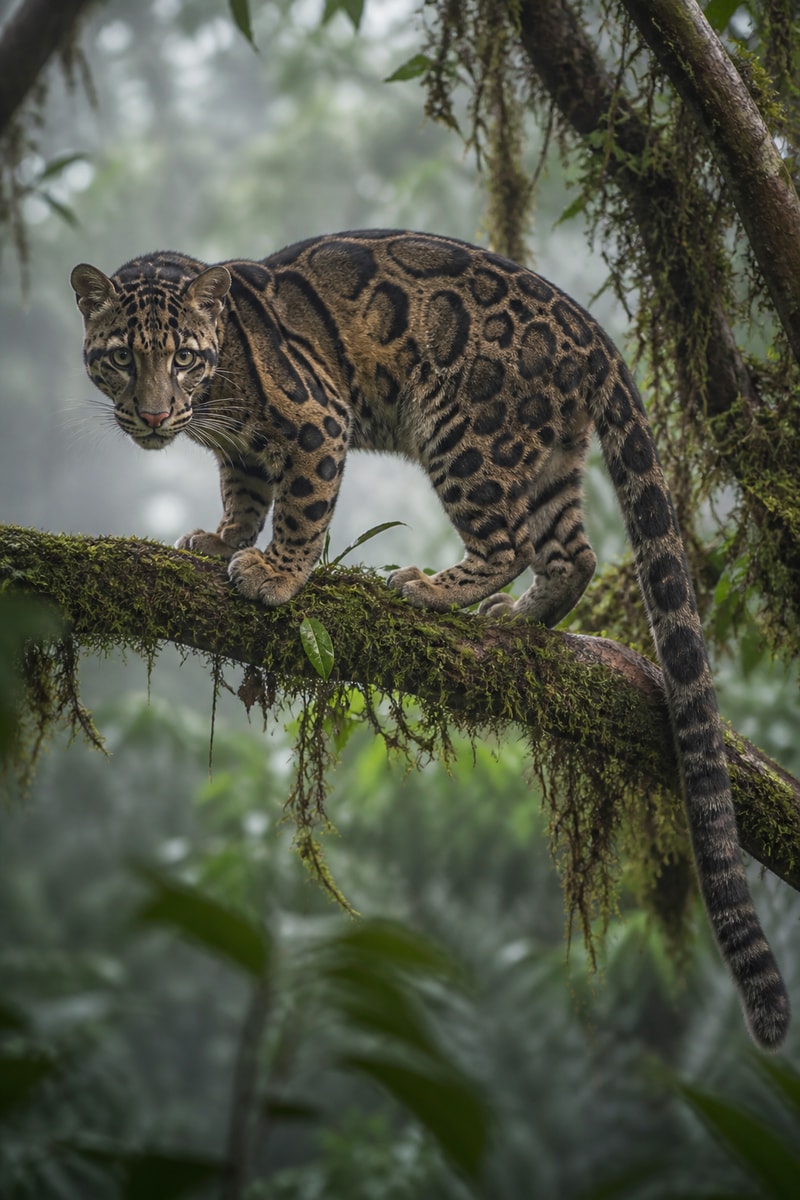
- Clouded Leopardlegendary • Forest Canopy
- Chinese Giant Salamanderlegendary • Mountain Streams
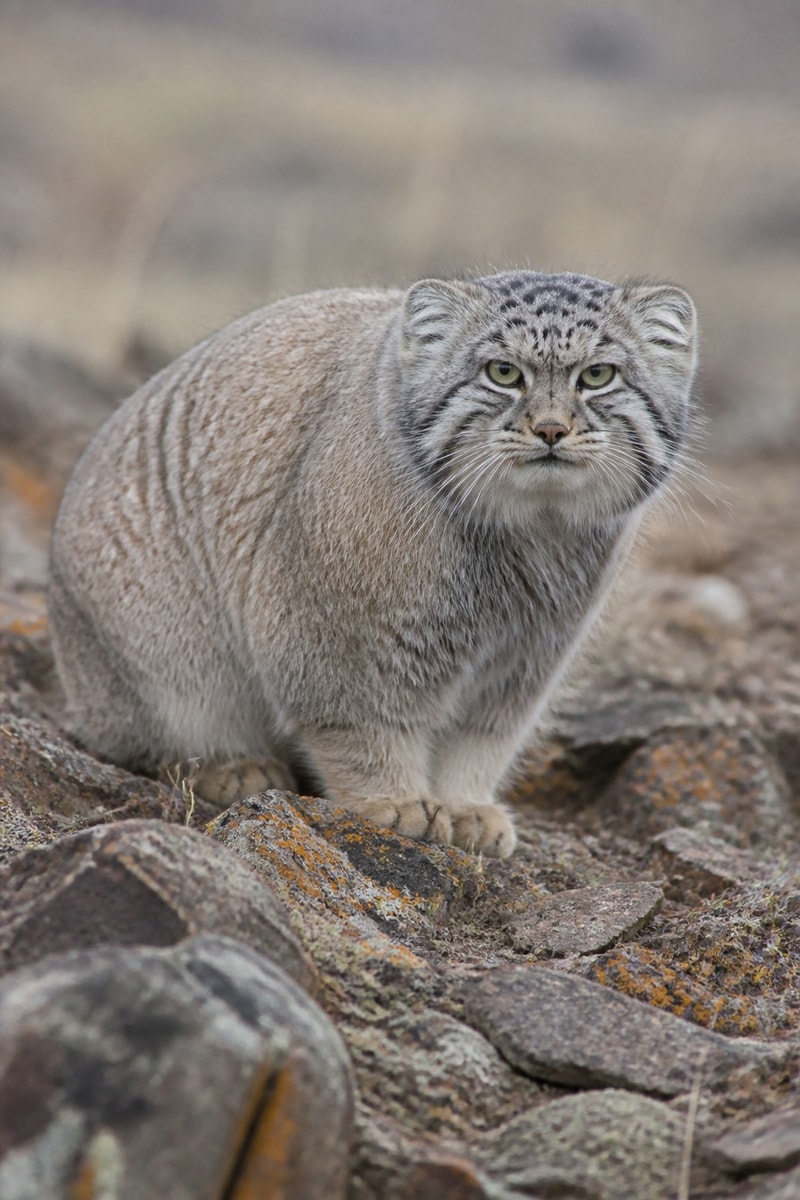
- Pallas's Catlegendary • Central Asian Steppe
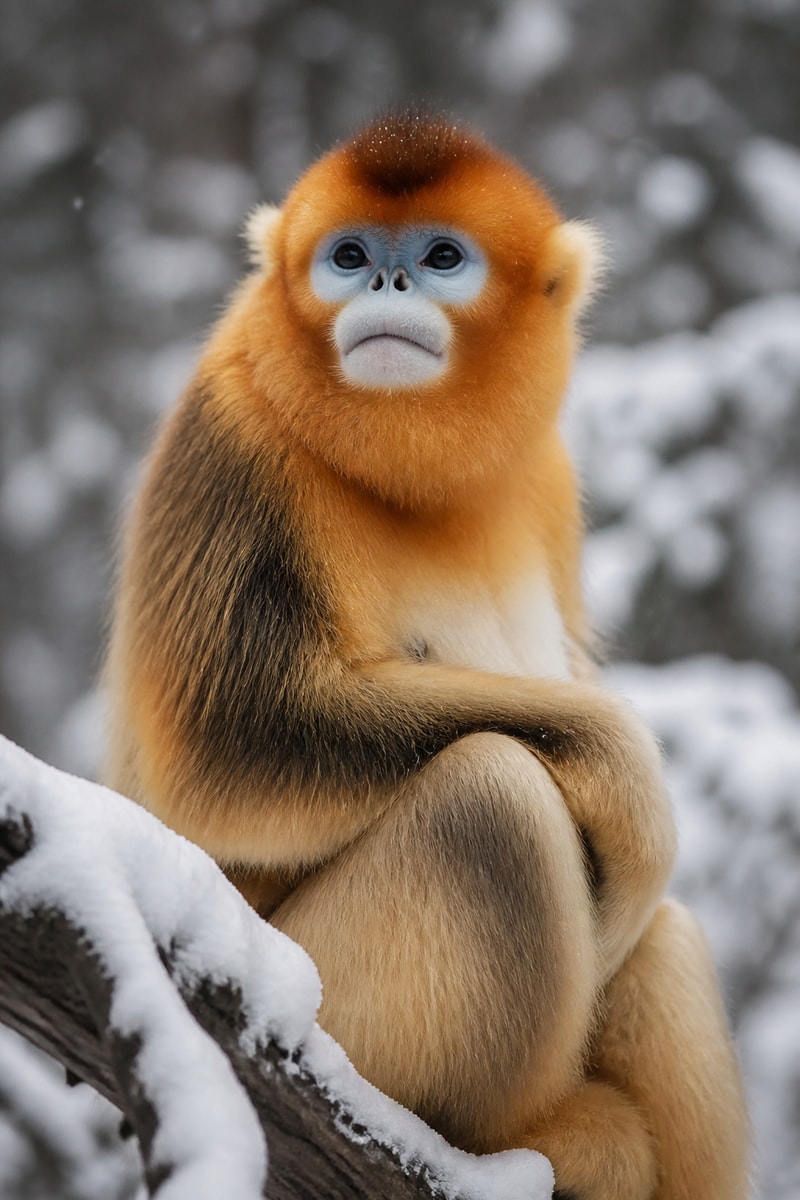
- Golden Snub-nosed Monkeylegendary • Chinese Mountain Forest
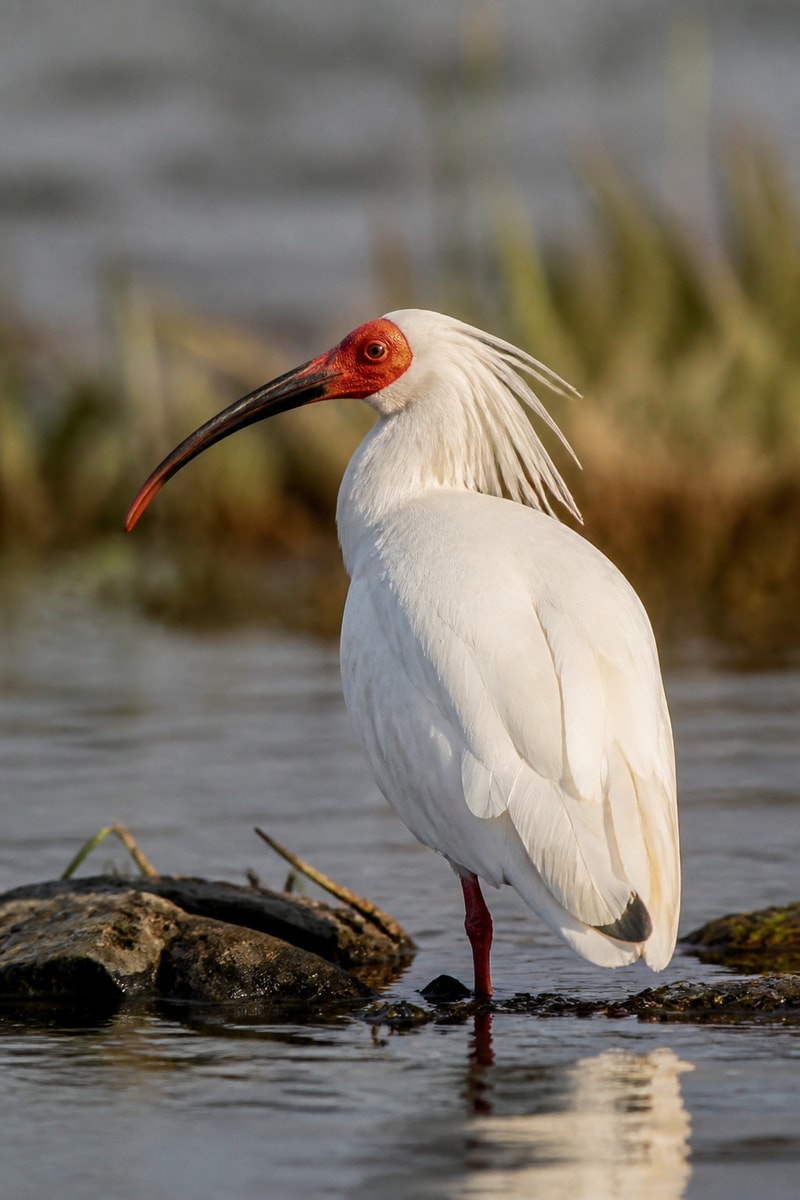
- Crested Ibislegendary • East Asian Wetlands
- Giant Pandarare • Bamboo Forest
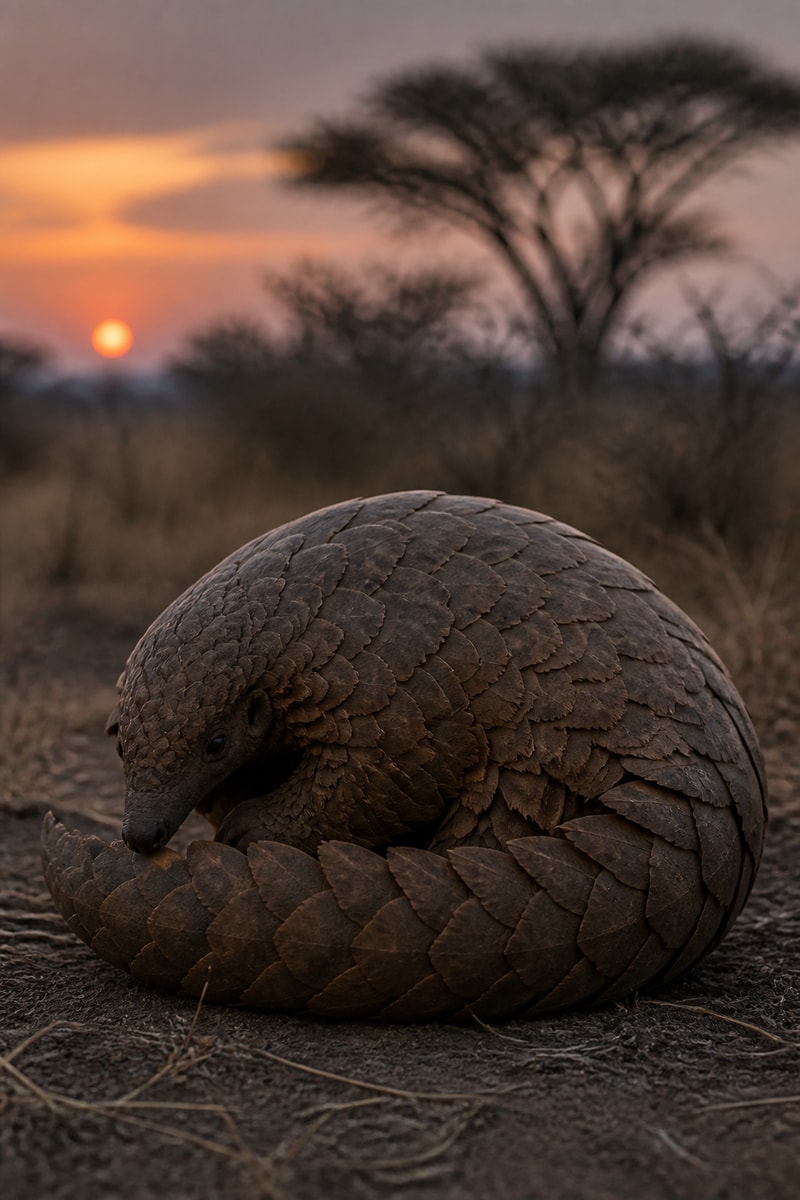
- Pangolinrare • Forest & Grassland
Free on iOS
Catch the Red-crowned Crane
Spot one in the wild, then scan it in Catch'Um to log your legendary discovery.