
Field guide · legendary
Chinese Giant Salamander
The world's largest amphibian — an ancient, wrinkled stream giant of China's hills.
Critically Endangered
Andrias davidianus
Overview
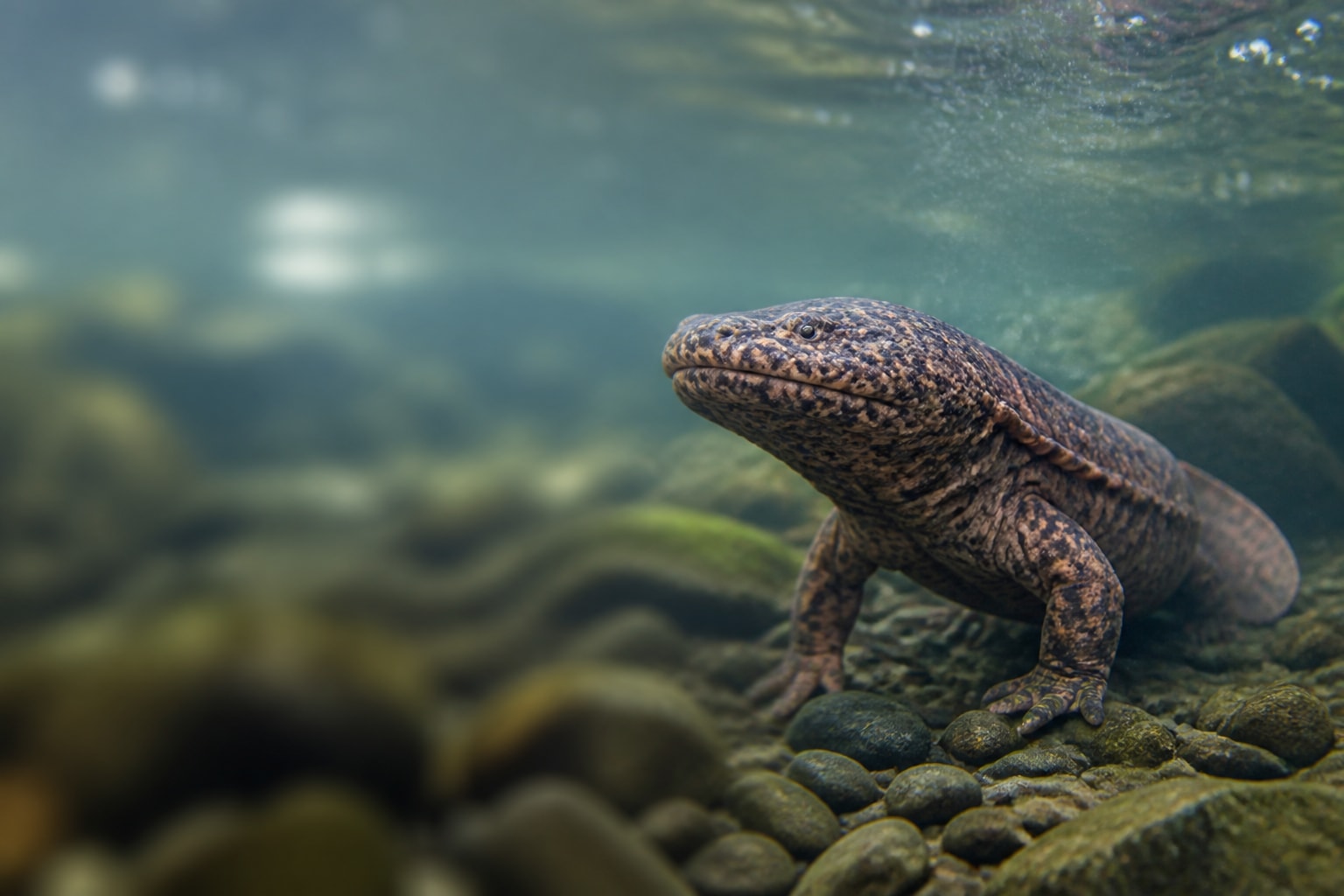
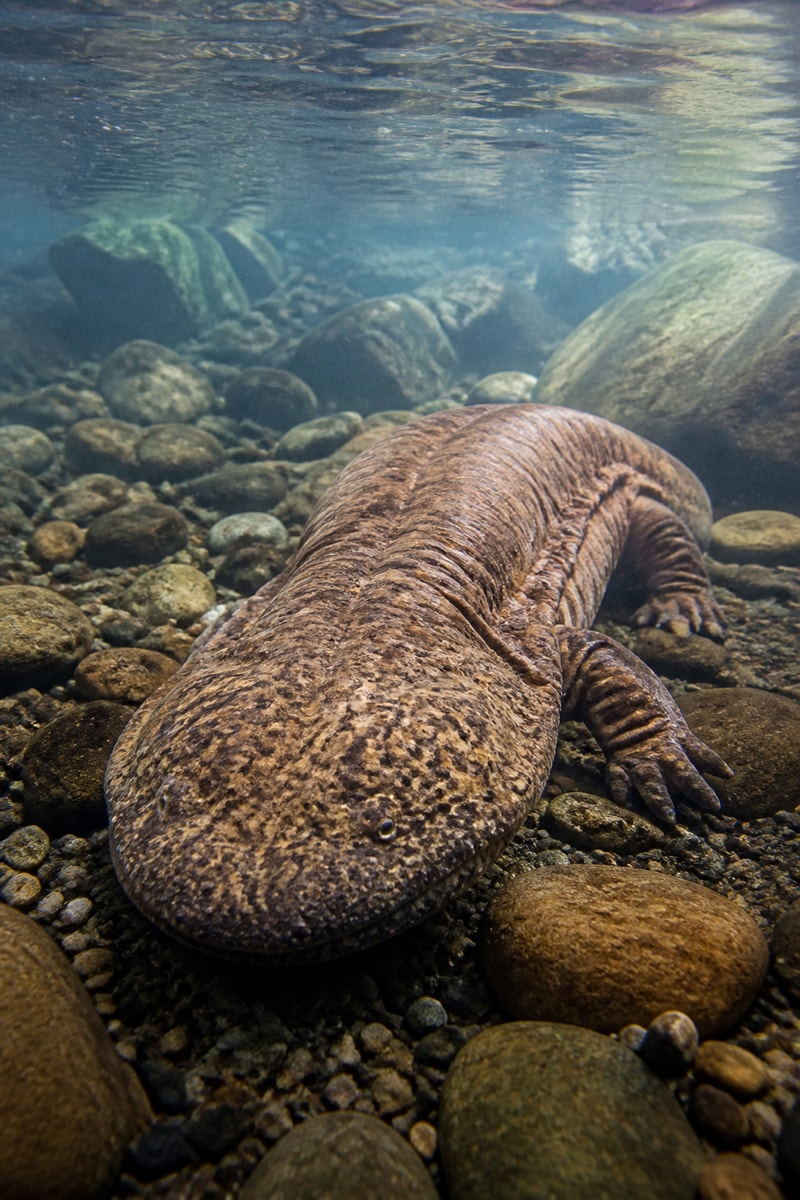
Chinese giant salamanders are the largest living amphibians, reaching well over a metre in cool mountain streams. Flattened heads, beady eyes, and wrinkled skin folds give them a primordial look — and a critically endangered status after overharvesting.
A powerful China card beyond pandas, adding true amphibian megafauna to Catch'Um.
- Scientific nameAndrias davidianus
- Length1–1.5 m typical large adults; rarely longer
- Weight20–40+ kg exceptional
- LifespanAround 50–60 years possible
- DietFish
- ConservationCritically Endangered
- RegionMountain Streams
Where to see them
Habitat
- Mountain streams
- Rocky rivers
Clear, cool, fast-flowing hill streams and rivers of central and southern China with rocky crevices for shelter.
Field notes
Field scale for the Chinese Giant Salamander: length around 1-1.5 m typical large adults; rarely longer; weight 20-40+ kg exceptional. Typical lifespan: Around 50-60 years possible.
When you are scanning habitat, prioritise mountain streams and rocky rivers. Those settings are where a clean look and a usable photo are most likely.
Quick ID anchor: Huge flattened salamander with mottled brown skin, tiny eyes, and wrinkled skin folds along the body. Confirm with behaviour and habitat before you log the discovery.
Where to see one
China
In China, strong options include Zhangjiajie National Forest Park and Shennongjia National Park. Towering sandstone pillars draped in mist, with cool mountain streams that historically held Chinese giant salamanders plus macaques, civets, and rare forest birds.
Open the China spotting guide for every park note tied to the chinese giant salamander.
Diet
Fish, worms, insects, crustaceans, and amphibians ambushed in streams.
Sit-and-wait hunters using a wide suction gape.
Behaviour
Nocturnal and secretive; hide under rocks by day.
Males may guard nesting cavities in breeding season.
How to identify
Huge flattened salamander with mottled brown skin, tiny eyes, and wrinkled skin folds along the body.
Broad head and paddle-like tail; four short limbs.
Interesting facts
- 01
The world's largest amphibian — exceptional individuals exceed 1.5 metres.
- 02
Breathe partly through skin; need cool oxygen-rich water.
- 03
Mostly nocturnal ambush predators of fish and invertebrates.
- 04
Often called 'infant fish' in China for their cry-like vocalisations.
- 05
Can live for many decades.
- 06
Wild populations have collapsed from overharvesting and habitat loss.
Conservation status
Chinese giant salamanders are Critically Endangered in the wild. Overharvesting for food and medicine, pollution, and dams devastated populations. Captive breeding is common, but wild stream restoration is urgent.
Sources: IUCN Red List
Common questions
- Where do Chinese giant salamanders live?
- In cool, rocky mountain streams of central and southern China. Zhangjiajie and Shennongjia protect classic stream habitat, though wild numbers have collapsed from overharvesting.
- How big is the Chinese giant salamander?
- It is the world’s largest living amphibian. Exceptional individuals can exceed 1.5 metres.

Keep exploring
Related discoveries
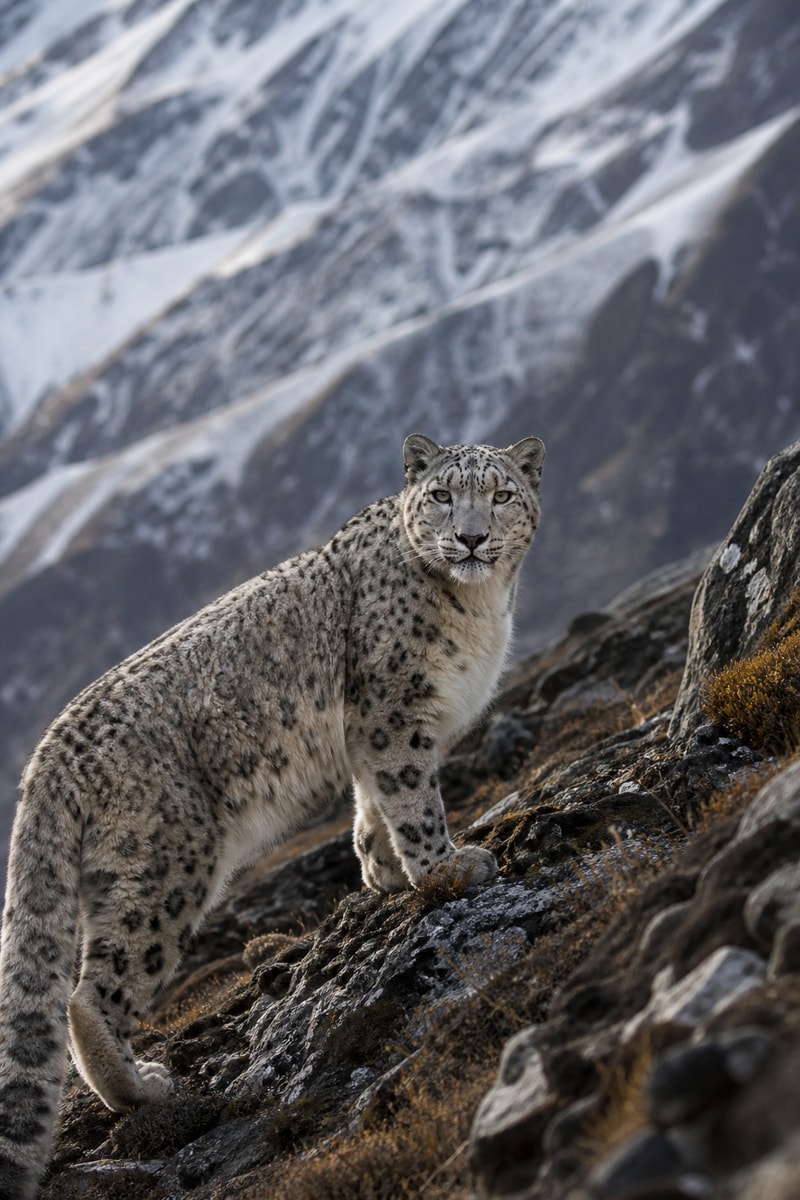
- Snow Leopardlegendary • High Mountains
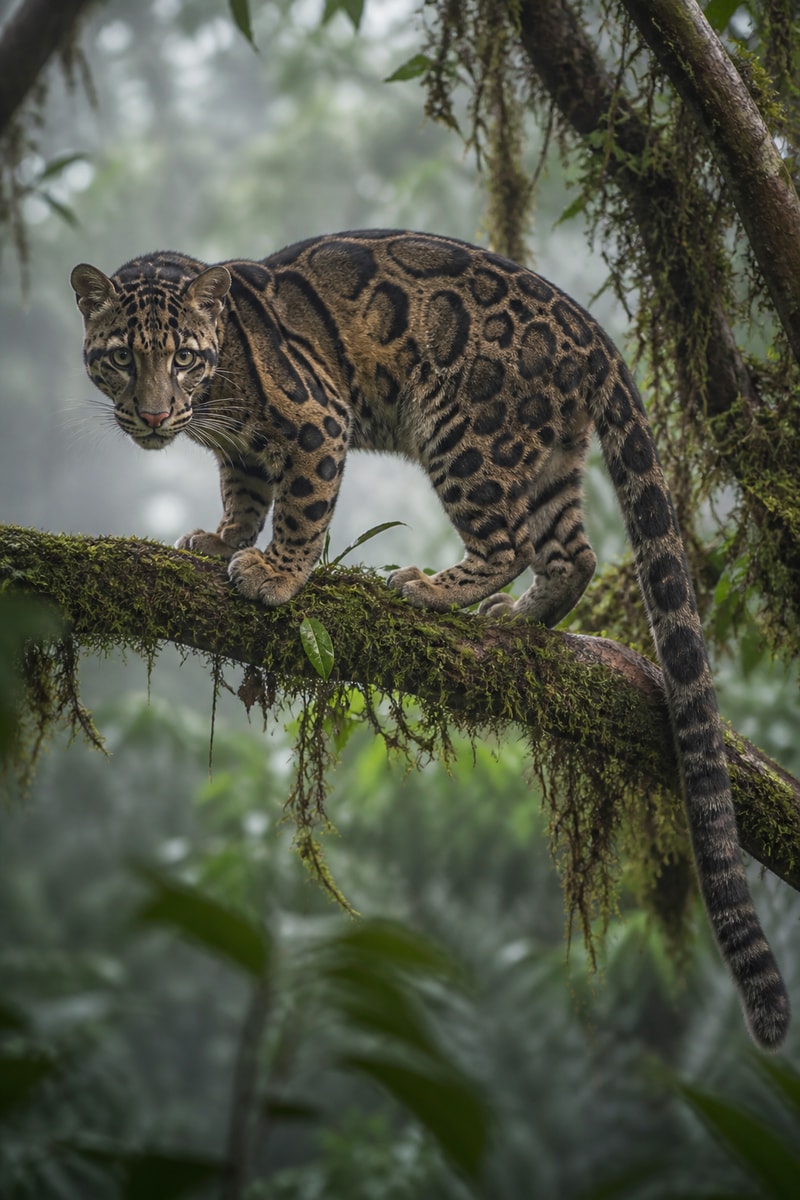
- Clouded Leopardlegendary • Forest Canopy
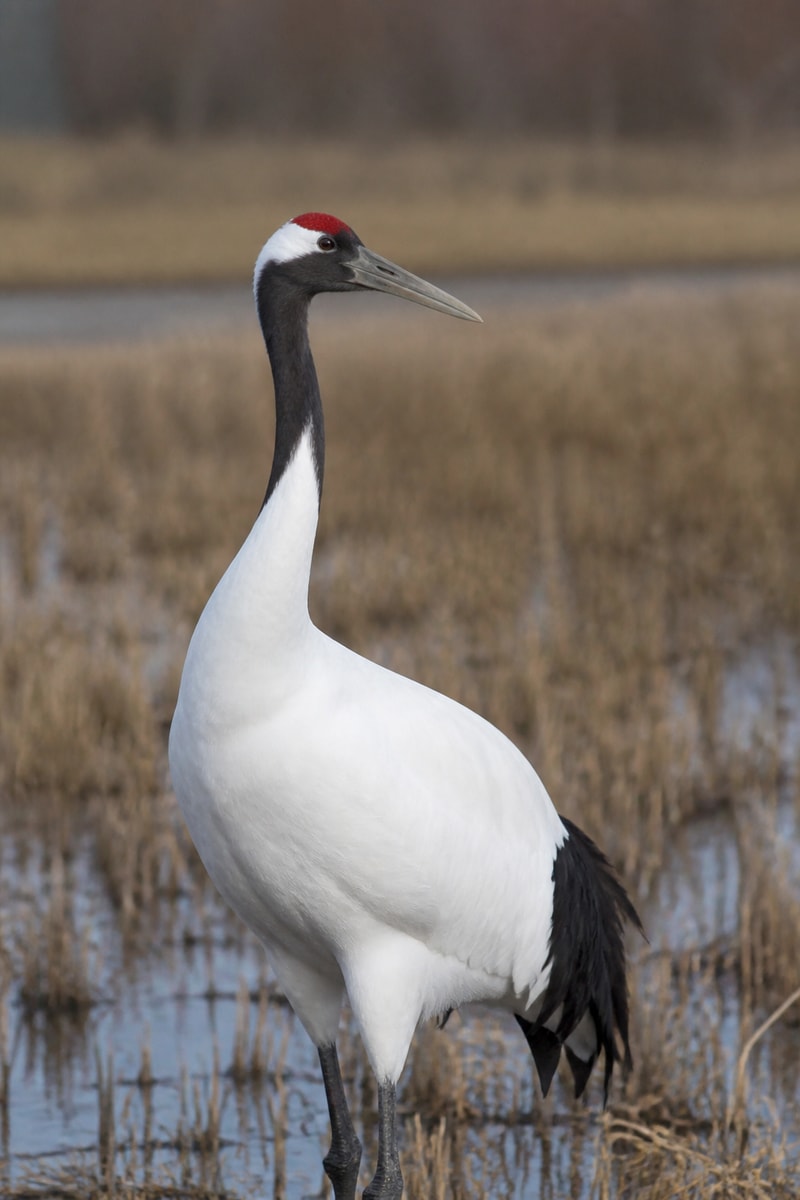
- Red-crowned Cranelegendary • Wetland Marshes
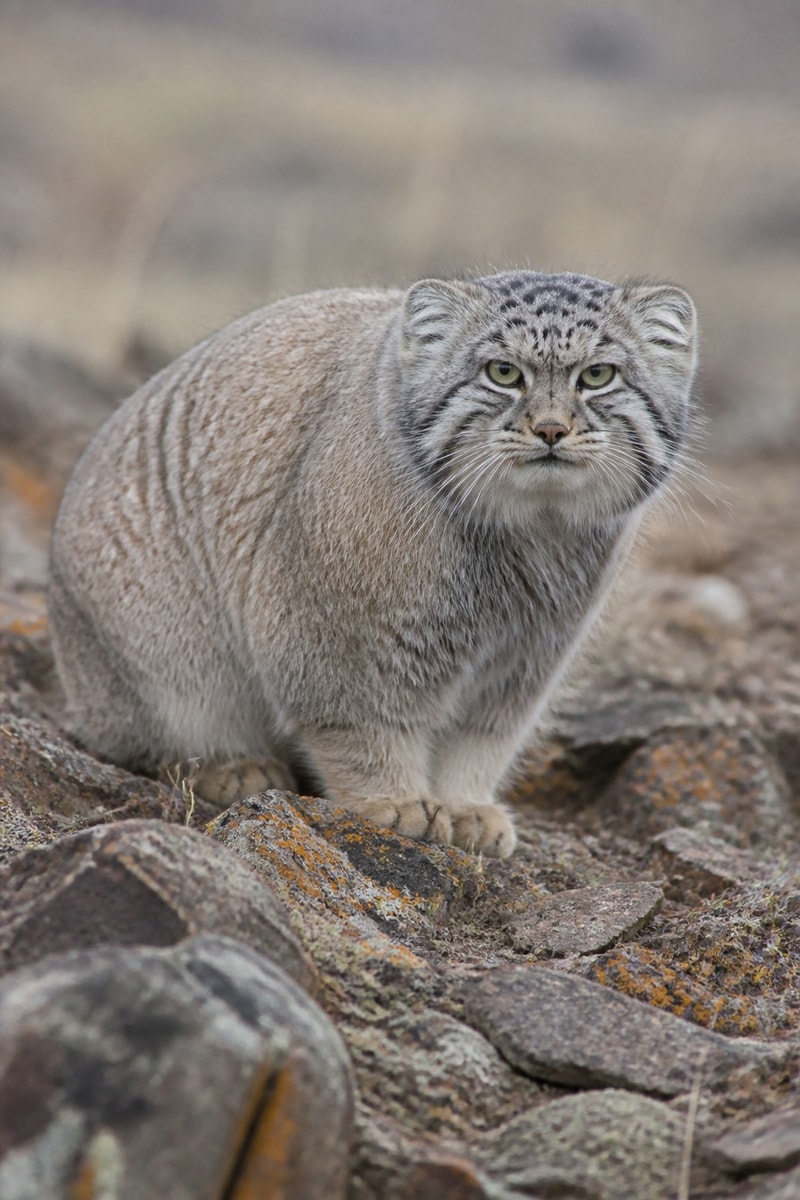
- Pallas's Catlegendary • Central Asian Steppe
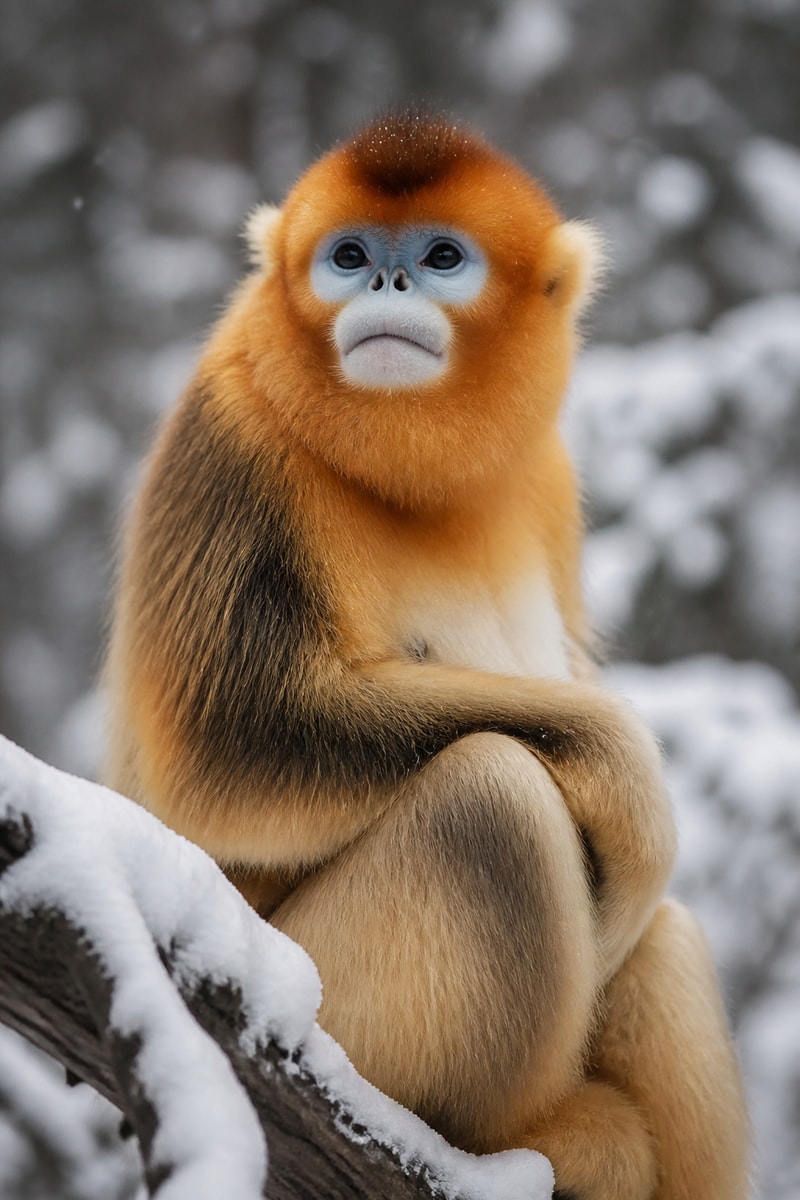
- Golden Snub-nosed Monkeylegendary • Chinese Mountain Forest
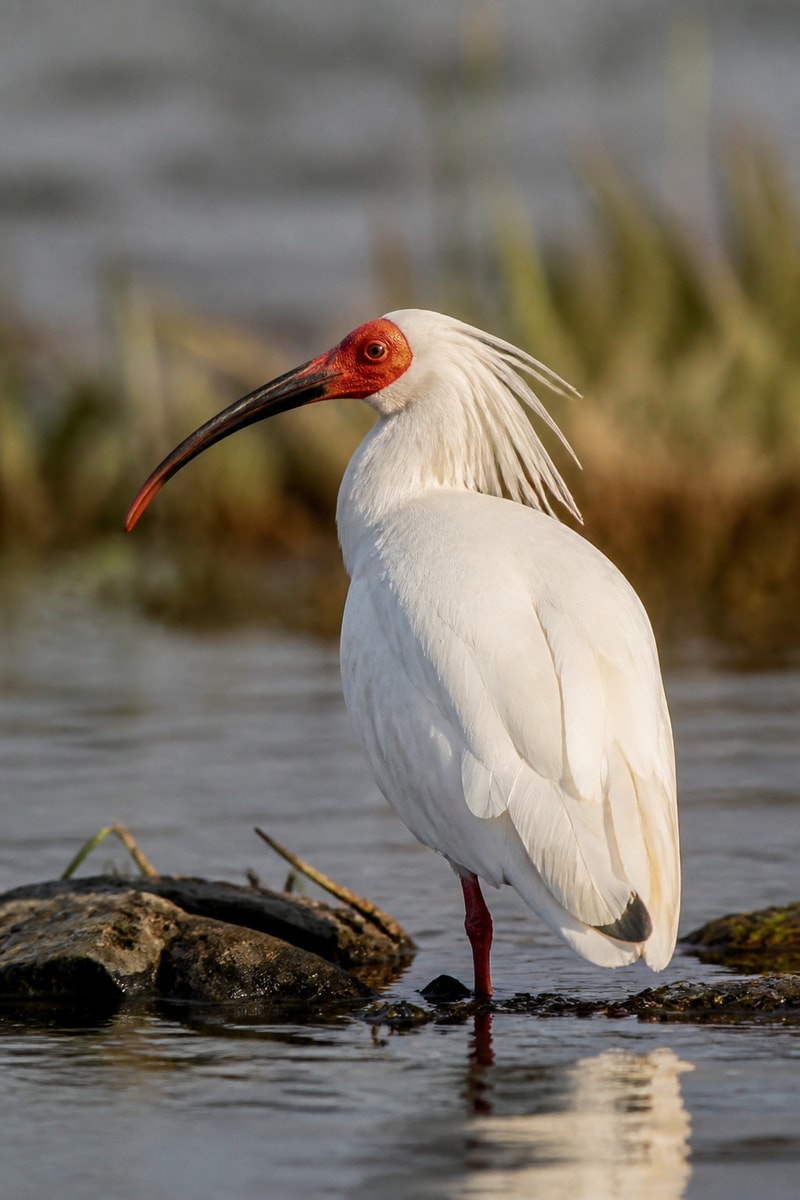
- Crested Ibislegendary • East Asian Wetlands
- Giant Pandarare • Bamboo Forest
- Pangolinrare • Forest & Grassland
Free on iOS
Catch the Chinese Giant Salamander
Spot one in the wild, then scan it in Catch'Um to log your legendary discovery.