
Field guide · rare
Pangolin
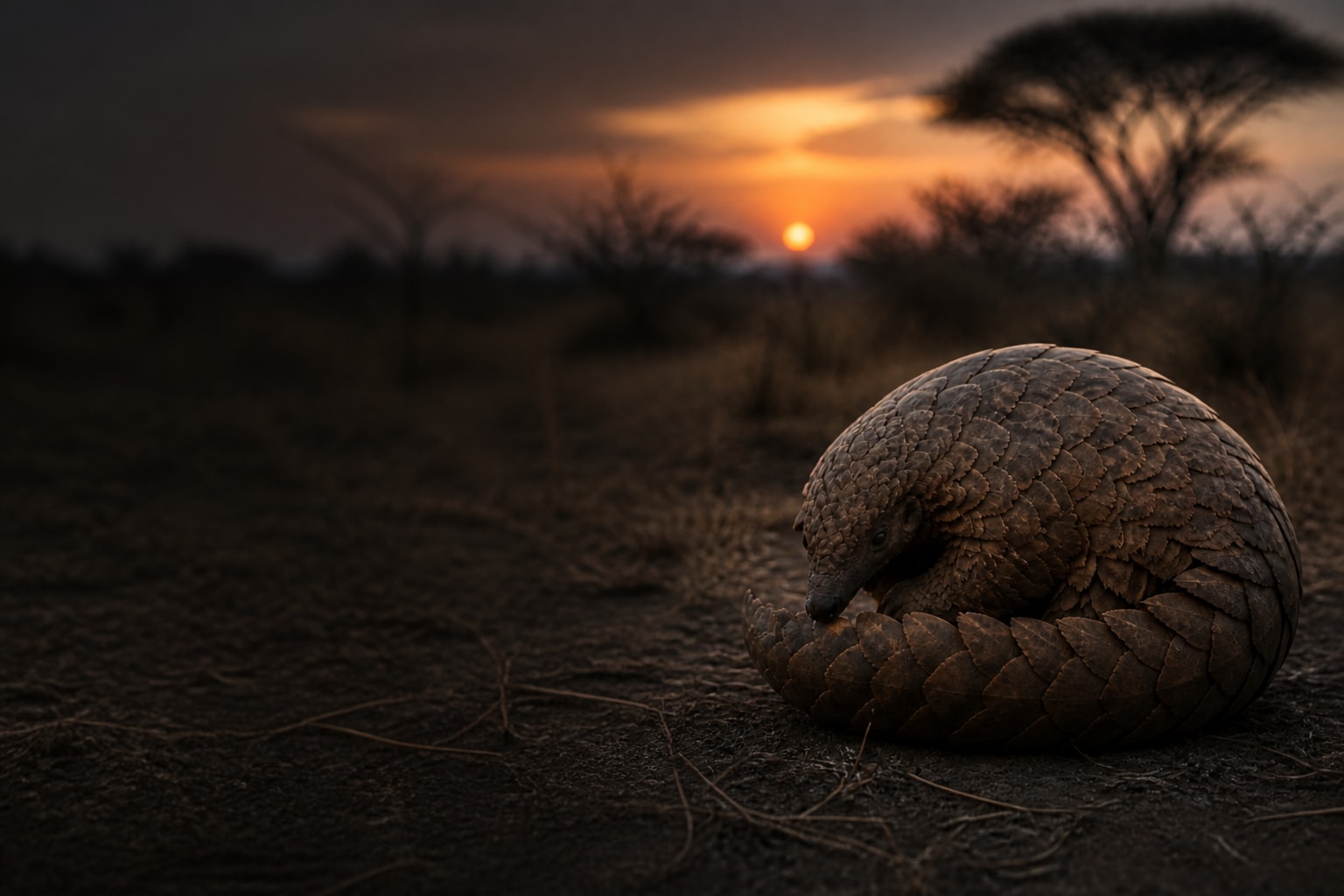
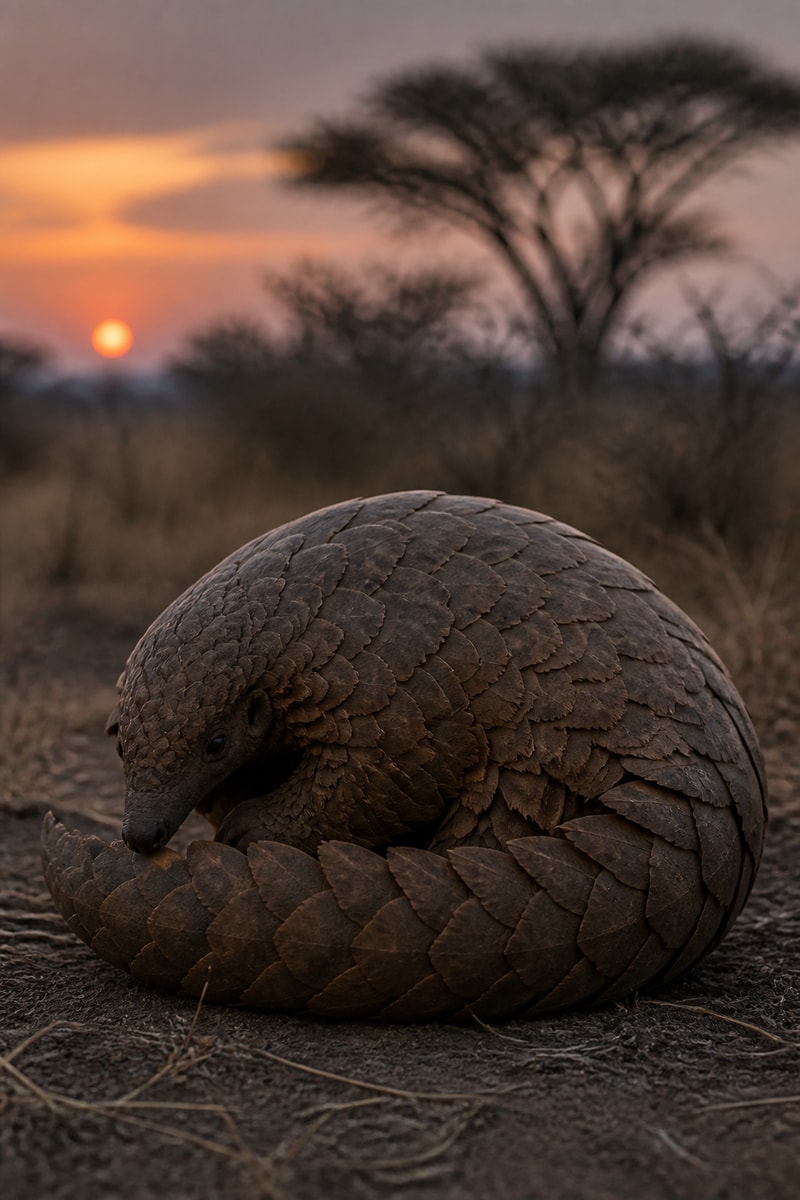
The world's most trafficked mammal, a scaly anteater that curls into an armoured ball when threatened.
Critically Endangered
Manis temminckii
Overview
Pangolins are the only mammals covered in scales, keratin plates that protect them when they roll into a tight ball, presenting an impenetrable sphere to lions and leopards. They walk on hind legs, tail extended for balance, and use a long sticky tongue to slurp ants and termites from nests.
Tragically, pangolins are the most trafficked mammals on Earth, hunted for their scales in traditional medicine and for bushmeat. All eight species are threatened with extinction despite having no proven medicinal value.
- Scientific nameManis temminckii
- Length50–60 cm body; tail 40–50 cm
- Weight7–18 kg
- LifespanAround 10–20 years in the wild
- DietTemminck's ground…
- ConservationCritically Endangered
- RegionForest & Grassland
Habitat
- Savanna
- Woodland
- Dry forest
- Grassland
Savanna woodland, forest, and grassland across sub-Saharan Africa and South and Southeast Asia hold pangolins. The ground pangolin ranges from Kenya and Tanzania through southern Africa, foraging at night with a keen sense of smell.
Countries found
Field notes
Field scale for the Pangolin: length around 50-60 cm body; tail 40-50 cm; weight 7-18 kg. Typical lifespan: Around 10-20 years in the wild.
When you are scanning habitat, prioritise savanna, woodland, dry forest, and grassland. Those settings are where a clean look and a usable photo are most likely.
Quick ID anchor: Only mammal covered in overlapping keratin scales; elongated snout, tiny eyes, and no teeth. Confirm with behaviour and habitat before you log the discovery.
Diet
Temminck's ground pangolin feeds almost exclusively on ants and termites, extracted with a long sticky tongue.
Powerful foreclaws open nests; it does not chew, swallowing insects whole.
Behaviour
Nocturnal and usually solitary; walks with a hunched gait and may bipedalise with the tail for balance.
When threatened it rolls into a tight scaled ball that is hard for predators to open.
How to identify
Only mammal covered in overlapping keratin scales; elongated snout, tiny eyes, and no teeth.
Ground-living African species with a long tapering tail; pale underparts contrast with brown scales.
Interesting facts
- 01
Pangolins are the most trafficked mammals in the world, hunted for their scales.
- 02
Their scales are made of keratin, the same material as human fingernails.
- 03
A pangolin's tongue can extend over 40 centimetres, longer than its body.
Conservation status
All pangolin species are Critically Endangered or Endangered, devastated by illegal trade. International commercial trade is banned, but poaching continues across Africa and Asia.
Sources: IUCN Red List
Keep exploring
Where it lives
Related discoveries
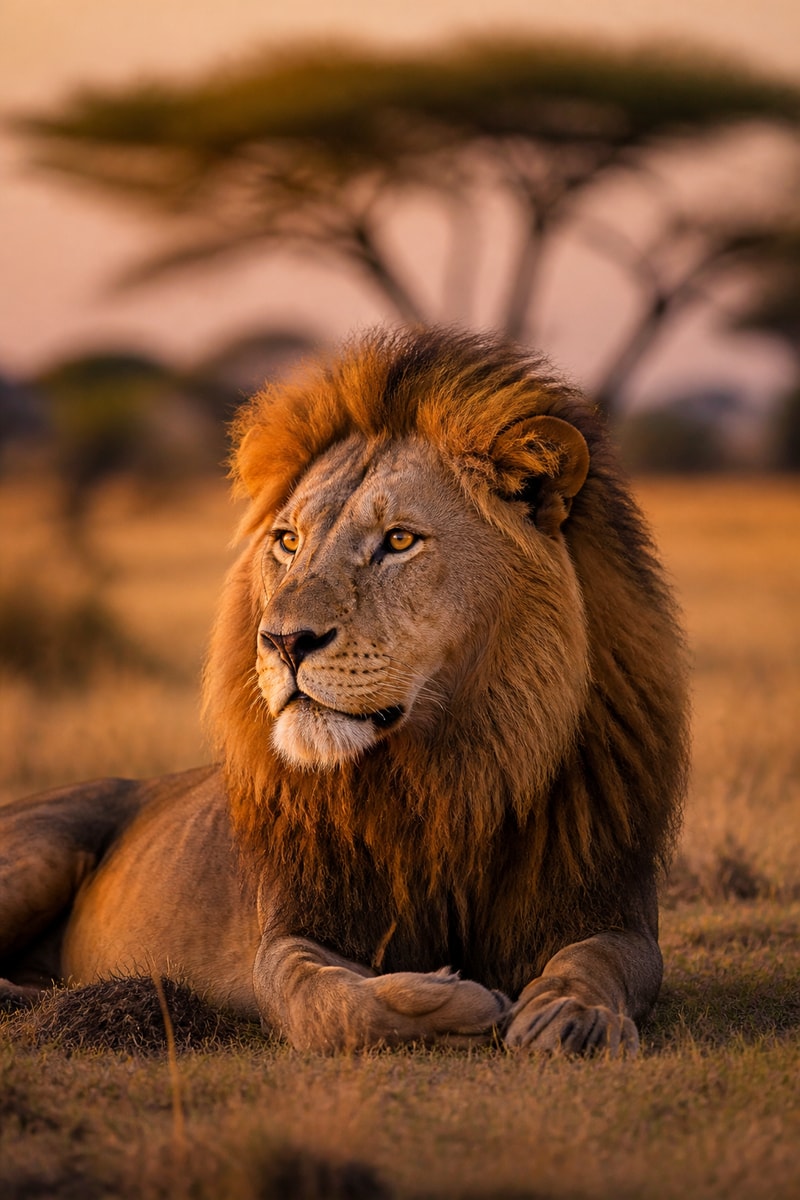
- Lionlegendary • Savanna, East Africa
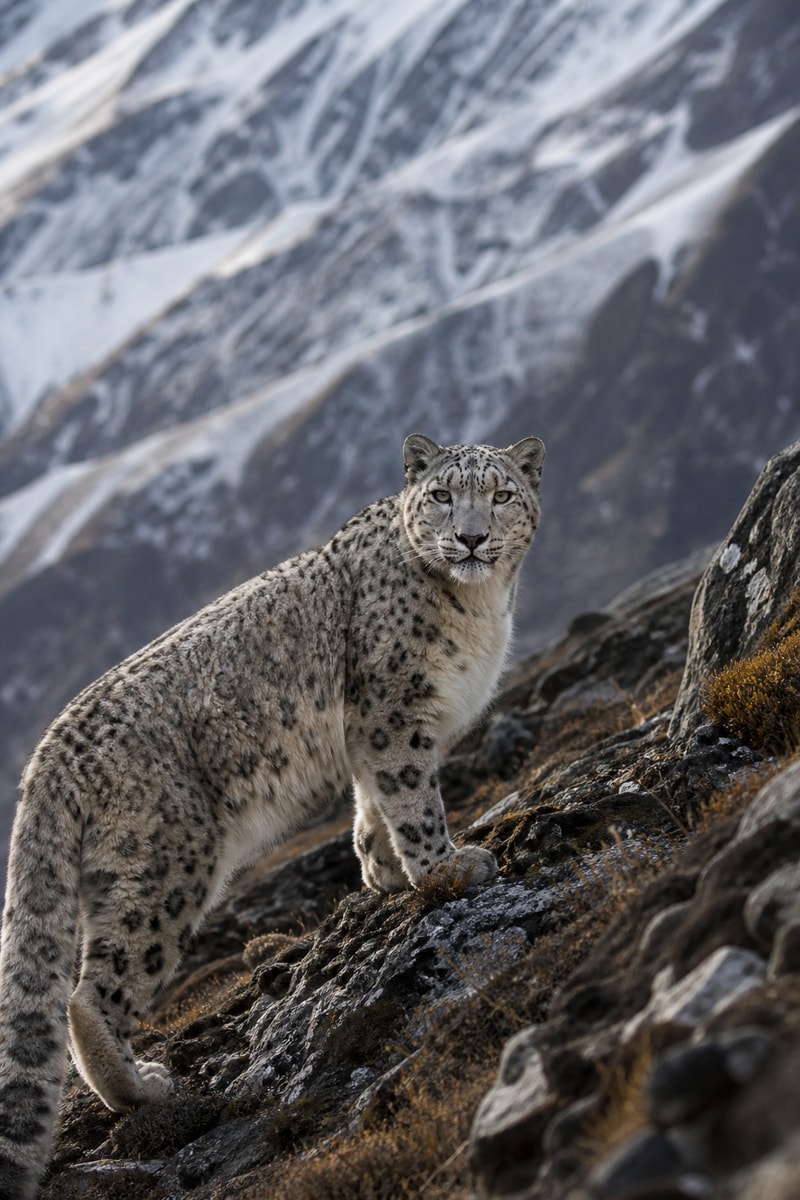
- Snow Leopardlegendary • High Mountains
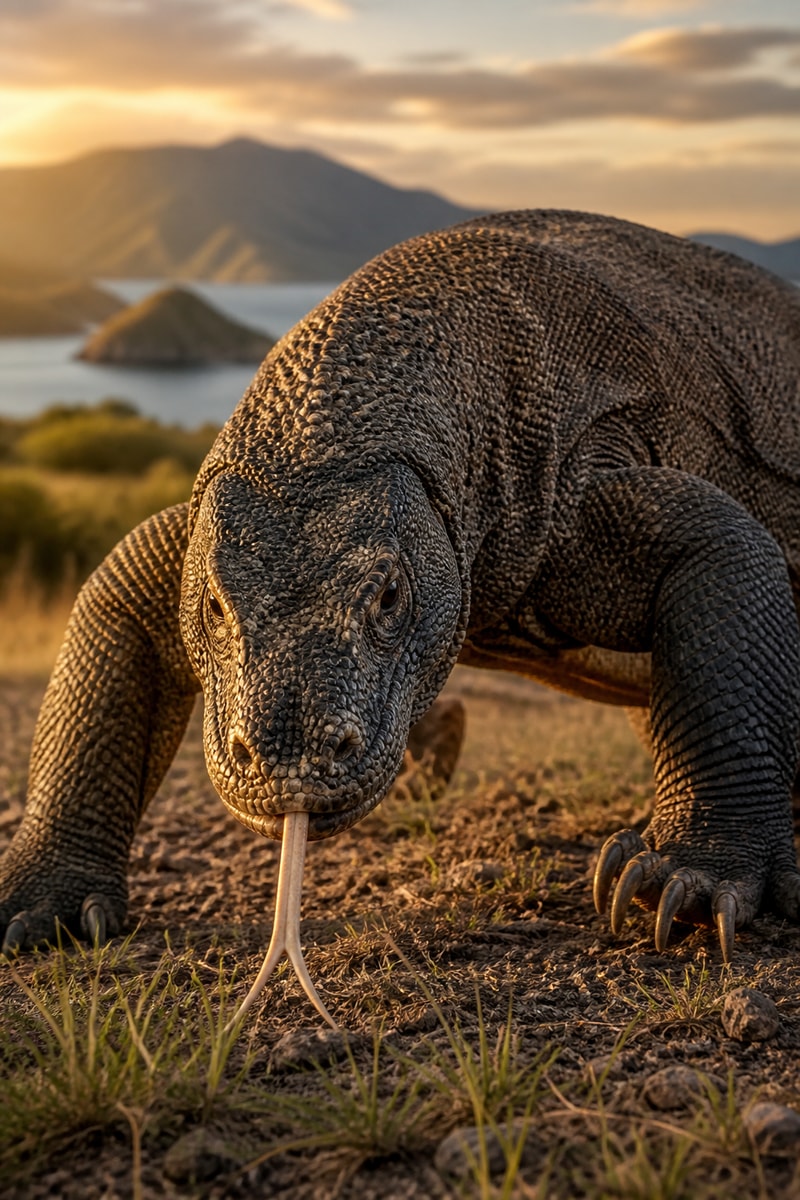
- Komodo Dragonlegendary • Komodo Islands
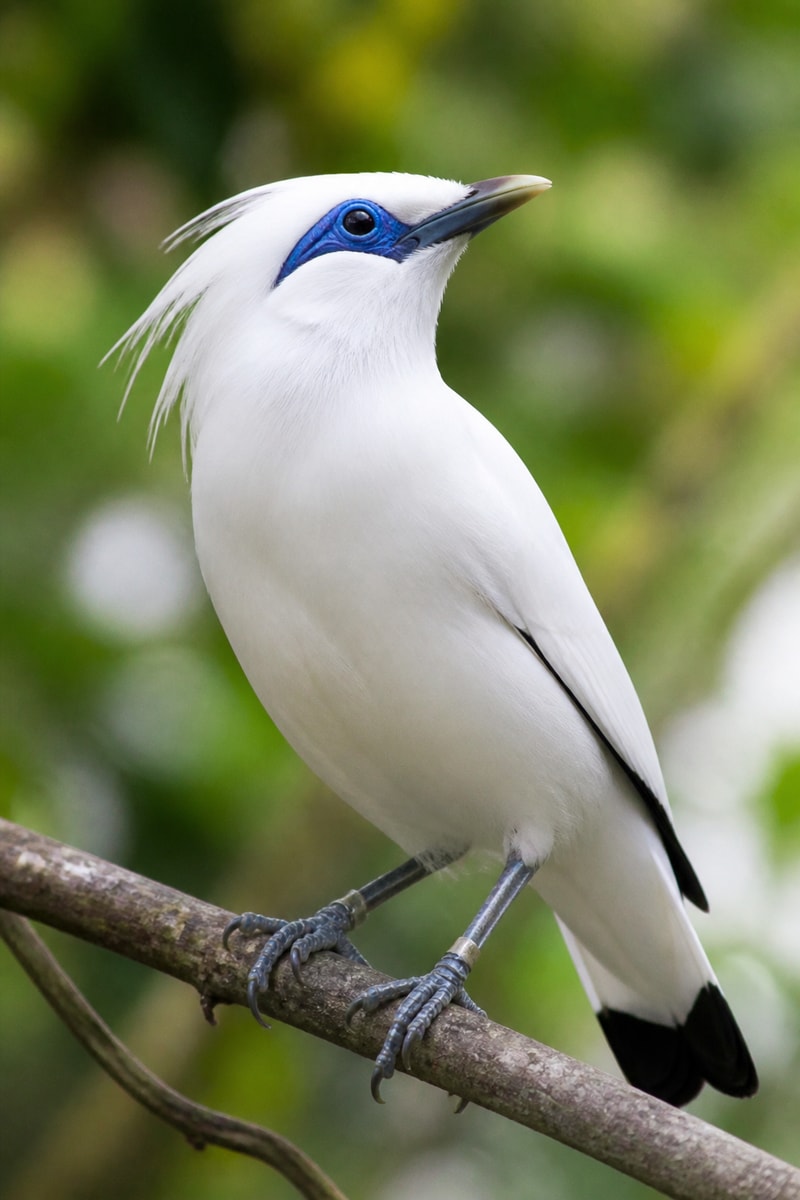
- Bali Starlinglegendary • Bali
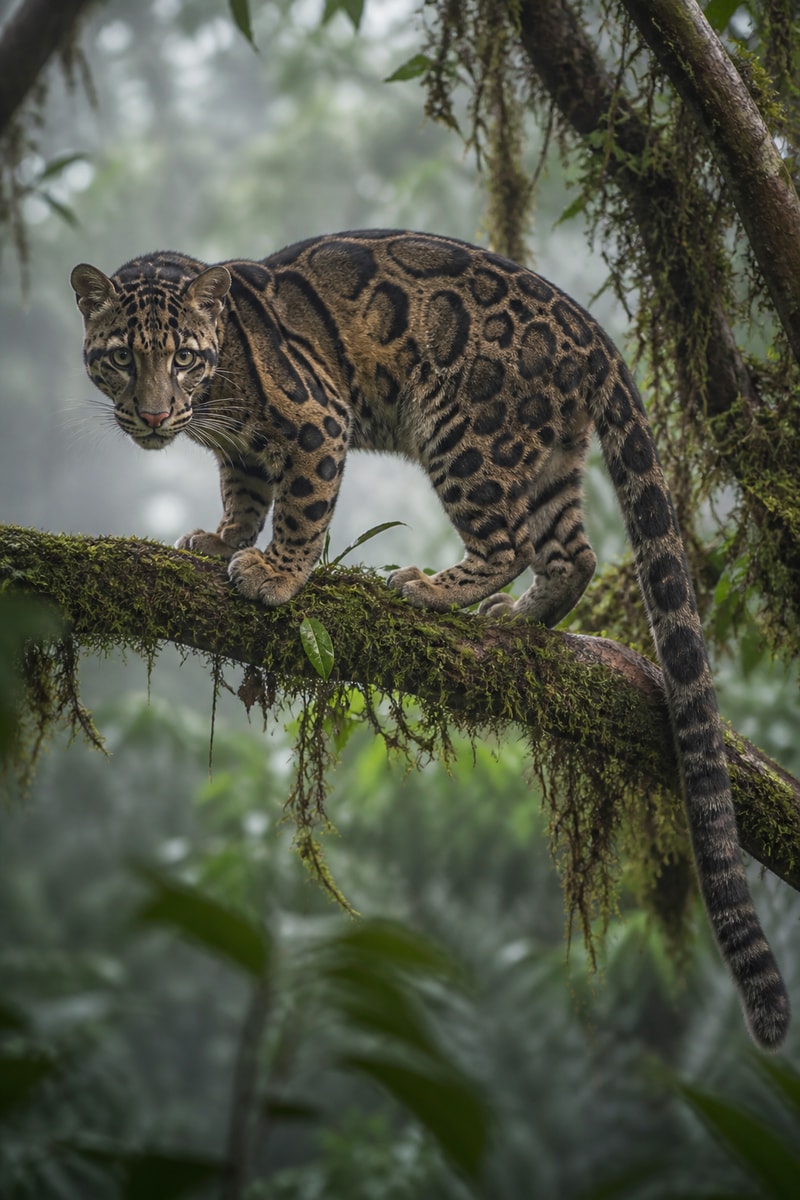
- Clouded Leopardlegendary • Forest Canopy
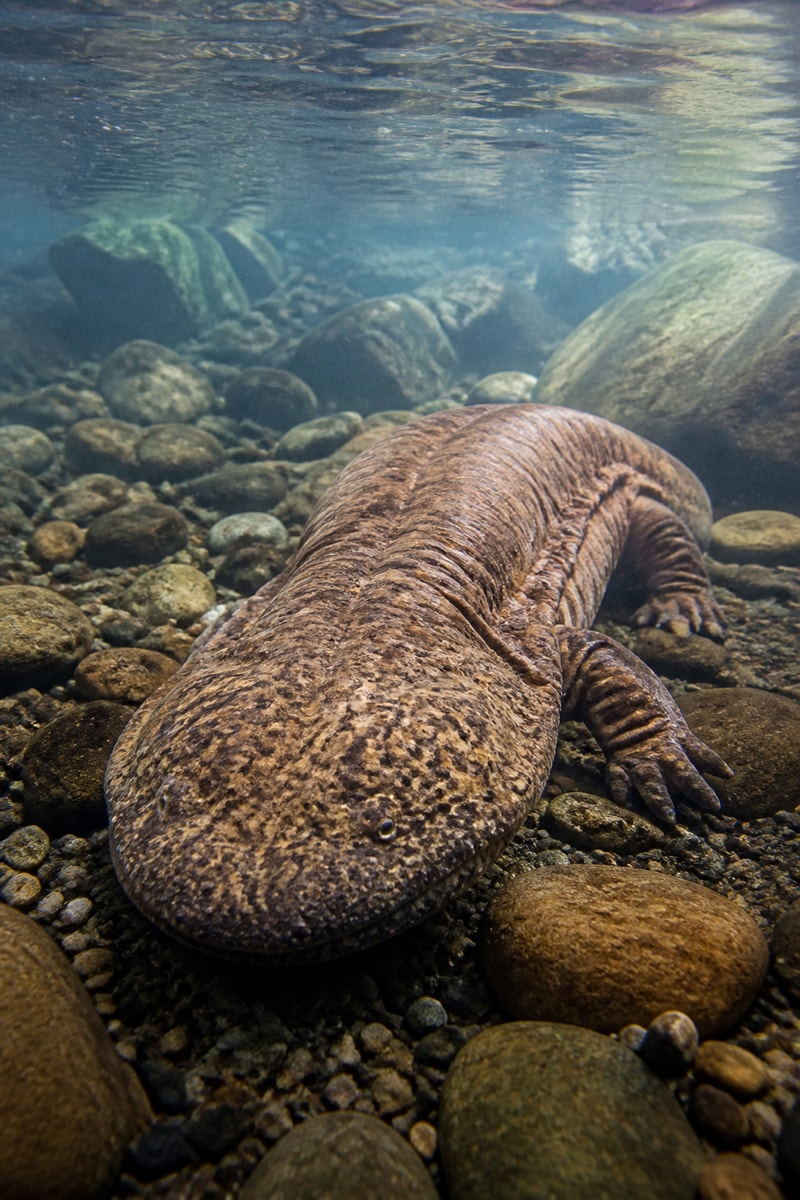
- Chinese Giant Salamanderlegendary • Mountain Streams
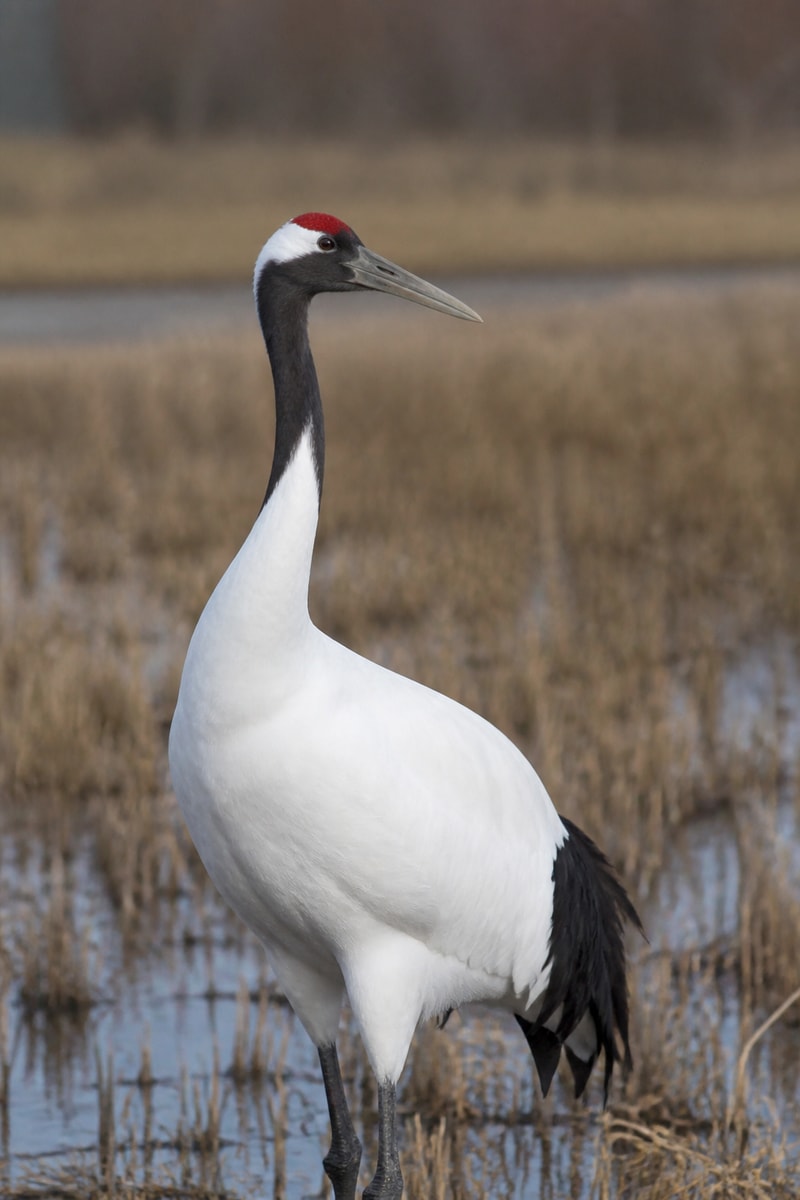
- Red-crowned Cranelegendary • Wetland Marshes
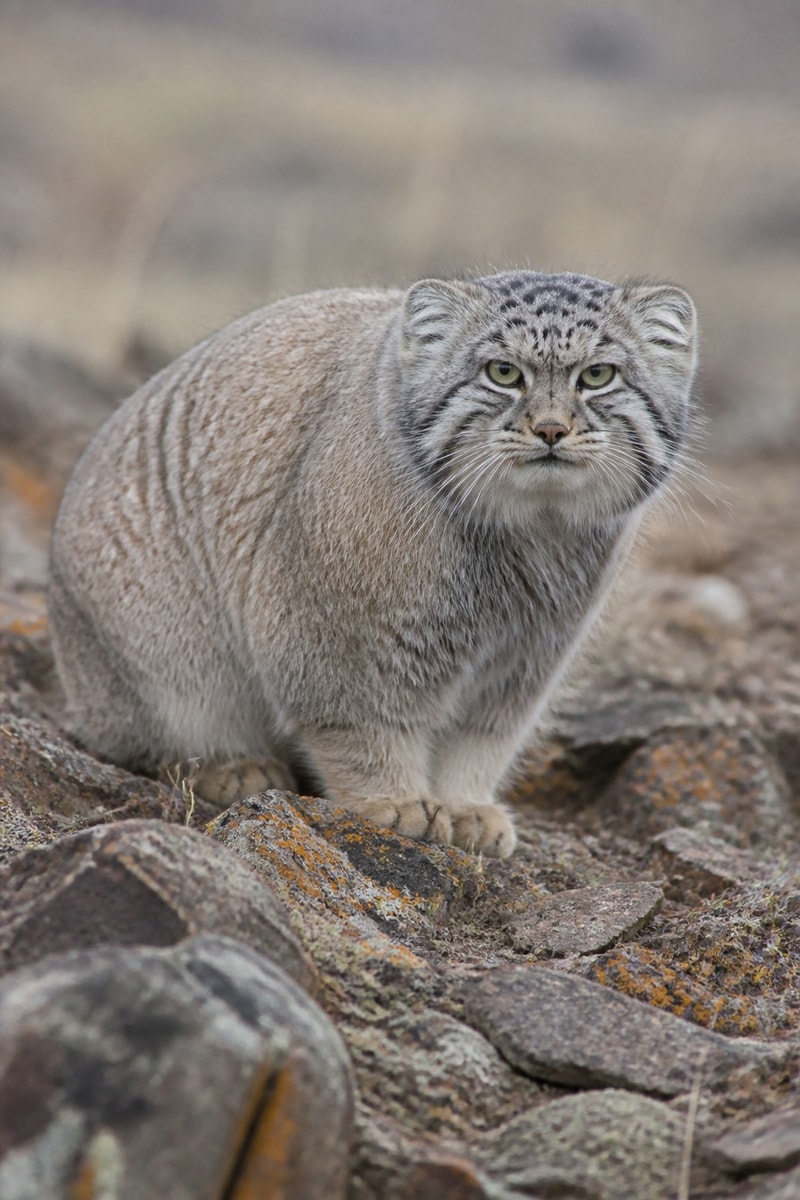
- Pallas's Catlegendary • Central Asian Steppe
Free on iOS
Catch the Pangolin
Spot one in the wild, then scan it in Catch'Um to log your rare discovery.