
Field guide · legendary
Snow Leopard
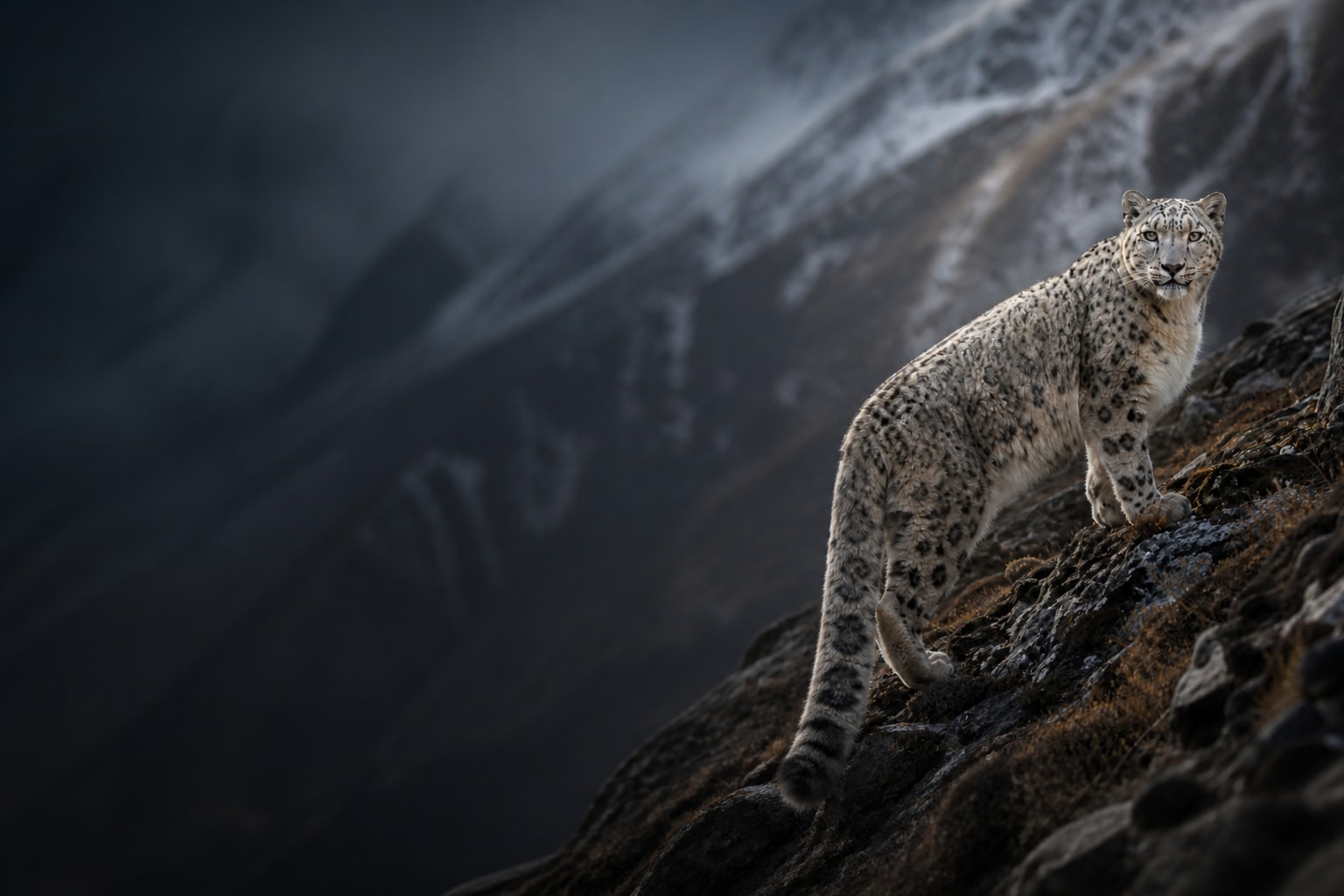
Ghost of the Himalaya, a pale spotted cat that prowls above the tree line where oxygen is thin and prey is scarce.
Vulnerable
Panthera uncia
Overview
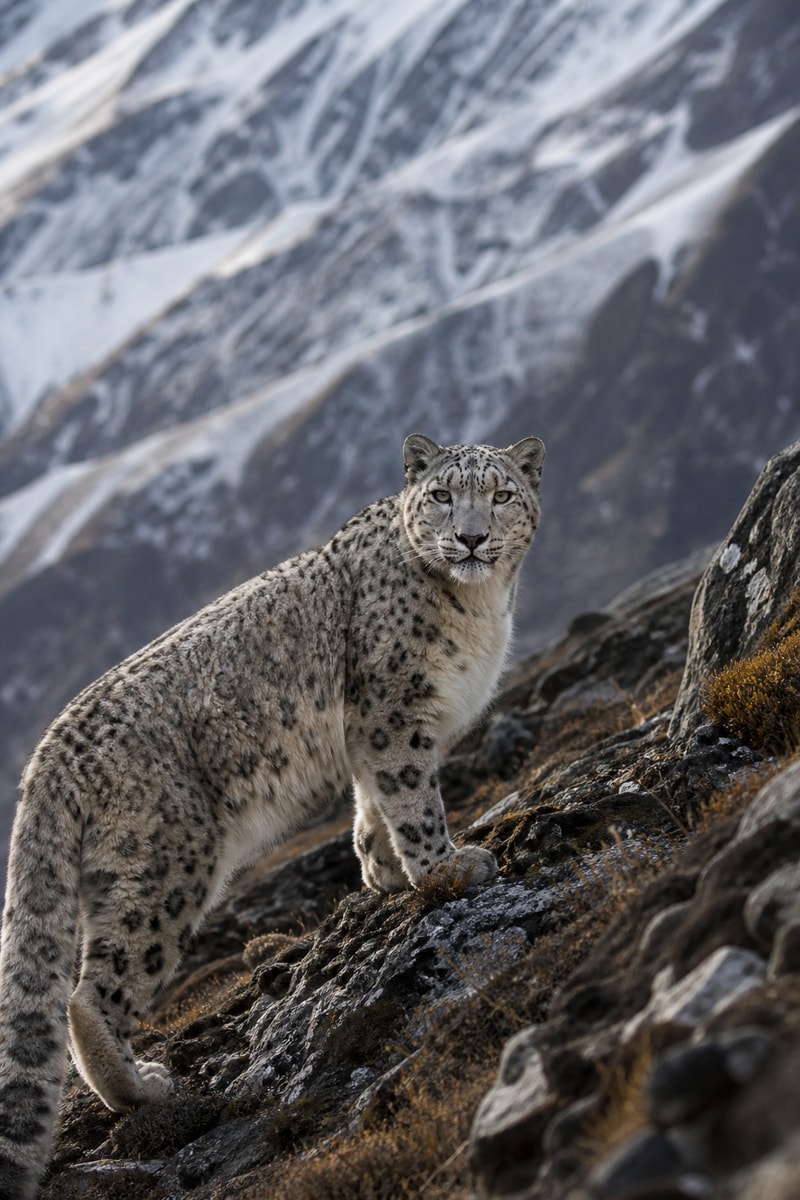
The snow leopard is one of the world's most elusive big cats, thick-furred, pale, and rosette-spotted, adapted to life between 3,000 and 5,500 metres in the mountains of Central Asia. Its long tail wraps around the body for warmth and aids balance on near-vertical cliffs.
Snow leopards cannot roar, unlike lions and tigers, they chuff, hiss, and wail. They hunt ibex and blue sheep across vast home ranges, and a single glimpse of a tail disappearing over a ridge is considered a lifetime prize.
- Scientific namePanthera uncia
- Length90–115 cm body; tail 80–100 cm
- Weight27–55 kg
- LifespanAround 10–15 years in the wild
- DietStalks blue sheep
- ConservationVulnerable
- RegionHigh Mountains
Habitat
- Alpine cliffs
- High mountains
- Alpine meadows
High alpine and subalpine zones in the Himalaya, Tibetan Plateau, and mountains of Central Asia hold snow leopards. They need rugged terrain with cliff cover and abundant wild prey, spanning twelve countries from Nepal to Mongolia.
Countries found
Field notes
Field scale for the Snow Leopard: length around 90-115 cm body; tail 80-100 cm; weight 27-55 kg. Typical lifespan: Around 10-15 years in the wild.
When you are scanning habitat, prioritise alpine cliffs, high mountains, and alpine meadows. Those settings are where a clean look and a usable photo are most likely.
Quick ID anchor: Smoky-grey coat with open rosettes, small head, and an exceptionally long thick tail. Confirm with behaviour and habitat before you log the discovery.
Diet
Stalks blue sheep, ibex, argali, and other mountain ungulates; also takes marmots, hares, and livestock.
Hunts alone, often ambushing from rocky cover above prey.
Behaviour
Elusive high-altitude cat of cliffs and scree; largely solitary except mothers with cubs.
Long thick tail aids balance and wraps around the body for warmth at rest.
How to identify
Smoky-grey coat with open rosettes, small head, and an exceptionally long thick tail.
Shorter limbs and larger paws than a leopard; no black morph commonly seen.
Interesting facts
- 01
Snow leopards cannot roar. They chuff, hiss, and growl instead.
- 02
Their tail can be as long as their body, used for balance and warmth.
- 03
Snow leopards can leap six times their body length across mountain gaps.
Conservation status
Snow leopards are Vulnerable, with perhaps 4,000 to 7,000 remaining. Poaching, retaliatory killing for livestock, and habitat loss threaten populations across their range.
Sources: IUCN Red List
Keep exploring
Where it lives
Related discoveries
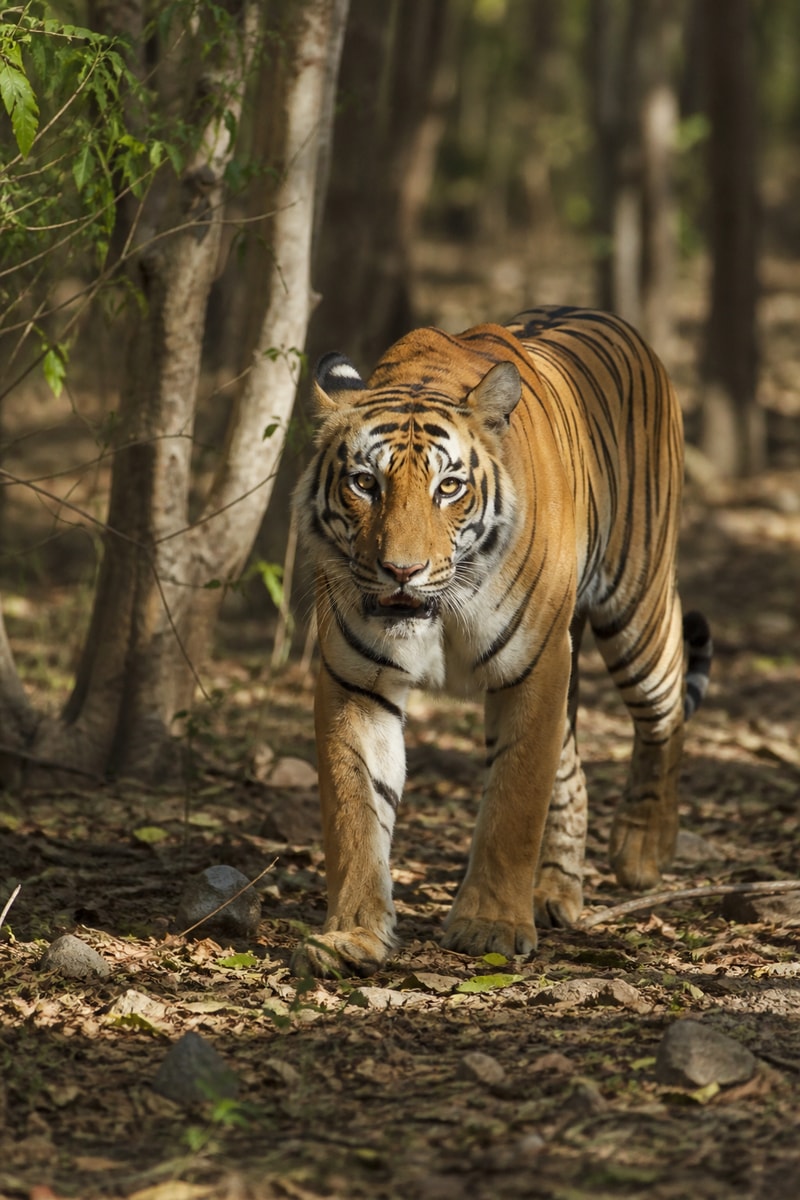
- Tigerlegendary • Jungle & Grassland
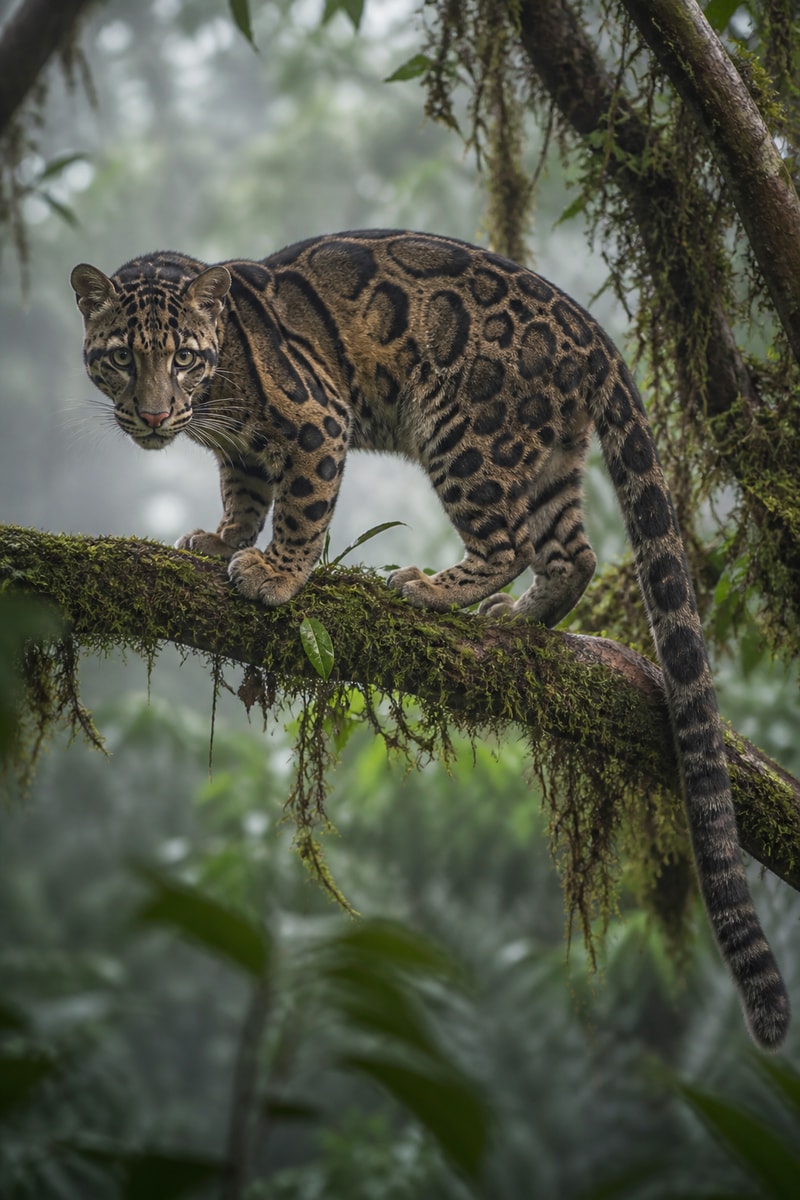
- Clouded Leopardlegendary • Forest Canopy
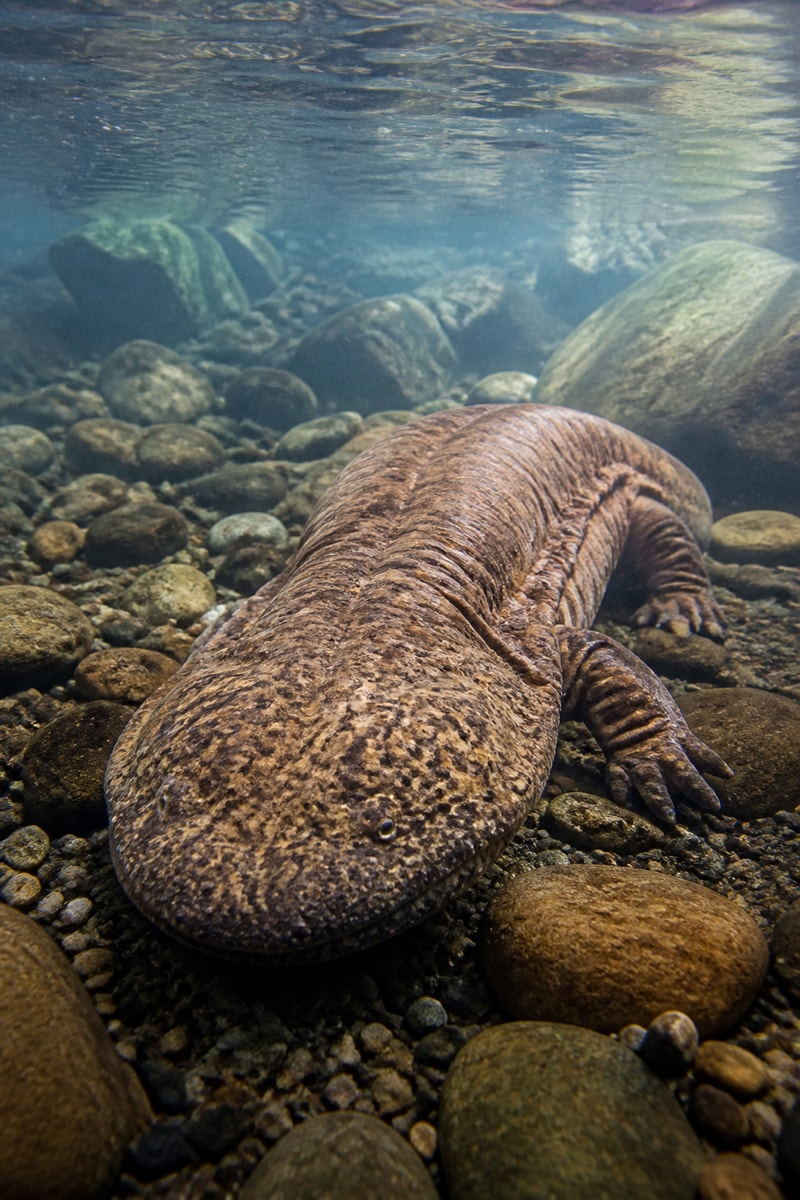
- Chinese Giant Salamanderlegendary • Mountain Streams
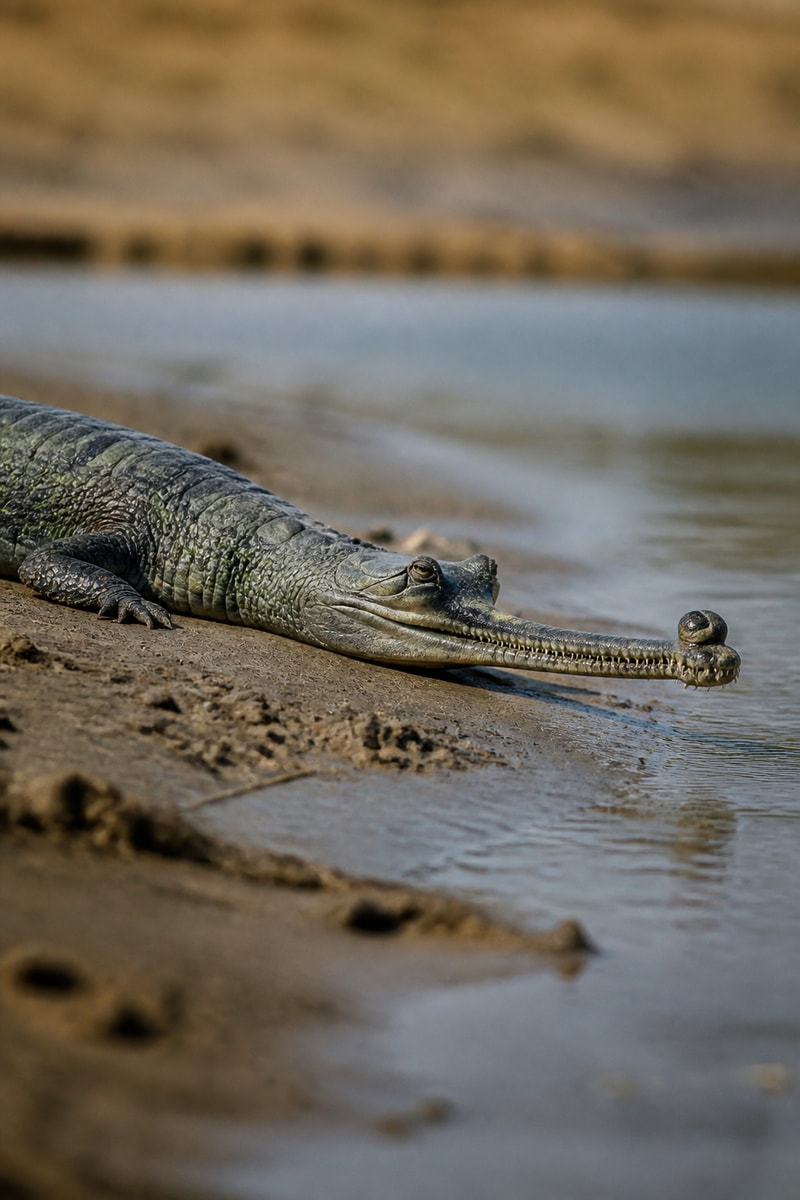
- Ghariallegendary • Riverine Sandbanks
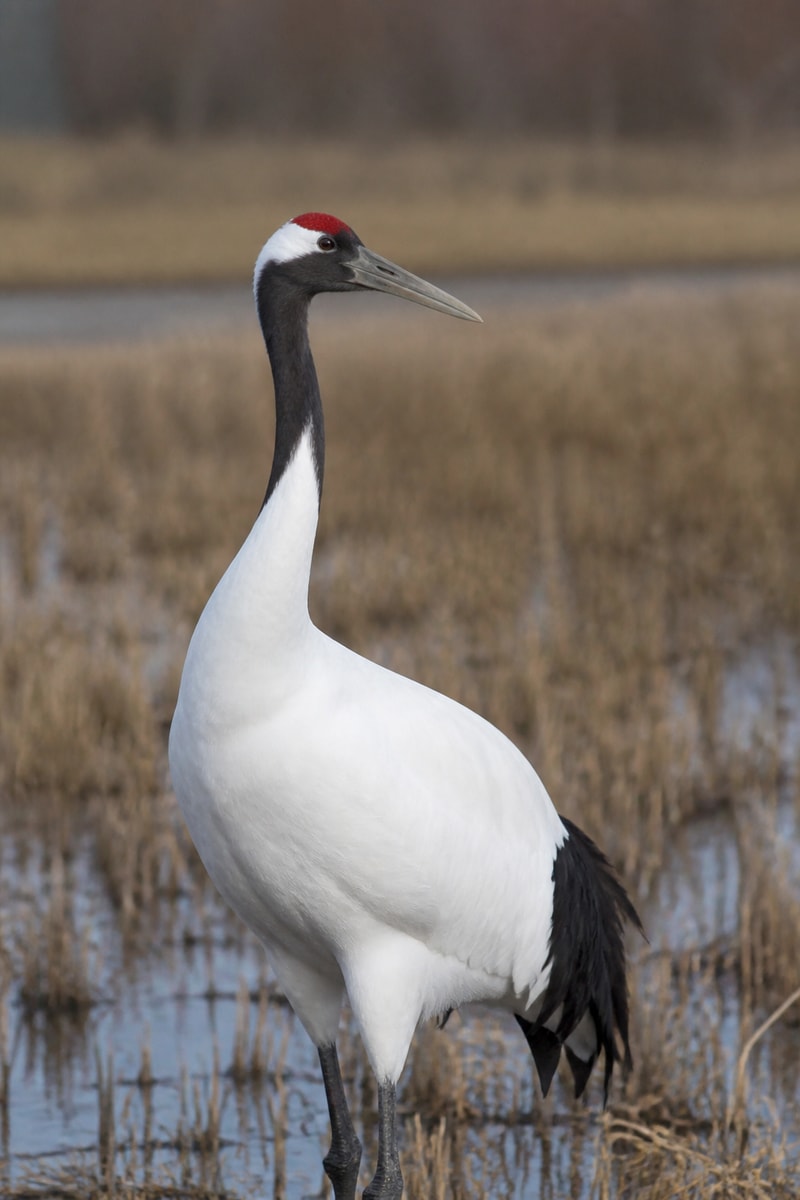
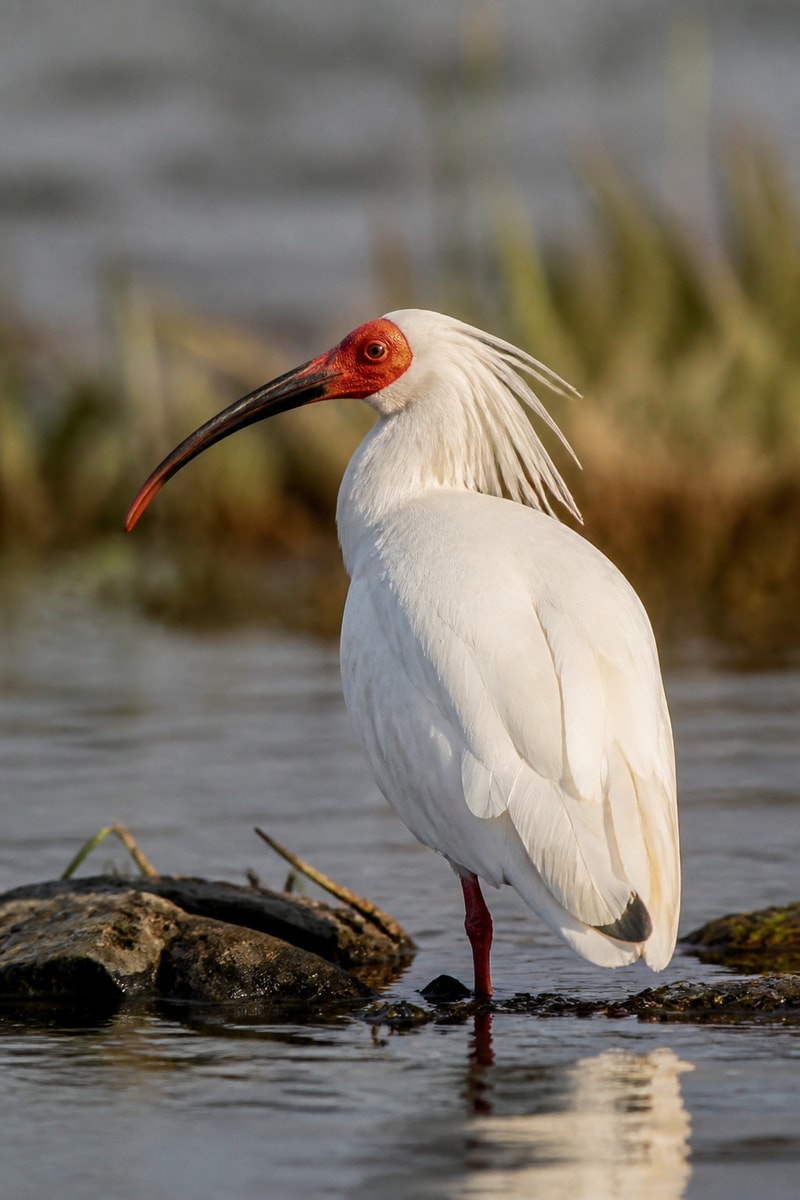
- Red-crowned Cranelegendary • Wetland Marshes
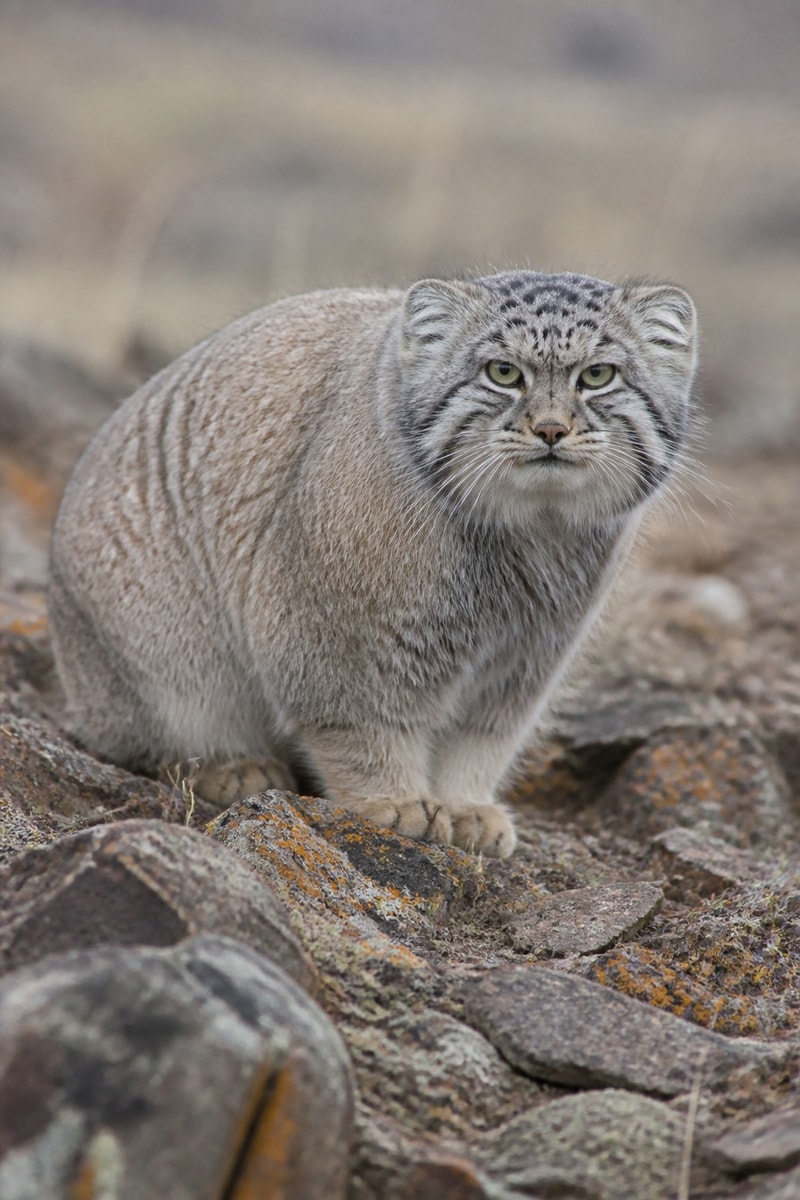
- Pallas's Catlegendary • Central Asian Steppe
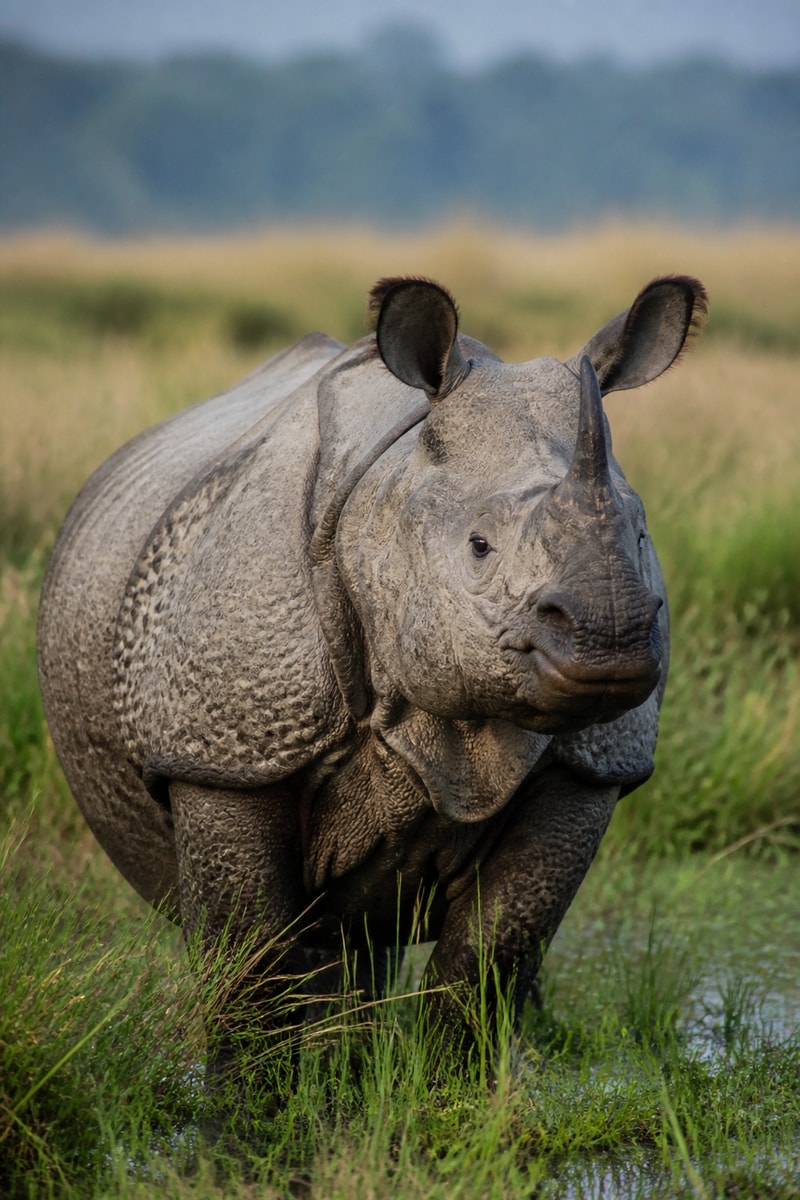
- Indian Rhinoceroslegendary • South Asian Floodplain
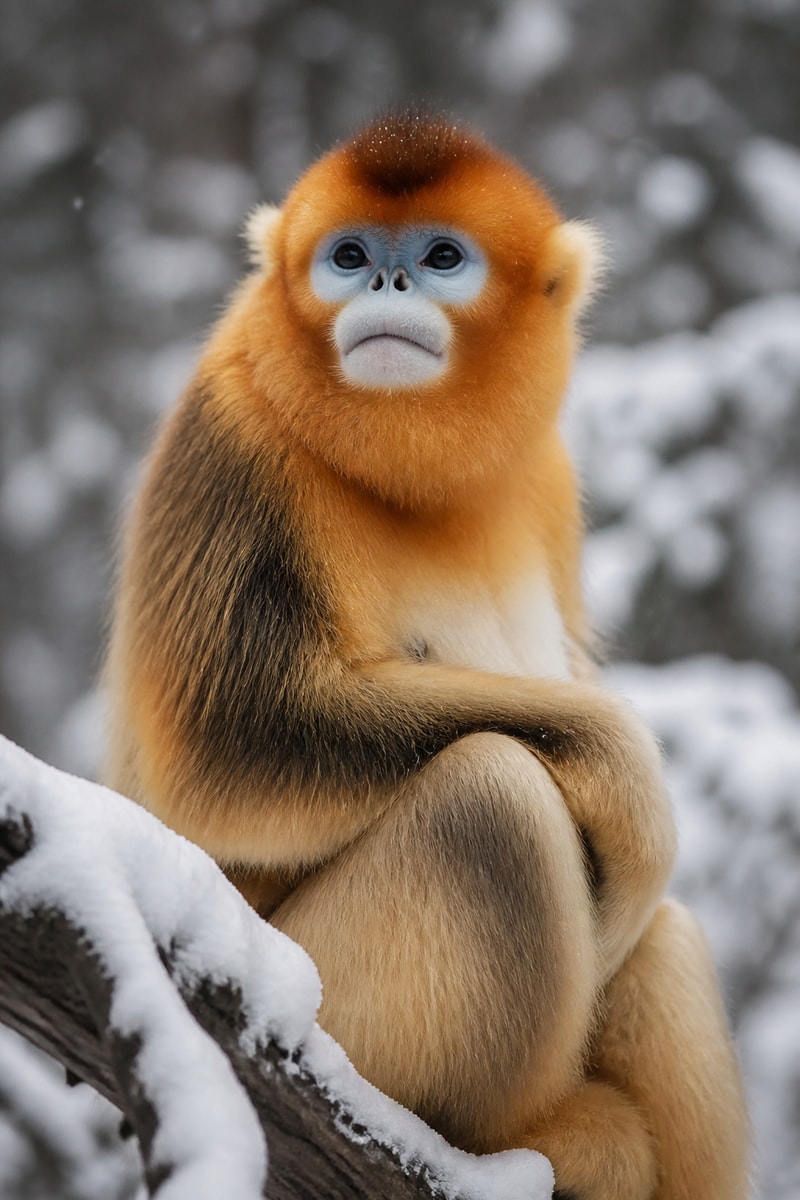
- Golden Snub-nosed Monkeylegendary • Chinese Mountain Forest
Free on iOS
Catch the Snow Leopard
Spot one in the wild, then scan it in Catch'Um to log your legendary discovery.