
Field guide · legendary
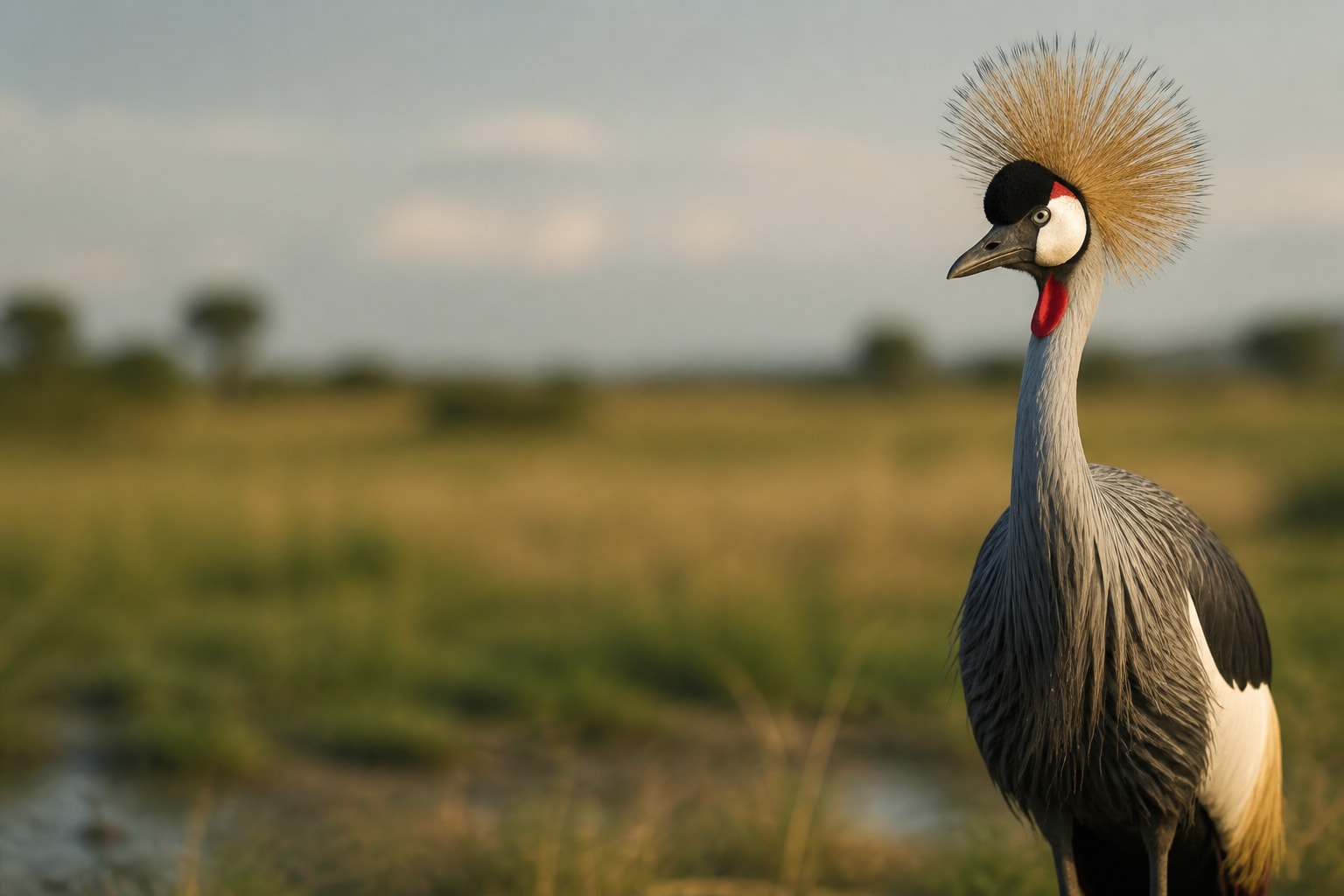
Grey Crowned Crane
Gold crown, grey cape, wetland royalty — Uganda’s national bird and East Africa’s most elegant crane.
Endangered
Balearica regulorum
Overview
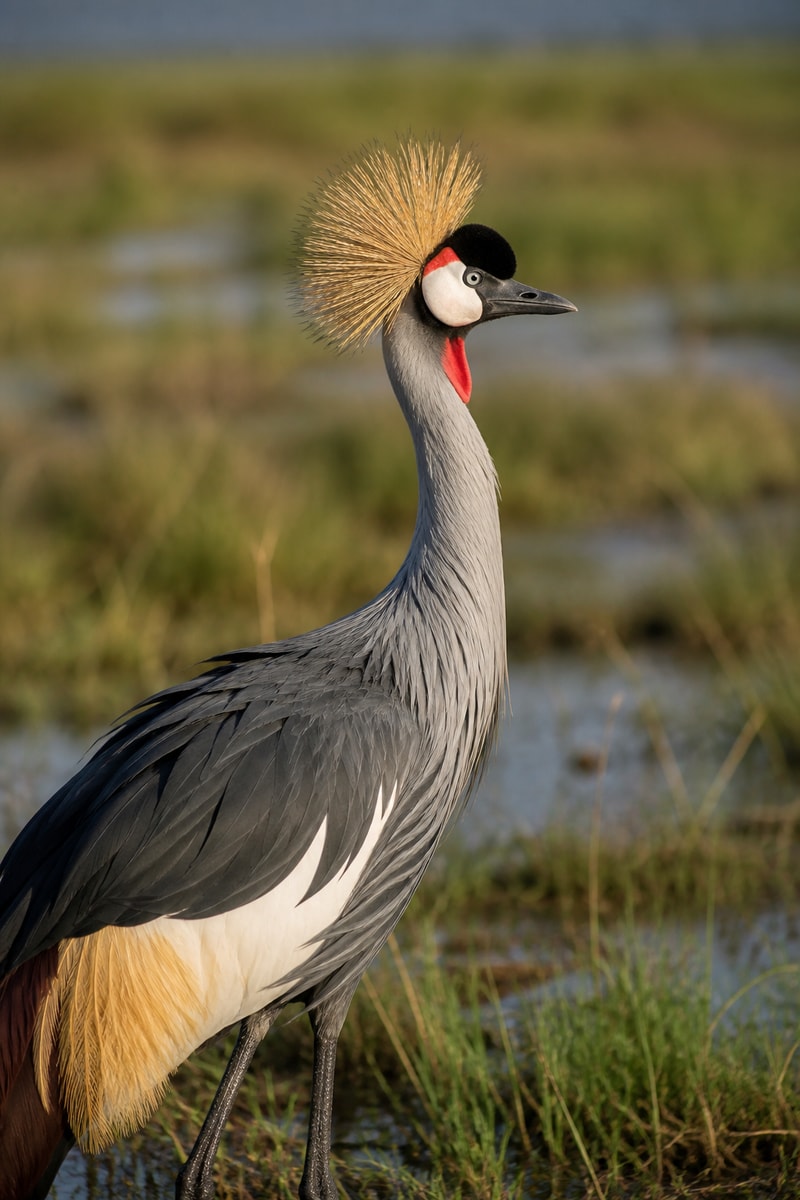
Grey crowned cranes stride through marshes and flooded grasslands with a spray of stiff golden feathers topping a dark velvet crown. They dance in pairs, boom with inflatable throat sacs, and nest in shallow wetlands across eastern and southern Africa.
For Rwanda, Uganda, and Kenya collectors, this crane is a legendary East African wetland prize — unmistakable crest, graceful stance, and deep national symbolism.
- Scientific nameBalearica regulorum
- HeightAbout 1.0–1.2 m
- Weight3–4 kg
- LifespanAround 20–25 years in the wild
- DietOmnivore
- ConservationEndangered
- RegionEast African Wetlands
Habitat
- Wetland marsh
- Floodplain grassland
- Cultivated wetland edge
Seasonal marshes, river floodplains, wet grasslands, and cultivated wetlands from the Great Lakes region into southern Africa, roosting in trees and foraging in open shallow water.
Field notes
Field scale for the Grey Crowned Crane: height About 1.0-1.2 m; weight 3-4 kg. Typical lifespan: Around 20-25 years in the wild.
When you are scanning habitat, prioritise wetland marsh, floodplain grassland, and cultivated wetland edge. Those settings are where a clean look and a usable photo are most likely.
Quick ID anchor: Slate-grey body, white wings with gold and brown, and a spray of stiff golden crown feathers. Confirm with behaviour and habitat before you log the discovery.
Where to see one
Kenya
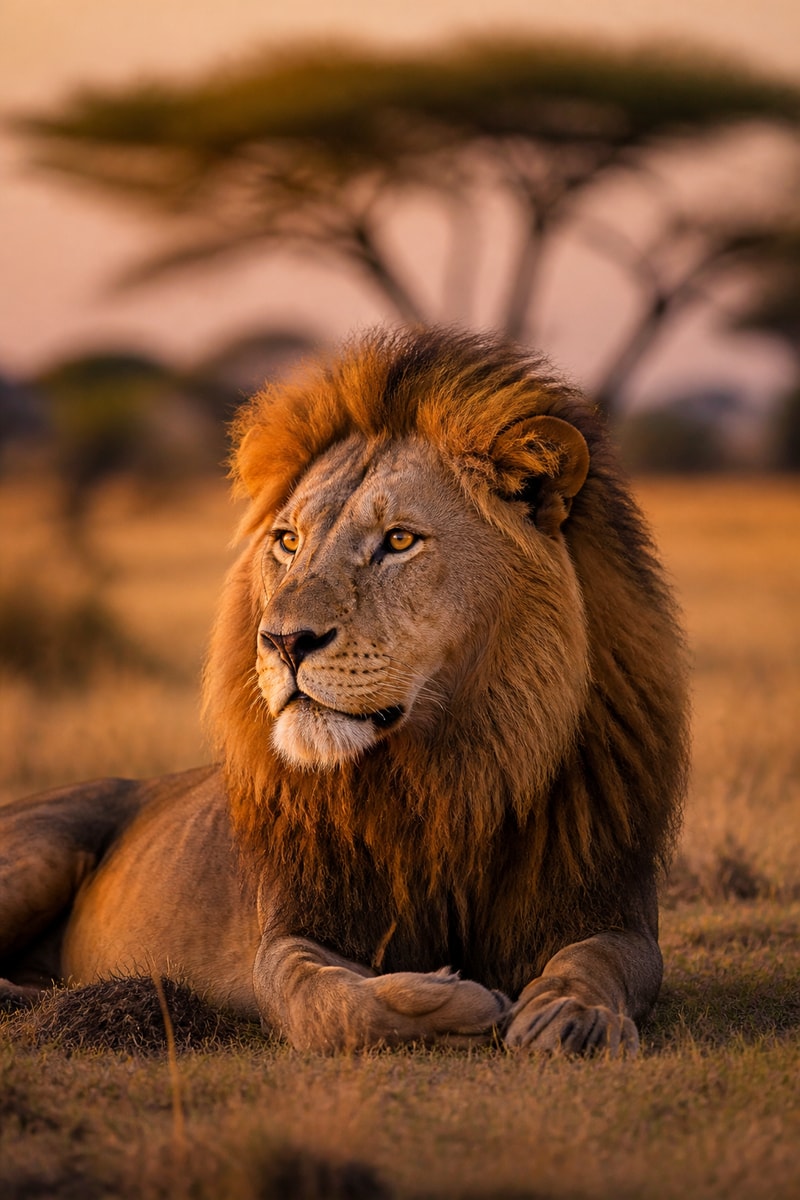
In Kenya, start at Masai Mara National Reserve (Southwest Kenya). Open savanna where lion prides patrol the grassland and the Great Migration crosses the Mara River from July to October.
More context on this destination lives on the Kenya expedition page.
Diet
Omnivores taking insects, worms, seeds, cultivated grains, and occasional frogs or small reptiles.
Probe soft mud and pick food from short grass beside wetlands.
Behaviour
Usually seen in pairs or family groups; gather in larger flocks outside peak nesting.
Famous leaping dances reinforce pair bonds before nesting in wetland vegetation.
How to identify
Slate-grey body, white wings with gold and brown, and a spray of stiff golden crown feathers.
Red throat wattles and dark velvet forehead contrast with long black legs.
Interesting facts
- 01
Uganda’s national bird and a symbol across East Africa.
- 02
Adults wear a golden crown of stiff, bristly feathers.
- 03
Pairs perform elaborate leaping courtship dances.
- 04
They can roost in trees unlike most other cranes.
- 05
Diet mixes insects, seeds, grains, and small vertebrates.
- 06
Throat sacs boom during territorial and breeding displays.
Conservation status
Grey crowned cranes are Endangered. Wetland drainage, pesticide use, and live capture for trade have driven steep declines. Protecting breeding marshes in East Africa is critical.
Sources: IUCN Red List



Keep exploring
Where it lives
Free on iOS
Catch the Grey Crowned Crane
Spot one in the wild, then scan it in Catch'Um to log your legendary discovery.