
Field guide · rare
Cheetah
The spotted speedster, the fastest land animal on Earth, built for a sprint that lasts seconds, not minutes.
Vulnerable
Acinonyx jubatus
Overview
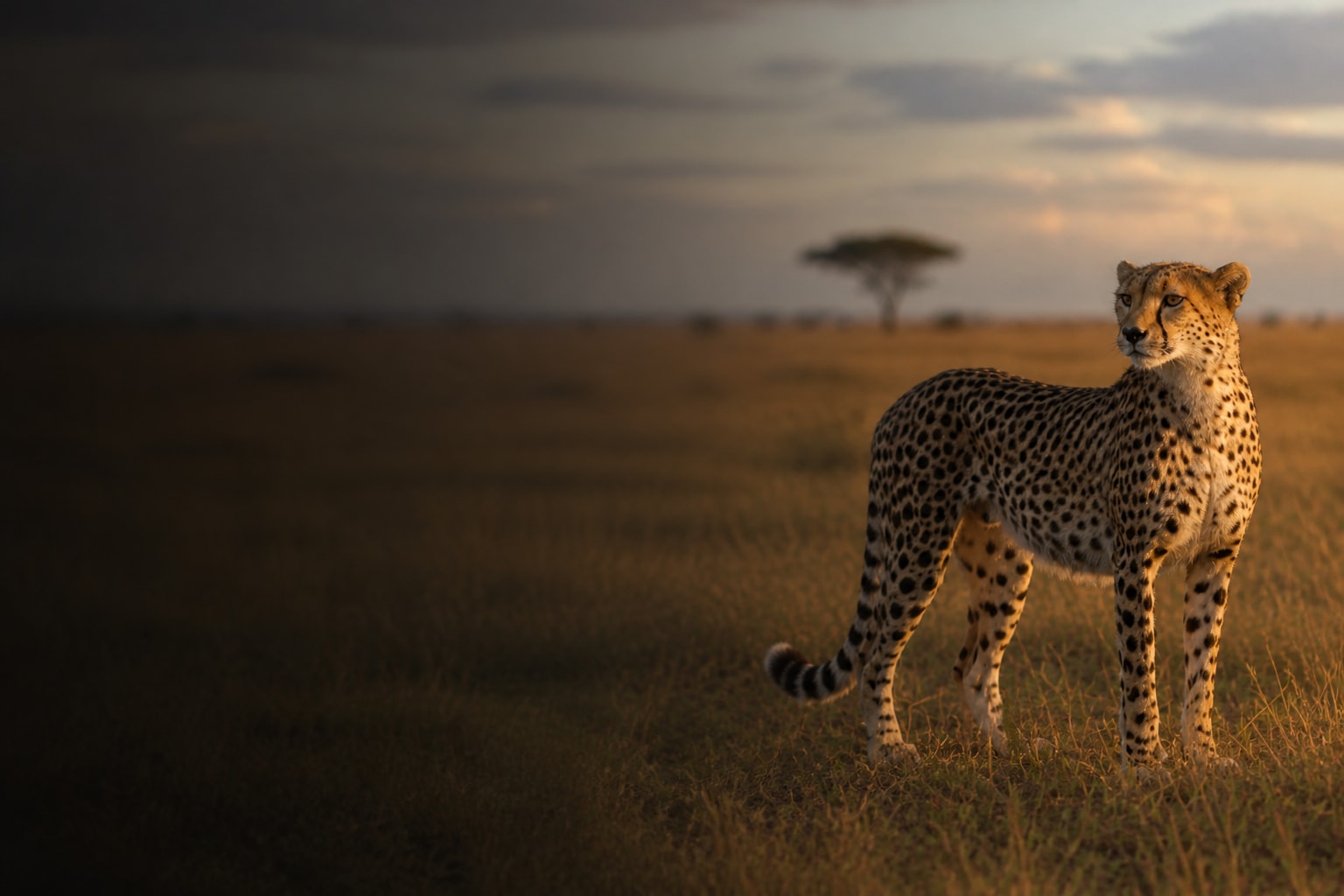
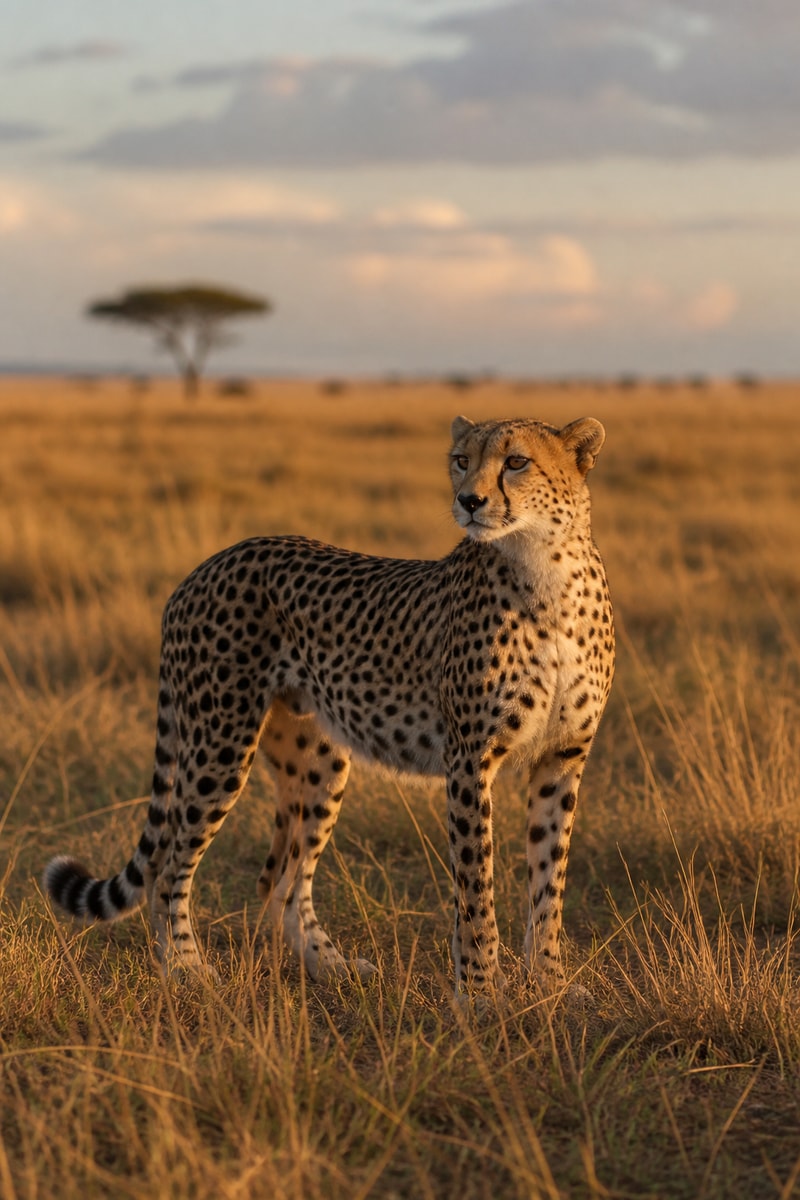
The cheetah is evolution's racing car: lightweight, long-legged, and capable of accelerating from zero to 100 km/h in about three seconds. Black tear marks streak from its eyes, its spine flexes like a spring during a chase, and semi-retractable claws grip the ground like track spikes.
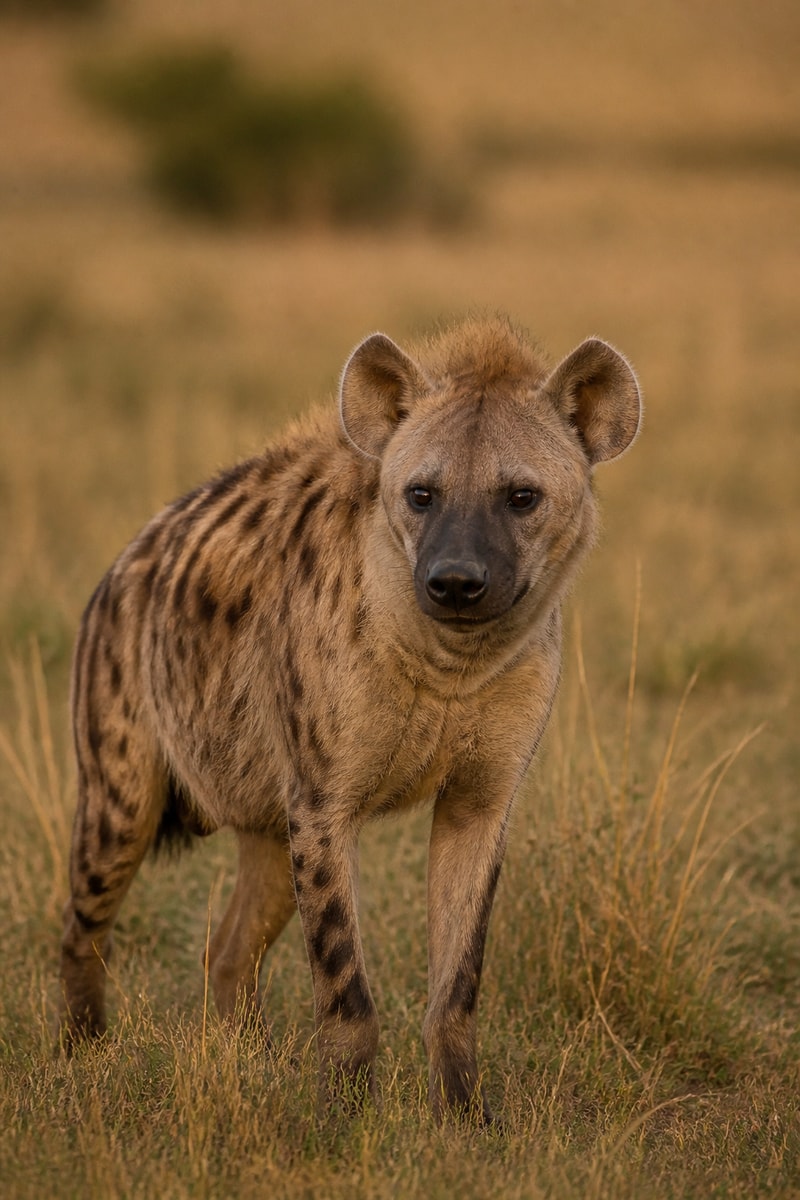
Cheetahs hunt by sight in open grassland, stalking to within sprint range before exploding after gazelles and impala. Most chases fail, and kills are often stolen by lions and hyenas, cheetahs rarely fight back.
- Scientific nameAcinonyx jubatus
- Length1.1–1.5 m body; tail 60–80 cm
- Height70–90 cm at shoulder
- Weight20–65 kg
- LifespanAround 8–12 years in the wild
- DietSpecialist pursuit…
- ConservationVulnerable
- RegionSavanna
Habitat
- Open savanna
- Grassland
- Semi-arid plain
Open savanna and grassland with good visibility suit cheetahs across East and southern Africa. Kenya's Masai Mara and conservancies like Ol Pejeta offer some of the best cheetah viewing on the continent.
Countries found
Field notes
Field scale for the Cheetah: length around 1.1-1.5 m body; tail 60-80 cm; height 70-90 cm at shoulder; weight 20-65 kg. Typical lifespan: Around 8-12 years in the wild.
When you are scanning habitat, prioritise open savanna, grassland, and semi-arid plain. Those settings are where a clean look and a usable photo are most likely.
Quick ID anchor: Slender spotted cat with a small head, deep chest, and long legs. Black 'tear marks' run from the inner eye to the mouth; semi-retractable claws and a long spotted tail aid high-speed turns. Confirm with behaviour and habitat before you log the discovery.
Where to see one
Kenya
In Kenya, start at Masai Mara National Reserve (Southwest Kenya). Open savanna where lion prides patrol the grassland and the Great Migration crosses the Mara River from July to October.
More context on this destination lives on the Kenya expedition page.
Diet
Specialist pursuit predator of medium antelope such as Thomson's gazelle and impala, also taking hares and young ungulates. Hunts mainly by day using sight and a short explosive sprint.
Behaviour
Mostly solitary except mothers with cubs; males may form coalitions. Stalks then sprints; rests after a chase and often loses kills to larger carnivores.
How to identify
Slender spotted cat with a small head, deep chest, and long legs. Black 'tear marks' run from the inner eye to the mouth; semi-retractable claws and a long spotted tail aid high-speed turns.
Interesting facts
- 01
Cheetahs are the fastest land animals, 0 to 100 km/h in about 3 seconds.
- 02
Each cheetah's spot pattern is unique, like a fingerprint.
- 03
They cannot roar. They chirp, purr, and hiss like large cats.
Conservation status
Cheetahs are Vulnerable, with fewer than 7,000 adults remaining. Habitat loss, conflict with farmers, and low genetic diversity threaten the species across Africa.
Sources: IUCN Red List
Keep exploring
Where it lives
Free on iOS
Catch the Cheetah
Spot one in the wild, then scan it in Catch'Um to log your rare discovery.