
Field guide · legendary
Lion
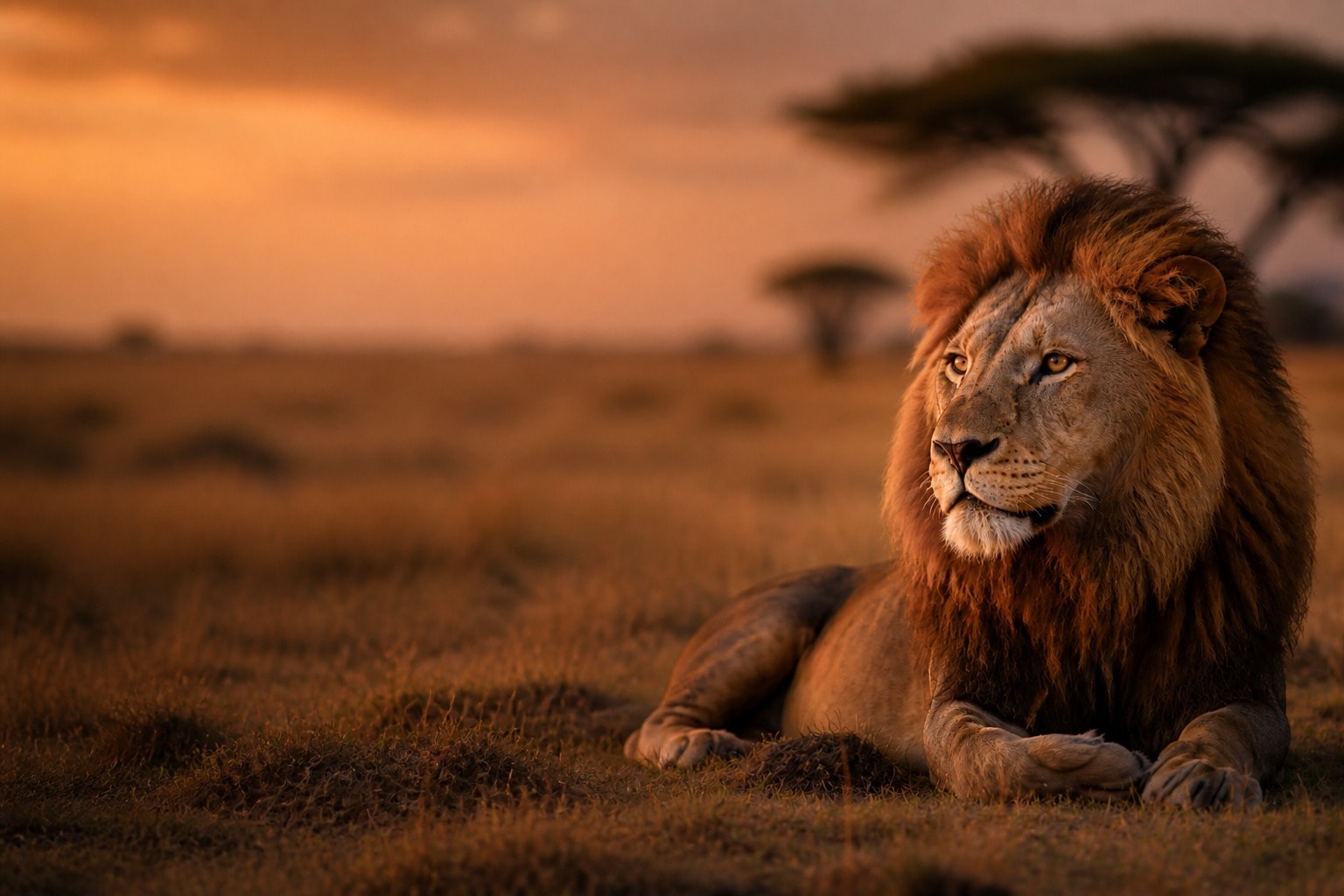
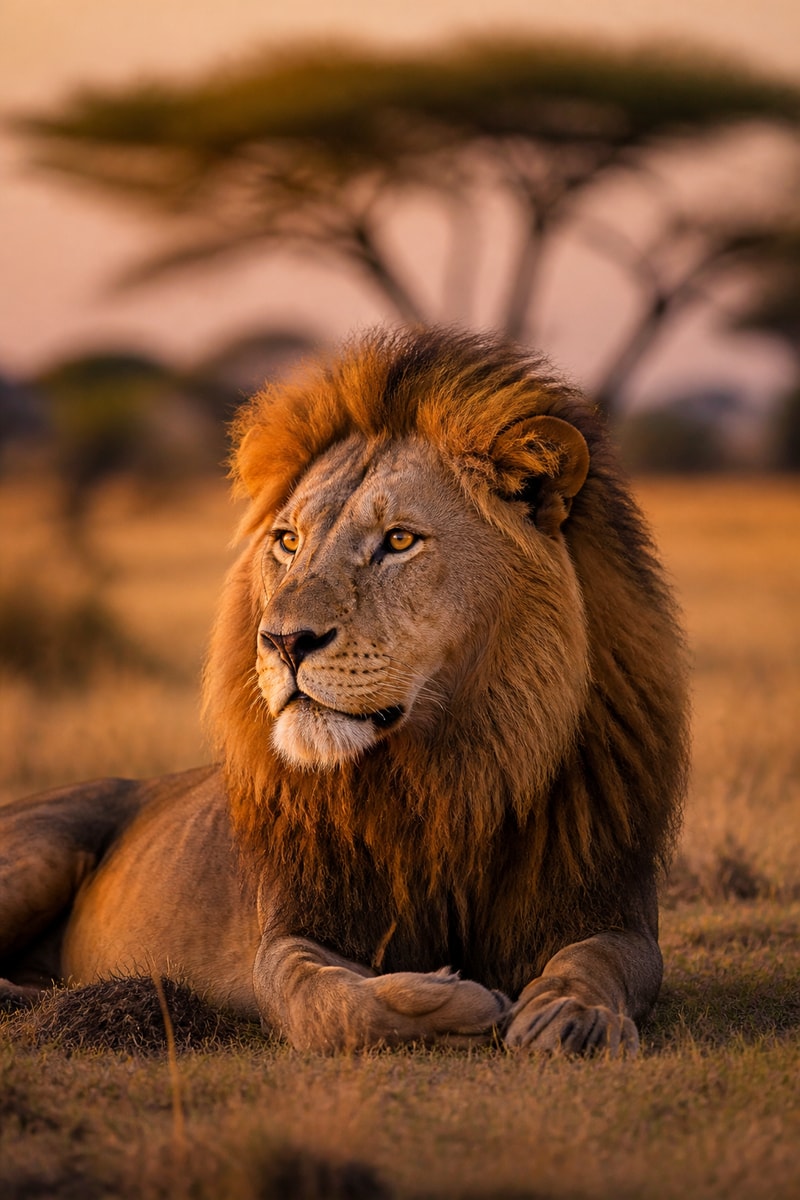
King of the savanna, a roar that carries eight kilometres and a mane that marks the pride male.
Vulnerable
Panthera leo
Overview
The lion is the only truly social big cat, a pride of related females, their cubs, and a coalition of males ruling a territory of open grassland. The male's mane, the synchronized hunt, the lazy afternoon sprawled in shade: lions define the African safari dream.
For Catch'Um collectors, a lion sighting is legendary by definition. A pride on a kopje at sunset, cubs tumbling in dust, or a male's roar rolling across the Mara. These are the discoveries the app was built for.
- Scientific namePanthera leo
- Length1.4–2.5 m body; tail 70–100 cm
- Height100–120 cm at the shoulder
- WeightFemales ~120–180 kg; males ~150–250 kg
- Lifespan10–14 years in the wild
- DietCooperative hunters of…
- ConservationVulnerable
- RegionSavanna, East Africa
Habitat
- Savanna
- Grassland
- Open woodland
- Scrub
Lions live in savanna, grassland, and open woodland across sub-Saharan Africa, with a small isolated population of Asiatic lions in Gujarat, India. In Kenya, they are found in Masai Mara, Amboseli, Tsavo, and Samburu, wherever prey and cover support a pride.
Countries found
Field notes
Field scale for the Lion: length around 1.4-2.5 m body; tail 70-100 cm; height 100-120 cm at the shoulder; weight Females ~120-180 kg; males ~150-250 kg. Typical lifespan: 10-14 years in the wild.
When you are scanning habitat, prioritise savanna, grassland, open woodland, and scrub. Those settings are where a clean look and a usable photo are most likely.
Quick ID anchor: Tawny coat without stripes; adult males carry a distinctive mane ranging from blond to black. Muscular build, long tail with a dark tuft, and a broad face, unmistakable on open savanna. Confirm with behaviour and habitat before you log the discovery.
Where to see one
Kenya
In Kenya, strong options include Masai Mara National Reserve, Amboseli National Park, and Tsavo East & West. Open savanna where lion prides patrol the grassland and the Great Migration crosses the Mara River from July to October.
Open the Kenya spotting guide for every park note tied to the lion.
Diet
Cooperative hunters of large ungulates—zebra, wildebeest, buffalo, and antelope. Also scavenge kills and take smaller prey when opportunity allows.
Behaviour
The most social big cat, living in prides of related females with coalitions of males. Mostly nocturnal hunters; males defend territory with roaring that carries for kilometres.
How to identify
Tawny coat without stripes; adult males carry a distinctive mane ranging from blond to black. Muscular build, long tail with a dark tuft, and a broad face—unmistakable on open savanna.
Interesting facts
- 01
A lion's roar can be heard up to 8 km away on open savanna.
- 02
Prides are built around related females. Males come and go in coalitions.
- 03
A male's mane darkens with age and signals fitness to rivals and females.
- 04
Lions sleep up to 20 hours a day, hunting is energetically expensive.
- 05
Females do most of the hunting, working together to surround prey.
- 06
Lion populations have fallen by roughly half in the past 25 years across Africa.
Conservation status
Lions are Vulnerable and declining across Africa due to habitat loss, conflict with livestock keepers, and reduced prey. Kenya's protected reserves remain critical strongholds for East African lion populations.
Sources: IUCN Red List

Keep exploring
Where it lives
Free on iOS
Catch the Lion
Spot one in the wild, then scan it in Catch'Um to log your legendary discovery.