
Field guide · rare
King Cobra
The world's longest venomous snake — a hooded forest hunter that eats other snakes.
Vulnerable
Ophiophagus hannah
Overview
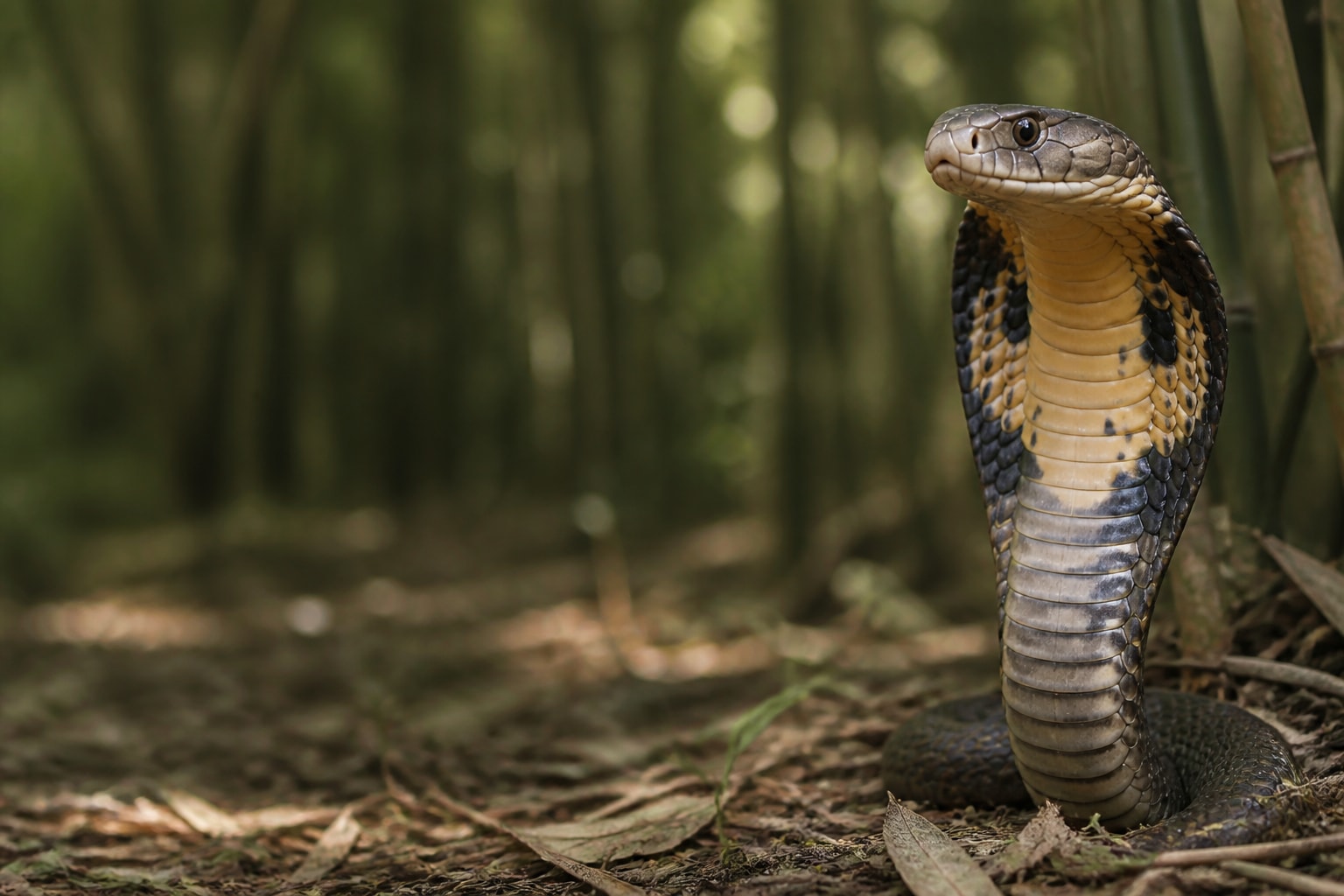
The king cobra is the longest venomous snake on Earth, capable of raising a third of its body off the ground and spreading a narrow hood when threatened. Unlike true cobras of the genus Naja, it belongs to its own genus and specialises in eating other snakes.
Revered and feared across India and Southeast Asia, a wild king cobra is a rare reptile discovery that fills a major gap in the Catch'Um catalogue.
- Scientific nameOphiophagus hannah
- Length3–4 m typical; exceptional individuals over 5 m
- Weight6–10 kg typical
- LifespanAround 20 years in the wild
- DietPrimarily other snakes
- ConservationVulnerable
- RegionForest
Where to see them
Habitat
- Tropical forest
- Bamboo
- Mangrove edge
- Plantation fringe
King cobras inhabit forests, bamboo thickets, mangrove edges, and agricultural fringes from India through Indonesia. They favour areas with dense cover, rodent and snake prey, and quiet nesting sites.
Field notes
Field scale for the King Cobra: length around 3-4 m typical; exceptional individuals over 5 m; weight 6-10 kg typical. Typical lifespan: Around 20 years in the wild.
When you are scanning habitat, prioritise tropical forest, bamboo, mangrove edge, and plantation fringe. Those settings are where a clean look and a usable photo are most likely.
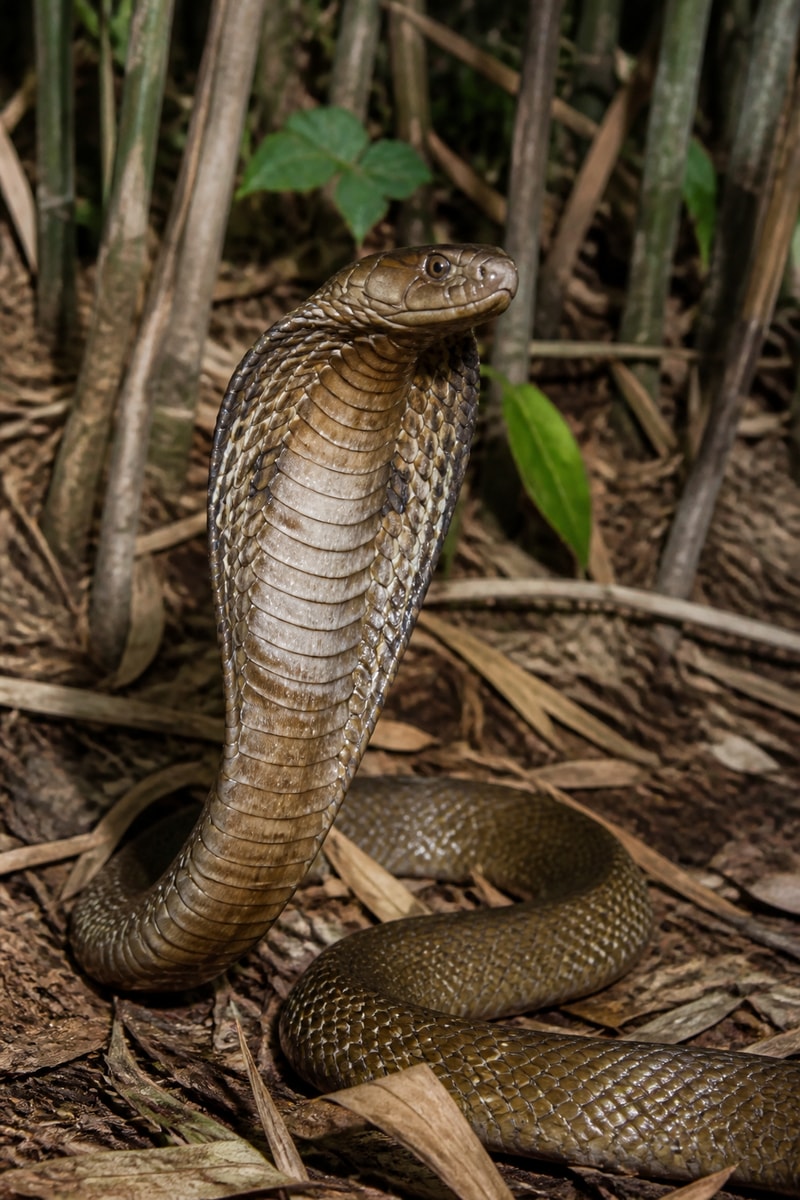
Quick ID anchor: Very long olive, brown, or black snake with smooth scales and a narrow expandable hood. Confirm with behaviour and habitat before you log the discovery.
Diet
Primarily other snakes, including venomous species, plus occasional lizards and small mammals.
Hunts by smell and sight through forest undergrowth.
Behaviour
Mostly solitary; females uniquely build a nest mound of leaves and guard the eggs.
When cornered, rears up, spreads a hood, and may deliver repeated warning hisses.
How to identify
Very long olive, brown, or black snake with smooth scales and a narrow expandable hood.
Juveniles often show bold chevron banding that fades with age.
Interesting facts
- 01
King cobras are the world's longest venomous snakes, regularly exceeding 4 metres.
- 02
Their scientific name means 'snake-eater' — they specialise on other snakes.
- 03
Females build and guard a leaf-nest for their eggs — unusual among snakes.
- 04
When threatened they can raise high off the ground and hiss in a low growl.
- 05
Venom is neurotoxic and delivered in large quantities.
- 06
They are generally shy and avoid humans when given space.
Conservation status
King cobras are Vulnerable. Habitat loss, persecution, and collection for skins or traditional medicine reduce populations. Forest protection across India and Southeast Asia supports their recovery.
Sources: IUCN Red List
Keep exploring
Where it lives
Related discoveries
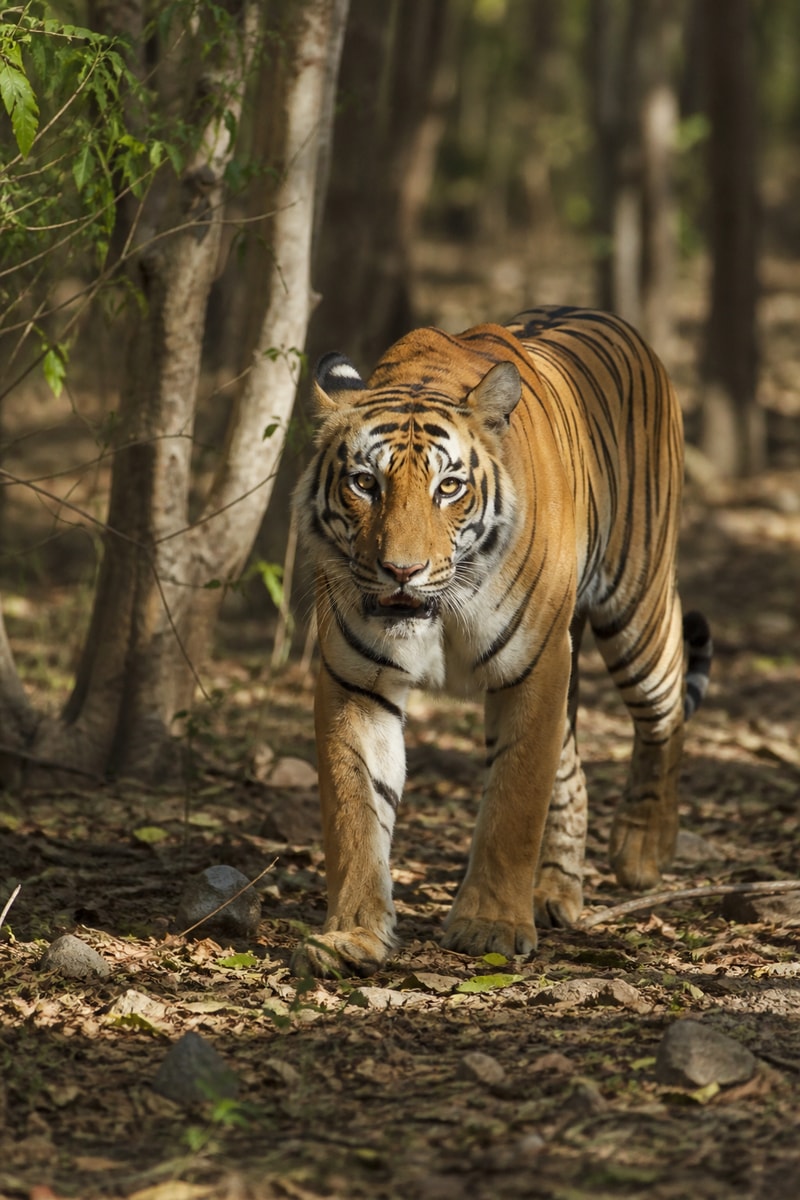
- Tigerlegendary • Jungle & Grassland
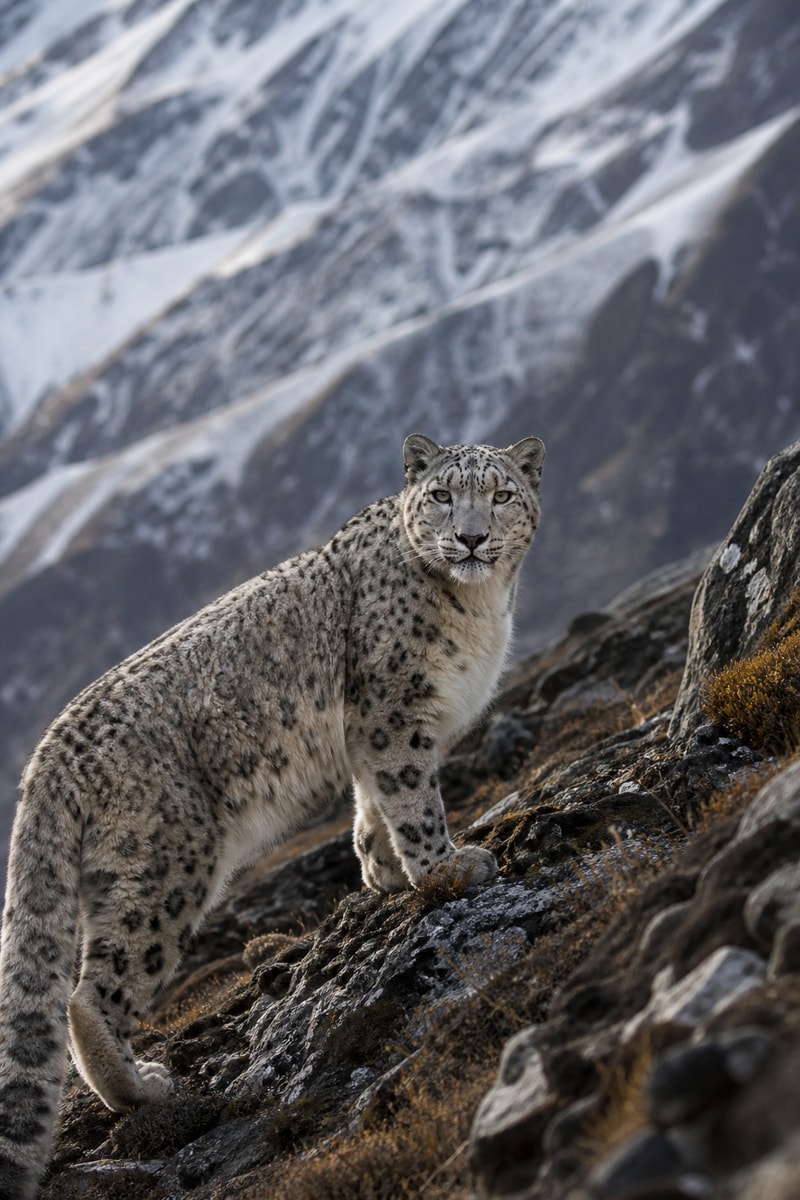
- Snow Leopardlegendary • High Mountains
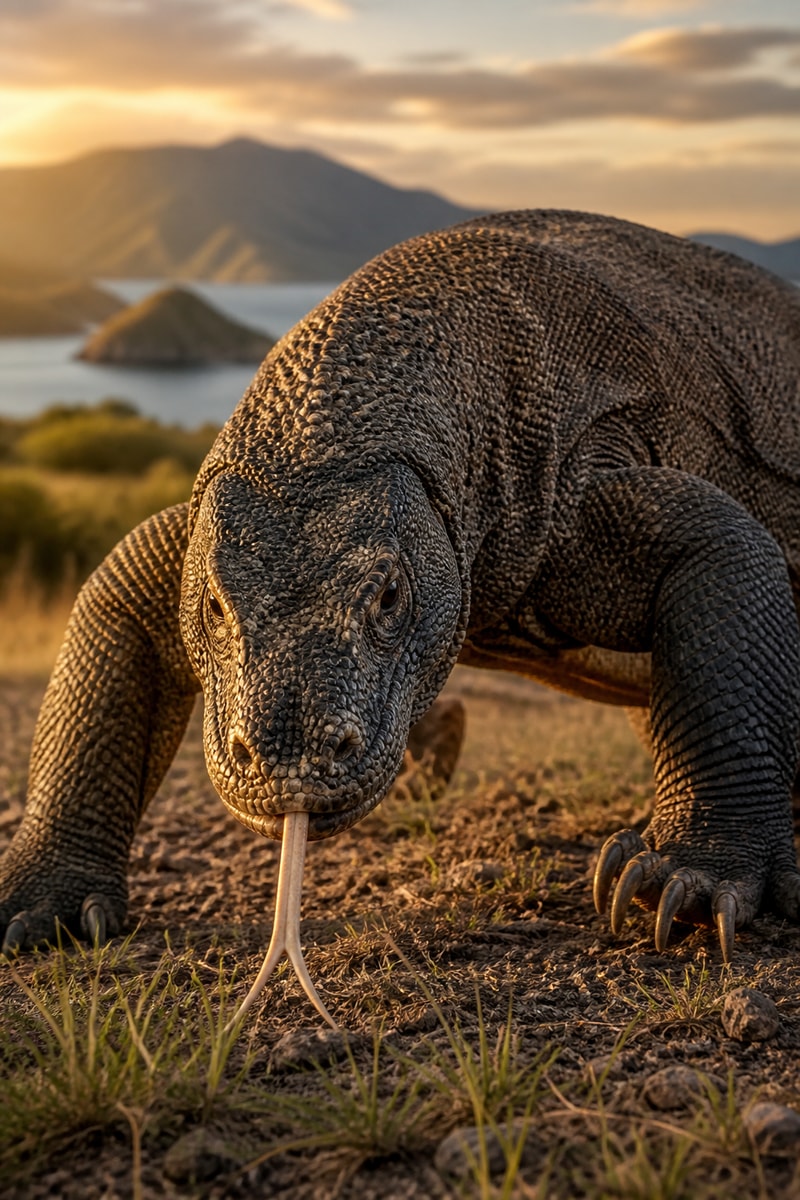
- Komodo Dragonlegendary • Komodo Islands
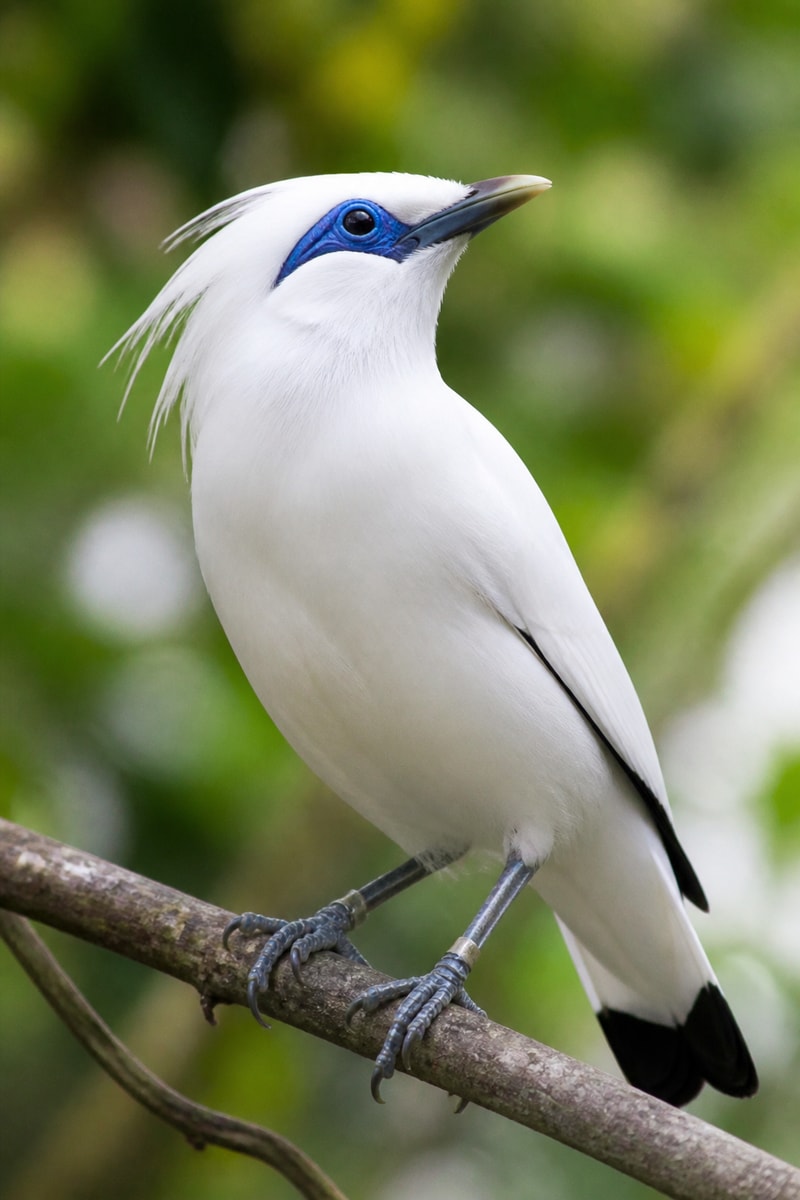
- Bali Starlinglegendary • Bali
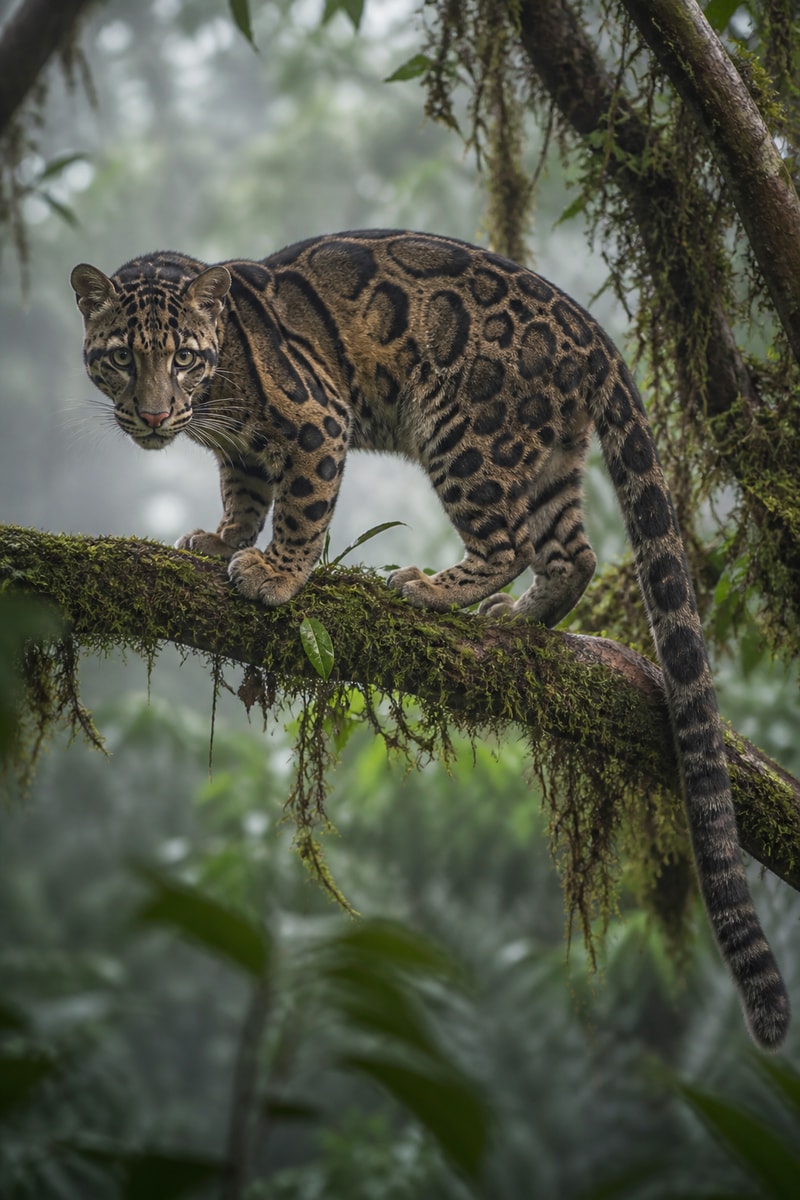
- Clouded Leopardlegendary • Forest Canopy
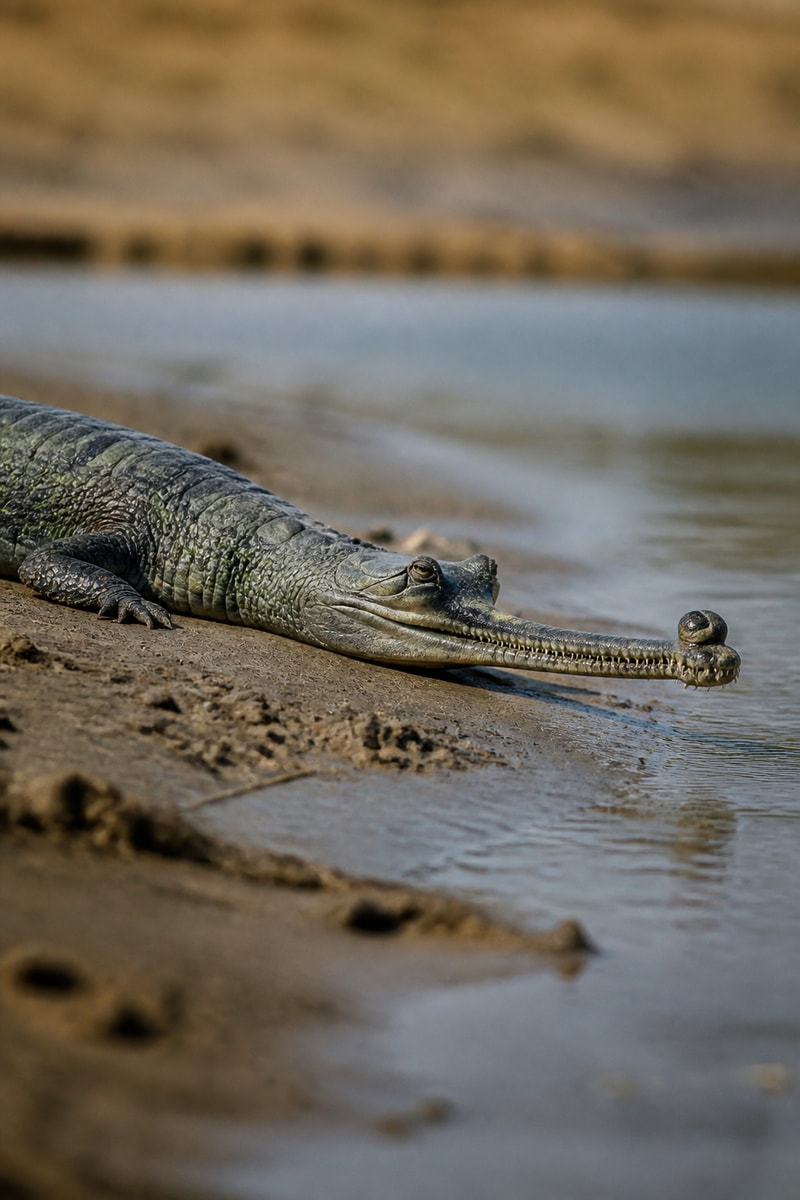
- Ghariallegendary • Riverine Sandbanks
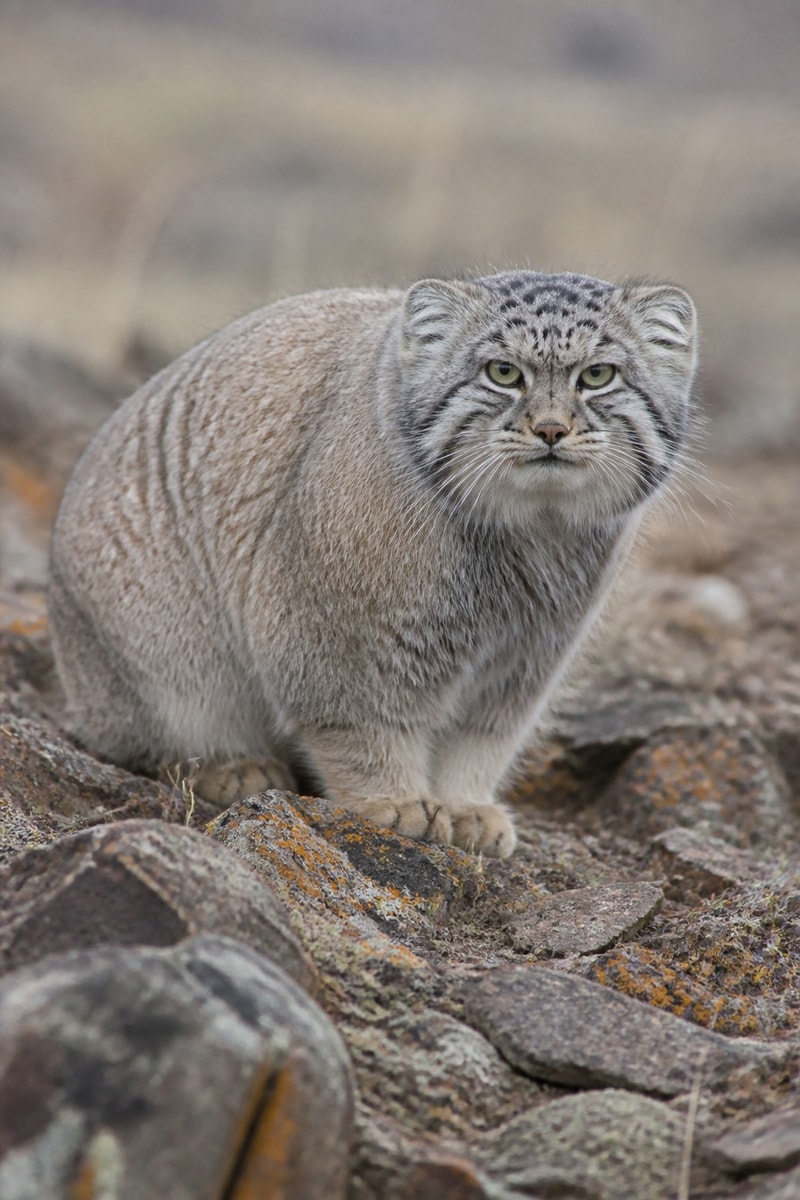
- Pallas's Catlegendary • Central Asian Steppe
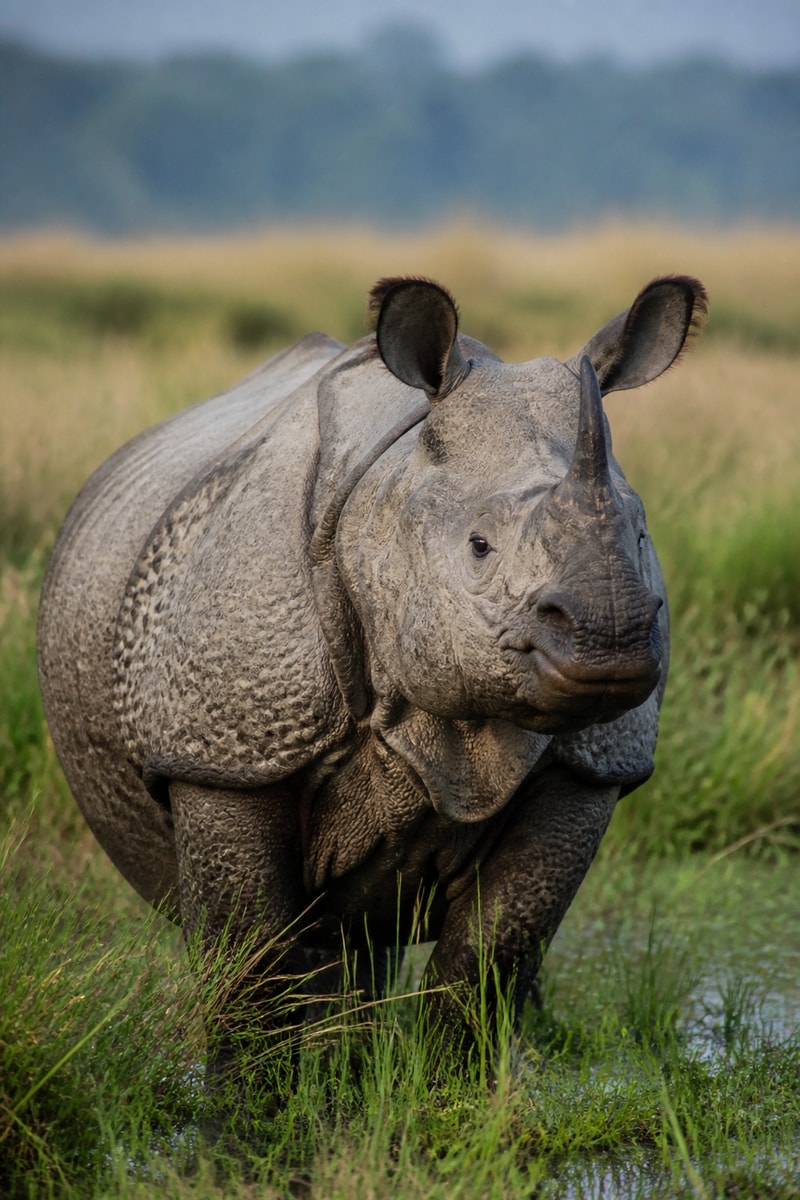
- Indian Rhinoceroslegendary • South Asian Floodplain
Free on iOS
Catch the King Cobra
Spot one in the wild, then scan it in Catch'Um to log your rare discovery.