
Field guide · common
Sea Otter
The kelp forest gardener, a floating fur ball that uses tools, holds hands, and keeps entire underwater ecosystems in balance.
Endangered
Enhydra lutris
Overview
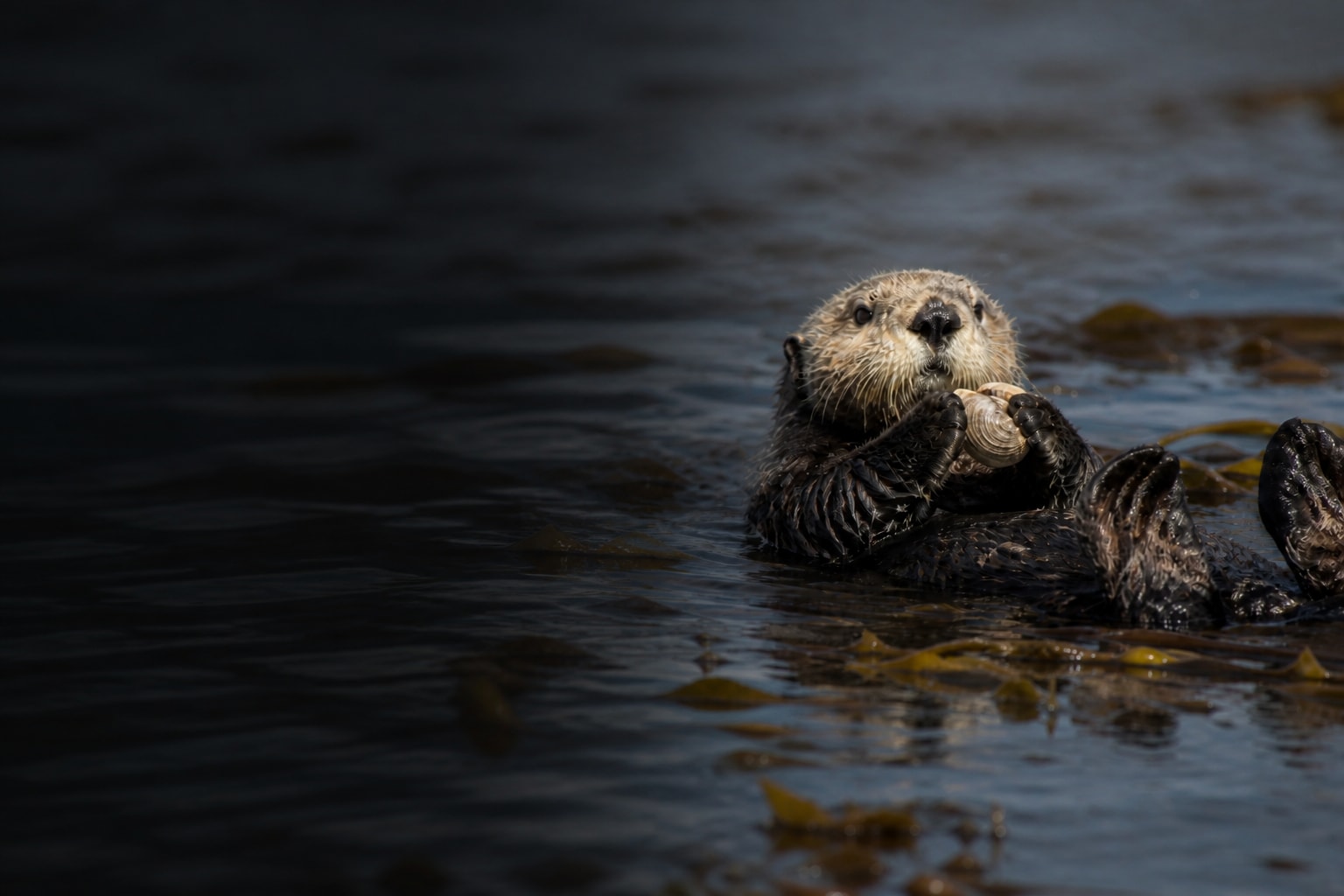
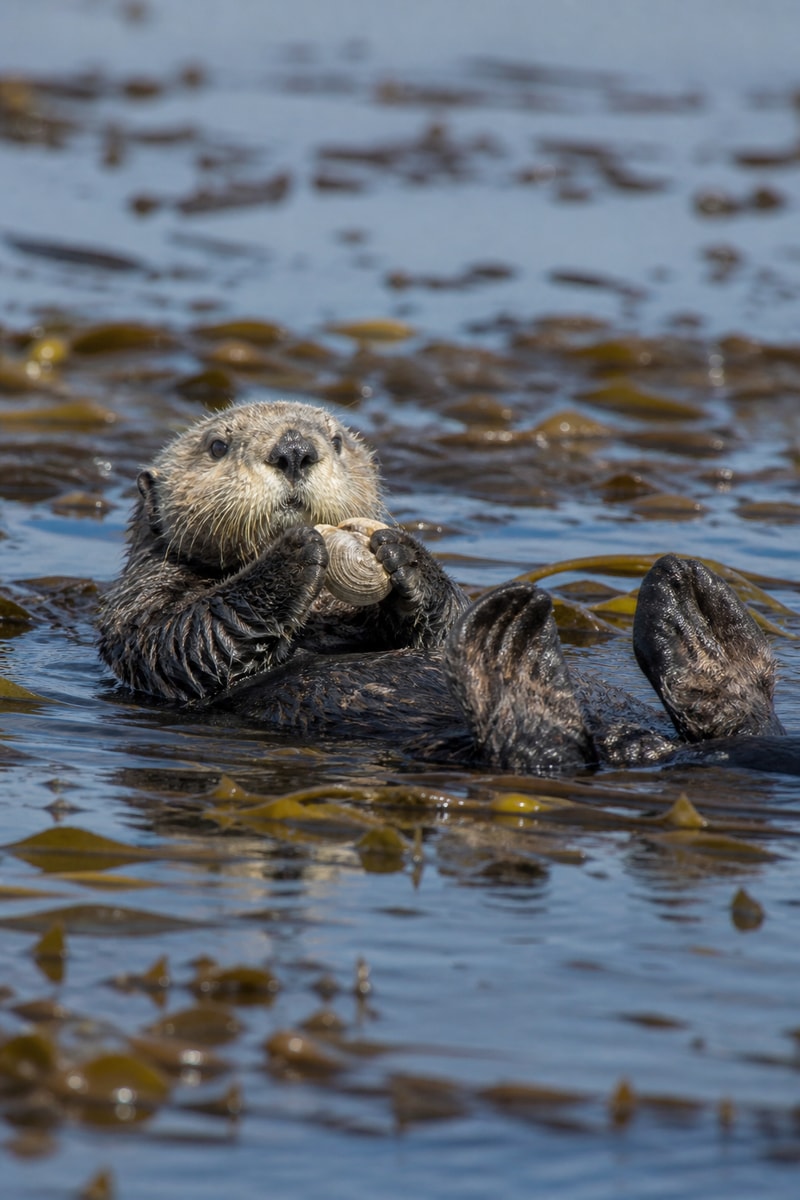
The sea otter is the smallest marine mammal and one of the most charismatic. Wrapped in the densest fur of any animal, up to a million hairs per square inch, it floats on its back in kelp beds, cracking open sea urchins and abalone on a stone balanced on its chest.
Sea otters hold hands while resting so they don't drift apart in the kelp, a behaviour that has made them icons of coastal conservation. They are a keystone species: by eating sea urchins, they protect kelp forests that support hundreds of other species.
- Scientific nameEnhydra lutris
- Length1.0–1.5 m
- Weight14–45 kg
- LifespanAround 15–20 years in the wild
- DietMarine invertebrates
- ConservationEndangered
- RegionKelp Forest
Habitat
- Kelp forest
- Coastal ocean
Cold coastal waters and kelp forests along the Pacific coast from California through Alaska hold sea otters. They rarely come ashore, spending their lives in the water feeding, grooming, and rafting in kelp.
Countries found
Field notes
Field scale for the Sea Otter: length around 1.0-1.5 m; weight 14-45 kg. Typical lifespan: Around 15-20 years in the wild.
When you are scanning habitat, prioritise kelp forest and coastal ocean. Those settings are where a clean look and a usable photo are most likely.
Quick ID anchor: Smallest marine mammal: dense brown fur, flattened hind flippers, and retractable claws on the forepaws. Face is pale and whiskered; often seen floating belly-up in kelp beds. Confirm with behaviour and habitat before you log the discovery.
Where to see one
Canada
In Canada, start at Great Bear Rainforest (British Columbia). Temperate rainforest coast, with grizzlies fishing salmon, humpback whales offshore, and the rare white spirit bear.
More context on this destination lives on the Canada expedition page.
Diet
Marine invertebrates — sea urchins, clams, mussels, crabs, and abalone — cracked open with rocks used as tools. High metabolism demands frequent feeding through the day.
Behaviour
Almost entirely aquatic; float on the back to eat, groom, and rest in kelp. Often raft in groups and may hold paws while resting so they do not drift apart.
How to identify
Smallest marine mammal: dense brown fur, flattened hind flippers, and retractable claws on the forepaws. Face is pale and whiskered; often seen floating belly-up in kelp beds.
Interesting facts
- 01
Sea otters hold hands while resting so they don't drift apart in kelp beds.
- 02
They use rocks as tools to break open shellfish.
- 03
Their fur has up to a million hairs per square inch, the densest of any animal.
Conservation status
Sea otters are Endangered in parts of their range after fur trade devastation. California and Alaska populations have recovered under protection, but oil spills and shark predation remain threats.
Sources: IUCN Red List
Keep exploring
Where it lives
Related discoveries
- Bald Eaglelegendary • Lakes & Coasts
- Grizzly Bearlegendary • Mountains & Rivers
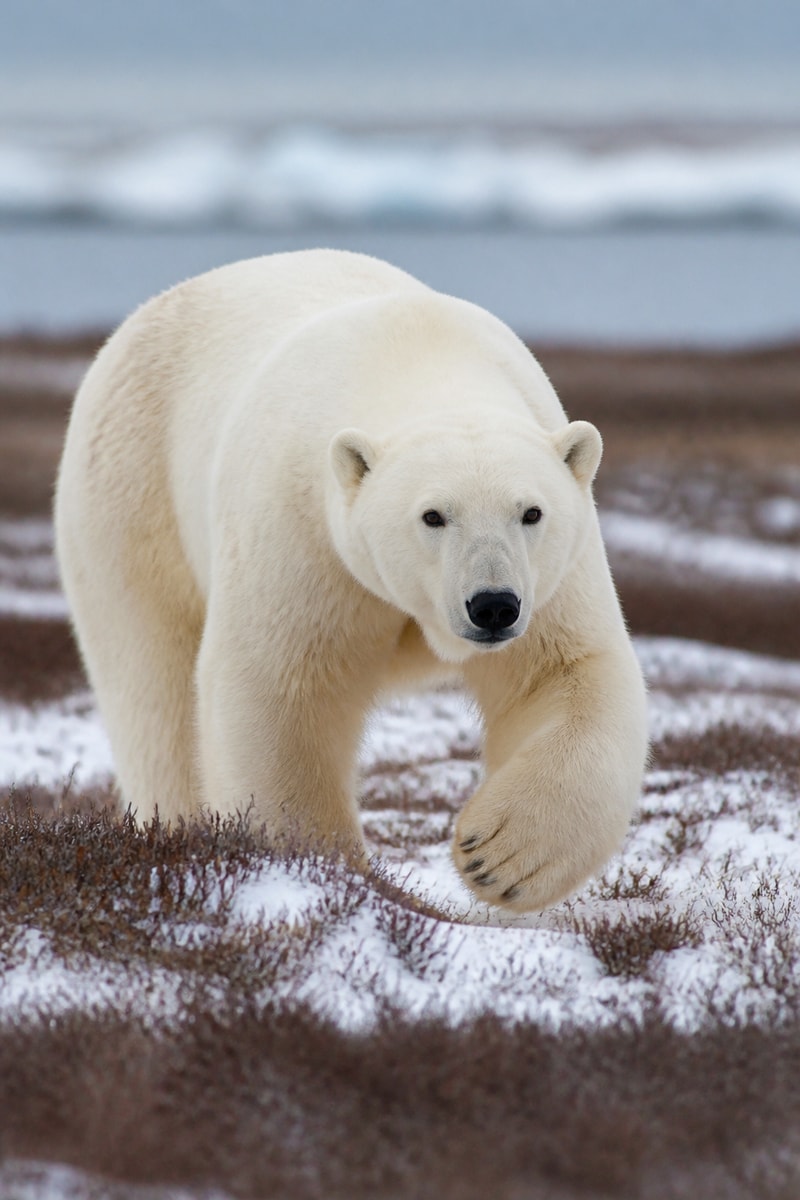
- Polar Bearlegendary • Arctic Ice
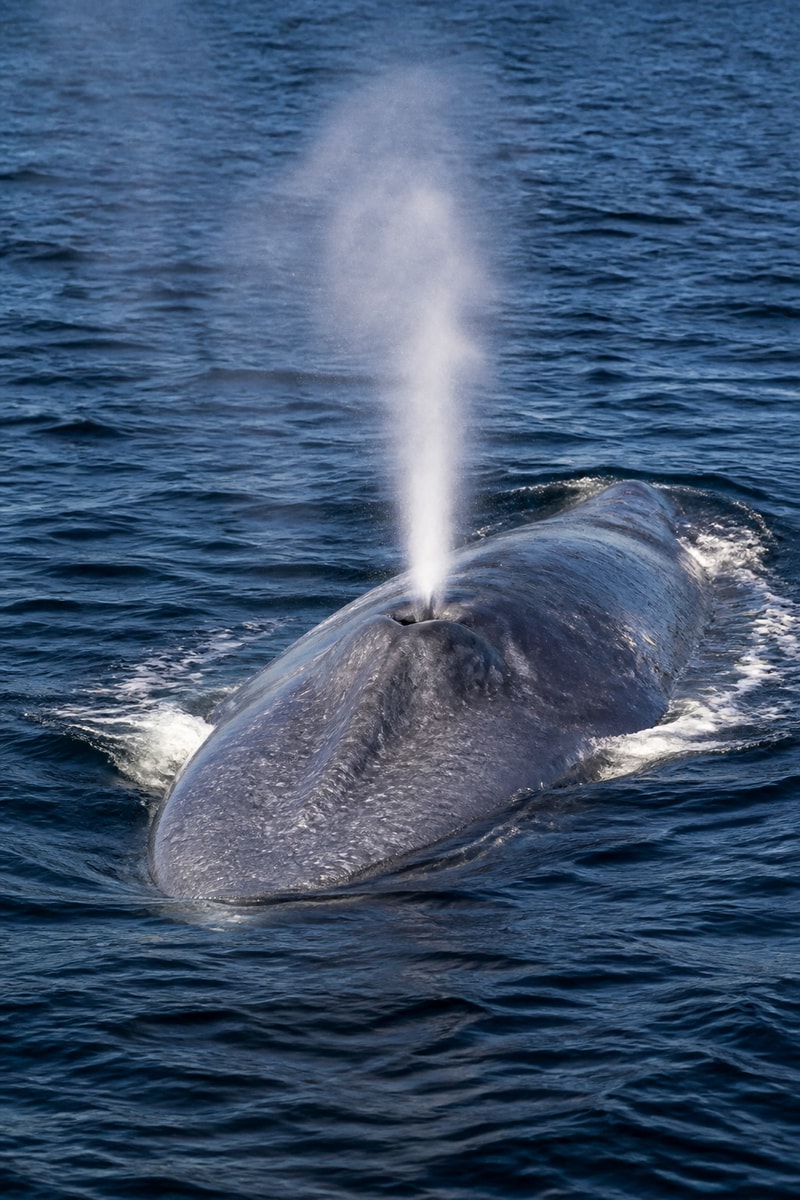
- Blue Whalelegendary • Open Ocean
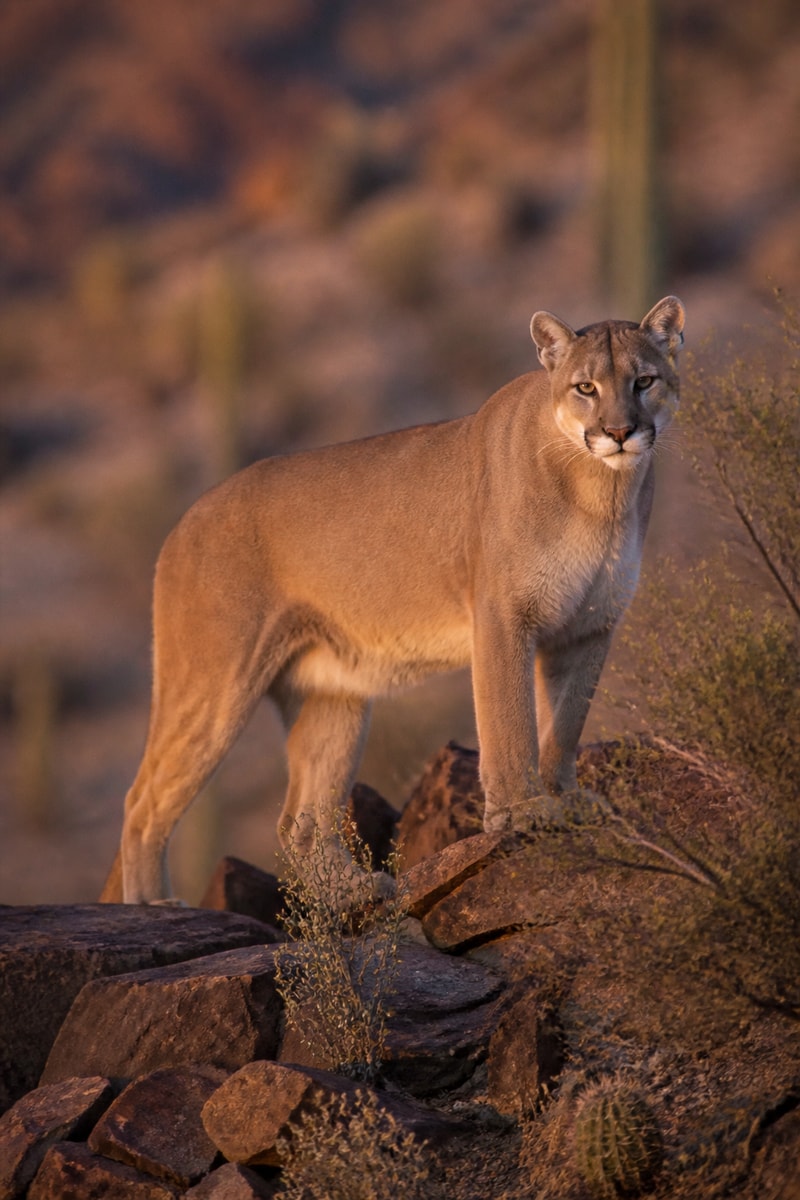
- Mountain Lionlegendary • Mountains & Desert
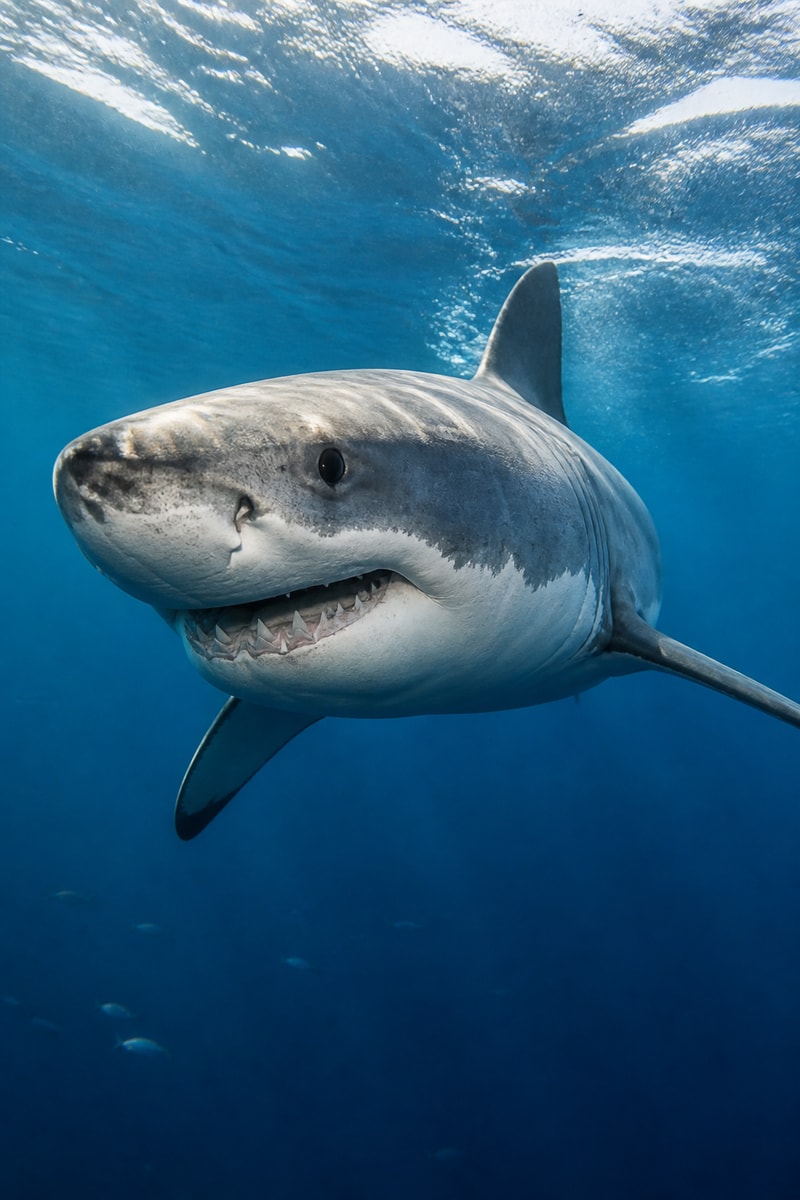
- Great White Sharklegendary • Coastal Ocean
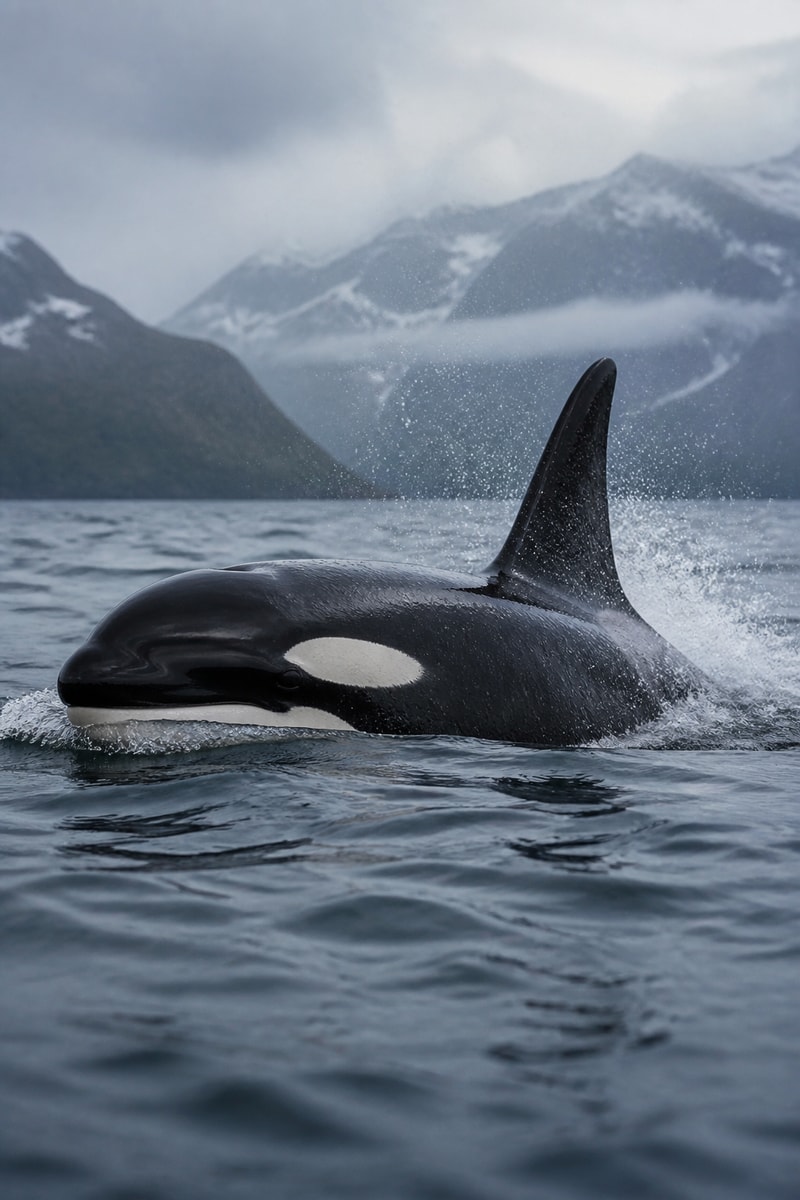
- Orcalegendary • Coastal Ocean
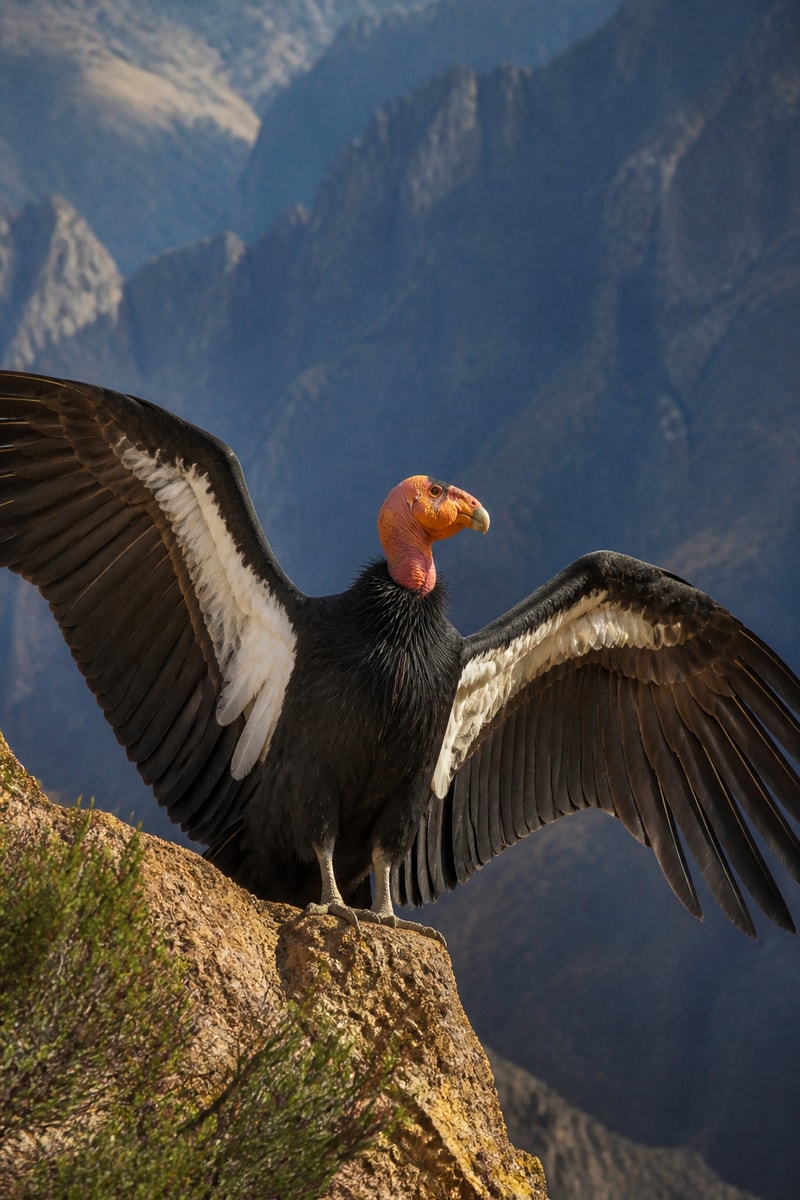
- California Condorlegendary • Canyons & Cliffs
Free on iOS
Catch the Sea Otter
Spot one in the wild, then scan it in Catch'Um to log your common discovery.