
Field guide · common
Sandhill Crane
Bugling grey giant of the wetlands — prehistoric silhouette on migration.
Least Concern
Antigone canadensis
Overview
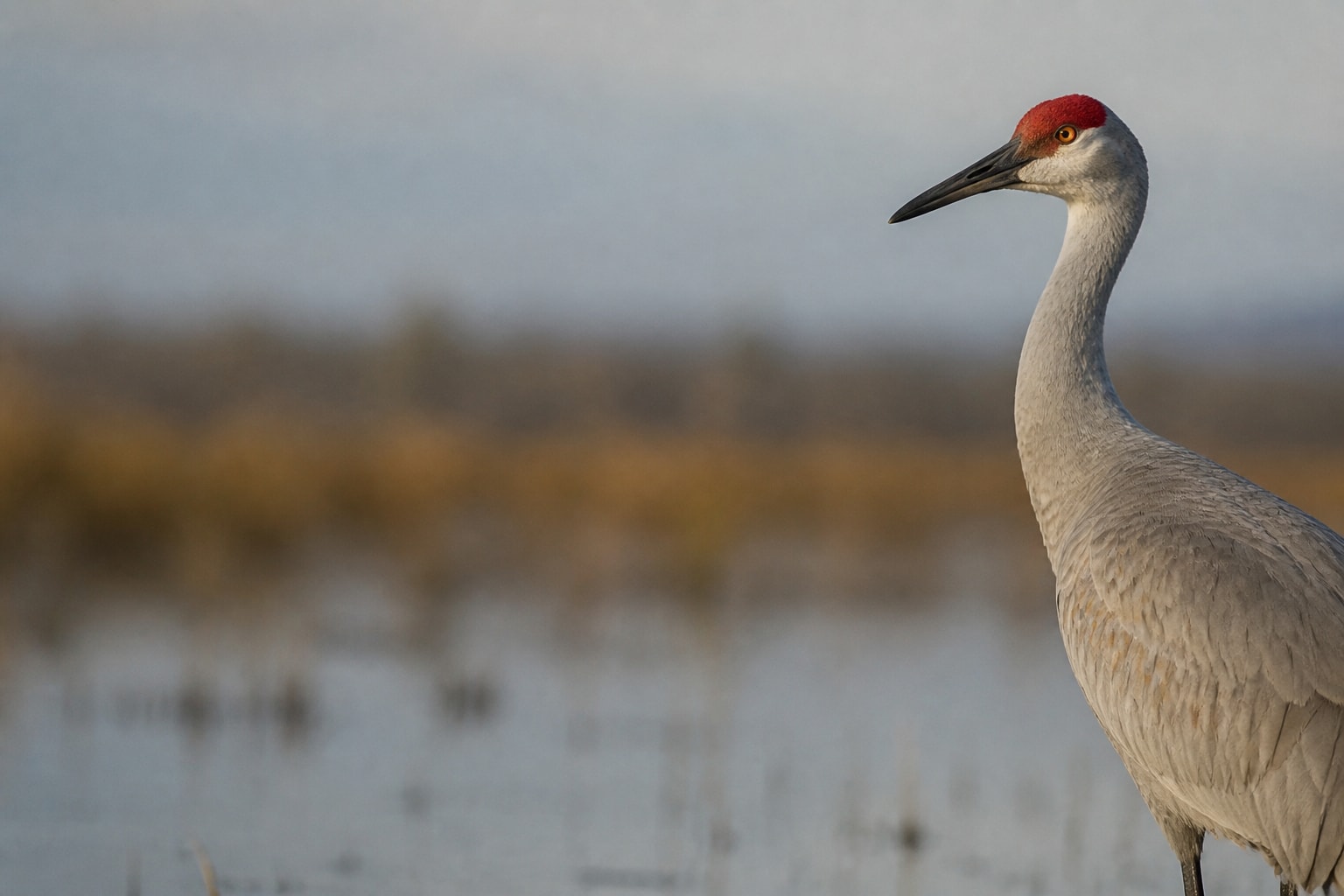
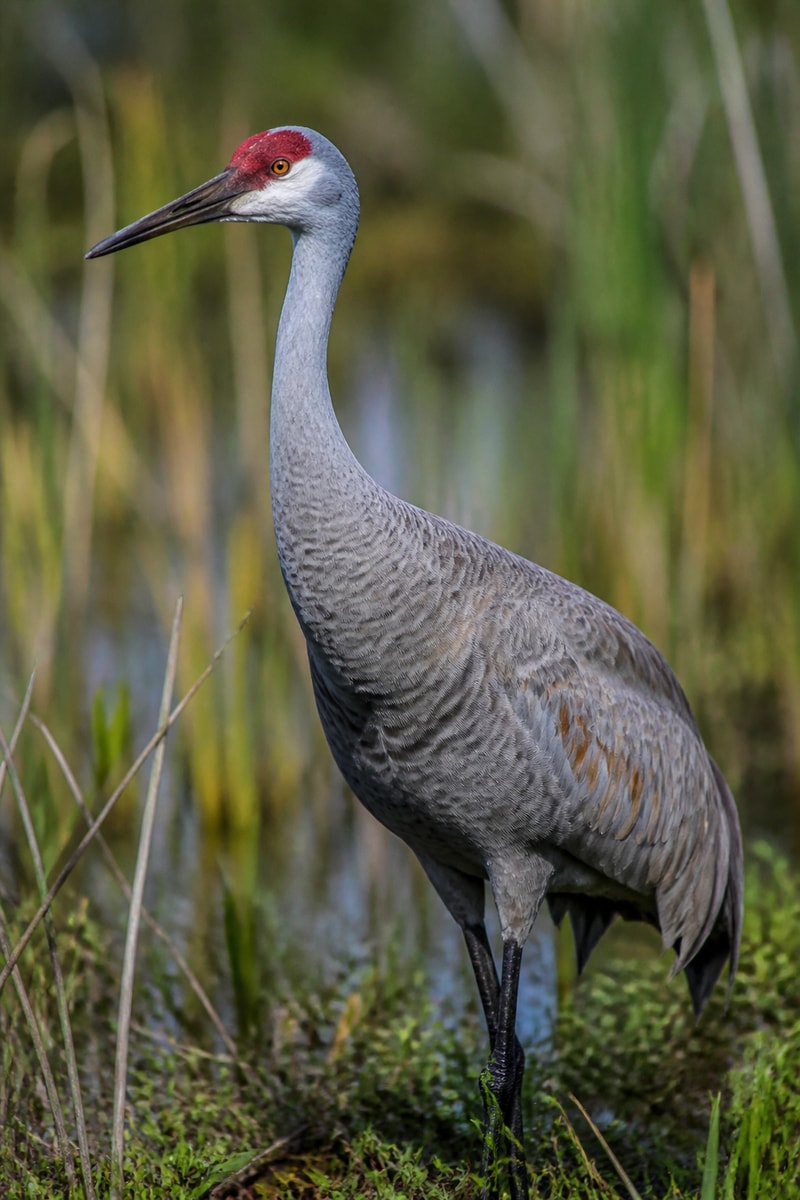
Sandhill cranes are tall grey cranes with red forecrowns and rattling bugle calls that carry for kilometres. They nest in northern marshes and gather in spectacular migratory flocks on Great Plains stopovers, dancing with leaps and bowed wings.
For US collectors, the sandhill crane is a flyway spectacle — bugling flocks, red cap, and a common wetland giant you can still meet by the tens of thousands on migration.
- Scientific nameAntigone canadensis
- LengthWingspan 1.6–2.1 m
- Height0.9–1.2 m
- Weight3–6 kg
- LifespanAround 20–30 years in the wild
- DietGrains
- ConservationLeast Concern
- RegionNorth American Marshes & Flyways
Where to see them
Habitat
- Prairie marsh
- Wet meadow
- River staging sandbar
- Agricultural field
Marshes, wet meadows, prairie wetlands, and agricultural fields across North America, with major migratory stopovers on the Great Plains.
Field notes
Field scale for the Sandhill Crane: length around Wingspan 1.6-2.1 m; height 0.9-1.2 m; weight 3-6 kg. Typical lifespan: Around 20-30 years in the wild.
When you are scanning habitat, prioritise prairie marsh, wet meadow, river staging sandbar, and agricultural field. Those settings are where a clean look and a usable photo are most likely.
Quick ID anchor: Large grey crane with long dark legs, long neck, and red forehead skin. Confirm with behaviour and habitat before you log the discovery.
Diet
Grains, waste corn, tubers, roots, insects, and small vertebrates.
Probe soft wetland soils and glean in harvested fields.
Behaviour
Form enormous migratory flocks that roost in shallow wetlands.
Pairs perform elaborate dancing displays and stay bonded for years.
How to identify
Large grey crane with long dark legs, long neck, and red forehead skin.
Often shows rusty staining on feathers from iron-rich mud.
Interesting facts
- 01
Tall grey crane with a bare red forecrown patch.
- 02
Bugling calls are among the loudest bird sounds in North America.
- 03
Famous for leaping courtship dances with wing bows.
- 04
Huge migratory gatherings occur along the Platte River in Nebraska.
- 05
Omnivorous — grains, tubers, insects, and small animals.
- 06
One of the world’s most abundant crane species.
Conservation status
Sandhill cranes are Least Concern and have recovered strongly in North America. Wetland protection along migration corridors remains important for staging flocks.
Sources: IUCN Red List
Related discoveries

Keep exploring
Related discoveries
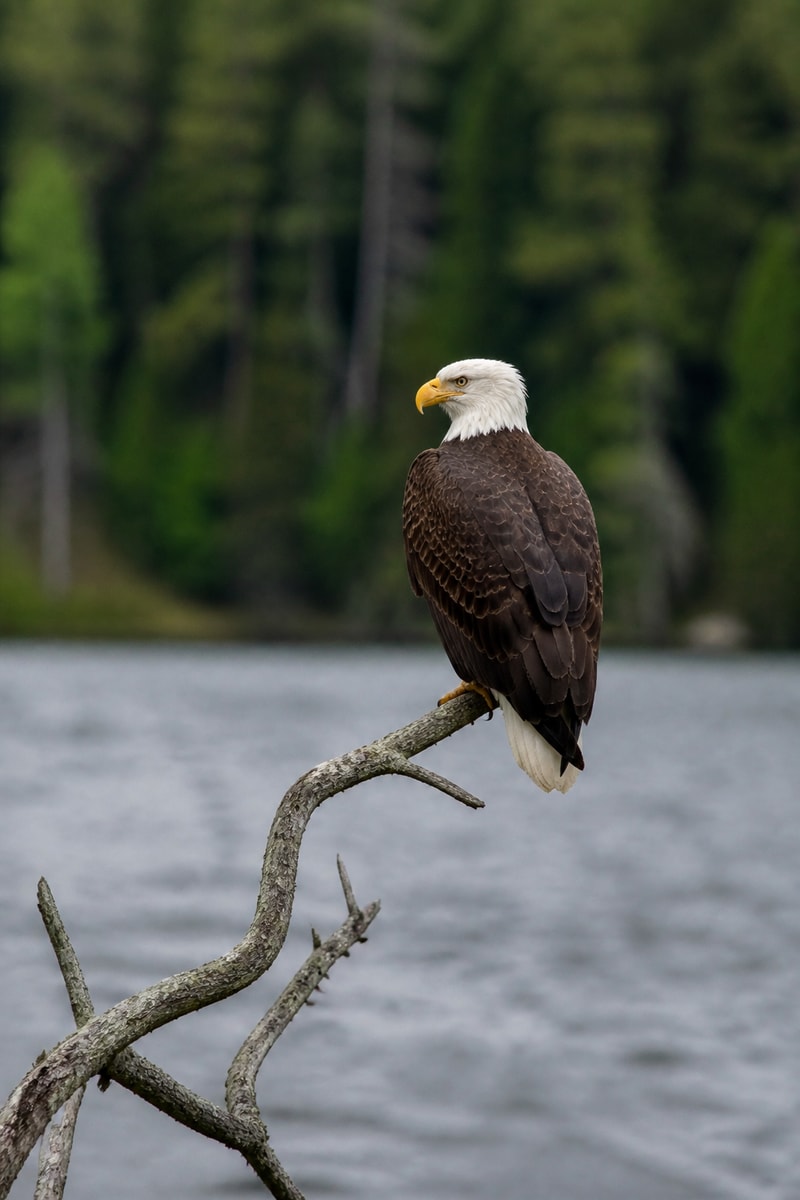
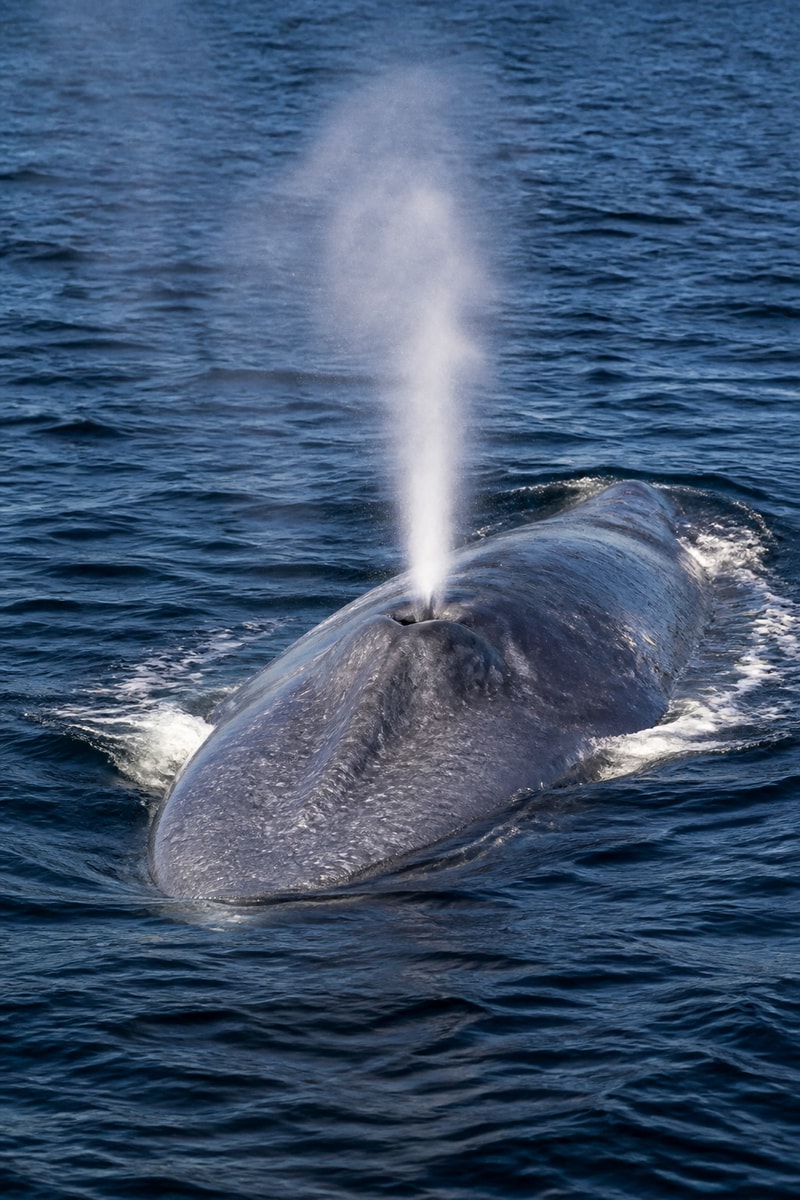
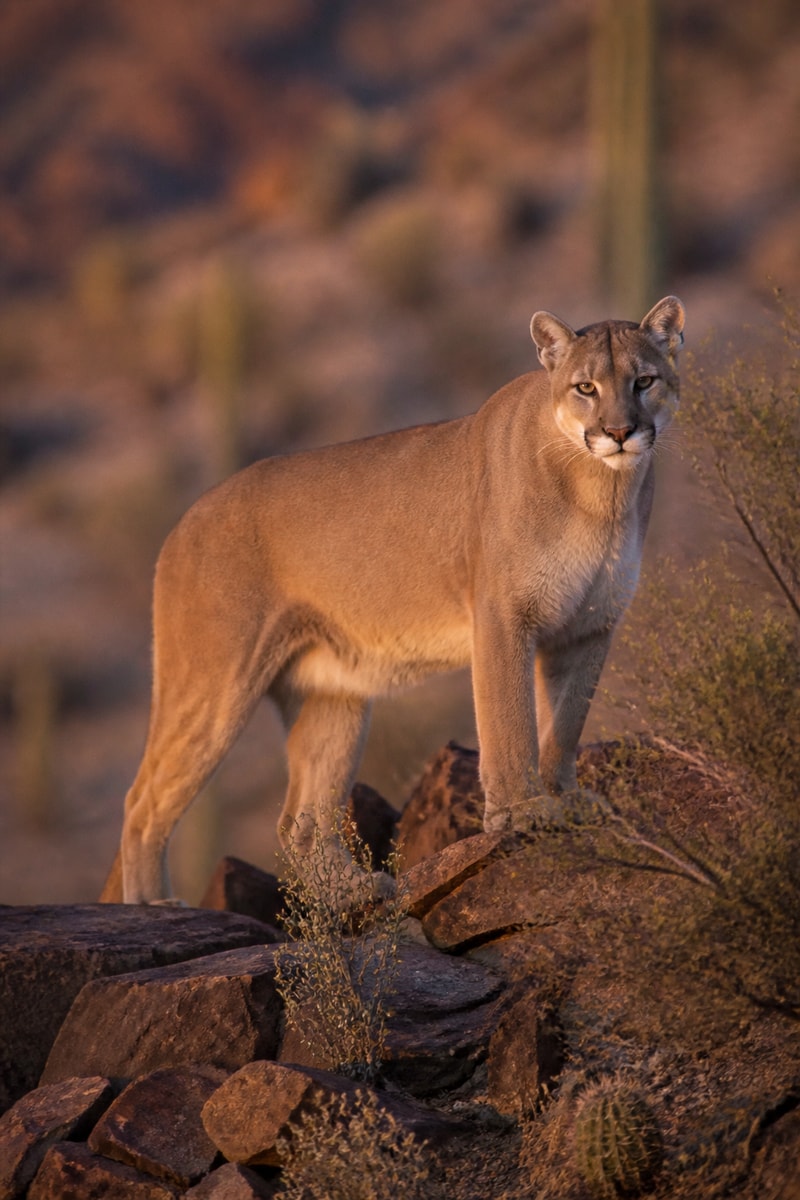
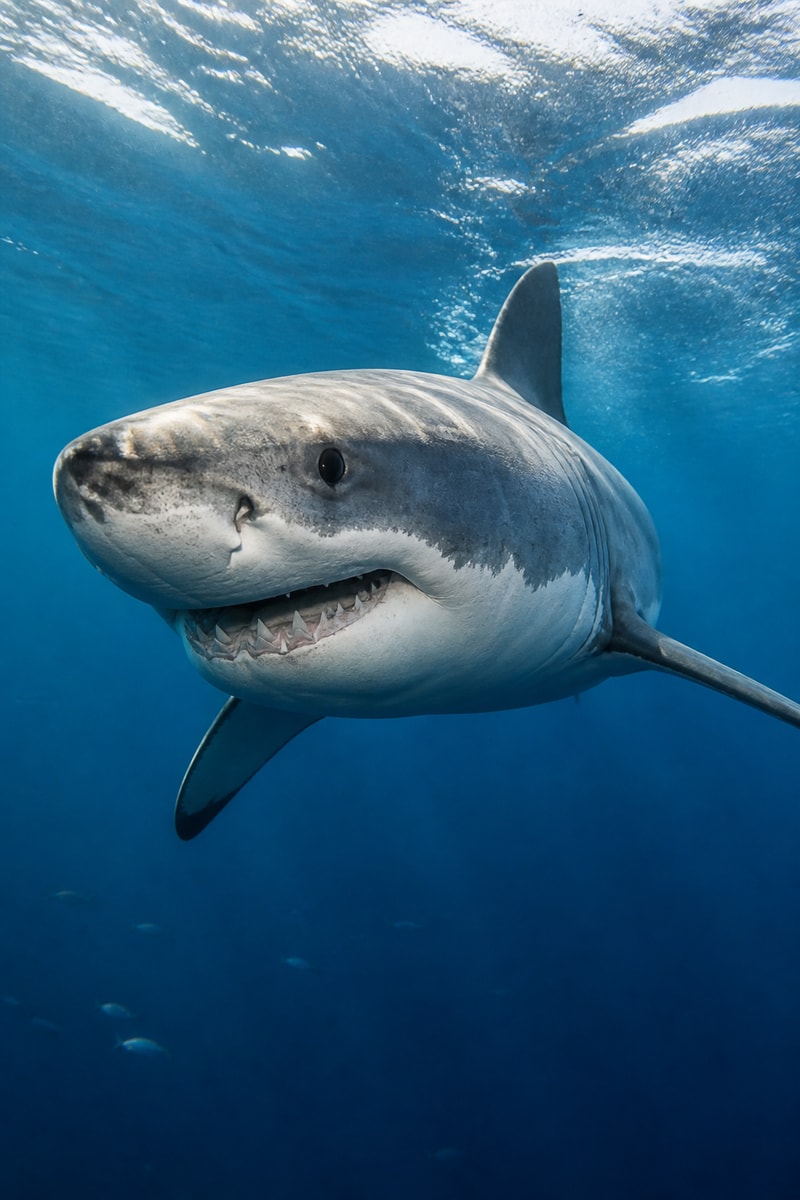
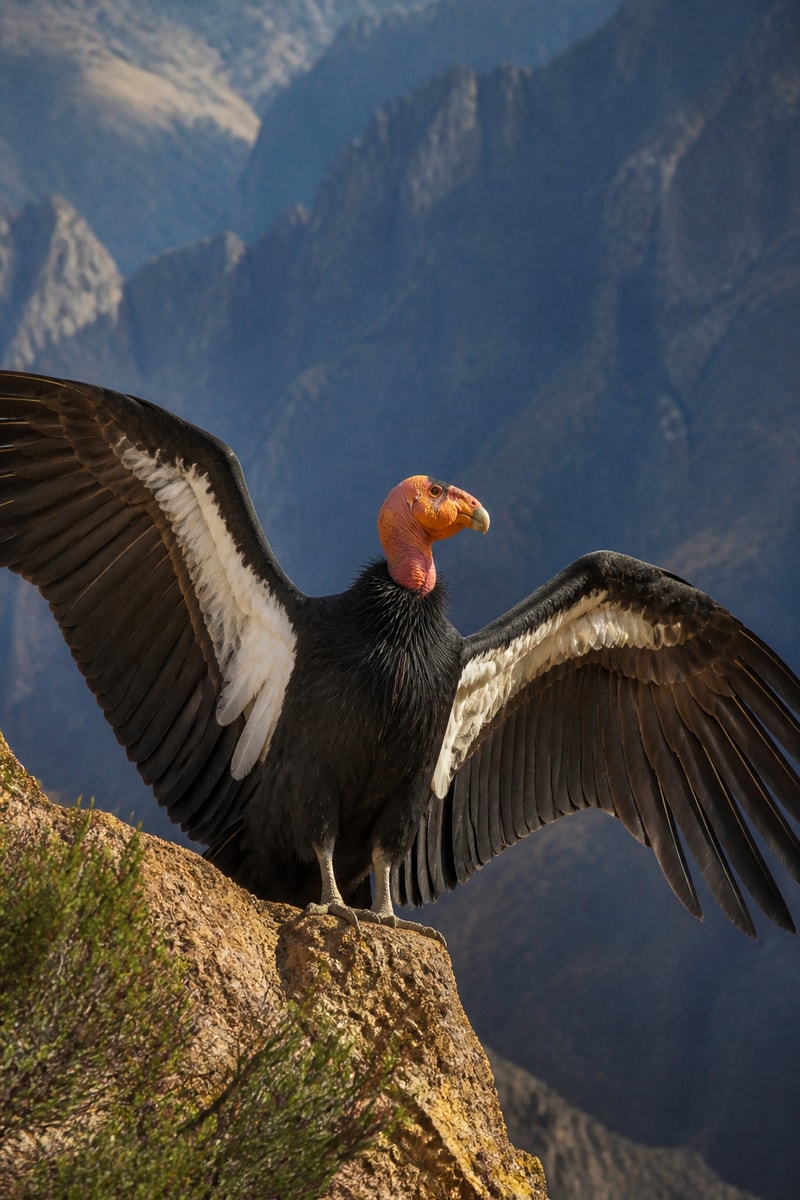
- Bald Eaglelegendary • Lakes & Coasts
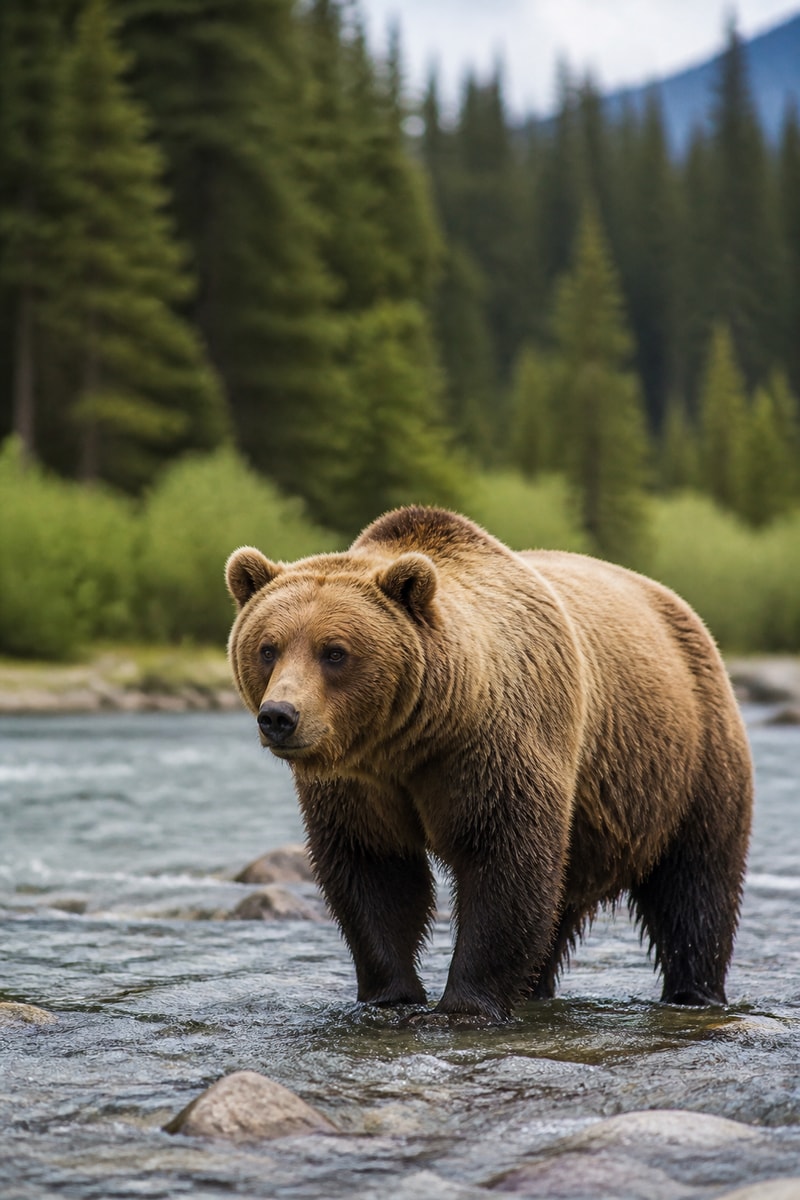
- Grizzly Bearlegendary • Mountains & Rivers
- Blue Whalelegendary • Open Ocean
- Mountain Lionlegendary • Mountains & Desert
- Great White Sharklegendary • Coastal Ocean
- Orcalegendary • Coastal Ocean
- California Condorlegendary • Canyons & Cliffs
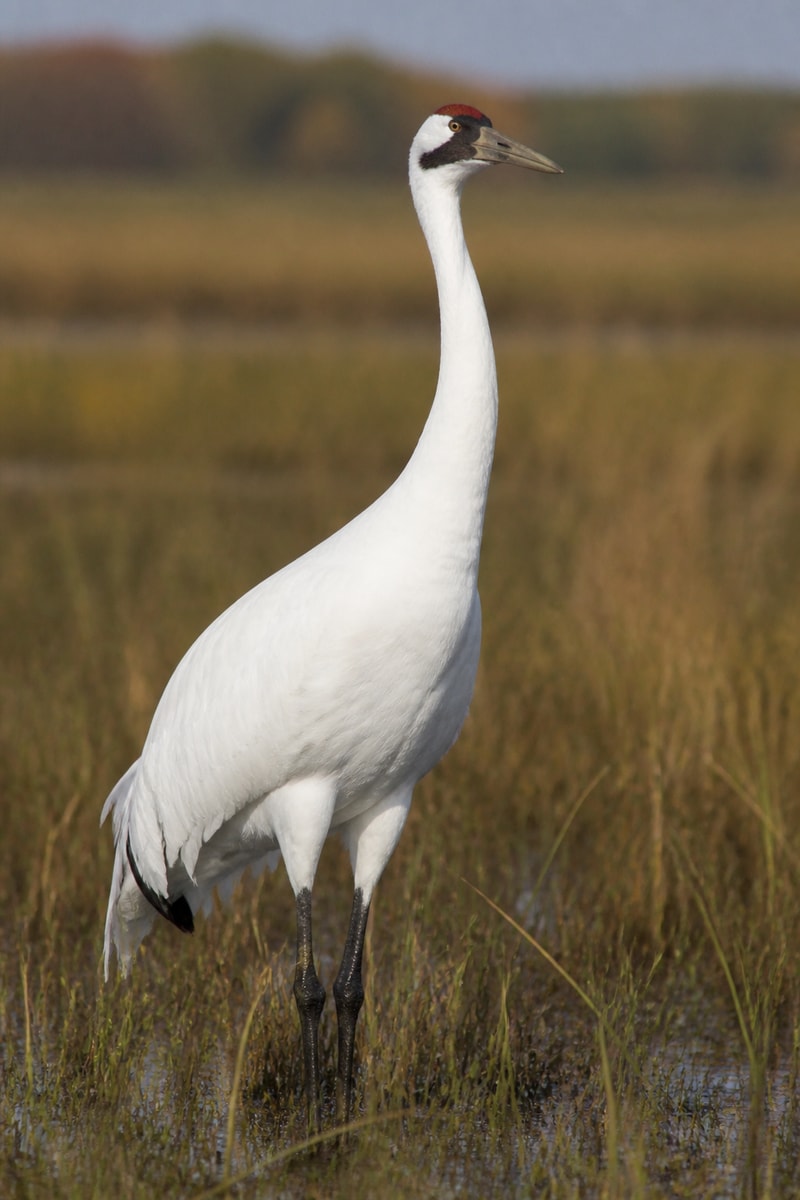
- Whooping Cranelegendary • North American Wetlands
Free on iOS
Catch the Sandhill Crane
Spot one in the wild, then scan it in Catch'Um to log your common discovery.