


Field guide · common
Ruby-throated Hummingbird
Emerald blur with a ruby throat — eastern America’s classic hummingbird.
Least Concern
Archilochus colubris
Overview
Ruby-throated hummingbirds are the familiar hummingbirds of eastern North America. Males flash an iridescent ruby-red throat as they hover at feeders and tubular flowers, beating their wings dozens of times per second before migrating across the Gulf of Mexico.
For US collectors, this hummingbird is the eastern garden staple — ruby gorget, feeder dogfight, and the only breeding hummingbird across most of the East.
- Scientific nameArchilochus colubris
- Length7–9 cm
- Weight2–6 g
- LifespanAround 3–5 years in the wild
- DietFloral nectar from…
- ConservationLeast Concern
- RegionEastern US Gardens & Edges
Where to see them
Habitat
- Garden feeder zone
- Woodland edge
- Flower meadow
- Riparian corridor
Gardens, woodland edges, meadows, and riparian corridors of the eastern United States with nectar flowers, feeders, and small insects.
Field notes
Field scale for the Ruby-throated Hummingbird: length around 7-9 cm; weight 2-6 g. Typical lifespan: Around 3-5 years in the wild.
When you are scanning habitat, prioritise garden feeder zone, woodland edge, flower meadow, and riparian corridor. Those settings are where a clean look and a usable photo are most likely.
Quick ID anchor: Tiny emerald-green hummingbird; male has a brilliant ruby-red throat. Confirm with behaviour and habitat before you log the discovery.
Diet
Floral nectar from tubular flowers and sugar-water feeders.
Tiny insects and spiders provide essential protein.
Behaviour
Hover at flowers and chase rivals from rich nectar sources.
Long-distance migrants; males often arrive on breeding grounds first.
How to identify
Tiny emerald-green hummingbird; male has a brilliant ruby-red throat.
Female is whitish below without the red gorget; needle-thin bill.
Interesting facts
- 01
Only breeding hummingbird across most of eastern North America.
- 02
Male’s throat (gorget) blazes ruby-red in good light.
- 03
Wings beat roughly 50 times per second in hover.
- 04
Migrate across or around the Gulf of Mexico.
- 05
Eat nectar plus tiny insects and spiders for protein.
- 06
Tiny cup nests are built from plant down and spider silk.
Conservation status
Ruby-throated hummingbirds are Least Concern and remain common in the East. Garden feeders and native nectar plants help, while habitat loss on migration routes is a longer-term concern.
Sources: IUCN Red List
Related discoveries







Keep exploring
Related discoveries
- Bald Eaglelegendary • Lakes & Coasts
- Grizzly Bearlegendary • Mountains & Rivers
- Blue Whalelegendary • Open Ocean
- Mountain Lionlegendary • Mountains & Desert
- Great White Sharklegendary • Coastal Ocean
- Orcalegendary • Coastal Ocean
- California Condorlegendary • Canyons & Cliffs
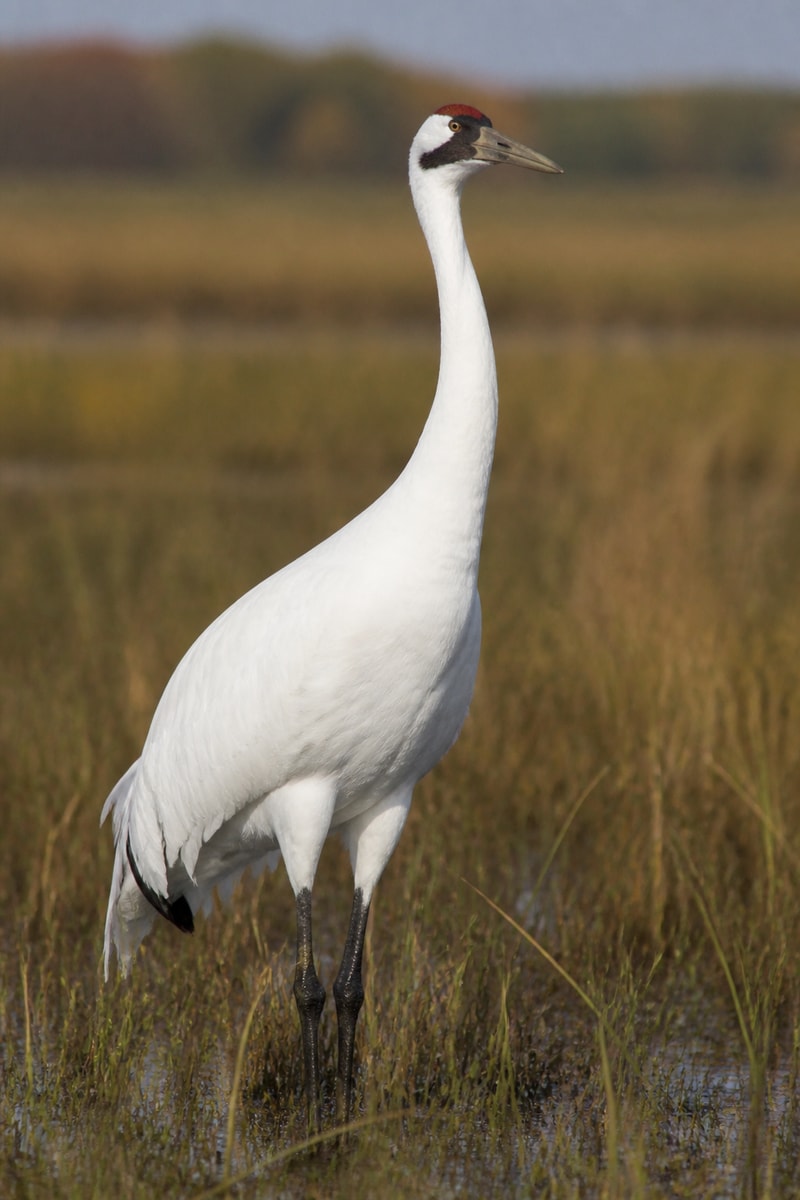
- Whooping Cranelegendary • North American Wetlands
Free on iOS
Catch the Ruby-throated Hummingbird
Spot one in the wild, then scan it in Catch'Um to log your common discovery.