
Field guide · common
Red-winged Blackbird
The marsh sentinel, a glossy blackbird whose scarlet shoulder patches blaze when males defend their territory from fence posts and cattails.
Least Concern
Agelaius phoeniceus
Overview
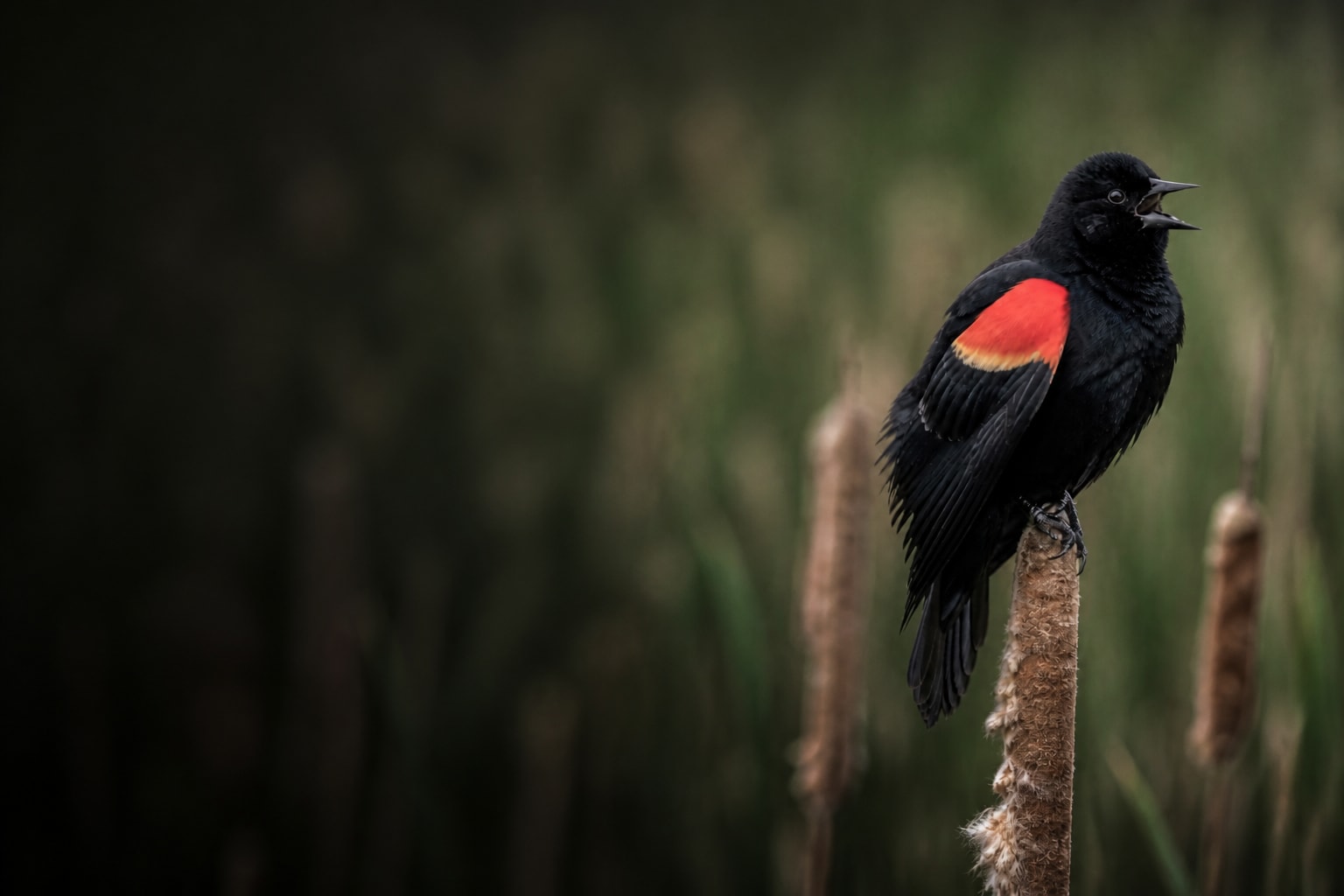
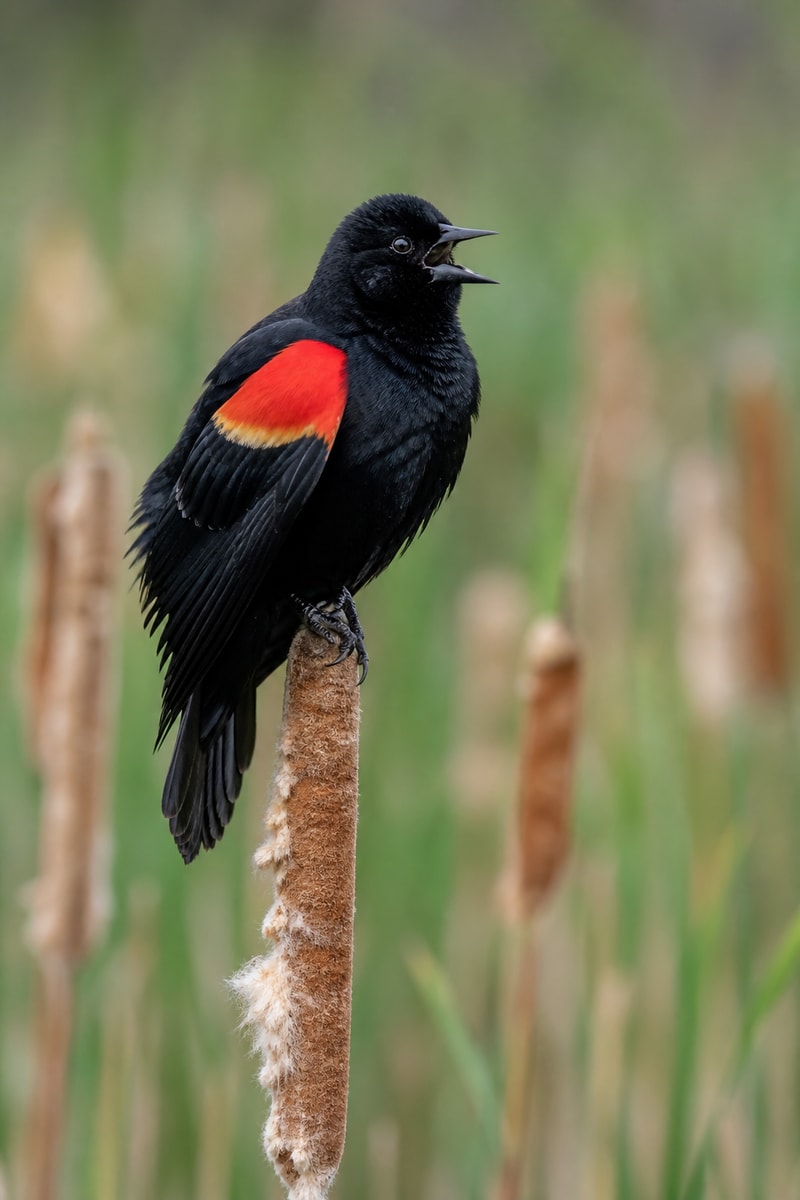
The red-winged blackbird is one of North America's most abundant and conspicuous birds. Males perch prominently on reeds and wires, singing a scratchy konk-la-ree! while flashing their red-and-yellow shoulder patches, epaulets that signal aggression to rivals and status to females.
Females are streaky brown, often mistaken for a large sparrow, and build woven nests low in marsh vegetation. Colonies can hold dozens of nests in a single wetland, with males fiercely defending territories that may span thousands of square metres.
- Scientific nameAgelaius phoeniceus
- Length17–23 cm
- Weight32–77 g
- Lifespan2–15 years in the wild
- DietMostly insects during…
- ConservationLeast Concern
- RegionMarshes & Fields
Habitat
- Marshes
- Wet meadows
- Farmland
- Reedbeds
Freshwater marshes, cattail wetlands, and damp meadows are classic red-wing country, though the species also nests in damp fields, roadside ditches, and suburban ponds. They forage on seeds, insects, and grain in fields after breeding season.
Countries found
Field notes
Field scale for the Red-winged Blackbird: length around 17-23 cm; weight 32-77 g. Typical lifespan: 2-15 years in the wild.
When you are scanning habitat, prioritise marshes, wet meadows, farmland, and reedbeds. Those settings are where a clean look and a usable photo are most likely.
Quick ID anchor: Adult males are glossy black with bright red epaulets edged in yellow. Females and young are heavily streaked brown, easy to mistake for sparrows until the pointed bill and marsh habitat register. Confirm with behaviour and habitat before you log the discovery.
Where to see one
United States
In United States, start at Suburban Park Systems (Nationwide). Local green spaces across the US, with pond edges, playground perimeters, and dog-walking trails where the everyday species gather.
More context on this destination lives on the United States expedition page.
Diet
Mostly insects during breeding—especially aquatic larvae and caterpillars—then seeds and waste grain for much of the rest of the year. Often forages in flocks in fields after nesting.
Behaviour
Males perch on reeds and flash red shoulder patches while singing to defend marsh territories. Breeding is commonly polygynous, with several females nesting in one male’s territory.
How to identify
Adult males are glossy black with bright red epaulets edged in yellow. Females and young are heavily streaked brown—easy to mistake for sparrows until the pointed bill and marsh habitat register.
Interesting facts
- 01
Male red-winged blackbirds defend territories of up to 2,000 square metres.
- 02
Females are brown and streaked, very different from glossy black males.
- 03
They often roost in huge winter flocks numbering in the millions.
Conservation status
Red-winged blackbirds are Least Concern with a vast and stable population. Wetland drainage reduces nesting habitat locally, but the species adapts well to agricultural landscapes.
Sources: IUCN Red List
Related discoveries

Keep exploring
Related discoveries
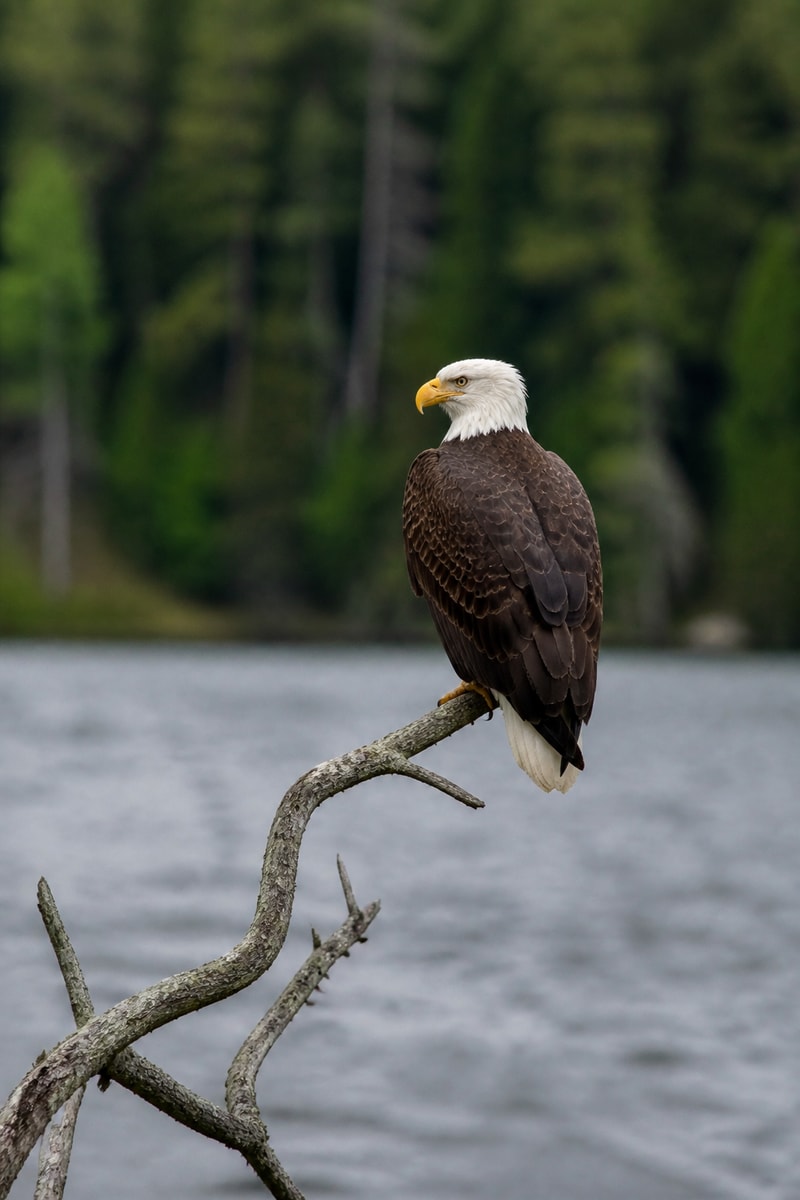
- Bald Eaglelegendary • Lakes & Coasts
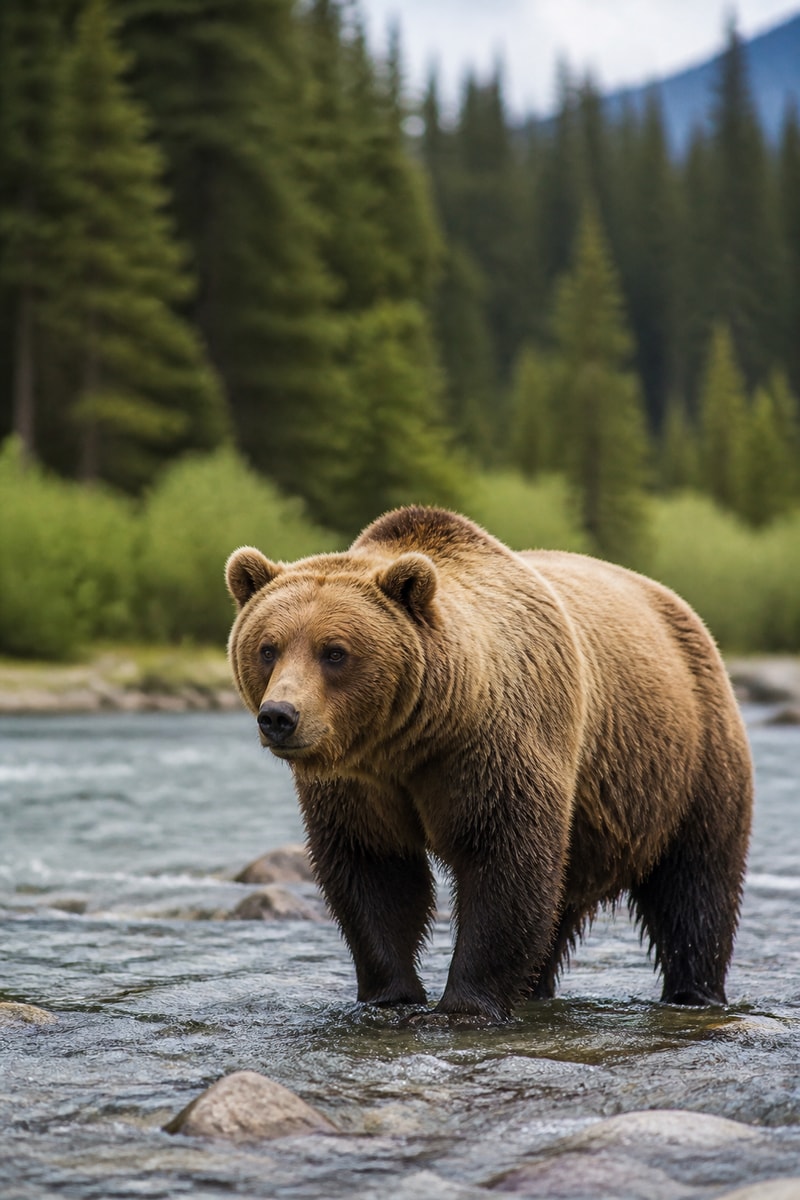
- Grizzly Bearlegendary • Mountains & Rivers
- Blue Whalelegendary • Open Ocean
- Mountain Lionlegendary • Mountains & Desert
- Great White Sharklegendary • Coastal Ocean
- Orcalegendary • Coastal Ocean
- California Condorlegendary • Canyons & Cliffs
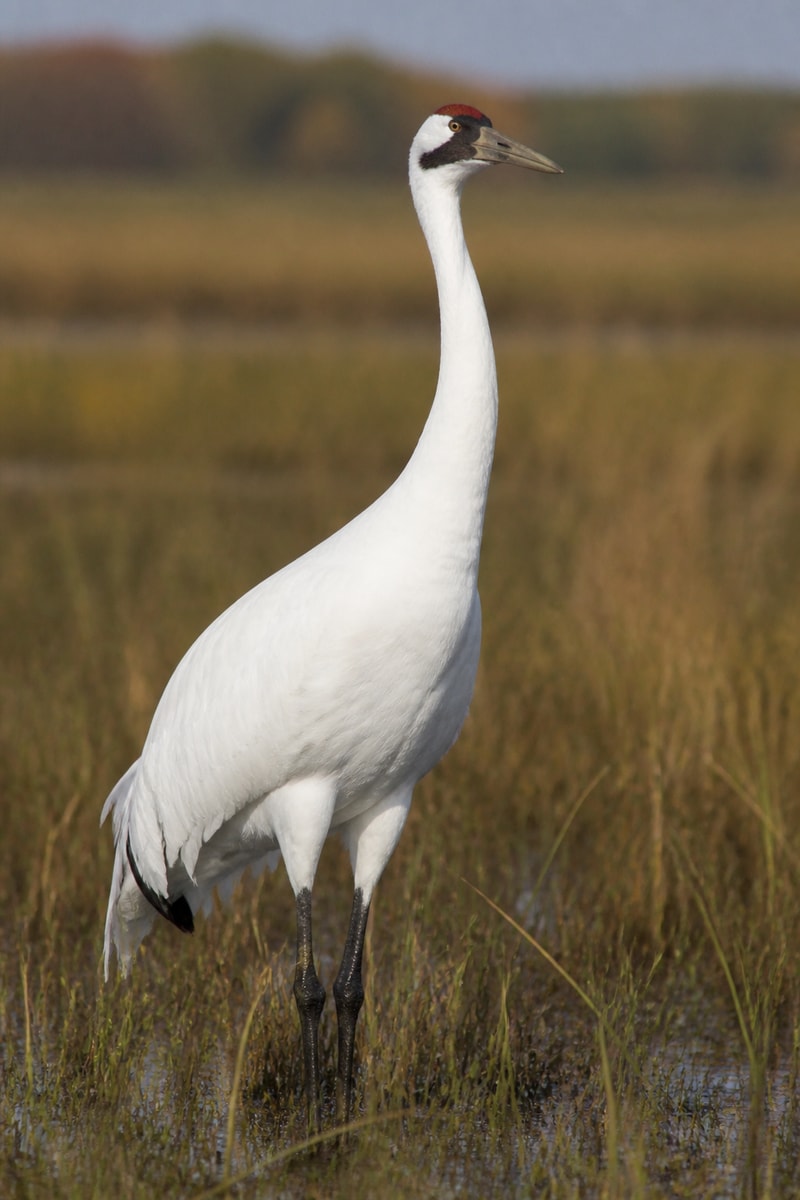
- Whooping Cranelegendary • North American Wetlands
Free on iOS
Catch the Red-winged Blackbird
Spot one in the wild, then scan it in Catch'Um to log your common discovery.