
Field guide · common
Raccoon
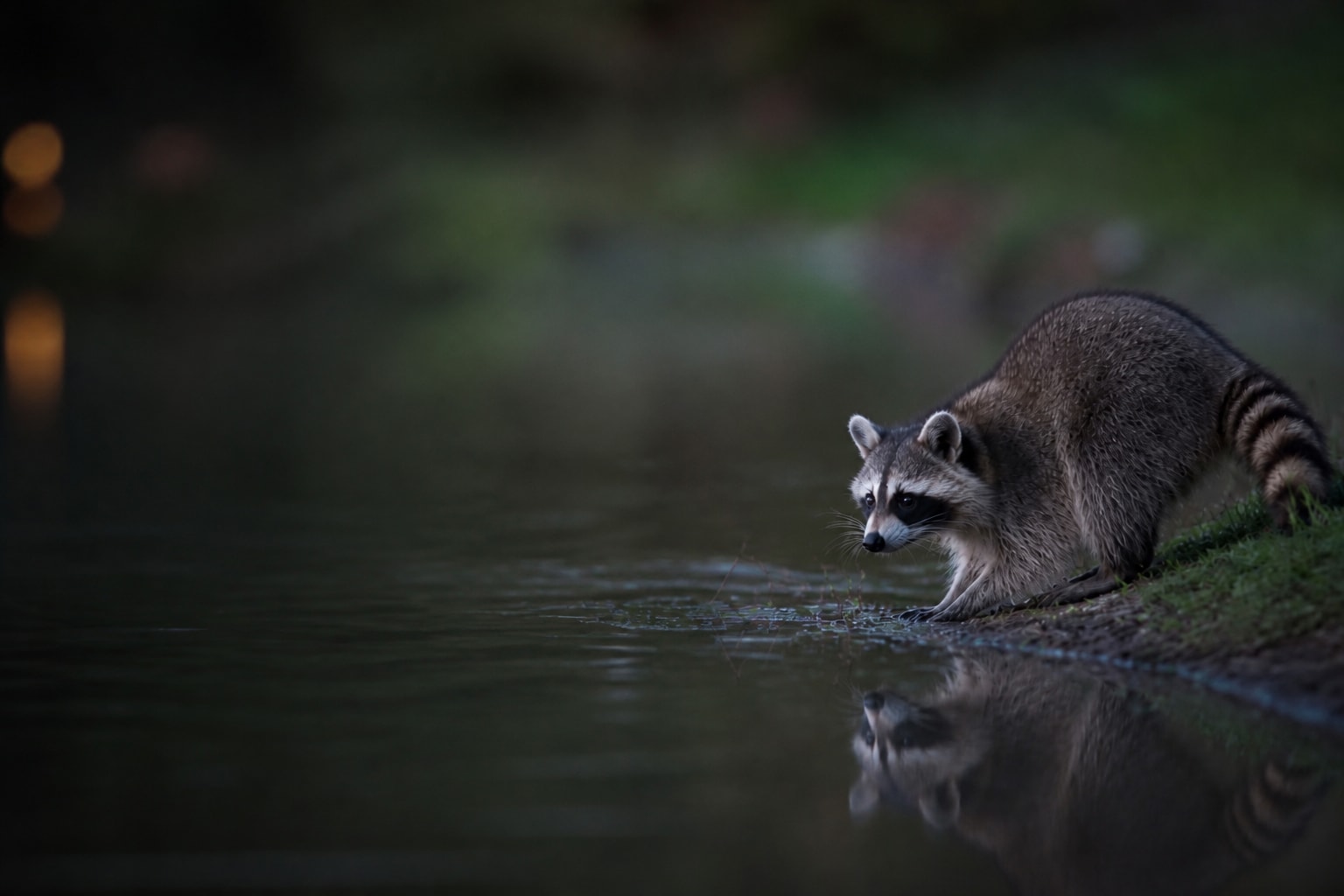
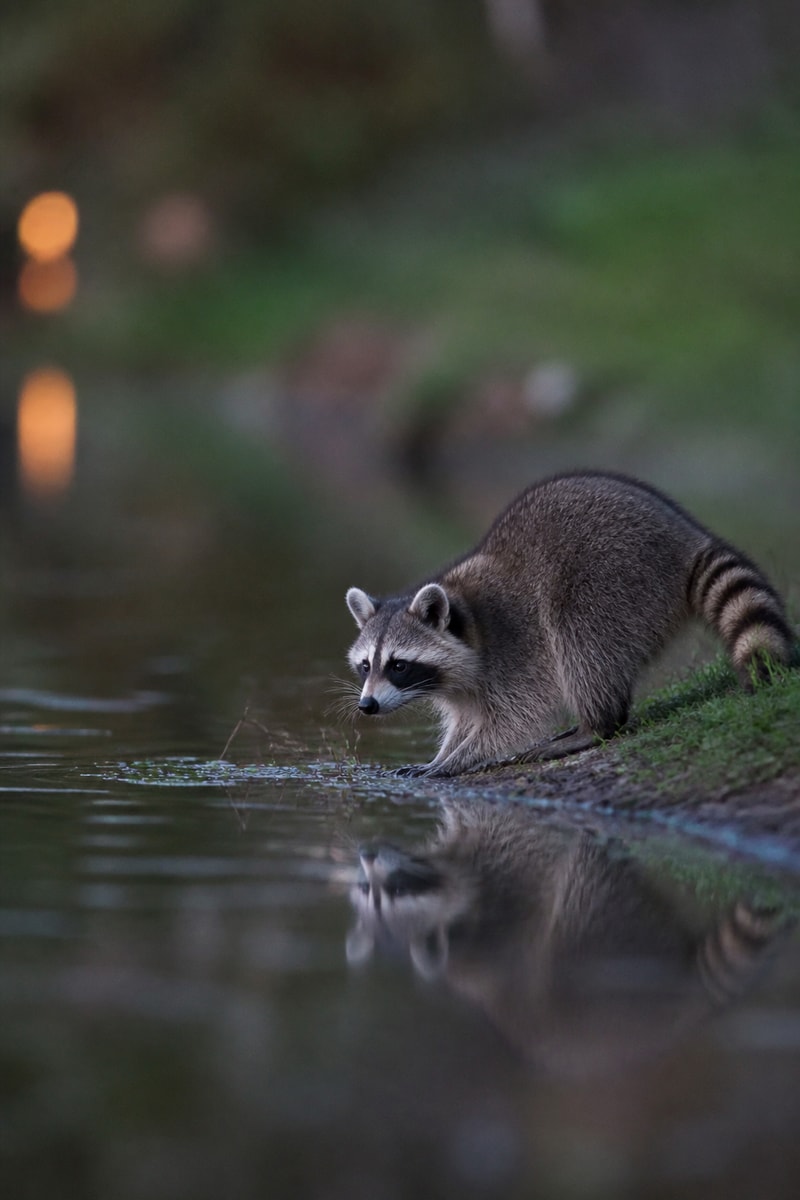
The masked bandit, front paws so sensitive they can 'see' underwater without looking.
Least Concern
Procyon lotor
Overview
The raccoon is North America's most recognisable night raider, black mask, ringed tail, and those eerily human-like front paws that dip and fumble in streams and bins alike. Intelligent and adaptable, raccoons have thrived in cities as readily as in swamps.
That paw sensitivity is real: raccoons have more touch receptors in their palms than most mammals and will explore objects underwater with their eyes closed. A common discovery at the edge of any American suburb after dark.
- Scientific nameProcyon lotor
- Length40–60 cm body; tail 20–40 cm
- Weight5–12 kg typical
- Lifespan2–5 years in the wild typical; some reach 10–15 years
- DietOmnivore
- ConservationLeast Concern
- RegionSuburbs & Wetlands
Habitat
- Woodland
- Wetlands
- Suburbs
- River corridors
Raccoons live across the United States in forest, wetland, farmland, and urban areas. They den in hollow trees, burrows, attics, and storm drains, wherever shelter is close to food from bins, gardens, ponds, and pet bowls.
Countries found
Field notes
Field scale for the Raccoon: length around 40-60 cm body; tail 20-40 cm; weight 5-12 kg typical. Typical lifespan: 2-5 years in the wild typical; some reach 10-15 years.
When you are scanning habitat, prioritise woodland, wetlands, suburbs, and river corridors. Those settings are where a clean look and a usable photo are most likely.
Quick ID anchor: Stocky mammal with a black face mask across the eyes, a ringed bushy tail, and grizzled grey-brown fur. Pointed snout and highly dextrous fingers are distinctive up close. Confirm with behaviour and habitat before you log the discovery.
Where to see one
United States
In United States, start at Golden Gate Park (San Francisco). Lakes, meadows, and tree cover where common birds and park wildlife turn an afternoon stroll into a discovery session.
More context on this destination lives on the United States expedition page.
Diet
Opportunistic omnivores: crayfish, frogs, insects, eggs, fruit, nuts, and human refuse. Dexterous front paws feel for food in water and litter.
Behaviour
Mostly nocturnal and often solitary outside the breeding season. Excellent climbers that den in tree hollows, attics, or burrows; wash or feel food with wet paws more than truly 'washing' it.
How to identify
Stocky mammal with a black face mask across the eyes, a ringed bushy tail, and grizzled grey-brown fur. Pointed snout and highly dextrous fingers are distinctive up close.
Interesting facts
- 01
Raccoons have highly sensitive front paws. They 'see' objects by touch underwater.
- 02
Their name comes from the Algonquian word arakun, 'one who scratches with hands'.
- 03
They are omnivores eating almost anything, frogs, eggs, fruit, and pizza crusts.
- 04
Raccoons can rotate their hind feet 180 degrees to climb down trees head-first.
- 05
Urban raccoons have smaller home ranges than rural ones, food is easier to find.
- 06
They wash food in water, though scientists debate whether this is cleaning or enhancing touch.
Conservation status
Raccoons are Least Concern and have expanded their range and urban population across North America. They can carry rabies and roundworm, admire from a distance.
Sources: IUCN Red List
Related discoveries


Keep exploring
Related discoveries
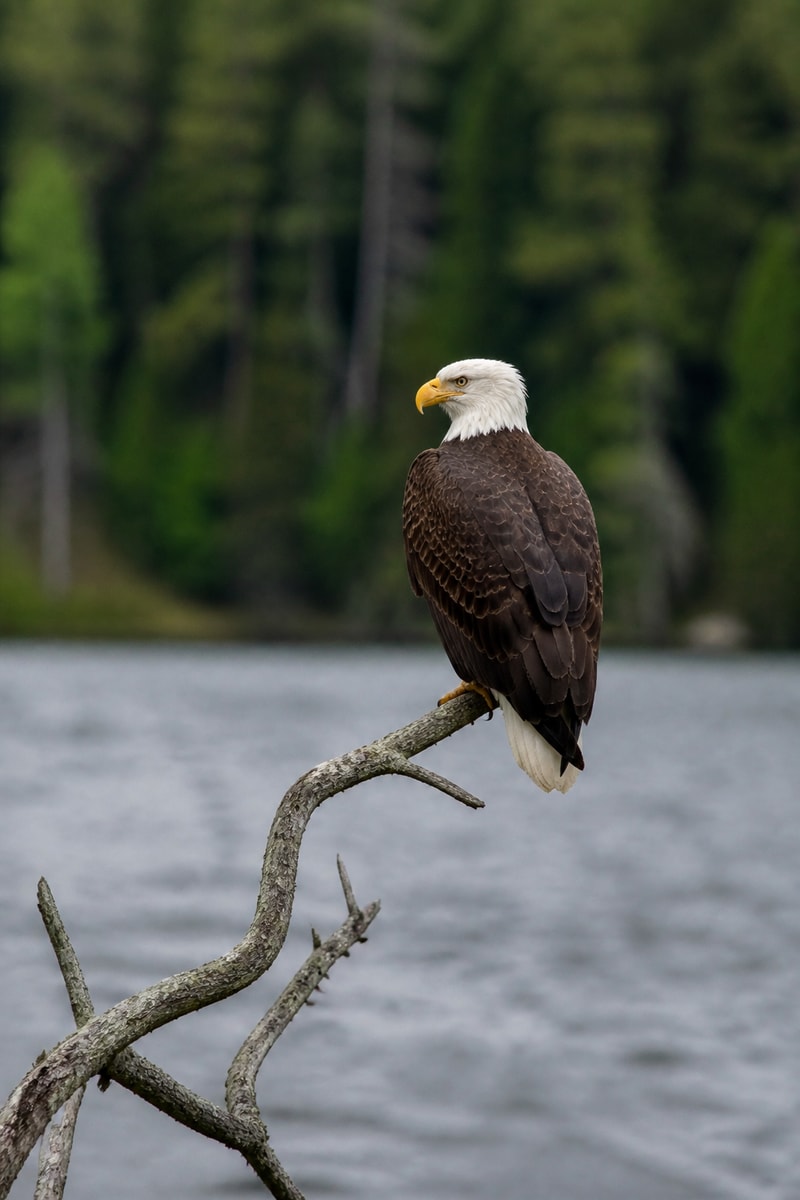
- Bald Eaglelegendary • Lakes & Coasts
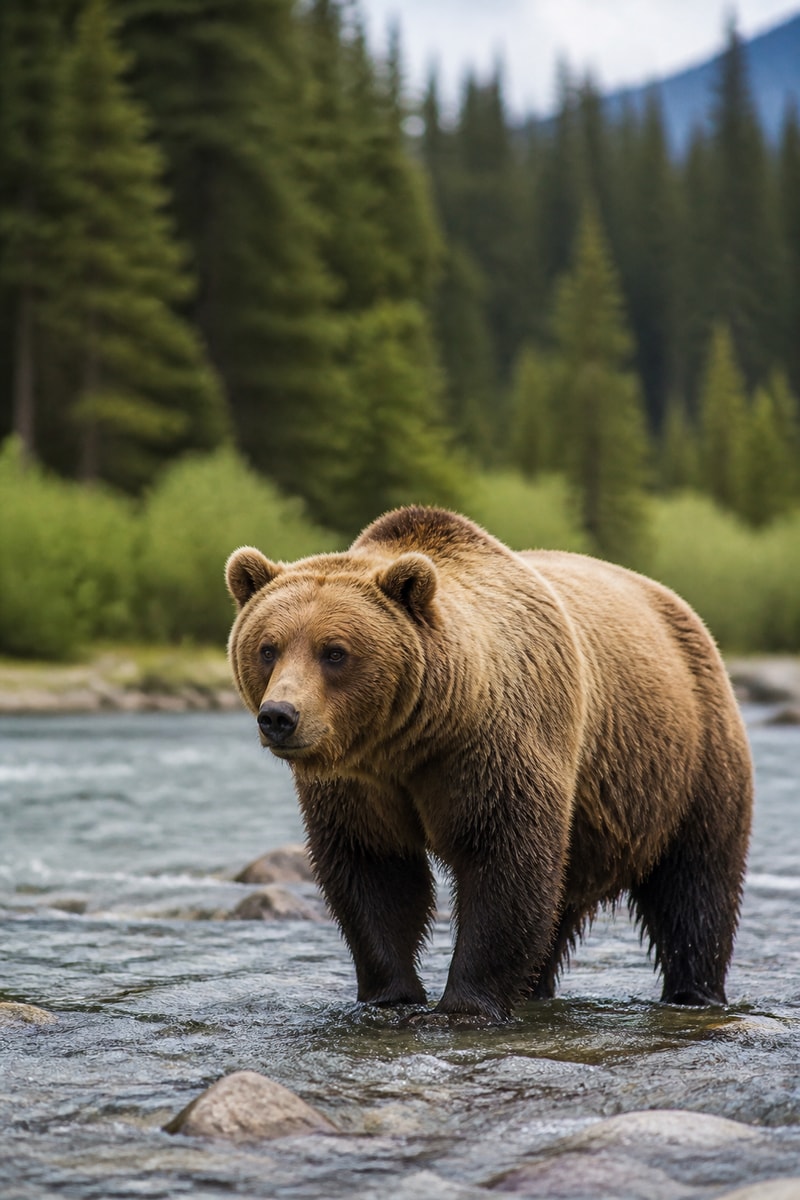
- Grizzly Bearlegendary • Mountains & Rivers
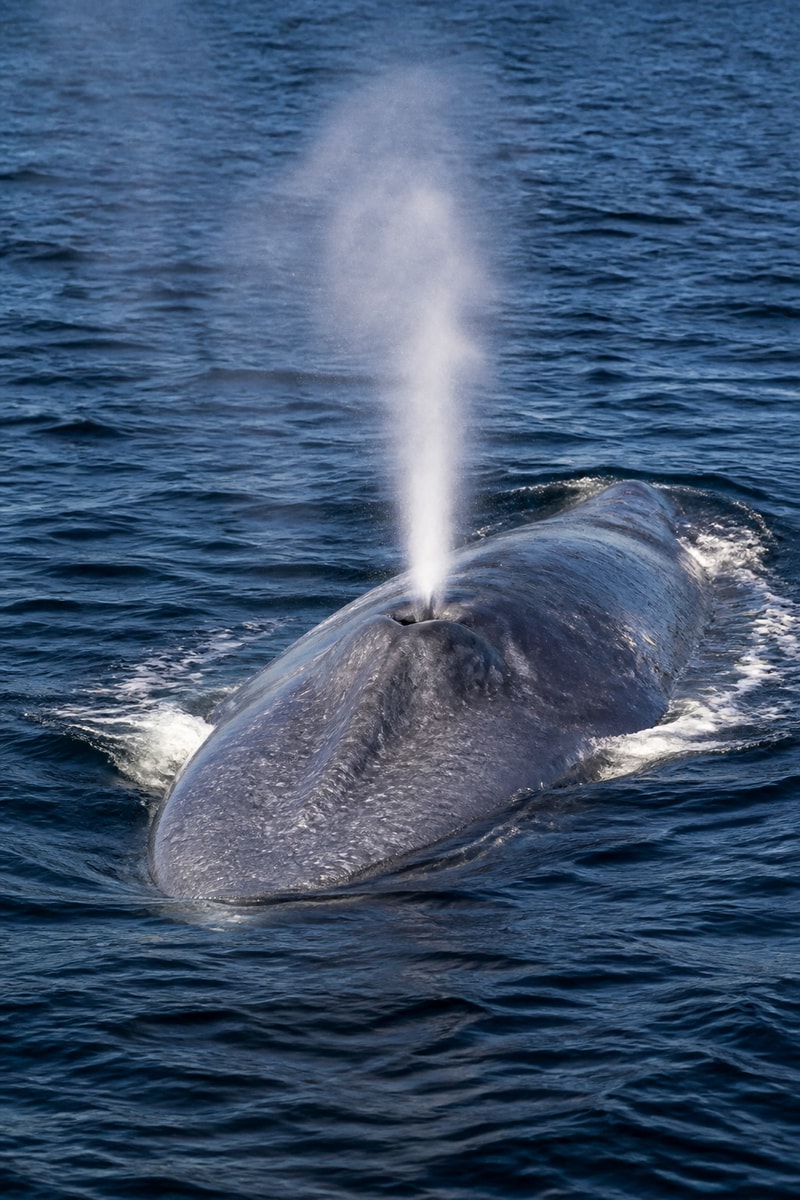
- Blue Whalelegendary • Open Ocean
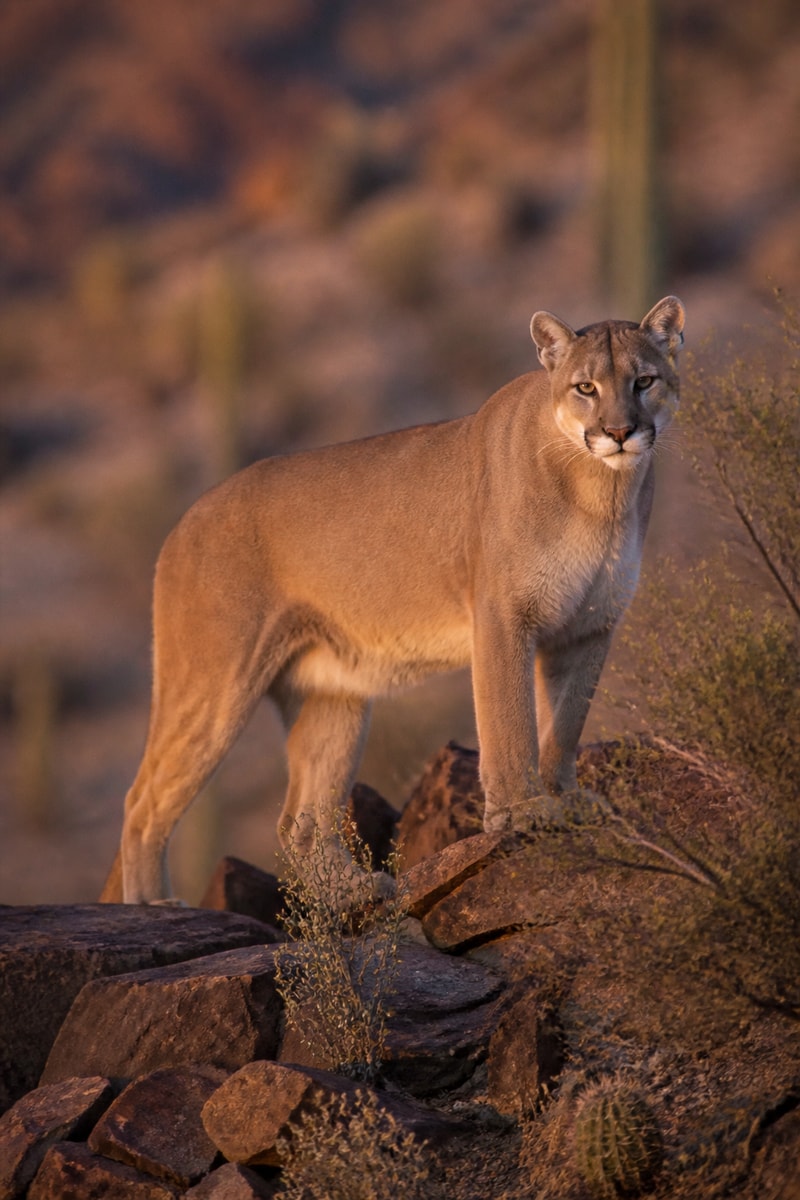
- Mountain Lionlegendary • Mountains & Desert
- Great White Sharklegendary • Coastal Ocean
- Orcalegendary • Coastal Ocean
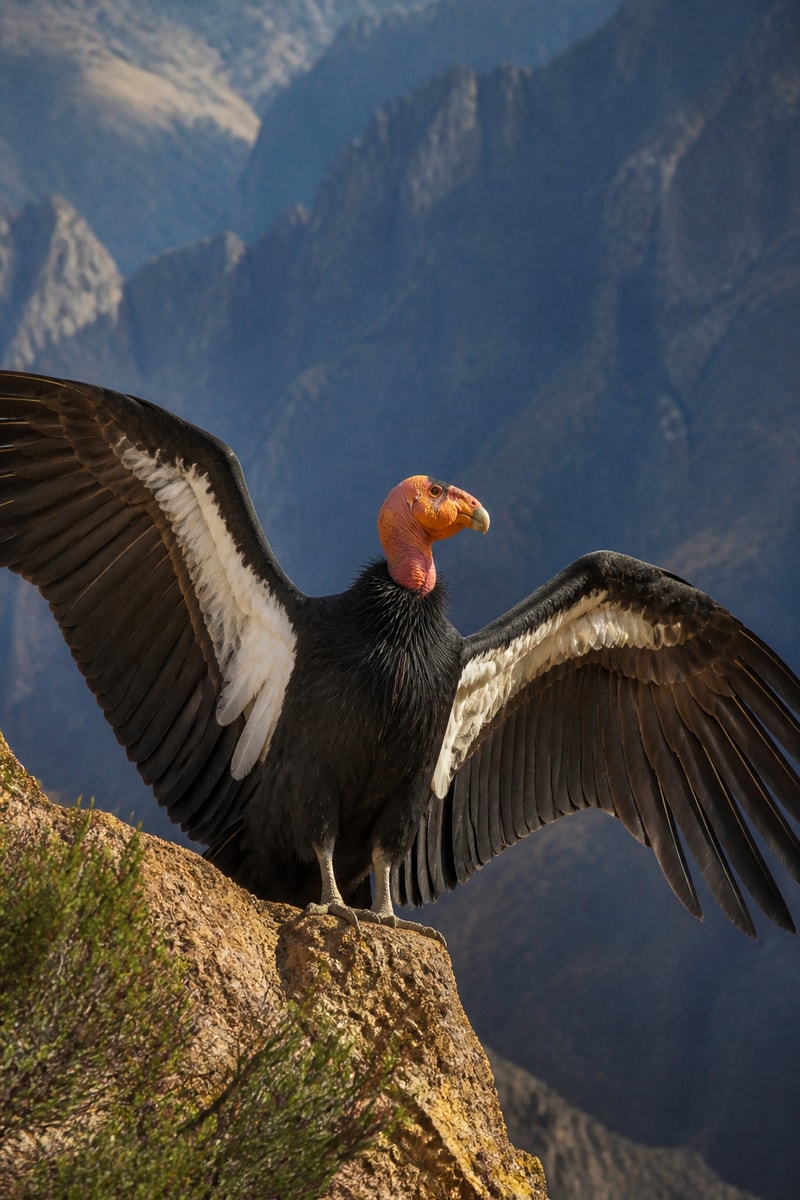
- California Condorlegendary • Canyons & Cliffs
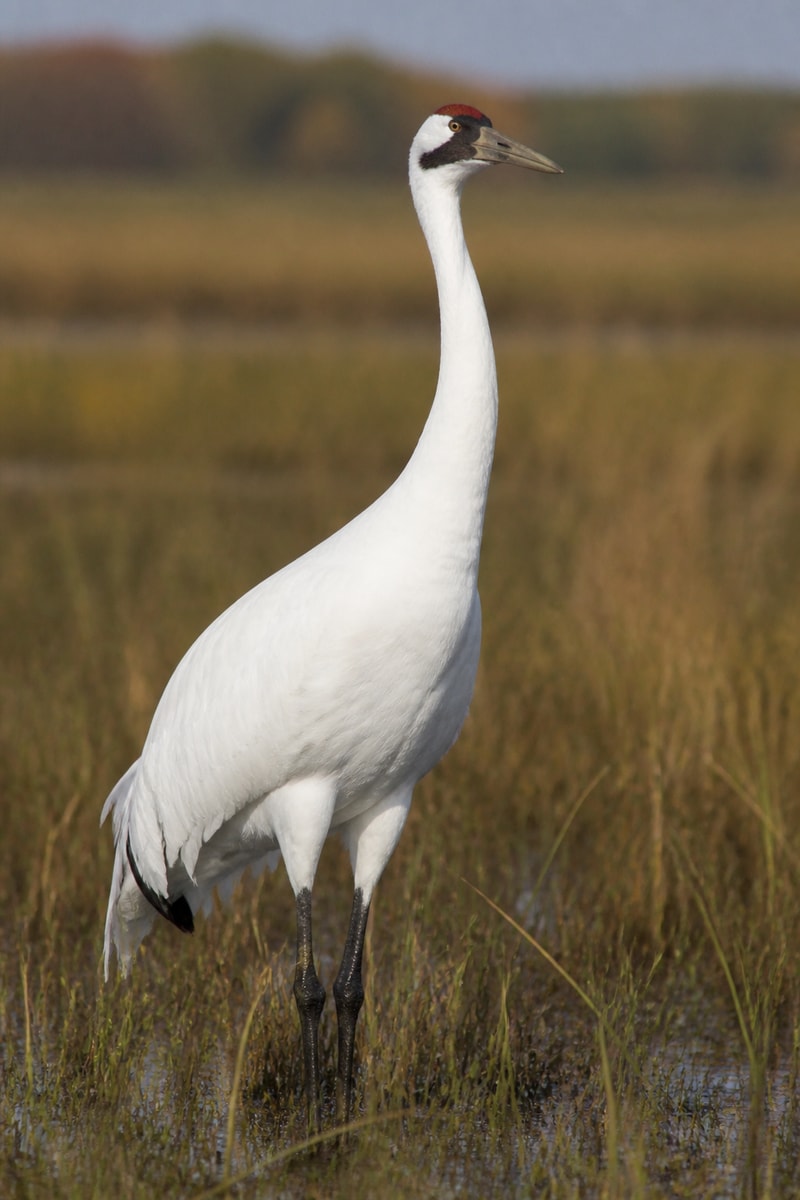
- Whooping Cranelegendary • North American Wetlands
Free on iOS
Catch the Raccoon
Spot one in the wild, then scan it in Catch'Um to log your common discovery.