
Field guide · common
Pronghorn
The West's speed specialist — America's fastest land mammal, built for open prairie.
Least Concern
Antilocapra americana
Overview
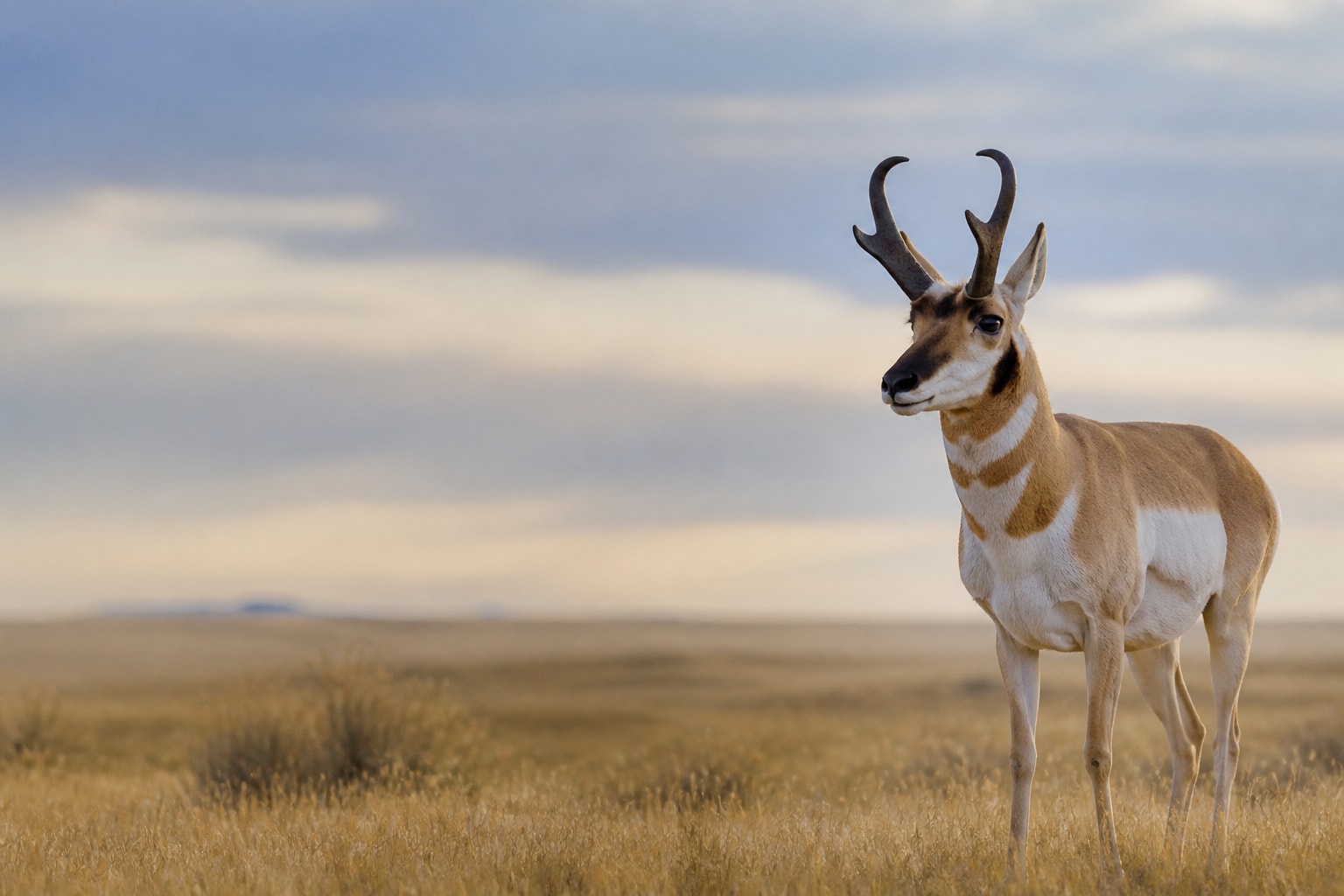
Pronghorns are uniquely North American ungulates — not true antelope — famous as the fastest land mammals in the Americas. Hollow hairs and huge eyes suit life on open plains where speed beats cover.
For United States collectors, a pronghorn sprinting across sagebrush country is a pure plains card.
- Scientific nameAntilocapra americana
- Length130–150 cm
- Height80–100 cm at shoulder
- Weight40–65 kg
- LifespanAround 7–10 years in the wild
- DietBrowse forbs
- ConservationLeast Concern
- RegionNorth American Plains
Where to see them
Habitat
- Shortgrass prairie
- Sagebrush steppe
- Desert grassland
Open grasslands, sagebrush steppe, and deserts of western North America with long sightlines for spotting predators and room to run.
Field notes
Field scale for the Pronghorn: length around 130-150 cm; height 80-100 cm at shoulder; weight 40-65 kg. Typical lifespan: Around 7-10 years in the wild.
When you are scanning habitat, prioritise shortgrass prairie, sagebrush steppe, and desert grassland. Those settings are where a clean look and a usable photo are most likely.
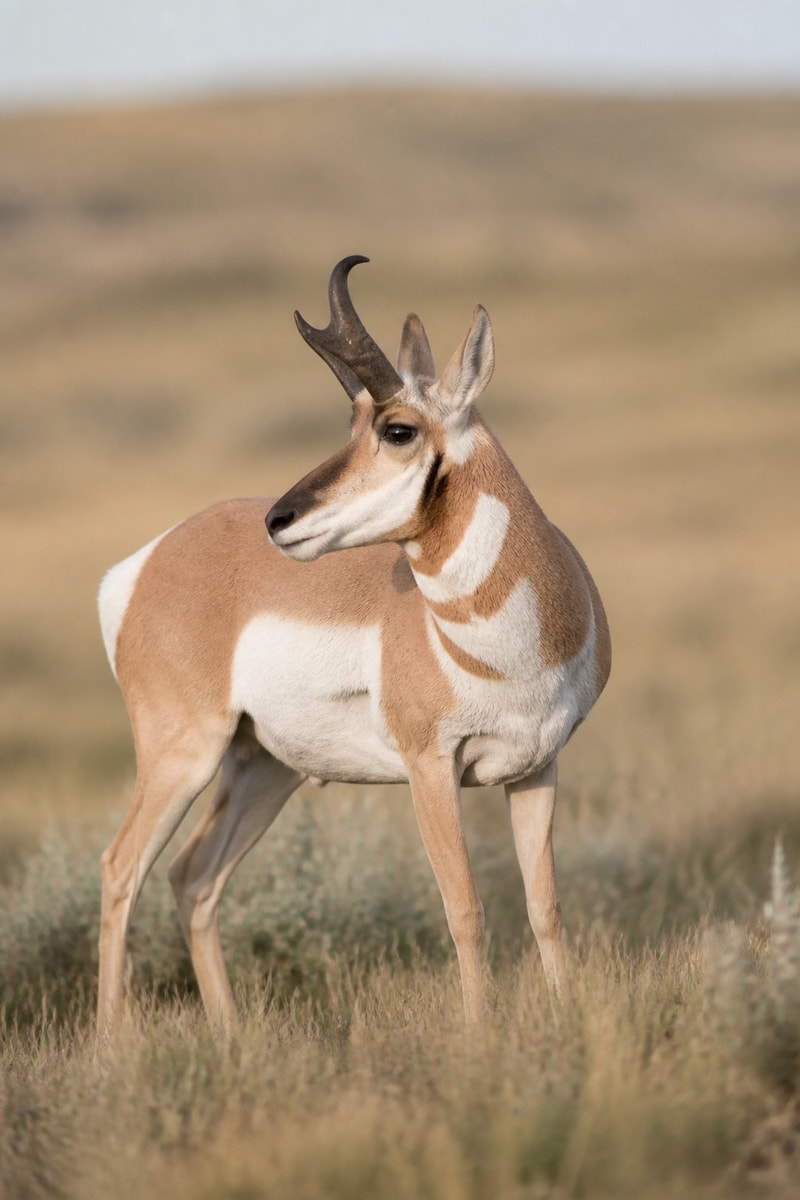
Quick ID anchor: Tan to reddish coat with white belly, throat bars, and rump patch; bucks have black facial masks. Confirm with behaviour and habitat before you log the discovery.
Diet
Browse forbs, sagebrush, and other shrubs; graze grasses when green.
Select nutrient-rich plants across wide home ranges.
Behaviour
Form herds that shift with seasons; bucks defend territories in the rut.
Rely on speed and vision rather than dense cover to escape predators.
How to identify
Tan to reddish coat with white belly, throat bars, and rump patch; bucks have black facial masks.
Forward-branching horns (pronged) on males; females may have short spikes.
Interesting facts
- 01
Fastest land mammal in North America — over 80 km/h in bursts.
- 02
Not a true antelope; the only living member of its family.
- 03
Horns have a bony core with a shed keratin sheath each year.
- 04
Enormous eyes give nearly 360° vision on open plains.
- 05
Hollow hair provides insulation in harsh weather.
- 06
Fawns hide motionless in grass for their first weeks.
Conservation status
Pronghorns are Least Concern after recovering from historic lows, though fences, energy development, and habitat fragmentation still block migration routes across the American West.
Sources: IUCN Red List
Related discoveries


Keep exploring
Related discoveries
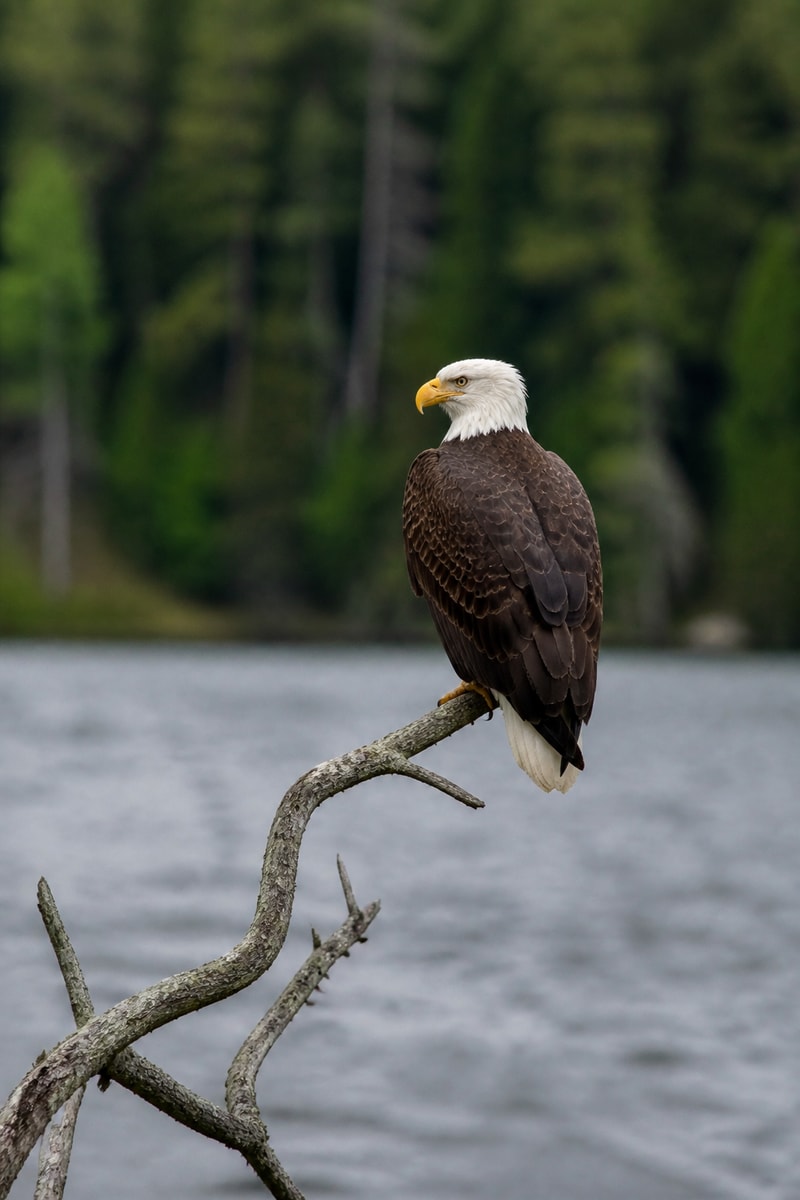
- Bald Eaglelegendary • Lakes & Coasts
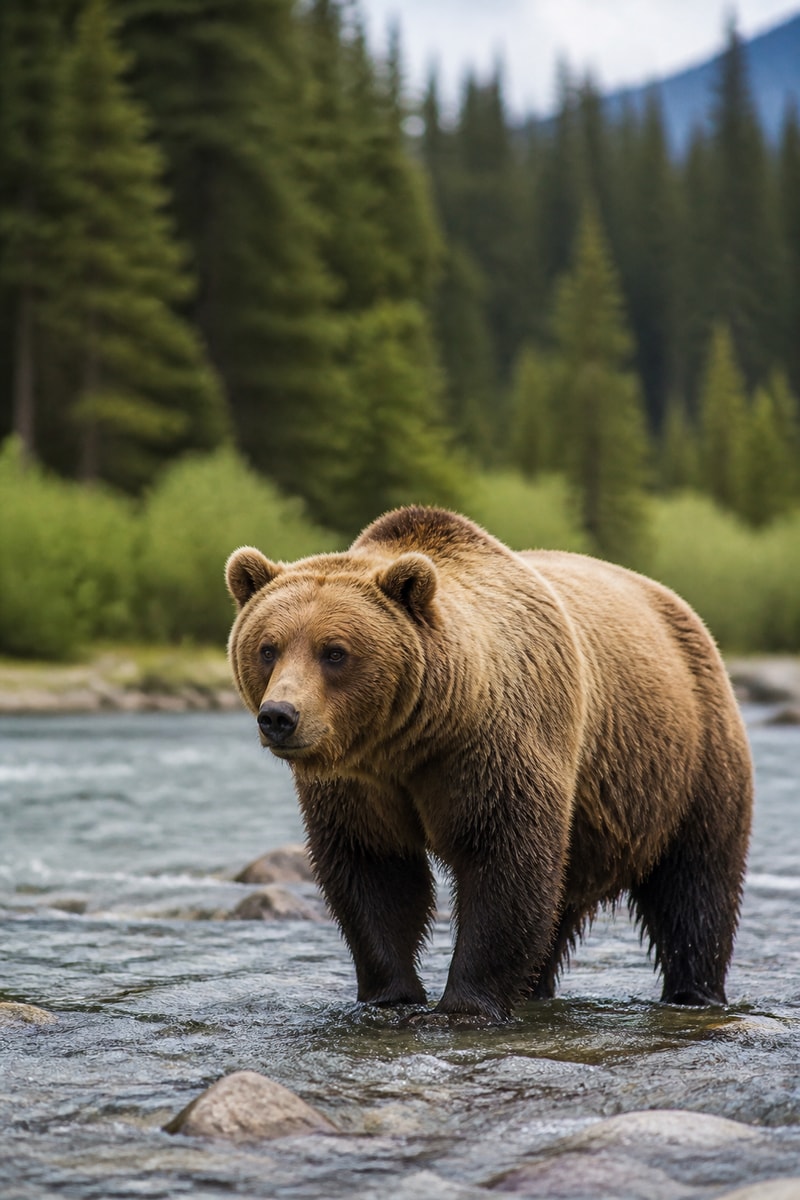
- Grizzly Bearlegendary • Mountains & Rivers
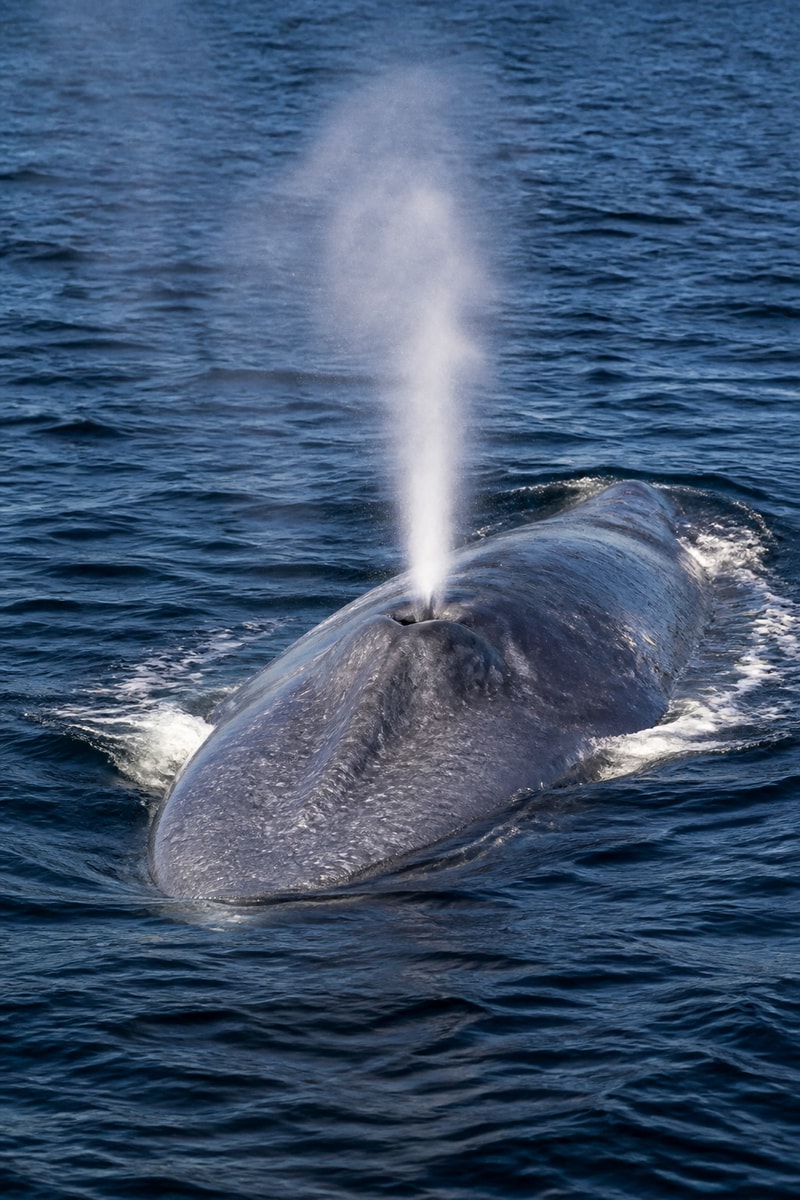
- Blue Whalelegendary • Open Ocean
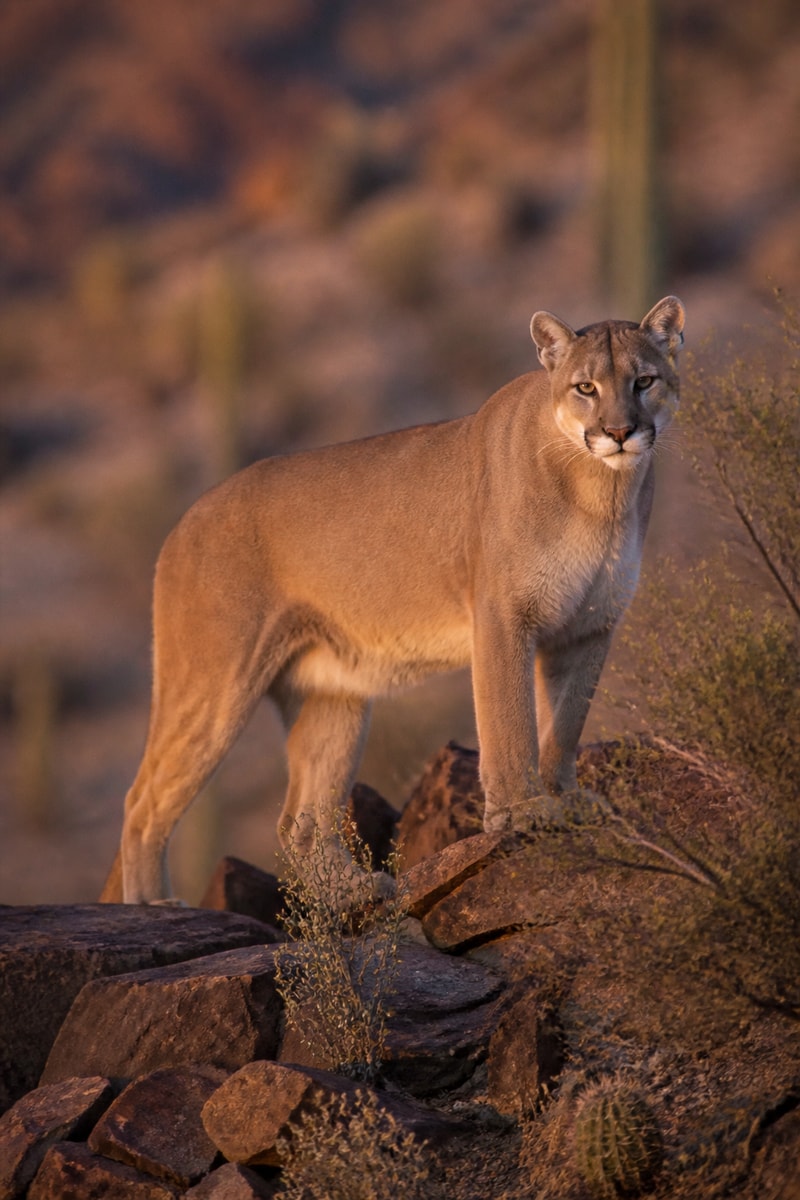
- Mountain Lionlegendary • Mountains & Desert
- Great White Sharklegendary • Coastal Ocean
- Orcalegendary • Coastal Ocean
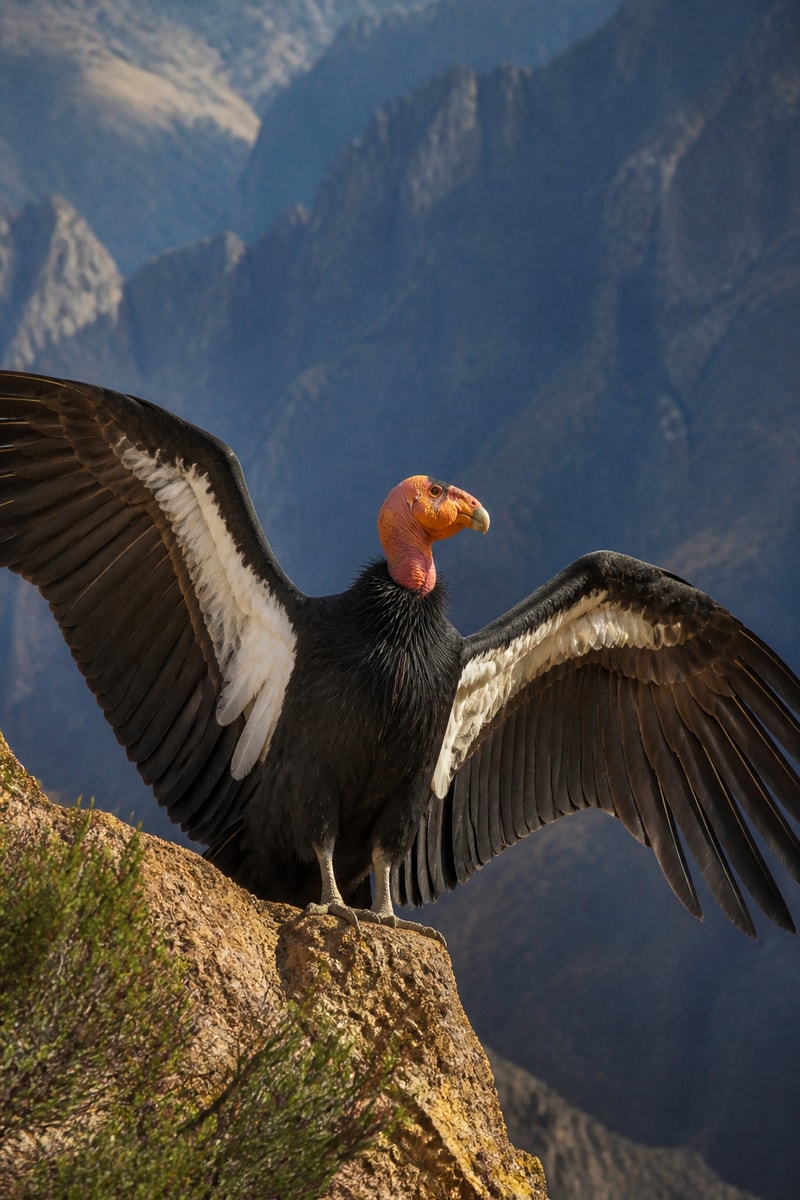
- California Condorlegendary • Canyons & Cliffs
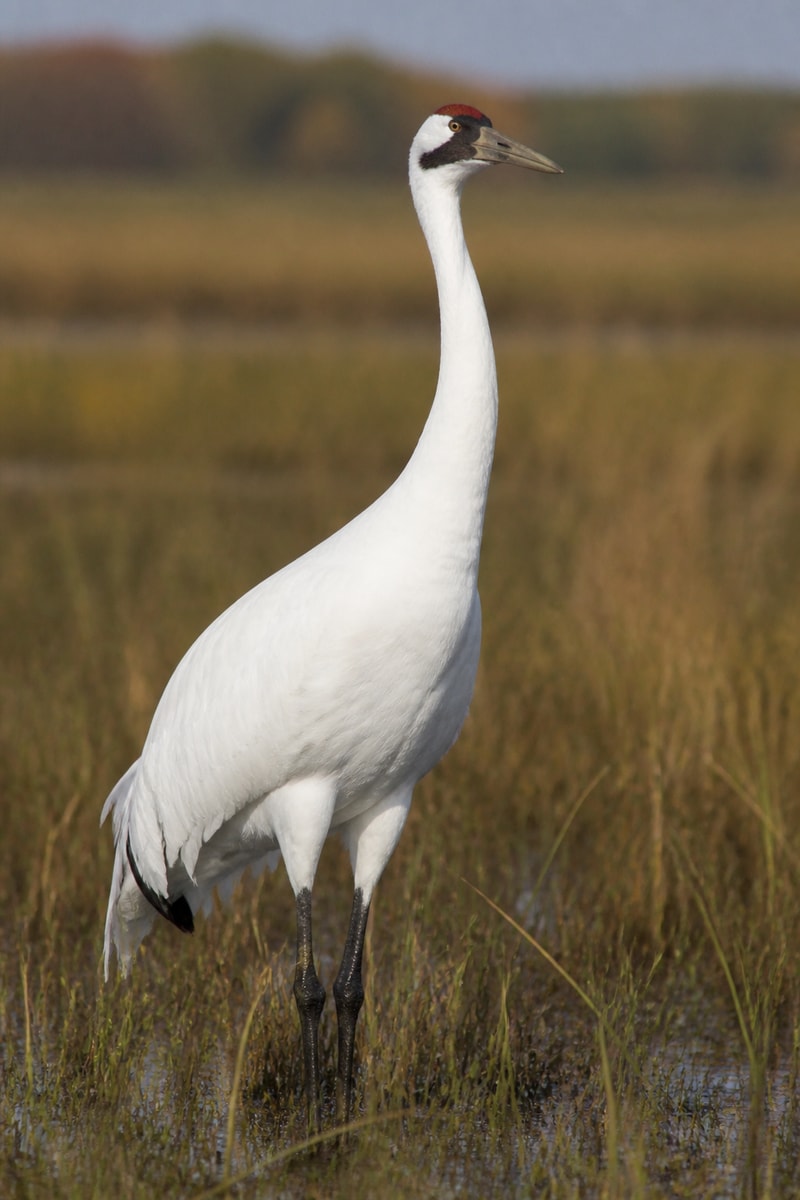
- Whooping Cranelegendary • North American Wetlands
Free on iOS
Catch the Pronghorn
Spot one in the wild, then scan it in Catch'Um to log your common discovery.