
Field guide · common
Praying Mantis
Folded forelegs, swivel head, ambush strike — the classic garden mantis of North America.
Least Concern
Tenodera sinensis
Overview
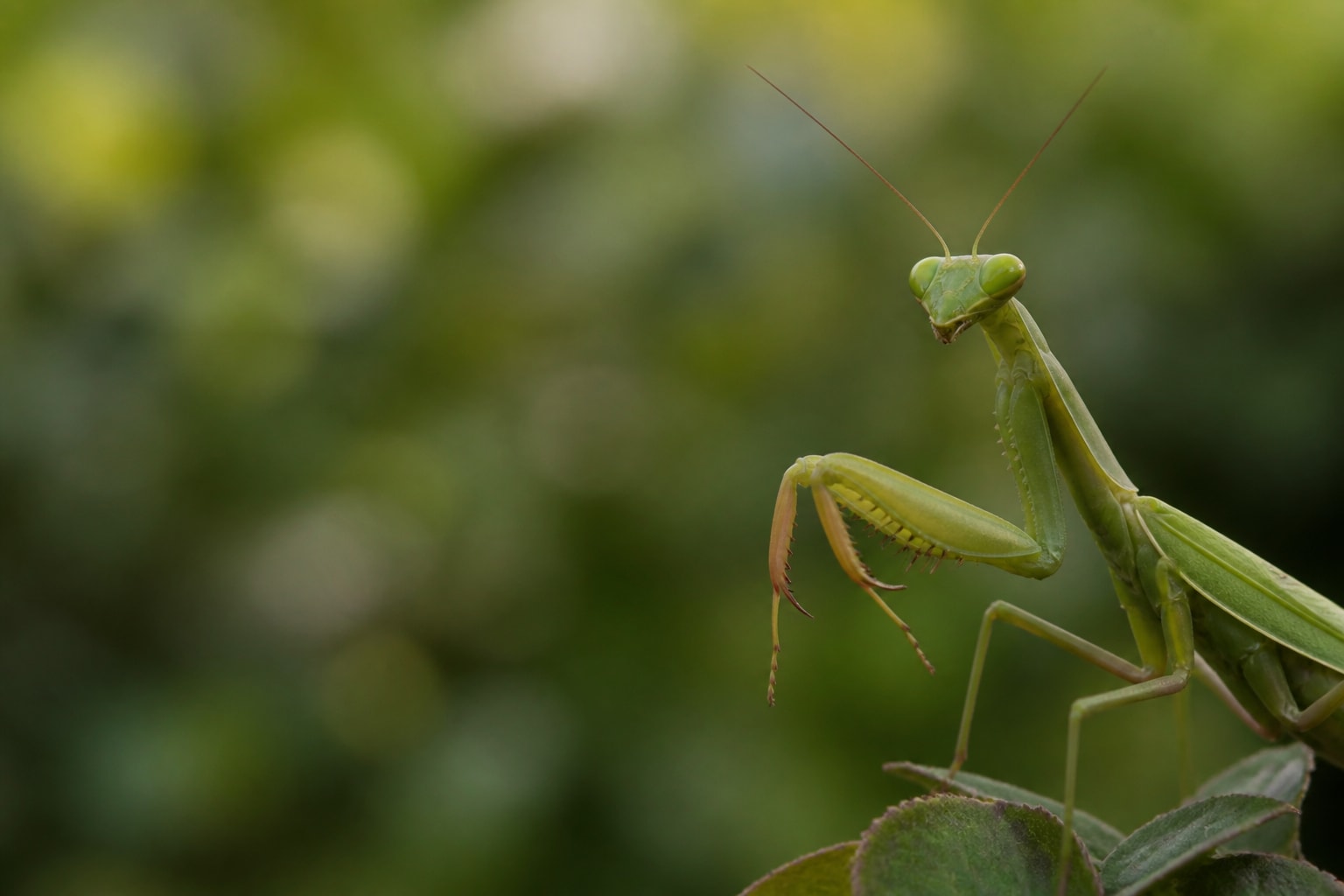
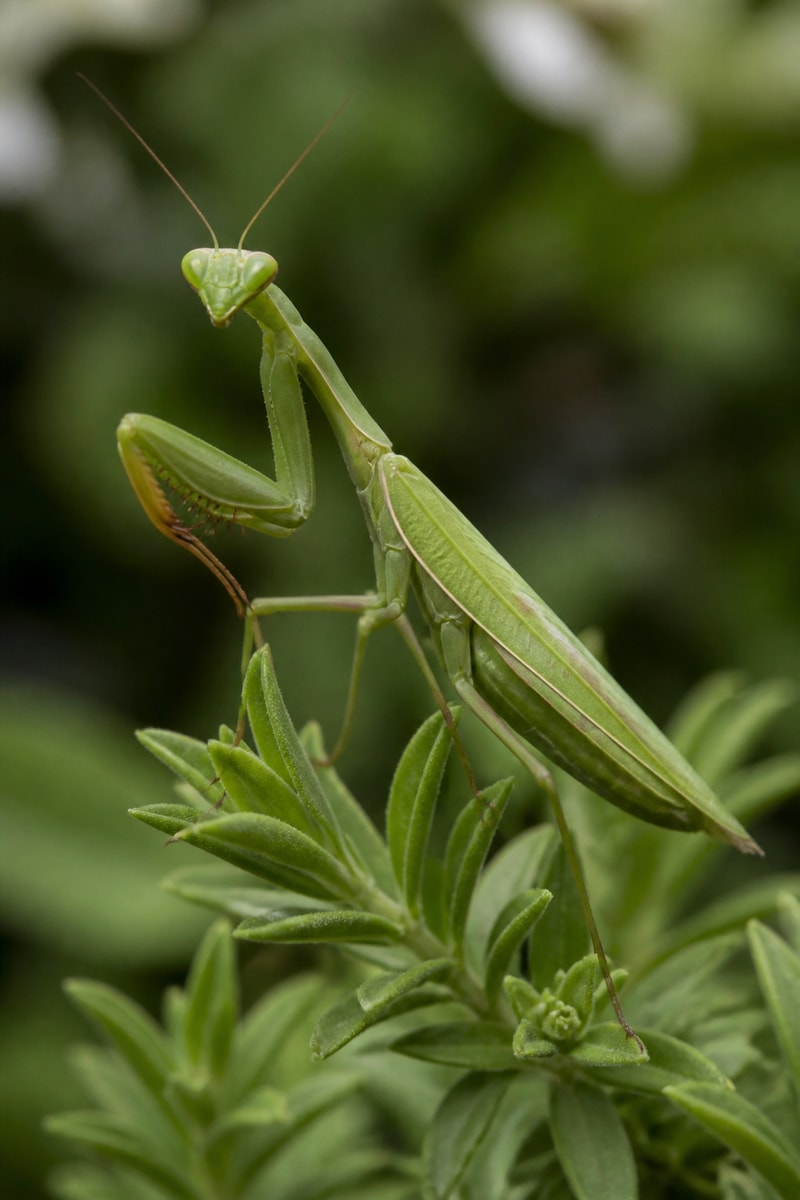
The Chinese mantis is the large praying mantis most often seen in US gardens and fields. Introduced from Asia and now widespread, it waits motionless with raptorial forelegs folded, then snatches bees, flies, and other insects in a blur.
For US collectors, praying mantis is a common garden predator card — triangular head, lightning grab, and a favourite find on late-summer stems and porches.
- Scientific nameTenodera sinensis
- Length7–11 cm
- LifespanAround 6–12 months in a single season
- DietSoft-bodied and flying…
- ConservationLeast Concern
- RegionUS Gardens & Fields
Where to see them
Habitat
- Garden border
- Meadow
- Field edge
- Shrubbery
Gardens, meadows, fields, and shrub edges across much of the United States, especially where tall weeds and flowers host abundant insect prey.
Field notes
Field scale for the Praying Mantis: length around 7-11 cm. Typical lifespan: Around 6-12 months in a single season.
When you are scanning habitat, prioritise garden border, meadow, field edge, and shrubbery. Those settings are where a clean look and a usable photo are most likely.
Quick ID anchor: Large green or brown mantid, often 7-10 cm, with a long thorax and triangular head. Confirm with behaviour and habitat before you log the discovery.
Diet
Soft-bodied and flying insects — flies, bees, moths, crickets, and occasionally small vertebrates.
Ambush from stems, striking with spiked forelegs in milliseconds.
Behaviour
Sit-and-wait hunters that sway like foliage to stay cryptic.
Females lay foam egg cases in autumn; nymphs emerge in spring.
How to identify
Large green or brown mantid, often 7–10 cm, with a long thorax and triangular head.
Chinese mantis shows a yellow spot between the foreleg bases; wings usually cover the abdomen in adults.
Interesting facts
- 01
Chinese mantis is the large species most common in US gardens.
- 02
Raptorial forelegs fold in a ‘praying’ pose before the strike.
- 03
Can rotate the head to track prey — rare among insects.
- 04
Egg cases (oothecae) overwinter glued to stems and fences.
- 05
Ambush predators of flies, bees, butterflies, and other insects.
- 06
Introduced from Asia; now established across much of the US.
Conservation status
Chinese mantises are not threatened and are widely established in North America after introduction. They are generalist predators that may also take beneficial insects and smaller native mantids.
Sources: IUCN Red List
Related discoveries







Keep exploring
Related discoveries
- Bald Eaglelegendary • Lakes & Coasts
- Grizzly Bearlegendary • Mountains & Rivers
- Blue Whalelegendary • Open Ocean
- Mountain Lionlegendary • Mountains & Desert
- Great White Sharklegendary • Coastal Ocean
- Orcalegendary • Coastal Ocean
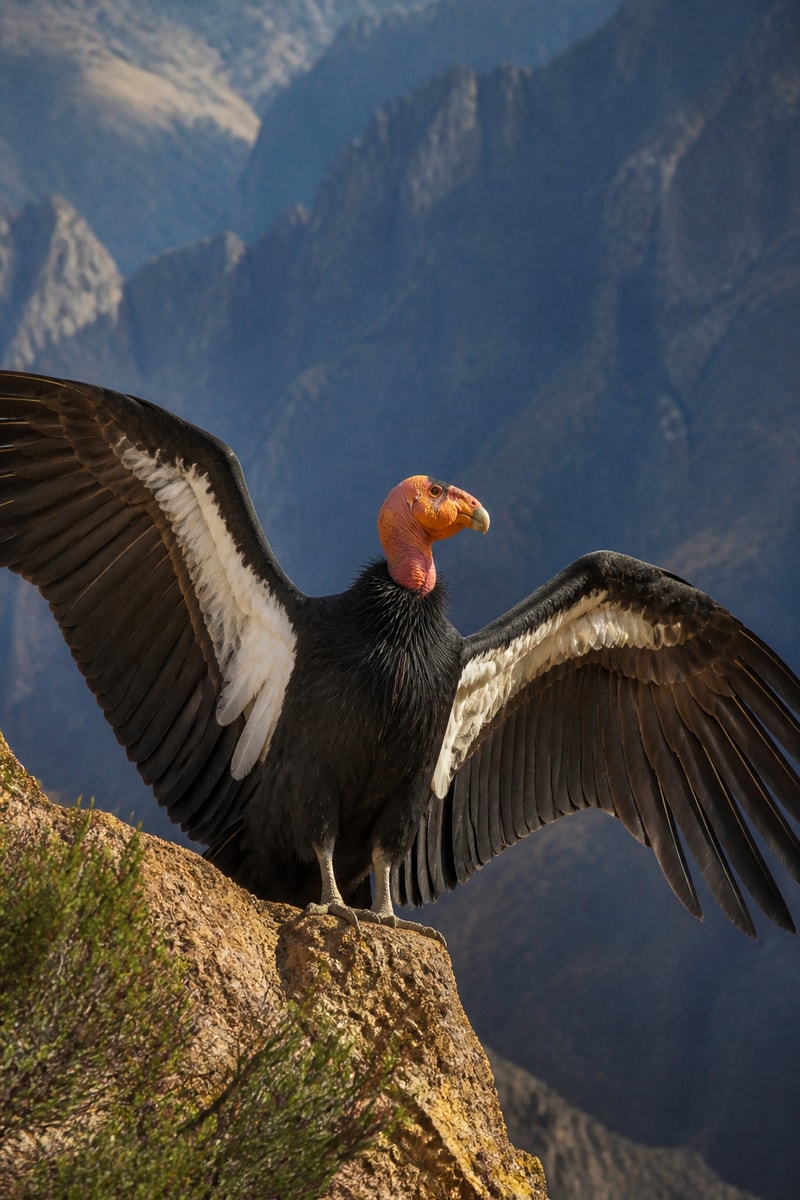
- California Condorlegendary • Canyons & Cliffs
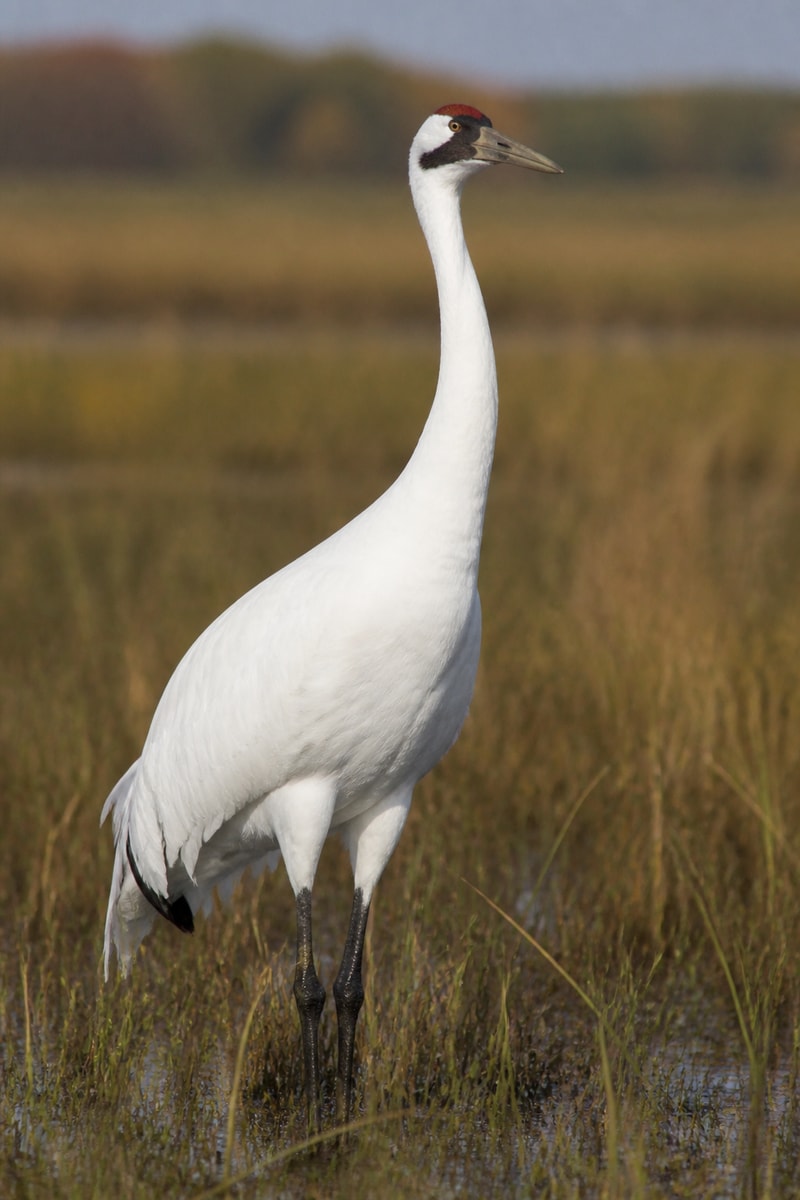
- Whooping Cranelegendary • North American Wetlands
Free on iOS
Catch the Praying Mantis
Spot one in the wild, then scan it in Catch'Um to log your common discovery.