
Field guide · rare
Pileated Woodpecker
Crow-sized crimson-crested carpenter — rectangular holes in big timber.
Least Concern
Dryocopus pileatus
Overview
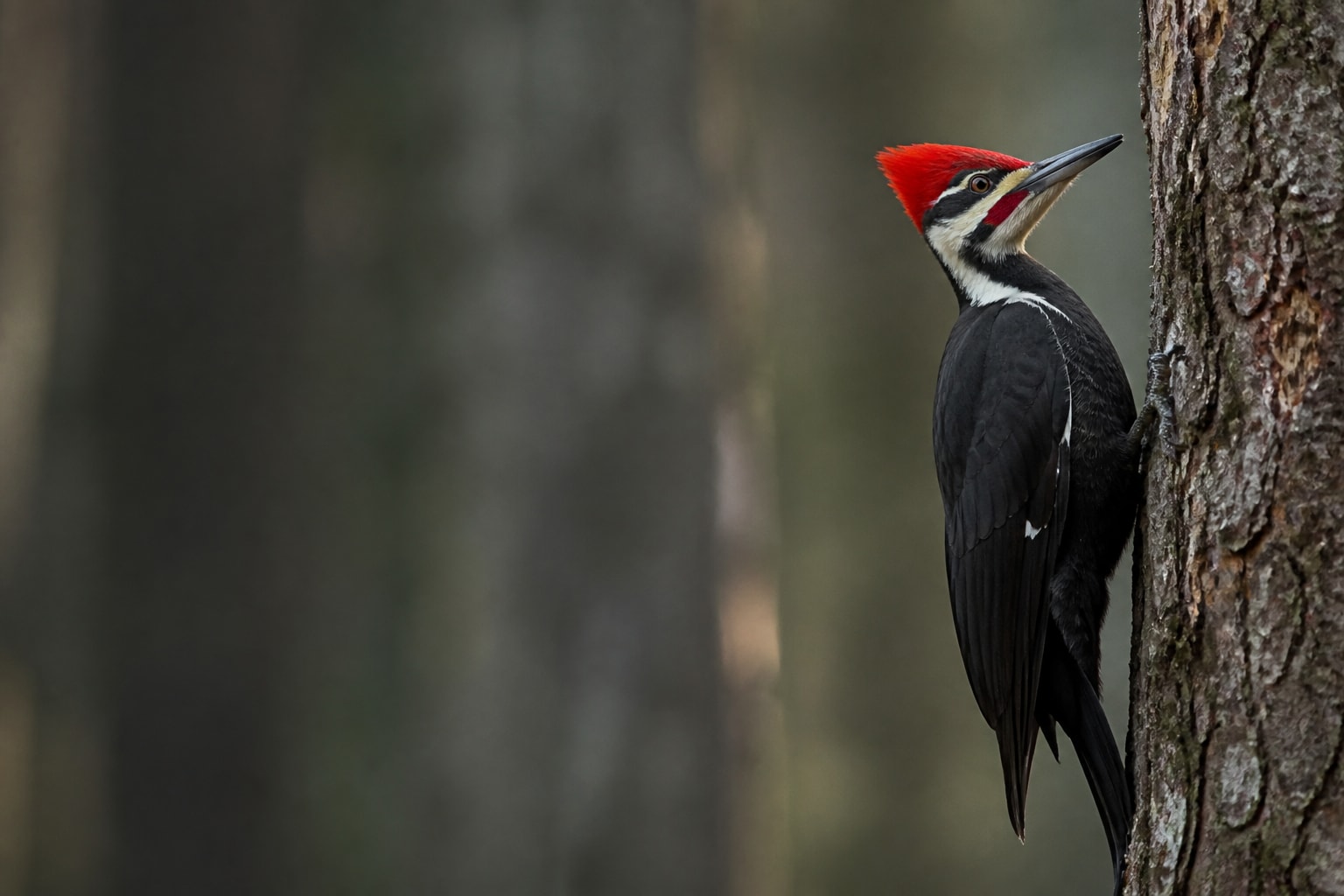
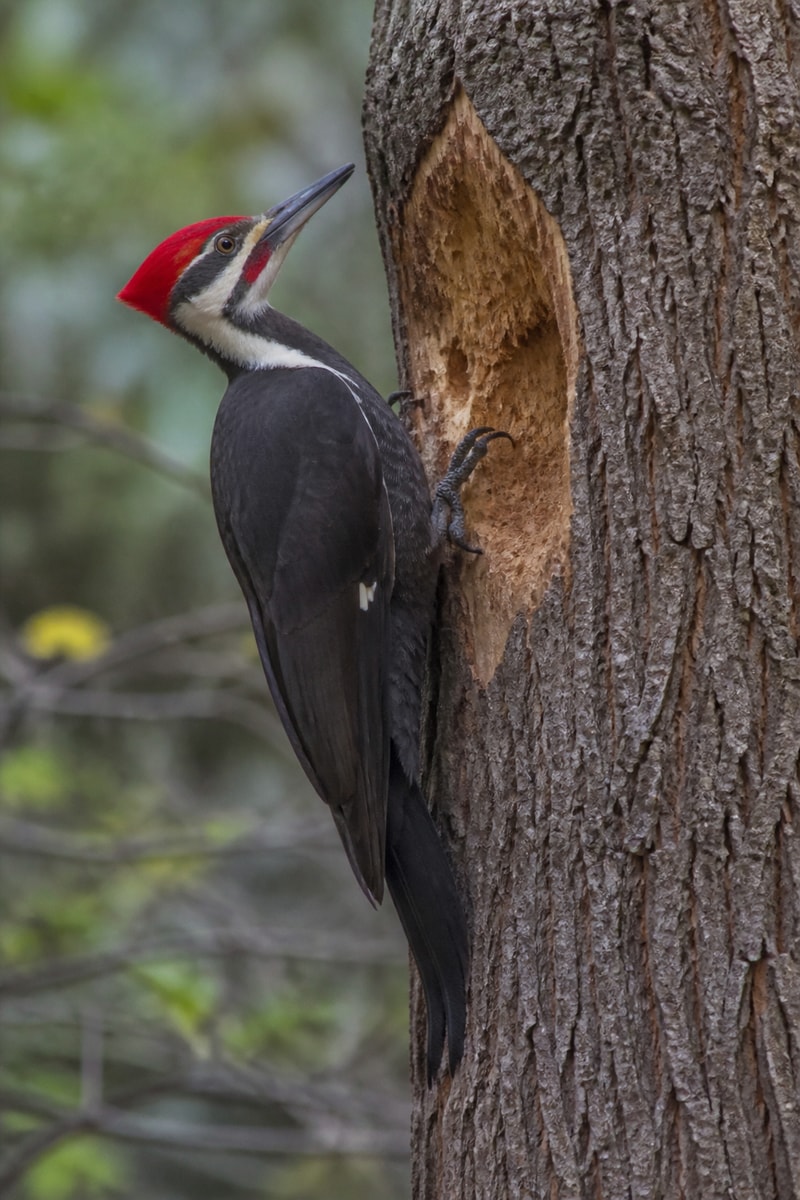
Pileated woodpeckers are crow-sized forest woodpeckers with flaming red crests and bold black-and-white patterning. They hammer large rectangular excavations in dead wood for carpenter ants, and their loud kuk-kuk calls and deep drums carry through mature woods.
For US collectors, the pileated is a rare big-woods prize — red crest, rectangular nest hole, and the closest living feel to an ivory-bill on an eastern forest trail.
- Scientific nameDryocopus pileatus
- Length40–49 cm; wingspan 66–75 cm
- Weight250–350 g
- LifespanAround 5–12 years in the wild
- DietCarpenter ants and…
- ConservationLeast Concern
- RegionEastern & Northern US Forests
Where to see them
Habitat
- Mature deciduous forest
- Mixed woodland
- Bottomland hardwoods
- Large wooded park
Mature deciduous and mixed forests across eastern and northern North America with large snags, fallen logs, and continuous woodland cover.
Field notes
Field scale for the Pileated Woodpecker: length around 40-49 cm; wingspan 66-75 cm; weight 250-350 g. Typical lifespan: Around 5-12 years in the wild.
When you are scanning habitat, prioritise mature deciduous forest, mixed woodland, bottomland hardwoods, and large wooded park. Those settings are where a clean look and a usable photo are most likely.
Quick ID anchor: Crow-sized black woodpecker with a pointed red crest and white wing lining in flight. Confirm with behaviour and habitat before you log the discovery.
Diet
Carpenter ants and wood-boring insect larvae chiselled from dead wood.
Also take fruits, nuts, and occasional suet at feeders.
Behaviour
Powerful excavators that leave oblong trenches in logs and snags.
Territorial pairs drum and call loudly through forest tracts.
How to identify
Crow-sized black woodpecker with a pointed red crest and white wing lining in flight.
Long chisel bill; male shows red on the cheek (malar) stripe.
Interesting facts
- 01
Largest woodpecker commonly seen in the United States.
- 02
Bright red crest on both sexes; male has a red malar stripe.
- 03
Excavate distinctive large rectangular feeding holes.
- 04
Specialise on carpenter ants and wood-boring beetle larvae.
- 05
Loud flickering flight and ringing ‘kuk’ calls.
- 06
Need mature trees and snags for nesting cavities.
Conservation status
Pileated woodpeckers are Least Concern and have rebounded with forest recovery in parts of the East. They still depend on mature woods with large dead wood, so heavy clearing reduces local presence.
Sources: IUCN Red List
Related discoveries



Keep exploring
Related discoveries
- Bald Eaglelegendary • Lakes & Coasts
- Grizzly Bearlegendary • Mountains & Rivers
- Blue Whalelegendary • Open Ocean
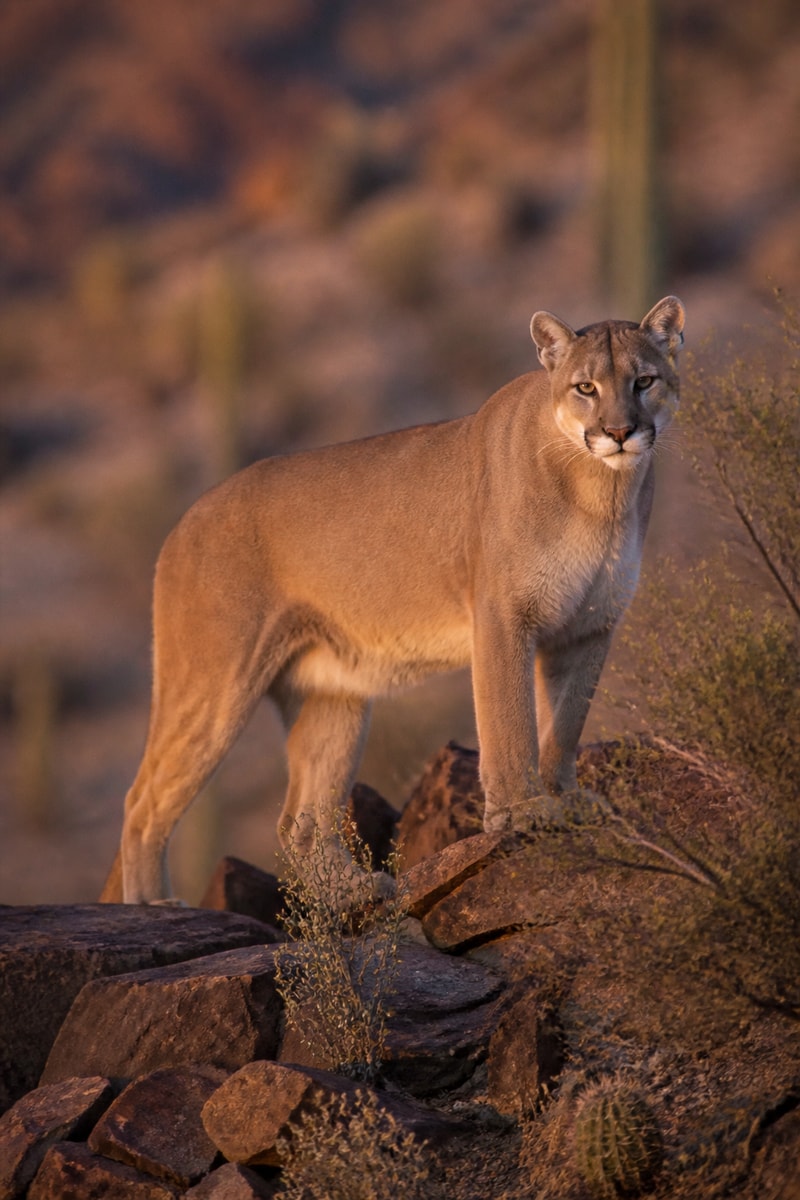
- Mountain Lionlegendary • Mountains & Desert
- Great White Sharklegendary • Coastal Ocean
- Orcalegendary • Coastal Ocean
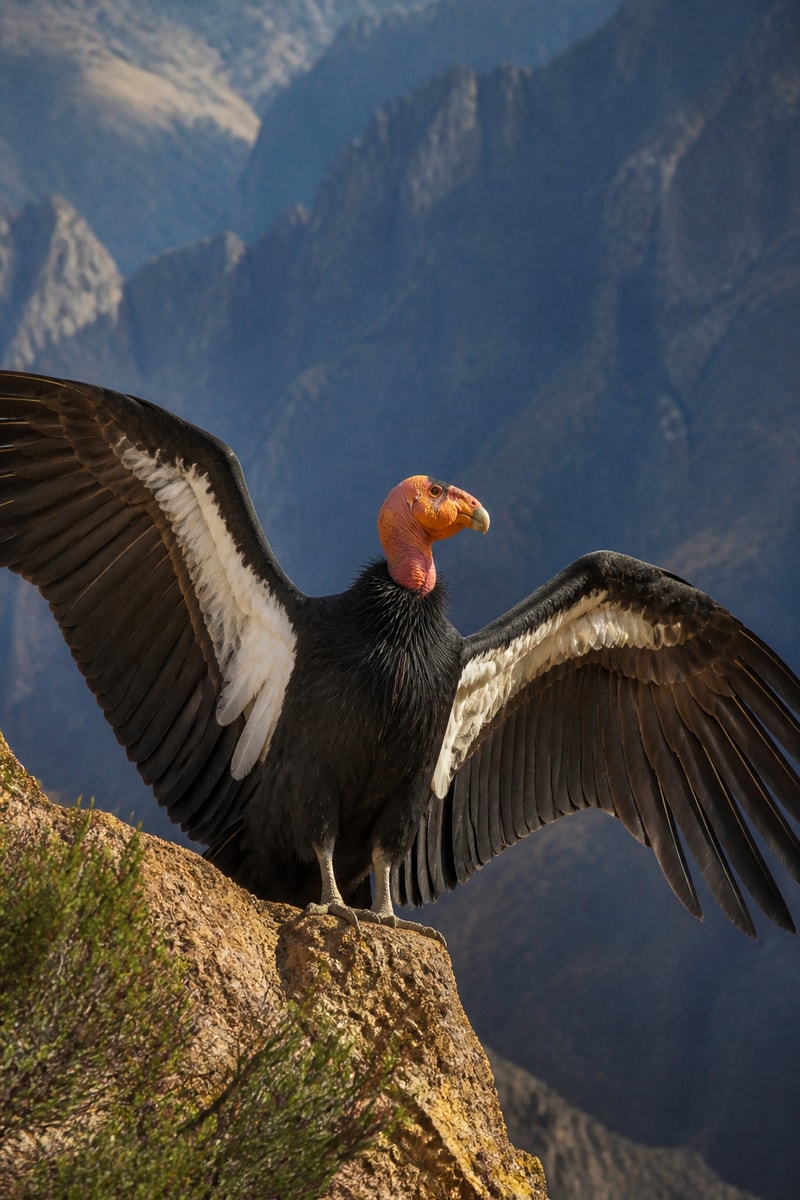
- California Condorlegendary • Canyons & Cliffs
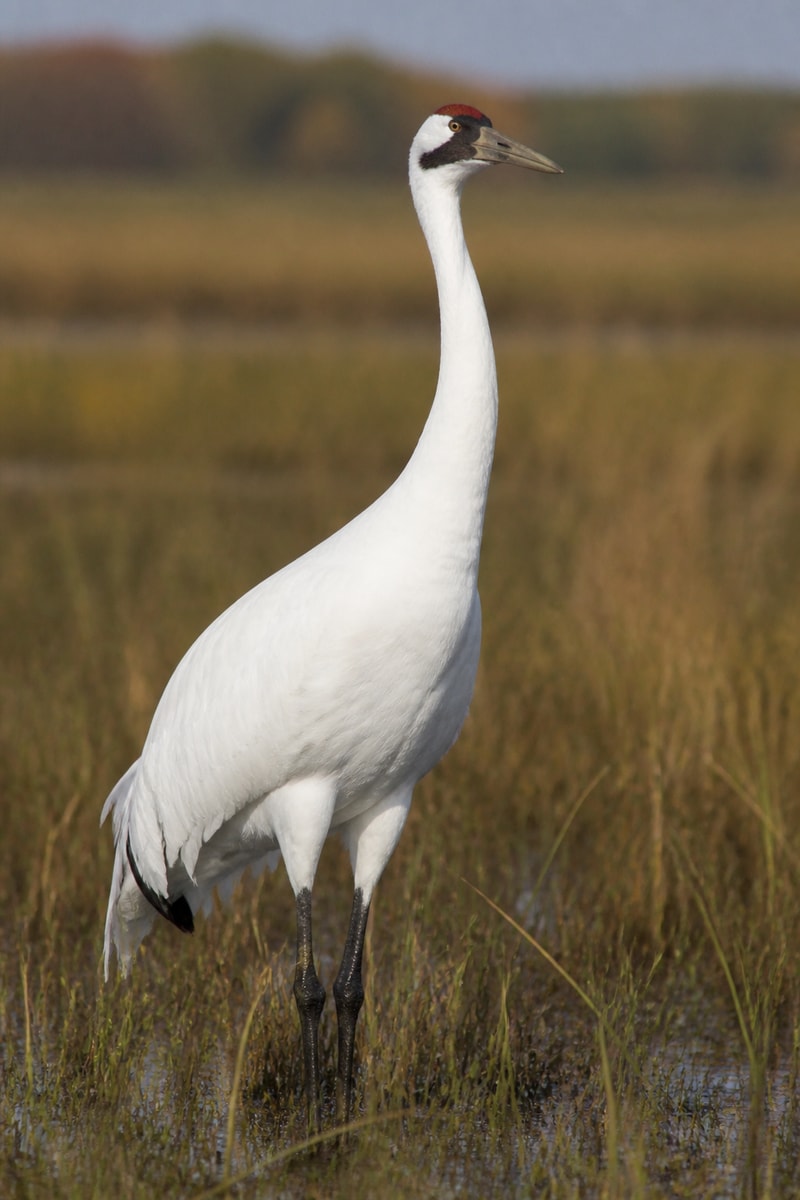
- Whooping Cranelegendary • North American Wetlands
Free on iOS
Catch the Pileated Woodpecker
Spot one in the wild, then scan it in Catch'Um to log your rare discovery.