
Field guide · rare
Peregrine Falcon
The fastest animal on Earth — a slate-backed hunter that stoops on prey at over 300 km/h.
Least Concern
Falco peregrinus
Overview
Peregrine falcons are cosmopolitan raptors famous for hunting other birds in mid-air with breathtaking stoops. Recovered from pesticide crashes in the mid-20th century, they now nest on cliffs and city skyscrapers alike.
A peregrine on a UK cathedral or US bridge is a rare, high-search discovery that works on both sides of the Atlantic.
- Scientific nameFalco peregrinus
- Length34–58 cm
- HeightWingspan 74–120 cm
- Weight0.4–1.5 kg
- LifespanAround 10–15 years in the wild
- DietAlmost exclusively birds
- ConservationLeast Concern
- RegionCliffs & Cities
Where to see them
Habitat
- Sea cliffs
- Mountains
- Cities
- Coasts
Peregrines nest on tall cliffs, quarries, and increasingly urban towers and bridges worldwide, hunting open skies over coasts, wetlands, and cities where prey birds concentrate.
Field notes
Field scale for the Peregrine Falcon: length around 34-58 cm; height Wingspan 74-120 cm; weight 0.4-1.5 kg. Typical lifespan: Around 10-15 years in the wild.
When you are scanning habitat, prioritise sea cliffs, mountains, cities, and coasts. Those settings are where a clean look and a usable photo are most likely.
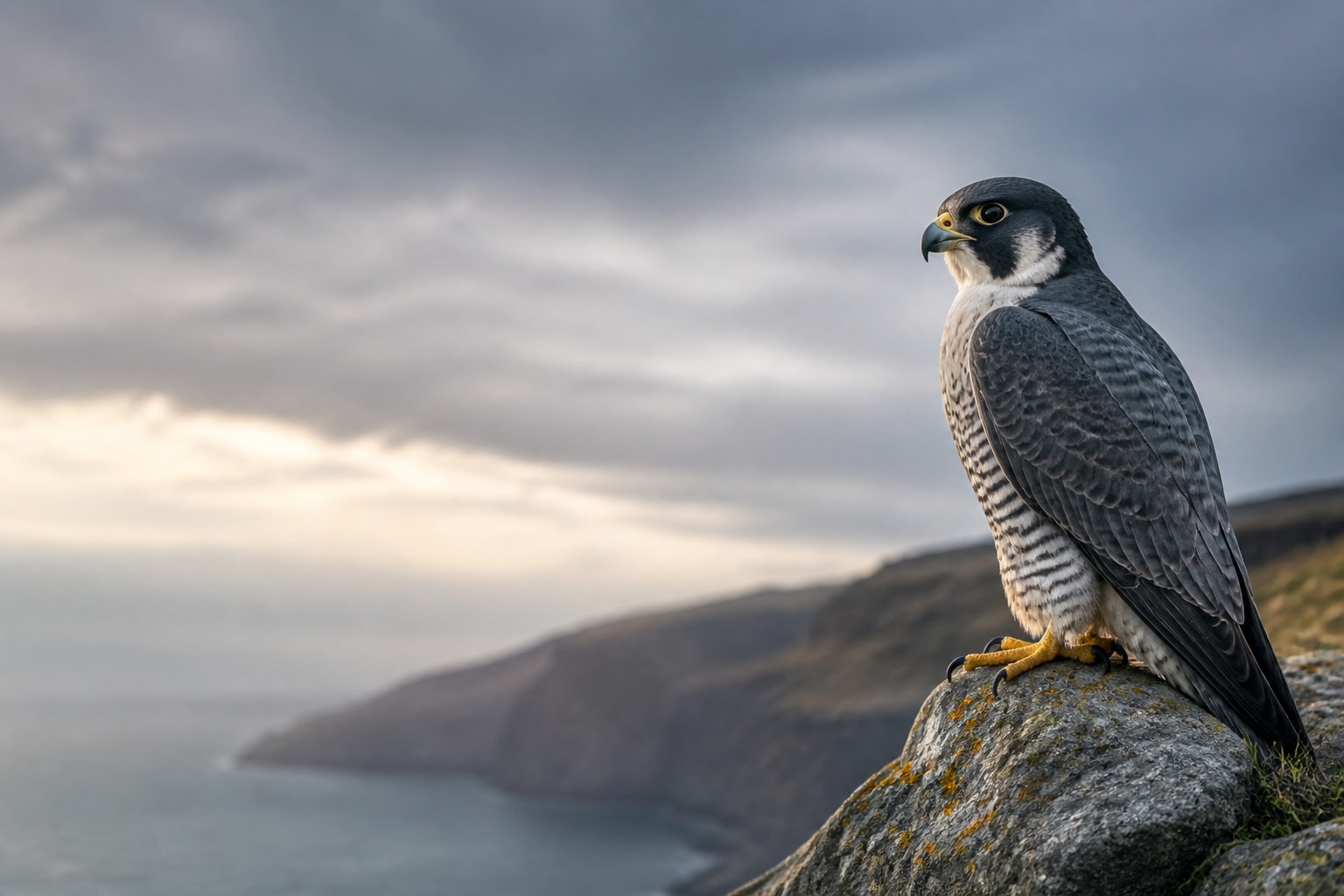
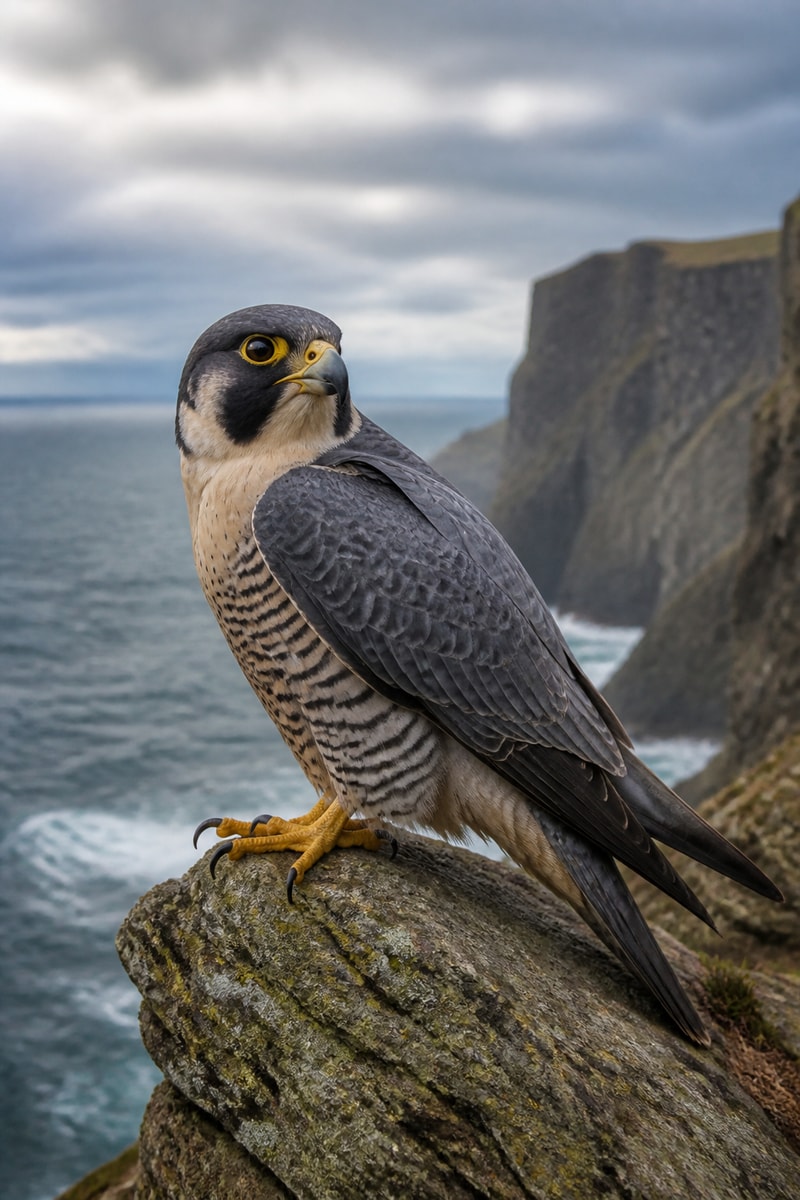
Quick ID anchor: Slate-grey back, barred white underparts, and a bold black 'moustache' on a white face. Confirm with behaviour and habitat before you log the discovery.
Diet
Almost exclusively birds — pigeons, ducks, shorebirds, and songbirds taken in flight.
Hunt by high stoop or fast pursuit.
Behaviour
Territorial nesters on cliffs or tall structures; pairs often mate for multiple seasons.
Famous for spectacular aerial displays and hunting stoops.
How to identify
Slate-grey back, barred white underparts, and a bold black 'moustache' on a white face.
Pointed wings and rapid, powerful flight; juveniles browner and more streaked.
Interesting facts
- 01
Peregrines are the fastest animals on Earth in a hunting stoop — over 300 km/h.
- 02
They catch birds in mid-air with a clenched-foot strike.
- 03
Populations crashed from DDT then recovered after bans.
- 04
Urban pairs often nest on bridges, cathedrals, and skyscrapers.
- 05
The name 'peregrine' means wanderer — some populations migrate long distances.
- 06
Chicks (eyasses) are raised on cliff ledges or nest boxes.
Conservation status
Peregrine falcons are Least Concern after a remarkable recovery from organochlorine pesticides. Ongoing threats include illegal persecution and collisions, but many urban and cliff populations are now stable.
Sources: IUCN Red List
Related discoveries
Keep exploring
Where it lives
Related discoveries
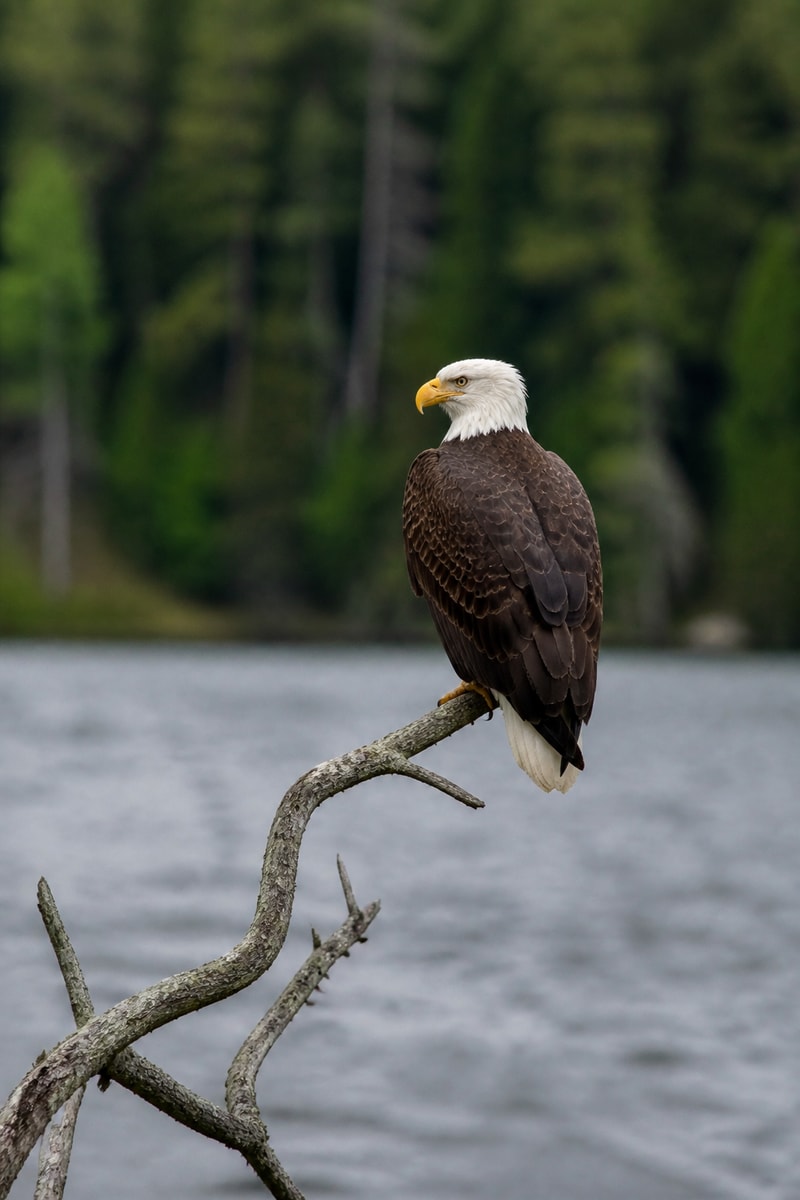
- Bald Eaglelegendary • Lakes & Coasts
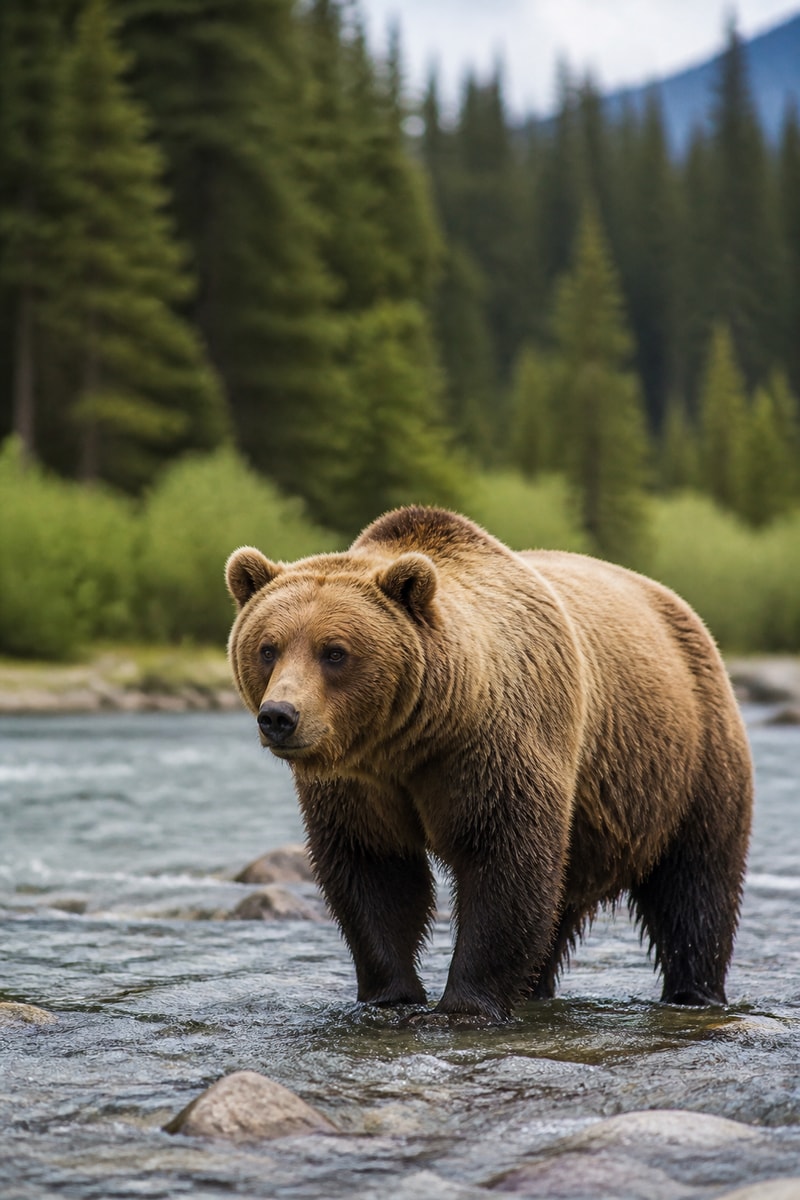
- Grizzly Bearlegendary • Mountains & Rivers
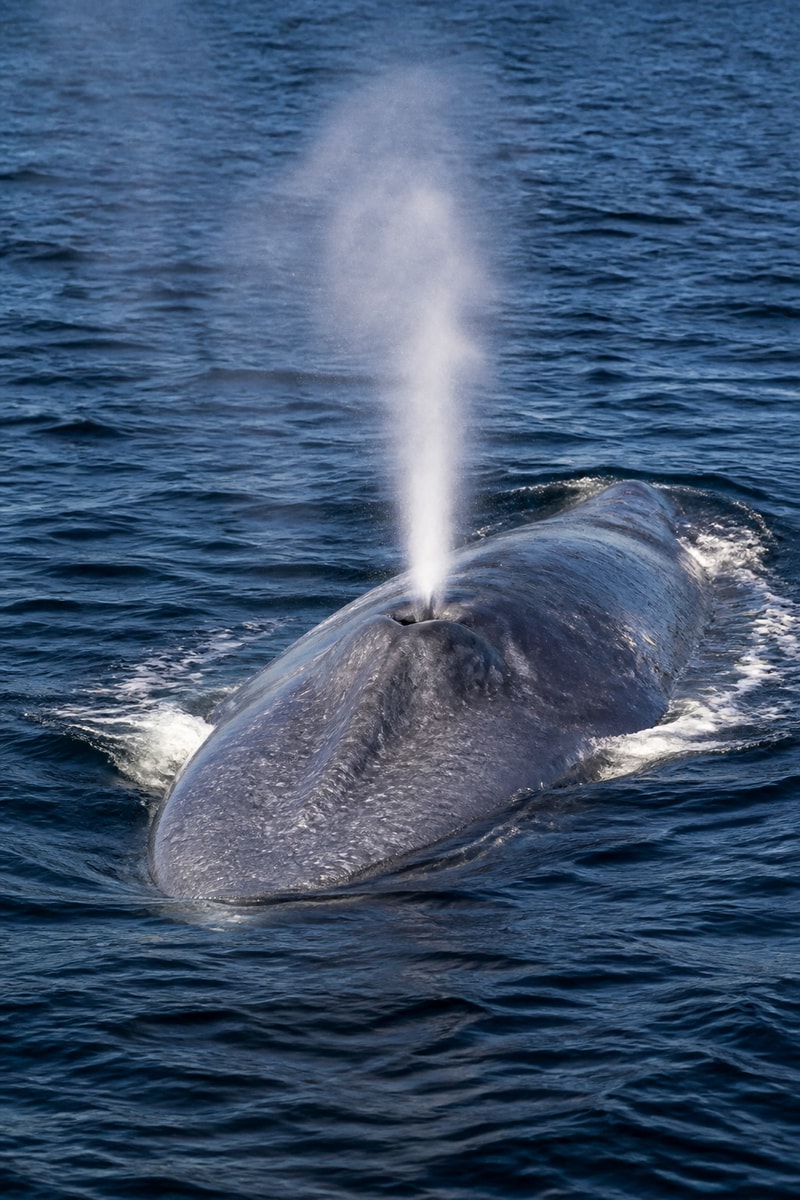
- Blue Whalelegendary • Open Ocean
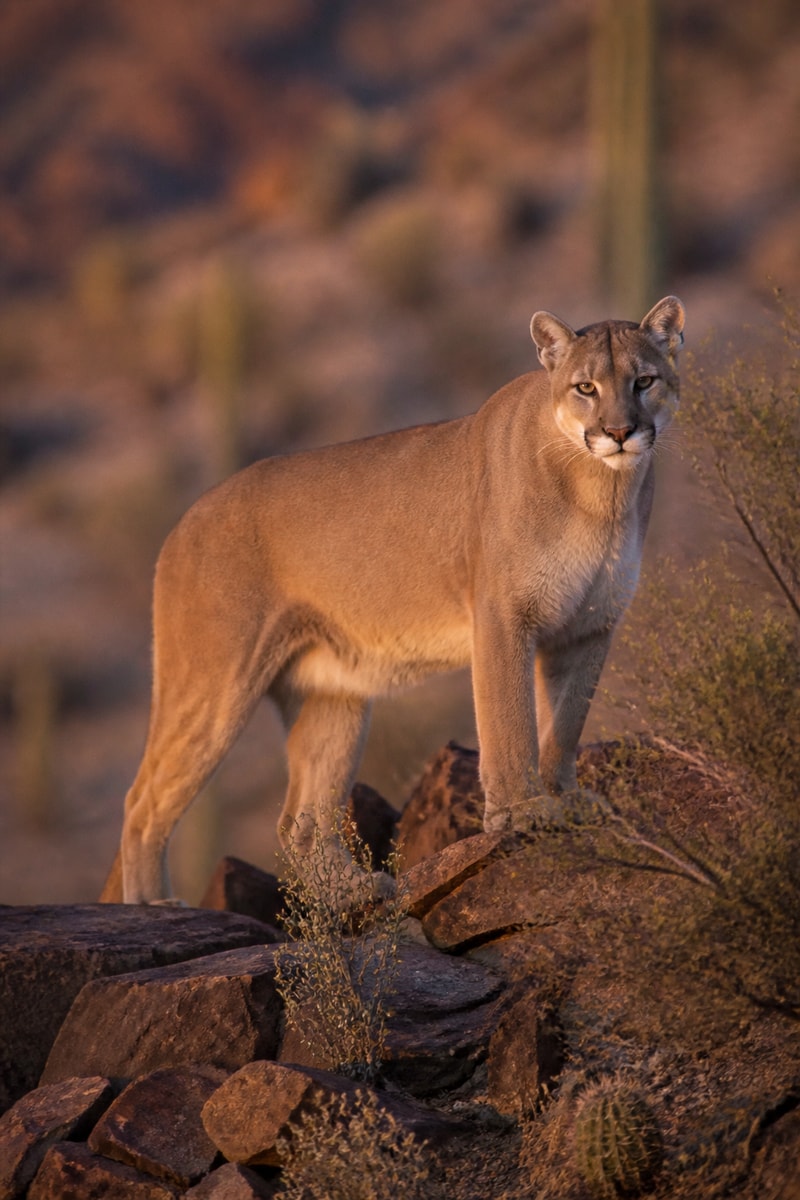
- Mountain Lionlegendary • Mountains & Desert
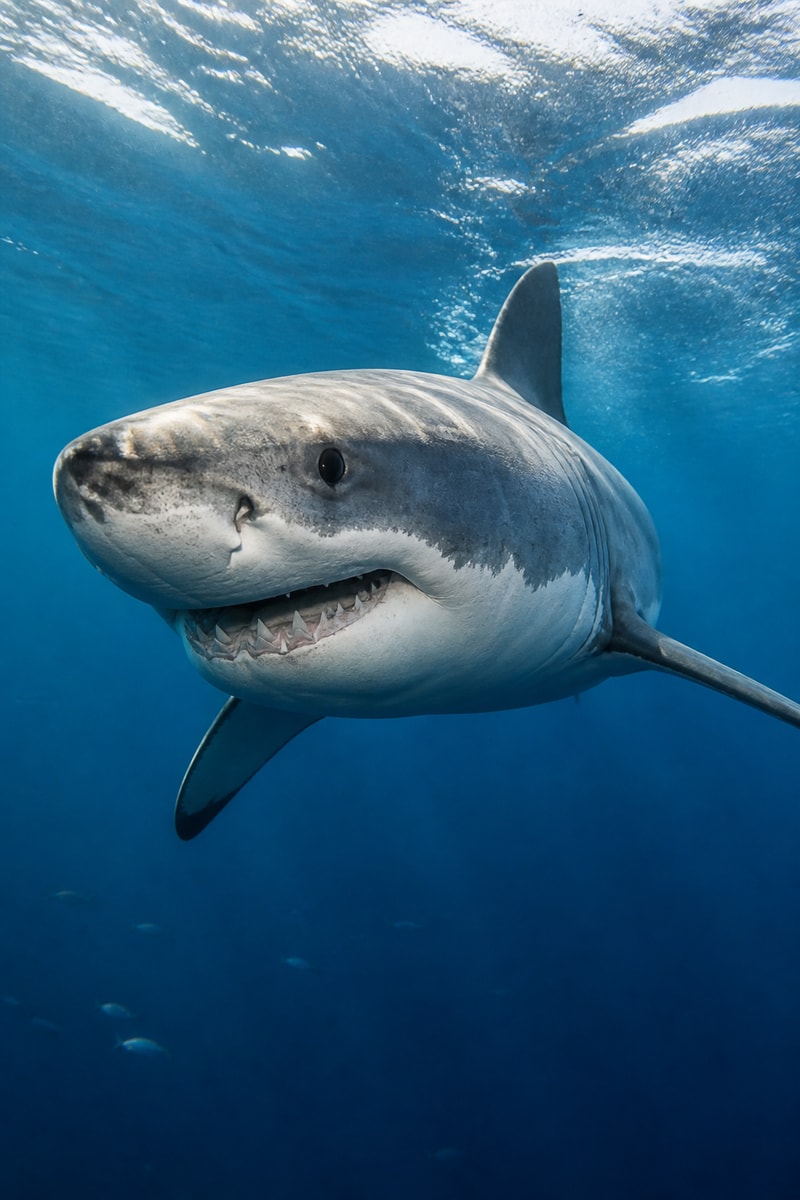
- Great White Sharklegendary • Coastal Ocean
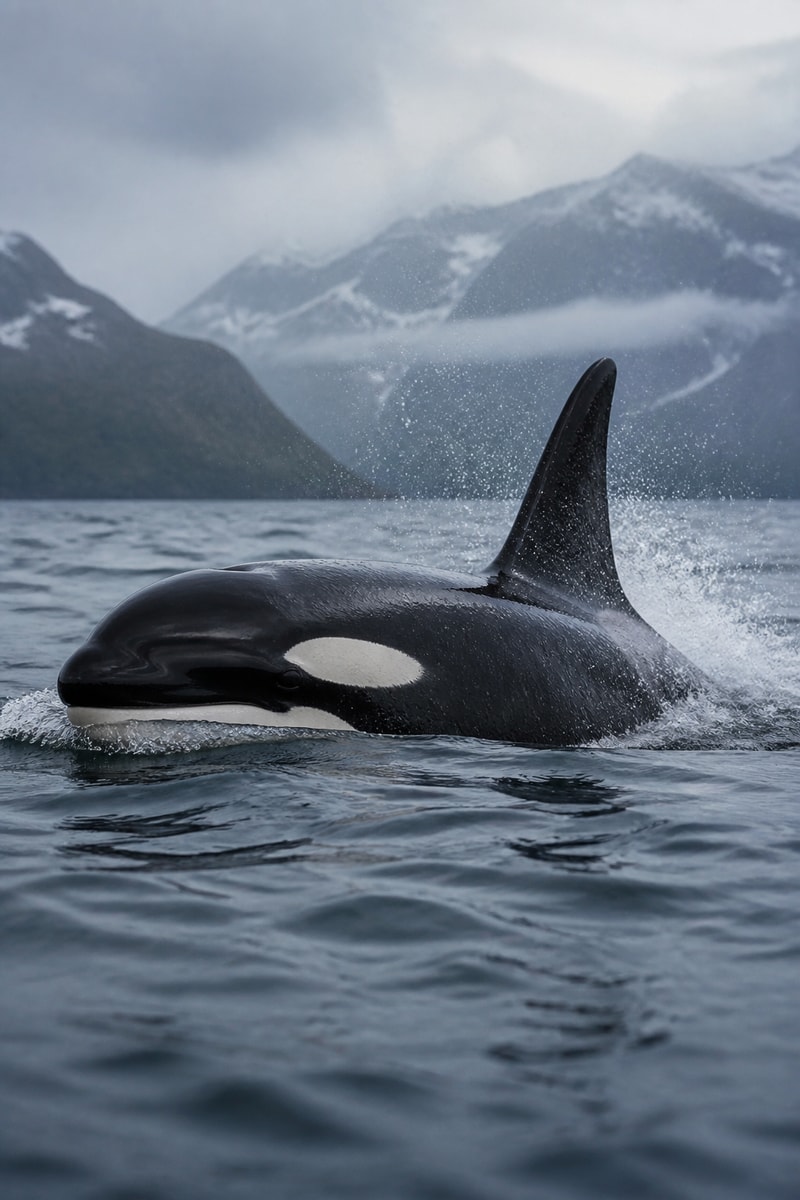
- Orcalegendary • Coastal Ocean
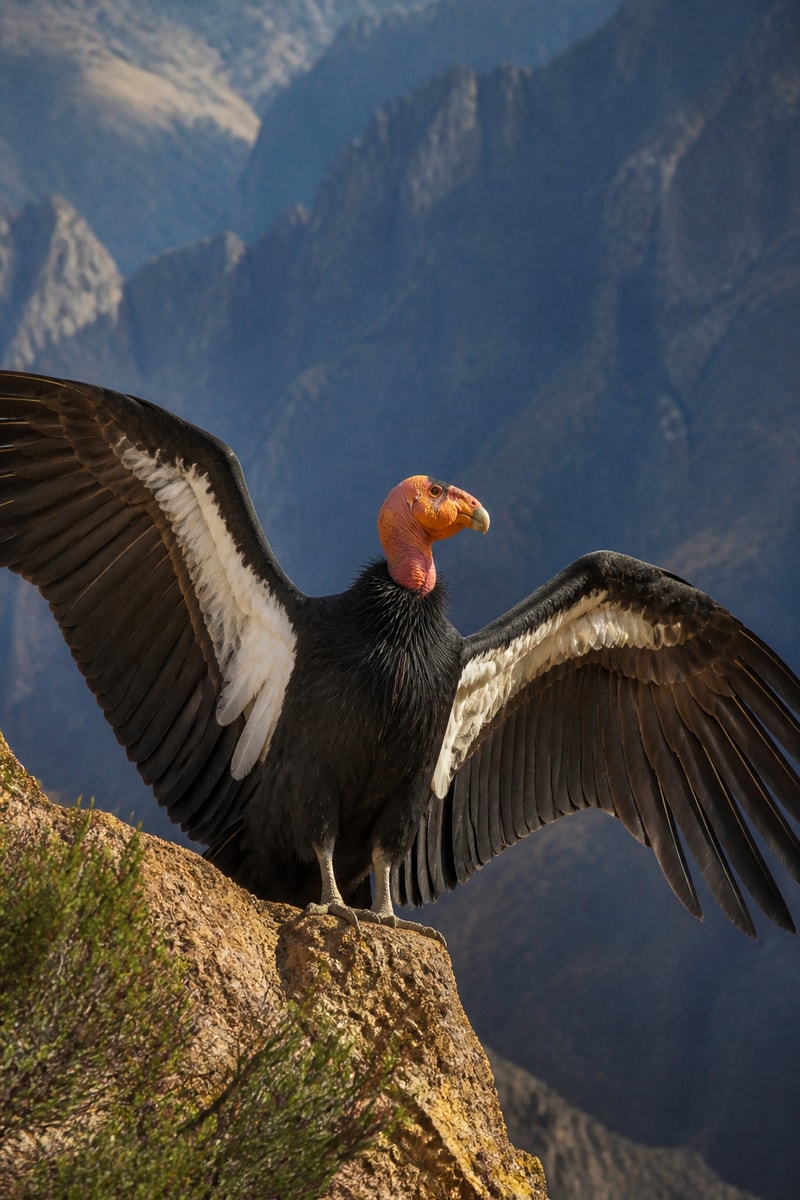
- California Condorlegendary • Canyons & Cliffs
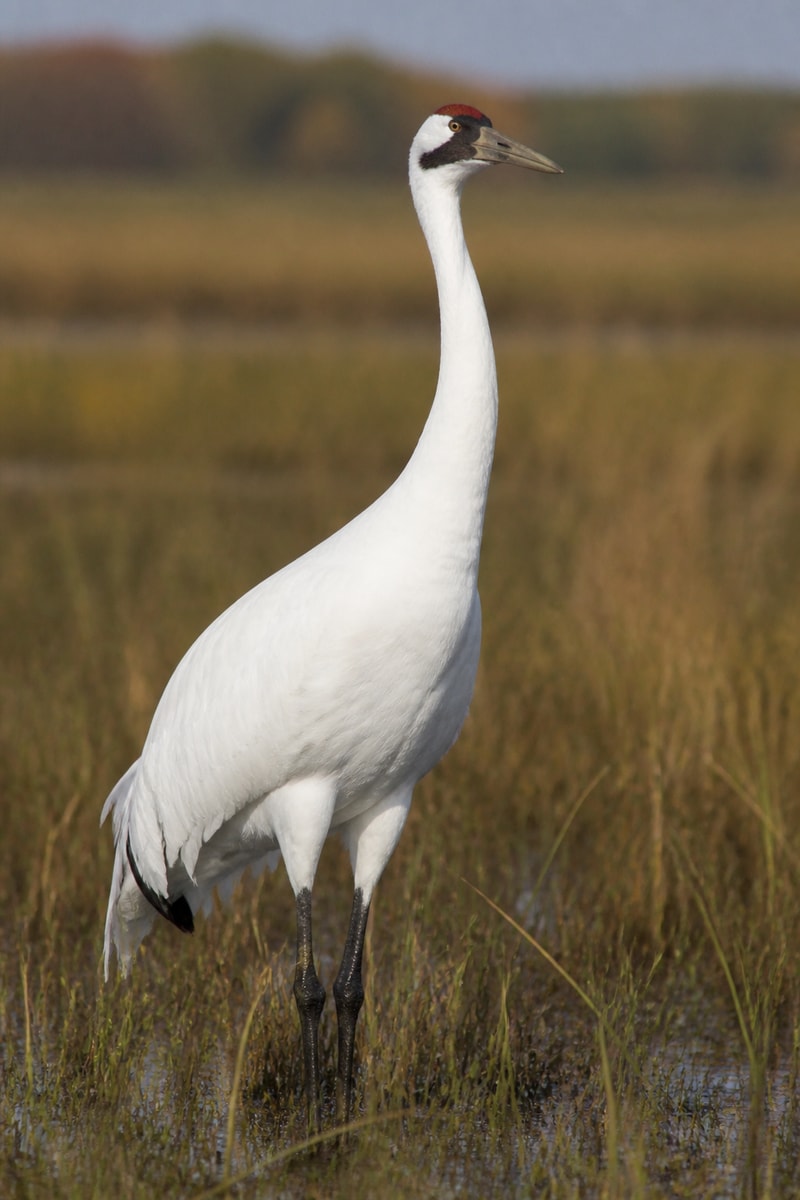
- Whooping Cranelegendary • North American Wetlands
Free on iOS
Catch the Peregrine Falcon
Spot one in the wild, then scan it in Catch'Um to log your rare discovery.