
Field guide · rare
Hedgehog
Britain's spiny night wanderer, a garden favourite whose numbers have fallen sharply in recent decades.
Vulnerable
Erinaceus europaeus
Overview
The hedgehog is one of the UK's most beloved mammals: a snuffling, spiny ball that emerges after dark to patrol lawns and hedgerows for slugs, beetles, and worms. For many British collectors, a hedgehog sighting feels like a small miracle: they're there, but easy to miss if you're not out at the right hour.
Once common in almost every garden, hedgehogs have declined by half or more in rural areas since the turn of the century. Road deaths, tidy fencing, and pesticide use all take a toll. Finding one now earns a rare discovery in Catch'Um, and a reminder to leave gaps in garden fences and log piles for them to nest.
- Scientific nameErinaceus europaeus
- Length20–30 cm
- Weight0.4–1.2 kg (heavier before hibernation)
- Lifespan2–5 years in the wild typical; some reach 8–10 years
- DietInsectivore
- ConservationVulnerable
- RegionGardens & Hedgerows
Habitat
- Gardens
- Hedgerows
- Woodland edge
- Grassland
European hedgehogs live in gardens, parks, farmland, and woodland edge across England, Scotland, Wales, and Northern Ireland. They need connected green space (hedgerows, compost heaps, and quiet corners to nest) and hunt at night across lawns and leaf litter within territories of one to two kilometres.
Countries found
Field notes
Field scale for the Hedgehog: length around 20-30 cm; weight 0.4-1.2 kg (heavier before hibernation). Typical lifespan: 2-5 years in the wild typical; some reach 8-10 years.
When you are scanning habitat, prioritise gardens, hedgerows, woodland edge, and grassland. Those settings are where a clean look and a usable photo are most likely.
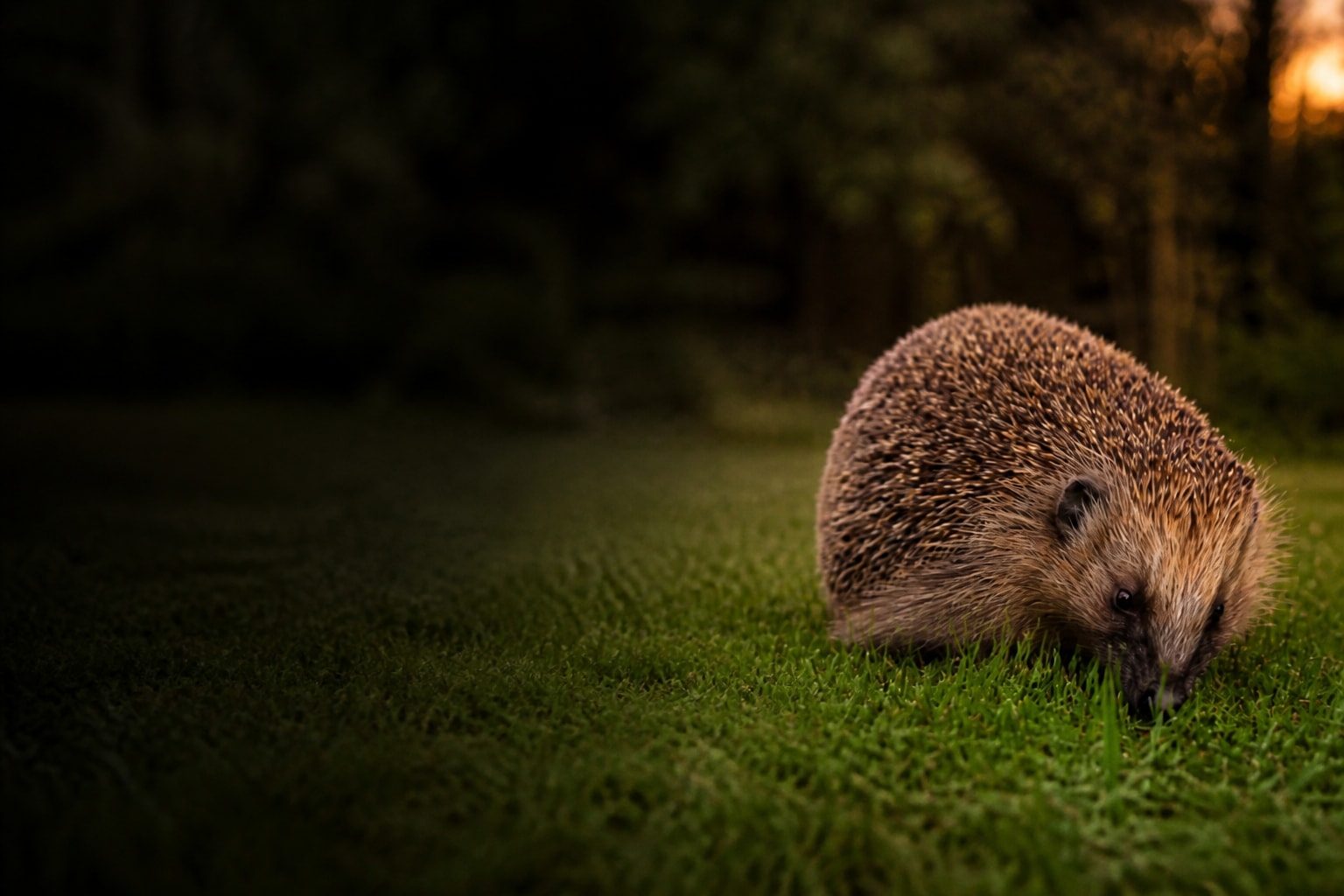
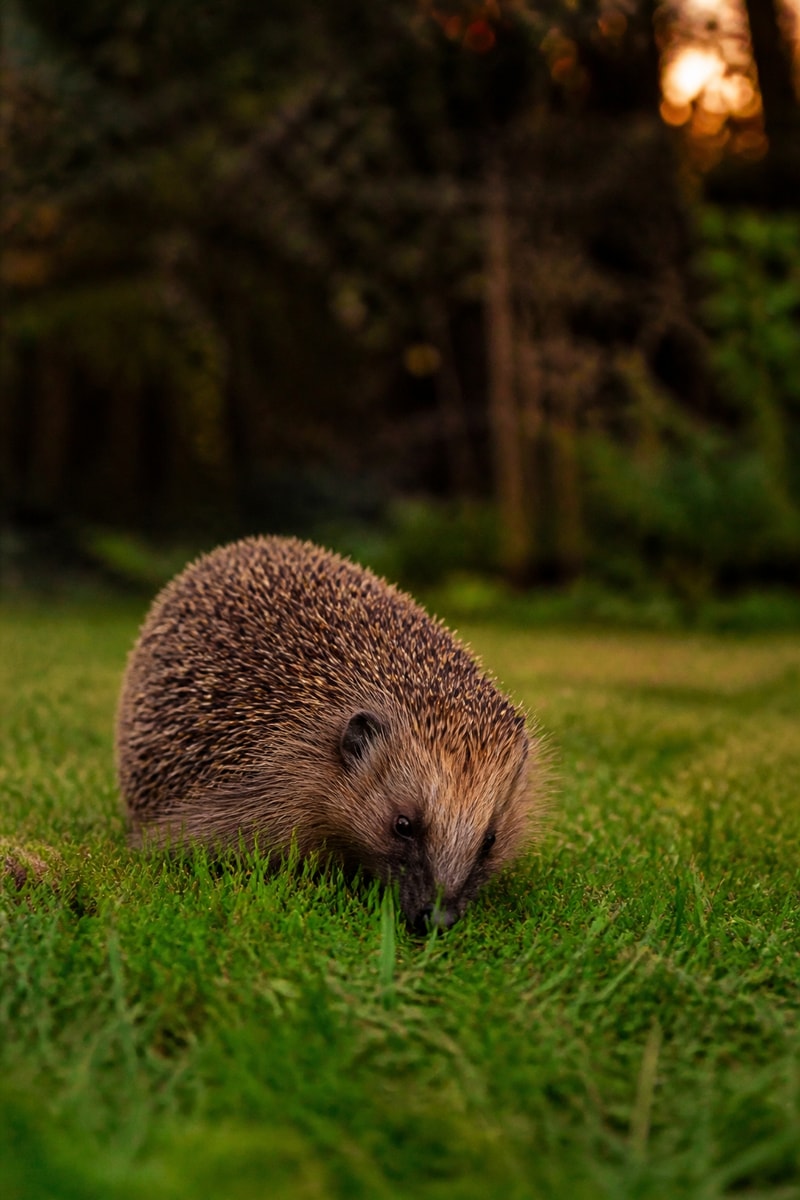
Quick ID anchor: Unmistakable brown mammal coated in dense spines, with a pointed snout, small dark eyes, and short legs. When relaxed the spines lie flat; when alarmed they erect into a bristling ball. Confirm with behaviour and habitat before you log the discovery.
Where to see one
United Kingdom
In United Kingdom, start at Cotswolds Farmland (Gloucestershire & Oxfordshire). Hedgerows, pasture, and village edges, classic fox country where russet coats show clearly against green fields at last light.
More context on this destination lives on the United Kingdom expedition page.
Diet
Nocturnal insectivores taking beetles, caterpillars, earthworms, slugs, and earwigs. They also eat some carrion, fallen fruit, and bird eggs when found.
Behaviour
Solitary and mostly nocturnal, curling into a tight ball of spines when threatened. They hibernate through cold months in leaf or compost nests and roam gardens and hedges at night.
How to identify
Unmistakable brown mammal coated in dense spines, with a pointed snout, small dark eyes, and short legs. When relaxed the spines lie flat; when alarmed they erect into a bristling ball.
Interesting facts
- 01
A hedgehog has around 5,000 spines, each lasting about a year before being replaced.
- 02
They curl into a tight ball when threatened: spines outward, face and belly protected.
- 03
Hedgehogs can run surprisingly fast, up to 2 metres per second in short bursts.
- 04
They hibernate through winter, slowing their heartbeat from 190 beats per minute to around 20.
- 05
Baby hedgehogs are called hoglets; a litter usually has four to five.
- 06
They are largely immune to adder venom, one of the few predators that can eat them safely.
Conservation status
The European hedgehog is Vulnerable in the UK and declining across much of western Europe. Habitat fragmentation, roads, and loss of insect prey are the main drivers. Garden-friendly practices and hedgehog highways between plots can help local populations.
Sources: IUCN Red List

Keep exploring
Free on iOS
Catch the Hedgehog
Spot one in the wild, then scan it in Catch'Um to log your rare discovery.