
Field guide · rare
Otter
The river's quiet acrobat, a sleek swimmer back from the brink on Britain's cleaner waterways.
Near Threatened
Lutra lutra
Overview
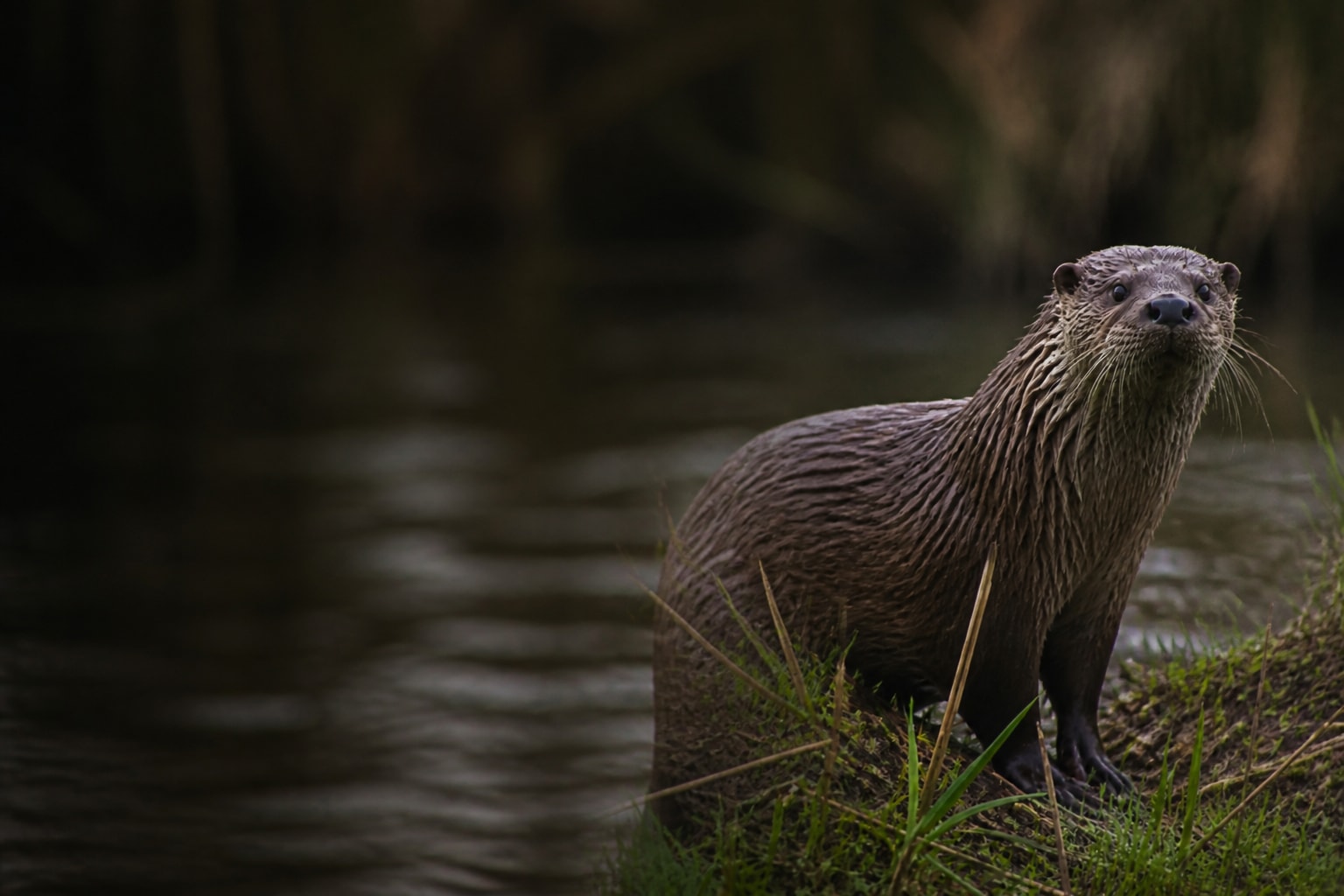
The European otter is one of Britain's most charismatic mammals, long-bodied, whiskered, and almost impossibly fluid in water. After pesticide pollution drove them to near-extinction in England and Wales by the 1970s, otters have returned to rivers across the UK, a genuine conservation success worth celebrating when you spot one.
Otters are dawn and dusk hunters, sliding into rivers and lakes to catch fish, frogs, and crayfish. A glimpse of that V-shaped wake, a head popping up with a fish, or a spraint left on a rock, any of these counts as a rare discovery worth logging.
- Scientific nameLutra lutra
- Length60–80 cm body; tail 30–50 cm
- Weight5–12 kg
- Lifespan5–10 years in the wild
- DietPrimarily fish
- ConservationNear Threatened
- RegionRivers & Lakes
Habitat
- Rivers
- Lakes
- Wetlands
- Coasts
Otters live along rivers, lakes, estuaries, and coastal margins across the United Kingdom wherever water quality and fish stocks support them. They need dense bankside cover for holts, burrows under tree roots or boulders, and clean water with abundant prey.
Countries found
Field notes
Field scale for the Otter: length around 60-80 cm body; tail 30-50 cm; weight 5-12 kg. Typical lifespan: 5-10 years in the wild.
When you are scanning habitat, prioritise rivers, lakes, wetlands, and coasts. Those settings are where a clean look and a usable photo are most likely.
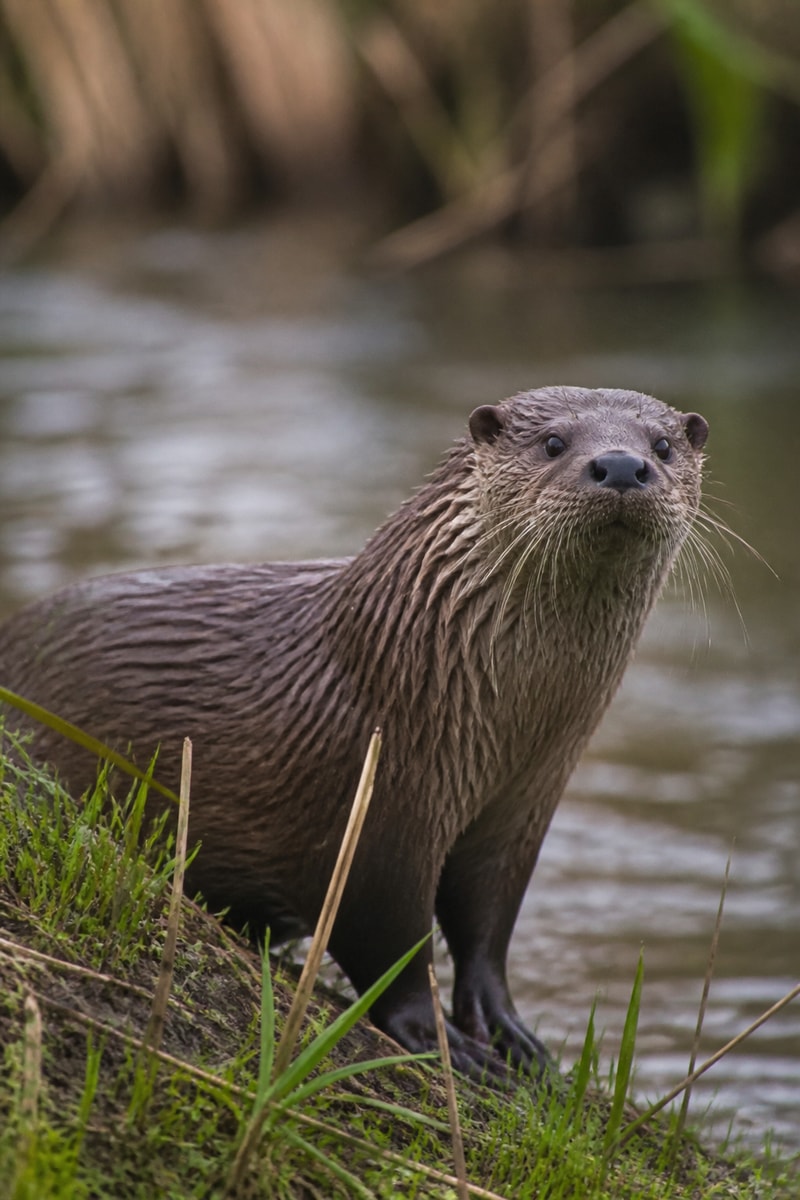
Quick ID anchor: Sleek brown mustelid with a long tapering tail, broad muzzle, small ears, and dense waterproof fur. Swims low in the water with only head and back showing; tracks show five toes and webbing. Confirm with behaviour and habitat before you log the discovery.
Diet
Primarily fish, caught by underwater pursuit. Also take crayfish, amphibians, crabs, and occasionally waterbirds or small mammals.
Behaviour
Mostly solitary and often crepuscular or nocturnal along rivers and coasts. Leave spraints (droppings) on prominent rocks and ledges; mothers raise cubs in holts among roots or reedbeds.
How to identify
Sleek brown mustelid with a long tapering tail, broad muzzle, small ears, and dense waterproof fur. Swims low in the water with only head and back showing; tracks show five toes and webbing.
Interesting facts
- 01
Otters hold hands while sleeping so they don't drift apart in the water, a behaviour best known in sea otters, though all otters are agile social swimmers.
- 02
UK otter populations crashed in the 1970s due to pesticide pollution but have recovered on cleaner rivers.
- 03
They can close their ears and nose underwater and use whiskers to detect prey in murky water.
- 04
Otter droppings (spraints) are left on prominent rocks to mark territory and smell surprisingly pleasant, like jasmine tea.
- 05
They have dense fur with up to a million hairs per square inch, no blubber needed.
- 06
A single otter may patrol a stretch of river several kilometres long as its territory.
Conservation status
The European otter is Near Threatened globally and still recovering in parts of the UK after decades of decline. Road deaths, habitat loss, and water pollution remain local threats, but rivers from Scotland to Cornwall now support otters again.
Sources: IUCN Red List
Keep exploring
Free on iOS
Catch the Otter
Spot one in the wild, then scan it in Catch'Um to log your rare discovery.